May 26, 2023
Escape From Responsibility: Ayatollah Khamenei Calls Reconciliation With Saudi Arabia “Dissimulation”
The May 26 edition of the Iran Media Review considers how Iranian Supreme Leader Ayatollah Ali Khamenei is publicly distancing himself from the restoration of diplomatic relations with Saudi Arabia.

Under China’s auspices, Iran and Saudi Arabia are engaged in an effort to manage their rivalry, which resulted in the March 10 trilateral agreement to restore diplomatic relations between the two states. Iranian Supreme Leader Ayatollah Ali Khamenei supported the decision, yet he is disinclined to accept political responsibility for it. In a May 21 address to Iran’s ambassadors, who are in Tehran for consultations, Khamenei did not mention Saudi Arabia specifically, but he delivered statements that commentary in Iranian media has universally interpreted as Iran’s head of state studiously avoiding taking any responsibility for the diplomatic breakthrough with Saudi Arabia. Rather than owning what was a major diplomatic victory for Iran, Khamenei appears to fear internal critics accusing him of selling out Iran’s revolutionary ideals and contradicting Grand Ayatollah Ruhollah Khomeini’s July 1988 dictum: “Even if we forget Saddam, let go of the Quds issue, and disregard America’s crimes, we shall never forget the House of Saud. God willing, we shall wash our sorrows away when we, at an appropriate time, take revenge on America and the House of Saud.” Out of this fear, Khamenei has gone as far as publicly distancing himself from the restoration of diplomatic relations with Saudi Arabia, calling it “dissimulation.”
- May 21: The Office for the Preservation and Publication of the Works of His Holiness Grand Ayatollah Khamenei released excerpts from an address by Khamenei to Iranian ambassadors: “In foreign policy, when we talk of dignity, it is the negation of diplomatic begging. Throughout the years, there were cases when our diplomacy could be correctly described as begging. Diplomatic begging. The tone of our language may not have been that of a beggar, but it was begging. Dignity, on the other hand, is the negation of such diplomacy … It means self-reliance … Wisdom means wise deeds in bilateral and multilateral relations. It means thoughtful and calculated action. It means abstention from repulsive and improvised statements … Expediency means knowing when to show flexibility. In some instances, one must show flexibility. Flexibility does not exclude principles, and it is possible to uphold the principles while showing flexibility. Some years ago, I raised the issue of ‘heroic flexibility,’ which was misunderstood. Both inside Iran and abroad, the concept was misunderstood; and they miscalculated based on their misunderstanding. In Iran, too, this was misunderstood, even by those in the know. Flexibility is necessary at times, and it must be shown. It is just like dissimulation in the case of the leadership” of the Islamic community. “I have extensively discussed the issue of dissimulation. Dissimulation means that when you follow a path but reach a rock you cannot climb, you must find your way around it. This is flexibility. It does not mean that we are no longer pursuing our path or are retreating. No, rather than fighting the rock, we showed flexibility and managed to find another path.”
The views represented herein are the author's or speaker's own and do not necessarily reflect the views of AGSI, its staff, or its board of directors.
Related
Iran Media Review
Mar 10, 2026
New Leader, Old Policy
The March 10 edition of the Iran Media Review analyzes Iranian messaging after the election of a new supreme leader.
Iran Media Review
Mar 6, 2026
Tehran Warns Iraq’s Kurdistan Regional Government
The March 6 edition of the Iran Media Review highlights an Iranian military official’s warning to the Kurdistan Regional Government to stay out of the escalating U.S.-Israeli conflict with Iran.
Iran Media Review
Mar 3, 2026
War Abroad, Civil War at Home?
The March 3 edition of the Iran Media Review examines Iranian messaging following the death of the supreme leader and amid ongoing U.S. and Israeli bombardment.
Mar 10, 2026
New Leader, Old Policy
The March 10 edition of the Iran Media Review analyzes Iranian messaging after the election of a new supreme leader.
Mar 6, 2026
Tehran Warns Iraq’s Kurdistan Regional Government
The March 6 edition of the Iran Media Review highlights an Iranian military official’s warning to the Kurdistan Regional Government to stay out of the escalating U.S.-Israeli conflict with Iran.
Mar 3, 2026
War Abroad, Civil War at Home?
The March 3 edition of the Iran Media Review examines Iranian messaging following the death of the supreme leader and amid ongoing U.S. and Israeli bombardment.
Analysis
Under Mojtaba, the IRGC Will Reign Supreme
Iran may still call itself an Islamic Republic. In practice, however, it increasingly resembles a state in which the military governs from behind clerical robes.
Political Life and Legacy of Iran’s Ayatollah Khamenei
Ayatollah Ali Khamenei was killed in his office in Tehran at age 86, leaving behind a country in ruins and on the verge of civil war and potential disintegration.
Iranian Regime Fighting for Survival
Iran is signaling that it will not absorb attacks passively. But whether this strategy ensures the regime’s survival, seals its fate, or accelerates a broader catastrophe will shape the region for years to come.
Iran’s 2025-26 Protests in Perspective
The erosion of the regime’s legitimacy across broad segments of society, combined with the breadth of the 2025-26 protest coalition, raises the possibility that a new confrontation could trigger renewed anti-regime mobilization.
Events
Mar 2, 2026
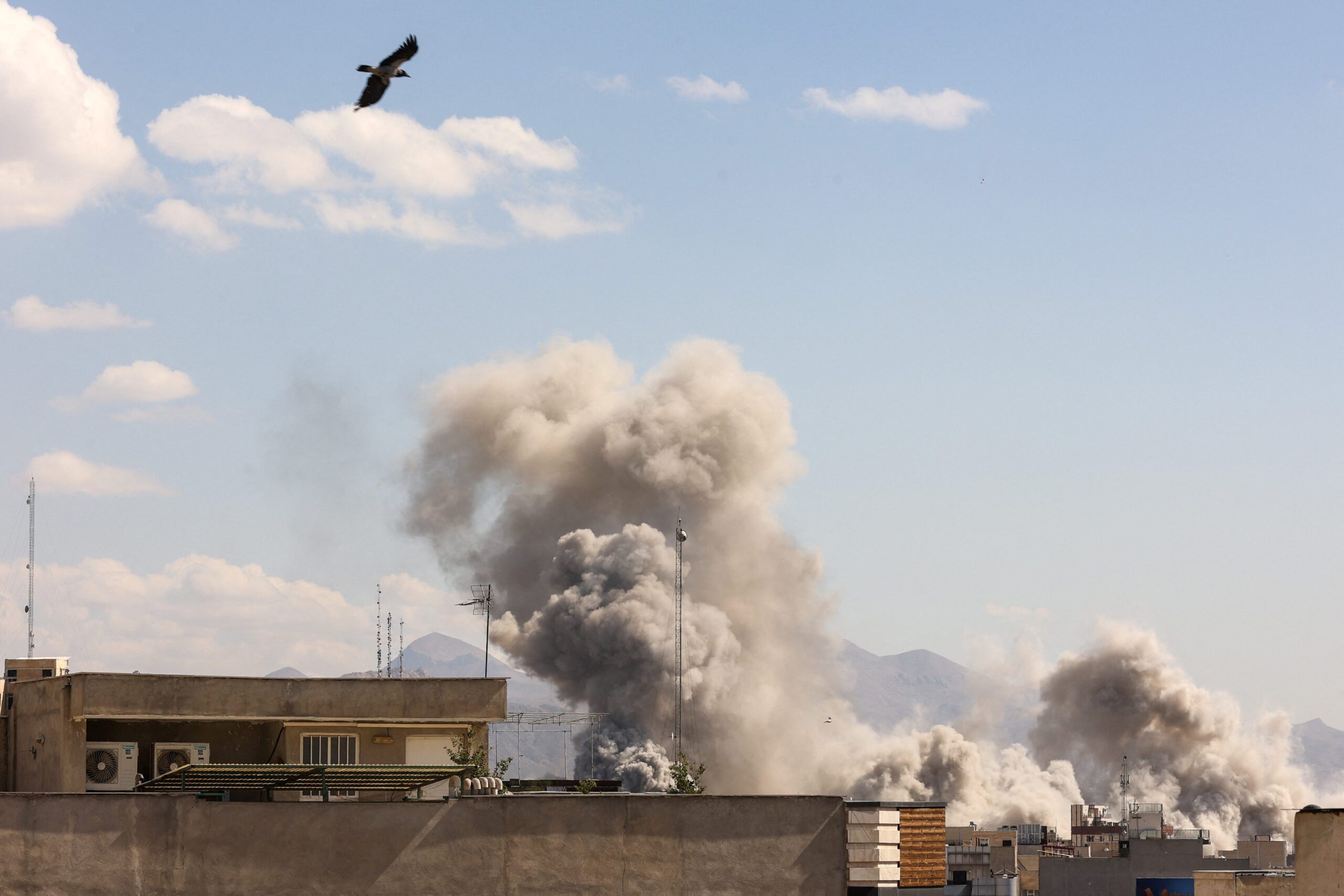
After the Shock: Implications of the U.S.–Israeli Strikes and Iran’s Leadership Transition
On March 2, AGSI hosted a discussion on the U.S.-Israeli strikes on Iran.
Speakers




Jan 8, 2026
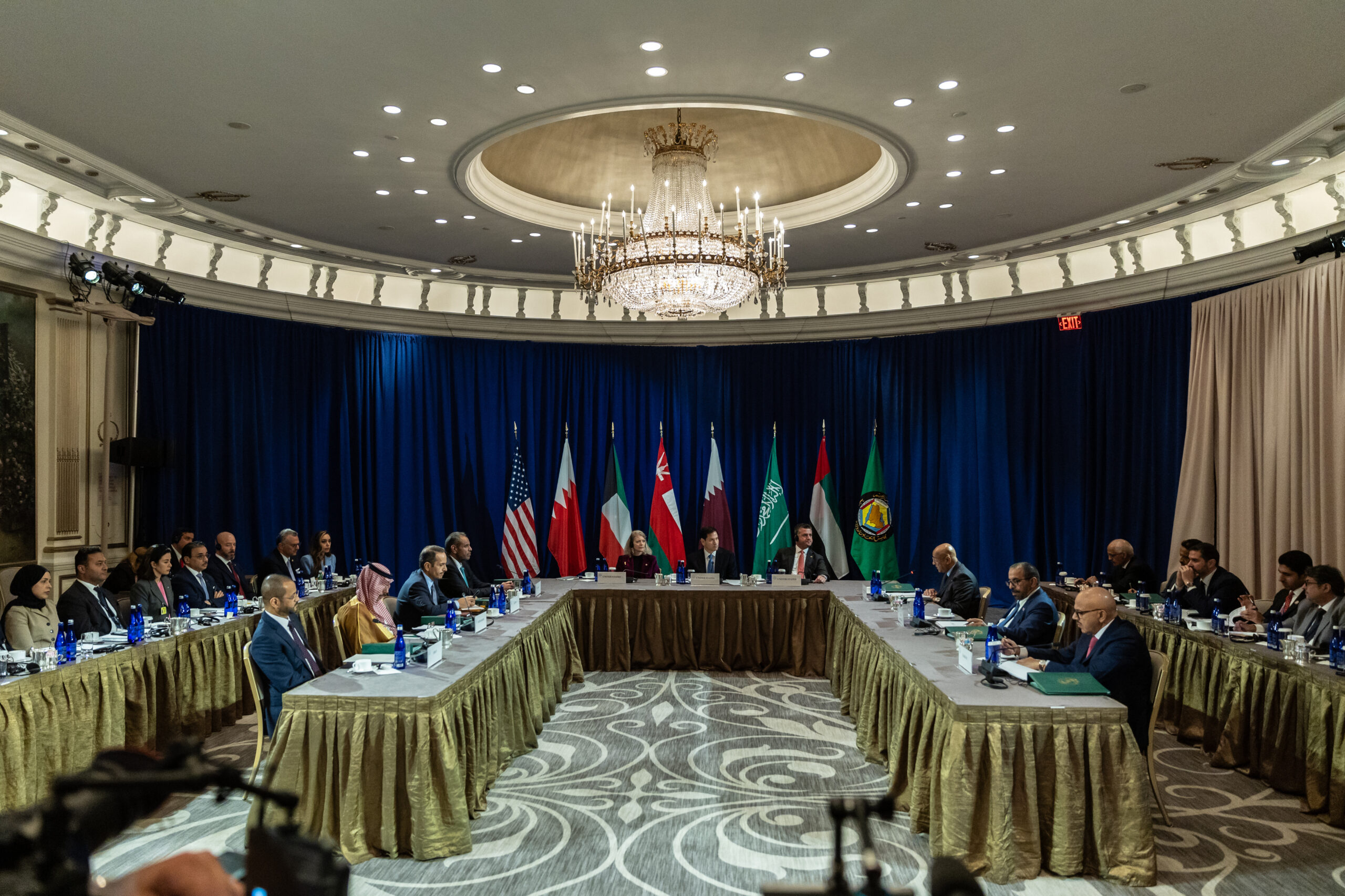
Outlook 2026: Prospects and Priorities for U.S.-Gulf Relations in the Year Ahead
On January 8, AGSI hosted a virtual roundtable with its leadership and scholars as they look ahead and assess trends likely to shape the Gulf region and U.S. foreign policy during the coming year.
Speakers



Sep 16, 2025
Book Talk: Iran’s Grand Strategy: A Political History
On September 16, AGSI hosted a discussion on the roots of Iran's strategic outlook.
Speakers
Jun 23, 2025
U.S. Strike on Iran: Regional and Diplomatic Fallout
On June 23, AGSI hosted a discussion on the United States' attack on Iranian nuclear sites.
Speakers
