May 12, 2023
The Quds Force Under Qaani
The May 12 edition of the Iran Media Review highlights commentary praising the performance of the Islamic Revolutionary Guard Corps Quds Force since the killing of Major General Qassim Suleimani.
Politicians and pundits in Washington have debated the efficacy of the Islamic Revolutionary Guard Corps Quds Force, the expeditionary wing of Iran’s armed forces, ever since the self-effacing Brigadier General Ismail Qaani replaced the charismatic Major General Qassim Suleimani, who was killed January 3, 2020, as Quds Force commander. While supporters of Suleimani’s assassination claim the Quds Force has been in decline under Qaani’s leadership, opponents of the assassination argue the highly institutionalized Quds Force never depended on a single leader. It is no surprise that Kayhan Daily agrees with the latter, but in truth, it is difficult to compare the Quds Force under Suleimani with the Quds Force under Qaani.
Under Suleimani, the Quds Force stepped out of the shadows, particularly following the 2003 U.S.-led invasion of Iraq, and mobilized non-Iranian Shia forces in the fight against the Islamic State in Iraq and the Levant. Under Qaani, the Quds Force is back in the shadows. Under Suleimani, the Quds Force and Iran’s rivals and their preferred proxies engaged in a struggle to fill the regional power vacuum in the wake of the invasion of Iraq and the Arab Spring uprisings. Under Qaani, Iran consolidated its regional position while gradually reaching an understanding with its rivals. Iraq is the one theater where the Quds Force’s performance is visibly weakened, but this is arguably due more to the death of Abu Mahdi al-Muhandis, the deputy commander of the Popular Mobilization Forces (an umbrella of Iraqi militias that contains pro-Iranian forces), in the U.S. strike on Suleimani.
- May 2: Under the headline “Israel’s Fear of the Growing Prowess of Commander Qaani,” Middle East expert Saad-Allah Zarei wrote in Kayhan: “Three years ago, high-ranking American officials, in the framework of their intelligence cooperation with the Zionist regime, began a project to legitimize the assassination of the martyred commander Haj Qassim Suleimani.” Zarei quoted Michael Knights of the Washington Institute for Near East Policy, who according to Kayhan’s translation of an unspecified report, allegedly argued: “There is no replacement for Qassim Suleimani … and Iran’s strategy in Iraq will collapse.” Turning to more recent commentary from Washington, Zarei continued: “A few days ago, David Petraeus, who was the commander of U.S. Central Command when the United States assassinated Commander Suleimani, overtly said in an interview: ‘The U.S. assassination of Commander Suleimani was not successful and has not managed to slow Iran’s regional activities.’” In fact, Petraeus’ tenure as CENTCOM commander ended in 2011. Zarei concluded by declaring that, under Qaani, “the path of the martyred Commander Suleimani is not just continuing but has become more forceful … ‘Resistance’ paved the path of Iran into global power equations … and it has been a successful path … Therefore, ‘resistance’ must continue.”
The views represented herein are the author's or speaker's own and do not necessarily reflect the views of AGSI, its staff, or its board of directors.
Related
Iran Media Review
Aug 25, 2026
Iran’s Central Bank Governor Seeks to Reassure Public of Economic Resilience
The August 25 edition of the Iran Media Review highlights Iran’s central bank governor’s response to U.S. Treasury Secretary Scott Bessent’s “economic D-Day” warning against Iran.
Iran Media Review
Aug 21, 2026
Qalibaf and Pezeshkian at Odds With the IRGC?
The August 21 edition of the Iran Media Review examines arguments from Iranian leaders for ending the war with the United States through negotiations rather than escalating.
Iran Media Review
Aug 18, 2026
Qalibaf: The Strait of Hormuz Will Not Reopen
The August 18 edition of the Iran Media Review highlights a speech by Iran’s parliamentary speaker pledging not to reopen the Strait of Hormuz until the United States fulfills the conditions of the Islamabad memorandum of understanding.
Aug 25, 2026
Iran’s Central Bank Governor Seeks to Reassure Public of Economic Resilience
The August 25 edition of the Iran Media Review highlights Iran’s central bank governor’s response to U.S. Treasury Secretary Scott Bessent’s “economic D-Day” warning against Iran.
Aug 21, 2026
Qalibaf and Pezeshkian at Odds With the IRGC?
The August 21 edition of the Iran Media Review examines arguments from Iranian leaders for ending the war with the United States through negotiations rather than escalating.
Aug 18, 2026
Qalibaf: The Strait of Hormuz Will Not Reopen
The August 18 edition of the Iran Media Review highlights a speech by Iran’s parliamentary speaker pledging not to reopen the Strait of Hormuz until the United States fulfills the conditions of the Islamabad memorandum of understanding.
Analysis
The Islamic Republic Returns to Offense
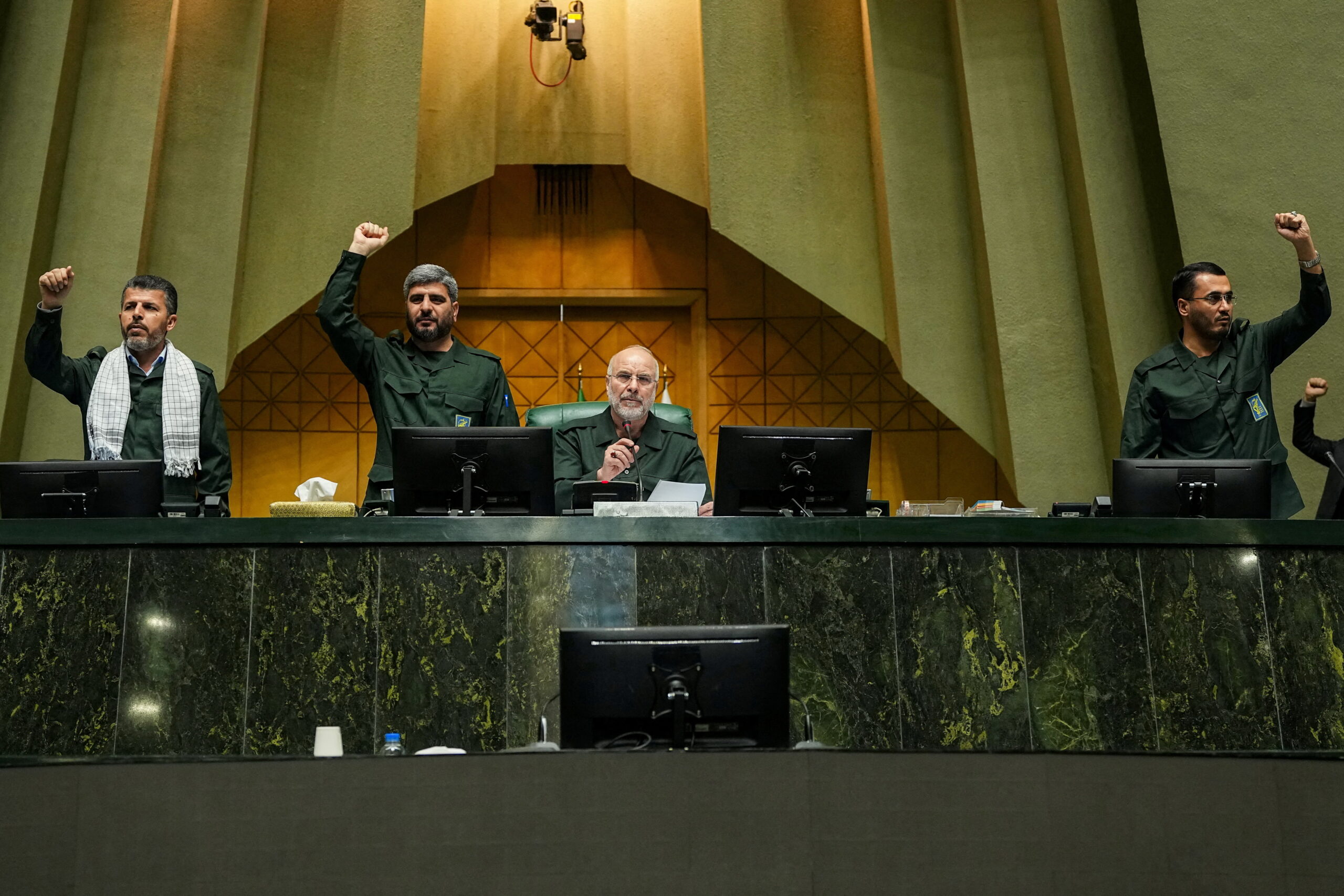
After U.S.-Israeli strikes killed Supreme Leader Ayatollah Ali Khamenei on February 28, Iran’s collective leadership has concluded that the best defense is a good offense.
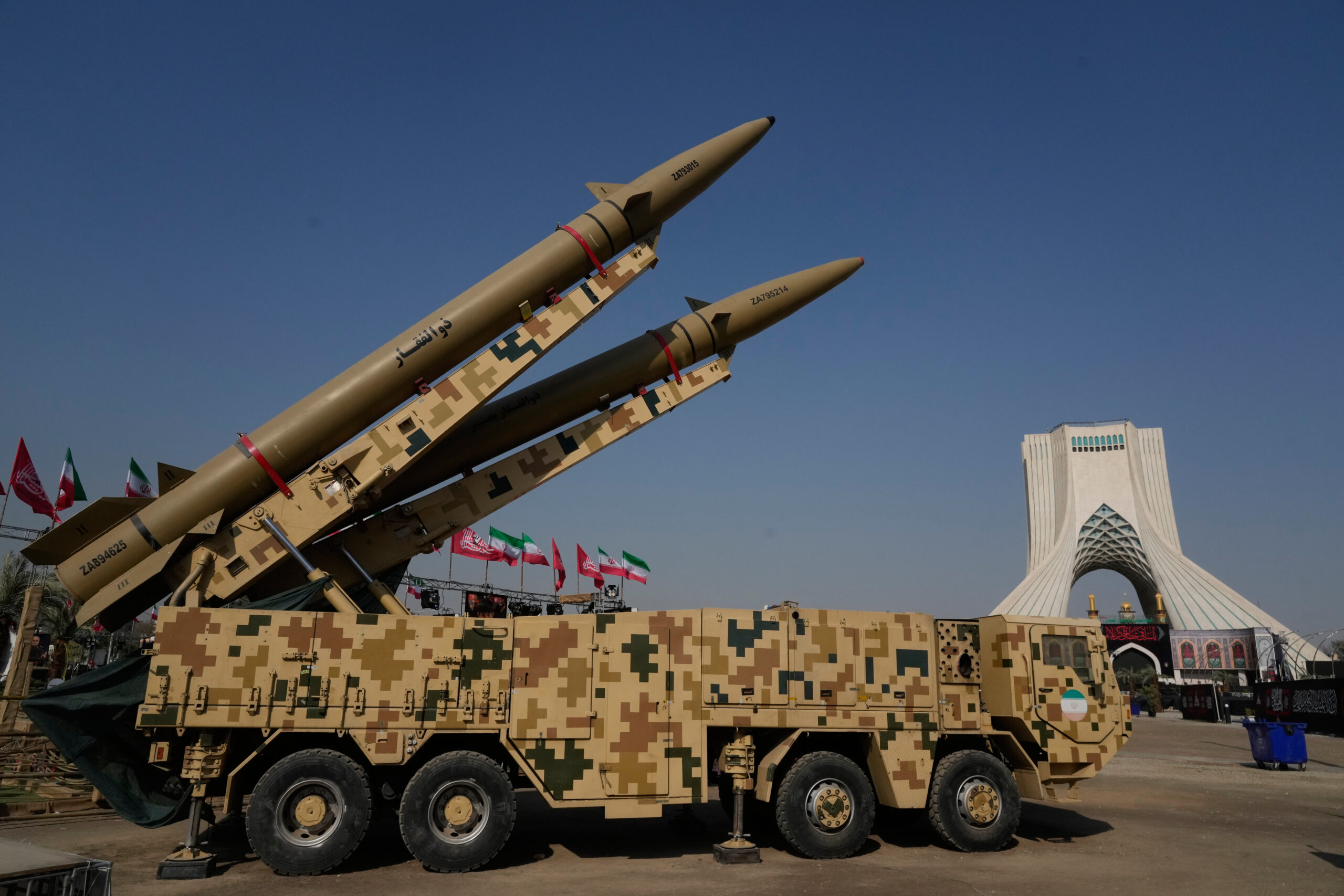
Iran’s Collective Strategic Decision Making
Wartime pressure has temporarily aligned the leadership’s overriding interest in regime survival, even as its members continue to differ over the costs, methods, and ultimate objectives of the war.
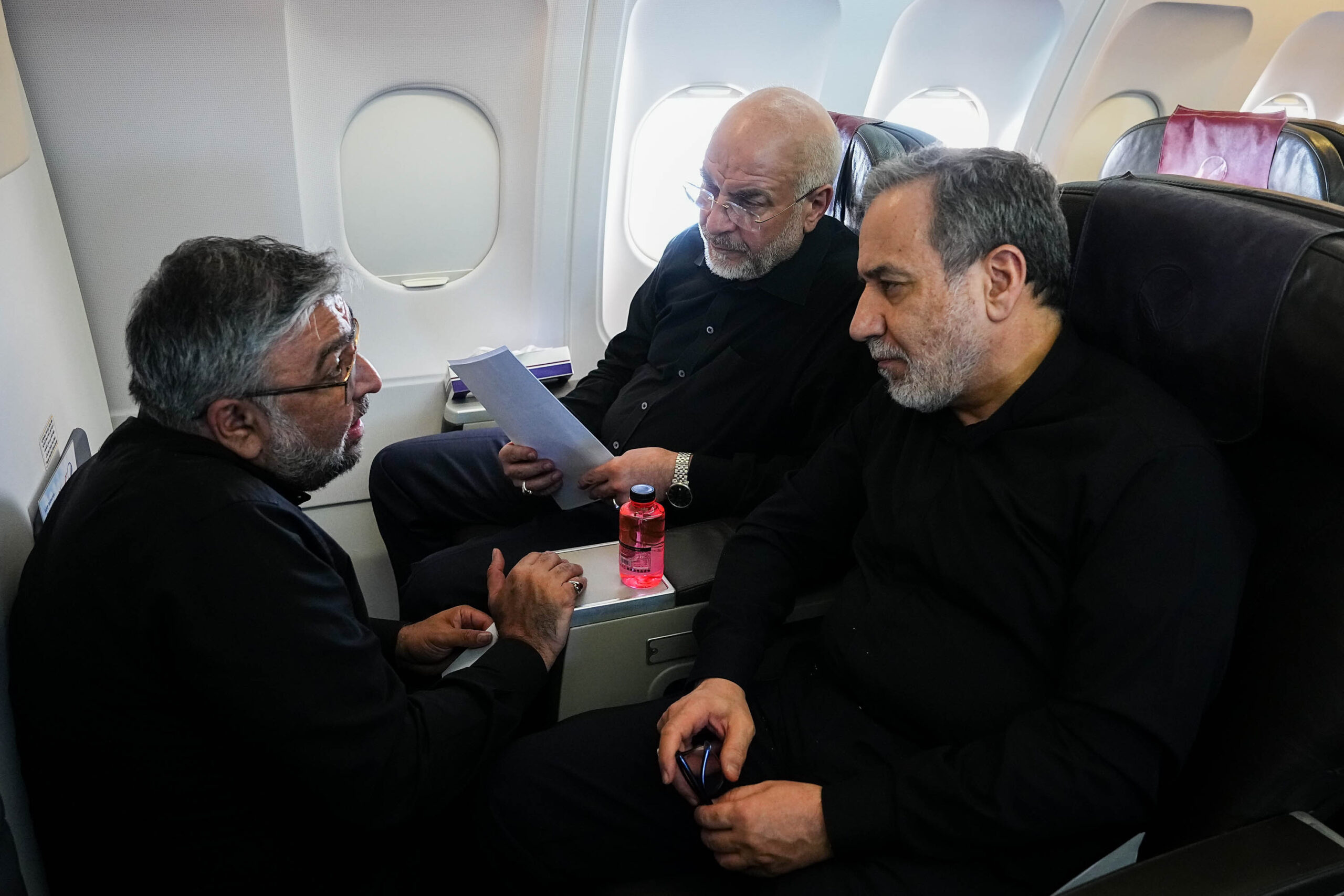
The Islamic Republic’s Collective Leadership
While there is historical precedent for collective leadership in Iran, today’s leadership includes representatives of the IRGC and regular military – a reflection of the IRGC’s expanding role and the necessities of governing under wartime conditions.
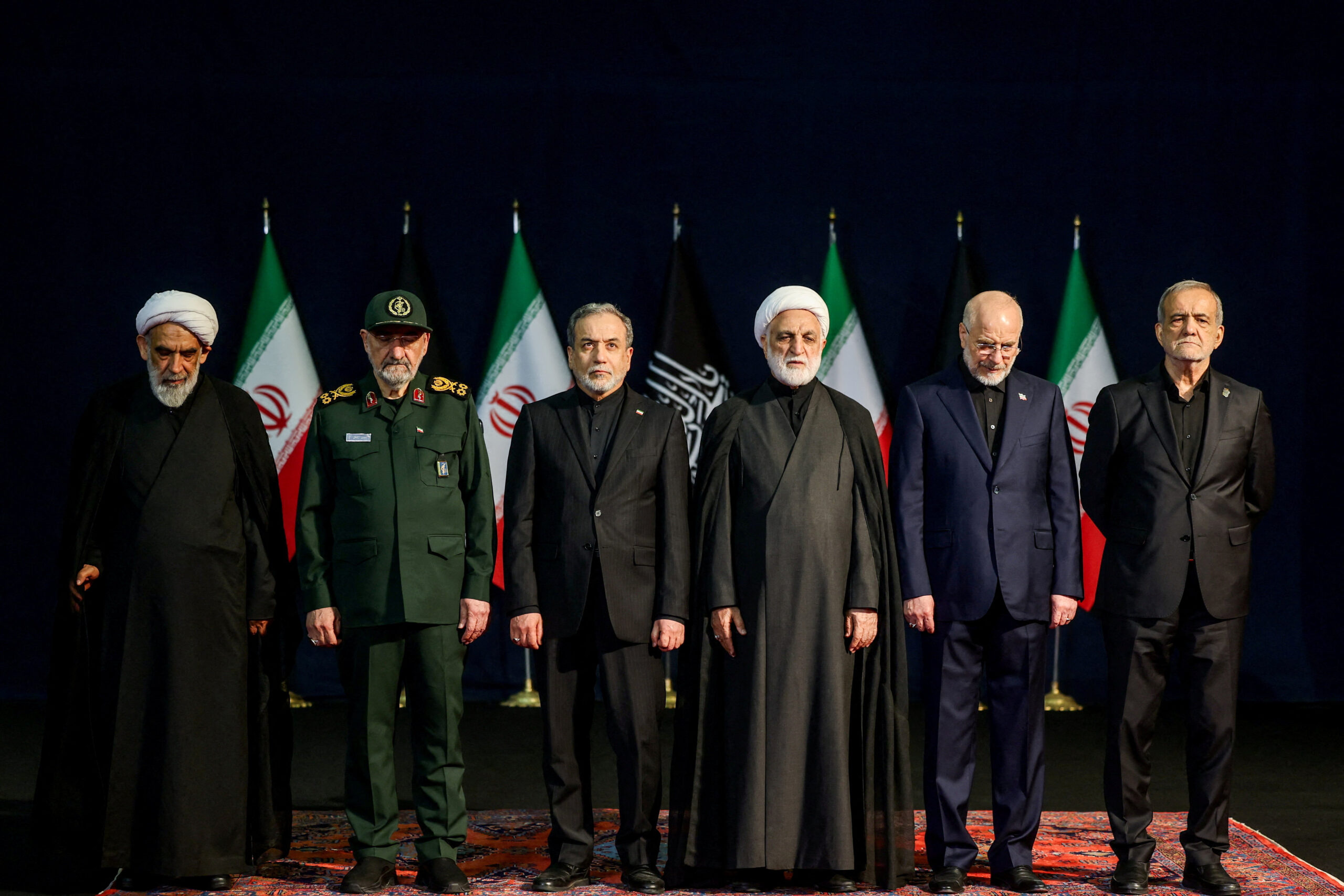
How Did the IRGC Seize Power in Iran?
The IRGC did not seize power in a single stroke. It accumulated it – patiently, methodically – until no counterweight remained.
Events
Book Talk: Iran and the Bomb: The United States, Iran and the Nuclear Question
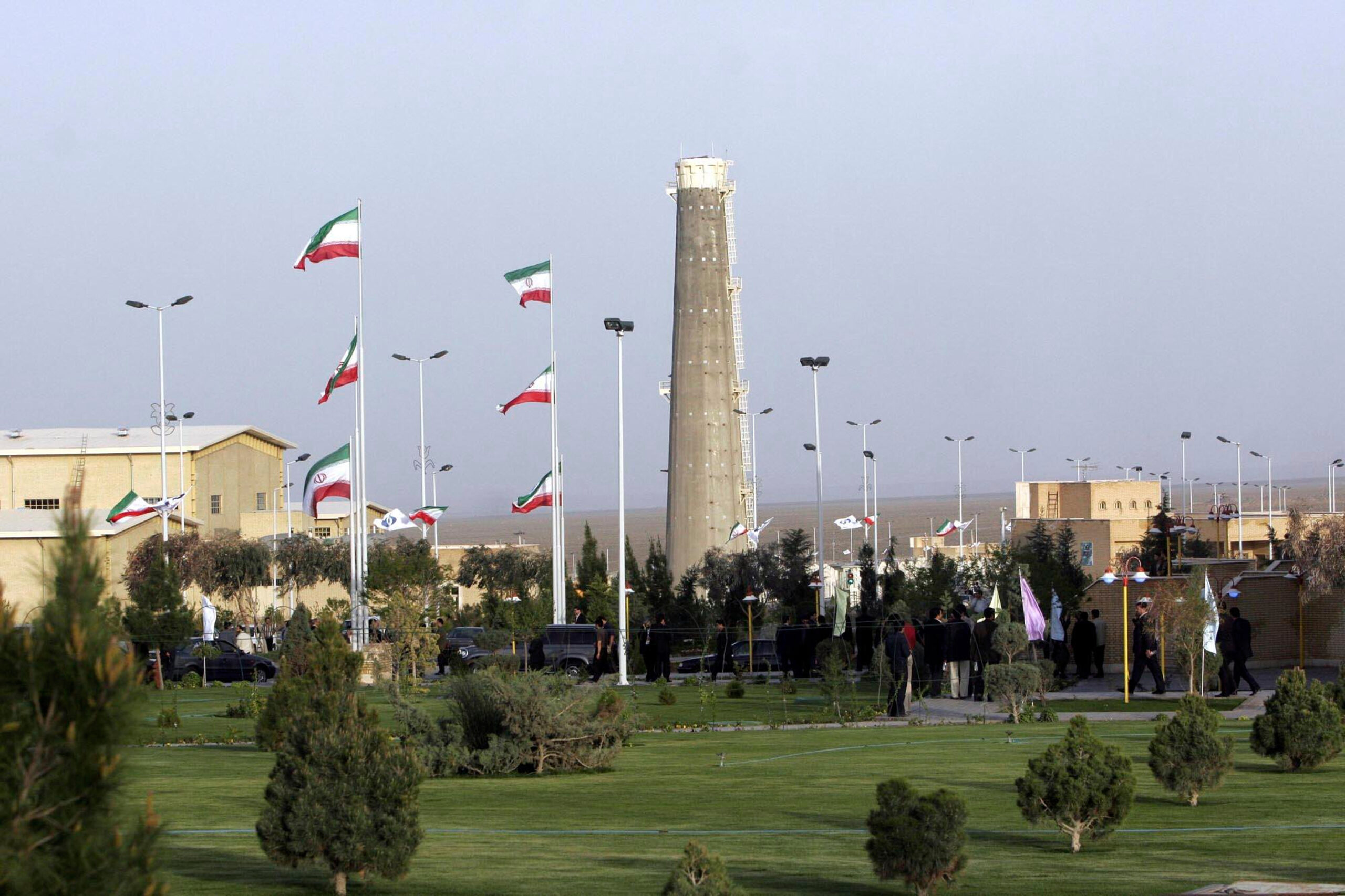
On June 16, AGSI hosted a discussion on the evolution of Iran's nuclear program.
Speakers

Apr 21, 2026
Inside Iran’s Wartime Leadership: Power, Succession, and Regime Stability
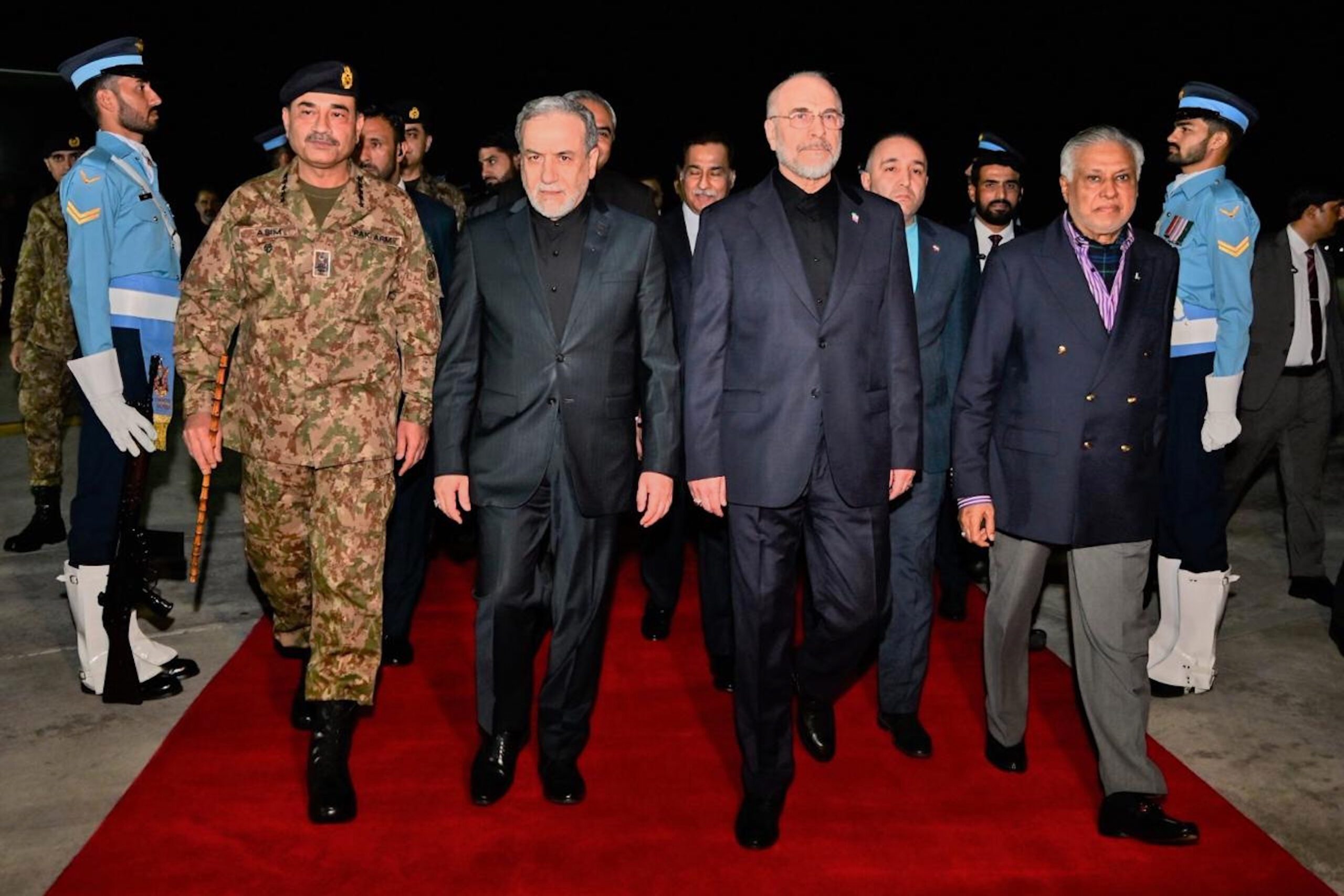
On April 21, AGSI hosted a discussion on the evolution of Iran's leadership during the war.
Speakers

Mar 18, 2026
In Its Conflict With the United States and Israel, Does Escalation Favor Iran?
On March 18, AGSI hosted a discussion on the escalation of the Iran war.
Speakers


Mar 2, 2026
After the Shock: Implications of the U.S.–Israeli Strikes and Iran’s Leadership Transition
On March 2, AGSI hosted a discussion on the U.S.-Israeli strikes on Iran.
Speakers