The Hard Work Begins after the Missile Strikes on Syria
After a virtually unbroken string of blunders since his inauguration, Donald Trump finally got a major policy decision right. Early on Friday, he launched 59 Tomahawk cruise missiles at Al Shayrat air base in central Syria, in response to Bashar Al Assad’s latest chemical weapons atrocity in which at least 80 people were murdered by...
USS Ross (DDG 71) fires a tomahawk land attack missile April 7. (U.S. Navy photo by Mass Communication Specialist 3rd Class Robert S. Price/Released)
After a virtually unbroken string of blunders since his inauguration, Donald Trump finally got a major policy decision right. Early on Friday, he launched 59 Tomahawk cruise missiles at Al Shayrat air base in central Syria, in response to Bashar Al Assad’s latest chemical weapons atrocity in which at least 80 people were murdered by sarin gas.
Washington’s action was more than justified. And while the Trump administration insists it reflects a fundamental break with Barack Obama’s Syria policies, American strategy is, in fact, poised on a knife’s edge and could go either way.
The path of least political resistance would be an open-ended continuation of Mr Obama’s counterproductive hands-off approach. Mr Trump had been following precisely that course, but his missile strike should signal a new way forward.
A direct line runs between Mr Obama’s refusal to enforce his own “red line” that forbade the Assad regime from using chemical weapons and Mr Trump’s inadvertent setting of the stage for Mr Al Assad’s latest war crime. In 2013, Mr Al Assad crossed the red line by killing 1,400 people with sarin. Mr Obama then bizarrely rewarded him with an agreement to eliminate his chemical weapons.
Washington thereby effectively abandoned the policy that Mr Al Assad must be deposed. The agreement instead revitalised his diplomatic and political legitimacy, and was predicated on his ongoing control over much of Syria. It acknowledged Mr Al Assad’s authority both in the abstract – as a binding agreement between sovereign governments – and in practice to fulfil its terms.
The Syrian war thereby effectively ended for Washington, with rejection of Mr Al Assad’s continued rule giving way to tacit acceptance of his control of the government into the foreseeable future.
The Obama administration never openly or honestly acknowledged that Washington had abandoned its earlier commitment to ending this exceptionally vicious regime. But Mr Trump eventually did, taking the logic of their shared policies to its inevitable conclusion.
Last week, US secretary of state Rex Tillerson and UN ambassador Nikki Haley bluntly confirmed Washington was no longer seeking the removal of Mr Al Assad, who promptly consecrated this major diplomatic victory by murdering yet more Syrians with the very sarin he supposedly fully relinquished.
It was breathtakingly reckless and virtually forced Mr Trump’s hand. Mr Al Assad’s war crime starkly reminded Washington – and the world – of who it was recognising as Syria’s legitimate leader. Mr Trump is notoriously thin-skinned and Mr Al Assad’s personal affront to him – essentially rubbing his face in his own mess – proved foolhardy.
In addition to responding to Mr Al Assad’s obvious testing of a new administration, Washington also could not overlook his blatant use of sarin, a completely prohibited chemical weapon. The world has been discounting Mr Al Assad’s use of chlorine, a dual use chemical with many legitimate applications. It’s morally incoherent, but chlorine gas simply isn’t as anathema to the international community as sarin gas. Moreover, Mr Al Assad was, in effect, boasting about having deceived Washington about eliminating his sarin stockpiles.
These provocations were so egregious that even Mr Obama would probably have felt compelled to act. Now it’s essential that this belated military operation doesn’t prove a meaningless one-time gesture.
The strike was essentially symbolic, and on the more modest end of US military options. Not merely one, but all six, of the regime’s military air bases could have been hit, and without the warning that Washington provided to Moscow, and hence to Damascus as well. Still, Washington has clarified that it will not tolerate any further sarin attacks.
Now Mr Trump may be tempted to revert to the supposedly safe, risk-averse Syria policy he had been sharing with Mr Obama until this week. But this “safe” approach did nothing to contain the conflict or meaningfully attenuate its dire consequences for Syrians and the world.
To the contrary, it helped the Assad regime and Al Qaeda-linked fanatics – the two sides of the sectarian war coin – to thrive in the vacuum. And ISIL remains a persistent menace to all.
In its own interests, and like it or not, Washington will ultimately have to play a significant role in ending the Syrian conflict.
This means working to help modify the balance of power on the ground to encourage major players to compromise, and using both carrots and sticks to revise their incentive structures.
Russia is plainly experiencing significant international pressure to distance itself from Mr Al Assad. Such leverage should be fully developed. Creating safe zones in Syria is another possible approach.
Despite routine and facile assertions that Washington lacks any realistic options in Syria, in fact it does have the requisite resources and can exploit, or even create, a range of opportunities.
Mr Trump has acknowledged that American “vital national security interests” are indeed at stake in Syria. The missile strike was a good start to moving past Mr Obama’s self-defeating Syria policies. Now, the heavy lifting must commence.
This article was originally published by The National.
The views represented herein are the author's or speaker's own and do not necessarily reflect the views of AGSI, its staff, or its board of directors.
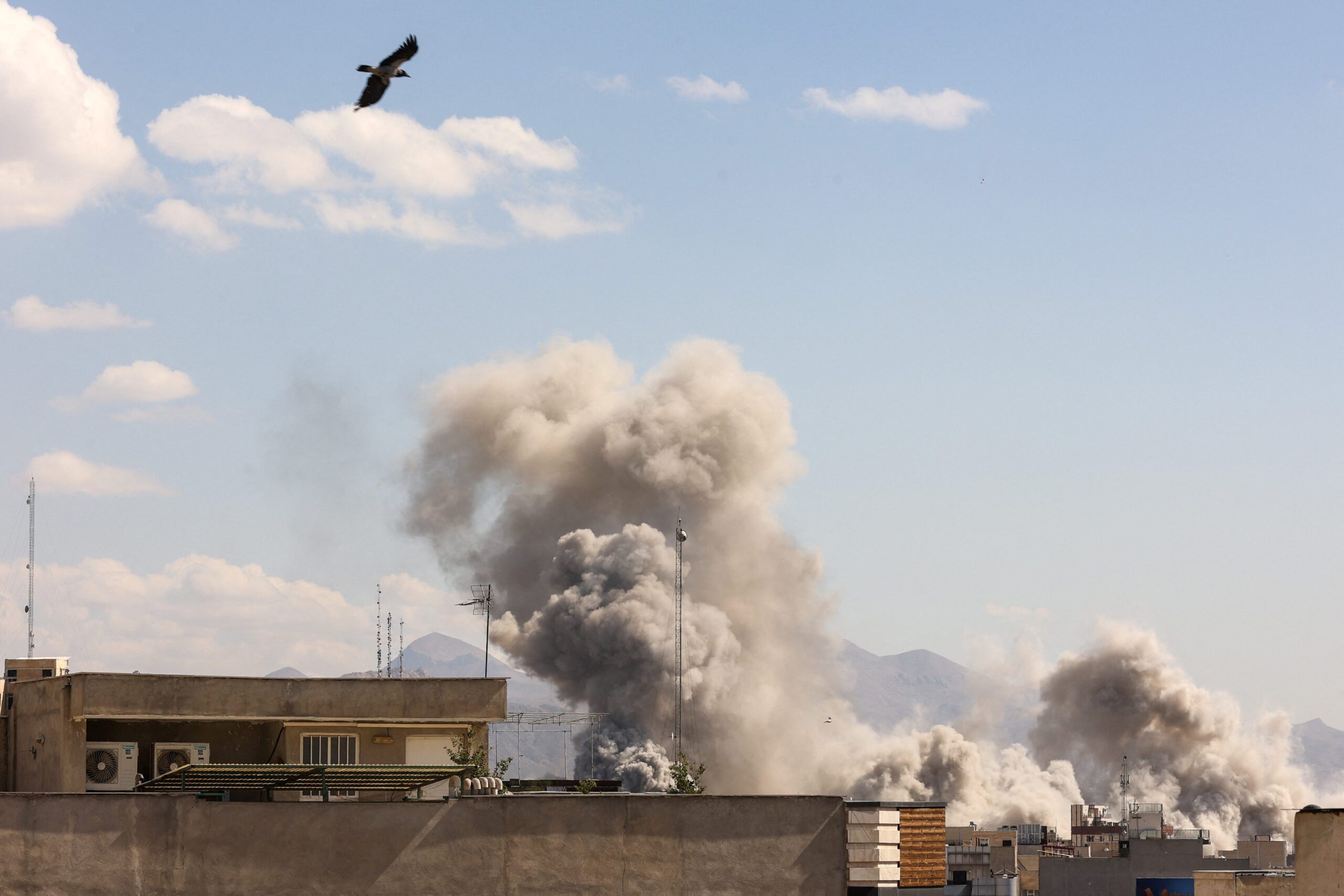
Iran may still call itself an Islamic Republic. In practice, however, it increasingly resembles a state in which the military governs from behind clerical robes.
Iran’s attacks have perhaps irrevocably damaged Qatari-Iranian bilateral relations and erased the last few years of broader rapprochement efforts between Iran and the GCC states.
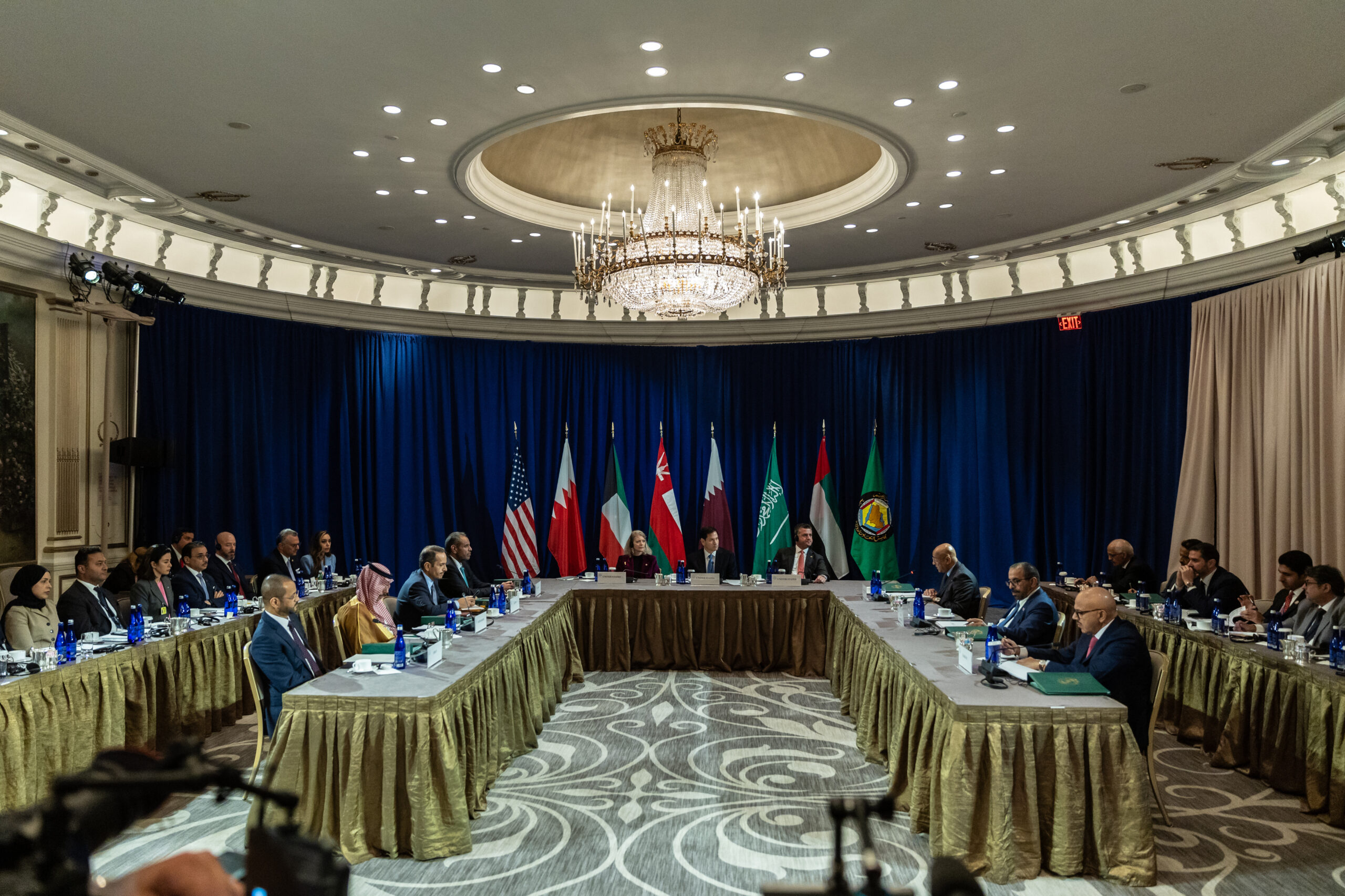
Though they were unsuccessful in preventing the current conflict, and, as expected, have been dragged into the U.S.-Israeli confrontation with Iran, Gulf Arab countries remain crucial to hopes for limiting the war and bringing it to a quick resolution.
After decades of tolerating Hezbollah’s warmaking independence, the current crisis has compelled Lebanese leaders to ban its military activities; this project will do much to determine the reach Iran can maintain in the Arab world.
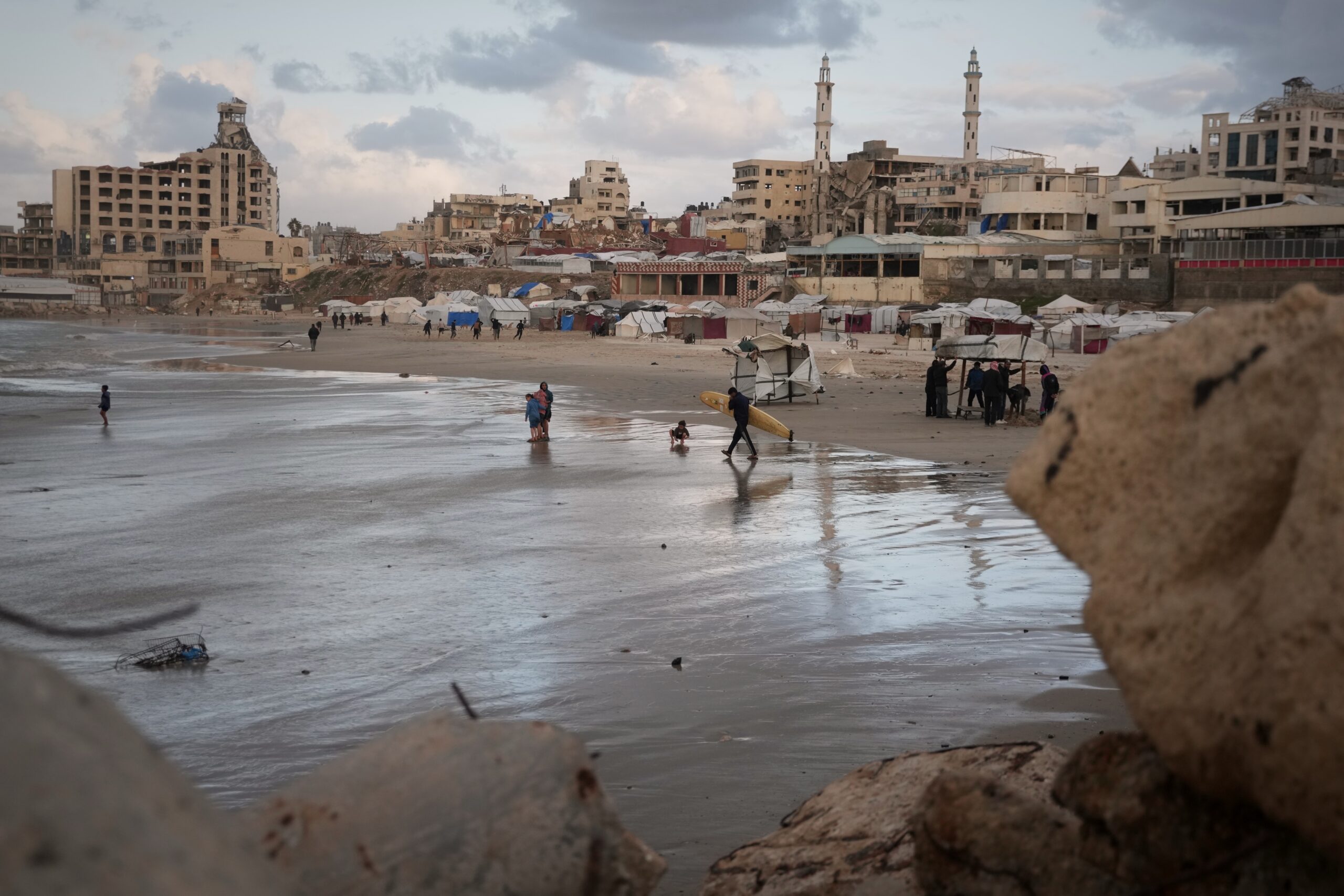
Gulf Arab countries urged the United States not to strike Iran, but now that is happening, they are in danger of being sucked into a conflict they cannot control but that will likely reshape their present and future realities.
When quickly debunked rumors in the Israeli media that the UAE was seeking to manage postconflict Gaza were widely welcomed in Israel, it demonstrated both the trust the UAE has built among Israelis but also their lack of understanding of Emirati policies and interests.
On January 8, AGSI hosted a virtual roundtable with its leadership and scholars as they look ahead and assess trends likely to shape the Gulf region and U.S. foreign policy during the coming year.










Apr 10, 2017
The Hard Work Begins after the Missile Strikes on Syria
After a virtually unbroken string of blunders since his inauguration, Donald Trump finally got a major policy decision right. Early on Friday, he launched 59 Tomahawk cruise missiles at Al Shayrat air base in central Syria, in response to Bashar Al Assad’s latest chemical weapons atrocity in which at least 80 people were murdered by...
4 min read