Sep 13, 2024
Territorial Disputes Threaten Iran-Arab Detente
The September 13 edition of the Iran Media Review explores commentary regarding disputed territory and shared oil and gas fields among Iran and its neighbors.

The uneasy detente between Iran and its Arab neighbors is not only threatened by the state of Iranian-U.S. relations but also by dormant territorial disputes. These include disputes over the Greater and Lesser Tunb and Abu Musa islands claimed by the United Arab Emirates and oil and gas fields that Iran shares with neighboring countries – which Iran has not developed due to the international sanctions regime and restricted access to technology. Should the Islamic Revolutionary Guard Corps and its engineering arm, Khatam al-Anbia Construction Headquarters, engage in developing the fields, Iran and its Arab neighbors may find themselves entangled in renewed crises.
- September 11: Reformist Shargh Daily condemned the final statement from a recent meeting of the Ministerial Council of the Cooperation Council for the Arab States of the Gulf:
- “Once again, the Persian Gulf Cooperation Council repeated its baseless claims regarding the three Iranian islands by declaring them a part of the United Arab Emirates and by referring to the council’s previous statements on Iran allegedly occupying the Greater Tunb, Lesser Tunb, and Bou-Musa islands … The statement further repeated claims concerning the Arash oil and gas field and asserted: ‘the Dorra field lies entirely within the maritime areas of the State of Kuwait, stating that the ownership of natural resources in the divided submerged area are adjacent to the Saudi-Kuwaiti divided area …’ The Islamic Republic of Iran justly considers any claim on the three islands as intervention in internal Iranian affairs and territorial integrity of Iran and strongly condemns them as such. As for the Arash oil and gas field, from Tehran’s viewpoint, repetitive statements and unilateral claims have no legal value and do not prove the Kuwaiti party’s claims.”
- September 11: Abd al-Reza Abed, Khatam al-Anbia Construction Headquarters chief, said, as reported by IRGC mouthpiece Javan newspaper:
- “Previous Cabinets of the Islamic Republic neglected developing Iran’s shared oil and gas fields.” He continued that under the late President Ebrahim Raisi, “we engaged in an effort … We have shared oil fields with Iraq, Kuwait, Saudi Arabia, Qatar, the UAE, and Oman. In the north, we have shared oil and gas fields with Turkmenistan and Azerbaijan. Ayatollah Raisi made promises, and meetings were held. Khatam al-Anbia Construction Headquarters was the vanguard of this effort, and we demonstrated that we were capable of doing it.”
The views represented herein are the author's or speaker's own and do not necessarily reflect the views of AGSI, its staff, or its board of directors.
Related
Iran Media Review
Sep 10, 2024
Government of Kurdistan Region of Iraq Relocates Armed Iranian Kurdish Militants
The September 10 edition of the Iran Media Review highlights reports on the relocation of armed Iranian Kurdish militias away from the Iran-Iraq border.
Iran Media Review
Sep 6, 2024
Iranian Nationalism or Shia Internationalism?
The September 6 edition of the Iran Media Review explores commentary regarding the imposition of harsh policies to cut down on foreign nationals in Iran.
Sep 10, 2024
Government of Kurdistan Region of Iraq Relocates Armed Iranian Kurdish Militants
The September 10 edition of the Iran Media Review highlights reports on the relocation of armed Iranian Kurdish militias away from the Iran-Iraq border.
Sep 6, 2024
Iranian Nationalism or Shia Internationalism?
The September 6 edition of the Iran Media Review explores commentary regarding the imposition of harsh policies to cut down on foreign nationals in Iran.
Analysis
The Islamic Republic Returns to Offense
After U.S.-Israeli strikes killed Supreme Leader Ayatollah Ali Khamenei on February 28, Iran’s collective leadership has concluded that the best defense is a good offense.
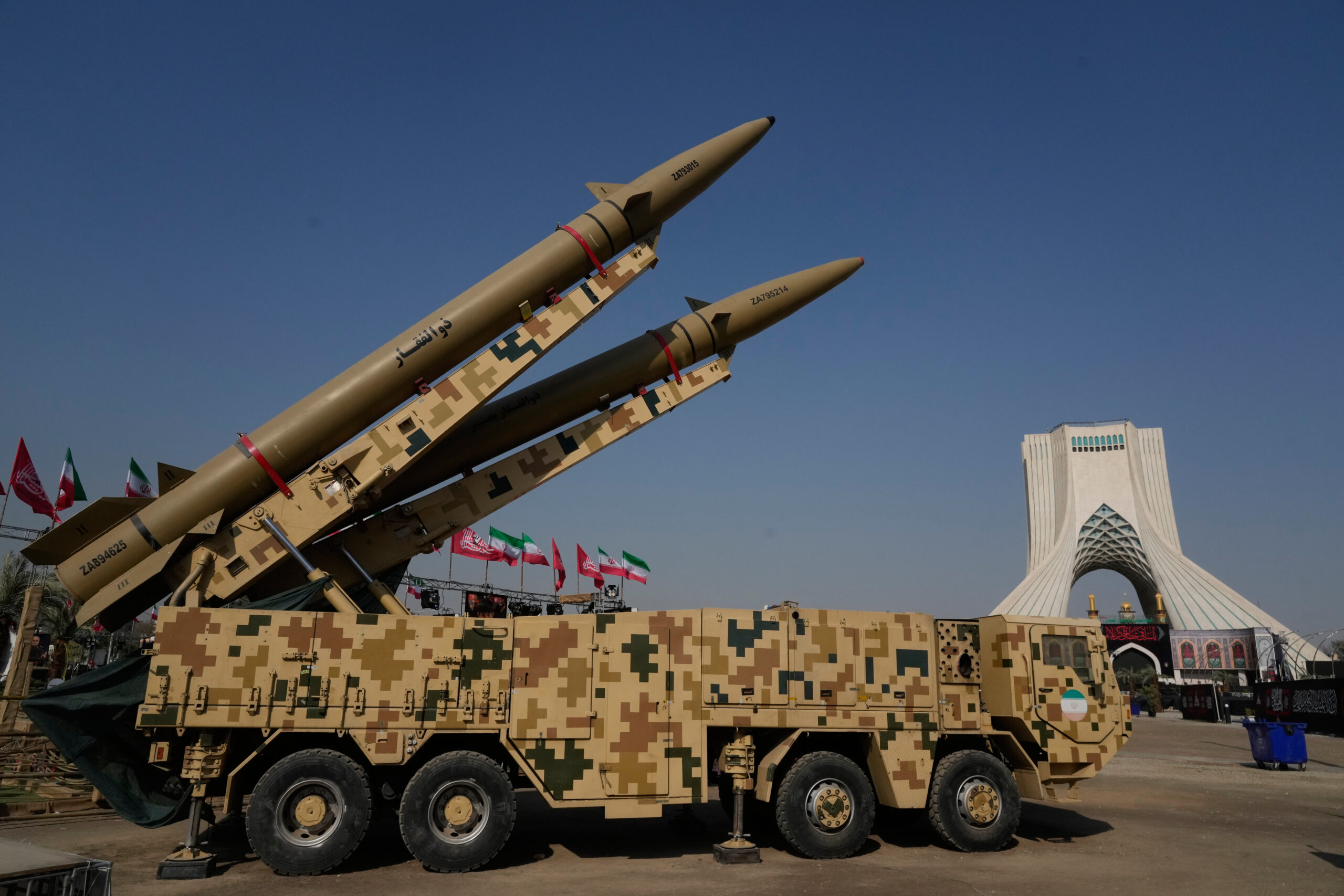
Iran’s Collective Strategic Decision Making
Wartime pressure has temporarily aligned the leadership’s overriding interest in regime survival, even as its members continue to differ over the costs, methods, and ultimate objectives of the war.
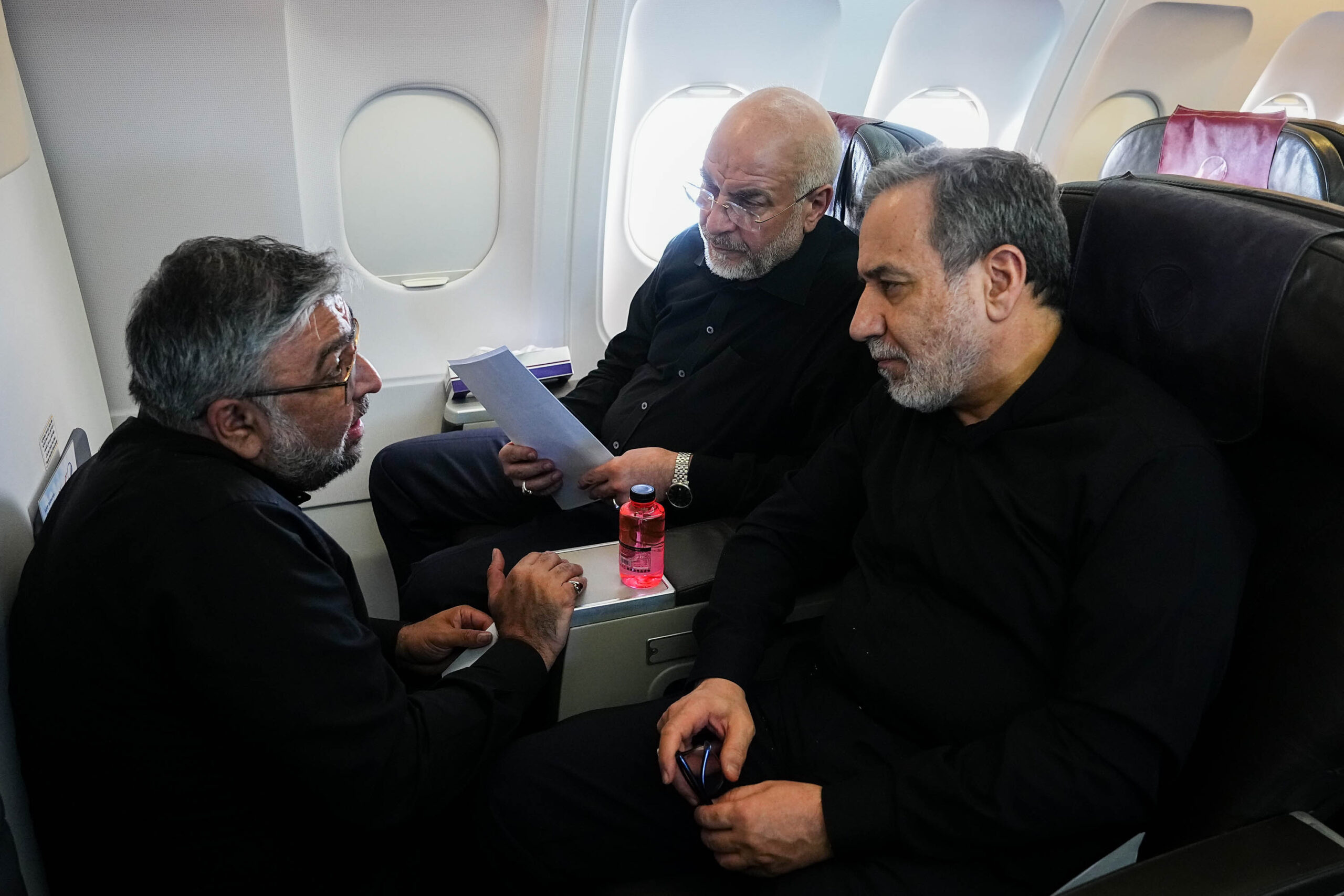
The Islamic Republic’s Collective Leadership
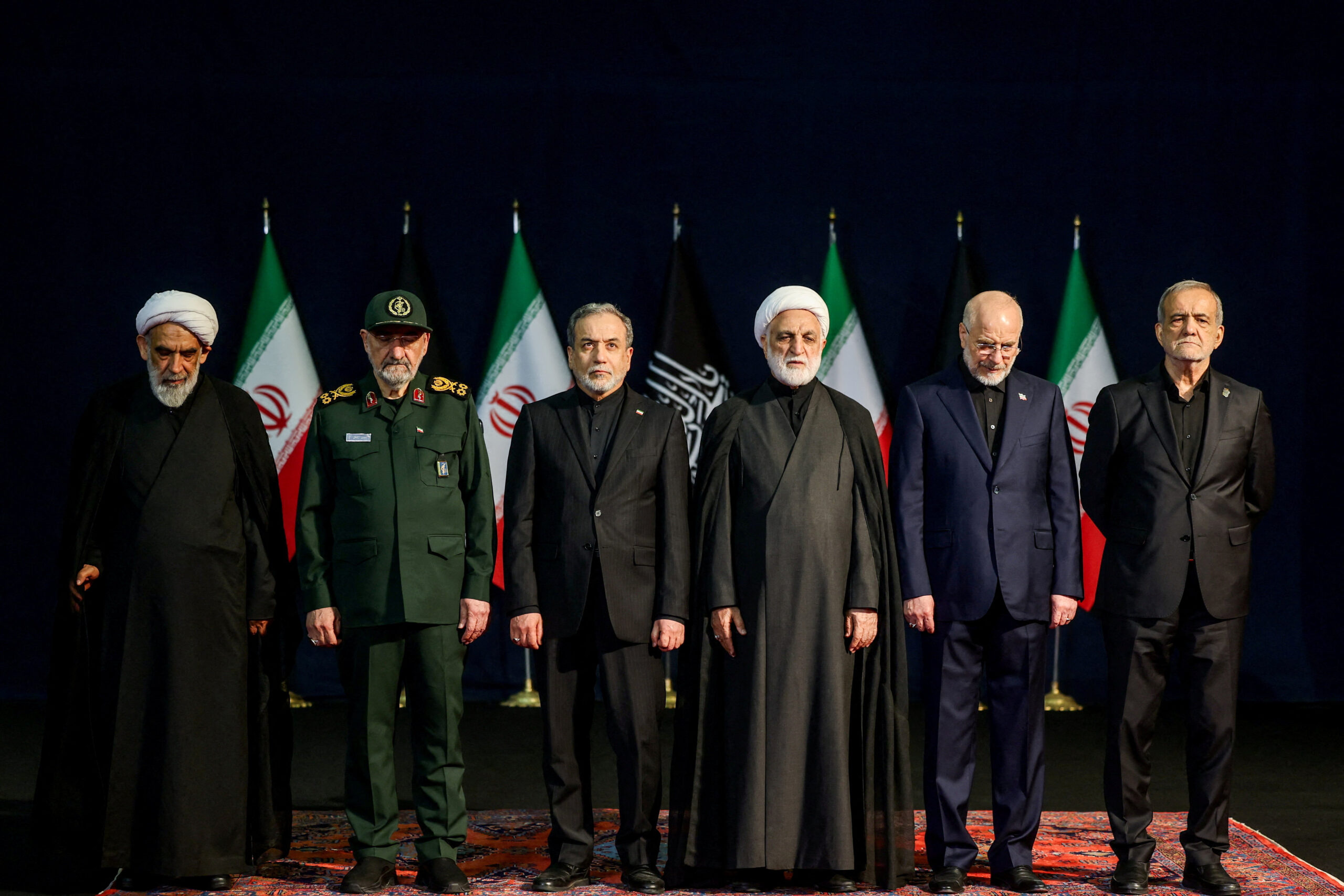
While there is historical precedent for collective leadership in Iran, today’s leadership includes representatives of the IRGC and regular military – a reflection of the IRGC’s expanding role and the necessities of governing under wartime conditions.
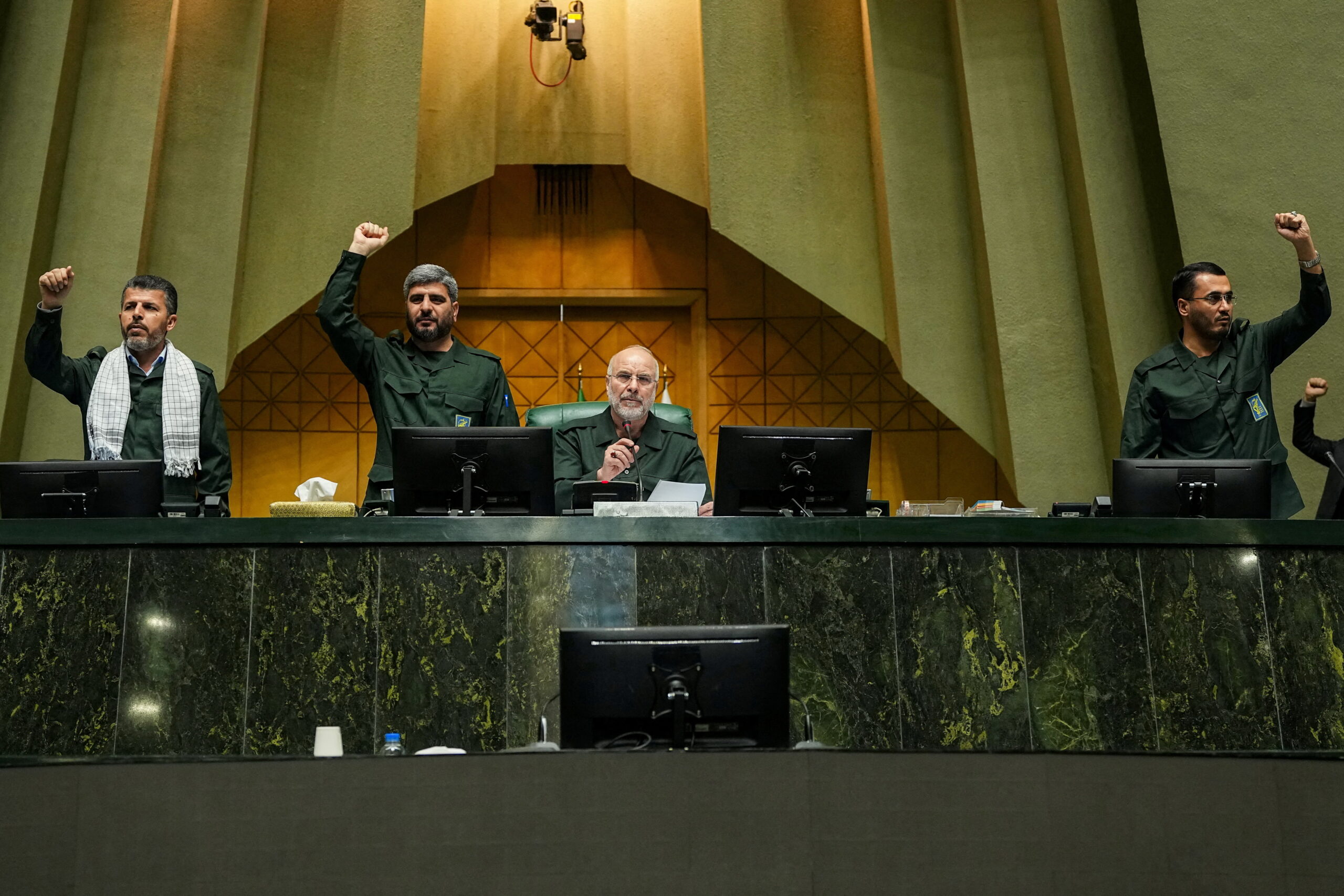
How Did the IRGC Seize Power in Iran?
The IRGC did not seize power in a single stroke. It accumulated it – patiently, methodically – until no counterweight remained.
Events
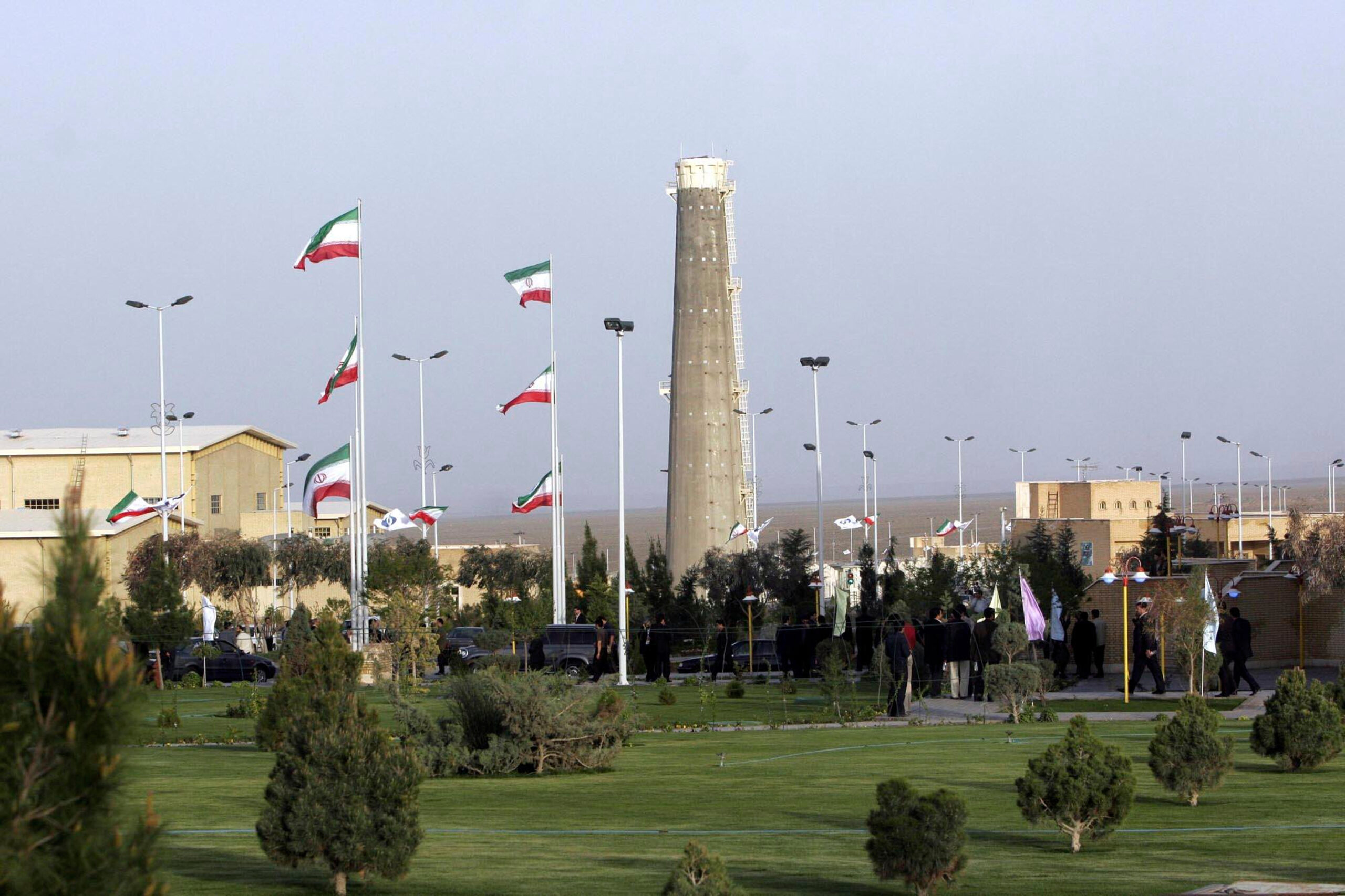
Book Talk: Iran and the Bomb: The United States, Iran and the Nuclear Question
On June 16, AGSI hosted a discussion on the evolution of Iran's nuclear program.
Speakers


Apr 21, 2026
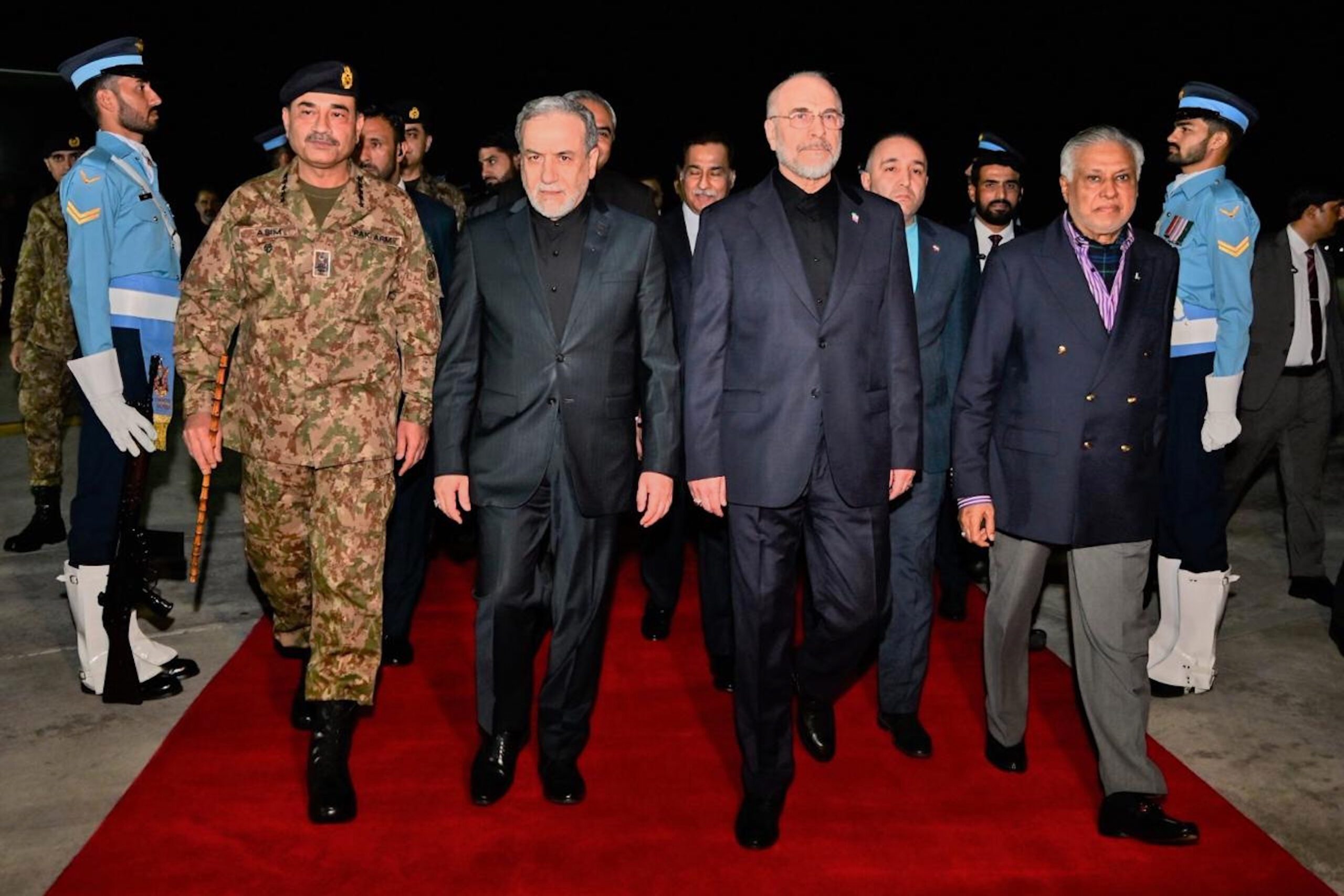
Inside Iran’s Wartime Leadership: Power, Succession, and Regime Stability
On April 21, AGSI hosted a discussion on the evolution of Iran's leadership during the war.
Speakers

Mar 18, 2026
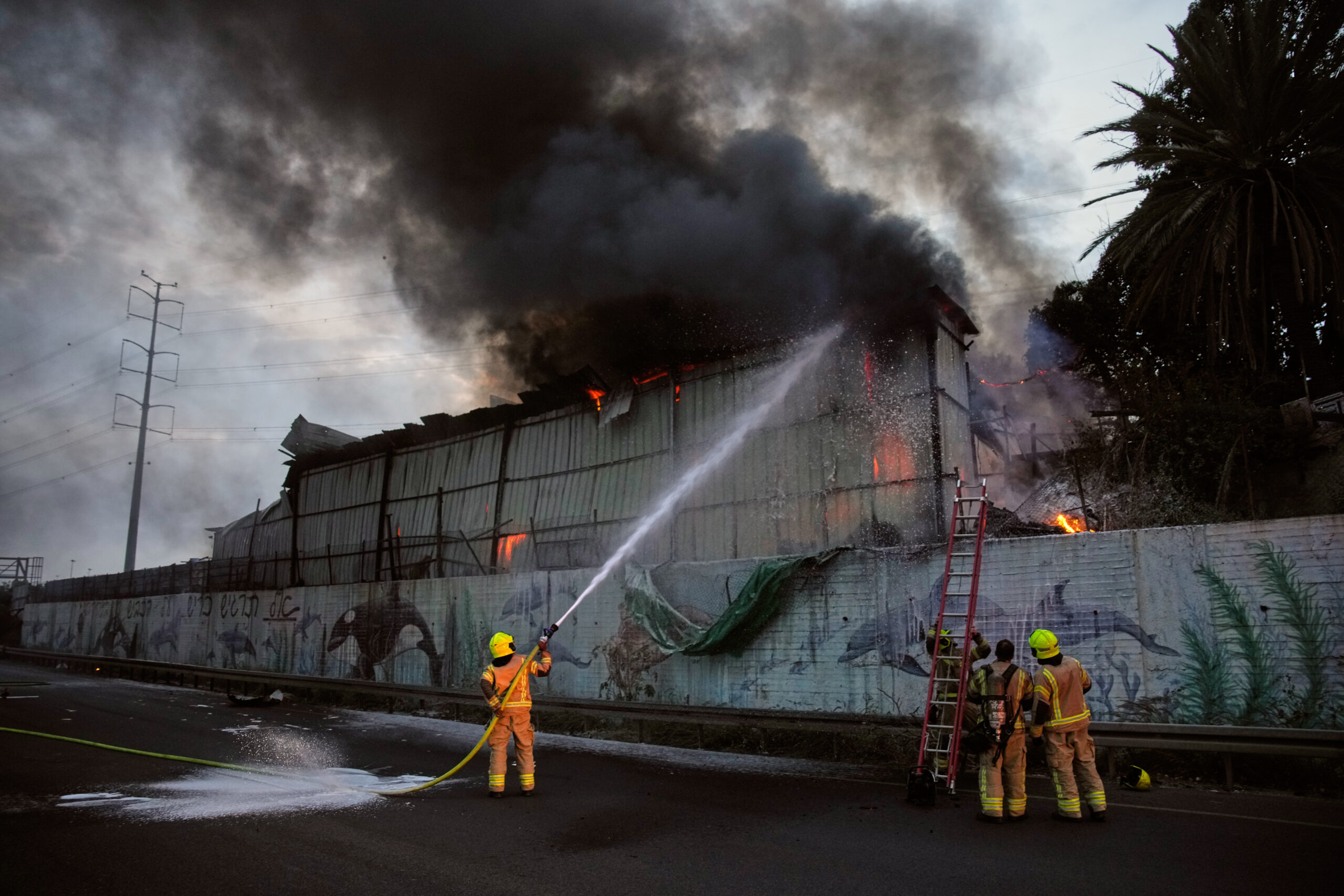
In Its Conflict With the United States and Israel, Does Escalation Favor Iran?
On March 18, AGSI hosted a discussion on the escalation of the Iran war.
Speakers



Mar 2, 2026
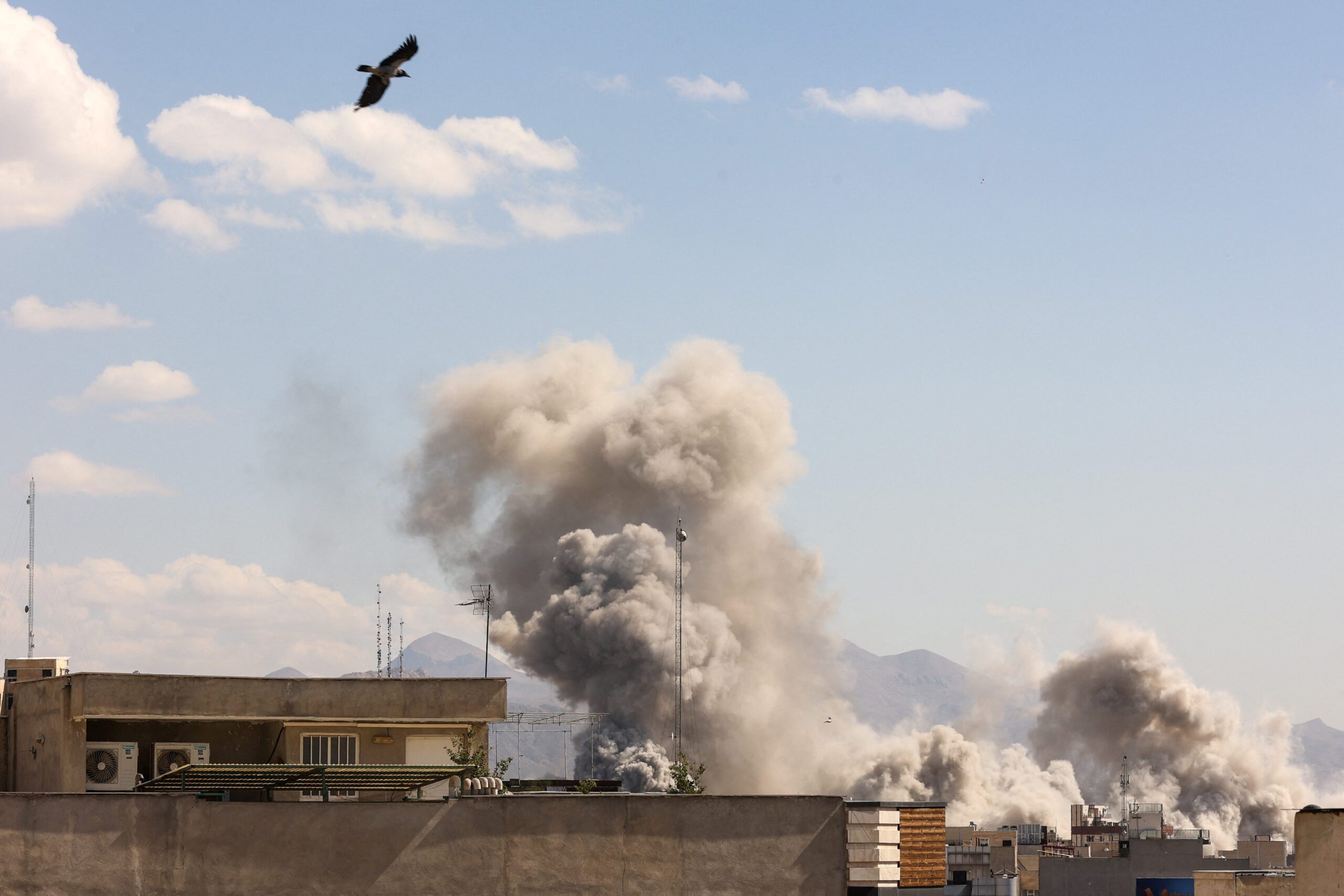
After the Shock: Implications of the U.S.–Israeli Strikes and Iran’s Leadership Transition
On March 2, AGSI hosted a discussion on the U.S.-Israeli strikes on Iran.
Speakers