Dec 2, 2025
Shadow of 2019 Unrest Looms Over Gasoline Subsidy Reform
The December 2 edition of the Iran Media Review explores commentary regarding the Iranian government’s proposed gas price reforms.
After Iranian President Hassan Rouhani’s government announced a 300% increase in gasoline prices at midnight on November 15, 2019 – aimed at reducing consumption and financing welfare benefits – protests erupted in more than 100 cities, leaving over 300 protesters and six government personnel dead. It is therefore understandable that the current president, Masoud Pezeshkian, while seemingly recognizing the need to reform gasoline subsidies, is cautious about implementing changes. At present, Iranians may purchase 60 liters (nearly 16 gallons) per month of subsidized gasoline at roughly 1.3 cents per liter (approximately 5 cents per gallon), and they may purchase an additional 100 liters (around 26 gallons) of “free market gasoline” at about 2.6 cents per liter. Under the new government initiative, anyone wishing to buy over this amount would have to pay 4.3 cents per liter (around 16 cents per gallon). Extending a helping hand to the president, Donya-ye Eqtesad columnists argue for reforming the transportation system and ensuring transparency about how the government spends the revenue generated from such changes to persuade the Iranian public of the necessity of reform.
- November 25: Islamic Revolutionary Guard Corps-affiliated Tasnim News released the Cabinet’s November 4 proposal reforming the use of personal fuel cards and public access to gasoline at state-subsidized rates.
- November 29: In a short opinion piece in economic newspaper Donya-ye Eqtesad, Mojtaba Baharvand, former director of the transportation and logistics committee of the Iran Chamber of Commerce, wrote on reforming the gas price in Iran:
- “For Iran to escape the vicious cycle of fuel price hikes and public dissatisfaction, it must return to the principles that were established during the reformist period but never continued: Gradual, predictable energy price reform; honesty and transparency with the public; fighting monopolies in the automotive sector; expanding public transportation as a real alternative; importing technology and enabling competition to reduce fuel consumption. Unless these structural changes occur, raising gasoline prices will not solve the problem – it will only deepen the trust gap between the public and policymakers.”
- December 1: In an opinion piece in Donya-ye Eqtesad, economist Hossein Abbasi concluded:
- “The problem lies in the informal, unwritten contract between the state and the people. If the government can demonstrate that raising energy prices – especially gasoline – can actually improve citizens’ welfare, and if it involves the public in deciding how this revenue is spent, many pathways for changing the current situation will quickly emerge.”
The views represented herein are the author's or speaker's own and do not necessarily reflect the views of AGSI, its staff, or its board of directors.
Related
Iran Media Review
Nov 25, 2025
Tehran Reacts to Assassination of Lebanese Hezbollah Commander
The November 25 edition of the Iran Media Review examines Iranian reactions to Israel’s killing of Haytham Ali Tabatabaei, Lebanese Hezbollah's chief of staff.
Iran Media Review
Nov 21, 2025
Iran’s State-Censored Media on Saudi Mediation Between Tehran and Washington
The November 21 edition of the Iran Media Review highlights Iranian commentary on U.S.-Iranian relations and considers the possibility of Saudi mediation.
Iran Media Review
Nov 18, 2025
Seizure of Oil Tanker, U.S. Negotiations, and IAEA Relations
The November 18 edition of the Iran Media Review considers Iranian statements about Iran’s seizure of a Marshall Islands-flagged oil tanker.
Nov 25, 2025
Tehran Reacts to Assassination of Lebanese Hezbollah Commander
The November 25 edition of the Iran Media Review examines Iranian reactions to Israel’s killing of Haytham Ali Tabatabaei, Lebanese Hezbollah's chief of staff.
Nov 21, 2025
Iran’s State-Censored Media on Saudi Mediation Between Tehran and Washington
The November 21 edition of the Iran Media Review highlights Iranian commentary on U.S.-Iranian relations and considers the possibility of Saudi mediation.
Nov 18, 2025
Seizure of Oil Tanker, U.S. Negotiations, and IAEA Relations
The November 18 edition of the Iran Media Review considers Iranian statements about Iran’s seizure of a Marshall Islands-flagged oil tanker.
Analysis
Under Mojtaba, the IRGC Will Reign Supreme
Iran may still call itself an Islamic Republic. In practice, however, it increasingly resembles a state in which the military governs from behind clerical robes.
Political Life and Legacy of Iran’s Ayatollah Khamenei
Ayatollah Ali Khamenei was killed in his office in Tehran at age 86, leaving behind a country in ruins and on the verge of civil war and potential disintegration.
Iranian Regime Fighting for Survival
Iran is signaling that it will not absorb attacks passively. But whether this strategy ensures the regime’s survival, seals its fate, or accelerates a broader catastrophe will shape the region for years to come.
Iran’s 2025-26 Protests in Perspective
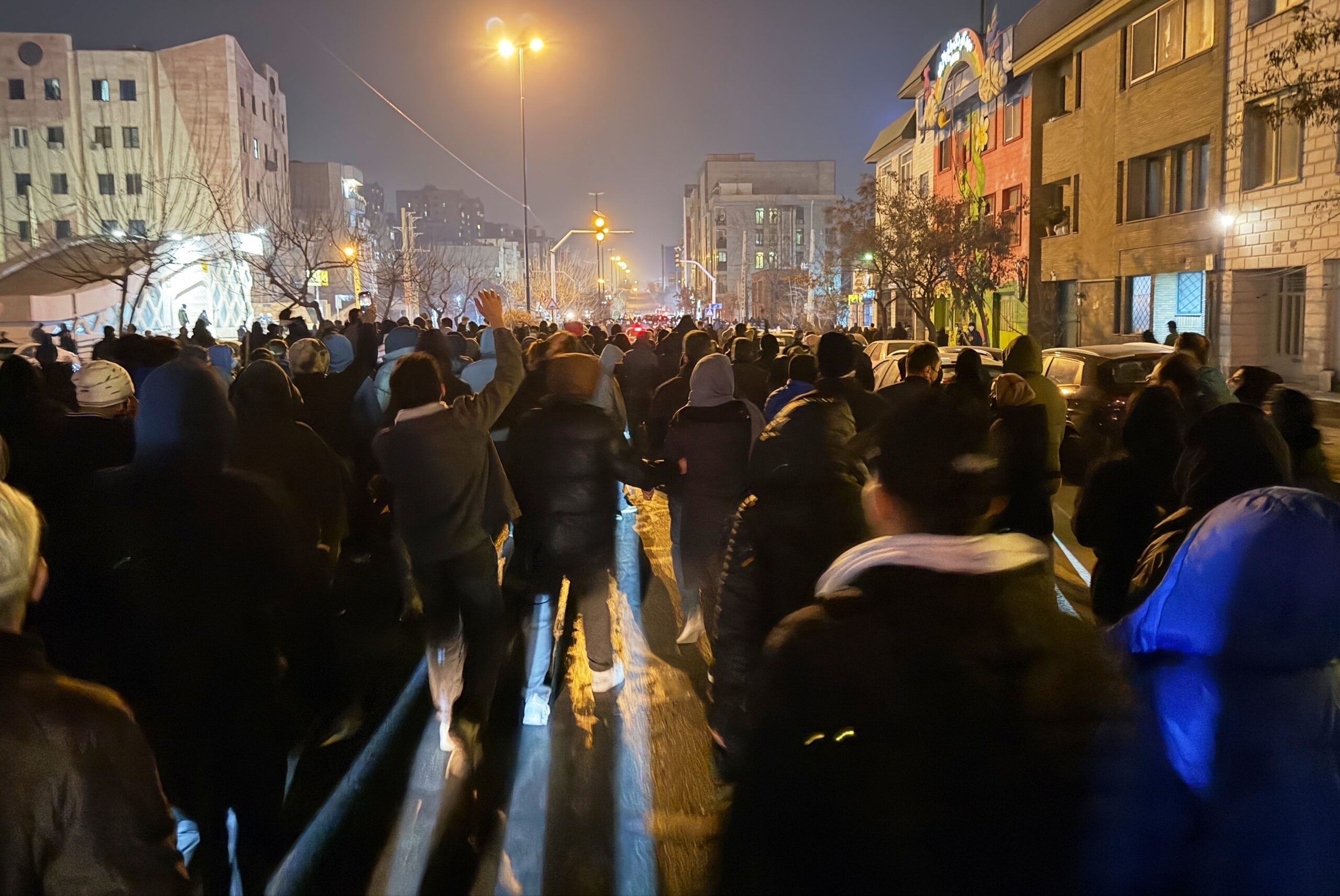
The erosion of the regime’s legitimacy across broad segments of society, combined with the breadth of the 2025-26 protest coalition, raises the possibility that a new confrontation could trigger renewed anti-regime mobilization.
Events
Mar 2, 2026
After the Shock: Implications of the U.S.–Israeli Strikes and Iran’s Leadership Transition
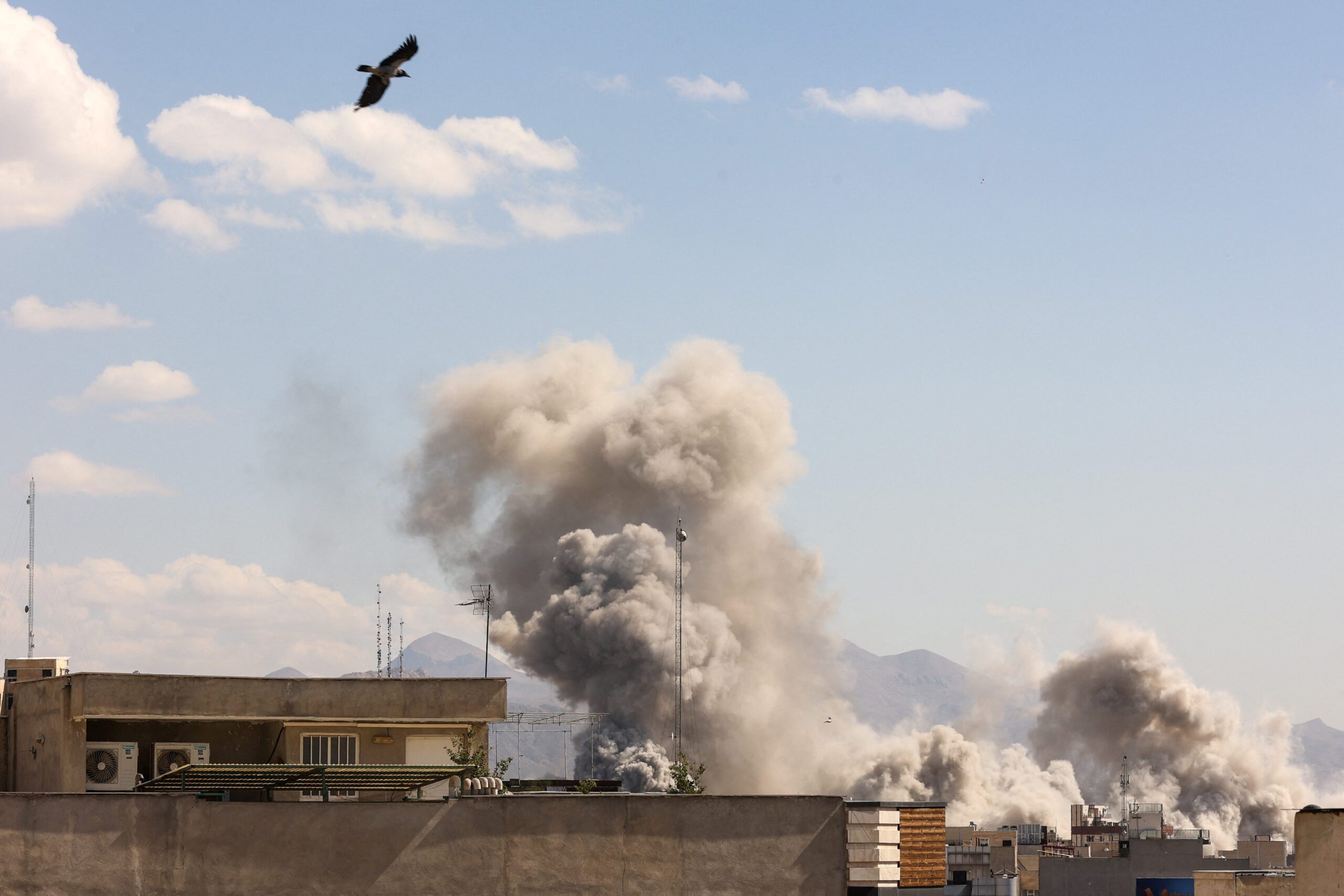
On March 2, AGSI hosted a discussion on the U.S.-Israeli strikes on Iran.
Speakers




Jan 8, 2026
Outlook 2026: Prospects and Priorities for U.S.-Gulf Relations in the Year Ahead
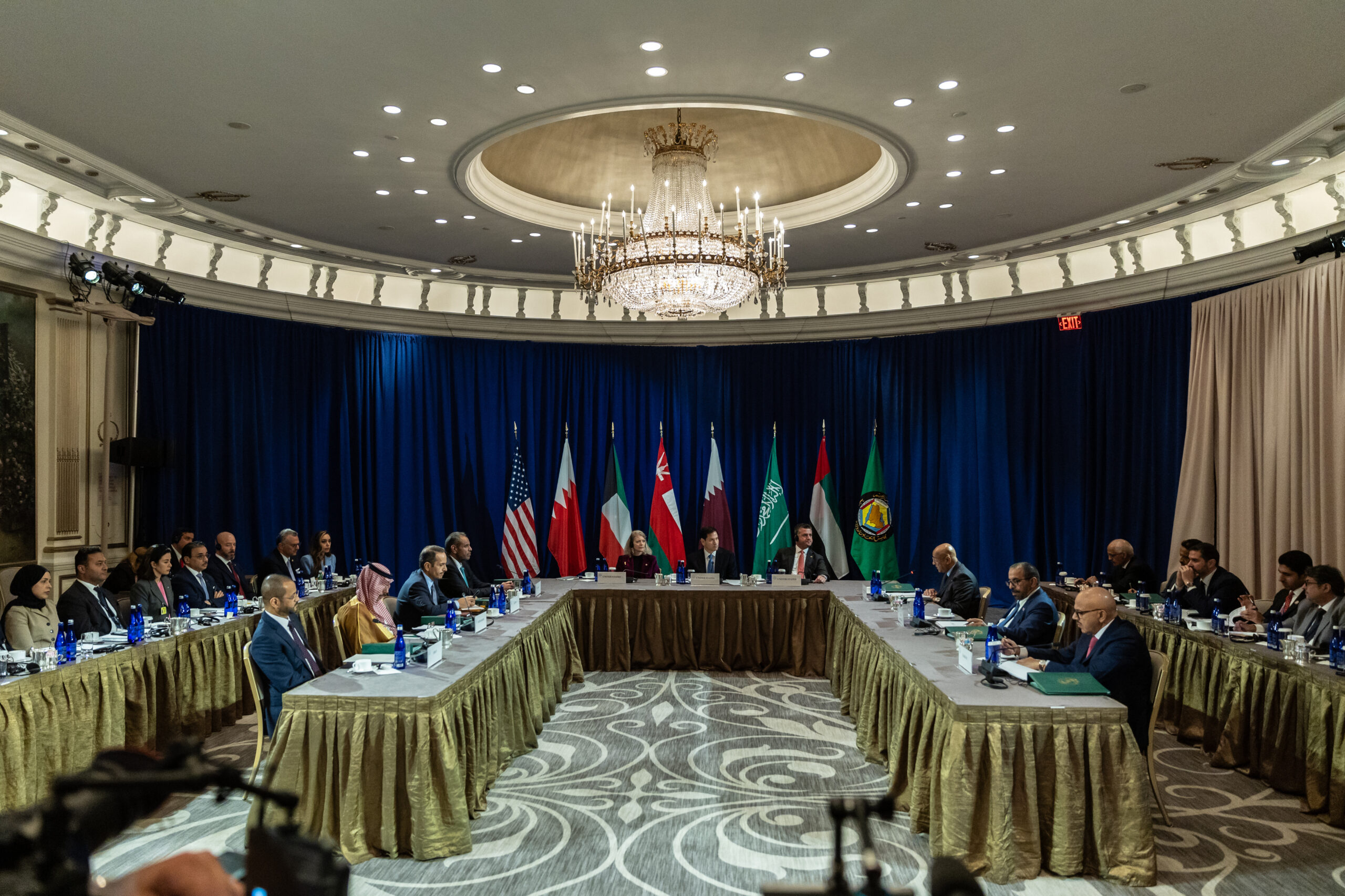
On January 8, AGSI hosted a virtual roundtable with its leadership and scholars as they look ahead and assess trends likely to shape the Gulf region and U.S. foreign policy during the coming year.
Speakers




Sep 16, 2025
Book Talk: Iran’s Grand Strategy: A Political History
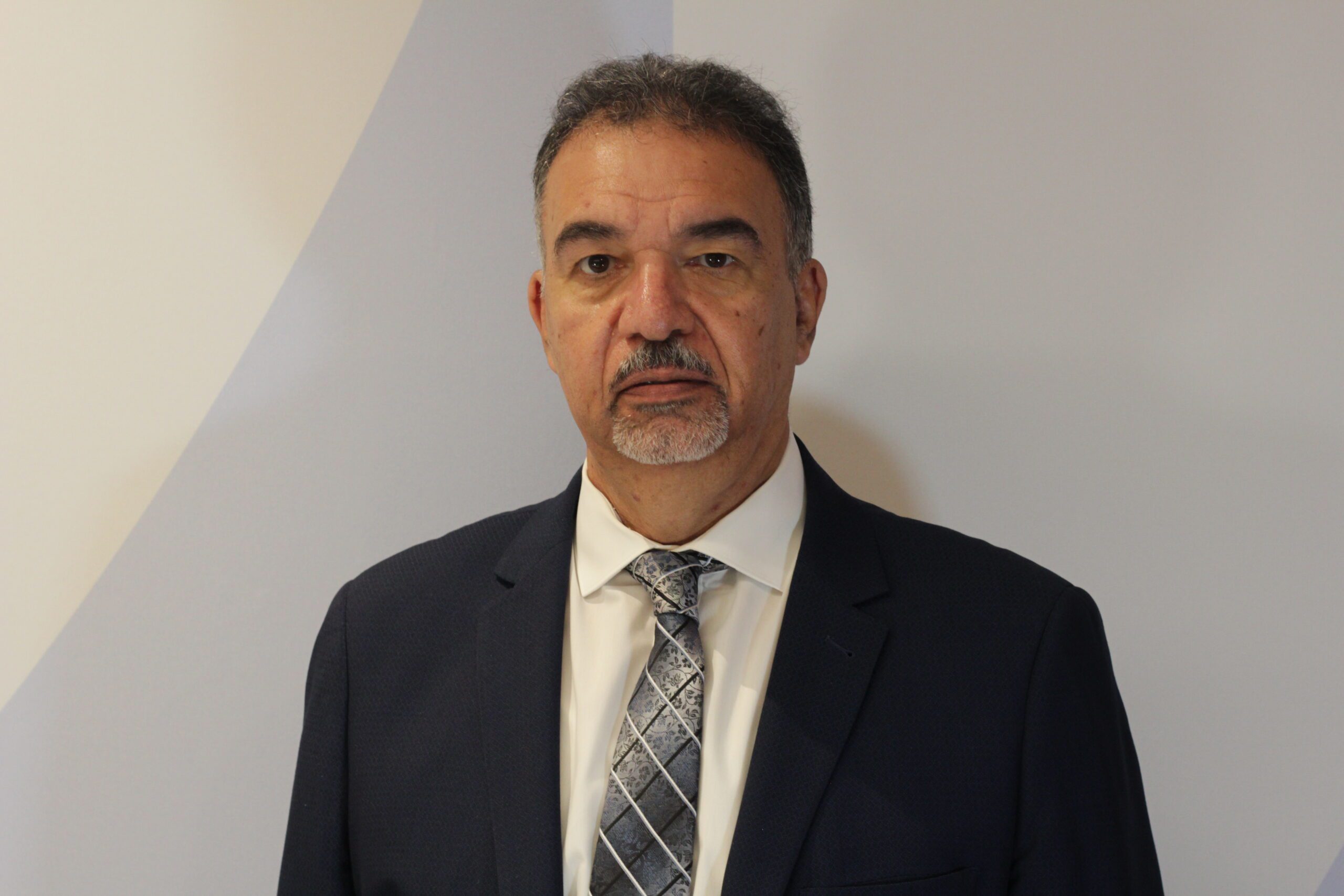
On September 16, AGSI hosted a discussion on the roots of Iran's strategic outlook.
Speakers
Jun 23, 2025
U.S. Strike on Iran: Regional and Diplomatic Fallout
On June 23, AGSI hosted a discussion on the United States' attack on Iranian nuclear sites.
Speakers
