Mar 7, 2025
Russian Nuclear Mediation a Nonstarter
The March 7 edition of the Iran Media Review analyzes Iranian media responses to Russian President Vladimir Putin’s offer to mediate talks between Tehran and Washington.
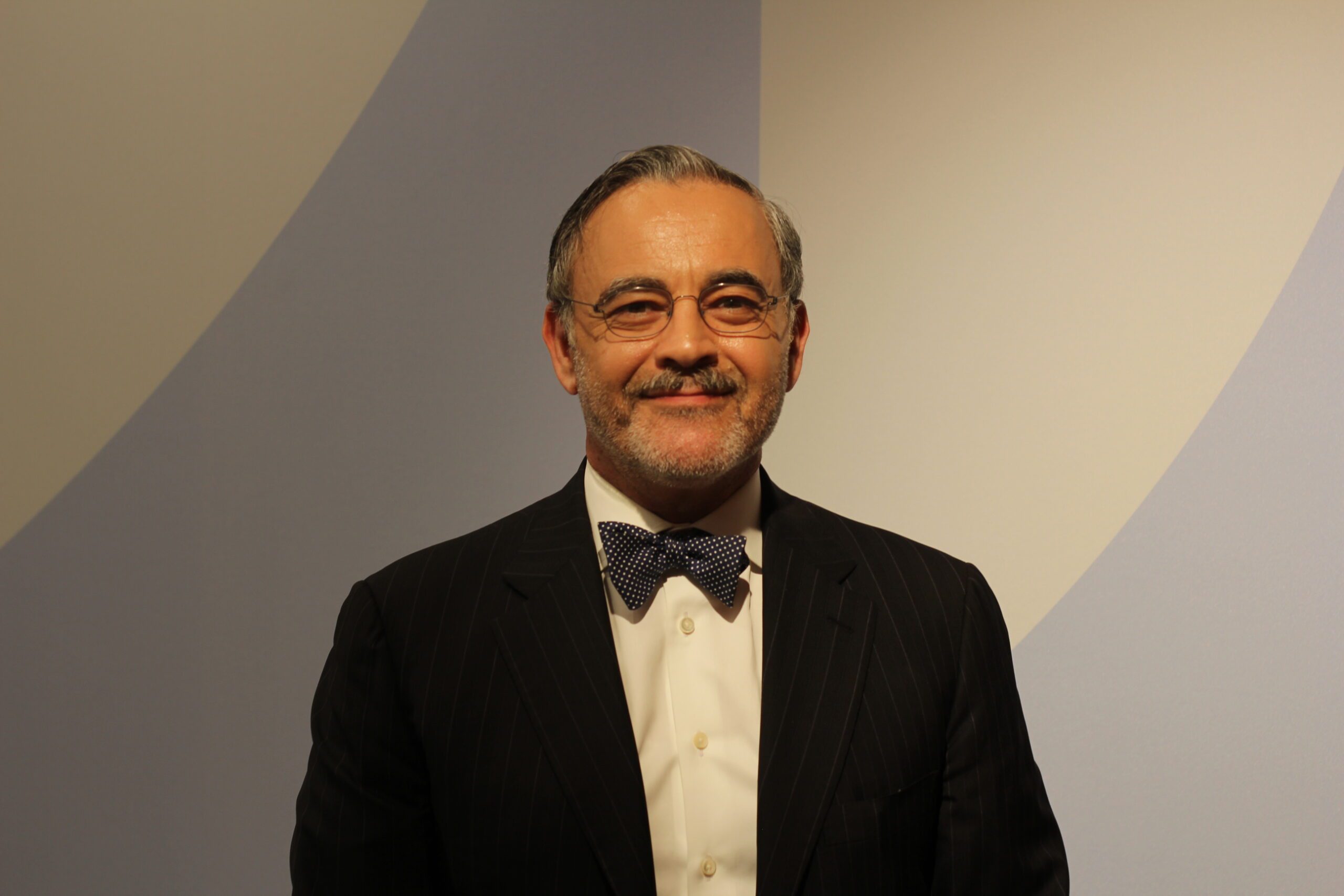
Iranian analysts are reacting to a Bloomberg News report on Russian President Vladimir Putin’s offer to broker nuclear talks between Washington and Tehran.
- March 4: Hard-line Kayhan altogether dismissed the idea of negotiations with the United States:
- “The Islamic Republic of Iran’s problem with the United States and Trump is the treacherous and deceptive nature of the American regime, which does not keep its promises, and not a lack of mediators. Past U.S. administrations reneged on their promises and have demonstrated that they do not live up to their commitments. The latest example of this is the Joint Comprehensive Plan of Action and the issue of $6 billion Iranian assets in South Korea, later transferred to Qatar.”
- March 4: Qassem Moheb-Ali, an international affairs expert interviewed by Jamaran News, which is close to the household of late Grand Ayatollah Ruhollah Khomeini, warned against Russian mediation:
- “Fundamentally, Russia is not suitable for mediating between Iran and America, since they may sacrifice us in their own negotiations with Trump … The Arab states are also not suitable since they lack the stature. This leaves China as a suitable mediator.”
- March 5: Interviewed by the reformist newspaper Shargh Daily, Nemat-Allah Izadi, Iran’s last ambassador to the Soviet Union, said:
- “I’m doubtful when it comes to Russian mediation … Russians cannot be impartial in mediations. Qatar, Oman, or Japan, on the other hand, have been impartial in their efforts … All issues related to Iran, be it the nuclear file and the Joint Comprehensive Plan of Action, sanction relief, Iran’s regional influence, military and defense capabilities and the like, directly influence Russia’s foreign policy … We cannot expect Russia to be an honest broker.”
- “In my opinion, Russia will not play the role of a mediator but will convey messages between Iran and the United States to the extent that this role serves Russia’s interests.”
- Addressing whether Iran and Russia have a strategic relationship, Izadi said: “Strategic relations mean that, whatever happens to the Islamic Republic of Iran, Russia will, under any circumstance, support Iran. But we have seen what kind of relations the Soviet Union, as well as the Russian Federation, have had with the Islamic Republic.”
- March 5: Mohsen Askari Jahaqi, a political scientist, wrote about Russia’s offer in the technocratic newspaper Sazandegi:
- “In the first scenario, if there is a secret agreement between the United States and Russia, Iran will be subject to increased pressure and the agreement will be to the benefit of both states, as well as Saudi Arabia and Israel … In the second scenario, Iran can hope for the strengthening of relations between Russia and China, but Iran must give considerable concessions to both,” in return for support against the expected pressure from the United States. “In the third scenario, Iran preemptively reaches out to the United States to engage in direct negotiations and prevent being the subject of negotiations of others. Although this scenario is difficult due to the wall of distrust between the two states, it can reduce pressure against Iran.”
The views represented herein are the author's or speaker's own and do not necessarily reflect the views of AGSI, its staff, or its board of directors.
Related
Iran Media Review
Mar 4, 2025
Sazandegi Comments on MBC’s “Muawiya” Ramadan Series
The March 4 edition of the Iran Media Review explores an Iranian newspaper’s accusation that the plot of a new Saudi Ramadan series is historical revisionism.
Iran Media Review
Feb 28, 2025
Araghchi: No Direct Talks With the United States as Long as Maximum Pressure Persists
The February 28 edition of the Iran Media Review considers remarks and commentary following a meeting between the Iranian and Russian foreign ministers.
Mar 4, 2025
Sazandegi Comments on MBC’s “Muawiya” Ramadan Series
The March 4 edition of the Iran Media Review explores an Iranian newspaper’s accusation that the plot of a new Saudi Ramadan series is historical revisionism.
Feb 28, 2025
Araghchi: No Direct Talks With the United States as Long as Maximum Pressure Persists
The February 28 edition of the Iran Media Review considers remarks and commentary following a meeting between the Iranian and Russian foreign ministers.
Analysis
The Islamic Republic Returns to Offense
After U.S.-Israeli strikes killed Supreme Leader Ayatollah Ali Khamenei on February 28, Iran’s collective leadership has concluded that the best defense is a good offense.
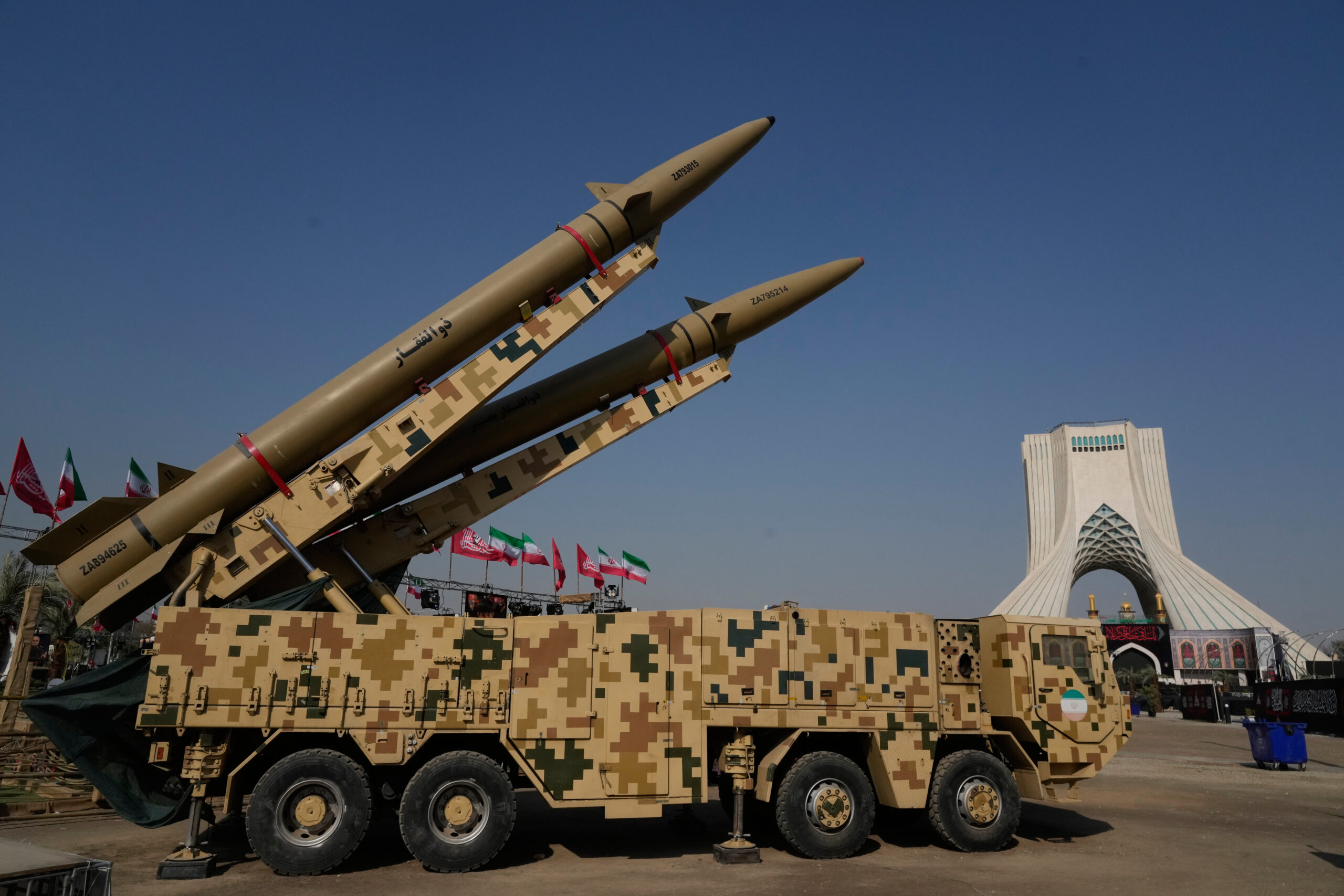
Iran’s Collective Strategic Decision Making
Wartime pressure has temporarily aligned the leadership’s overriding interest in regime survival, even as its members continue to differ over the costs, methods, and ultimate objectives of the war.
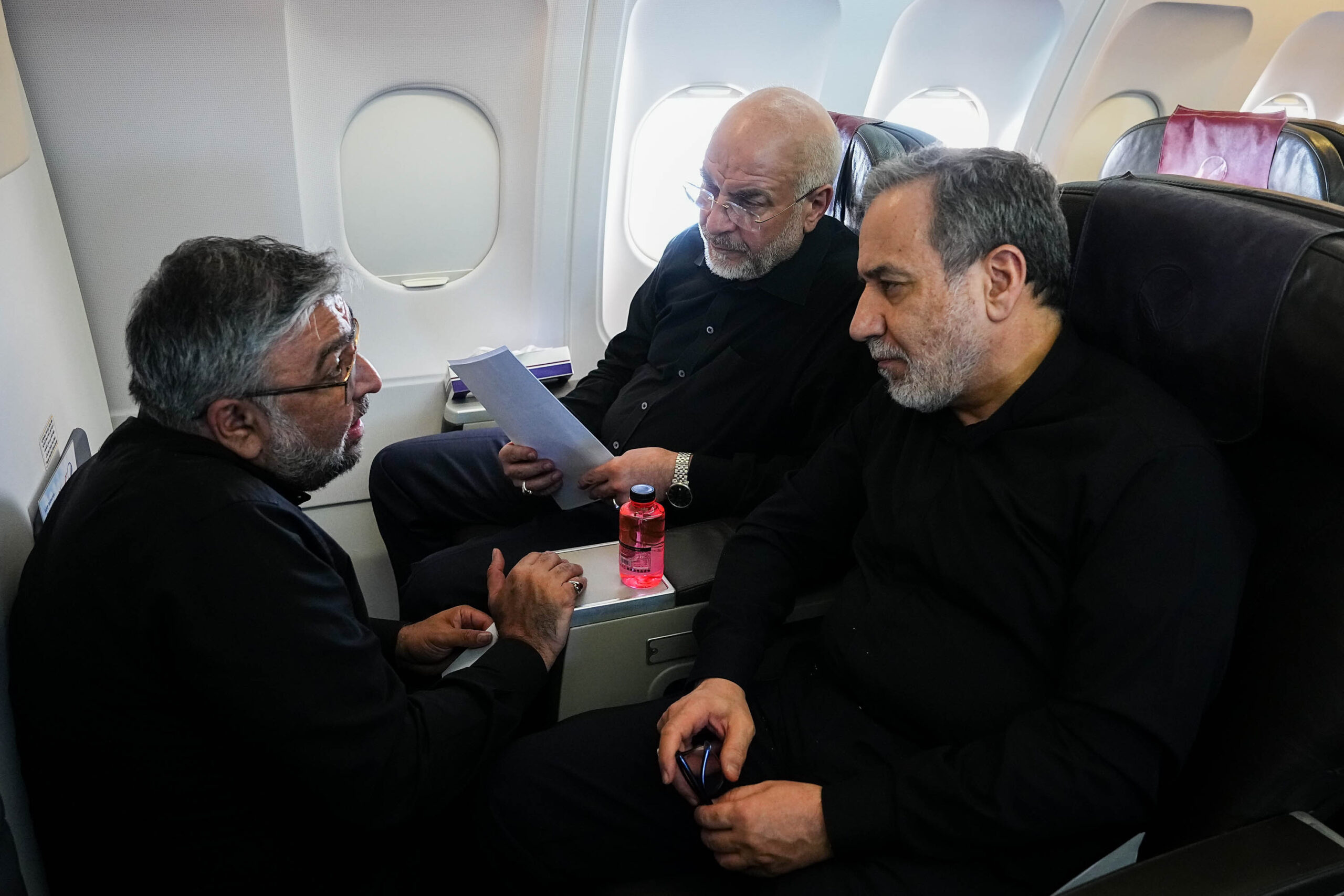
The Islamic Republic’s Collective Leadership
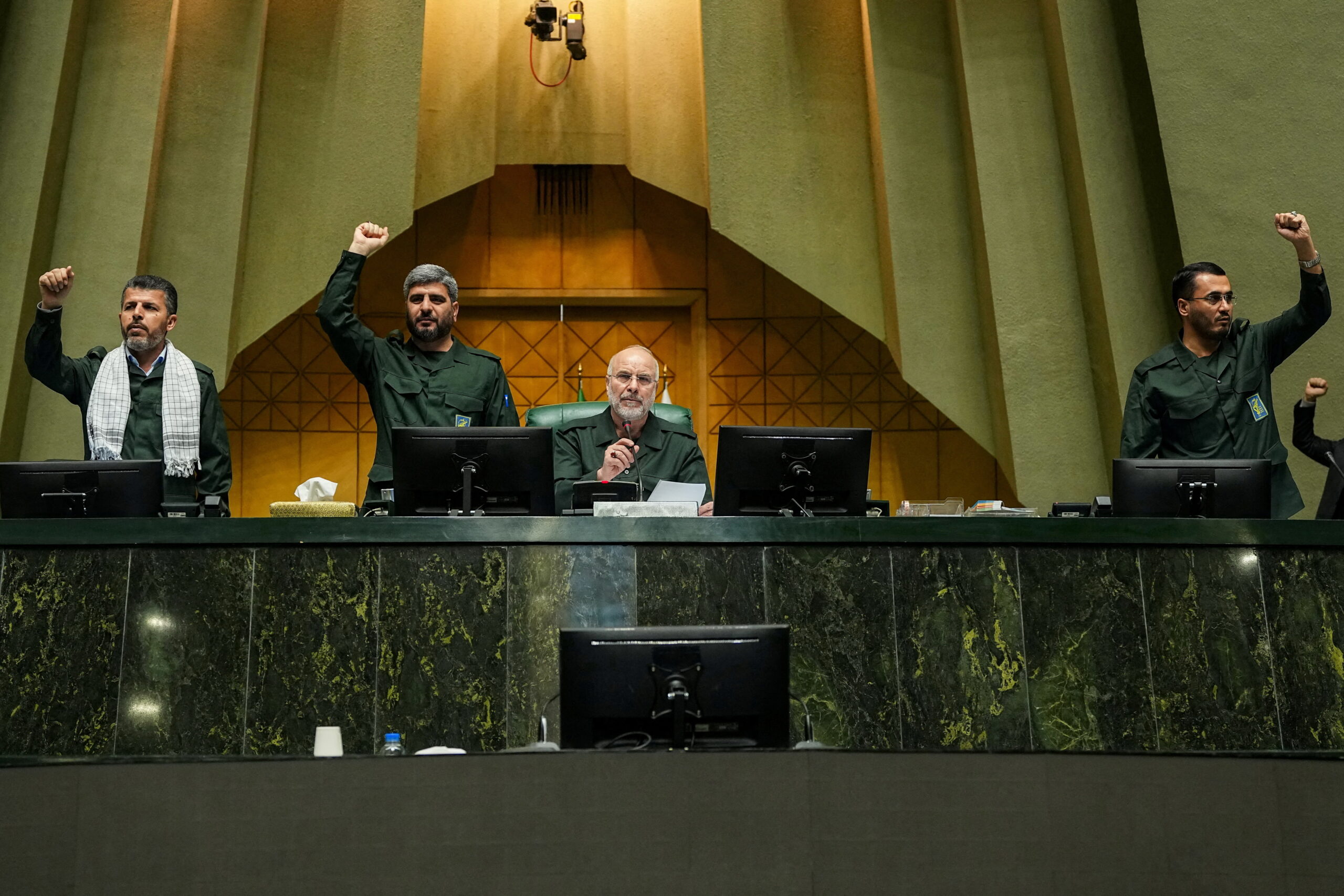
While there is historical precedent for collective leadership in Iran, today’s leadership includes representatives of the IRGC and regular military – a reflection of the IRGC’s expanding role and the necessities of governing under wartime conditions.
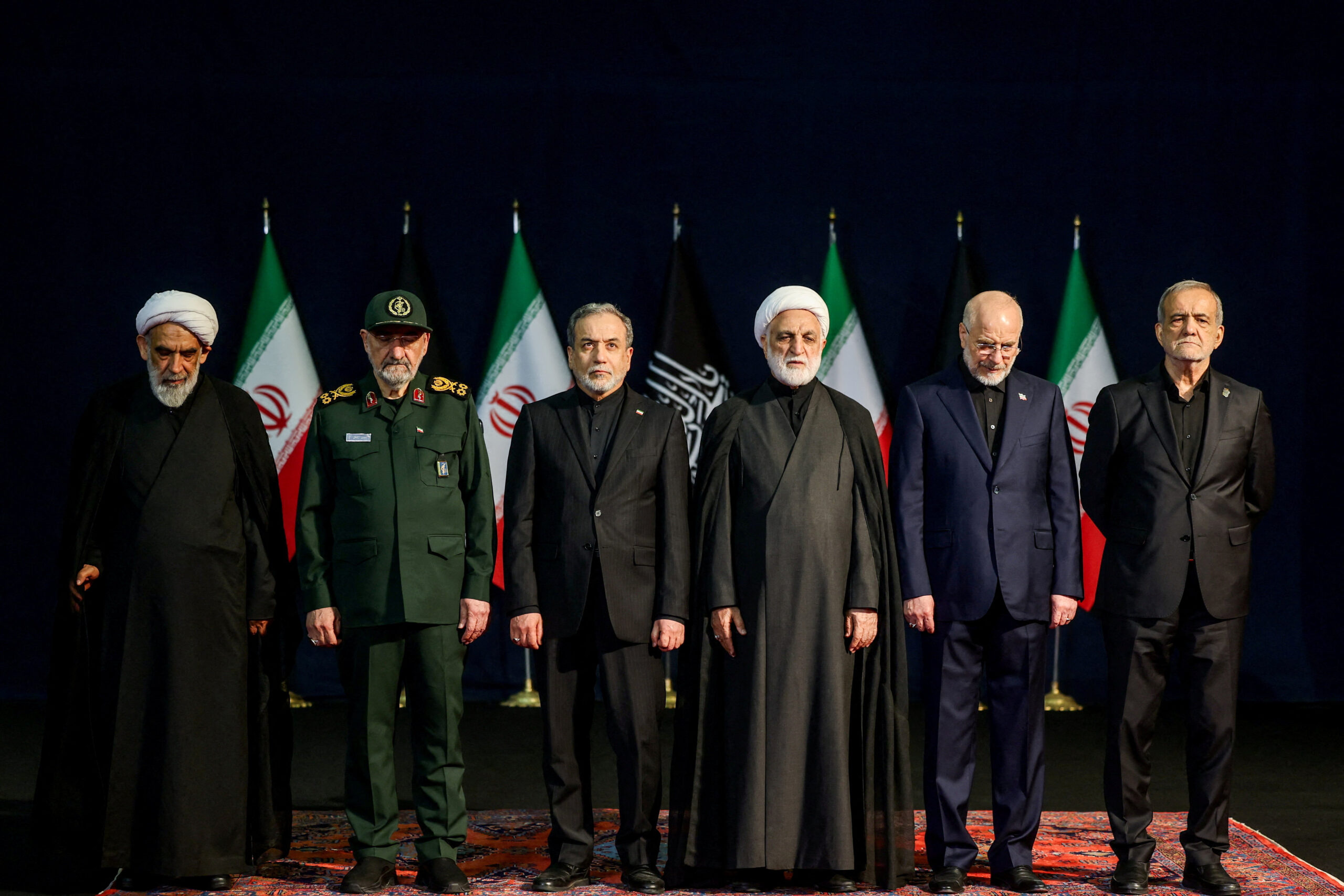
How Did the IRGC Seize Power in Iran?
The IRGC did not seize power in a single stroke. It accumulated it – patiently, methodically – until no counterweight remained.
Events
Book Talk: Iran and the Bomb: The United States, Iran and the Nuclear Question
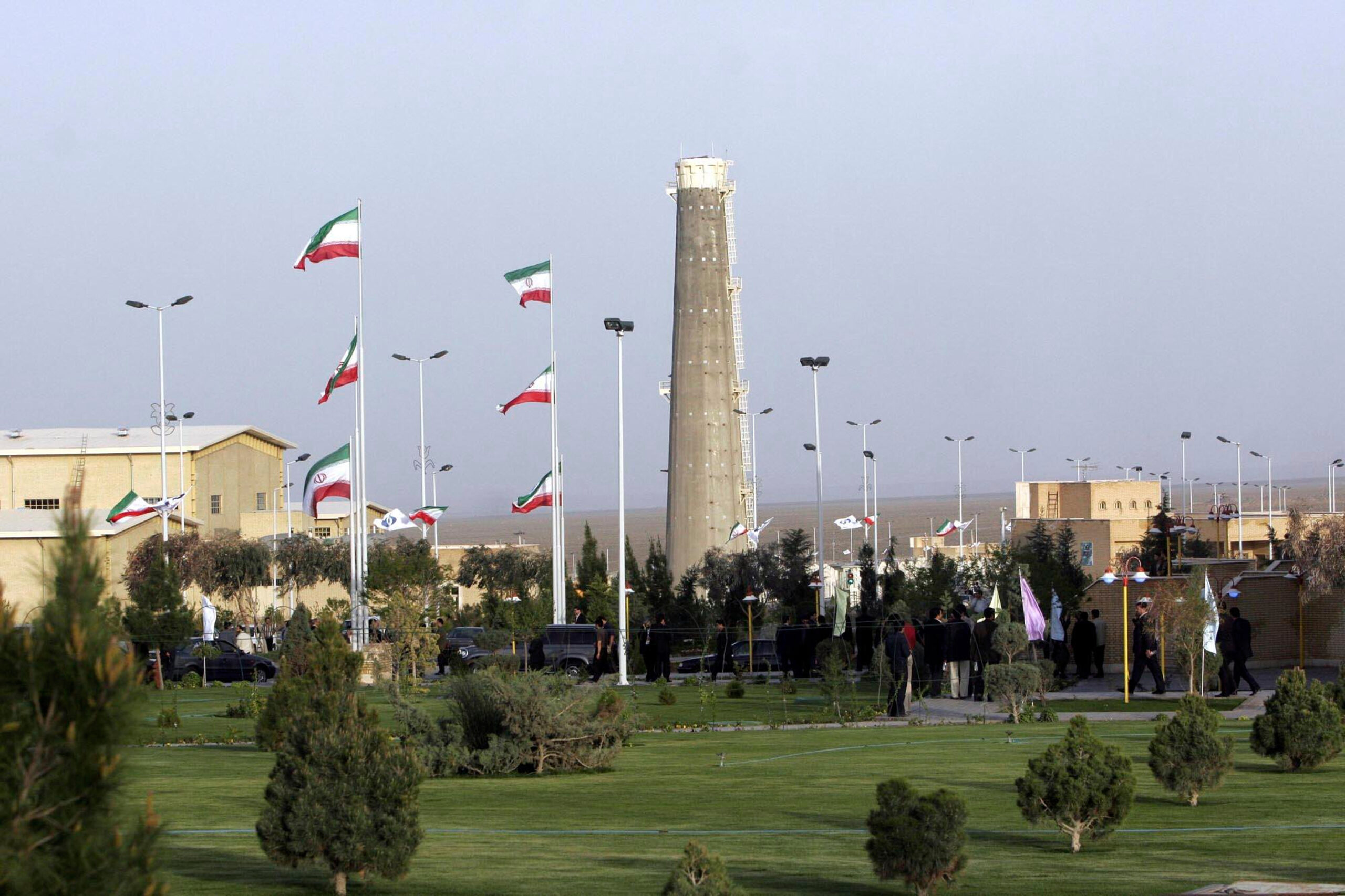
On June 16, AGSI hosted a discussion on the evolution of Iran's nuclear program.
Speakers

Apr 21, 2026
Inside Iran’s Wartime Leadership: Power, Succession, and Regime Stability
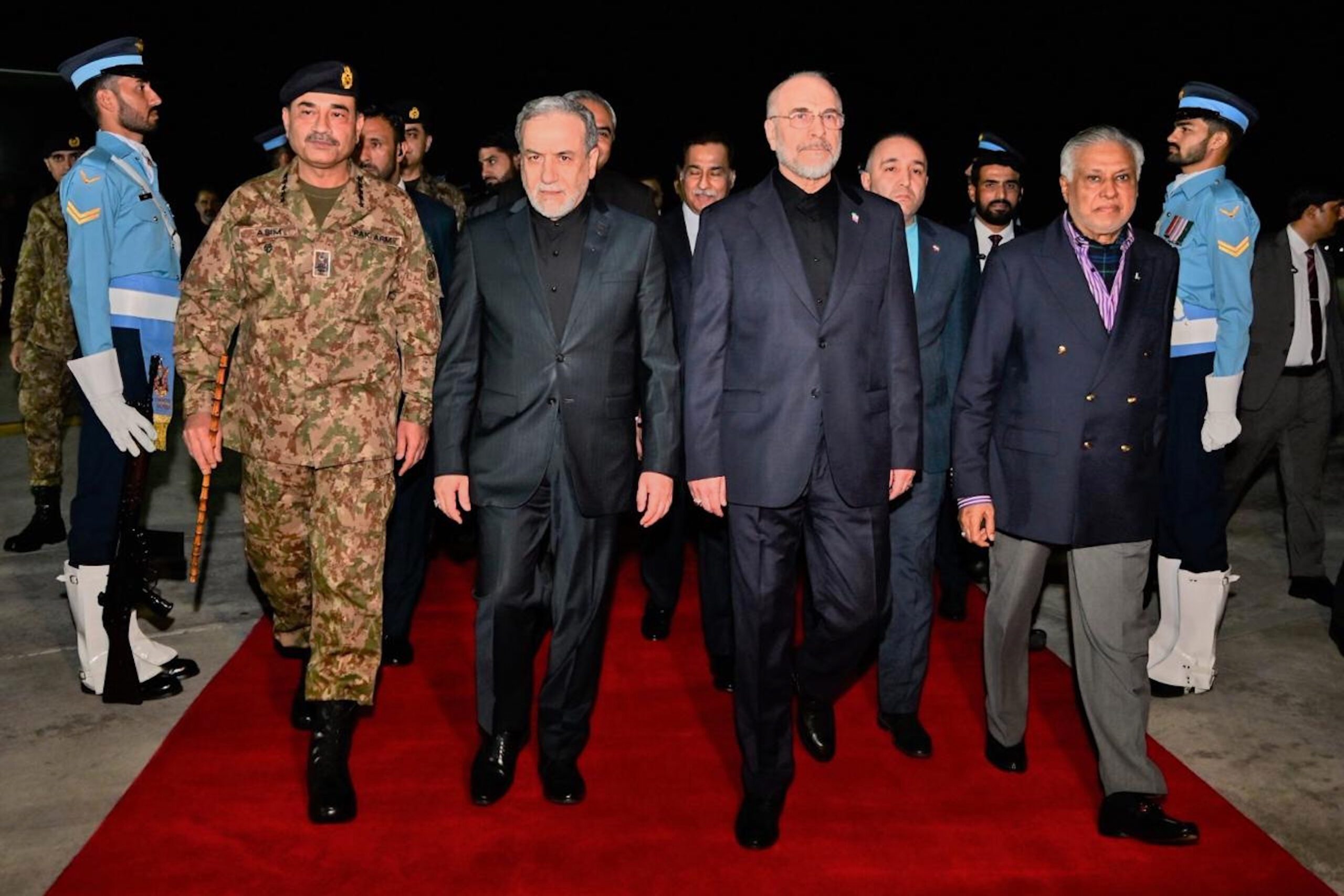
On April 21, AGSI hosted a discussion on the evolution of Iran's leadership during the war.
Speakers

Mar 18, 2026
In Its Conflict With the United States and Israel, Does Escalation Favor Iran?
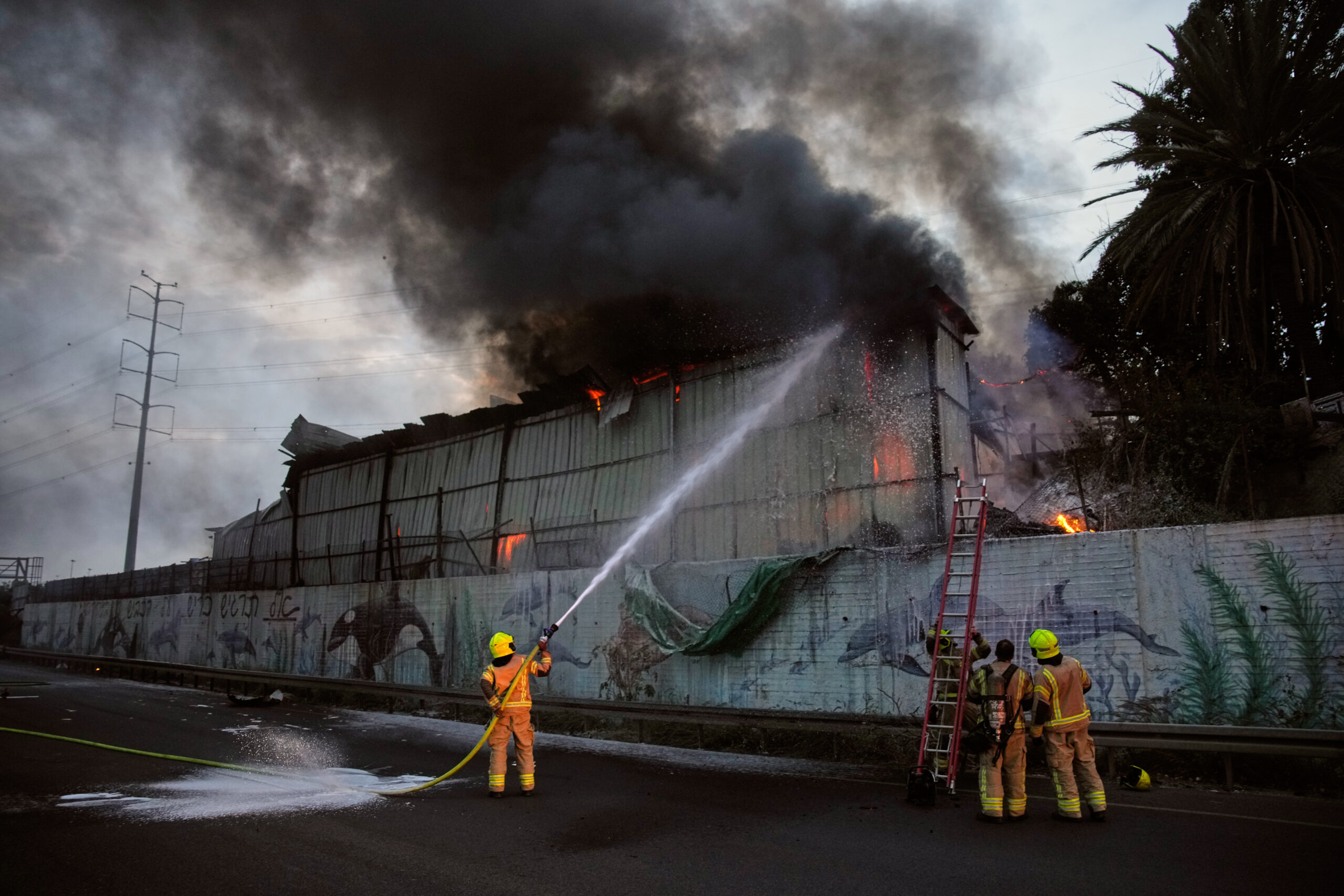
On March 18, AGSI hosted a discussion on the escalation of the Iran war.
Speakers

Mar 2, 2026
After the Shock: Implications of the U.S.–Israeli Strikes and Iran’s Leadership Transition
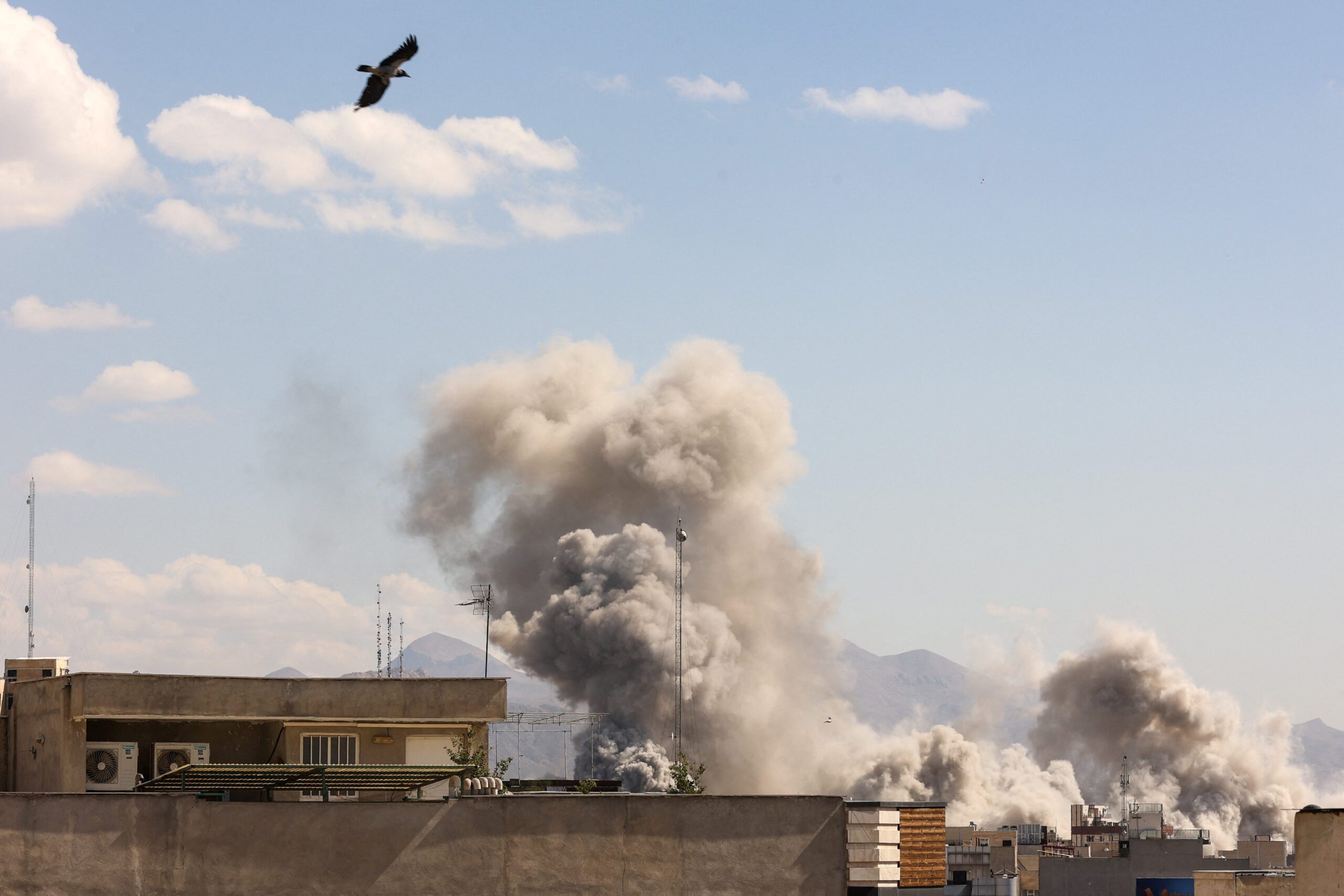
On March 2, AGSI hosted a discussion on the U.S.-Israeli strikes on Iran.
Speakers