Obama is Wrong to Ignore His Own Diplomats’ Advice
On April 6, 1971, 20 United States foreign service officers led by the consul general in Dhaka, Archer Blood, issued the first formal telegram of dissent in the history of the state department. It warned that US policy “has evidenced what many will consider moral bankruptcy” because Washington had “chosen not to intervene, even morally”,...
On April 6, 1971, 20 United States foreign service officers led by the consul general in Dhaka, Archer Blood, issued the first formal telegram of dissent in the history of the state department. It warned that US policy “has evidenced what many will consider moral bankruptcy” because Washington had “chosen not to intervene, even morally”, on the grounds that the conflict in what was then East Pakistan – which was bordering on genocide – “is purely an internal matter of a sovereign state”.
These courageous diplomats confronted Richard Nixon and Henry Kissinger’s “realist” foreign policy that was amoral to the point of being immoral. Many careers were effectively destroyed, despite the then-newly-established “dissent channel” procedures designed to allow diplomats to safely raise policy objections.
There have been scores of dissent cables since, most notably regarding the Balkans during Bill Clinton’s presidency. But the idea that anything like the Blood telegram, in terms of its political impact and moral indictment, might be written today seemed unthinkable.
But this week 51 serving US diplomats – the largest group ever to join such a statement – submitted a dissent channel memorandum severely critical of US policy – or probably more accurately, non-policy, towards the terrible carnage in Syria.
It’s a searing indictment. These officials, most of whom are involved in shaping or implementing America’s Syria policy, describe it as having become overwhelmed by the violence, particularly from the regime. They say the relentless bombing of civilians by the regime is the “root cause of the instability that continues to grip Syria and the broader region”.
“The moral rationale for taking steps to end the deaths and suffering in Syria, after five years of brutal war, is evident and unquestionable,” their analysis holds. And because “the status quo in Syria will continue to present increasingly dire, if not disastrous, humanitarian, diplomatic and terrorism-related challenges”, it urges “a judicious use of stand-off and air weapons, which would undergird and drive a more focused and hard-nosed US-led diplomatic process”.
These diplomats make the point that many of us have been emphasising for years: that if Washington and its allies do not move to change the strategic equation on the ground, the regime will be under no pressure to make any political or diplomatic compromises whatsoever. Moreover, if Washington doesn’t act to influence the course of the conflict and the incentive structures that influence choices made by the armed groups, then others will – and not in order to serve American interests.
The general trajectory of events over the past year or so illustrates the point perfectly.
During the first half of 2015, a string of rebel victories shook the foundations of the regime. Iran’s notorious Major General Qassem Soleimani, impresario of the militias and terrorist groups operated by the Quds Force, was dispatched to Moscow complete with proposals, maps and battle plans. At the Kremlin he told Vladimir Putin that without a direct intervention the Assad regime might collapse. He proposed a surge, with Russia providing air power to back up regime forces, Hizbollah and the Iraqi militias and Iranian Revolutionary Guard troops on the ground.
President Barack Obama has suggested the intervention was a sign of weakness that left Russia “crippled” and “bleeding”. He appears quite alone in that assessment. The Russian-Iranian surge transformed the situation on the battlefield and reversed the momentum in favour of the regime at what strongly appears to be a limited and manageable cost.
To judge by his comments, Mr Obama seems incapable of accepting the proposition that the application of force in a given situation could strongly benefit the party that is exercising its power and their allies.
The memorandum essentially makes that very point to a president who seems as irrationally allergic to any application of force as his predecessor, George W Bush, was deliriously drawn to it. It is the logical extension of the development of a near-unanimous consensus of former Obama administration Syria policy officials. But the stakes have been greatly raised by the mere fact that this is now being said by stunningly large numbers of currently serving officials as well.
Whatever theoretical protections exist, as the Blood telegram signatories discovered, in reality mutinies are never welcome. The authenticity and urgency of this massive mutiny on Syria policy are emphasised by the fact that these officials know that the timing of their gesture, from a political and administrative standpoint, is all wrong.
Another former state department official, Aaron David Miller, noted, “the administration is not going to shift course in the final six months of the president’s term”.
Even if their wise counsel is ignored, the public and the media must vigilantly ensure they do not suffer some quiet retaliation either now or in the future.
These officials are not ignorant or stupid. But they are desperate and at their wits’ end. Clearly they sincerely felt compelled to speak now, because the ongoing non-policy on Syria can’t be allowed to do another six months’ worth of damage to the American national interest.
This article was originally published by The National.
The views represented herein are the author's or speaker's own and do not necessarily reflect the views of AGSI, its staff, or its board of directors.
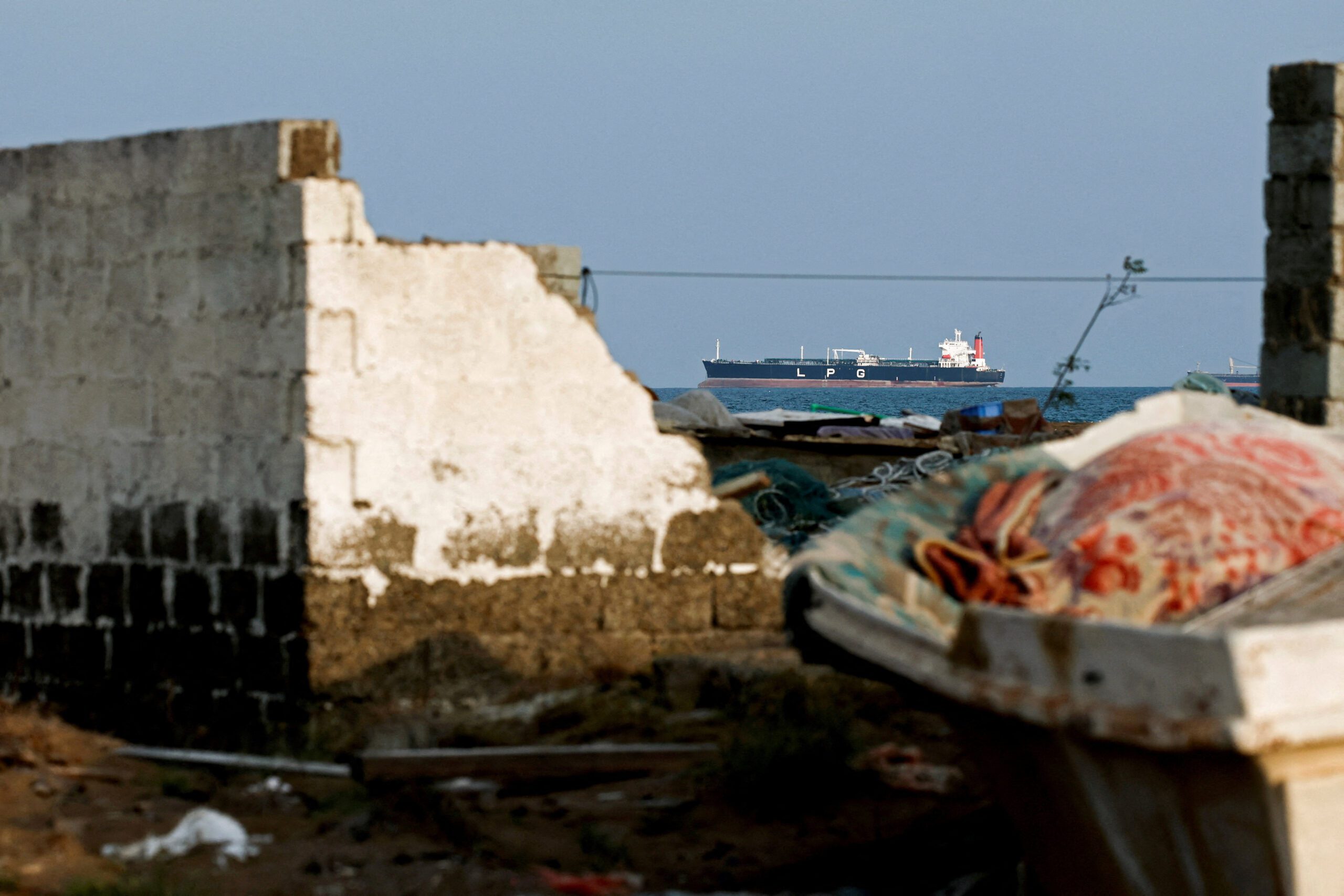
Iranian attacks on Omani ports and oil tankers are straining Oman’s long-standing “friend to all” regional foreign policy, but Muscat still has a part to play in achieving peace.
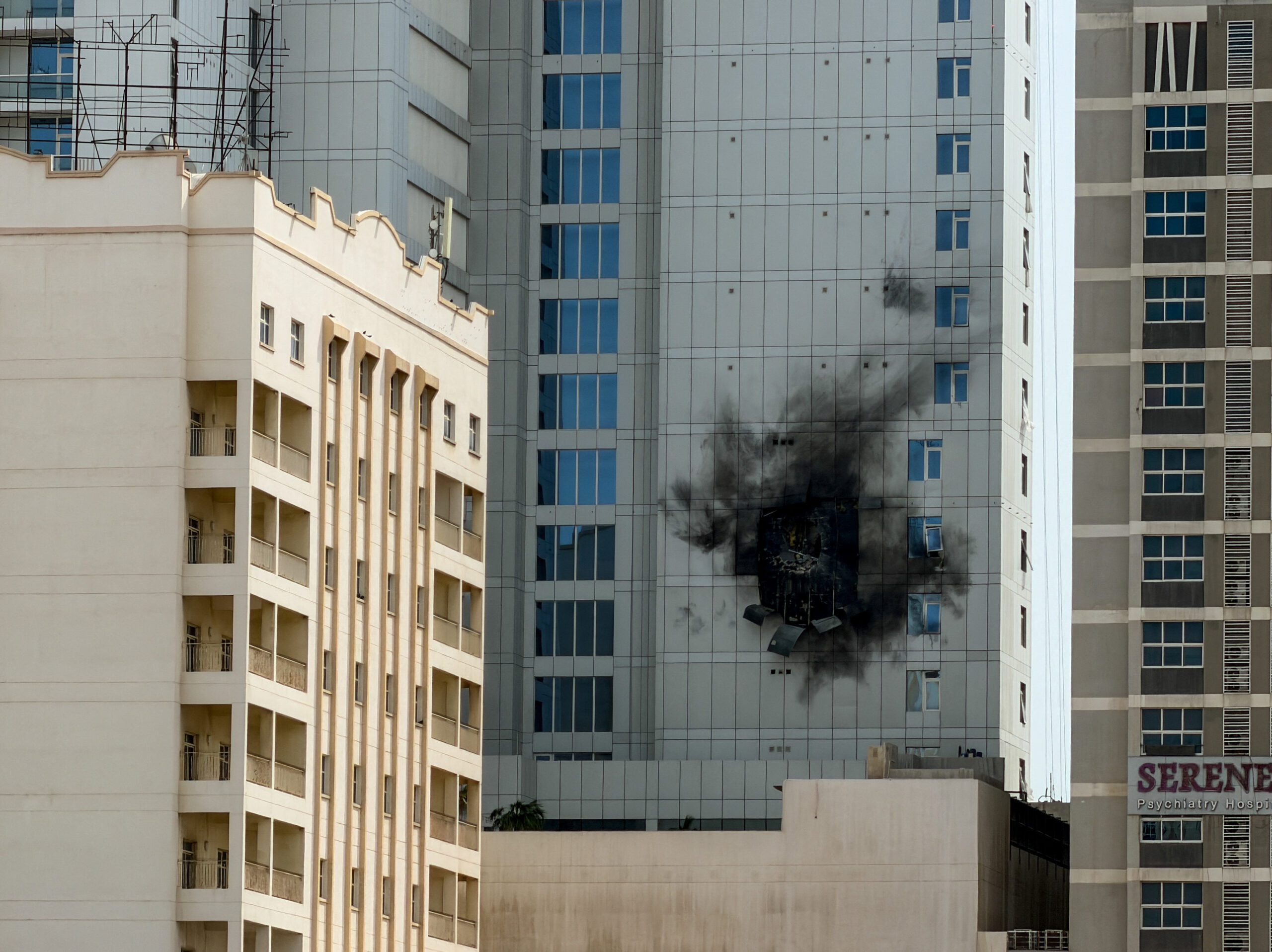
Caught between Iranian strikes and U.S.-Israeli pressure to join the fight, Gulf Arab states strive to maintain their autonomy over decision making, playing defense and preserving the space to maneuver when the war ends.
Though they were unsuccessful in preventing the current conflict, and, as expected, have been dragged into the U.S.-Israeli confrontation with Iran, Gulf Arab countries remain crucial to hopes for limiting the war and bringing it to a quick resolution.
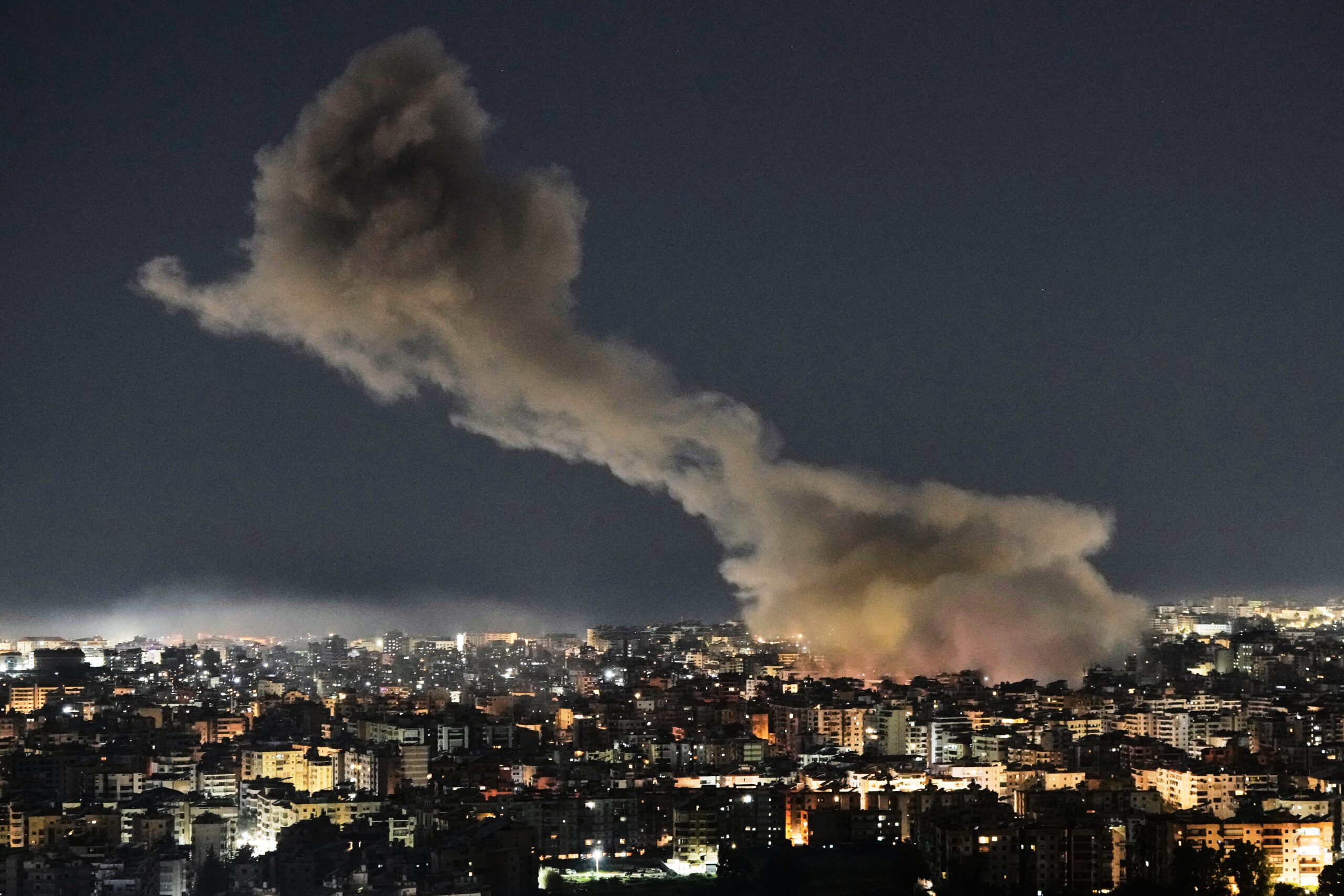
After decades of tolerating Hezbollah’s warmaking independence, the current crisis has compelled Lebanese leaders to ban its military activities; this project will do much to determine the reach Iran can maintain in the Arab world.
Gulf Arab countries urged the United States not to strike Iran, but now that is happening, they are in danger of being sucked into a conflict they cannot control but that will likely reshape their present and future realities.
When quickly debunked rumors in the Israeli media that the UAE was seeking to manage postconflict Gaza were widely welcomed in Israel, it demonstrated both the trust the UAE has built among Israelis but also their lack of understanding of Emirati policies and interests.
On January 8, AGSI hosted a virtual roundtable with its leadership and scholars as they look ahead and assess trends likely to shape the Gulf region and U.S. foreign policy during the coming year.













Jun 20, 2016
Obama is Wrong to Ignore His Own Diplomats’ Advice
On April 6, 1971, 20 United States foreign service officers led by the consul general in Dhaka, Archer Blood, issued the first formal telegram of dissent in the history of the state department. It warned that US policy “has evidenced what many will consider moral bankruptcy” because Washington had “chosen not to intervene, even morally”,...
4 min read