Jul 26, 2022
Limits of Iran’s Shia Internationale Anthem
The July 26 edition of the Iran Media Review examines the limitations of the new Iranian anthem in elevating Iran’s supreme leader to the leader of the world's Shia.

“The Internationale” has served as the official anthem of the socialist movement since the 19th century. Translated into most world languages, it still provides the basic vocabulary and ideological tenets of leftist political parties globally. The Islamic Republic too has engaged in several attempts to create revolutionary anthems, whose appeal transcends Iran’s political borders. “Salam Farmandeh” or “Saluting the Commander” is the latest among these attempts, but translations of the anthem illustrate the limits of the regime’s propaganda effort.
The anthem, which was first performed March 21, just before the Iranian New Year, by a children’s choir on Iranian television, is addressed to the Mahdi, the Shia Messiah, and his vicegerent, Ayatollah Ali Khamenei, referred to as “Seyyed Ali” to whom the children pledge: “Despite my small stature … I will be your Haj-Qassim,” a reference to the former Islamic Revolutionary Guard Corps Quds Force commander, Major General Qassim Suleimani, and “I will serve you as the unknown soldiers,” a reference to the personnel of the Intelligence Ministry.
Despite its poor vocabulary and bad rhyme, Iran has invested heavily in propagating the anthem, which is now performed by school children all over the country, broadcast on state television, and shared on social media. In June, Khamenei publicly praised the anthem, and Iranian cultural centers abroad also reportedly performed it in Persian in Kashmir, India; in Arabic translation in Bahrain and Nigeria; and in Azeri in Baku, Azerbaijan.
The video footage from abroad leaves an impression of haphazardly gathered crowds and playback rather than the actual performance of the anthem. More importantly, there are substantial text differences: As opposed to the Persian and Azeri versions, there are no references to Khamenei and Suleimani in the Arabic translation of the lyrics.
In particular, the lack of reference to Khamenei illustrates the limits of Iran’s propaganda effort: Khamenei is the head of state in Iran but not universally accepted among the Shia as a source of emulation, let alone the vicegerent of the Mahdi.
AGSIW’s Iran Media Review monitors, translates, and reviews critical Persian-language media sources identifying important developments and trends in the Islamic Republic of Iran.
The views represented herein are the author's or speaker's own and do not necessarily reflect the views of AGSI, its staff, or its board of directors.
Related
Iran Media Review
Mar 10, 2026
New Leader, Old Policy
The March 10 edition of the Iran Media Review analyzes Iranian messaging after the election of a new supreme leader.
Iran Media Review
Mar 6, 2026
Tehran Warns Iraq’s Kurdistan Regional Government
The March 6 edition of the Iran Media Review highlights an Iranian military official’s warning to the Kurdistan Regional Government to stay out of the escalating U.S.-Israeli conflict with Iran.
Iran Media Review
Mar 3, 2026
War Abroad, Civil War at Home?
The March 3 edition of the Iran Media Review examines Iranian messaging following the death of the supreme leader and amid ongoing U.S. and Israeli bombardment.
Mar 10, 2026
New Leader, Old Policy
The March 10 edition of the Iran Media Review analyzes Iranian messaging after the election of a new supreme leader.
Mar 6, 2026
Tehran Warns Iraq’s Kurdistan Regional Government
The March 6 edition of the Iran Media Review highlights an Iranian military official’s warning to the Kurdistan Regional Government to stay out of the escalating U.S.-Israeli conflict with Iran.
Mar 3, 2026
War Abroad, Civil War at Home?
The March 3 edition of the Iran Media Review examines Iranian messaging following the death of the supreme leader and amid ongoing U.S. and Israeli bombardment.
Analysis
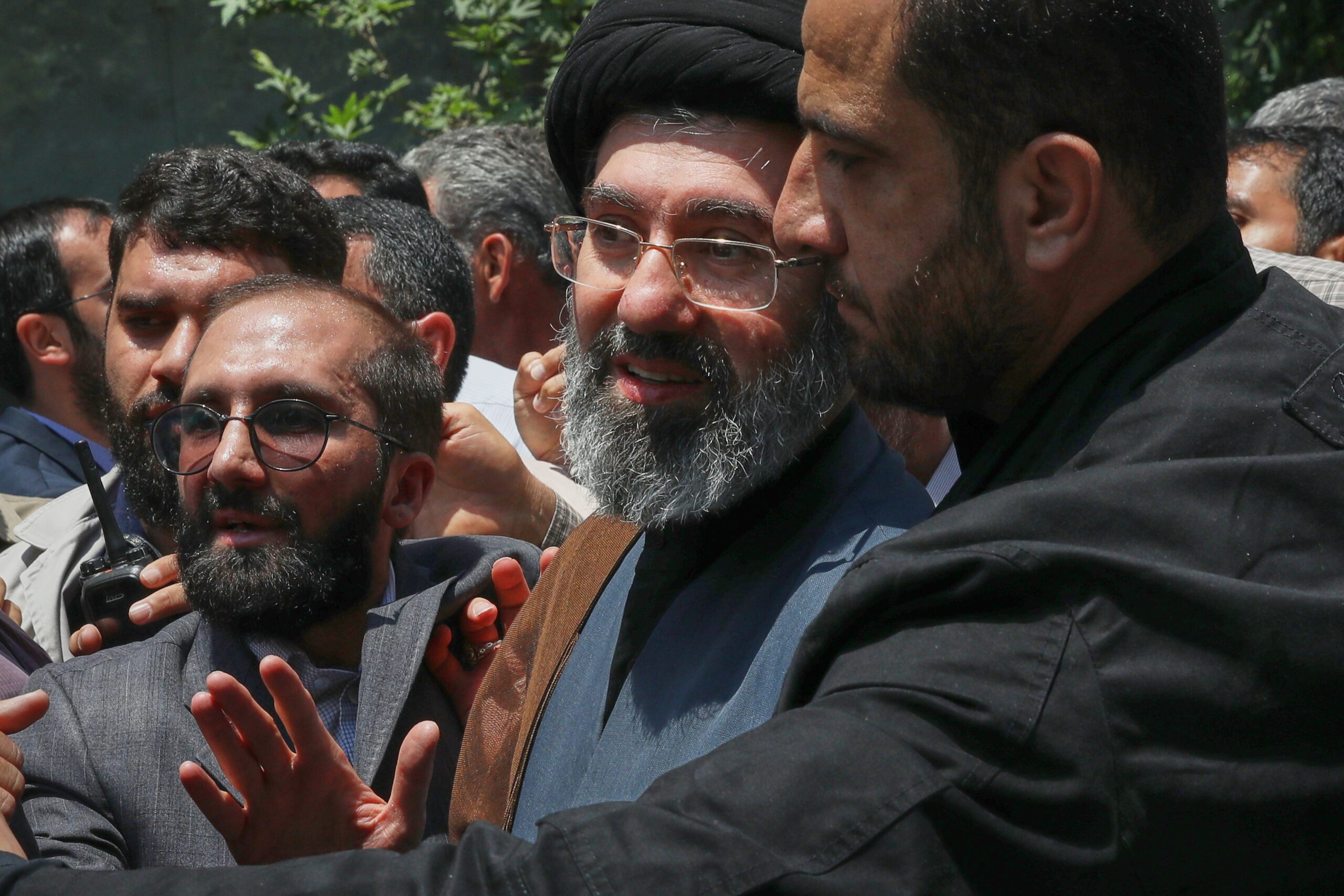
Under Mojtaba, the IRGC Will Reign Supreme
Iran may still call itself an Islamic Republic. In practice, however, it increasingly resembles a state in which the military governs from behind clerical robes.
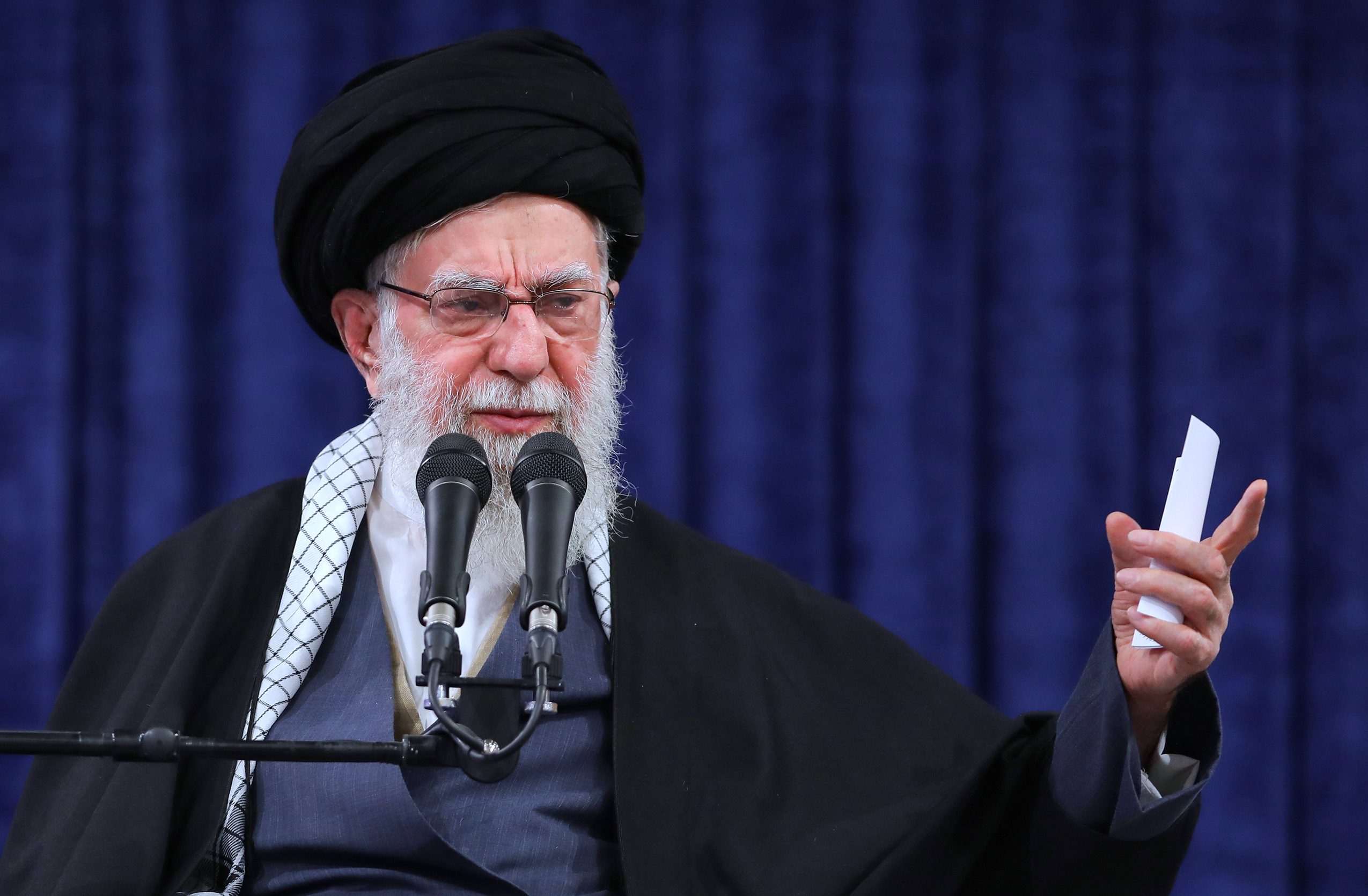
Political Life and Legacy of Iran’s Ayatollah Khamenei
Ayatollah Ali Khamenei was killed in his office in Tehran at age 86, leaving behind a country in ruins and on the verge of civil war and potential disintegration.
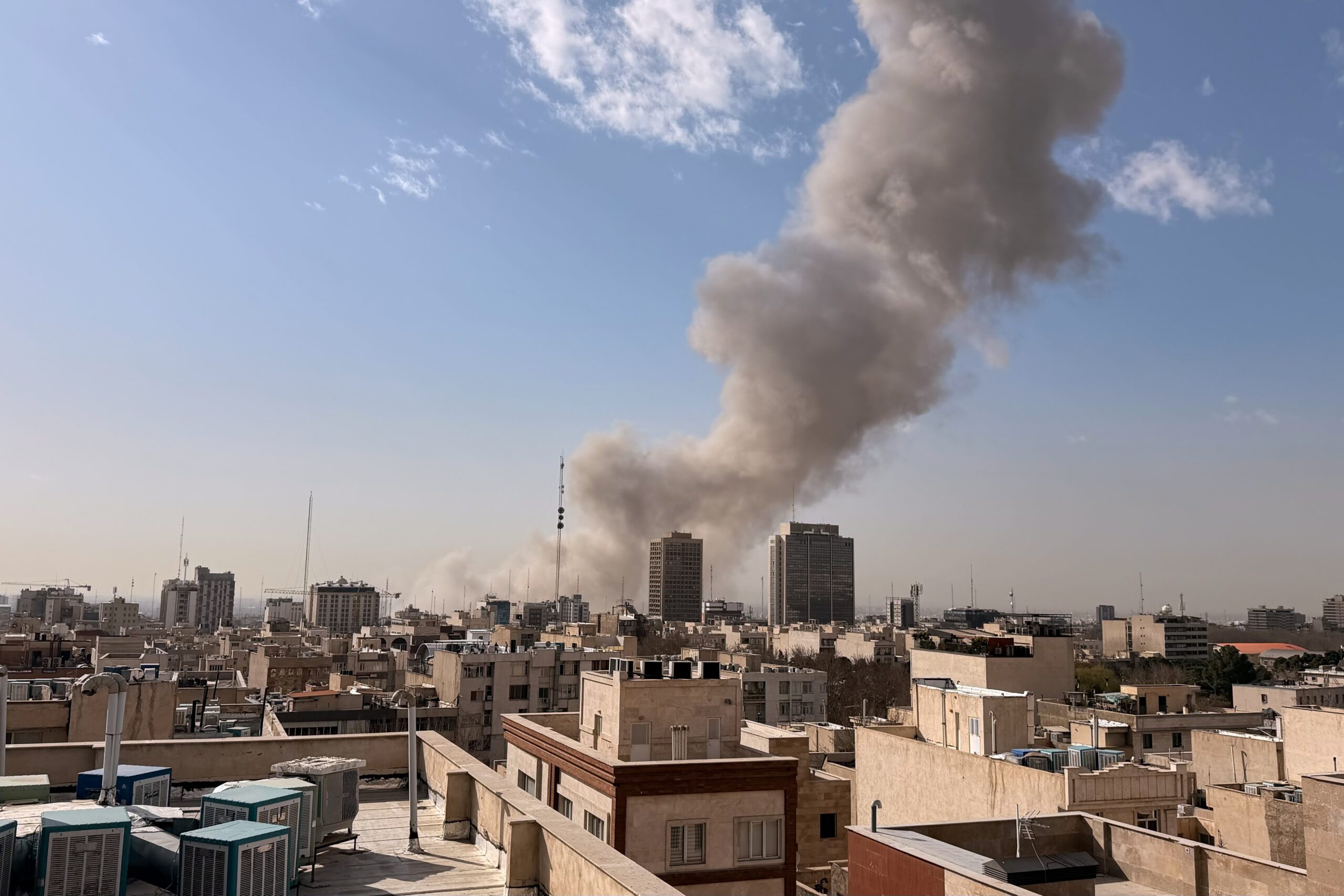
Iranian Regime Fighting for Survival
Iran is signaling that it will not absorb attacks passively. But whether this strategy ensures the regime’s survival, seals its fate, or accelerates a broader catastrophe will shape the region for years to come.
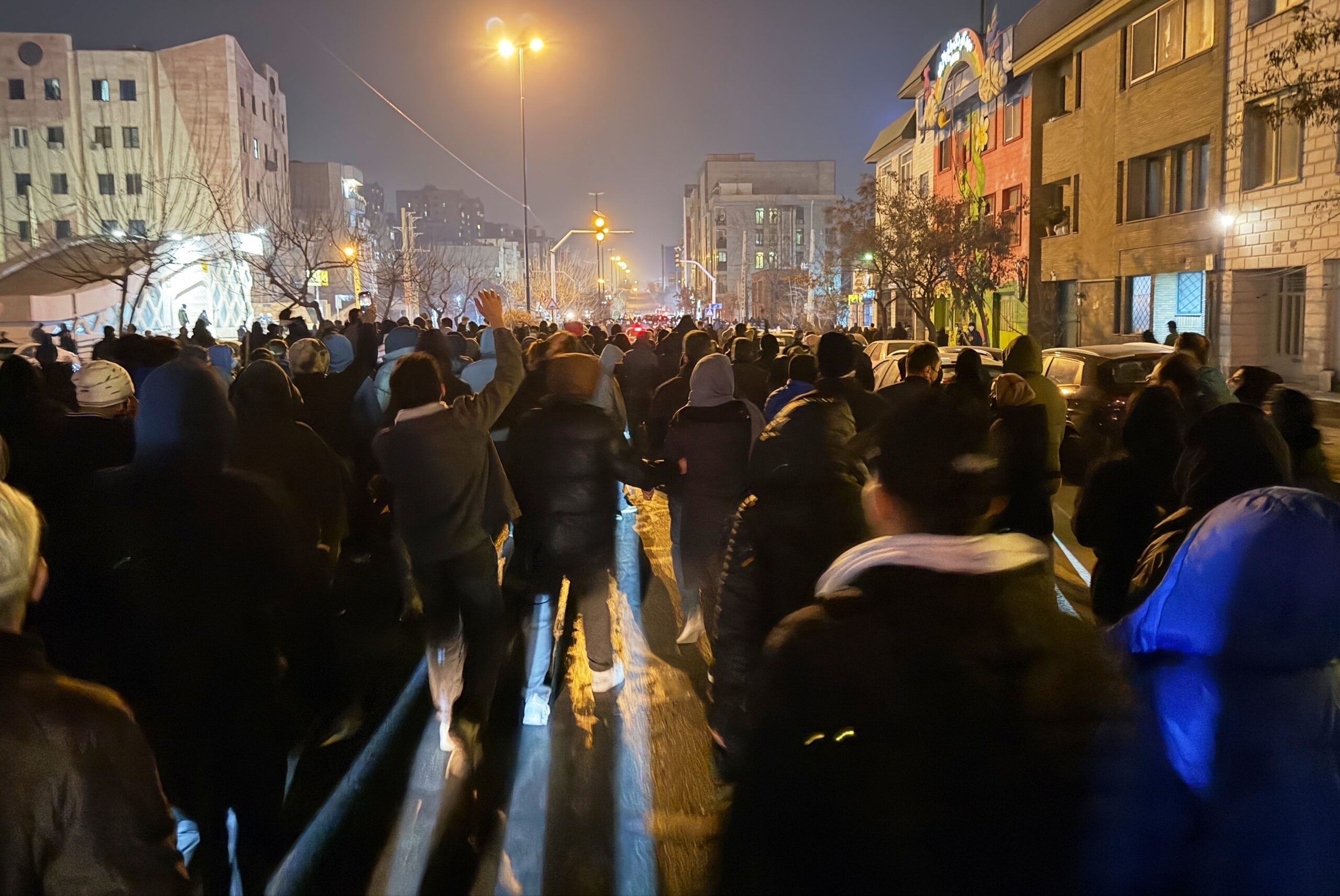
Iran’s 2025-26 Protests in Perspective
The erosion of the regime’s legitimacy across broad segments of society, combined with the breadth of the 2025-26 protest coalition, raises the possibility that a new confrontation could trigger renewed anti-regime mobilization.
Events
Mar 2, 2026
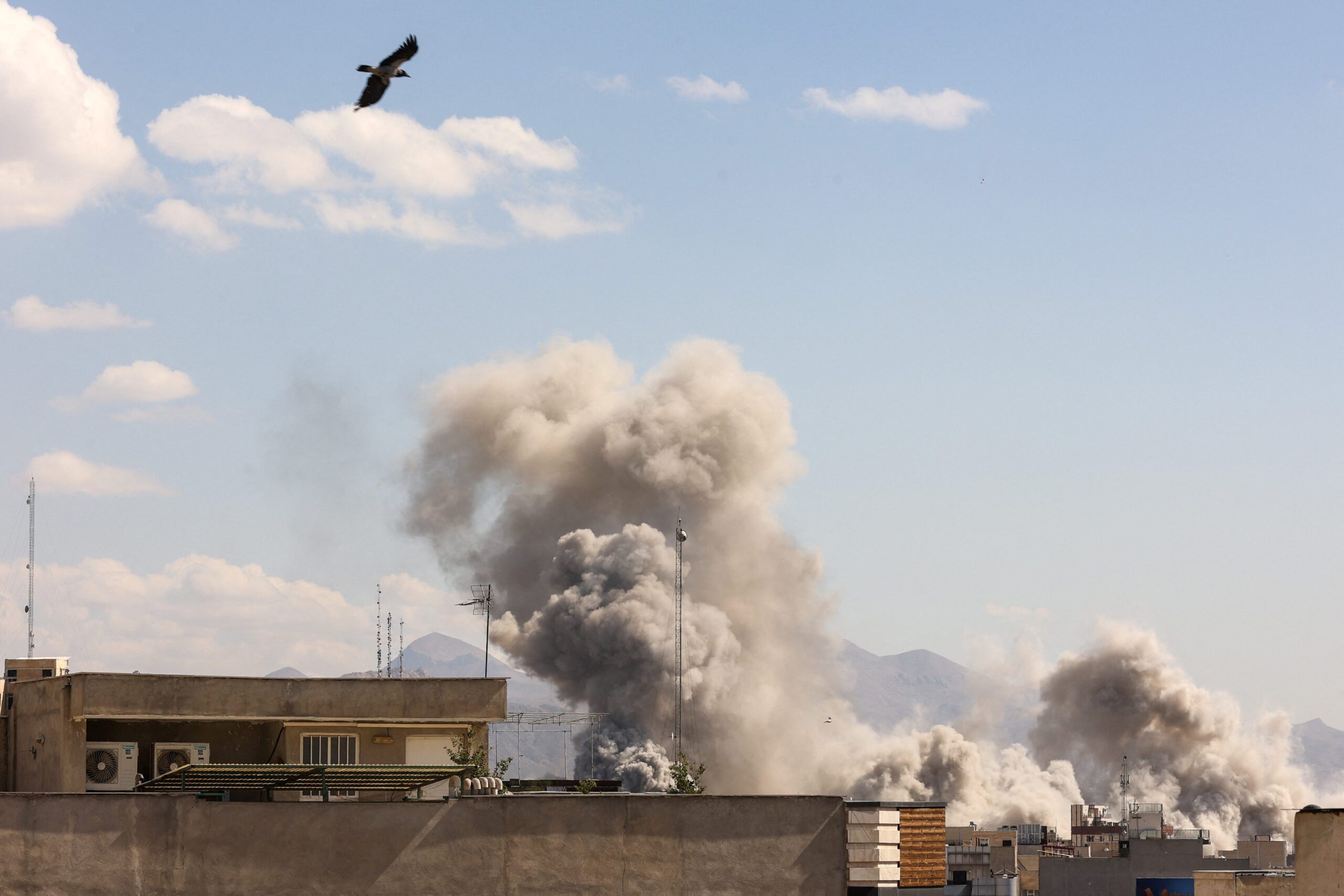
After the Shock: Implications of the U.S.–Israeli Strikes and Iran’s Leadership Transition
On March 2, AGSI hosted a discussion on the U.S.-Israeli strikes on Iran.
Speakers




Jan 8, 2026
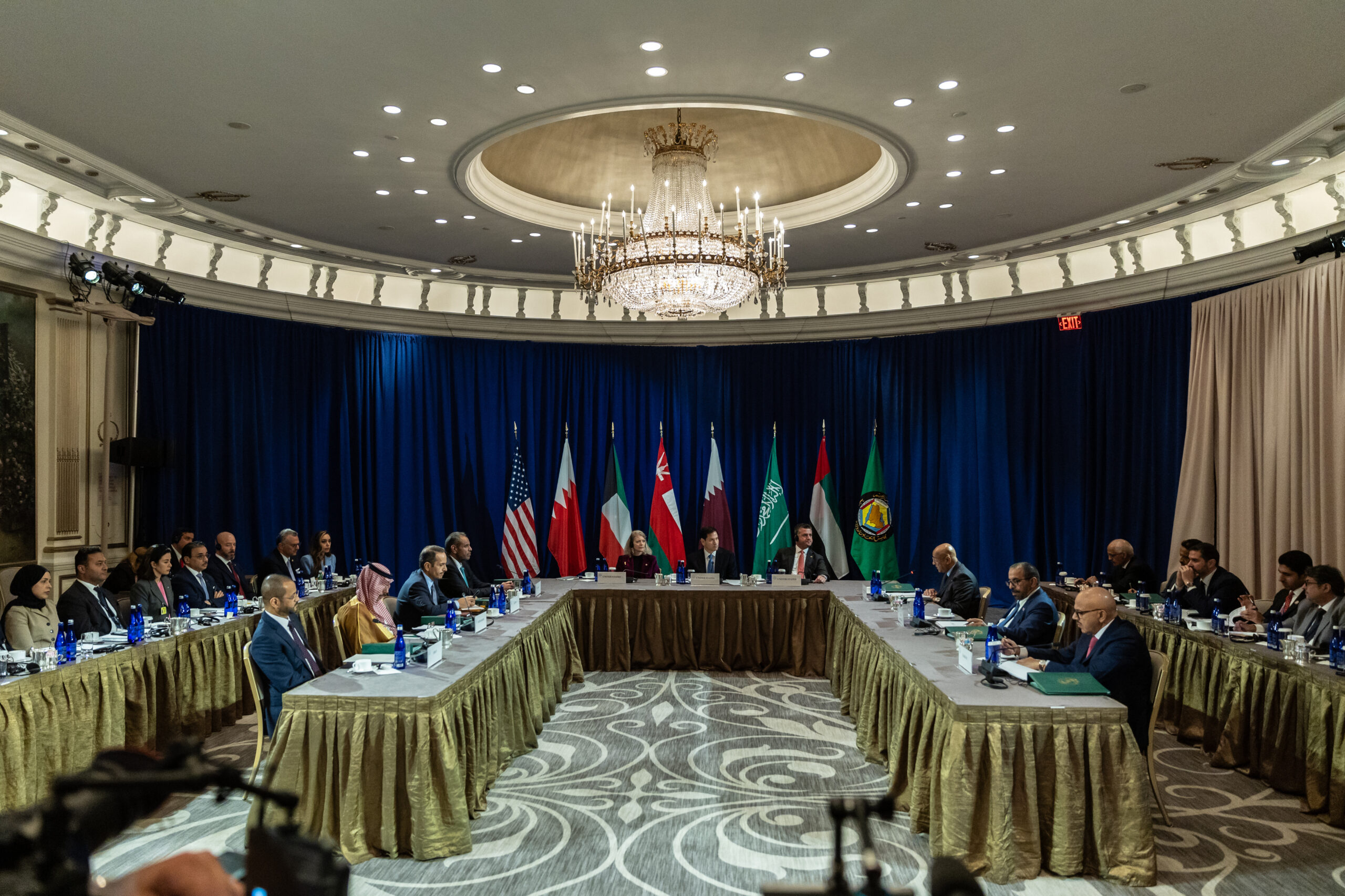
Outlook 2026: Prospects and Priorities for U.S.-Gulf Relations in the Year Ahead
On January 8, AGSI hosted a virtual roundtable with its leadership and scholars as they look ahead and assess trends likely to shape the Gulf region and U.S. foreign policy during the coming year.
Speakers


Sep 16, 2025
Book Talk: Iran’s Grand Strategy: A Political History
On September 16, AGSI hosted a discussion on the roots of Iran's strategic outlook.
Speakers
Jun 23, 2025
U.S. Strike on Iran: Regional and Diplomatic Fallout
On June 23, AGSI hosted a discussion on the United States' attack on Iranian nuclear sites.
Speakers
