Jan 31, 2025
Khamenei Greenlights Iran-U.S. Talks, Will Trump?
The January 31 edition of the Iran Media Review considers commentary regarding the lack of messaging from Washington on negotiations.

Supreme Leader Ayatollah Ali Khamenei has officially sanctioned direct diplomatic engagement between Iran and the United States, framing his authorization within his characteristic anti-imperialist rhetoric. However, Iranian officials and commentary in domestic media suggest Washington has been unresponsive.
- January 28: Addressing foreign ambassadors to Tehran on his official website, Khamenei implicitly endorsed diplomatic engagement with the United States:
- “Their diplomatic smirks cover their enmity and hatred, their evil nature. We must open our eyes and be vigilant with whom we are dealing and with whom we are talking. When you know your counterpart, you can indeed make deals, but you should know what you are doing.” He continued that Iran should recognize it for what it is and “be aware.”
- January 29: In response to a question from a journalist at the reformist Entekhab News Agency, Iranian President Masoud Pezeshkian said:
- “No, we have not received any message” from Washington.
- January 29: Foreign Minister Abbas Araghchi reinforced the president’s assertion in a short interview with the same Entekhab reporter saying:
- “Trump has not sent any specific message concerning negotiations. This is just merely speculation. We are engaged in talks with European countries.”
- January 29: Deputy Parliamentary Speaker Hamid-Reza Haji-Babaei in an interview by Islamic Republic of Iran Broadcasting reported by centrist Fararu News Agency, echoed a position of conditional engagement:
- “We harbor no enmity against the United States. We are in favor of just negotiations.”
- January 30: Former Foreign Minister Mohammad Javad Zarif, speaking at a conference hosted by the Institute for Iran-Eurasia Studies in Tehran, offered a pragmatic reassessment of Iran’s strategic posture, as quoted by the reformist Kargozaran Party’s Sazandegi newspaper:
- “I agree with our friends here that Iran’s foreign policy starts with the region, but we must get rid of an irritant to Iran’s foreign policy.” He continued that, hostility toward “the United States is not an opportunity for Iran’s foreign policy. It has shackled the feet of Iran’s foreign policy. As I explained in my latest book, we should not define our relations with Africa and Europe in the framework of a fight with the United States. In such a fight, nobody will take our side. We are not in need of having cordial relations with the United States, but we must see to it that when others have relations with us, they will not be entangled in a fight with the United States. If they do, they will not choose to have relations with us, something we witness now.”
- January 30: Reformist Shargh newspaper analyzed Tehran’s growing diplomatic “frustrations” over the “unresponsive West,” despite overtures from the Iranian leadership:
- The deputy foreign minister for political affairs, “Majid Takht-Ravanchi declared Iran’s readiness to discuss the nuclear issue with the West … Before that, Mohammad Javad Zarif signaled Iran’s willingness while attending Davos” for the World Economic Forum. He continued, “Even before this, President Pezeshkian did something similar … and Foreign Minister Araghchi … and Vice President Mohammad Reza Aref have indicated ‘There is no other salvation for the country but through negotiations’ … The West, however, is not responding to signals from Tehran, which increases the political cost for proponents of engagement in Iran.”
- Rasoul Nahavandi, an academic quoted by Shargh, said: “The new administration’s foreign policy, military, and security Cabinet has not been fully formed, and the second Trump administration is busy with bigger issues … However, unresponsiveness of the new U.S. administration may be intentional.”
The views represented herein are the author's or speaker's own and do not necessarily reflect the views of AGSI, its staff, or its board of directors.
Related
Iran Media Review
Jan 28, 2025
Hoping for Sanctions Relief, Iran is Preparing for the Worst-Case Scenario
The January 28 edition of the Iran Media Review highlights remarks by Iran’s deputy foreign minister for political affairs regarding nuclear negotiations with the United States.
Iran Media Review
Jan 21, 2025
Renewed Speculation About Mojtaba Khamenei
The January 21 edition of the Iran Media Review analyzes commentary in response to a Washington Post editorial suggesting the supreme leader’s son has been chosen to be his successor.
Jan 28, 2025
Hoping for Sanctions Relief, Iran is Preparing for the Worst-Case Scenario
The January 28 edition of the Iran Media Review highlights remarks by Iran’s deputy foreign minister for political affairs regarding nuclear negotiations with the United States.
Jan 21, 2025
Renewed Speculation About Mojtaba Khamenei
The January 21 edition of the Iran Media Review analyzes commentary in response to a Washington Post editorial suggesting the supreme leader’s son has been chosen to be his successor.
Analysis
The Islamic Republic Returns to Offense
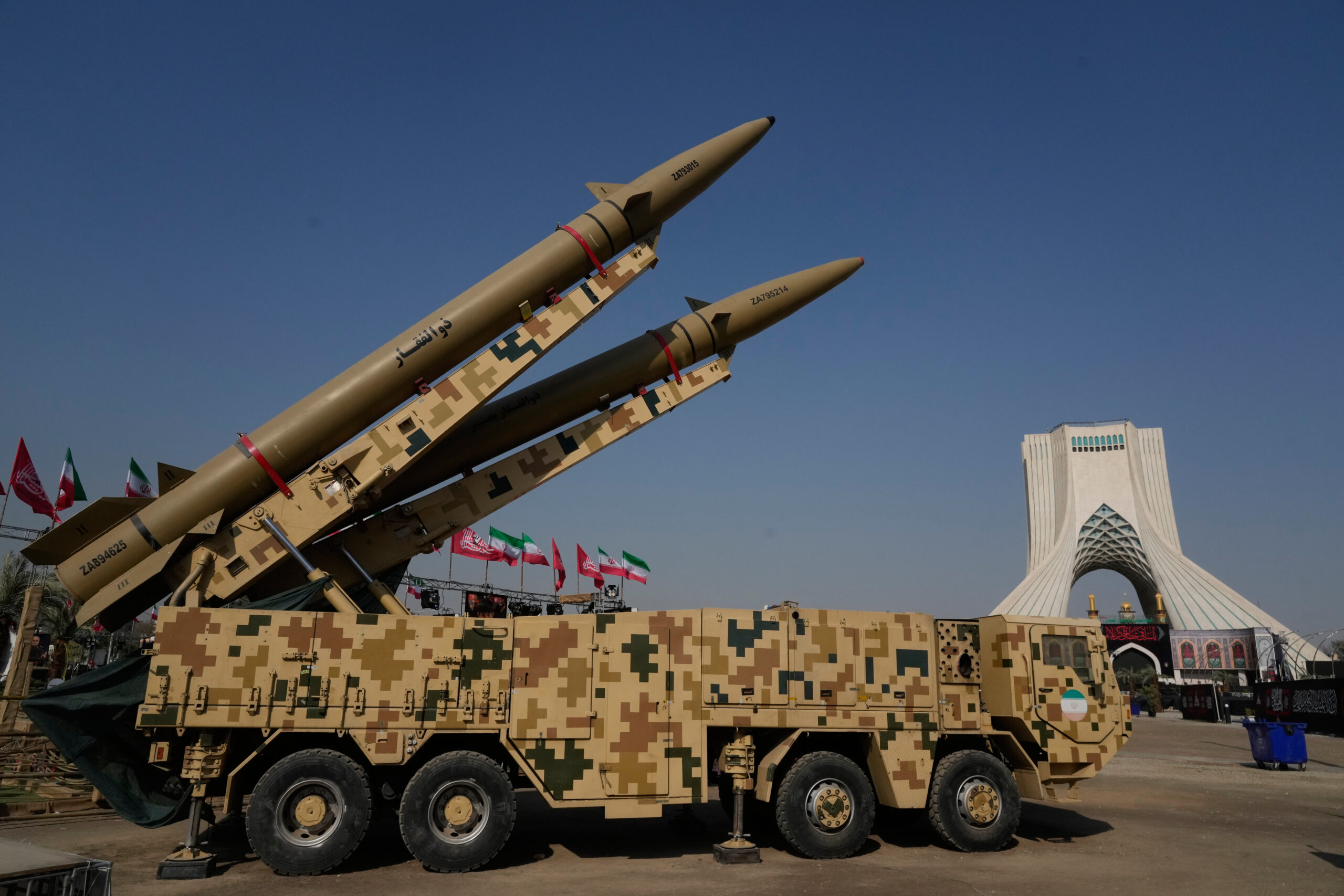
After U.S.-Israeli strikes killed Supreme Leader Ayatollah Ali Khamenei on February 28, Iran’s collective leadership has concluded that the best defense is a good offense.
Iran’s Collective Strategic Decision Making
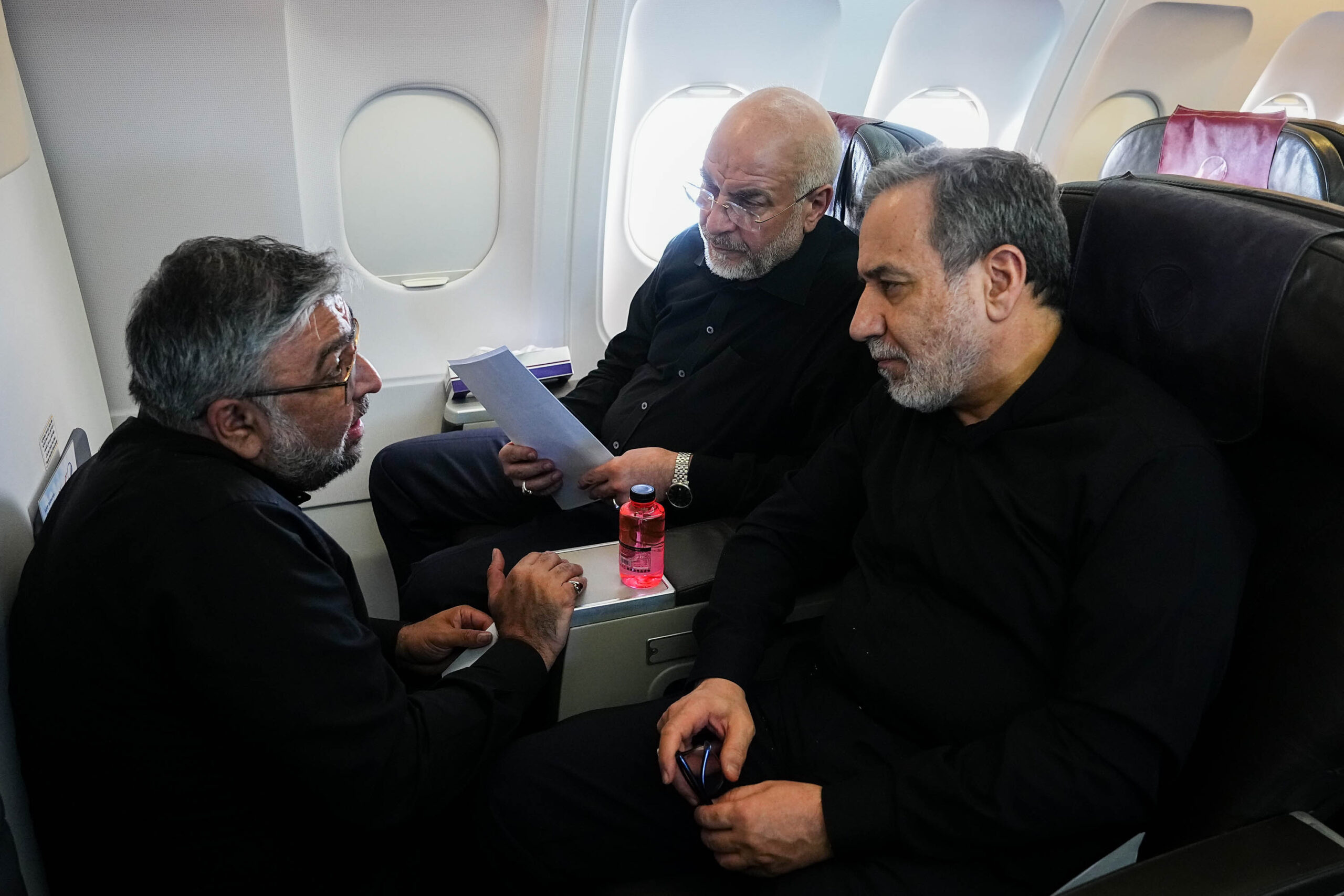
Wartime pressure has temporarily aligned the leadership’s overriding interest in regime survival, even as its members continue to differ over the costs, methods, and ultimate objectives of the war.
The Islamic Republic’s Collective Leadership
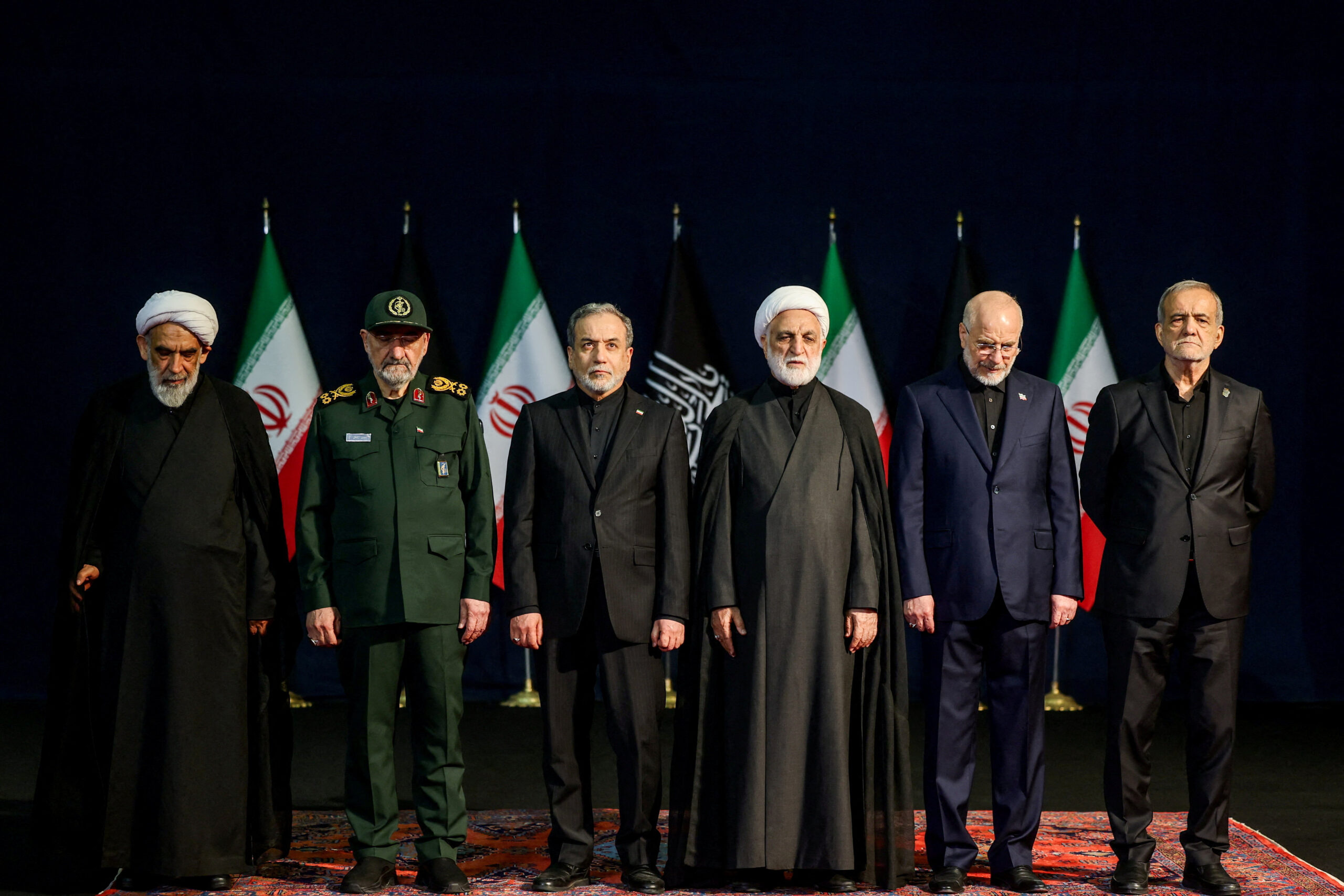
While there is historical precedent for collective leadership in Iran, today’s leadership includes representatives of the IRGC and regular military – a reflection of the IRGC’s expanding role and the necessities of governing under wartime conditions.
How Did the IRGC Seize Power in Iran?
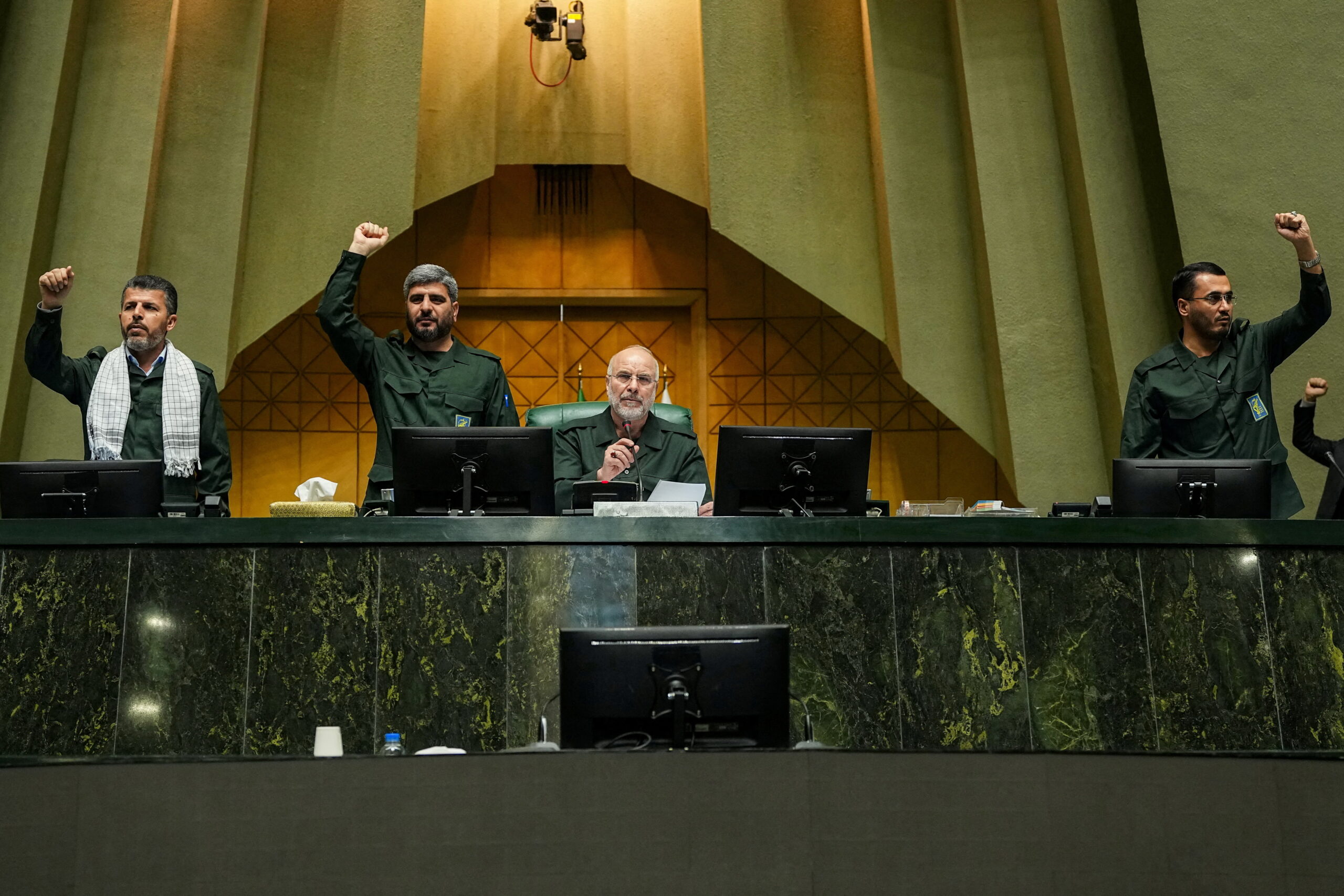
The IRGC did not seize power in a single stroke. It accumulated it – patiently, methodically – until no counterweight remained.
Events
Book Talk: Iran and the Bomb: The United States, Iran and the Nuclear Question
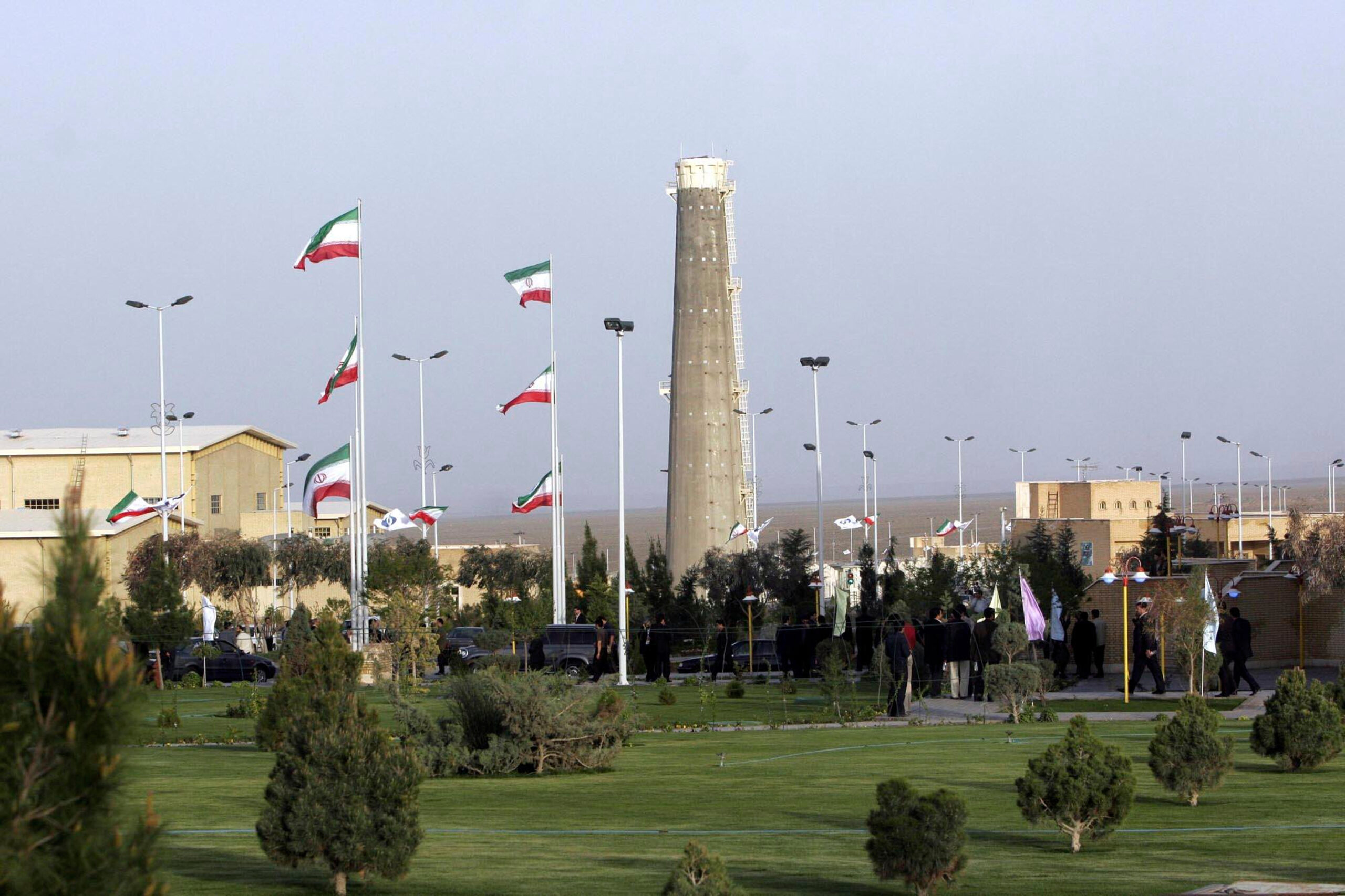
On June 16, AGSI hosted a discussion on the evolution of Iran's nuclear program.
Speakers

Apr 21, 2026
Inside Iran’s Wartime Leadership: Power, Succession, and Regime Stability
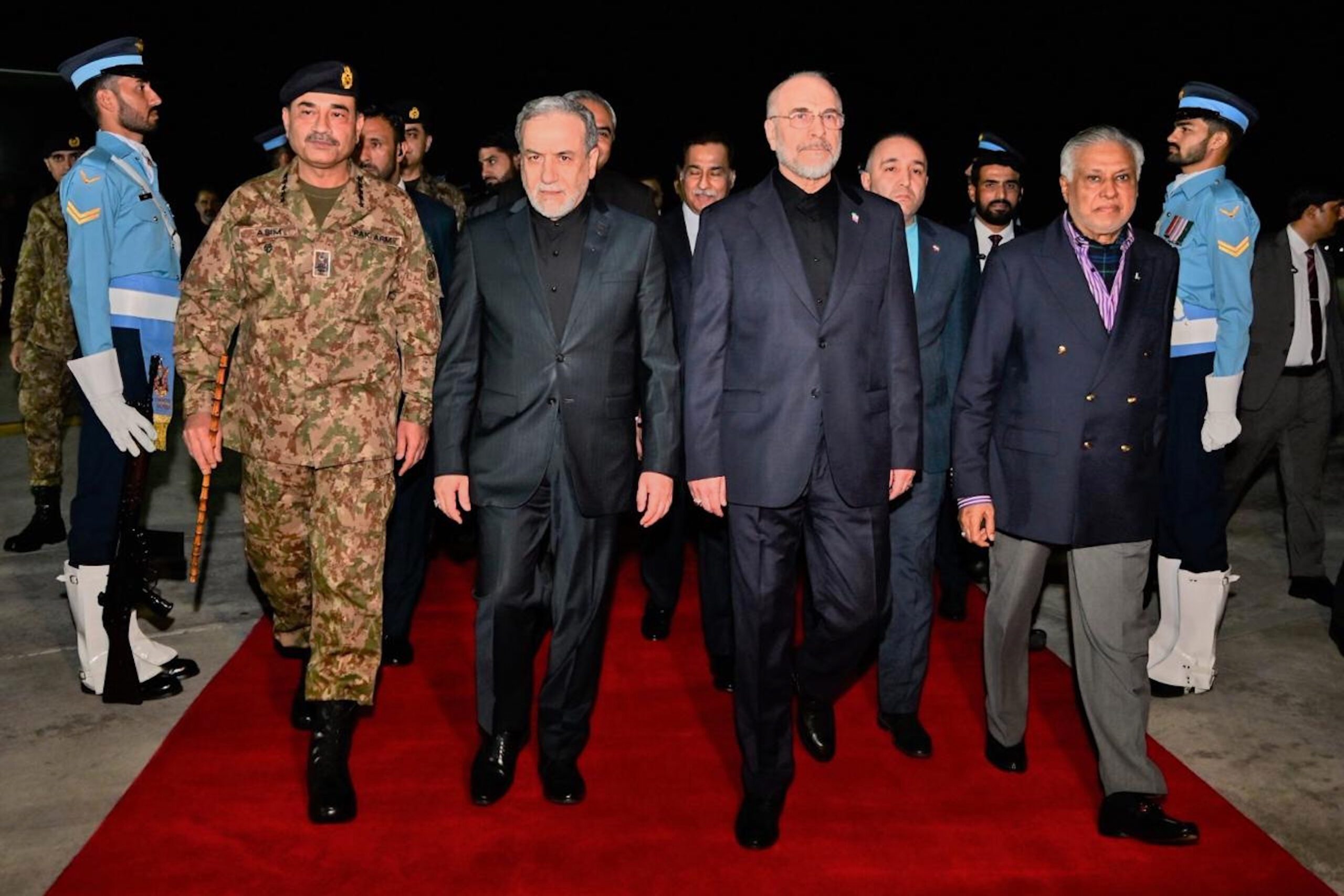
On April 21, AGSI hosted a discussion on the evolution of Iran's leadership during the war.
Speakers

Mar 18, 2026
In Its Conflict With the United States and Israel, Does Escalation Favor Iran?
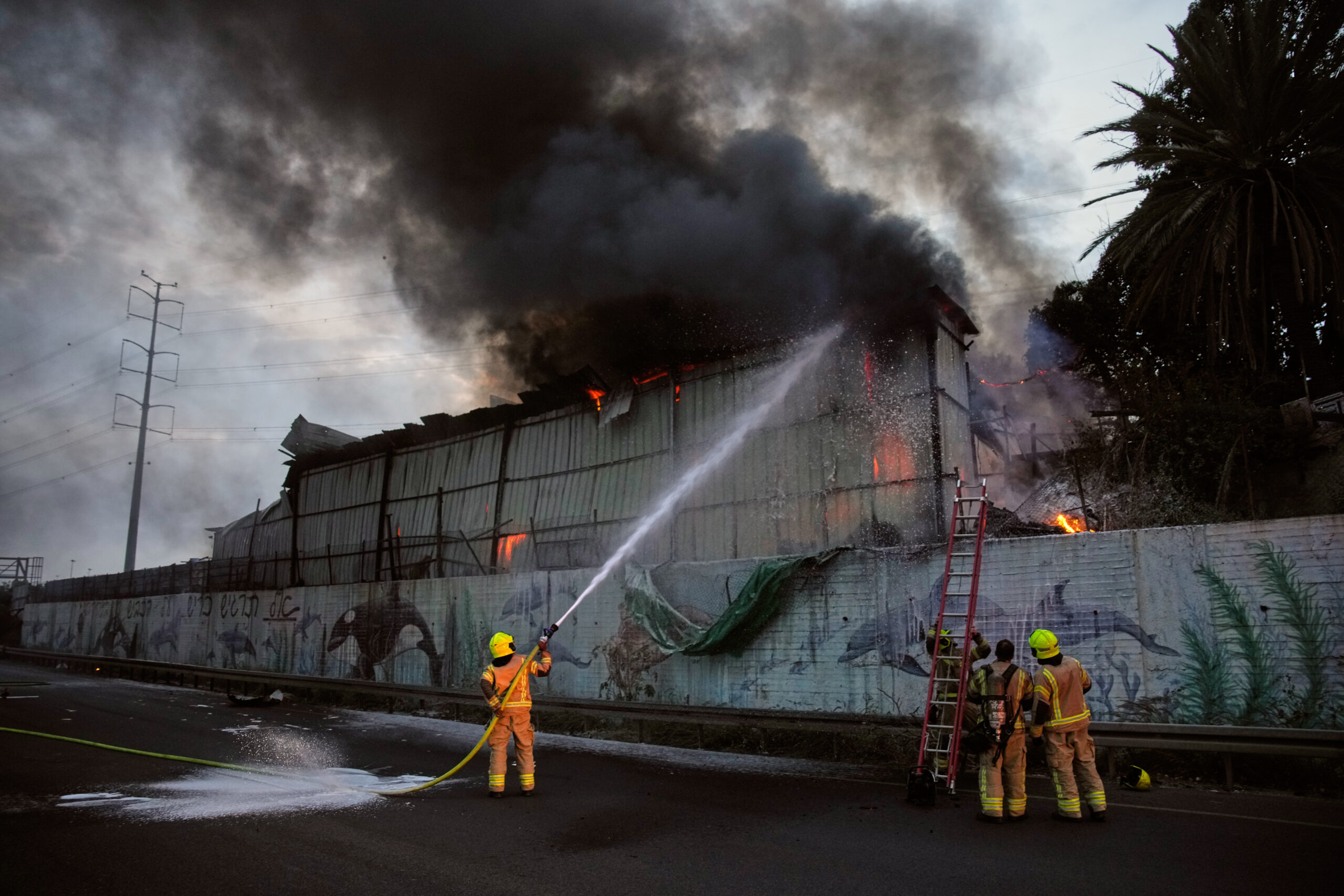
On March 18, AGSI hosted a discussion on the escalation of the Iran war.
Speakers

Mar 2, 2026
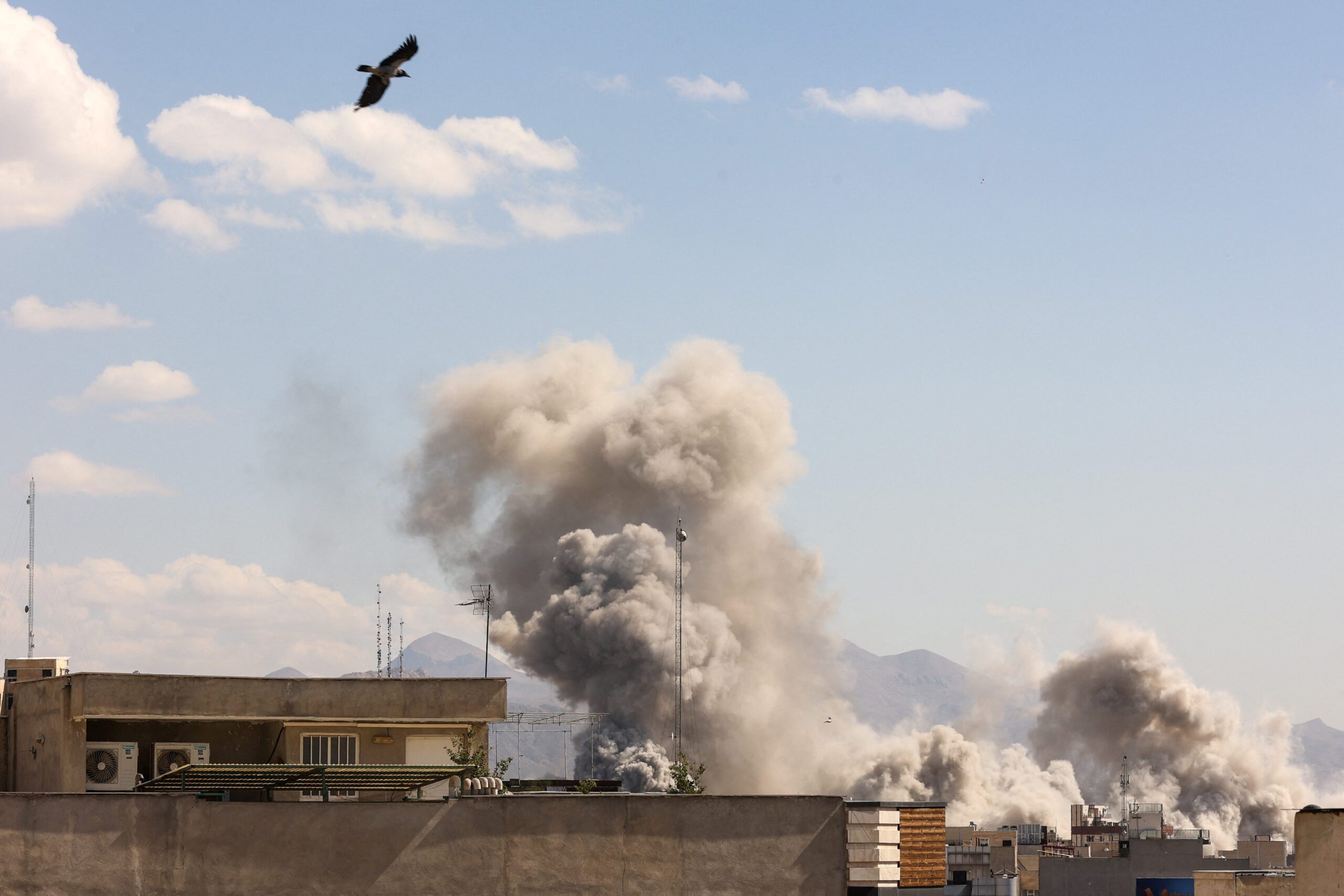
After the Shock: Implications of the U.S.–Israeli Strikes and Iran’s Leadership Transition
On March 2, AGSI hosted a discussion on the U.S.-Israeli strikes on Iran.
Speakers