Sep 21, 2022
IRGC Media Prepares the Ground for Harsher Suppression of Protests in Iran
The September 21 edition of the Iran Media Review considers state-censored media reactions to widespread protests spurred by the death of 22-year-old Mahsa Amini.
Since the suspicious death of 22-year-old Mahsa Amini in police custody on September 16, most cities in Iran have experienced waves of protests against police brutality, mandatory hijab and its enforcement by the morality police (which was the direct cause of Amini’s arrest), Supreme Leader Ayatollah Ali Khamenei, and the regime in its entirety. While Khamenei himself avoided the subject altogether in his first public appearance since the incident, reactions from Iran’s state-censored media range from reformist newspapers’ criticism of the government’s enforcement of the hijab and unprecedented criticism of the “totalitarian regime” on Iranian television to not so veiled threats of the Islamic Revolutionary Guard Corps media against the protesters. While Islamic Republic of Iran Broadcasting’s toleration of government criticism on live television may be a safety valve, warnings from IRGC media signal harsher suppression of protests, perhaps once President Ebrahim Raisi returns from the United Nations General Assembly in New York.
- September 20: Based on video footage posted by Shargh Daily on Twitter, Masoud Pezeshkian, a parliamentarian, said in a discussion on Islamic Republic of Iran Broadcasting: “We, as the ruling elites of the Islamic Republic, have created a framework, which has led to Islamic, social, and economic problems for the people. We blame others, but we ourselves are to blame, and nobody else. It is us, who did not manage to foster them,” he said in reference to young girls who haven’t fully covered their hair with a hijab. He continued: “I am partly to blame, so is the venerable clergy, the mosques, and the television. We must all be held accountable, rather than arresting and beating up that girl and in the end delivering her corpse to the family.”
- September 20: The IRGC on Telegram claimed foreign nationals are involved in orchestrating hijab protests in Iran.
- September 20: Mashregh News, which is close to the IRGC, claimed security forces arrested several “leaders of the protests,” who were “armed” by foreign governments, and allegedly “confessed they planned to kill protesters” and later blame the security services.
- September 21: Receiving a group of Iran-Iraq War veterans, Khamenei, as quoted by Fars News, made no references to the death of Amini and spoke of foreign threats to Iran’s territorial integrity in the 1980s.
- September 21: Reformist Shargh quoted Behzad Rahimi, a parliamentarian from the Iranian Kurdistan province, who said in Parliament: “We expected the interior minister to extend his condolences to the Amini family in person.” He also expressed his concern and protested the harsh methods of the moral police.
- September 21: Reformist Etemad published an interview with sociologist Taqi Azad Armaki, who argued: “There is a need for change and societal reconciliation.”
- September 21: Islamic Republic of Iran Broadcasting invited Saeed Shariati, a supporter of Mir Hossein Mousavi, a political dissident who is under house arrest, to comment on the unrest. Based on video footage posted by Shargh Daily on Twitter, Shariati said: “It does not matter if it is in North Korea or here in Iran … over there, they control people’s lives in the name of Communism, and here in the name of the guardianship, Islam, and the like. In totalitarian regimes, the government wants to decide everything, even what happens in people’s bedrooms, and decides for you how many kids to have. Over 40 years ago, the people voted for this regime, but since then, the people’s vote has not mattered. A democracy is a regime where you can bring down people you voted into office. You can call totalitarian regimes anything but democratic.”
- September 21: An editorial written by Saad-Allah Zarei, a political analyst, and published by hard-line Kayhan newspaper accused “Western intelligence agencies” of orchestrating the protests in Iran and reformist politicians of “joining protesters” and aiding foreign enemies in stirring up “ethnic unrest” among Iran’s Kurds.
- September 21: IRGC mouthpiece Javan dismissed the hijab protests as a foreign plot.
- September 21: IRGC mouthpiece Tasnim News accused the outlawed Mujahedeen-e Khalq organization as the instigator of the hijab protests and arson attacks against mosques.
The views represented herein are the author's or speaker's own and do not necessarily reflect the views of AGSI, its staff, or its board of directors.
Related
Iran Media Review
Sep 16, 2022
Arbaeen Pilgrimage to Karbala: From Demonstration of Power to Public Relations Debacle
The September 16 edition of the Iran Media Review examines reactions to this year’s Arbaeen pilgrimage.
Sep 16, 2022
Arbaeen Pilgrimage to Karbala: From Demonstration of Power to Public Relations Debacle
The September 16 edition of the Iran Media Review examines reactions to this year’s Arbaeen pilgrimage.
Analysis
Political Life and Legacy of Iran’s Ayatollah Khamenei
Ayatollah Ali Khamenei was killed in his office in Tehran at age 86, leaving behind a country in ruins and on the verge of civil war and potential disintegration.
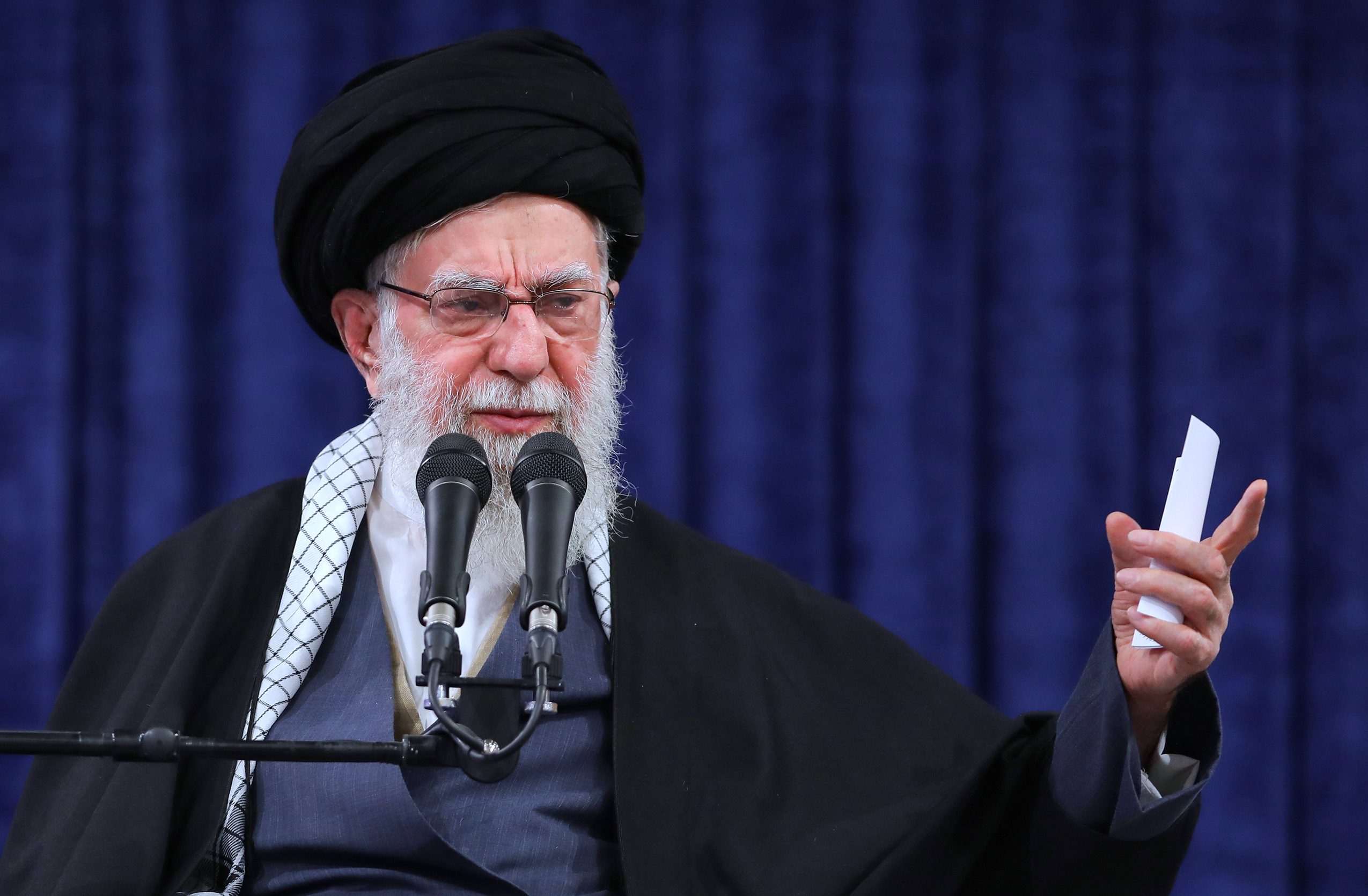
Iranian Regime Fighting for Survival
Iran is signaling that it will not absorb attacks passively. But whether this strategy ensures the regime’s survival, seals its fate, or accelerates a broader catastrophe will shape the region for years to come.
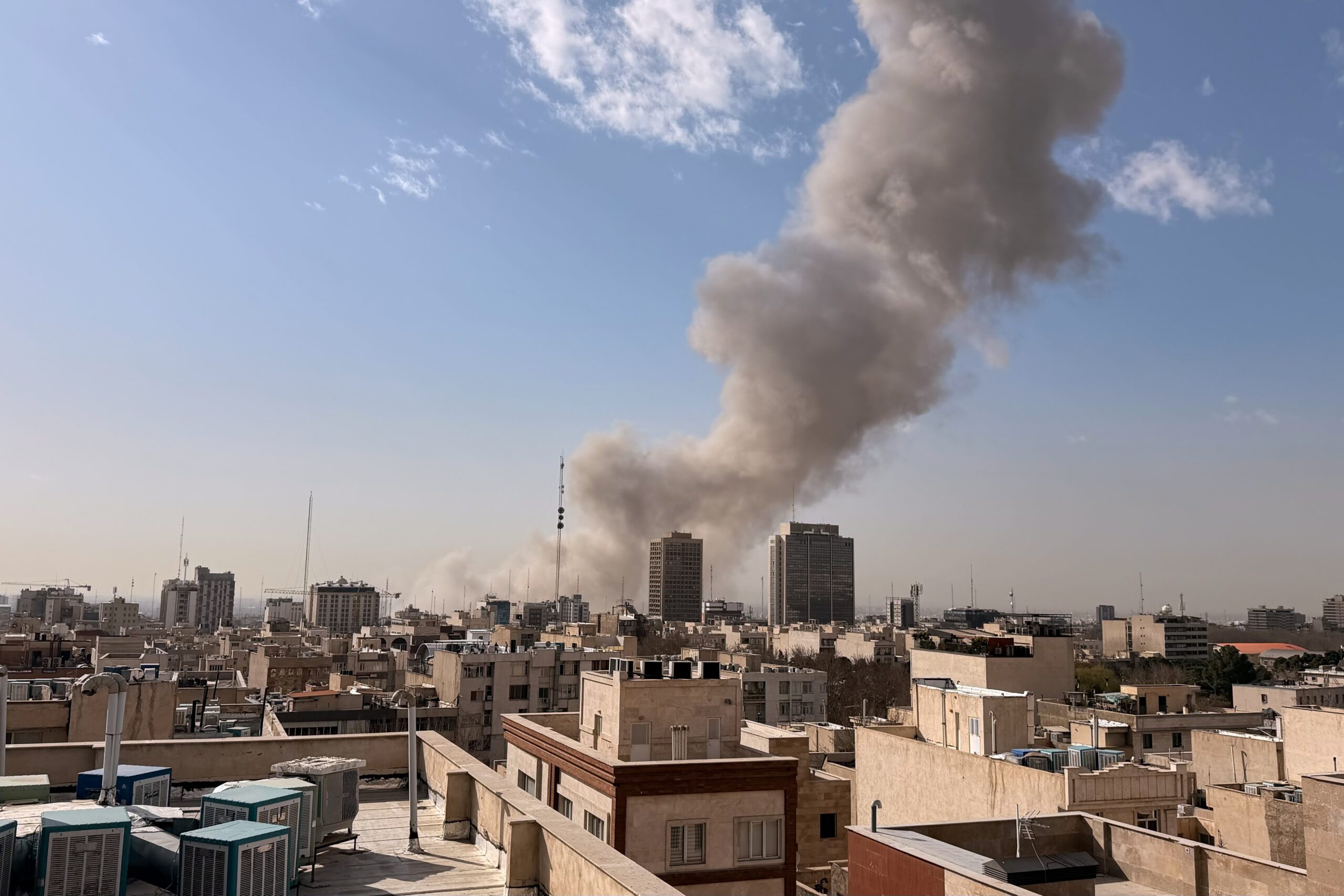
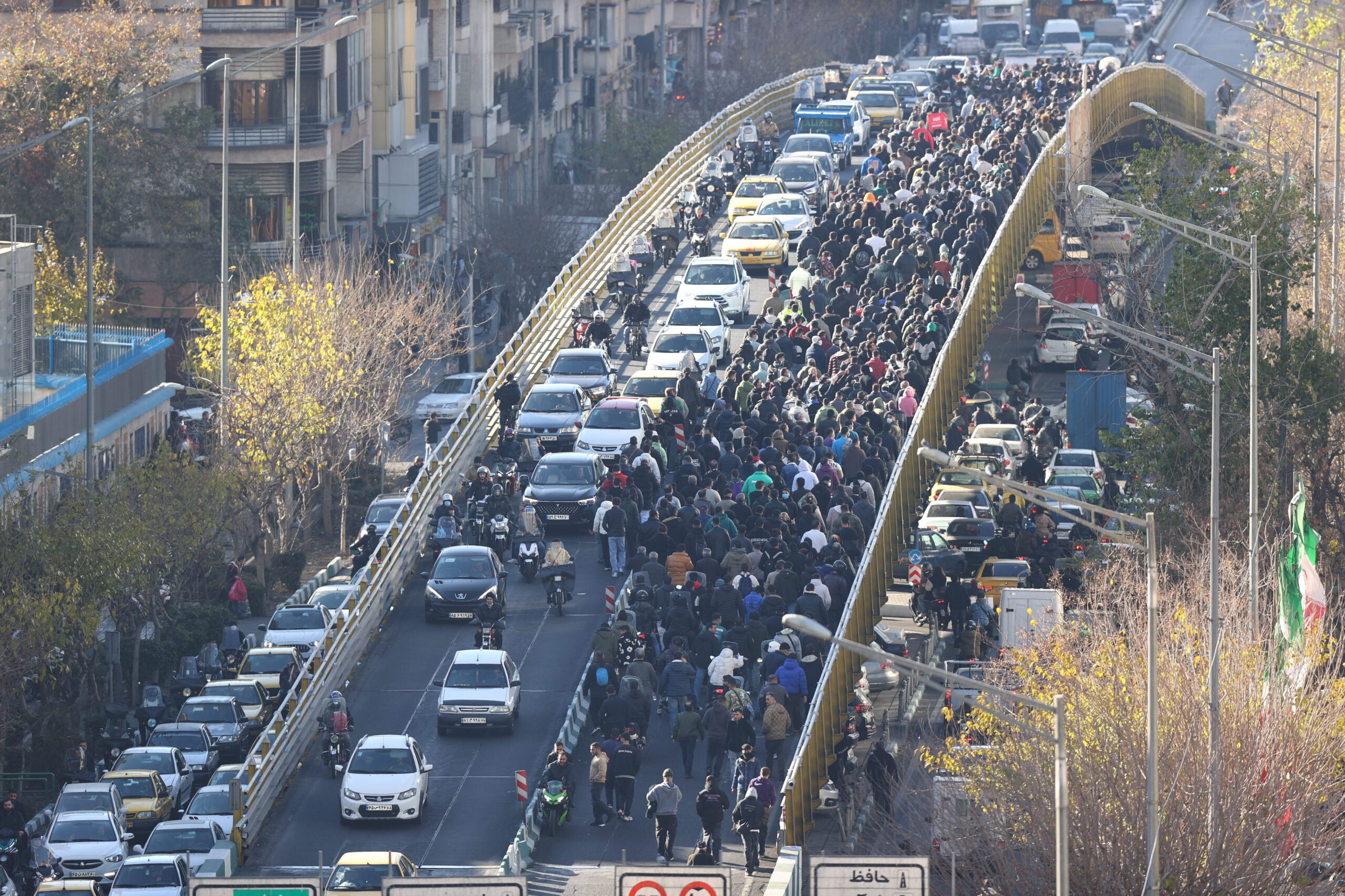
Iran’s 2025-26 Protests in Perspective
The erosion of the regime’s legitimacy across broad segments of society, combined with the breadth of the 2025-26 protest coalition, raises the possibility that a new confrontation could trigger renewed anti-regime mobilization.
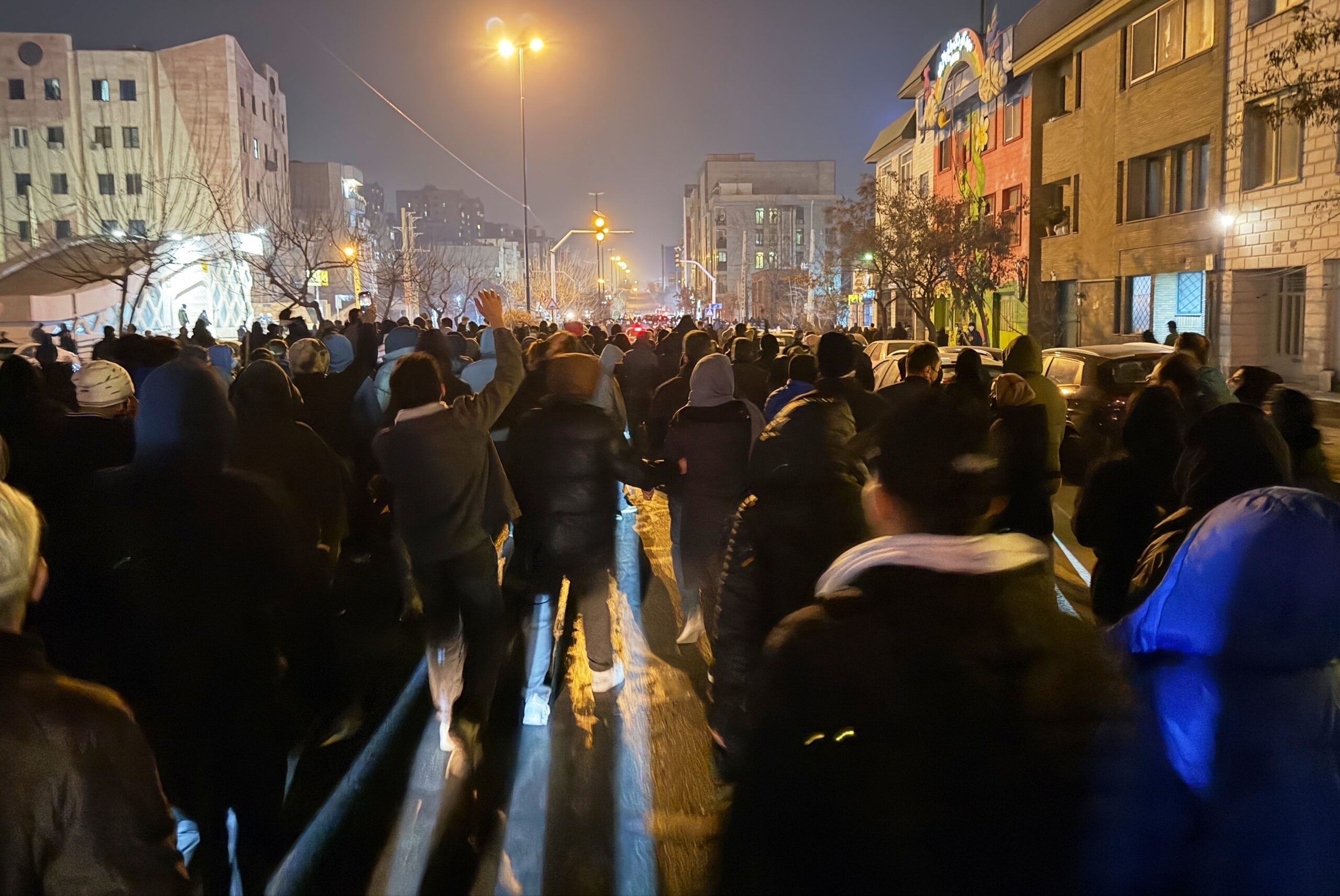
Protests in Iran: Regime Deal With Trump or Degrade Toward Collapse?
Though the Iranian regime is facing increasing pressure from protesters and armed insurgent groups, it is not yet doomed – but without a deal with the United States, the regime is likely headed for a slow collapse.
Events
Mar 2, 2026
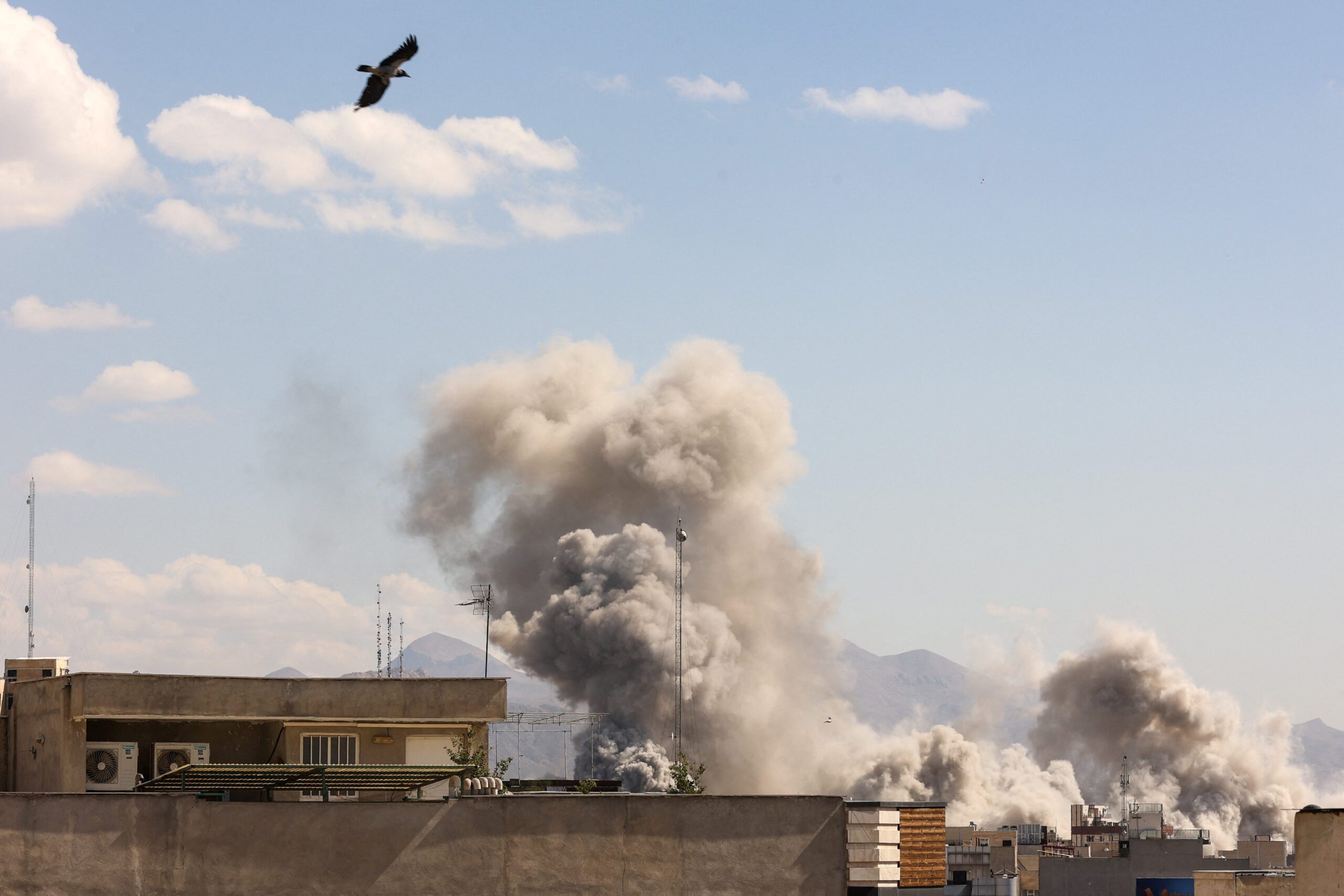
After the Shock: Implications of the U.S.–Israeli Strikes and Iran’s Leadership Transition
On March 2, AGSI hosted a discussion on the U.S.-Israeli strikes on Iran.
Speakers



Jan 8, 2026
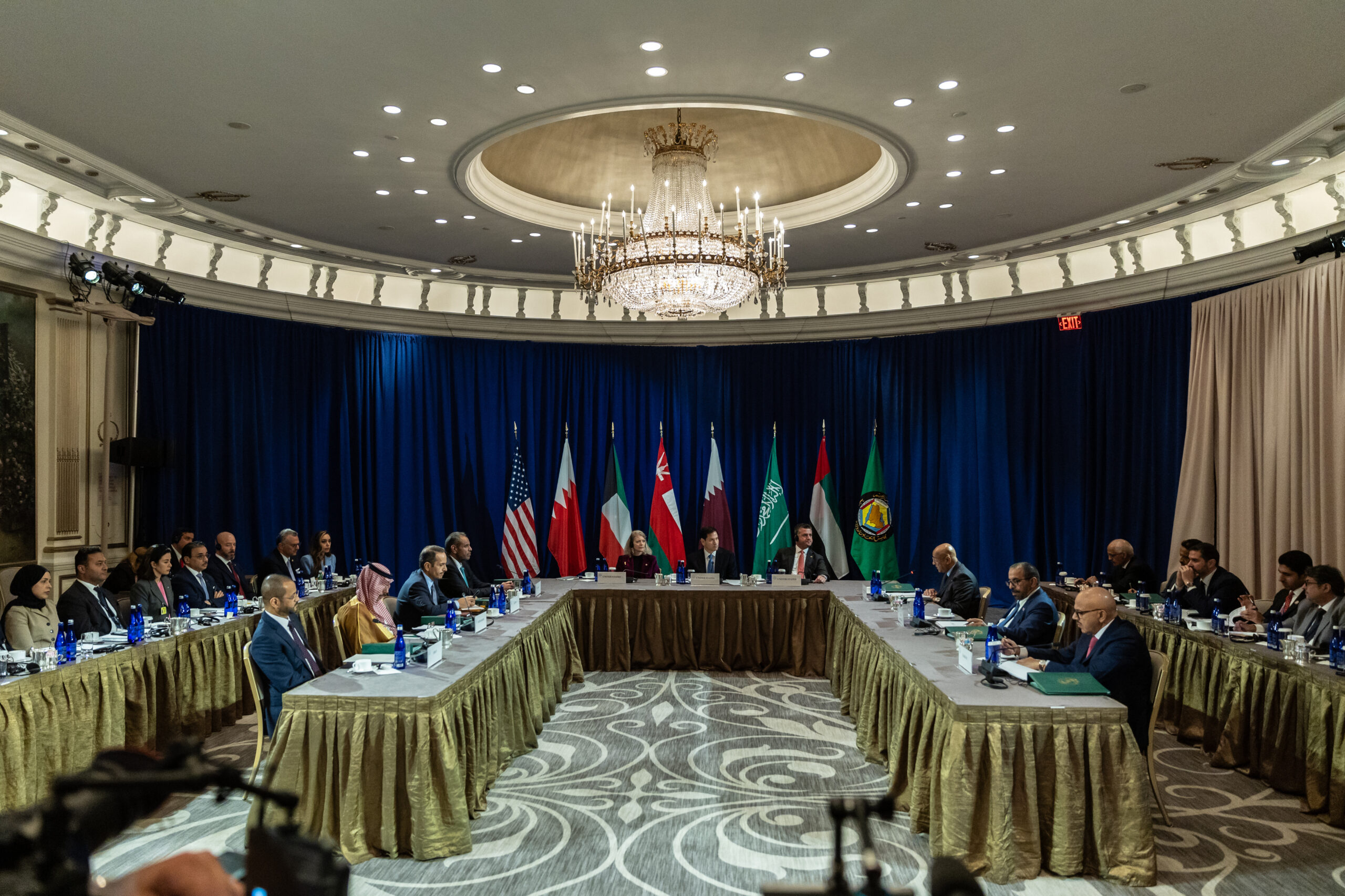
Outlook 2026: Prospects and Priorities for U.S.-Gulf Relations in the Year Ahead
On January 8, AGSI hosted a virtual roundtable with its leadership and scholars as they look ahead and assess trends likely to shape the Gulf region and U.S. foreign policy during the coming year.
Speakers
Sep 16, 2025
Book Talk: Iran’s Grand Strategy: A Political History
On September 16, AGSI hosted a discussion on the roots of Iran's strategic outlook.
Speakers
Jun 23, 2025
U.S. Strike on Iran: Regional and Diplomatic Fallout
On June 23, AGSI hosted a discussion on the United States' attack on Iranian nuclear sites.
Speakers
