Aug 9, 2022
IRGC Media: Limited Oil Exports No Incentive to Revive Nuclear Deal
The August 9 edition of the Iran Media Review considers the perspective of the Islamic Revolutionary Guard Corps on whether removal of U.S. sanctions on Iran’s oil exports is sufficient incentive to revive the nuclear deal.

Is the prospect for removal of U.S. sanctions on Iran’s oil exports enough incentive to reach a compromise in the diplomatic effort to revive the Joint Comprehensive Plan of Action nuclear deal with Iran? No, according to Iranian international affairs analyst Seyed Mostafa Khoshcheshm’s interview with Islamic Revolutionary Guard Corps mouthpiece Basirat.
- August 1: “The Western side has still not accepted Iran’s dual conditions of economic guarantees and delisting hundreds of individuals and companies from the sanctions list … Should these two conditions not be met, more than 50 percent of benefits of an agreement evaporate.” Turning to Iran’s oil exports, Khoshcheshm said: “Americans and the Europeans, rather than Iran, will benefit most from adding a million and half barrels of oil to Iran’s exports. Otherwise, Europe, lacking oil and gas, will experience a very hard winter.” He concluded: “The American side believes no deal is better than a bad deal … We should emulate the U.S. behavior by insisting on our conditions. Continuation of the war in Ukraine and increasing energy prices in the coming weeks increase the pressure on the Western and American side, and time and negotiations are on Iran’s side.”
The interview can be interpreted as strategic messaging to shape current nuclear negotiations between Iran and the United States in Vienna, but it may just as well reflect the IRGC’s analysis and preference.
After all, the IRGC, which was designated a foreign terrorist organization by the State Department on April 15, 2019, is likely to remain on the list and will not economically benefit from U.S. removal of sanctions. Continued sanctions against Iran’s oil exports, on the other hand, will secure the IRGC a share of the oil it smuggles out of Iran and sells on the international black market. Just as important, if Iran does not return to the JCPOA, and incrementally gets closer to producing a nuclear bomb, the IRGC will benefit as the bomb’s custodian.
The views represented herein are the author's or speaker's own and do not necessarily reflect the views of AGSI, its staff, or its board of directors.
Related
Iran Media Review
Aug 5, 2022
Has Iran Left Its Afghan Allies to Their Own Devices?
The August 5 edition of the Iran Media Review assesses Iran’s silence regarding the targeting of Afghanistan’s Shia population.
Iran Media Review
Aug 2, 2022
Iran’s Intelligence Minister Vows to Retaliate Against Countries “Assisting Enemies of the Iranian Nation”
The August 2 edition of the Iran Media Review assesses the potential for Iranian retaliation against the Kurdistan region of Iraq.
Iran Media Review
Jul 29, 2022
From a Glass House, Iran Throws the U.S. International Religious Freedom Report at Arab States
The July 29 edition of the Iran Media Review considers Iran’s response to the United States Commission on International Religious Freedom 2022 Annual Report.
Aug 5, 2022
Has Iran Left Its Afghan Allies to Their Own Devices?
The August 5 edition of the Iran Media Review assesses Iran’s silence regarding the targeting of Afghanistan’s Shia population.
Aug 2, 2022
Iran’s Intelligence Minister Vows to Retaliate Against Countries “Assisting Enemies of the Iranian Nation”
The August 2 edition of the Iran Media Review assesses the potential for Iranian retaliation against the Kurdistan region of Iraq.
Jul 29, 2022
From a Glass House, Iran Throws the U.S. International Religious Freedom Report at Arab States
The July 29 edition of the Iran Media Review considers Iran’s response to the United States Commission on International Religious Freedom 2022 Annual Report.
Analysis
Debating Policy in Public: Iranian Elites Turn to YouTube
Rival camps within the Islamic Republic are increasingly turning to YouTube for policy debate, but there is a limit to the regime’s tolerance for that debate.
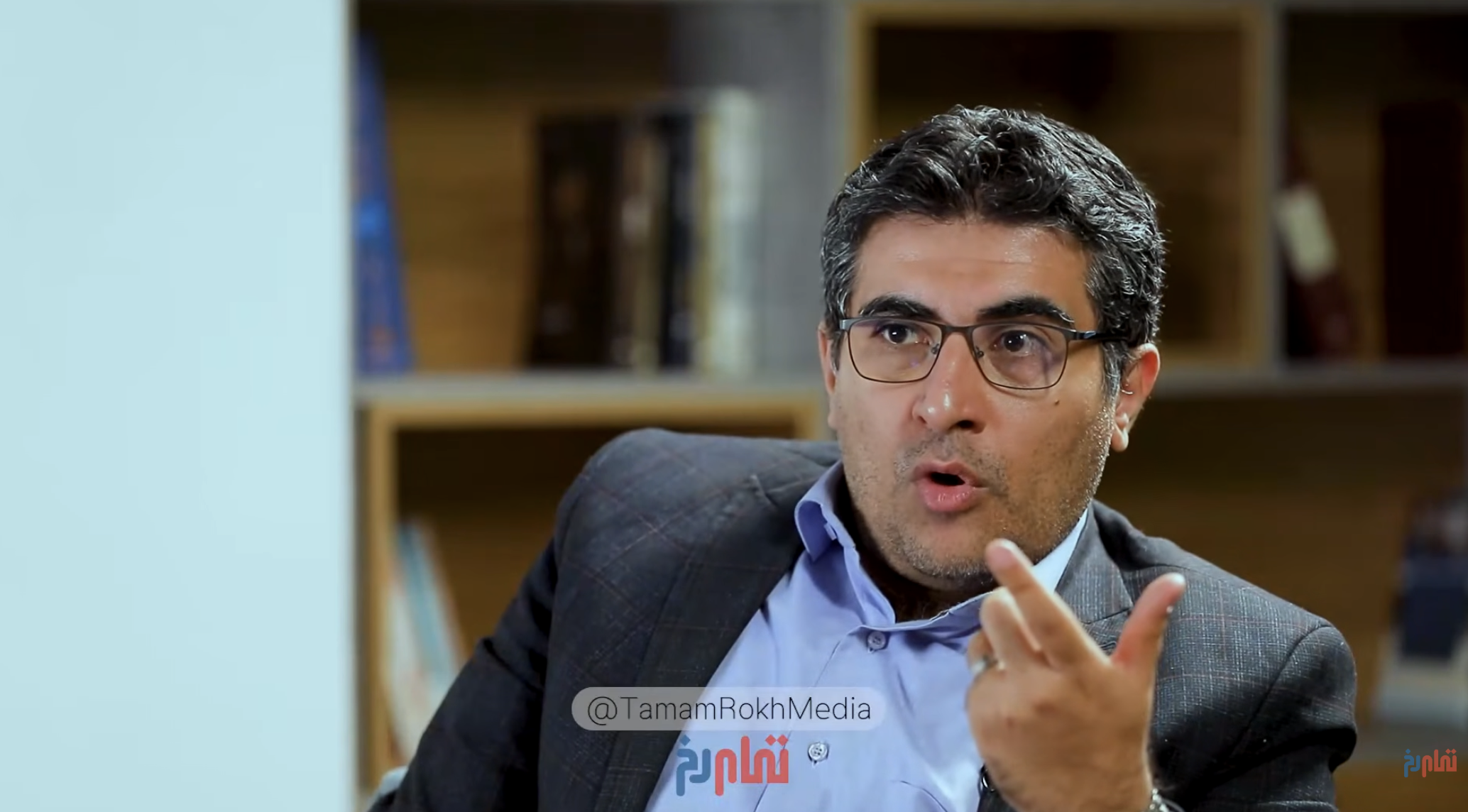
The Committee of Six and Strategic Decision Making in Iran
Remarks by Iran’s president offer a rare glimpse of how the Islamic Republic has adapted its decision making to the absence of its supreme leader.
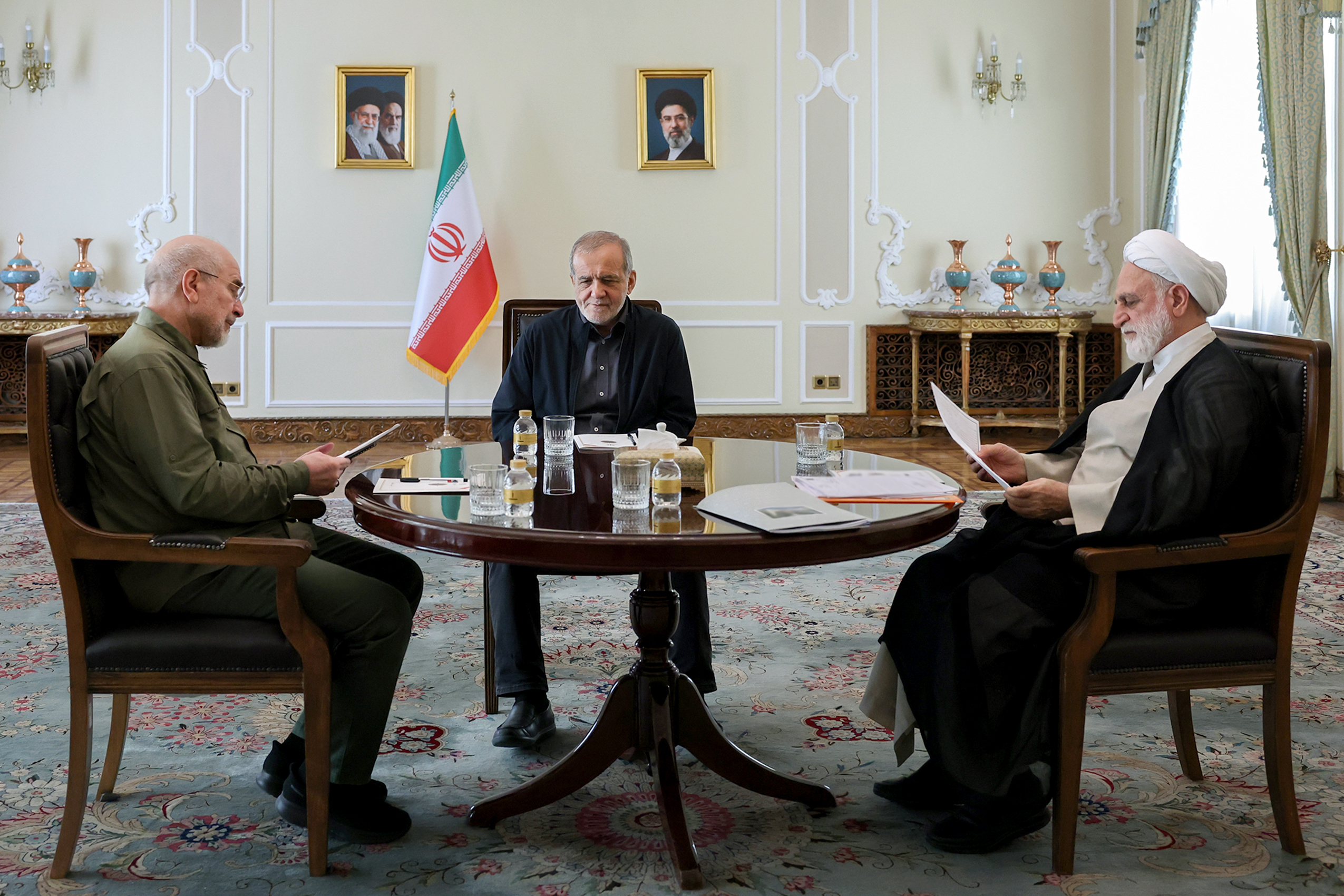
Mohsen Rezaei at the Helm of Iran’s Supreme National Security Council
Under Rezaei, the SNSC could prove constructive or paralyze strategic decision making.
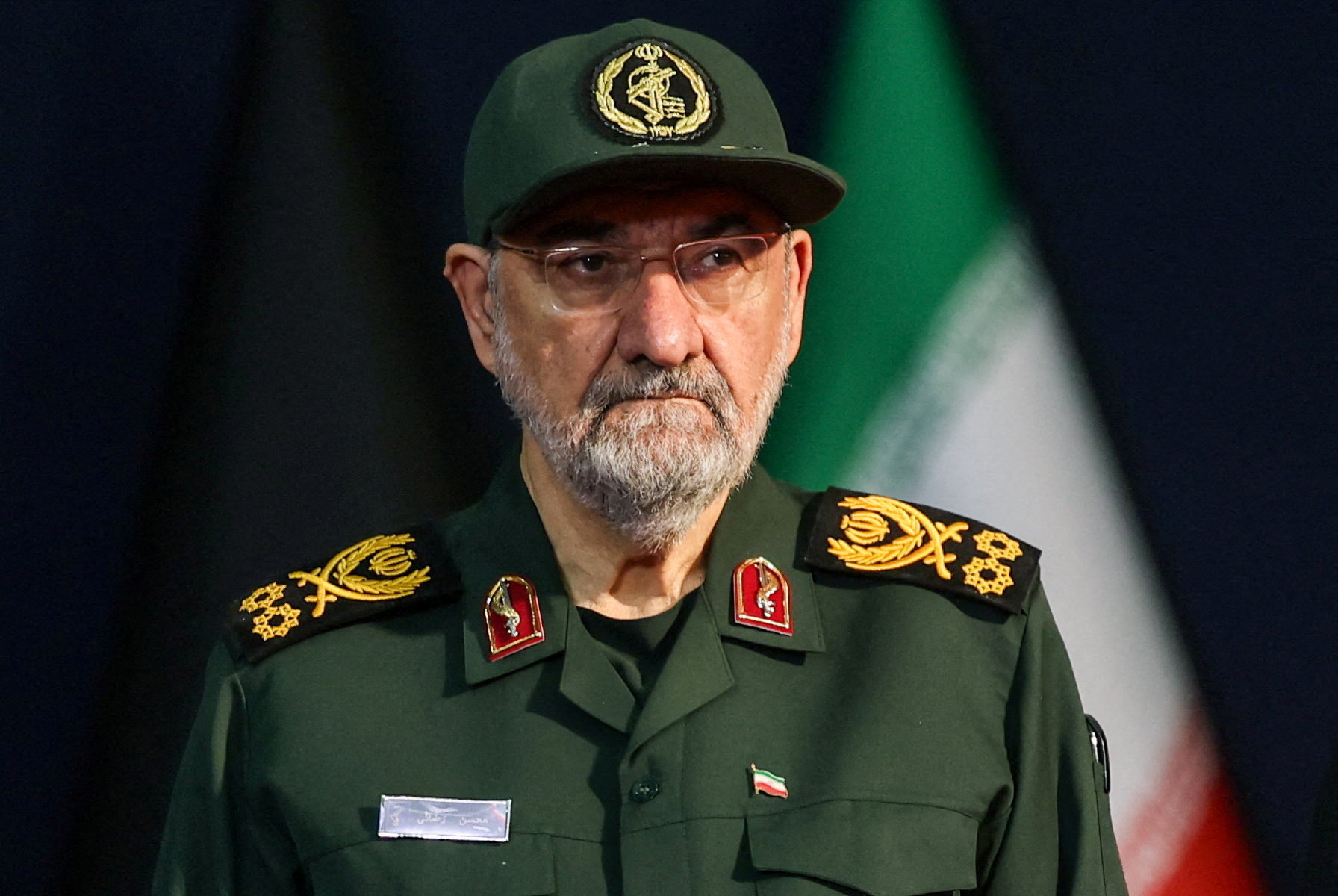
The Islamic Republic Returns to Offense
After U.S.-Israeli strikes killed Supreme Leader Ayatollah Ali Khamenei on February 28, Iran’s collective leadership has concluded that the best defense is a good offense.
Events
Oct 6, 2026
Is the U.S.-Iran Stalemate a “New Normal” or the Prelude to Another Explosion?
On October 6, AGSI hosted a discussion on the U.S.-Iran stalemate and the prospects for a cease-fire.
Speakers



Book Talk: Iran and the Bomb: The United States, Iran and the Nuclear Question
On June 16, AGSI hosted a discussion on the evolution of Iran's nuclear program.
Speakers

Apr 21, 2026
Inside Iran’s Wartime Leadership: Power, Succession, and Regime Stability
On April 21, AGSI hosted a discussion on the evolution of Iran's leadership during the war.
Speakers

Mar 18, 2026
In Its Conflict With the United States and Israel, Does Escalation Favor Iran?
On March 18, AGSI hosted a discussion on the escalation of the Iran war.
Speakers