Mar 21, 2023
Iraq to Contain the Kurdish Opposition and Pay Its Debts to Iran in Emirati Dirhams
The March 21 edition of the Iran Media Review explores reactions to a mainly security cooperation deal between Iran and Iraq that incorporates economic cooperation with the United Arab Emirates.

After Iran and Iraq signed an agreement March 19 to improve border security cooperation, the English-language coverage of the news mostly focused on Iran’s armed Kurdish opposition, which has launched attacks on Iranian territory from its bases in Iraq’s Kurdistan region. While this angle also dominated the coverage of the agreement in Iran’s state-censored media, there was also mention of the triangular economic coordination among Iran, Iraq, and the United Arab Emirates: Iraq will begin paying for its debts and imports from Iran in Emirati dirhams, which Iran will use, as an alternative to the U.S. dollar, to secure imports.
- March 17: Mashregh News reported that Admiral Ali Shamkhani, secretary of Iran’s Supreme National Security Council, planned to visit Baghdad to discuss security cooperation between Iran and Iraq.
- March 19: Nour News, a mouthpiece of the Supreme National Security Council, reported that the governor of the Central Bank of Iran, Foreign Ministry economic affairs director, and Foreign Ministry Persian Gulf director would all join the Shamkhani-led delegation to Baghdad.
- March 19: Fars News’ coverage of Shamkhani’s visit to Baghdad focused on the security threats to Iranian territory: “Iran and Iraq signed a security agreement … which will reduce and manage undesired security challenges emanating from the villainy of the counterrevolution present in the Iraqi Kurdistan region … According to the security agencies of the Islamic Republic, elements of the Zionist regime have engaged in operations in Iran in coordination and cooperation with counterrevolutionary groups present in Iraqi Kurdistan.”
- March 20: Ali-Reza Enayati, deputy foreign minister and Foreign Ministry Persian Gulf director, explained the purpose of the Shamkhani-led delegation’s visit to Iraq in an interview with the Iranian Students’ News Agency: “The signed security agreement shows the mutual interests of both countries. We have always emphasized that Iraq’s security is also our security, and vice versa. The latest agreement is mostly about our shared borders, so there are not threats against us, and our Iraqi brethren too have always said, according to the Iraqi Constitution, Iraqi soil should not serve as a platform to attack neighboring countries.”
- March 20: The Iran Student Correspondents Association, quoting Shamkhani, reported: “The agreement signed has several dimensions. Both countries will follow a specific plan to bereave counterrevolutionary groups of the opportunity to engage in activities against Iran from the Iraqi Kurdistan region.” Turning to the economic dimension of the visit, which includes Iran’s cooperation with the United Arab Emirates: “We have taken steps to facilitate new means for Iraq to pay its debts to Iran” in Emirati dirhams, which the Iranian government can provide to “Iranian merchants to pay for importing basic goods to Iran.”
The views represented herein are the author's or speaker's own and do not necessarily reflect the views of AGSI, its staff, or its board of directors.
Related
Iran Media Review
Mar 13, 2026
Quds Day in Iran
The March 13 edition of the Iran Media Review examines Iranian media reports of regime defiance at Quds Day rallies as the U.S.-Israeli conflict with Iran continues.
Iran Media Review
Mar 10, 2026
New Leader, Old Policy
The March 10 edition of the Iran Media Review analyzes Iranian messaging after the election of a new supreme leader.
Iran Media Review
Mar 6, 2026
Tehran Warns Iraq’s Kurdistan Regional Government
The March 6 edition of the Iran Media Review highlights an Iranian military official’s warning to the Kurdistan Regional Government to stay out of the escalating U.S.-Israeli conflict with Iran.
Mar 13, 2026
Quds Day in Iran
The March 13 edition of the Iran Media Review examines Iranian media reports of regime defiance at Quds Day rallies as the U.S.-Israeli conflict with Iran continues.
Mar 10, 2026
New Leader, Old Policy
The March 10 edition of the Iran Media Review analyzes Iranian messaging after the election of a new supreme leader.
Mar 6, 2026
Tehran Warns Iraq’s Kurdistan Regional Government
The March 6 edition of the Iran Media Review highlights an Iranian military official’s warning to the Kurdistan Regional Government to stay out of the escalating U.S.-Israeli conflict with Iran.
Analysis
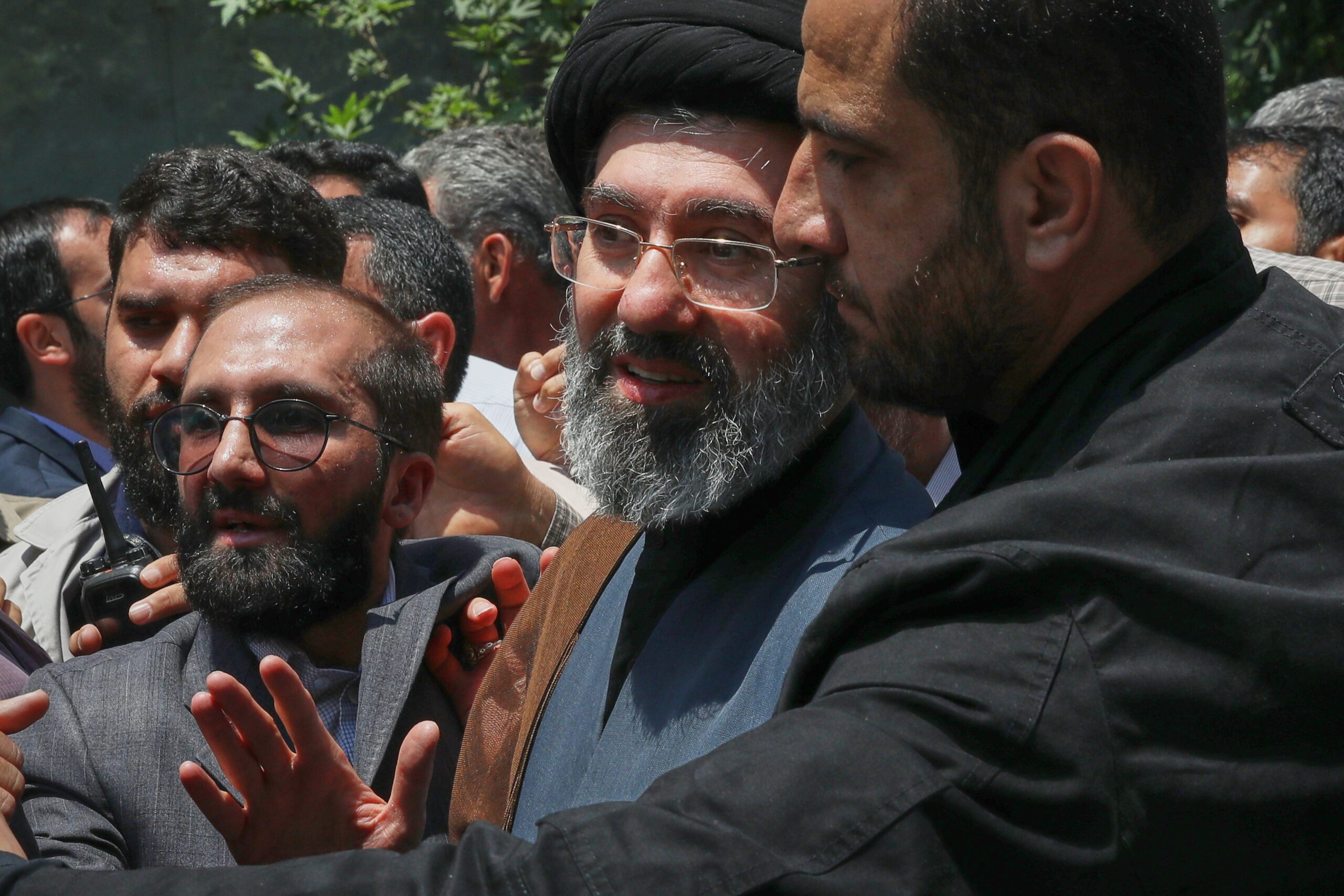
Under Mojtaba, the IRGC Will Reign Supreme
Iran may still call itself an Islamic Republic. In practice, however, it increasingly resembles a state in which the military governs from behind clerical robes.
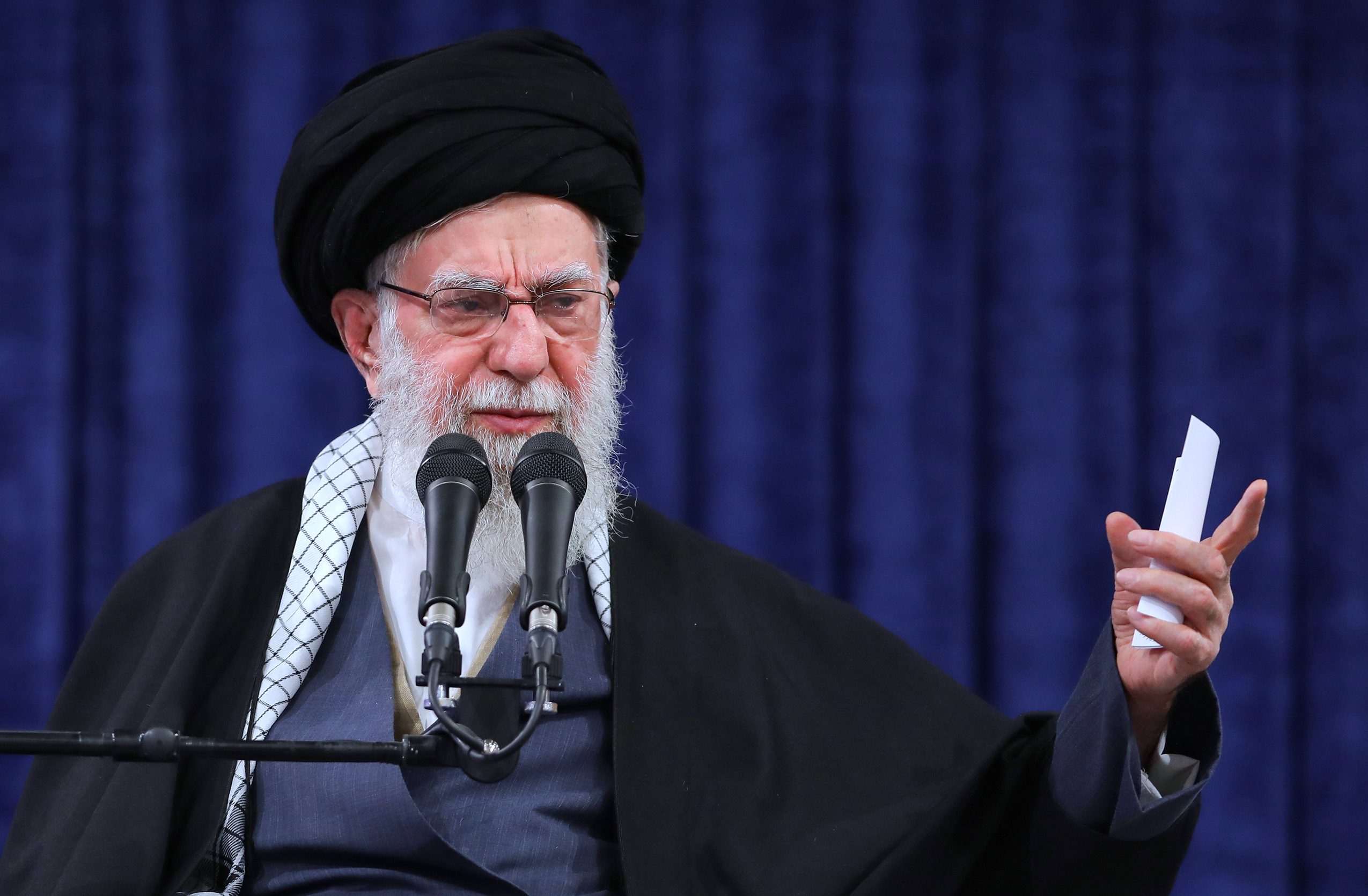
Political Life and Legacy of Iran’s Ayatollah Khamenei
Ayatollah Ali Khamenei was killed in his office in Tehran at age 86, leaving behind a country in ruins and on the verge of civil war and potential disintegration.
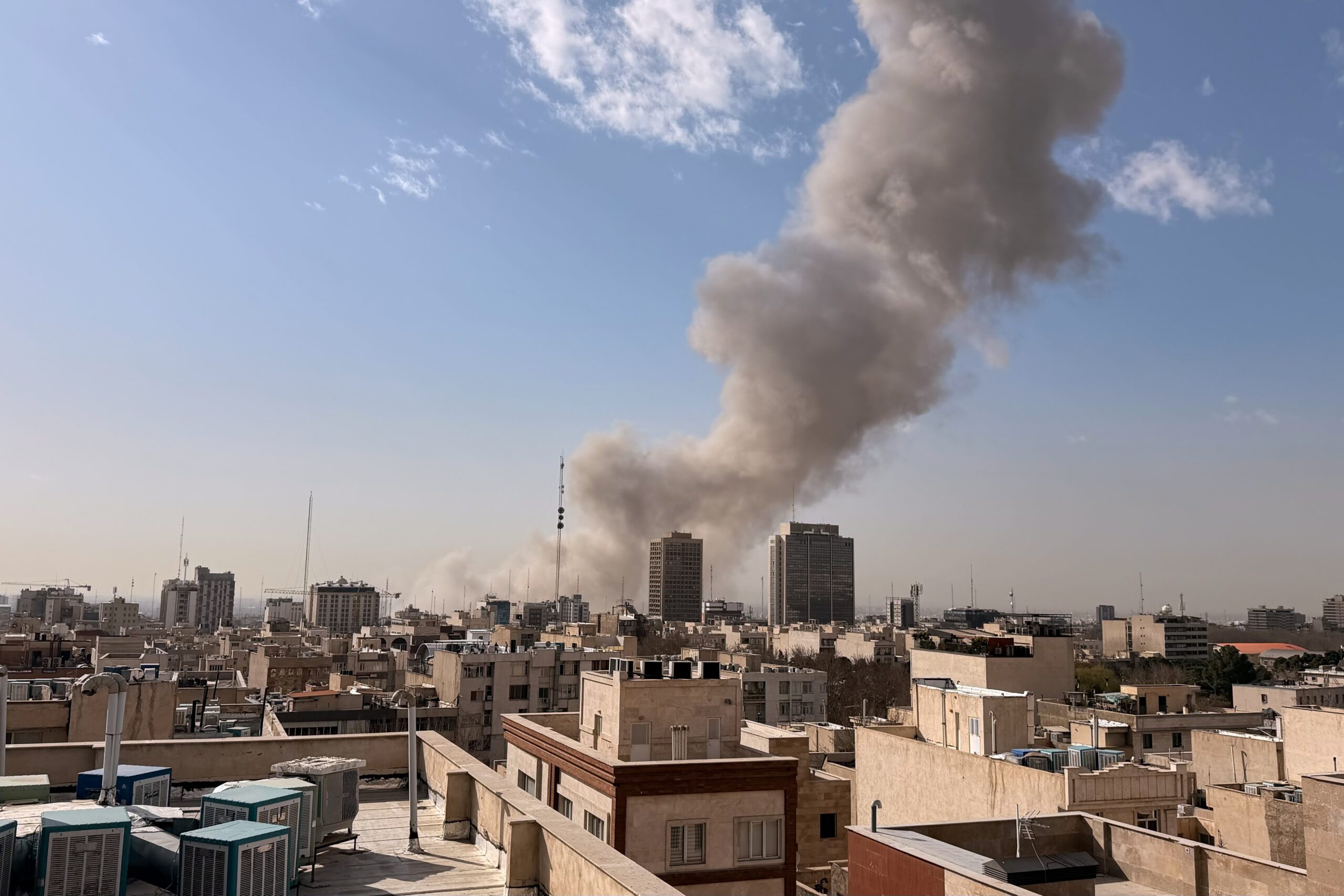
Iranian Regime Fighting for Survival
Iran is signaling that it will not absorb attacks passively. But whether this strategy ensures the regime’s survival, seals its fate, or accelerates a broader catastrophe will shape the region for years to come.
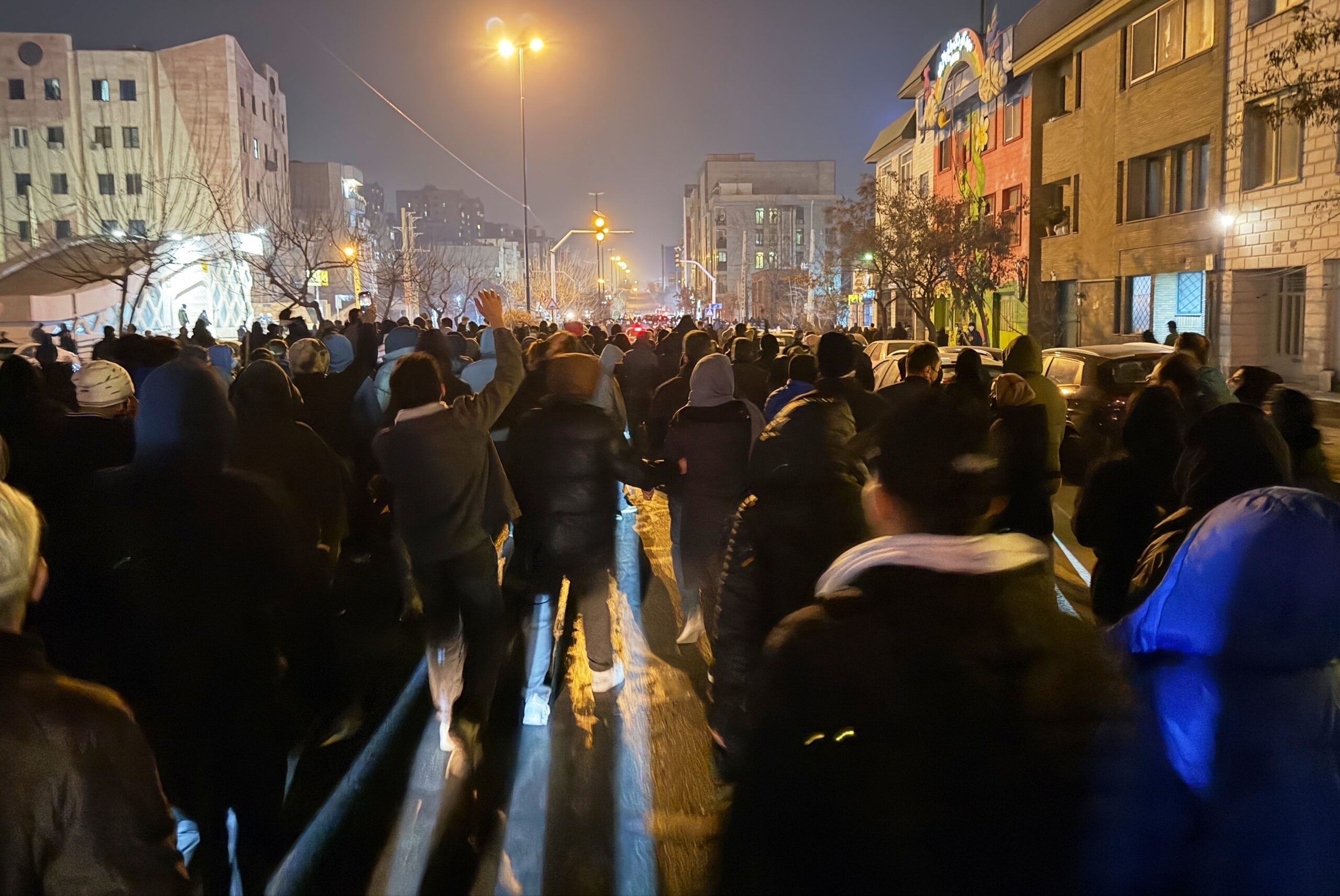
Iran’s 2025-26 Protests in Perspective
The erosion of the regime’s legitimacy across broad segments of society, combined with the breadth of the 2025-26 protest coalition, raises the possibility that a new confrontation could trigger renewed anti-regime mobilization.
Events
Mar 2, 2026
After the Shock: Implications of the U.S.–Israeli Strikes and Iran’s Leadership Transition
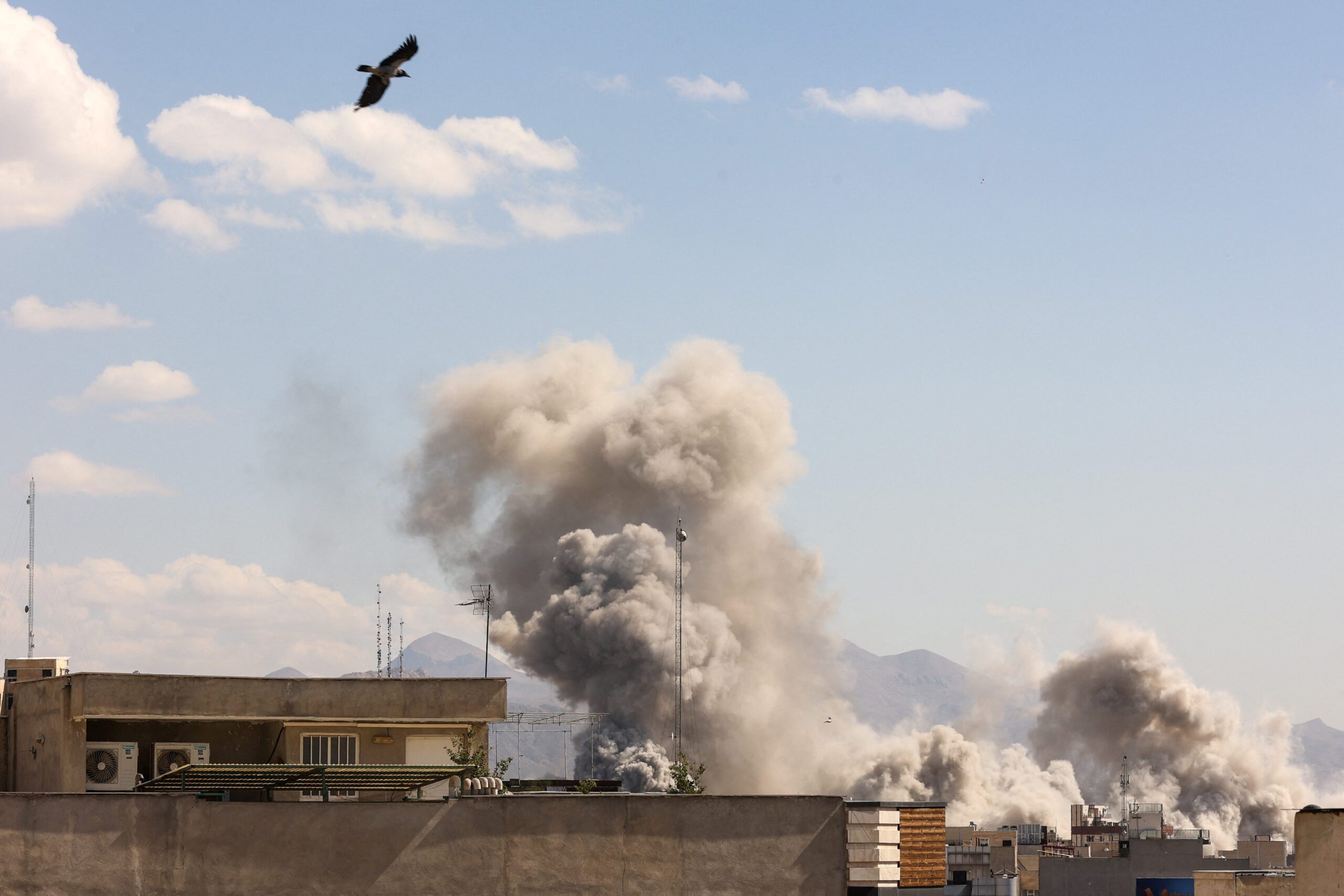
On March 2, AGSI hosted a discussion on the U.S.-Israeli strikes on Iran.
Speakers




Jan 8, 2026
Outlook 2026: Prospects and Priorities for U.S.-Gulf Relations in the Year Ahead
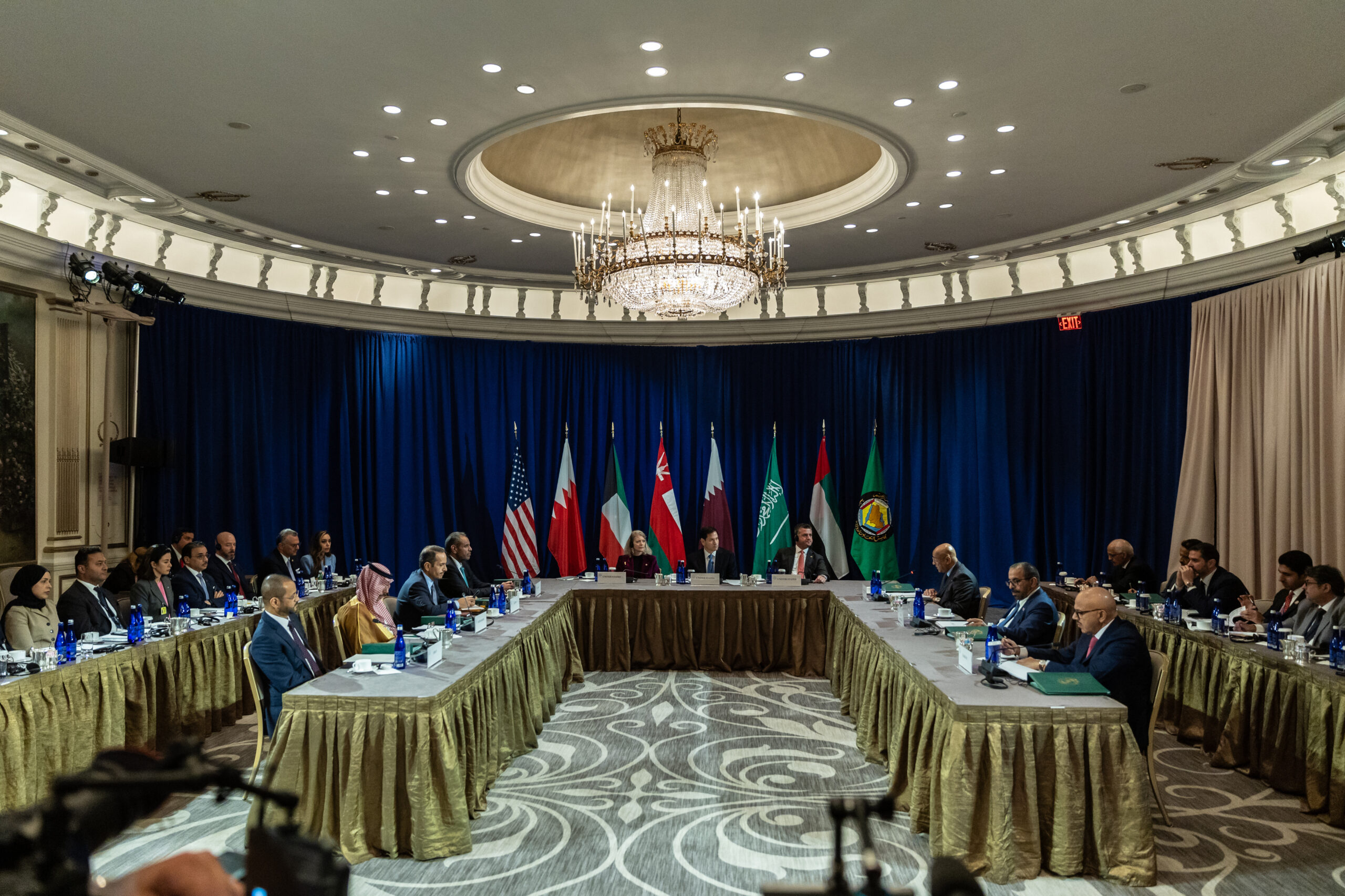
On January 8, AGSI hosted a virtual roundtable with its leadership and scholars as they look ahead and assess trends likely to shape the Gulf region and U.S. foreign policy during the coming year.
Speakers




Sep 16, 2025
Book Talk: Iran’s Grand Strategy: A Political History
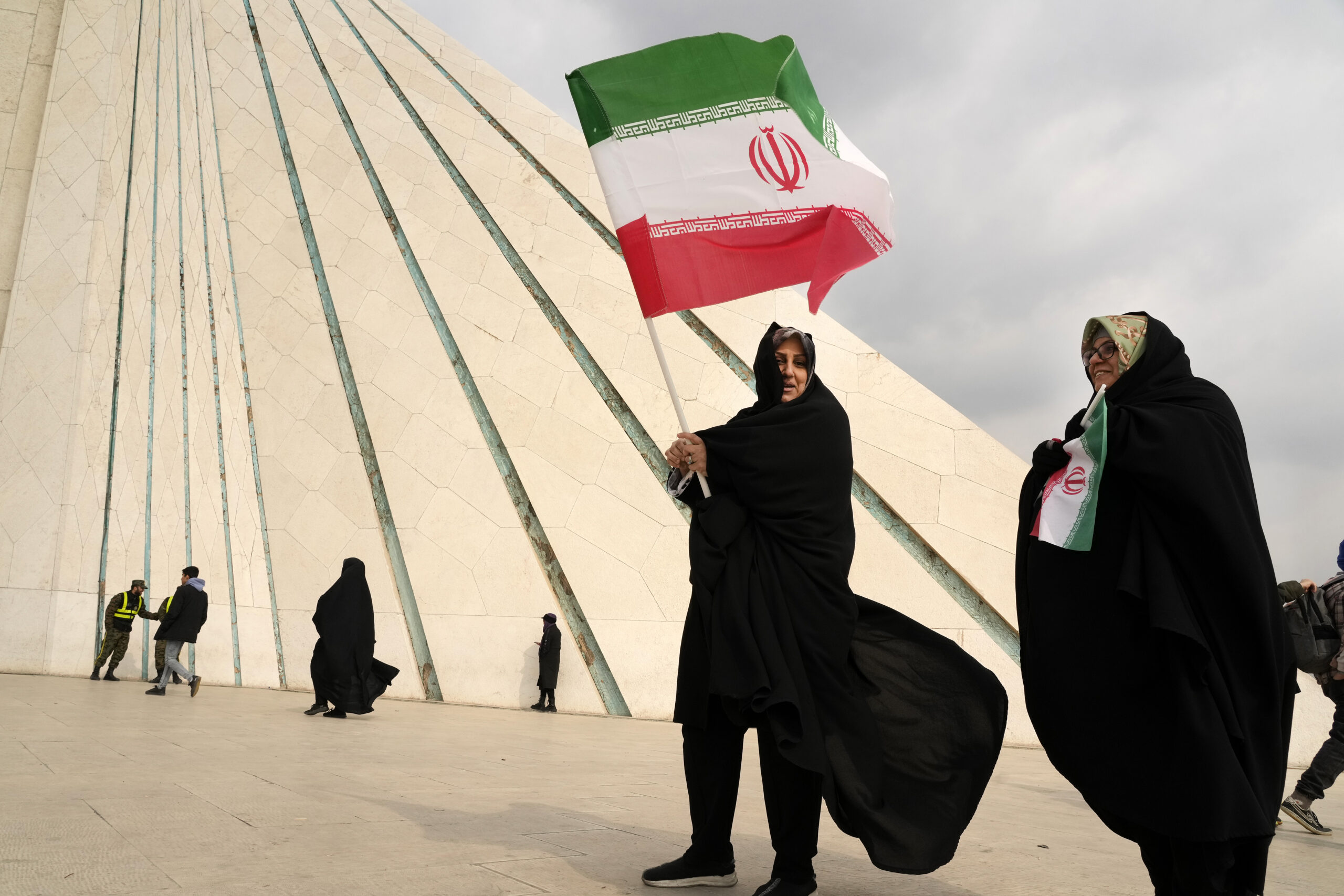
On September 16, AGSI hosted a discussion on the roots of Iran's strategic outlook.
Speakers
Jun 23, 2025
U.S. Strike on Iran: Regional and Diplomatic Fallout
On June 23, AGSI hosted a discussion on the United States' attack on Iranian nuclear sites.
Speakers
