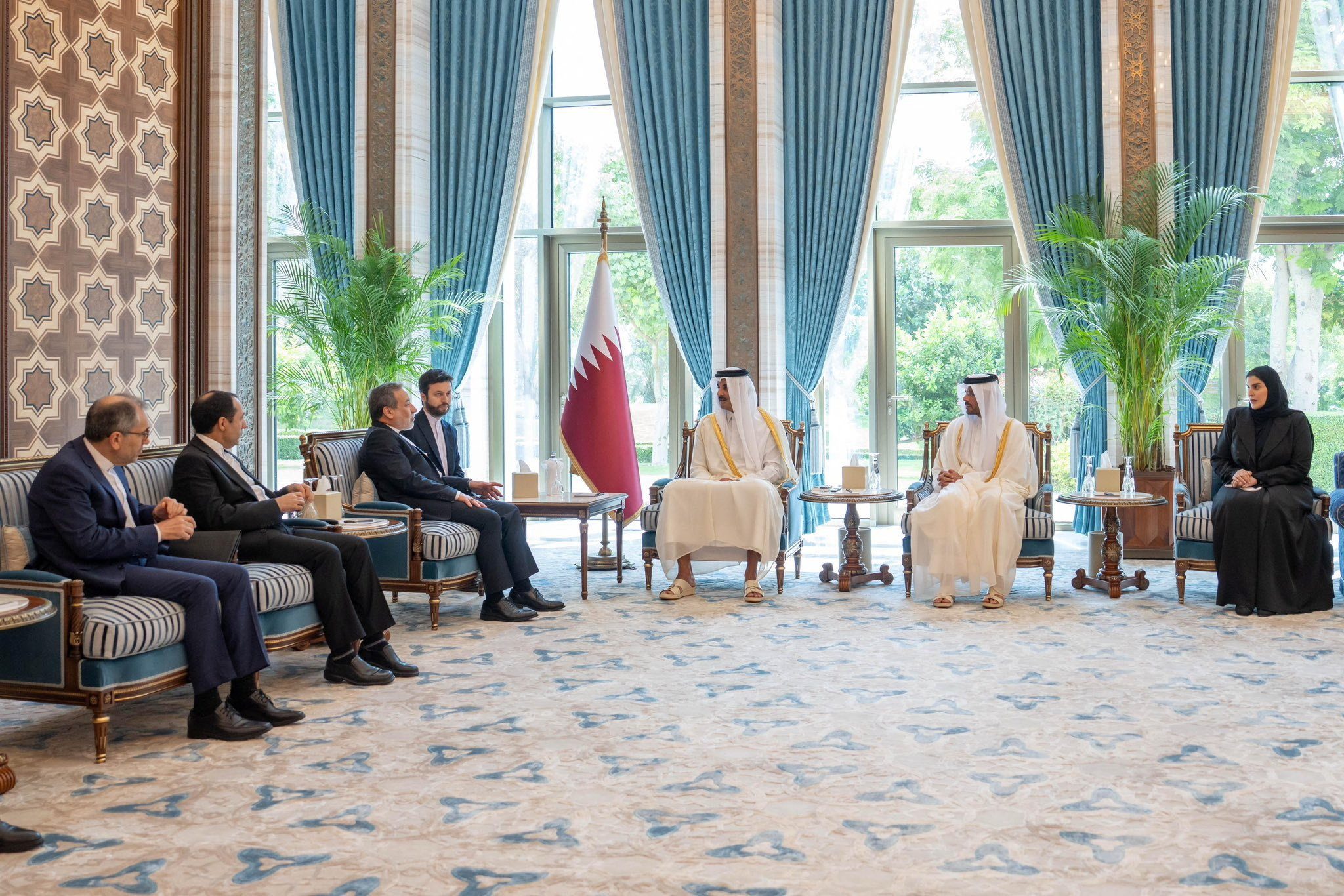
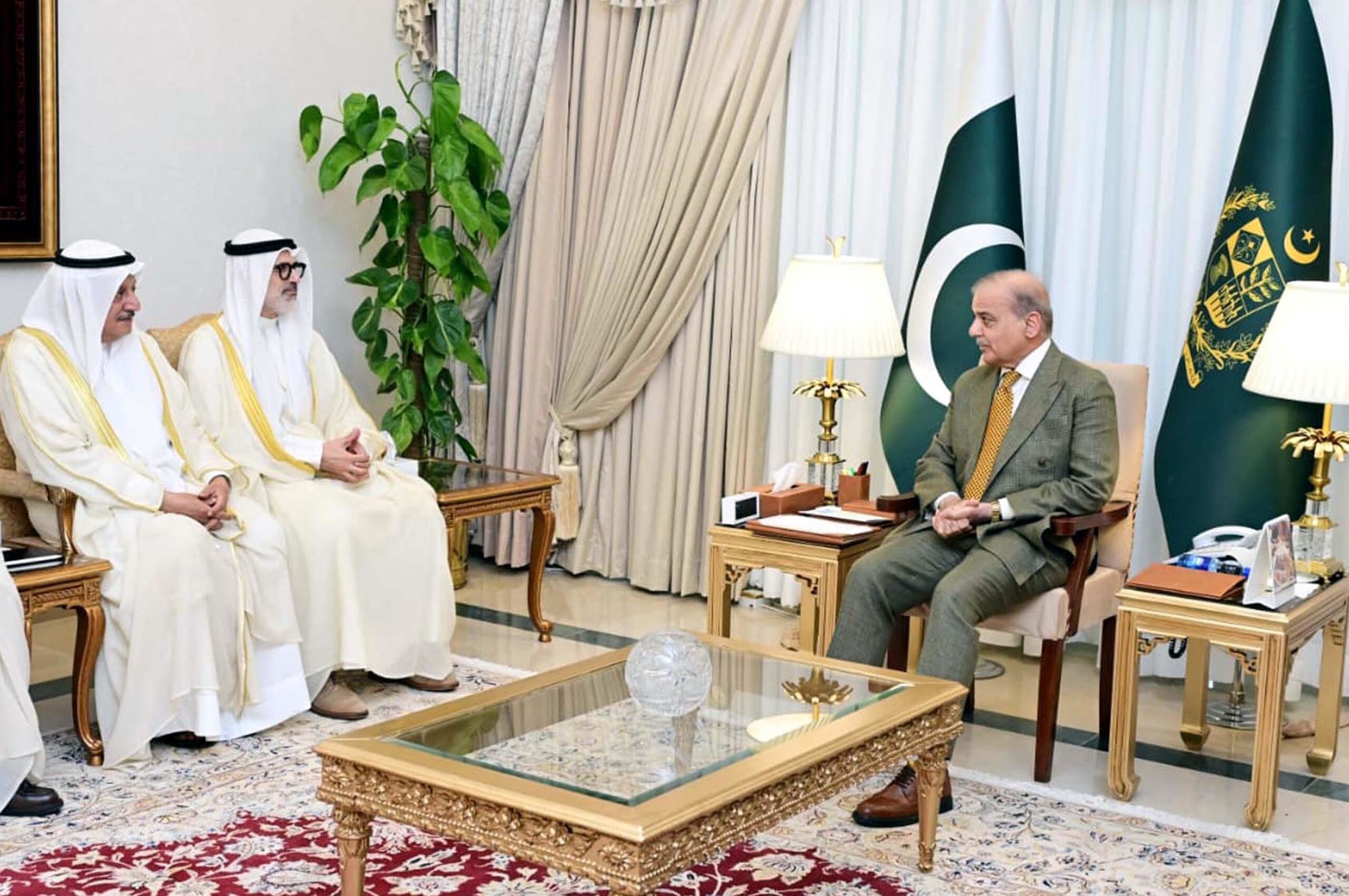
Qatari Emir Tamim bin Hamad al-Thani meets with Iranian Foreign Minister Abbas Araghchi in Doha, Qatar, September 4. (Amiri Diwan/Handout via REUTERS)
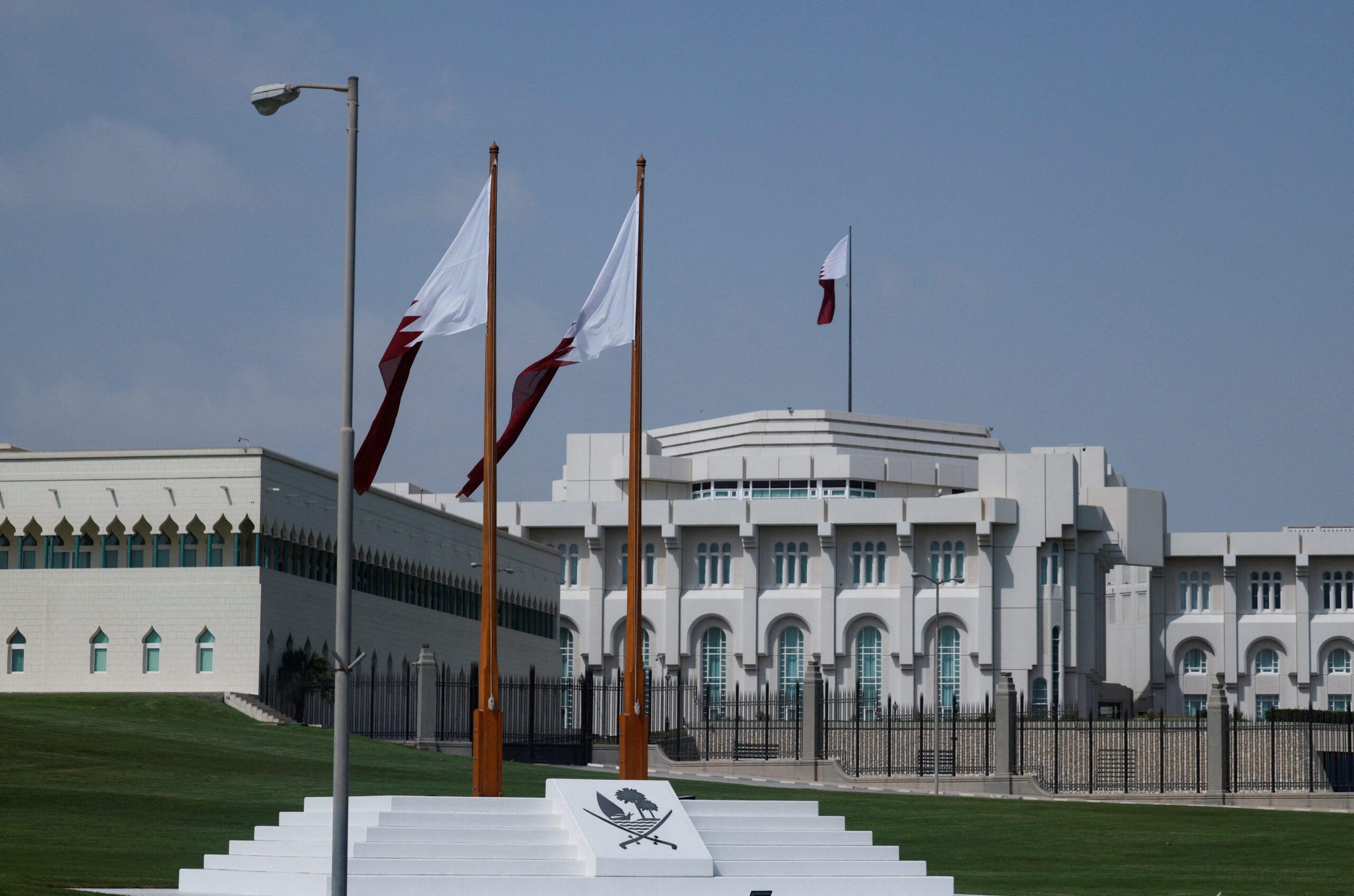
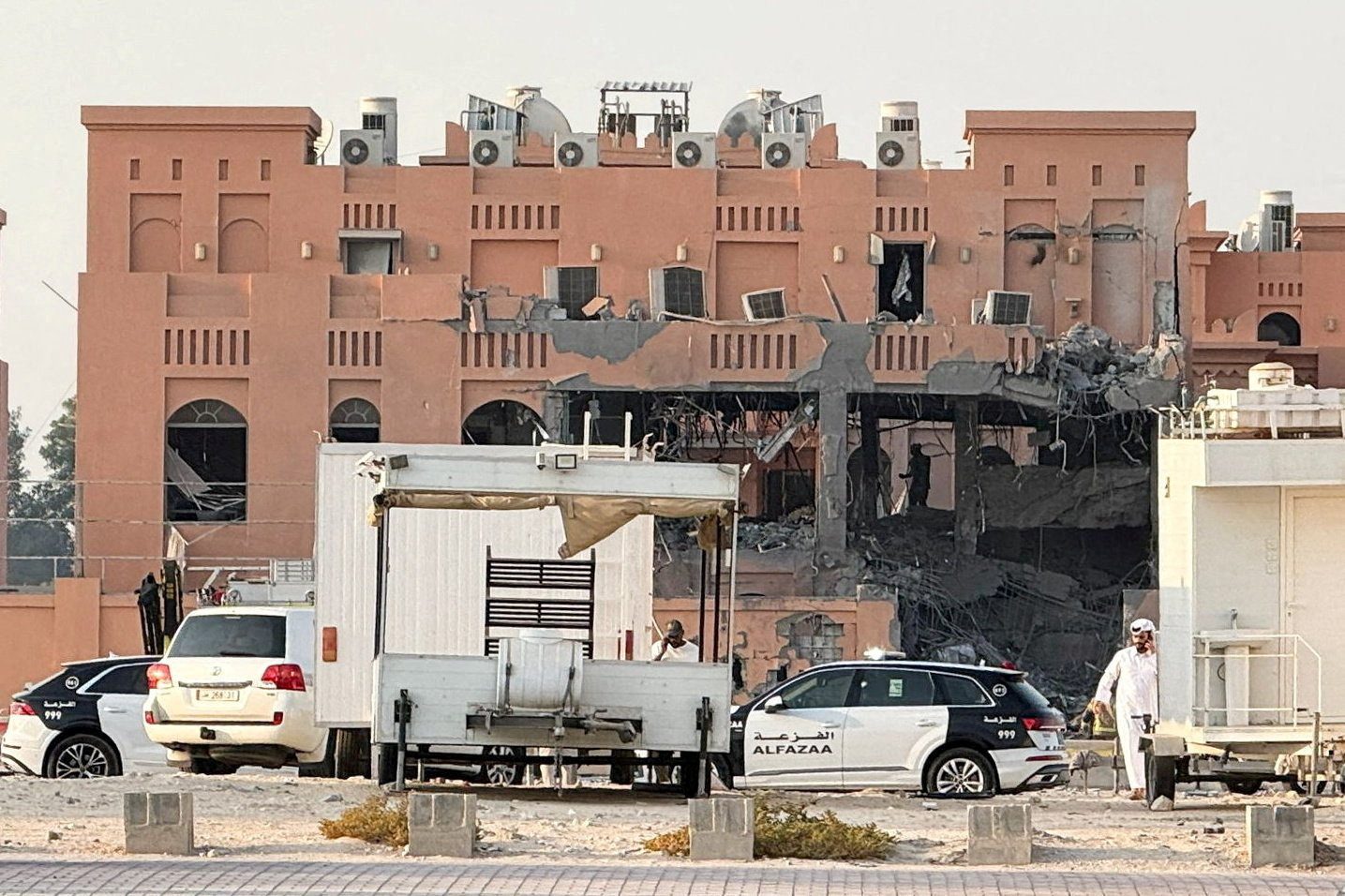
Israel’s September 9 strike targeting Hamas officials in Qatar significantly escalated regional tensions. By bombing a U.S.-allied Gulf Cooperation Council member that hosts the U.S. Central Command forward headquarters, Israel expanded military operations and crossed yet another regional “red line.” Washington’s conflicting accounts about how much warning it received from Israel contributed to Gulf states’ frustration with the United States. This military operation raises unprecedented doubts among GCC states about Washington’s commitment to their defense.
Iran is looking to capitalize on this diminishing confidence in the United States as a security guarantor. Tehran is now seeking to draw Doha and other regional capitals closer while rallying broader opposition to the U.S.-Israeli alliance across the Muslim world. Yet, despite its rhetorical positioning and symbolic gestures, Tehran’s ability to bring Qatar and other Gulf states into its sphere of influence remains significantly limited.
Tehran’s Narrative Strategy in the Gulf
Since its establishment in 1979, the Islamic Republic of Iran has consistently framed the United States as a destabilizing force in the Gulf. Tehran has spent decades, to little effect, urging the Western-aligned Gulf Arab states to abandon their reliance on Washington for security, arguing instead that local actors themselves are best positioned to safeguard regional stability.
In 2019, Iran advanced this position with the launch of the Hormuz Peace Endeavor – an initiative calling for GCC members and Iran to jointly assume responsibility for the region’s security, free from foreign intervention. Long portraying the United States as an opportunistic power serving its own hegemonic interests, Tehran has warned that dependence on U.S. protection exposes GCC states to profound vulnerabilities.
Iran cites events including the September 2019 attacks on Saudi Aramco facilities (which U.S. authorities found evidence that Iran was behind despite initial claims of responsibility from Yemen’s Houthis) and NATO’s chaotic and botched withdrawal from Afghanistan in August 2021 as evidence of the failures of U.S.-centric security arrangements. While Iran’s messaging about the withdrawal from Afghanistan resonated for a period and fed into Gulf concerns about reduced U.S. security focus, efforts to message the Aramco attacks never got traction because of strong Gulf conviction about Iranian involvement. Tehran has also appealed to shared religious and cultural identities to foster solidarity with GCC members, framing their close ties with Washington as a betrayal of regional independence and pan-Islamic unity. While Iran’s efforts to position itself as a credible alternative to Western security guarantees have met with little practical success, this narrative remains a central theme in its diplomatic outreach to neighboring Arab states.
Despite Iran’s own late-June missile attack on Qatar, Tehran views Israel’s September 9 strike as an event that can breathe new life into its long-standing message that Gulf Arab states should reduce their dependence on U.S. security guarantees. While Washington’s actions over the past two decades – from the 2003 invasion of Iraq to the signing of the Iran nuclear deal in 2015 and the U.S.-British airstrikes on Houthi targets in Yemen in 2024 – unsettled GCC capitals, those episodes were largely seen as examples of flawed or destabilizing U.S. policy. Similarly, Gulf states’ frustration with U.S. (in)action during key moments – such as the fallout from the Arab Spring uprisings, the 2019 Aramco attacks, and the 2022 Houthi strikes on Abu Dhabi – fueled doubts about Washington’s reliability. Yet none of these incidents involved the United States enabling a hostile power to attack a GCC state. The Israeli operation against Qatar – trailed by media accounts accusing the United States of advanced knowledge and even complicity – has introduced an unprecedented breach of trust. In this context, Gulf states are reassessing their security strategies, underscored by Saudi Arabia’s decision to sign a defense pact with nuclear-armed Pakistan just eight days after the strike on Qatar. While these negotiations predated the Israeli attack and fit within a decades-old Saudi-Pakistani security relationship, Riyadh’s and Islamabad’s messaging regarding the pact, with a focus on Pakistan’s nuclear capabilities and its willingness to share all its defense capabilities with its Gulf partner, seemed clearly and pointedly shaped by the Israeli attack on Qatar.
Gulf Responses and Strategic Calculations
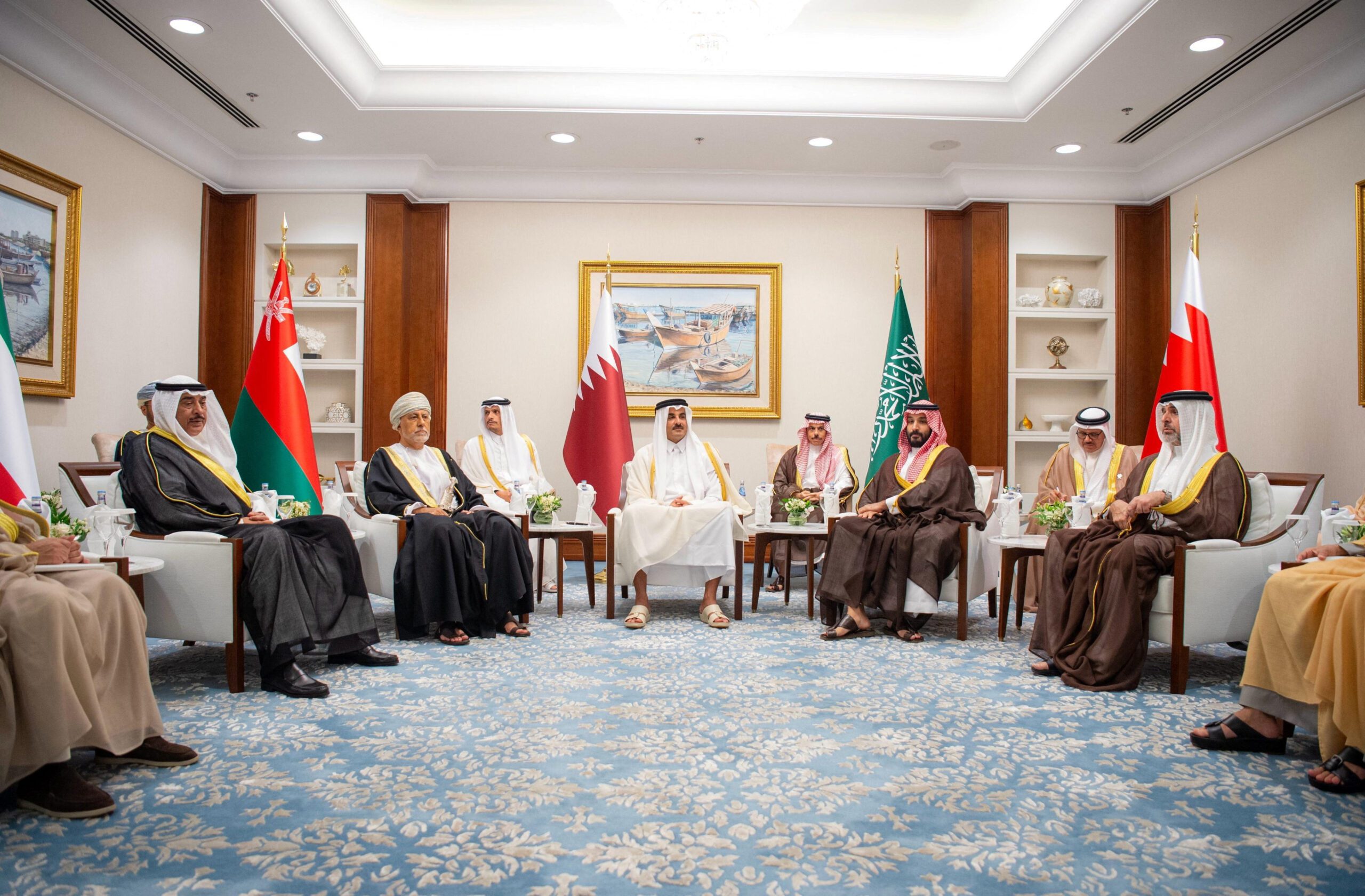
In a September 15 address to the joint Arab-Islamic summit in Doha, Iranian President Masoud Pezeshkian called for Islamic unity in the face of Israel’s “war against the sovereignty, dignity, and future of Muslim nations” and the threat of “Zionist dominance.” In Iran, some media narratives have portrayed the Israeli strike on Qatar as a potential catalyst for a realignment of GCC states toward closer ties with Tehran at the expense of their traditional security relationships with Washington. However, others have expressed skepticism, arguing that unless GCC states move to expel U.S. military forces from their territories, the summit’s outcomes will amount to little more than symbolic rhetoric with no substantive shift in regional power dynamics.
Although the unprecedented Israeli strike on Qatar gives Tehran a unique opportunity to amplify its message urging Gulf states to reconsider reliance on the United States, it is extremely unlikely to lead to a severing of GCC-U.S. defense cooperation. Moreover, while Gulf states’ confidence in the U.S. security umbrella continues to significantly erode, Pakistan and Turkey – far more than Iran – seem poised to play a growing role in Gulf security strategies. Deep-rooted mistrust, divergent strategic interests, and the enduring institutional ties between Gulf states and Washington all severely dim the prospects for a decisive GCC-wide pivot toward Iran as a security partner.
Despite a growing perception in the Gulf that Israel now represents the region’s primary destabilizing force, the GCC states, to varying degrees, continue to hold security concerns about Iran. Although Qatar has maintained a mostly pragmatic and cooperative relationship with Tehran since the end of the Iran-Iraq War in 1988, officials in Doha remember the Iranian strike on Al Udeid Air Base just two and a half months before Israel’s attack on the Qatari capital. As long as Qatar hosts CENTCOM’s forward headquarters, policymakers in Doha and other Gulf capitals are likely to remain wary of the potential for future Iranian targeting of the base – and possibly other military installations in GCC states hosting U.S. forces – especially if hostilities between Iran and Israel reignite, possibly leading Tehran to reconsider its strategy of rapprochement and de-escalation with Gulf states. Some analysts insist the best leverage Iran has to push Washington to restrain Israel would be Iranian attacks on Gulf oil targets, causing spikes in oil prices that would worry the administration of President Donald J. Trump.
Even if it is unable to change Gulf states’ calculations regarding U.S. military installations, Iran may benefit from the fallout of Israel’s military operation in Qatar through its impact on Arab-Israeli normalization processes. While neither the United Arab Emirates nor Bahrain has withdrawn from the Abraham Accords in response to the Israeli strike on Qatar, both face mounting pressure to distance themselves from Israel. Given Iran’s perception of Gulf-Israel cooperation as a “strategic nightmare,” any shift that compels Abu Dhabi and Manama to reconsider the depth of their engagement with Israel – or deters other states, such as Saudi Arabia, from considering normalizing ties with Israel – is welcomed by Iran.
Ultimately, although the Israeli strike on Qatar has exposed new fault lines in the Gulf’s security landscape and created space for Iran to amplify its anti-American and anti-Israeli narratives, Tehran’s strategic position remains fundamentally constrained. Deep-seated mistrust between Iran and Western-backed Gulf Arab states and entrenched defense ties between GCC members and the United States limit Iran’s ability to translate rhetorical gains into meaningful geopolitical shifts. Still, the fallout from the attack has introduced greater fluidity into regional alignments, pressuring some Arab states to reassess the costs of close ties with Israel and dependence on an increasingly unreliable Washington. All this has fed Gulf nervousness about Washington and Israel. For Iran, this moment presents an opportunity to advance its narrative and diplomatic aims, even as enduring structural constraints continue to impede its efforts to reshape the Gulf’s security architecture in its favor.
The views represented herein are the author's or speaker's own and do not necessarily reflect the views of AGSI, its staff, or its board of directors.
Gulf states need to prioritize enhanced regional defense cooperation with an expanded group of potential partners, consider using the financial leverage of sovereign wealth funds’ action, and ramp up diplomatic pressure to deter such attacks in the future.
The GCC states now consider an attack on one to be an attack on all, and Saudi Arabia may be covered by a Pakistani rather than U.S. military umbrella.
The significance of Kuwait’s defense pact with Pakistan lies less in any immediate military transformation than in what it reveals about the evolving security landscape of the Gulf.
The revived Hejaz Railway could become one of the region’s most significant transportation and integration projects as a land route connecting Europe to the Gulf.
Iranian attacks on Omani ports and oil tankers are straining Oman’s long-standing “friend to all” regional foreign policy, but Muscat still has a part to play in achieving peace.
Through its increasing ties with Serbia, the UAE has secured a lasting strategic foothold in the Western Balkans, and Serbia has gained an influential Arab partner that is likely to remain central to Belgrade’s multipolar foreign policy calculus.