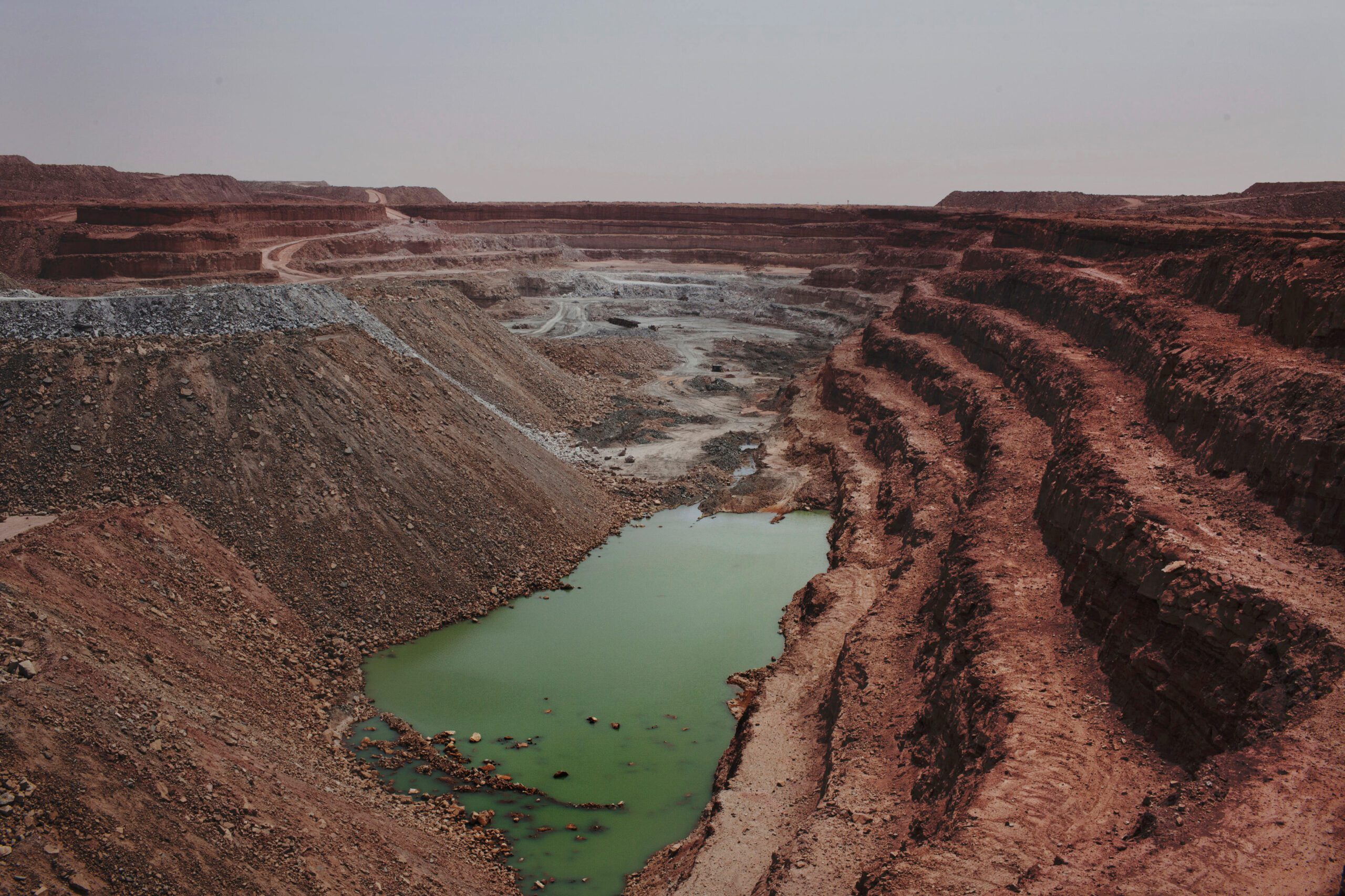
Tamgak open air uranium mine at Areva's Somair uranium mining facility in Arlit, Niger, September 25, 2013. (REUTERS/Joe Penney/File Photo)
The Sahel region of Africa, stretching from Mauritania in the west to Sudan in the east, traditionally was not a main focus of Iran’s foreign policy when it came to the African continent. Geographic distance and the relative poverty of the region’s countries coupled with a heavy security and economic presence of Western countries were major disincentives for Tehran.
Yet, following a series of coups in the Sahel, the presence of Western countries in the region began to shrink, particularly with the withdrawal of French and U.S. military forces from parts of the region. And Iran has moved to fill the geopolitical void, notably providing training and military equipment, such as combat drones and surface-to-air missiles, to Niger, Mali, and Burkina Faso.
Iran’s interest in cooperating with the Sahel countries is partially driven by its nuclear program. In 2024, there were reports that Iran was negotiating with Niger’s military, offering advanced military equipment in exchange for access to approximately 300 tons of uranium concentrate from deposits near Arlit in Niger. Iran and Niger denied the deal, which would have been valued at $56 million. The alleged deal may have contributed to tensions with the U.S. military presence in Niger, leading Niger to end its defense cooperation agreement with Washington, prompting a U.S. troop withdrawal.
Iran’s interest in developing closer ties with Niger goes back to the 2010s under the administration of President Mahmoud Ahmadinejad, with Iran’s focus on its nuclear program, but there has been a notable flurry of activity in recent years. In 2023 an Iranian delegation visited Niger, and a year later the Nigerian prime minister traveled to Tehran. In April 2025, the two countries signed an economic cooperation agreement, followed by a memorandum of understanding in May to expand security coordination.
Iran has also increased engagement with other Sahel countries. In 2022, then Iranian Foreign Minister Hossein Amir-Abdollahian visited Mali, and his political affairs advisor, Ali Bagheri Kani, visited Burkina Faso in 2023. In September 2023, the foreign minister of Burkina Faso visited Tehran to meet with Ebrahim Raisi, who was Iran’s president at the time before his death in 2024. In October 2024 Burkina Faso and Iran signed a memorandum of understanding on civil nuclear cooperation. Talks on closer cooperation in this field have been taking place with Mauritania as well.
Tehran is also looking to advance commercial and investment relations to help weather the sanctions regime. Deals between Iran and the military elites of African countries could potentially provide Iranian companies with the opportunity to exploit local natural resources and mitigate the effect of Western sanctions. In 2024, Iran held “Expo 2024,” to present Iranian products to African and other international importers, and the “Iran-Africa Economic Cooperation Conference,” to discuss international trade.
Iran’s efforts to increase its presence in the Sahel region through trade and arms deals not only have significant economic benefits, but they are part of a broader strategy aimed at reducing Iran’s isolation on the international stage. Tehran is also interested in expanding its beleaguered “axis of resistance” network beyond the more traditional boundaries of the Middle East, and the Western withdrawal from the Sahel presents an opportunity to fill in the security void. Iran is also using soft power through television, radio, and cultural events to appeal to Shia communities, particularly in Mali, Mauritania, and Niger.
With its “axis of resistance” severely degraded since the start of the Gaza war, Tehran saw an opening in the Sahel to partially compensate for its foreign policy failures in the Middle East. Tehran has also tried to capitalize on the sympathy that has arisen in the Sahel region toward the Palestinians and, at the same time, widen a wedge among African countries and Washington that has emerged in recent years.
Iran also seeks to limit Israel’s influence in the Sahel. In late 2024, Tehran proposed setting up a joint economic and trade commission with Sudan. This followed the restoration of diplomatic ties severed since the mid-2010s. Iran wants to limit the impact of the Abraham Accords and Sudan’s normalization of ties with Israel. Iran has also reportedly supplied the Sudanese Armed Forces with modern weaponry, such as Ababil-3 and Mohajer-6 drones, which allowed the Sudanese Armed Forces to regain the upper hand with a decisive counteroffensive and retake the capital Khartoum from the Rapid Support Forces in March 2025. In May, Iran also signed a security treaty with Ethiopia. That agreement envisions closer Iranian-Ethiopian collaboration on issues such as prevention of cross-border crime as well as military training.
On their end, Sahel countries that have been traditionally dominated by Western countries are also working to diversify their foreign relations and are bringing Iran into the mix. Despite its efforts and mixed success, Tehran is not as well positioned to play a central role in the Sahel as powers such as Russia, China, and even Turkey. Over the past year, Ankara has expanded its links with the Sahel region through humanitarian aid via the Turkish Red Crescent, Turkish Cooperation and Coordination Agency, and Maarif Foundation (an educational foundation). Turkey has also increased military ties, supplying drones to Burkina Faso, Niger, and Mali. Moreover, Chad and Turkey reportedly reached an agreement for Ankara to take control of a military base in Abéché, which previously hosted French troops. In July 2025, Turkey and Niger signed a military cooperation agreement.
Iran is attempting to present itself to the Sahel countries as a reliable partner in the fight against Sunni jihadist groups and a partner in promoting regime stability. At the same time, it is trying to build lucrative commercial and investment deals. Iran still has many tentative areas of military-technical cooperation with the Sahel countries that are not yet fully developed. Given its perceived interests and invested effort to date in the Sahel, Iran’s engagement with the region is likely to increase, fed by the cascade of foreign policy setbacks it has suffered closer to home. Moreover, Western countries’ apparently accelerating retreat from the Sahel will almost certainly create additional opportunities for Iran to exploit.
The views represented herein are the author's or speaker's own and do not necessarily reflect the views of AGSI, its staff, or its board of directors.
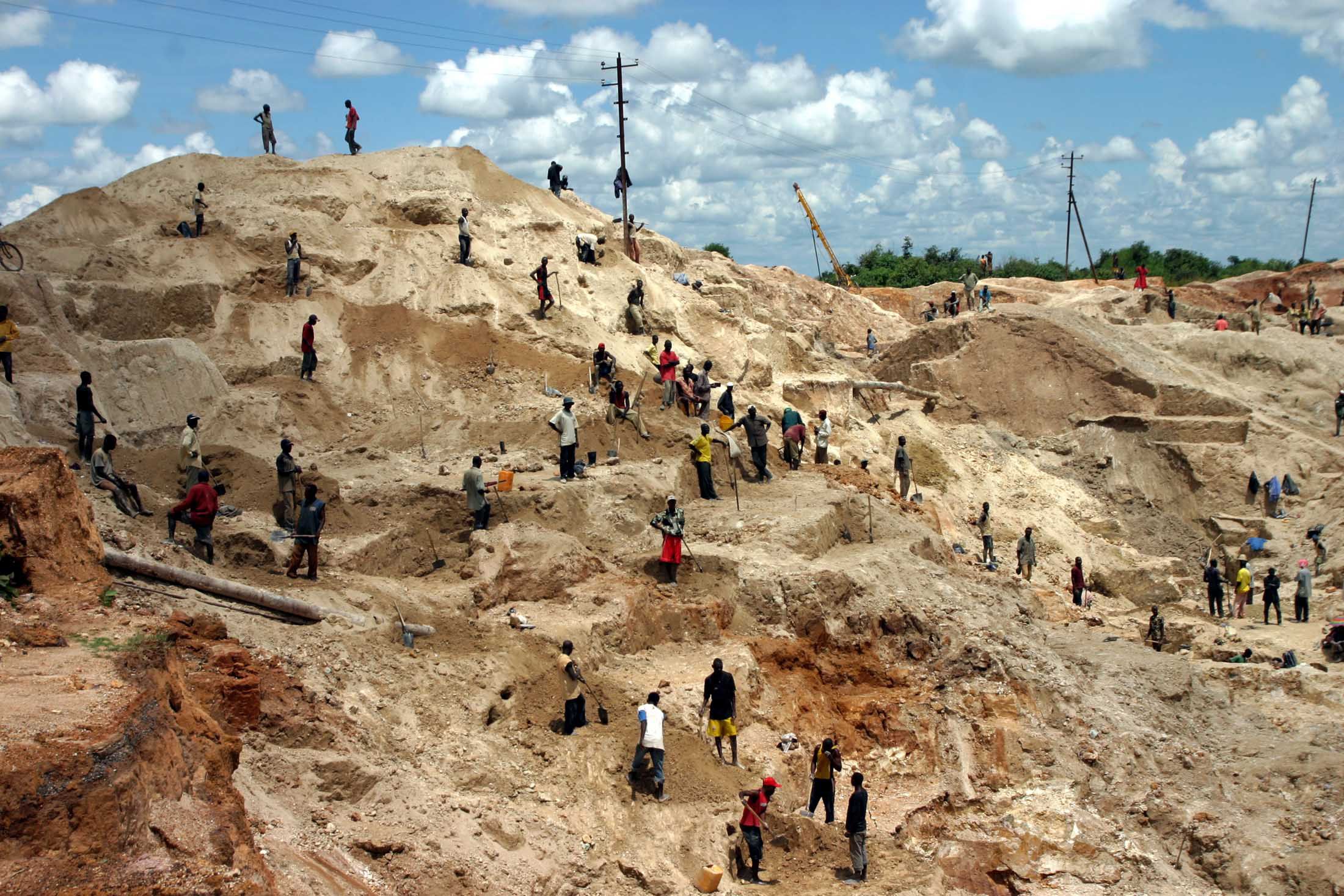
Saudi and Emirati efforts to expand the countries’ presence in Africa’s critical mineral industry bring the potential for both economic collaboration and geopolitical tension with China.
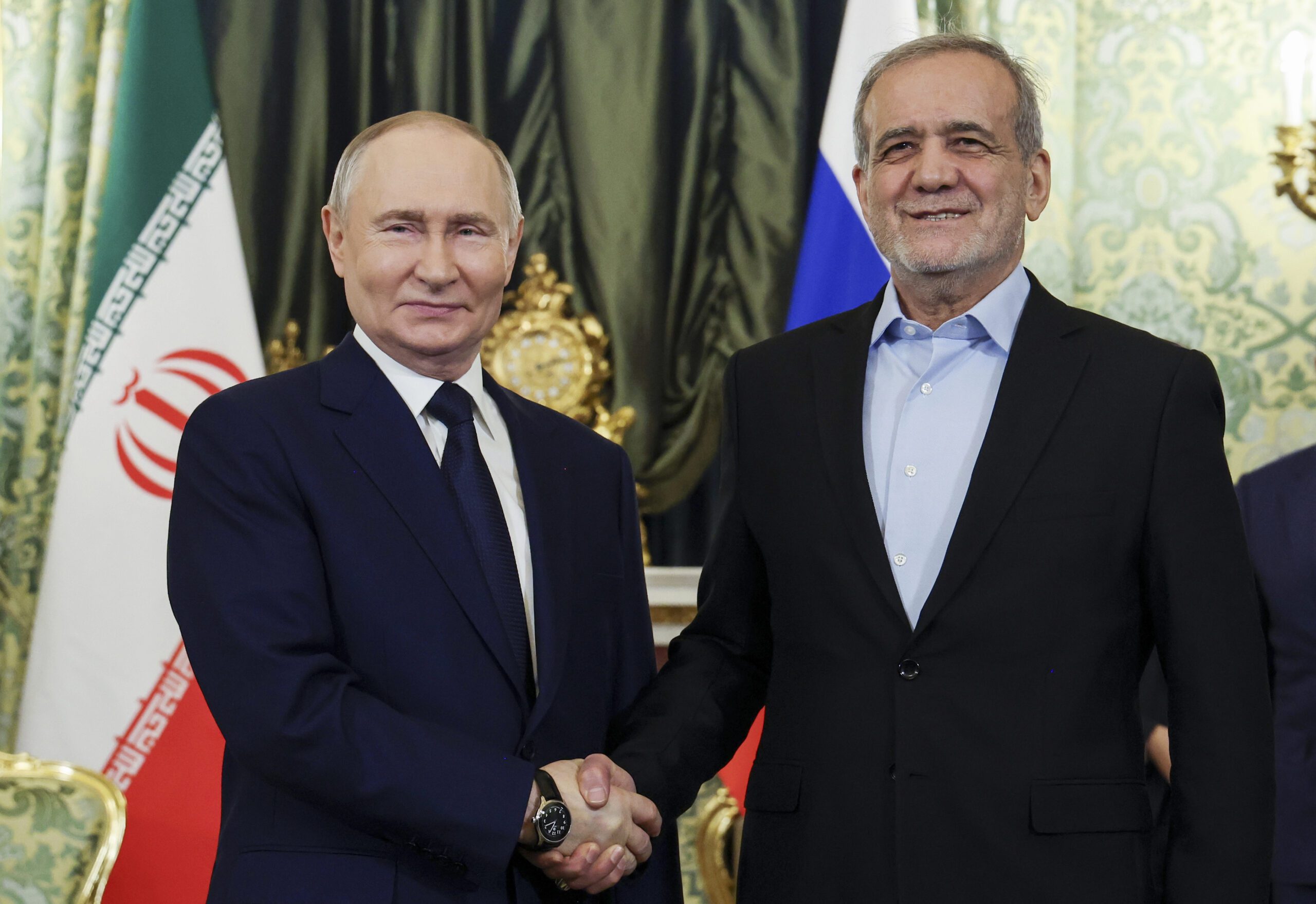
Proposed Russian investments may come in handy as Iran attempts to develop its gas infrastructure, but international sanctions and geopolitics pose major problems.
Proposed Russian investments may come in handy as Iran attempts to develop its gas infrastructure, but international sanctions and geopolitics pose major problems.
As new trade routes are emerging in Eurasia, Gulf states are increasingly looking to the transit and investment potential of the South Caucasus, particularly Azerbaijan and Georgia.