Mar 27, 2026
Iran to Gulf States: Keep Your Distance – or Risk Being Drawn In
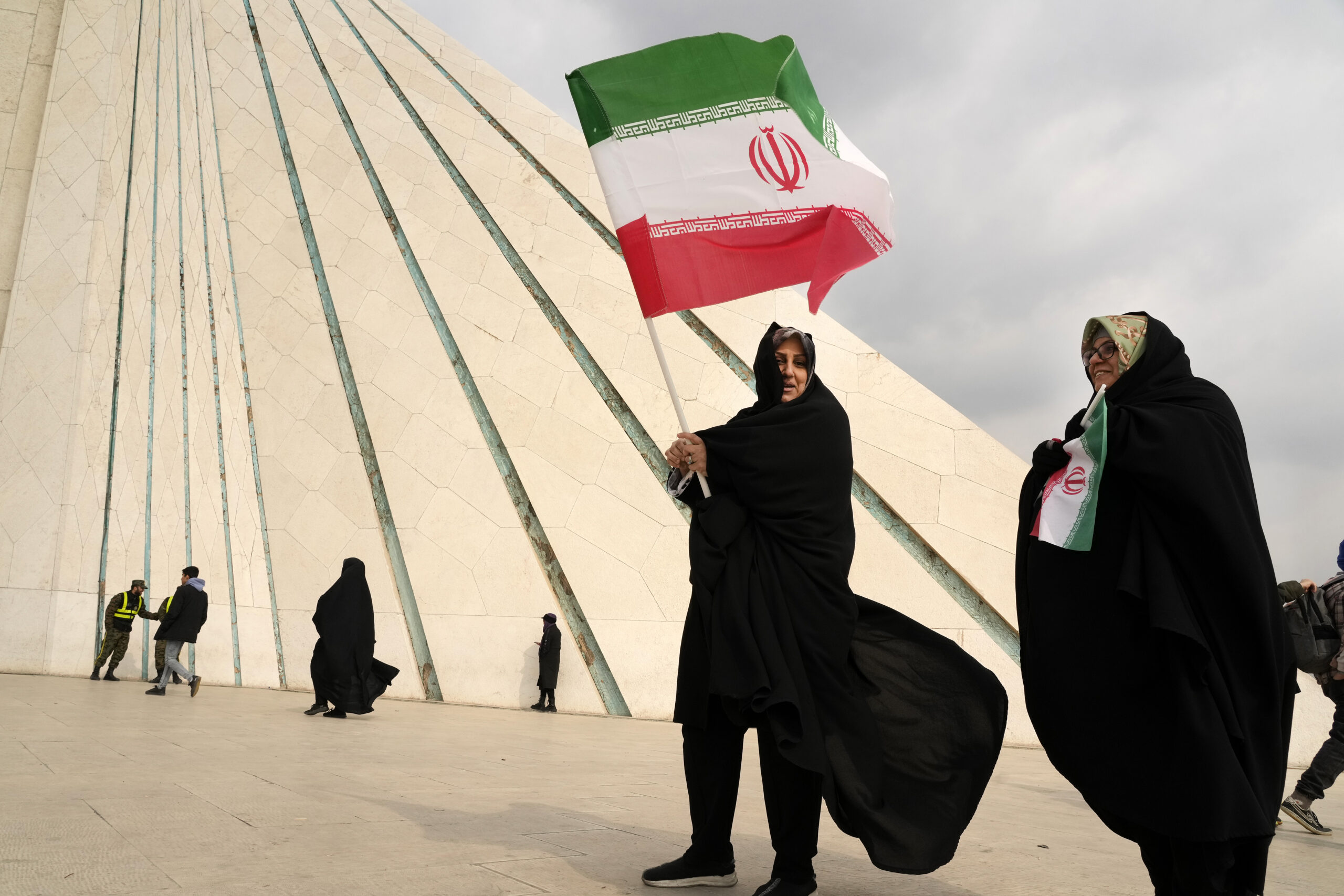
The March 27 edition of the Iran Media Review highlights Iranian officials’ threats to Gulf states not to get more involved in the U.S.-Israeli conflict with Iran.

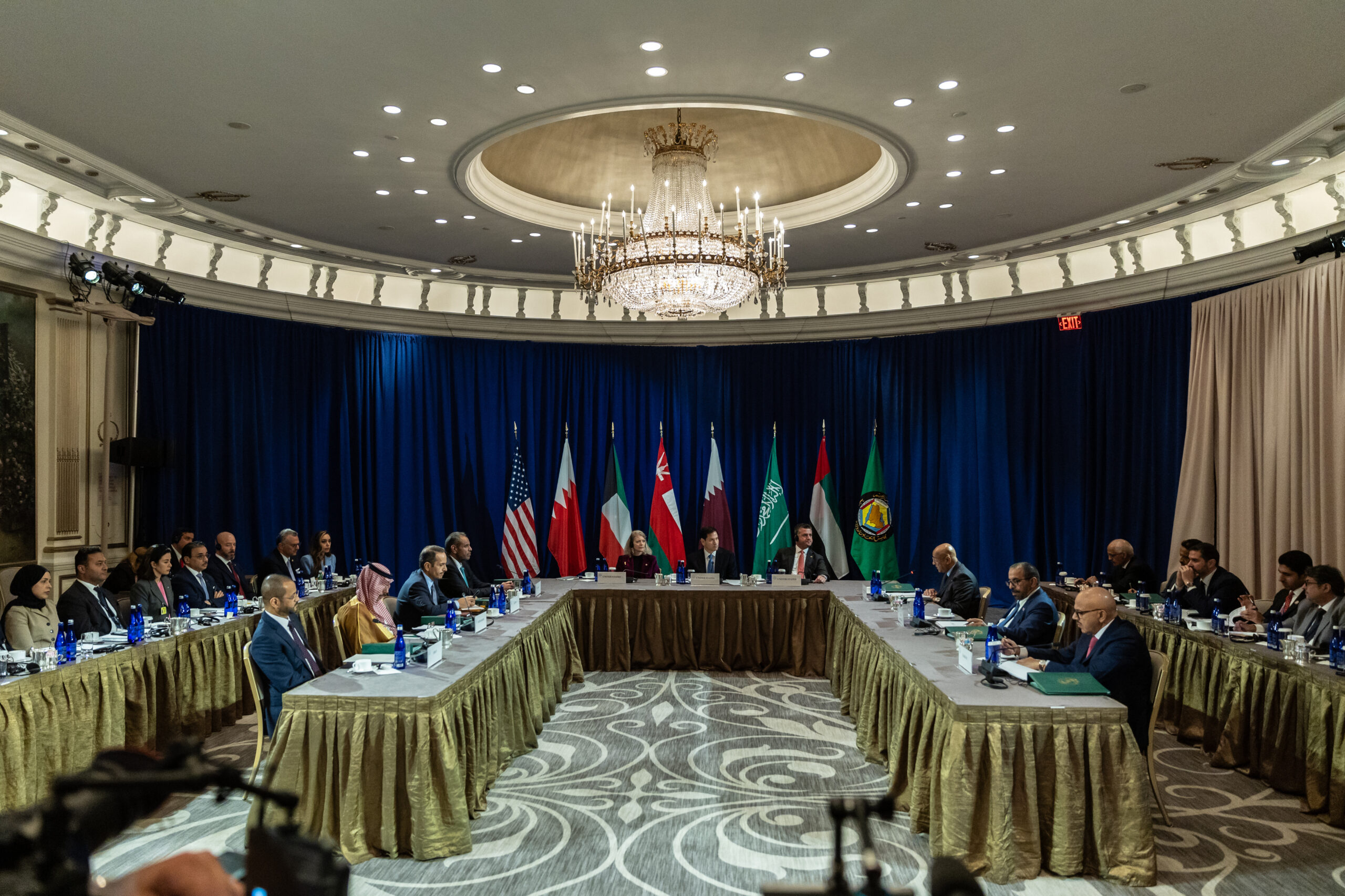
Balancing a dual strategy of indirect negotiations with the United States and retaliatory strikes in the region, Iranian officials are urging Gulf Cooperation Council states to “distance themselves from the military onslaught against Iran.” Yet with each successive Iranian strike, Tehran may be achieving the opposite effect – driving these states closer into alignment with the United States.
- March 25: Parliamentary Speaker Mohammad-Bagher Qalibaf wrote on X:
- “Based on information, Iran’s enemies, with the support of a regional country, are preparing an operation to occupy one of Iran’s islands. All enemy movements are under the full surveillance of our armed forces. If they make a move, all that regional country’s vital infrastructure will be limitlessly targeted by relentless attacks.”
- March 25: Supreme National Security Council mouthpiece Nour News Agency reported that Iranian Foreign Minister Abbas Araghchi urged neighboring countries to “distance themselves from the military onslaught against Iran”:
- “U.S. bases in the region, despite having stated that they would not be used against Iran, were in fact used. Services were provided to American forces; even outside the bases, support was given to them, and their so-called airspace was used. This is something that even they themselves acknowledge in various ways … For example, when it was announced that three U.S. F-15 aircraft had been shot down over Kuwait, regardless of the cause – which may have been friendly fire – the question arises as to what those fighter jets were doing in Kuwait. It is clear their route was toward Iran. I do not want to go into details, but it seems that the region did not take our warnings seriously and is now facing this situation.”
- To the GCC states, Araghchi said: “Our message is clear: They must certainly distance themselves from the United States and separate themselves from this aggression against the Iranian people. This aggression is completely illegal, unjustified, and indefensible, and it has no legitimacy. Unfortunately, the countries of the region, especially those in the Persian Gulf, did not even condemn this action, which is very strange.”
- “In the event of attacks, our targets will be U.S. bases, facilities, interests, and locations where American forces are concentrated. These are not limited to bases alone but also include other sites, such as fuel supply centers serving American forces. We will strike these targets. Additionally, when, during the conflict, they targeted infrastructure, we also attacked infrastructure whose stakeholders were American or that belonged to American companies.”
- March 26: Islamic Revolutionary Guard Corps-affiliated Tasnim News, citing “informed sources,” released Iran’s response to U.S. demands for a cease-fire:
- “Acts of aggression and assassination by the enemy must end.”
- “Objective conditions must be created to ensure that war will not recur.”
- “The payment of damages and war reparations must be guaranteed and clearly determined.”
- “The end of the war must be implemented on all fronts and for all resistance groups that participated in this conflict across the region.”
- “Iran’s exercise of sovereignty over the Strait of Hormuz is and will remain Iran’s natural and legal right, and guarantees for the implementation of the other side’s commitments must be recognized.”
- These demands were added to the Iranian demands raised during the last round of U.S.-Iranian nuclear negotiations.
- “For Iran, it is clear that the U.S. claim of negotiations is merely a ‘third deception’ project, and the Americans are pursuing several objectives under the guise of negotiations: first, to mislead the world by presenting a seemingly peace-seeking image and a desire to end the war; second, to keep global oil prices low; and third, to buy time to prepare for a new aggressive action in southern Iran through a ground incursion.”
The views represented herein are the author's or speaker's own and do not necessarily reflect the views of AGSI, its staff, or its board of directors.
Related
Iran Media Review
Mar 24, 2026
Iran: Resilience, Defiance, and Willingness to Talk
The March 24 edition of the Iran Media Review considers Iranian messaging projecting a mix of defiance and a possible willingness to negotiate with the United States.
Iran Media Review
Mar 13, 2026
Quds Day in Iran
The March 13 edition of the Iran Media Review examines Iranian media reports of regime defiance at Quds Day rallies as the U.S.-Israeli conflict with Iran continues.
Iran Media Review
Mar 10, 2026
New Leader, Old Policy
The March 10 edition of the Iran Media Review analyzes Iranian messaging after the election of a new supreme leader.
Mar 24, 2026
Iran: Resilience, Defiance, and Willingness to Talk
The March 24 edition of the Iran Media Review considers Iranian messaging projecting a mix of defiance and a possible willingness to negotiate with the United States.
Mar 13, 2026
Quds Day in Iran
The March 13 edition of the Iran Media Review examines Iranian media reports of regime defiance at Quds Day rallies as the U.S.-Israeli conflict with Iran continues.
Mar 10, 2026
New Leader, Old Policy
The March 10 edition of the Iran Media Review analyzes Iranian messaging after the election of a new supreme leader.
Analysis
Under Mojtaba, the IRGC Will Reign Supreme
Iran may still call itself an Islamic Republic. In practice, however, it increasingly resembles a state in which the military governs from behind clerical robes.
Political Life and Legacy of Iran’s Ayatollah Khamenei
Ayatollah Ali Khamenei was killed in his office in Tehran at age 86, leaving behind a country in ruins and on the verge of civil war and potential disintegration.
Iranian Regime Fighting for Survival
Iran is signaling that it will not absorb attacks passively. But whether this strategy ensures the regime’s survival, seals its fate, or accelerates a broader catastrophe will shape the region for years to come.
Iran’s 2025-26 Protests in Perspective
The erosion of the regime’s legitimacy across broad segments of society, combined with the breadth of the 2025-26 protest coalition, raises the possibility that a new confrontation could trigger renewed anti-regime mobilization.
Events
Mar 18, 2026
In Its Conflict With the United States and Israel, Does Escalation Favor Iran?
On March 18, AGSI hosted a discussion on the escalation of the Iran war.
Speakers


Mar 2, 2026
After the Shock: Implications of the U.S.–Israeli Strikes and Iran’s Leadership Transition
On March 2, AGSI hosted a discussion on the U.S.-Israeli strikes on Iran.
Speakers




Jan 8, 2026
Outlook 2026: Prospects and Priorities for U.S.-Gulf Relations in the Year Ahead
On January 8, AGSI hosted a virtual roundtable with its leadership and scholars as they look ahead and assess trends likely to shape the Gulf region and U.S. foreign policy during the coming year.
Speakers


Sep 16, 2025
Book Talk: Iran’s Grand Strategy: A Political History
On September 16, AGSI hosted a discussion on the roots of Iran's strategic outlook.
Speakers