Nov 24, 2026
Iran Prepares for the Next Round of the War
The November 24 edition of the Iran Media Review examines Iranian officials’ messaging around energy price increases, threats against Gulf Arab states’ oil infrastructure, and potential antiregime protests.
President Masoud Pezeshkian is leading by example in energy austerity as he and Parliamentary Speaker Mohammad-Bagher Qalibaf gradually broach a potentially explosive energy price increase. Aware that the status quo is untenable, Tehran threatened Gulf oil facilities should Iran’s China-bound tankers come under fire. At home, the Islamic Revolutionary Guard Corps warns of unrest, and the Basij urges regime supporters into the streets to deter antiregime protests.
- November 21: Islamic Republic of Iran Broadcasting aired an interview with Iranian President Masoud Pezeshkian conducted in his darkened office at the Presidential Palace, apparently meant to show the president saving energy himself. Tabnak News Agency, a mouthpiece of Supreme National Security Council Secretary Mohsen Rezaei, later reposted the video.
- November 23: Following hard-line Iranian media’s criticism of the Pezeshkian interview, calling it a “sign of weakness,” Cabinet Spokeswoman Fatemeh Mohajerani said, as quoted by Iranian Students News Agency:
- “When the president asks the people to save, he leads by example himself … We will take all the attacks in stride, but we believe we must get through the winter by saving energy … It is the way we behave that shows our weakness or our strength. Our firm conduct in all matters shows that we are not in a position of weakness.”
- November 21: Islamic Revolutionary Guard Corps-affiliated Javan reported on Iran’s attempt to “break the naval blockade”:
- “The news agencies report on Tehran’s decision to break the naval blockade. Under this decision, Iran will set its convoy of oil tankers in motion toward China, and if a single bullet strikes the hull of one Iranian tanker, the oil and oil terminals of the UAE, Saudi Arabia, and Qatar will, at that very moment, become part of the retaliation equation.”
- “Accordingly, the issue is no longer merely about circumventing sanctions or finding alternative routes for oil exports. The main issue is challenging the unjust mechanism of the blockade and ending a situation in which America seeks, without entering an all-out war, to turn economic and naval pressure into an instrument for coercing Iran. Under such circumstances, the movements of tankers at Kharg must be examined within the framework of an effort to change the equation of confrontation and shift the cost of the blockade onto the other side.”
- “General Hossein Mohebbi, spokesman of the Islamic Revolutionary Guard Corps, speaking on Thursday at the Congress of the Pioneers of Liberation, emphasized that Iran will not tolerate the current situation and stated: ‘We do not accept the neither-war-nor-peace situation. Of course, we believe that the current situation is not neither war nor peace but rather war.’ Noting that Iran will not continue the war of attrition, he said: ‘We will settle the matter of the war once and for all. This settlement will either happen on the battlefield, or America must submit to our terms. There is no other path before us.’”
- “Ayatollah Seyyed Hassan Ameli, the representative of the leader in Ardabil province and Friday prayer leader of Ardabil, also referred in his Friday prayer sermons to the failure of the American blockade to achieve Washington’s intended goals and announced the decision of the country’s officials to break this situation. Referring to the officials’ important decision to break this siege, Ameli stressed that ships carrying Iranian oil will soon set sail from Kharg toward China. He also warned that if even a single bullet is fired at these ships, the oil facilities of the Persian Gulf countries will be legitimate targets for Iran. These remarks are significant because they take the issue of breaking the blockade beyond the level of media speculation and present it as part of the declared positions of an official of the country.”
- November 23: Economic daily newspaper Donya-ye Eqtesad quoted recent remarks by Pezeshkian and Parliamentary Speaker Mohammad-Bagher Qalibaf on the energy shortage crisis:
- On November 21, Pezeshkian said: “The average fuel and energy consumption in the country is three times higher than in other countries … Our country’s threefold energy consumption is a problem that must be fixed.”
- On November 22, Qalibaf said: “After extensive discussion and deliberation, no one doubts that energy reform is our most urgent and most important issue, in peacetime as well as wartime.”
- November 23: Brigadier General Yadollah Javani, IRGC Political Directorate chief, speaking in Ilam province, said, as quoted by Javan:
- “The enemy is trying to spread unrest from the capital to the country’s most remote villages and turn protest movements into chaos and instability … Economic, livelihood, and political pressures, together with the activities of the foreign media and satellite networks, are part of the tools of this war.”
- November 23: Addressing a media festival, Basij Resistance Force Deputy Commander Qassem Qoreishi urged regime supporters to maintain a presence on Iran’s streets, and Javan reported:
- “Today the battlefront is not limited to the Strait of Hormuz or the western and eastern borders. Everything from the missile launchers of the army, the IRGC and law enforcement command, to the squares and the streets is part of this front.”
- He added: “The presence of the people in the squares and streets is not merely an expression of sentiment and a declaration of support. Our enemies’ assessment is that if the squares and streets empty out, they will lie in wait like bloodsucking bats and commit crimes. Therefore, the presence of the people, with cohesion, unity, and obedience to the guardian jurist, is itself a strategic deterrent.”
The views represented herein are the author's or speaker's own and do not necessarily reflect the views of AGSI, its staff, or its board of directors.
Related
Iran Media Review
Nov 20, 2026
Waiting for the Intelligence Minister
The November 20 edition of the Iran Media Review considers Iranian commentary on who might be the next intelligence minister as well as indications that Iran has expanded the range of its missiles.
Iran Media Review
Nov 17, 2026
Who Speaks for Tehran?
The November 17 edition of the Iran Media Review analyzes Iranian messaging after the U.S. and Israeli elections, including about who is leading the Iranian team in negotiations with the United States.
Iran Media Review
Nov 13, 2026
Tehran Rejects the “War or Negotiation” Binary
The November 13 edition of the Iran Media Review explores an Iranian newspaper’s argument that diplomacy and negotiations with the United States must be paired with a willingness to use force if necessary.
Nov 20, 2026
Waiting for the Intelligence Minister
The November 20 edition of the Iran Media Review considers Iranian commentary on who might be the next intelligence minister as well as indications that Iran has expanded the range of its missiles.
Nov 17, 2026
Who Speaks for Tehran?
The November 17 edition of the Iran Media Review analyzes Iranian messaging after the U.S. and Israeli elections, including about who is leading the Iranian team in negotiations with the United States.
Nov 13, 2026
Tehran Rejects the “War or Negotiation” Binary
The November 13 edition of the Iran Media Review explores an Iranian newspaper’s argument that diplomacy and negotiations with the United States must be paired with a willingness to use force if necessary.
Analysis
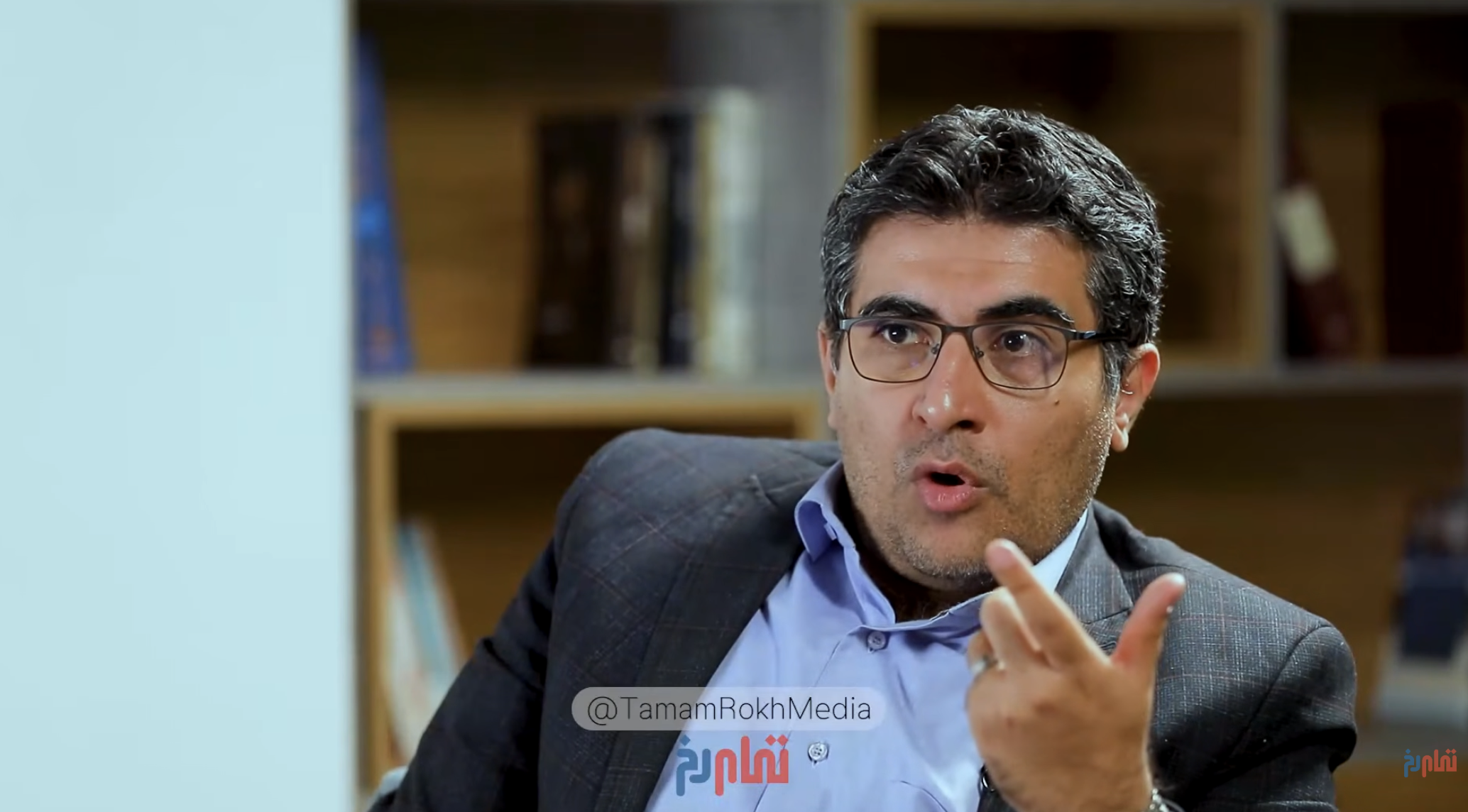
Debating Policy in Public: Iranian Elites Turn to YouTube
Rival camps within the Islamic Republic are increasingly turning to YouTube for policy debate, but there is a limit to the regime’s tolerance for that debate.
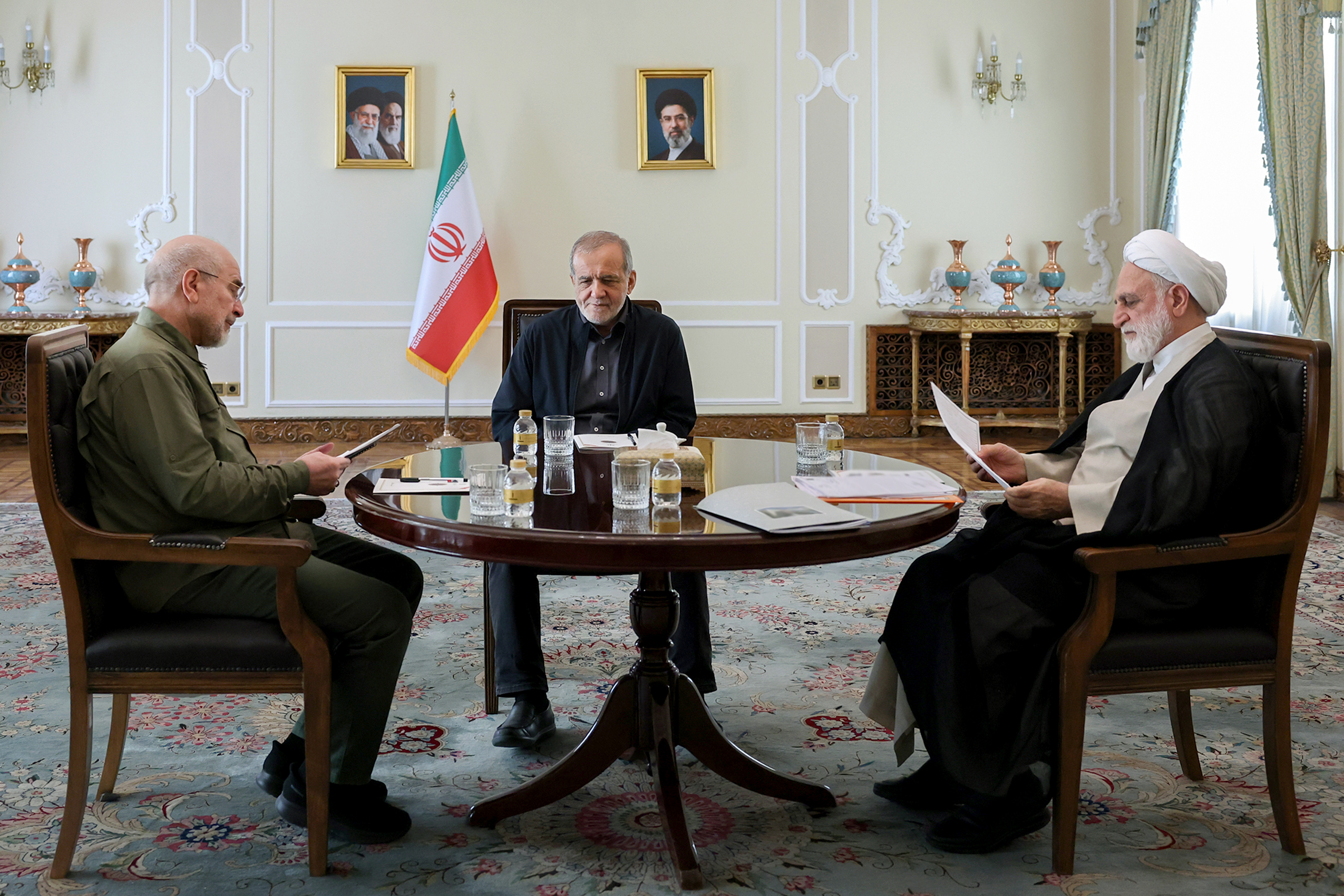
The Committee of Six and Strategic Decision Making in Iran
Remarks by Iran’s president offer a rare glimpse of how the Islamic Republic has adapted its decision making to the absence of its supreme leader.
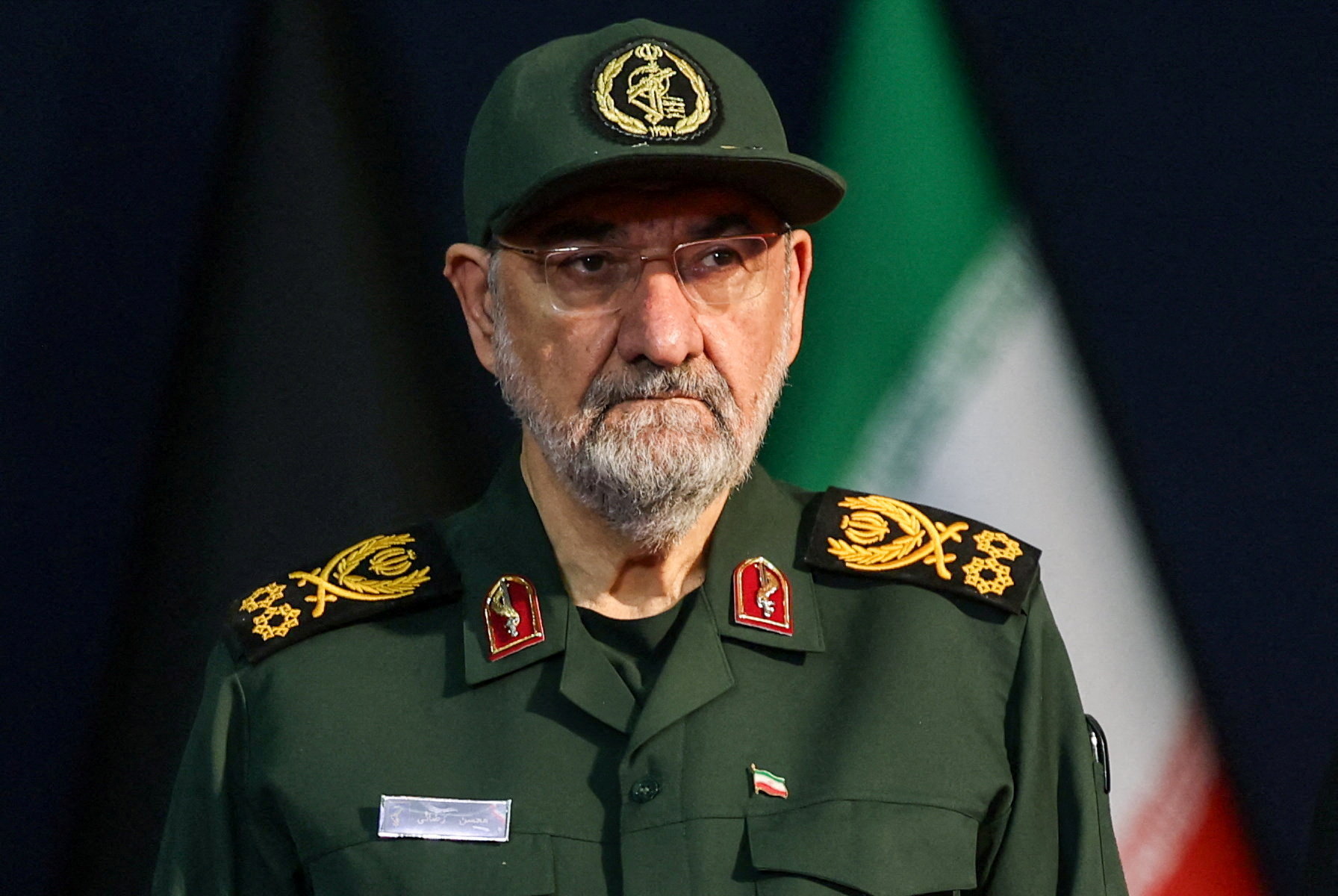
Mohsen Rezaei at the Helm of Iran’s Supreme National Security Council
Under Rezaei, the SNSC could prove constructive or paralyze strategic decision making.
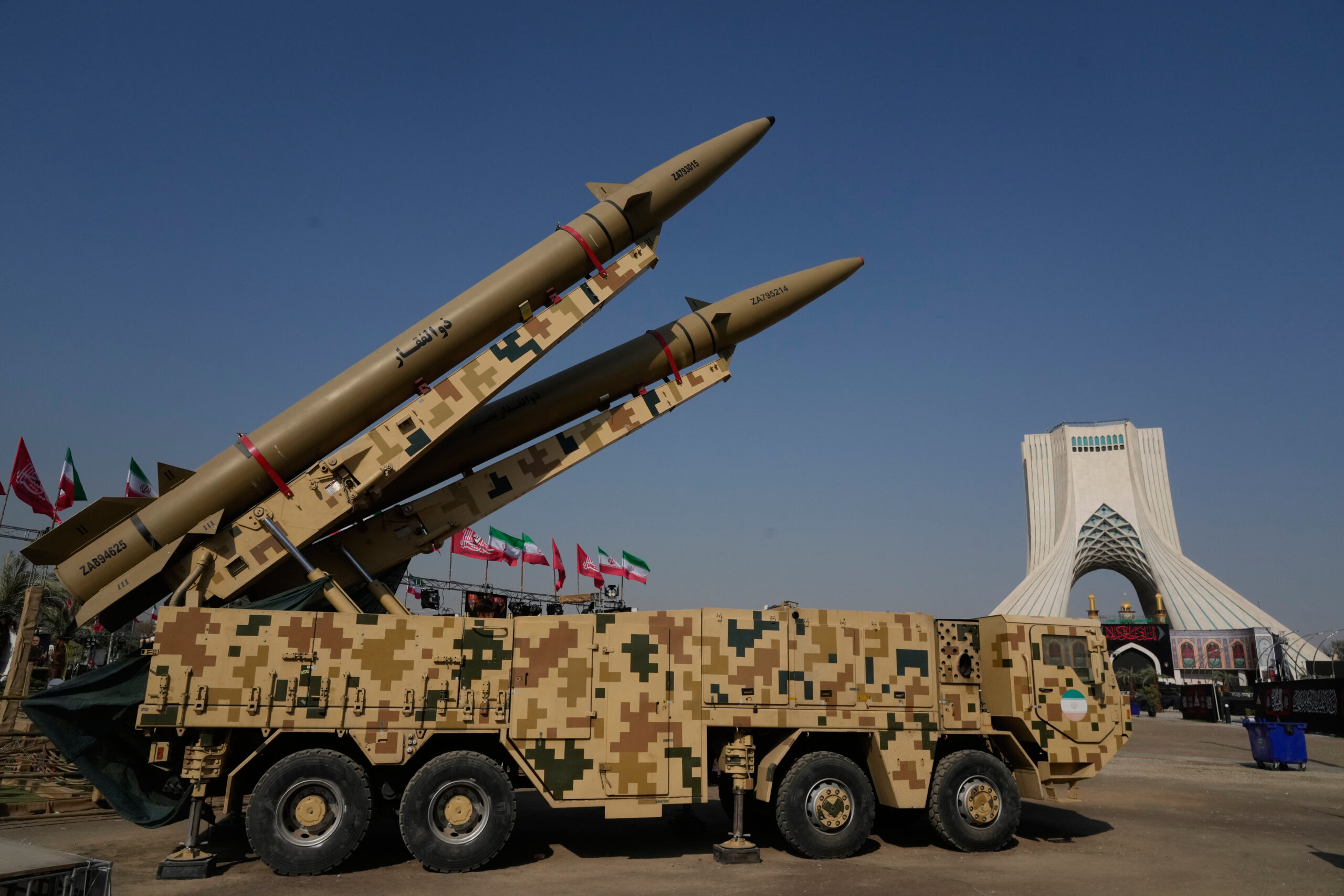
The Islamic Republic Returns to Offense
After U.S.-Israeli strikes killed Supreme Leader Ayatollah Ali Khamenei on February 28, Iran’s collective leadership has concluded that the best defense is a good offense.
Events
Oct 6, 2026
Is the U.S.-Iran Stalemate a “New Normal” or the Prelude to Another Explosion?
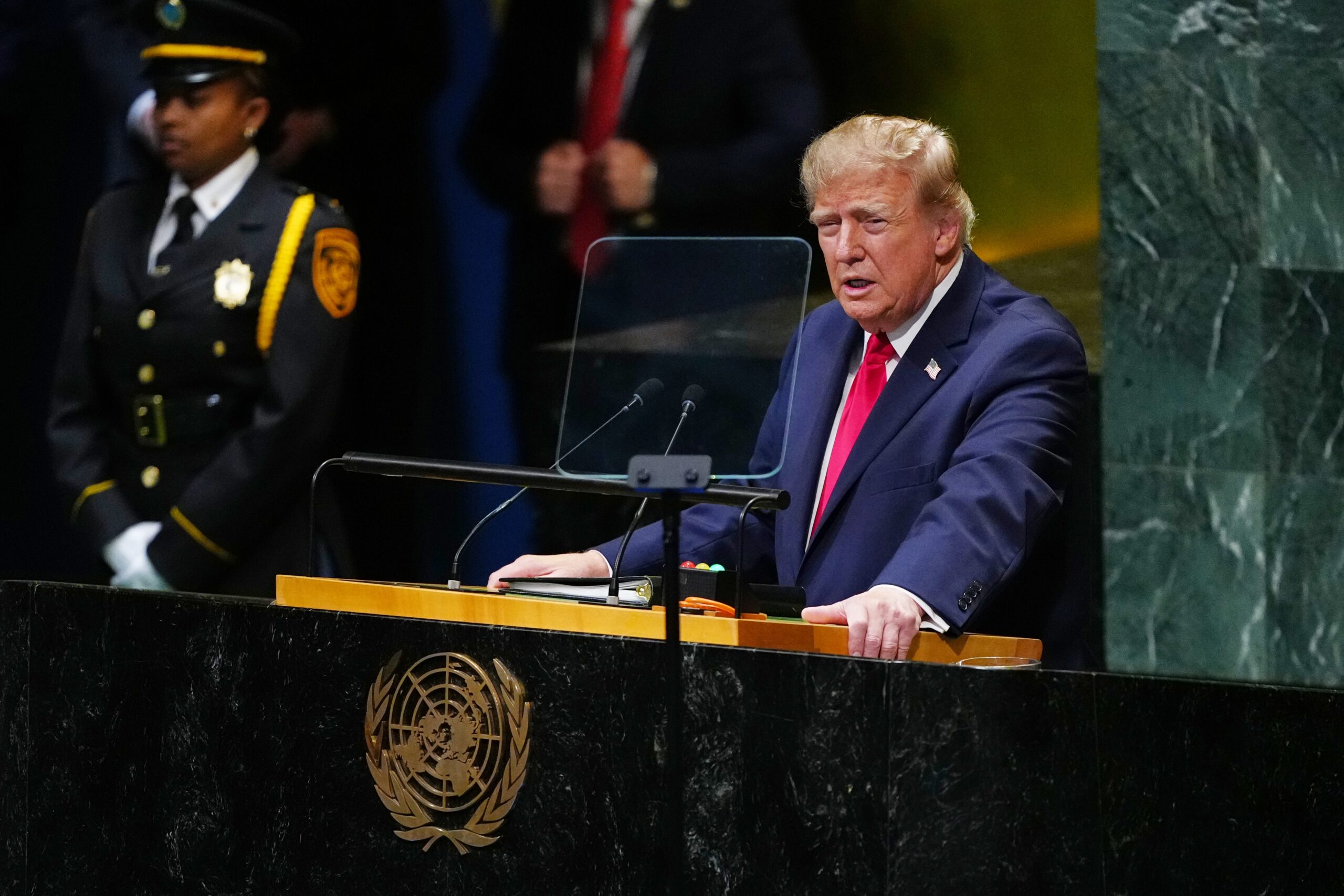
On October 6, AGSI hosted a discussion on the U.S.-Iran stalemate and the prospects for a cease-fire.
Speakers


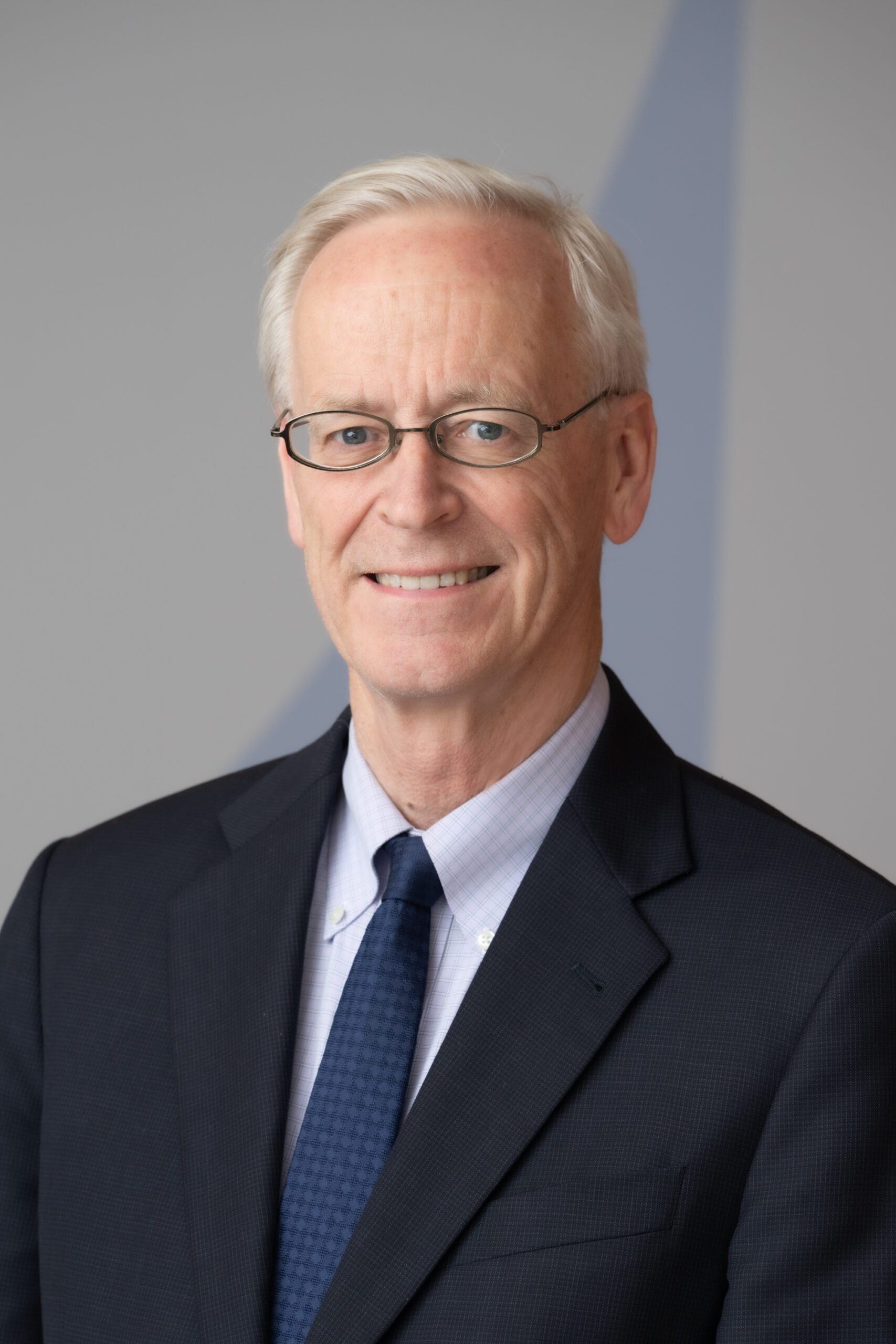
Book Talk: Iran and the Bomb: The United States, Iran and the Nuclear Question
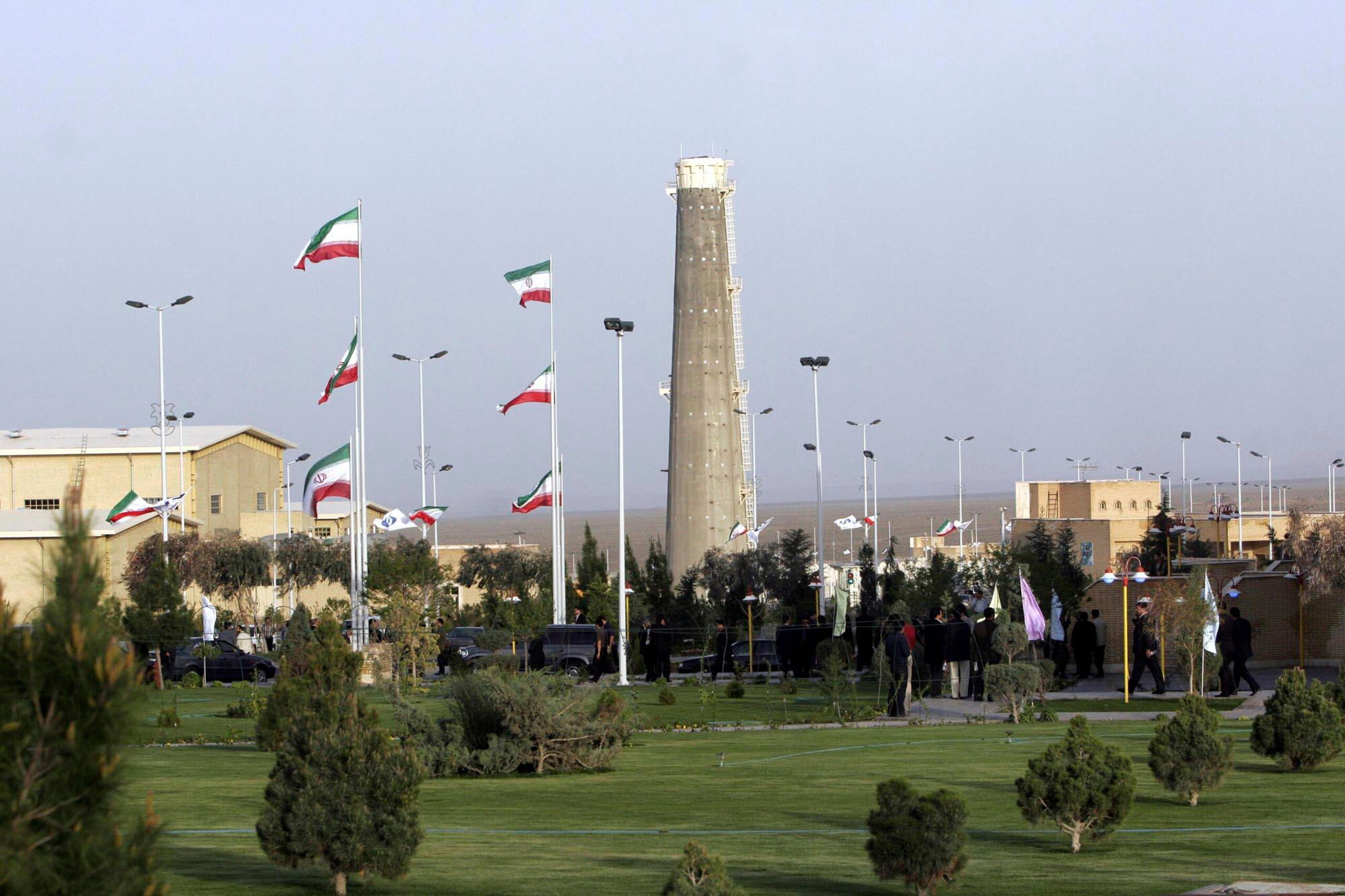
On June 16, AGSI hosted a discussion on the evolution of Iran's nuclear program.
Speakers
Apr 21, 2026
Inside Iran’s Wartime Leadership: Power, Succession, and Regime Stability
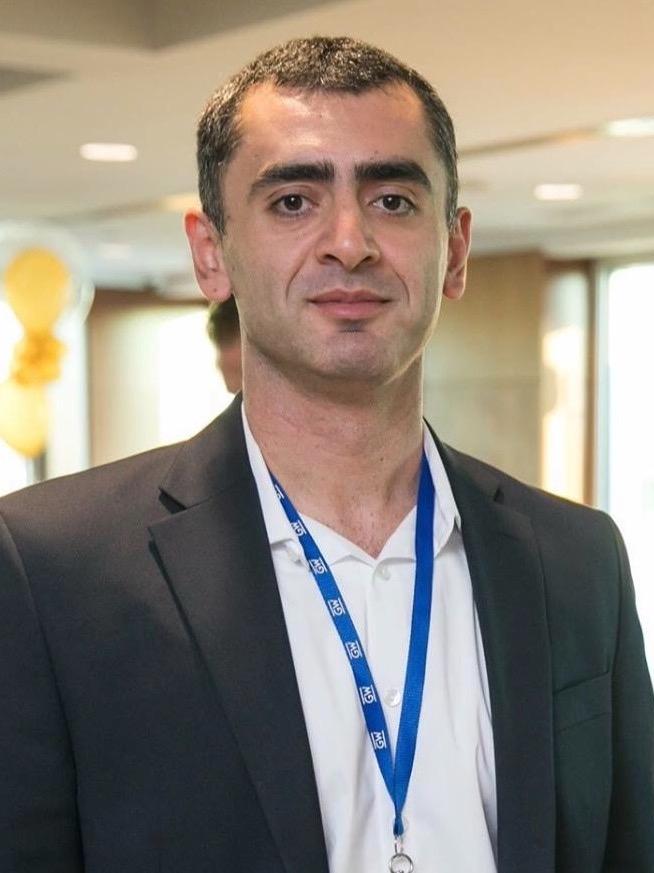
On April 21, AGSI hosted a discussion on the evolution of Iran's leadership during the war.
Speakers

Mar 18, 2026
In Its Conflict With the United States and Israel, Does Escalation Favor Iran?
On March 18, AGSI hosted a discussion on the escalation of the Iran war.
Speakers