Confronted with the clear and present danger posed by Israel, Iran’s collective leadership appears mired in policy paralysis, leaving Iran strategically adrift.
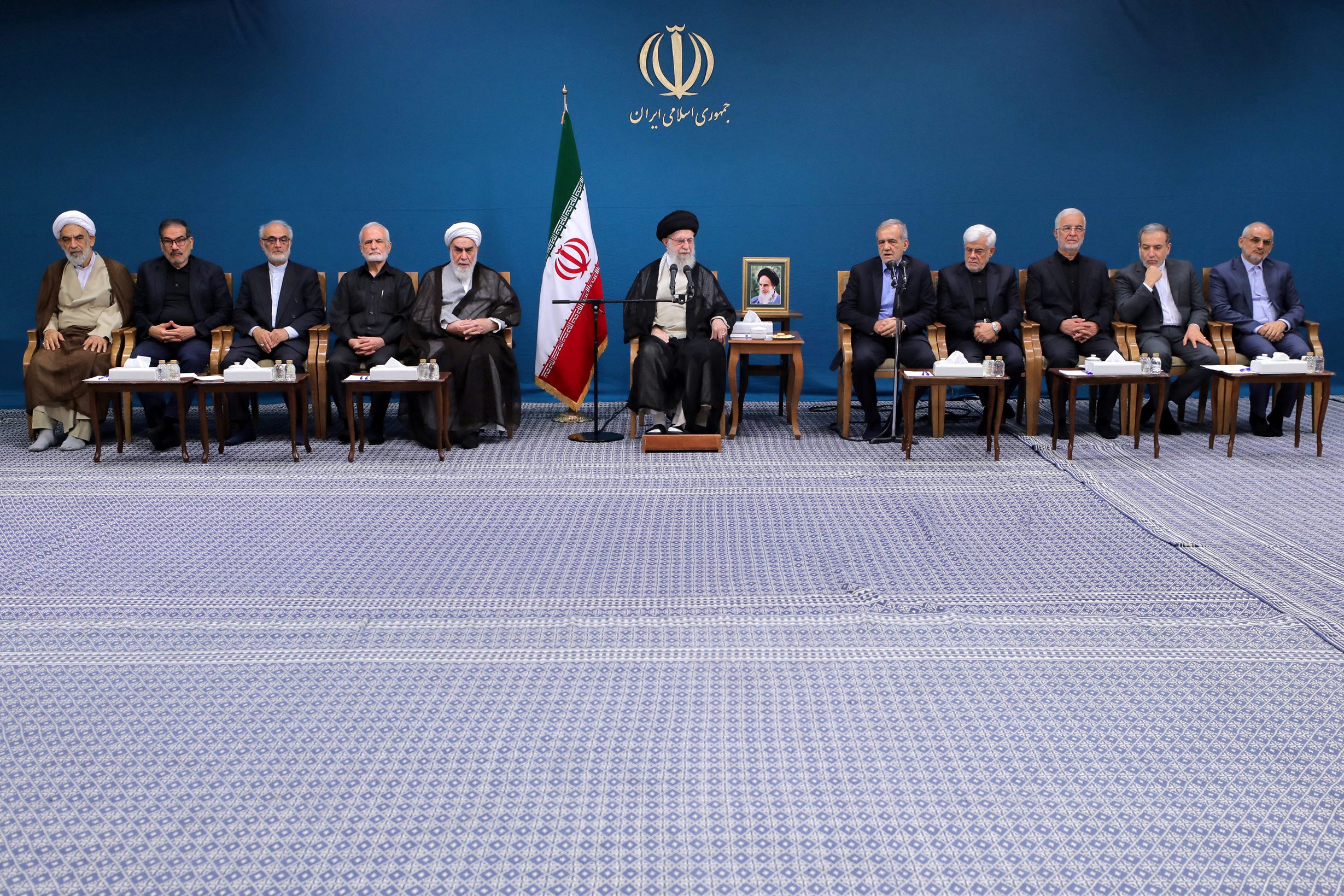
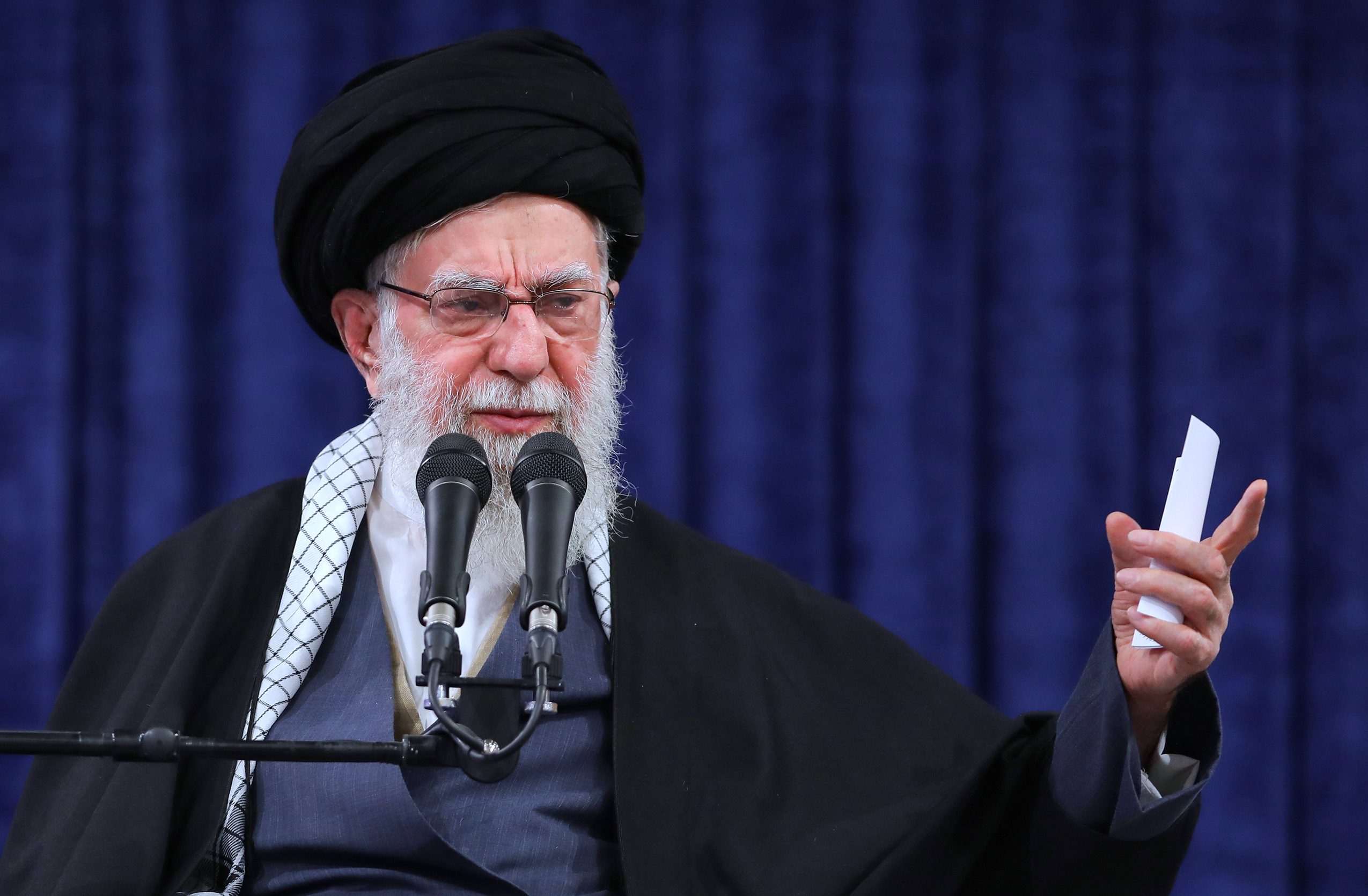
Iranian Supreme Leader Ayatollah Ali Khamenei speaks during a meeting with Iran's president, Masoud Pezeshkian, and his Cabinet in Tehran, Iran, August 27, 2024. (Office of the Iranian Supreme Leader/WANA /Handout via REUTERS)
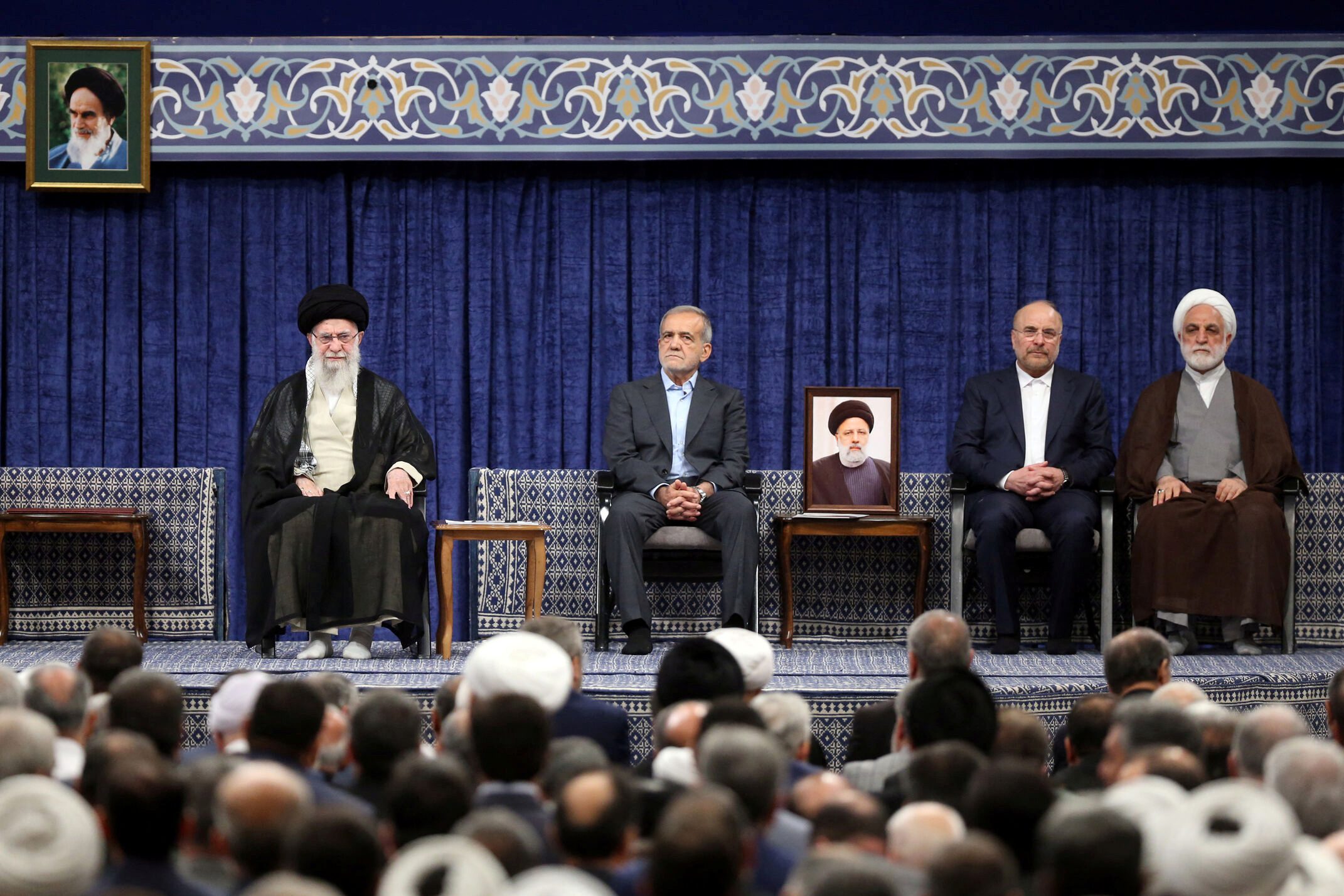
There was a time when the revolutionaries’ rash decisions in Tehran drew Iran into perilous foreign policy ventures, invariably to the country’s detriment. Today, the pendulum appears to have swung to the opposite extreme: pronounced risk aversion. With Supreme Leader Ayatollah Ali Khamenei aging, under threat of Israeli assassination, and physically detached from strategic decision making, a collective leadership of the heads of the state branches, joined by representatives of the armed forces, has gradually emerged to fill the vacuum. Gradually emerging in the year preceding the Israel-Iran war, although not formally acknowledged, this collective arrangement initially enabled bold moves in domestic policy, such as suspension of the hijab and chastity law, the enforcement of which might have sparked another round of anti-hijab protests. Yet, when confronted with the clear and present danger posed by Israel, the collective leadership appears mired in policy paralysis, leaving Iran strategically adrift.
Since Israel and Iran, under U.S. pressure, agreed to a cease-fire on June 24, most Iranian analysts have anticipated a resumption of hostilities. In their view, Israel pursued not only the destruction of Iran’s nuclear program but also regime change in Tehran and, perhaps, even the country’s partition through civil war. Although Israel and the United States succeeded in destroying most of Iran’s nuclear capabilities, the regime’s political leadership remains intact, and the decentralized Islamic Revolutionary Guard Corps’ collective command structure secured both the organization’s survival and, by extension, the regime’s, despite the top-level decapitations on day one of the war.
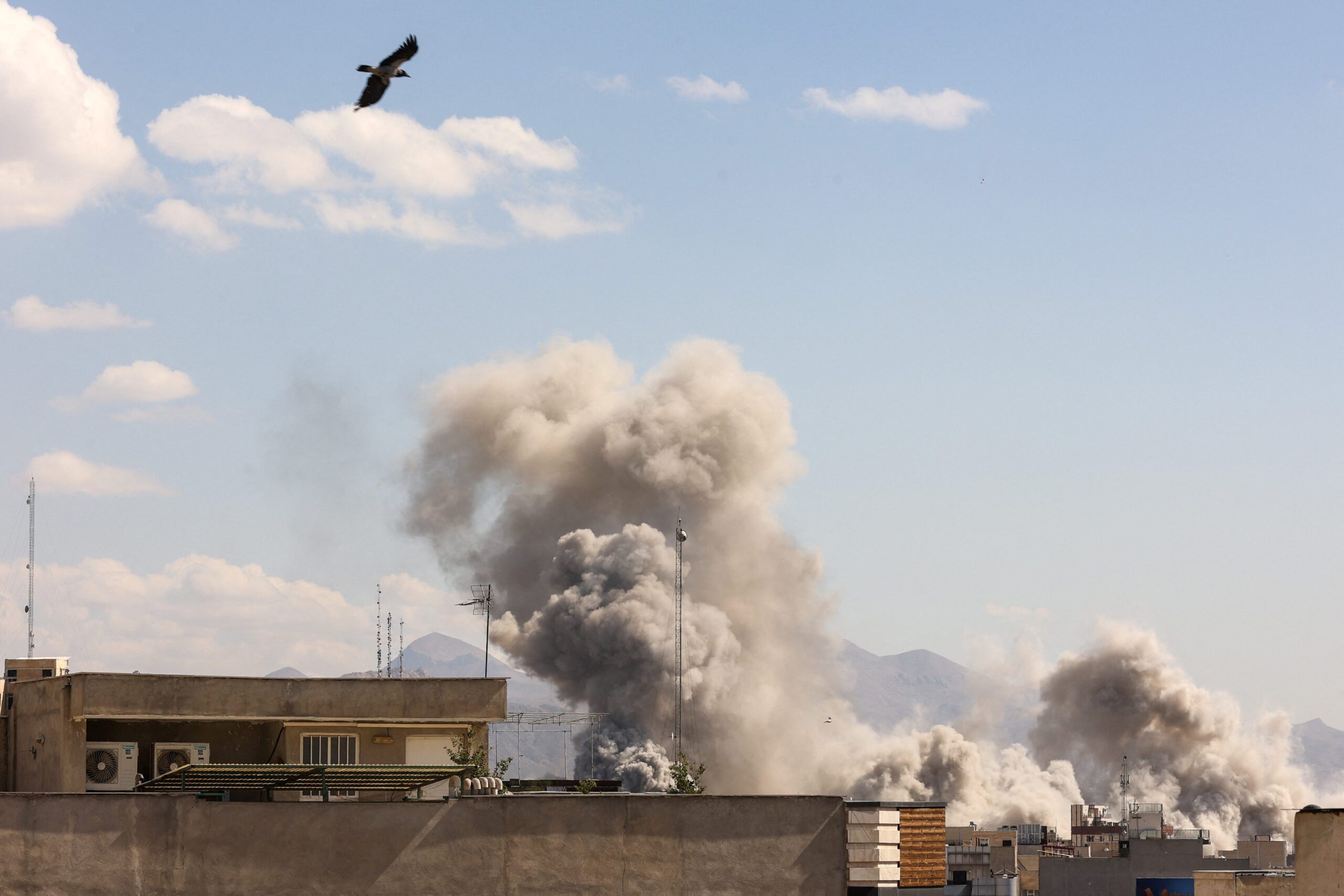
Should the Israeli leadership resume the war to pursue its unmet objectives, it is unlikely to face significant deterrence. Hezbollah is fighting for its survival as an armed force in Lebanon, and other Iranian proxies and allies, such as Yemen’s Houthis, do not pose a strategic threat to Israel. Iran lacks robust air-defense systems, leaving its skies vulnerable to the Israeli air force. Iranian missiles struggle to penetrate multilayered Israeli and allied air-defense networks. And, following Israel’s bombardment of Iran’s defense industries, the IRGC is likely struggling to replenish its missile stockpiles, particularly hypersonic missiles.
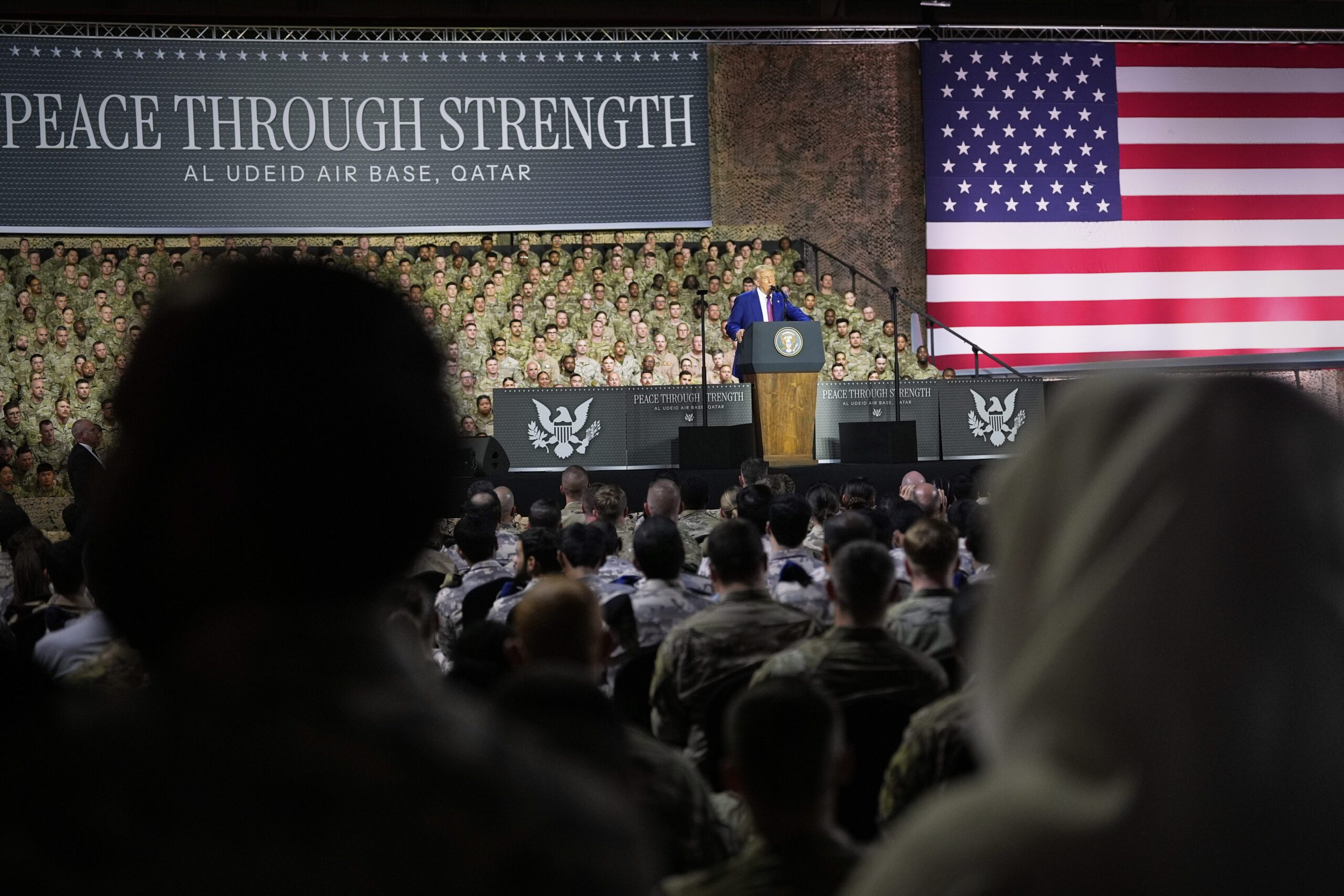
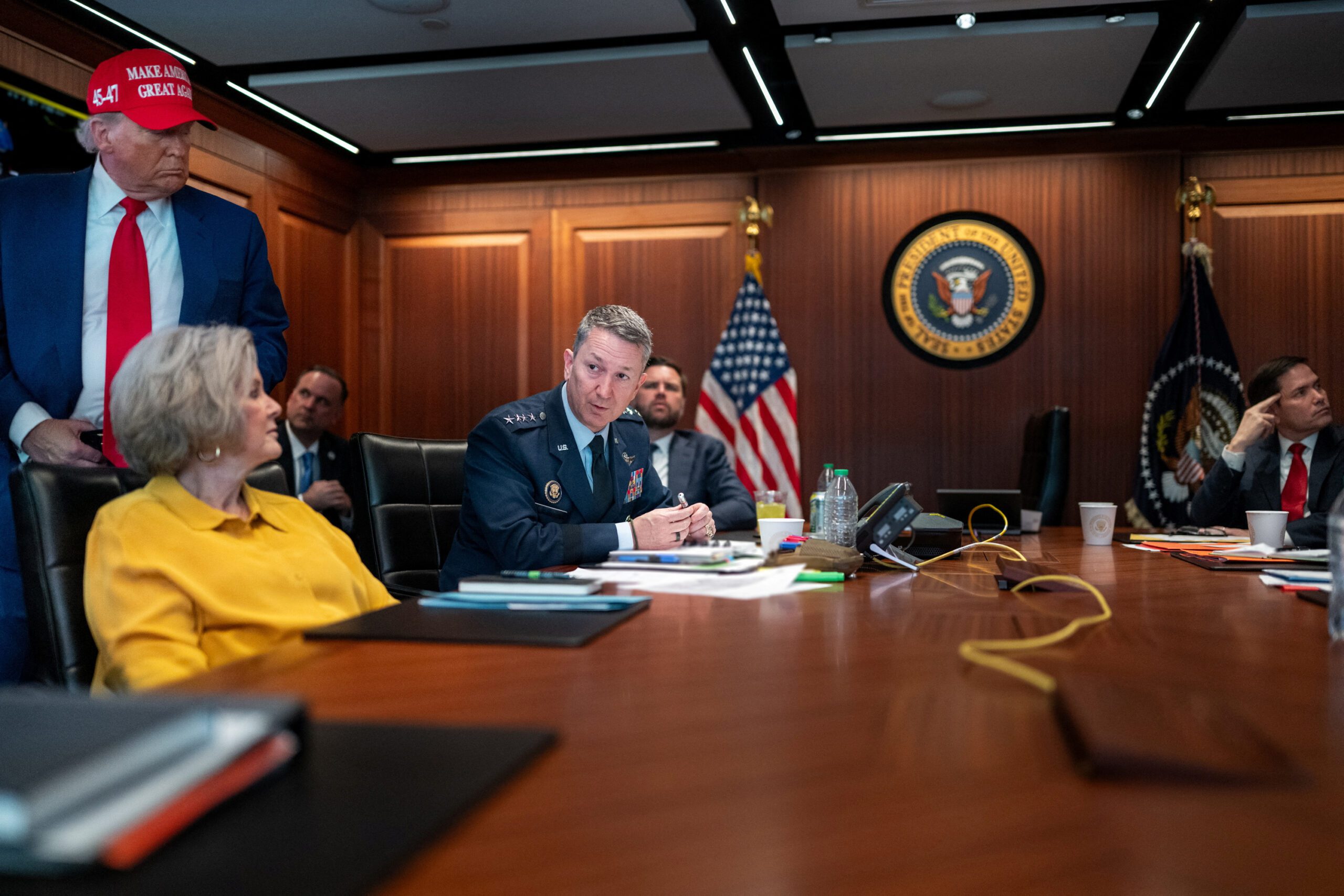
Khamenei himself recognizes the dangers of the limbo in which Iran remains, neither at war nor at peace, yet his recommendations increasingly resemble sermons rather than actionable policy. Meanwhile, the collective leadership’s choices appear confined to three equally unattractive options, as outlined by the Supreme National Security Council-affiliated Nour News Agency: “unconditional surrender,” as demanded but left undefined by President Donald J. Trump; a middle course that buys the regime time to weigh its options; and, if technically feasible, “leaving the Nuclear Nonproliferation Treaty,” or a dash for a nuclear weapon.
Of the three options, the first seems least likely: No one, perhaps not even Trump, clearly knows what he means by “unconditional surrender.” Does he envisage the capitulations of Nazi Germany and Imperial Japan in 1945, or something narrower, such as Iran’s renunciation of uranium enrichment on its own soil? What, in exchange, could the regime expect from Washington, and why should Iranian leaders trust the United States to honor any such accord? What shields Iran’s leaders from the fate that befell Libyan dictator Muammar Qaddafi? Separately, regardless of the U.S. position, why would Israel accept anything short of regime change and the partition of Iran?
Iran’s collective leadership may instead pursue a middle course designed to buy time while it weighs its options. Under this scenario, Tehran would continue tactical negotiations with the United States and European powers while simultaneously employing the Houthis to launch – or threaten to launch – limited attacks on Saudi or Emirati oil infrastructure and shipping, given the right pretexts. The expectation would be that oil producers and importers, fearful of disruption, would pressure Israel to honor the current cease-fire and thereby prevent or stop any further attacks on Gulf energy producers. Yet this strategy carries considerable risks and uncertainties: What if Israel or the Arab states retaliate by striking Iran’s own oil facilities, assets the regime can scarcely afford to rebuild? And is Tehran truly prepared to jeopardize the diplomatic gains it has secured with restoration of relations with Riyadh and Abu Dhabi for the sake of such a gamble? While IRGC analysts argue that Iran has not significantly benefitted from the detente with the Arab states and appear willing to run these risks, civilian politicians and some IRGC power brokers are more cautious, fearing that such actions could accelerate the regime’s isolation and vulnerability. Any eventual move in this direction would be a clear indication the regime feels its survival is at risk, the only eventuality that could justify such a risky strategy.
If technically feasible, a dash for the bomb could also tempt Iranian decision makers eager to restore the “balance of terror” with Israel. On September 3, Reuters, citing a confidential International Atomic Energy Agency report, revealed that on June 13, the day Israel launched its preemptive strikes, Iran possessed 440.9 kilograms of uranium enriched to 60%, close to weapons grade. If taken to higher levels, this stockpile could provide enough fissile material for roughly 10 nuclear weapons. Whether Iran managed to remove the enriched uranium from its facilities before the Israeli and U.S. bombardment remains uncertain as does the timeline for Tehran to covertly build and operate centrifuges capable of producing weapons-grade uranium. Such a course of action would entail significant risks, above all detection by Israel and the United States and the likelihood of further military strikes. This scenario, too, is likely to be backed by some in the IRGC leadership, with civilian politicians’ support depending on their assessment of the regime’s immediate risks.
In the face of these unenviable choices, Iran’s collective leadership appears paralyzed, unwilling to accept responsibility, and eager to avoid blame. It is hemmed in not just by the daunting external threats but by the regime’s long years in power and steady drain in public support and legitimacy. Yet indecision is itself a decision, and one with potentially perilous consequences.
The views represented herein are the author's or speaker's own and do not necessarily reflect the views of AGSI, its staff, or its board of directors.
Washington can work with its Gulf partners to tie Tehran to a deal that moves Iran from a militant focus to an economic revival and integration within its neighborhood.
President Trump's attack on Iran's nuclear facilities may or may not have irreparably damaged them, but the Al Udeid strike suggests Tehran is seeking to avoid a prolonged conflict with Washington.
Iran may still call itself an Islamic Republic. In practice, however, it increasingly resembles a state in which the military governs from behind clerical robes.
Ayatollah Ali Khamenei was killed in his office in Tehran at age 86, leaving behind a country in ruins and on the verge of civil war and potential disintegration.
Iran is signaling that it will not absorb attacks passively. But whether this strategy ensures the regime’s survival, seals its fate, or accelerates a broader catastrophe will shape the region for years to come.
The erosion of the regime’s legitimacy across broad segments of society, combined with the breadth of the 2025-26 protest coalition, raises the possibility that a new confrontation could trigger renewed anti-regime mobilization.
On January 8, AGSI hosted a virtual roundtable with its leadership and scholars as they look ahead and assess trends likely to shape the Gulf region and U.S. foreign policy during the coming year.