Iran Leadership Succession: Former President Rouhani Disqualified
While no immediate threat to the Islamic Republic’s survival, the gradual shrinking of the ruling elites presents a long-term threat to the regime in Iran.
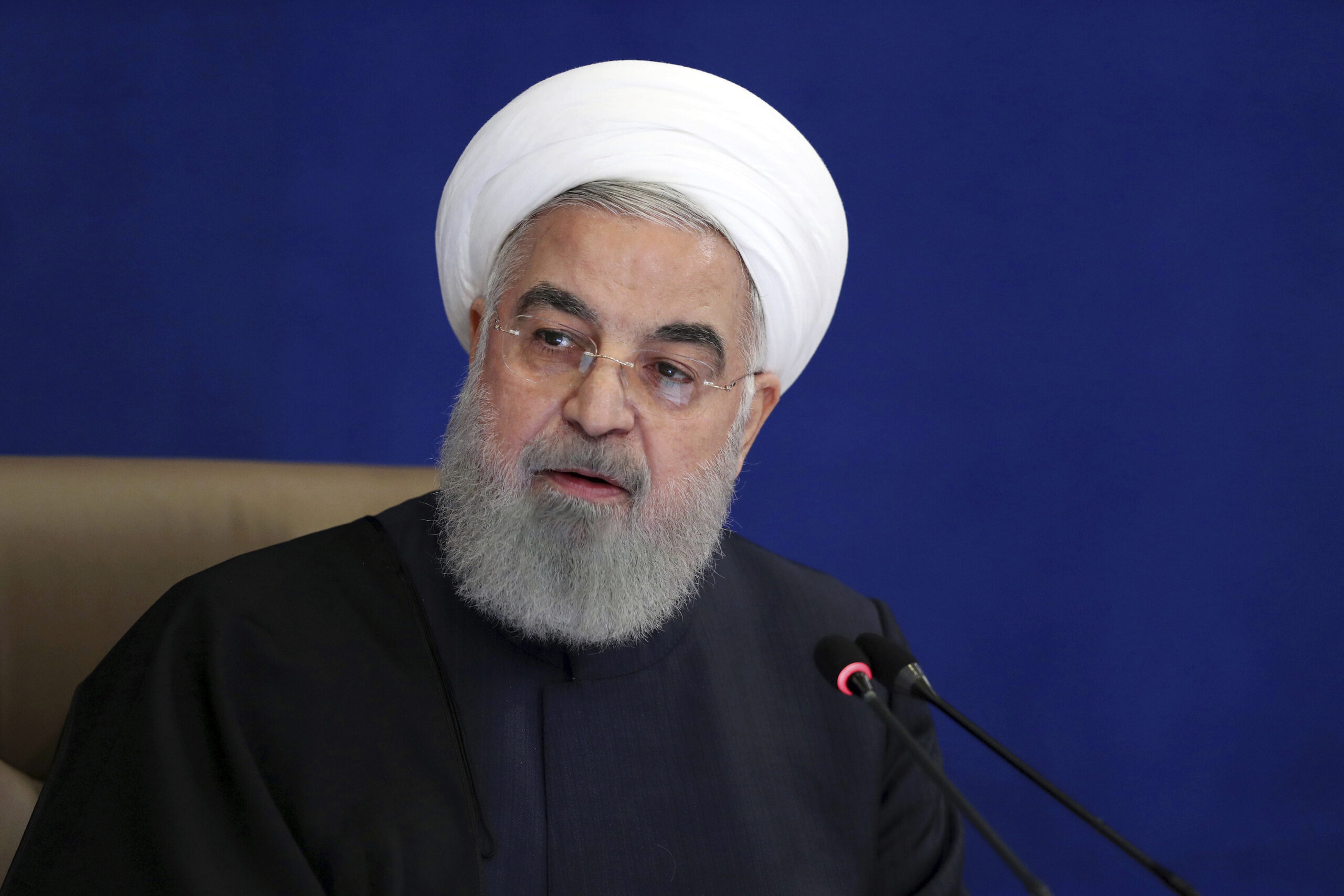
President Hassan Rouhani speaks during a meeting in Tehran, Iran, December 9, 2020. (Iranian Presidency Office via AP, File)
In a January 24 open letter, former Iranian President Hassan Rouhani disclosed that the Guardian Council, Iran’s candidate-vetting body, had disqualified him from defending his seat in the March 1 elections to the Assembly of Experts. The 88-member body is constitutionally mandated with electing Iran’s head of state, the “leader of the revolution,” and it may well elect 84-year-old Supreme Leader Ayatollah Ali Khamenei’s successor during its next eight-year term. Facing irrelevance in the succession process due to the disqualification, Rouhani asked the Guardian Council, “Why don’t you share the reasons with the people?” But he knows better than to expect an answer. After all, Rouhani and his generation of Iranian leaders institutionalized election engineering as their preferred method of eliminating political rivals. Rouhani did not oppose such manipulation as long as he benefitted from it and is complaining only now that he finds himself victim of a system he helped create.
Poetic irony aside, the disqualification of Rouhani is likely to have three political consequences. First, it effectively removes Rouhani as a viable leadership candidate to succeed Khamenei. Second, by alienating Rouhani, the regime risks alienating Rouhani-aligned technocratic elites. Third, by disqualifying Rouhani, who has loyally served the regime in top positions, the regime in reality also disqualifies itself. After all, why would the regime allow an unqualified individual to serve as president for two consecutive terms, not to mention all the other key positions Rouhani has held since the 1979 revolution.
The disqualification of Rouhani only makes sense in the context of the ongoing factional struggle over leadership succession after Khamenei. Prior to his disqualification, pro-Rouhani daily Arman-e Melli warned of dark conspiracies against the former president, but it concluded an article by asking: “How is it possible to dump a yearslong representative of the leader of the Islamic Revolution to the Supreme National Security Council, someone who knows things, in the parking garage of politics?” It clearly was possible, and another pro-Rouhani outlet, Khabar Online, traced the “plot” against Rouhani to “Avenue Pasteur,” referencing the office of President Ebrahim Raisi, whose name is frequently mentioned as a potential successor to Khamenei. The disqualification effectively removes Rouhani as a viable leadership candidate and improves the chances of other leadership hopefuls, whoever they may be.
In his open letter to the Iranian public, Rouhani pledged continued loyalty to the Islamic Republic. However, Rouhani, as well as the technocratic elites who once rallied behind President Ali Akbar Hashemi Rafsanjani, and transferred their allegiance to Rouhani after Rafsanjani’s suspicious death in 2017, feel increasingly marginalized. Why should they remain loyal to a regime that does not represent them or secure their interests? Technocratic elites turning away from the regime would likely be a significant blow to the regime. After all, these technocrats kept the ship of Iran afloat during the revolution and eight years of war with Iraq, helped the country prosper and reconstruct after the war, and helped Iran weather increasingly harsh international sanctions. Can the Iranian regime afford to lose the support of this talent mass?
By disqualifying Rouhani, the regime in reality also disqualifies or loses legitimacy itself. Among the eight men who have served as presidents of the republic since 1979, only Khamenei made it to the position of leader of the revolution. The political destiny of the rest was less glorious. Abolhassan Banisadr was impeached and fled Iran to live in exile in France; and his successor, Mohammad-Ali Rajai, only served for 28 days in office before he was assassinated, albeit by the opposition, not the regime. Rafsanjani, who advocated for economic liberalization without political democratization, was increasingly marginalized since he left office in 1997, and the Guardian Council disqualified his bid to run for president in 2013. Former President Mohammad Khatami, who advocated for political freedoms, has been practically banned from Iran’s state television and radio since he left office in 2001. Populist former President Mahmoud Ahmadinejad long appeared to be Khamenei’s favorite, but after challenging the leader’s authority, he too was marginalized and saw his friends and allies imprisoned on political charges. What does it say about the Islamic Republic that almost all of its presidents since 1979 have been reduced by the regime to political untouchables and outcasts?
While no immediate threat to the regime’s survival, this gradual shrinking of the ruling elites and the less representative nature of the regime do not bode well for the Islamic Republic.
The views represented herein are the author's or speaker's own and do not necessarily reflect the views of AGSI, its staff, or its board of directors.
The flare up between Iran and Pakistan may have been snuffed out quickly, but the scars it left on the Pakistani and Iranian security establishments may affect ties going forward.
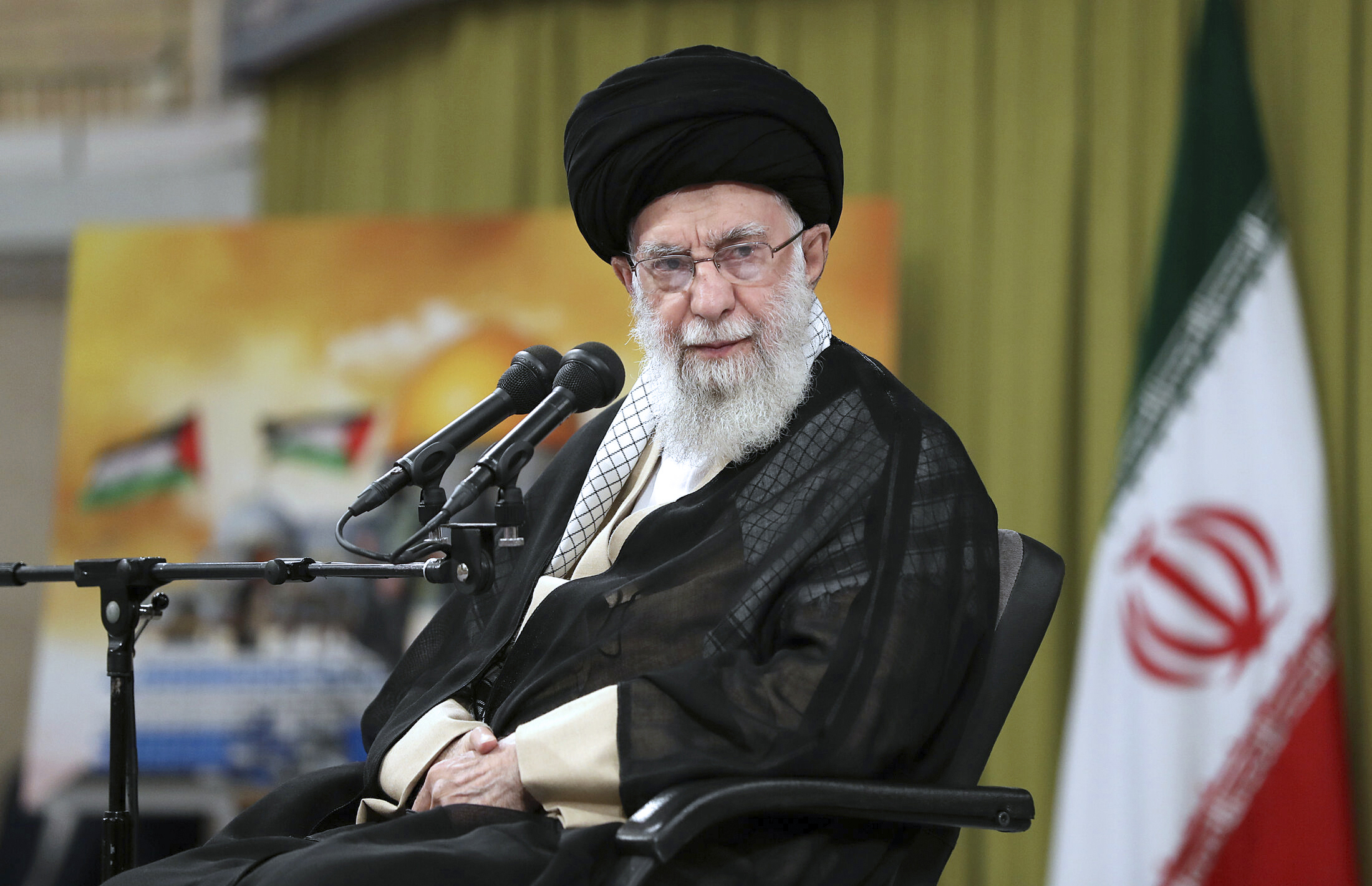
Supreme Leader Ayatollah Ali Khamenei presumably wants to choose his successor, but he cannot publicly name one without creating a rival undermining his own authority.
Quds Force chief Brigadier General Ismail Qaani is likely to be succeeded by his deputy, but the role Brigadier General Mohammad Reza Fallahzadeh currently plays in the organization remains obscure.
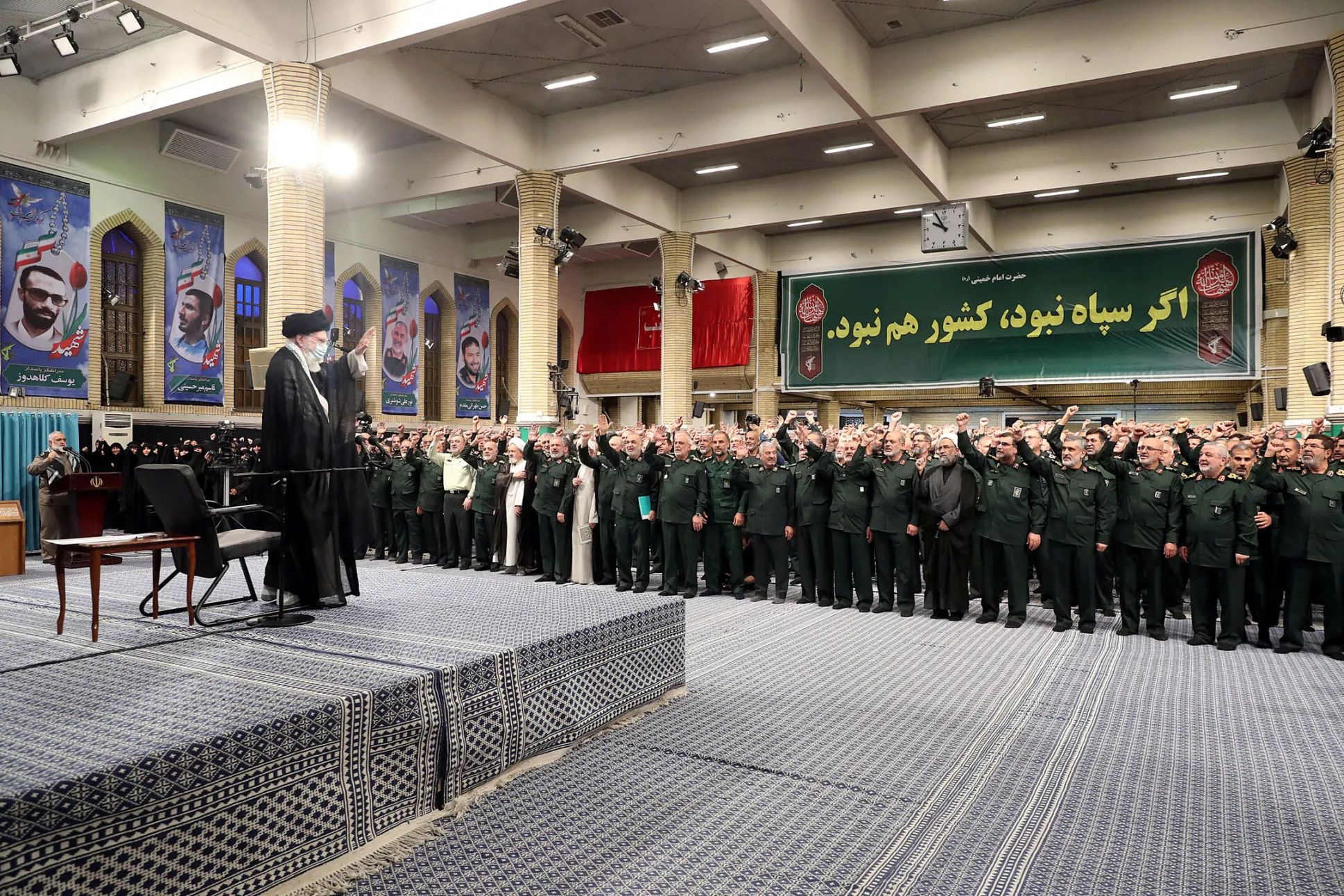
Iran may still call itself an Islamic Republic. In practice, however, it increasingly resembles a state in which the military governs from behind clerical robes.
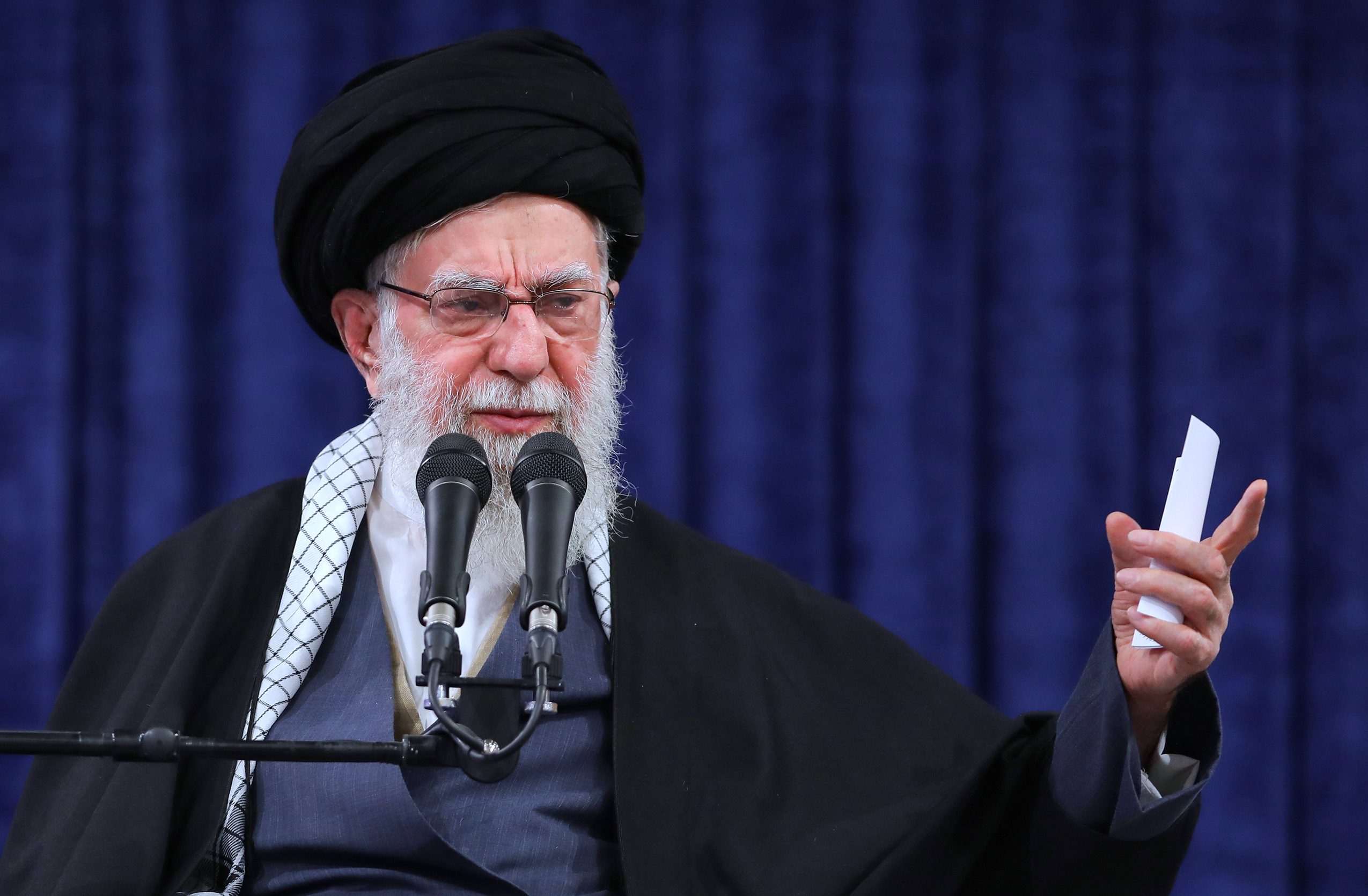
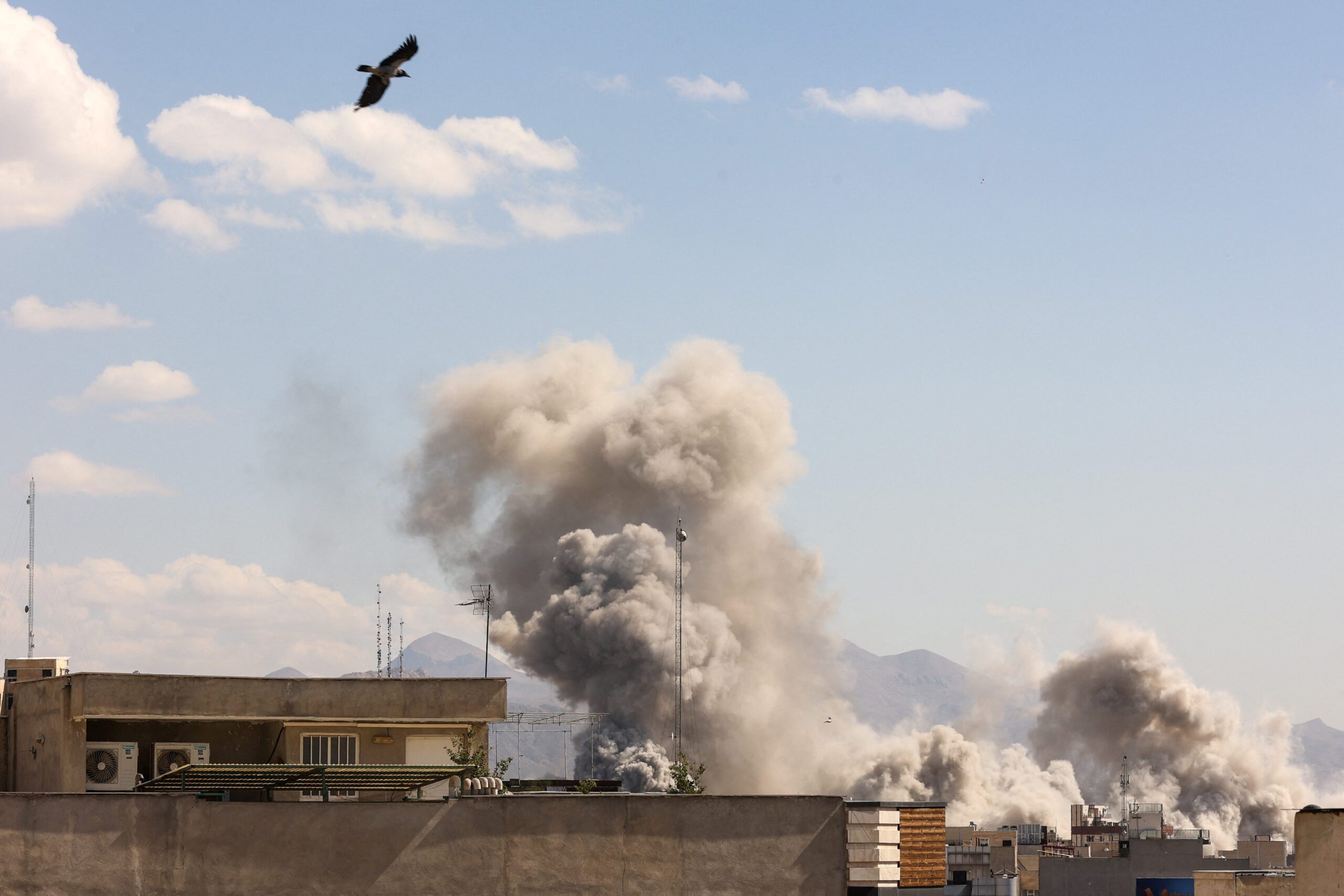
Ayatollah Ali Khamenei was killed in his office in Tehran at age 86, leaving behind a country in ruins and on the verge of civil war and potential disintegration.
Iran is signaling that it will not absorb attacks passively. But whether this strategy ensures the regime’s survival, seals its fate, or accelerates a broader catastrophe will shape the region for years to come.
The erosion of the regime’s legitimacy across broad segments of society, combined with the breadth of the 2025-26 protest coalition, raises the possibility that a new confrontation could trigger renewed anti-regime mobilization.
On January 8, AGSI hosted a virtual roundtable with its leadership and scholars as they look ahead and assess trends likely to shape the Gulf region and U.S. foreign policy during the coming year.