Apr 11, 2023
Iran: Detente With Arab States, Discord With Azerbaijan
The April 11 edition of the Iran Media Review examines comments by Iranian officials on the deterioration of Iranian-Azerbaijani ties.

While Iran appears to be managing its rivalry with the Sunni Arab states, its relations with Shia Azerbaijan are fast deteriorating. Shargh Daily identifies a single explanatory factor for this downturn: an Israeli conspiracy. The reality, however, is more complex. Azerbaijan’s rise as an economic and military power, Armenia’s weakened position, and Russia’s entanglement in the Ukraine war have all contributed to increased tensions in the Caucasus.
- April 3: Under the headline “The Destructive Role of Tel Aviv in Baku-Tehran Relations,” Shargh provided a chronology of diplomatic developments and the general deterioration of relations between Iran and Azerbaijan:
- Israeli Prime Minister Benjamin Netanyahu’s concerns peaked amid “the agreement between Tehran and Riyadh, along with the continued crisis in Israel, which is why he is concentrating his foreign policy on the Islamic Republic of Iran, which in turn challenges Tehran’s diplomatic efforts … This is particularly true of relations with the Republic of Azerbaijan.”
- While “inaugurating the Embassy of the Republic of Azerbaijan” in Tel Aviv, “the Israeli foreign minister overtly said: ‘I discussed establishing a unified front against Iran with the foreign minister of Azerbaijan.’ Nasser Kanani, the Foreign Ministry spokesman, on March 31 demanded an explanation from the government of Azerbaijan and condemned the evil intentions of the Zionist regime to transform the territory of the Republic of Azerbaijan into a national security threat to the Islamic Republic of Iran.”
- “Tensions created by Baku against Iran in recent days provoked reactions not only from the Ministry of Foreign Affairs but also from military commanders.” Brigadier General “Kioumars Heydari, chief of the Islamic Republic of Iran army, said: ‘In the Caucasus, we are facing several very sensitive issues, one of which is the presence of elements of the Zionist regime … This is intolerable for Iran, and we will counter it.’ Heydari also said that terrorists from Syria who served as mercenaries for the government of Azerbaijan in the war against Armenia are still present in the Caucasus region … and warned that Iran will not allow anyone to change the existing borders in the region.”
- Shargh concluded: “Tehran can no longer remain an impartial spectator regarding the Republic of Azerbaijan. Tehran’s initiatives do not necessarily indicate increased tensions or the possibility of war with Baku. But the Islamic Republic of Iran, while respecting all its neighbors, must also warn them that it does not take its national interests lightly.”
The views represented herein are the author's or speaker's own and do not necessarily reflect the views of AGSI, its staff, or its board of directors.
Related
Iran Media Review
Aug 21, 2026
Qalibaf and Pezeshkian at Odds With the IRGC?
The August 21 edition of the Iran Media Review examines arguments from Iranian leaders for ending the war with the United States through negotiations rather than escalating.
Iran Media Review
Aug 18, 2026
Qalibaf: The Strait of Hormuz Will Not Reopen
The August 18 edition of the Iran Media Review highlights a speech by Iran’s parliamentary speaker pledging not to reopen the Strait of Hormuz until the United States fulfills the conditions of the Islamabad memorandum of understanding.
Iran Media Review
Aug 14, 2026
Iran Has No Intention of Relinquishing the Strait of Hormuz
The August 14 edition of the Iran Media Review considers remarks made by the new Supreme National Security Council secretary on his first day in office.
Aug 21, 2026
Qalibaf and Pezeshkian at Odds With the IRGC?
The August 21 edition of the Iran Media Review examines arguments from Iranian leaders for ending the war with the United States through negotiations rather than escalating.
Aug 18, 2026
Qalibaf: The Strait of Hormuz Will Not Reopen
The August 18 edition of the Iran Media Review highlights a speech by Iran’s parliamentary speaker pledging not to reopen the Strait of Hormuz until the United States fulfills the conditions of the Islamabad memorandum of understanding.
Aug 14, 2026
Iran Has No Intention of Relinquishing the Strait of Hormuz
The August 14 edition of the Iran Media Review considers remarks made by the new Supreme National Security Council secretary on his first day in office.
Analysis
The Islamic Republic Returns to Offense
After U.S.-Israeli strikes killed Supreme Leader Ayatollah Ali Khamenei on February 28, Iran’s collective leadership has concluded that the best defense is a good offense.
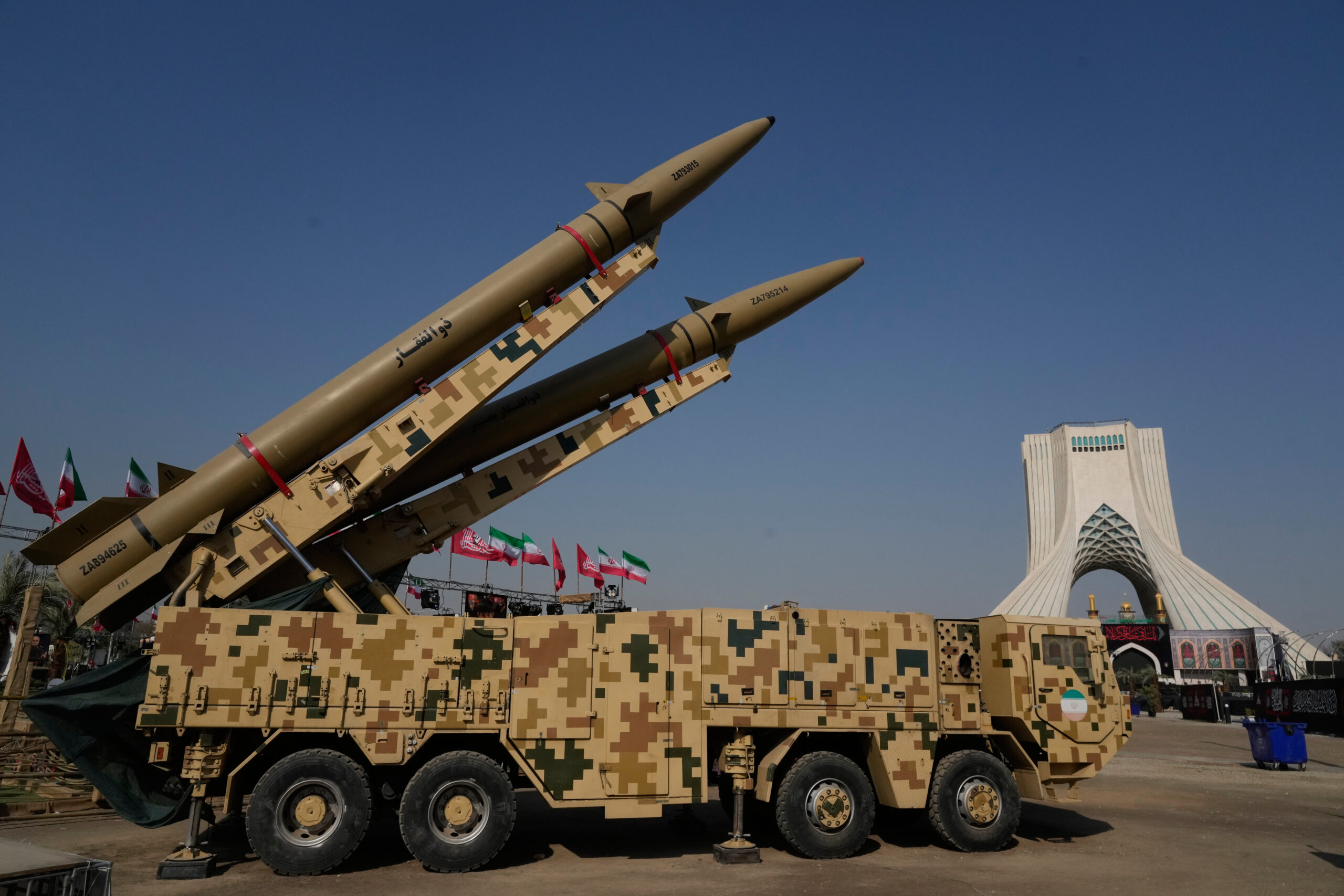
Iran’s Collective Strategic Decision Making
Wartime pressure has temporarily aligned the leadership’s overriding interest in regime survival, even as its members continue to differ over the costs, methods, and ultimate objectives of the war.
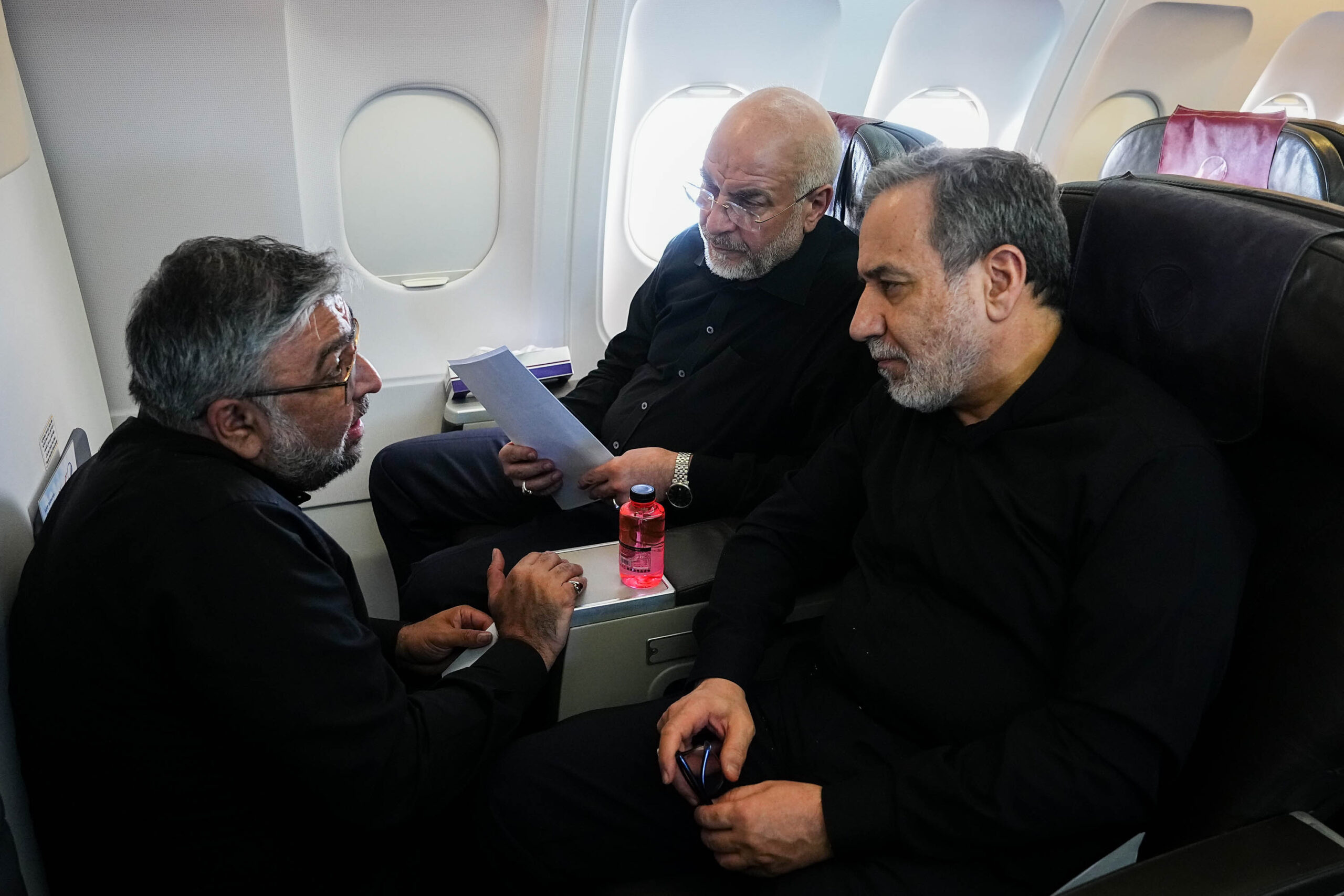
The Islamic Republic’s Collective Leadership
While there is historical precedent for collective leadership in Iran, today’s leadership includes representatives of the IRGC and regular military – a reflection of the IRGC’s expanding role and the necessities of governing under wartime conditions.
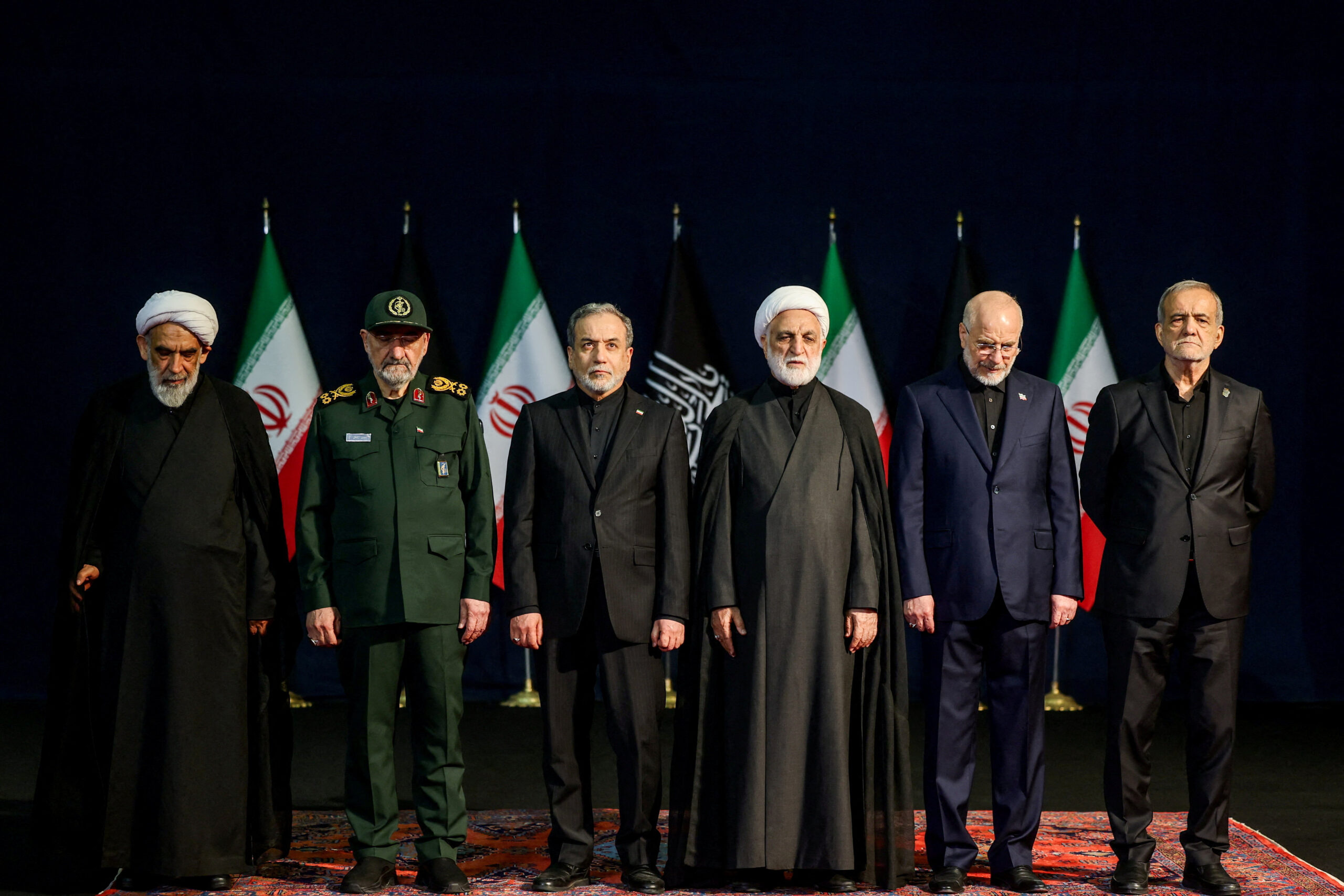
How Did the IRGC Seize Power in Iran?
The IRGC did not seize power in a single stroke. It accumulated it – patiently, methodically – until no counterweight remained.
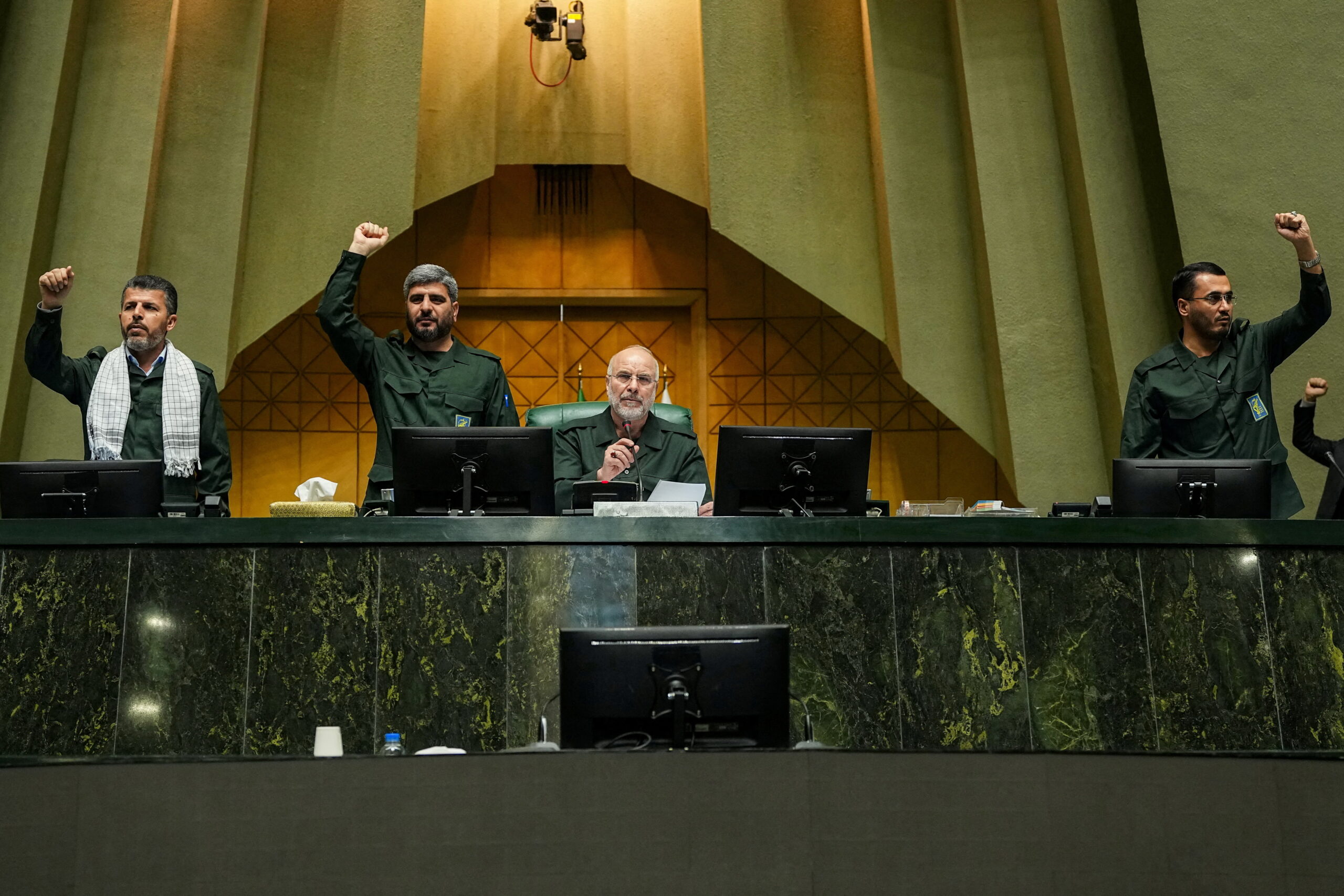
Events
Book Talk: Iran and the Bomb: The United States, Iran and the Nuclear Question
On June 16, AGSI hosted a discussion on the evolution of Iran's nuclear program.

Speakers


Apr 21, 2026
Inside Iran’s Wartime Leadership: Power, Succession, and Regime Stability
On April 21, AGSI hosted a discussion on the evolution of Iran's leadership during the war.

Speakers

Mar 18, 2026
In Its Conflict With the United States and Israel, Does Escalation Favor Iran?
On March 18, AGSI hosted a discussion on the escalation of the Iran war.
Speakers


Mar 2, 2026
After the Shock: Implications of the U.S.–Israeli Strikes and Iran’s Leadership Transition
On March 2, AGSI hosted a discussion on the U.S.-Israeli strikes on Iran.
Speakers