Jun 14, 2024
First Televised Interviews of Iran’s Presidential Candidates
Four of the six candidates for Iran’s June 28 presidential election recently took the opportunity to address voters on television. Former nuclear negotiator Saeed Jalili gave the public a confusing flow of words, and reformist former Health Minister Masoud Pezeshkian’s remarks were a lecture on management theory. Parliamentary Speaker Mohammad-Bagher Qalibaf emphasized his track record,...
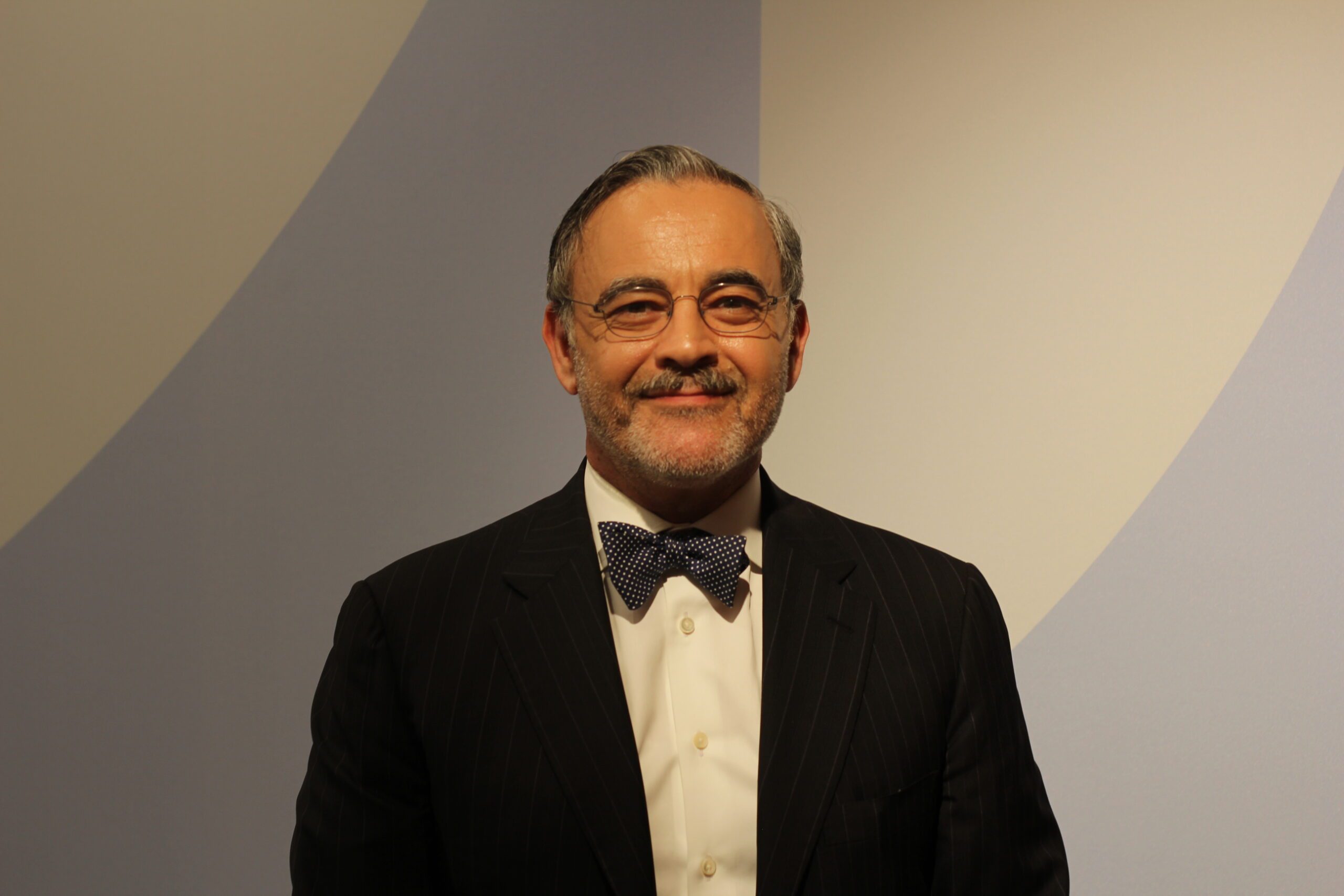
Four of the six candidates for Iran’s June 28 presidential election recently took the opportunity to address voters on television. Former nuclear negotiator Saeed Jalili gave the public a confusing flow of words, and reformist former Health Minister Masoud Pezeshkian’s remarks were a lecture on management theory. Parliamentary Speaker Mohammad-Bagher Qalibaf emphasized his track record, criticized other candidates’ lack of executive experience, including Jalili, who he did not mention by name, and promised to improve the economic conditions of the average Iranian. Parliamentarian Amir-Hossein Ghazizadeh Hashemi’s focus was the fight against “economic corruption,” which can be interpreted as an indirect attack against Qalibaf.
- June 11: Centrist Iranian Students’ News Agency released a summary of Jalili’s televised address broadcast on the Voice and Vision of the Islamic Republic June 11. Jalili criticized unnamed rivals for “having too many political priorities, which means they have no real political priority,” but he failed to mention what his own priorities are, with the exception of the need for “budget discipline,” which he appeared to confuse with proper management of oil and gas resources.
- June 11: Islamic Revolutionary Guard Corps mouthpiece Mashregh News released footage of the first televised interviews of three qualified presidential candidates, which were broadcast by the Voice and Vision of the Islamic Republic June 10:
- Qalibaf, who chose to be interviewed by an anchor, took part in a 45-minute conversation:
- On his own track record and qualifications, Qalibaf said: “We started from scratch, in the lowest positions as front volunteers during the sacred defense,” referencing the Iran-Iraq War … “Our country was invaded, and we volunteered from different corners of Iran. We didn’t know each other and had limited knowledge of military affairs. We learned due to the necessities of the time … That is how we learned management … and before the forces became organized, it was the fighters themselves who elected their commanders based on merit … Then, I served as a commander.”
- Asked about his managerial skills, Qalibaf talked about his 12-year tenure as the mayor of Tehran and his tenure as IRGC Aerospace Force chief, under which Iran’s missile program expanded: “We reached out to talented young people at the universities and recruited brilliant minds who were not even members of the armed forces … They transformed Iran into one of the largest missile powers in the world.” Looking back at his tenure as Law Enforcement Forces chief, Qalibaf said: “One must follow with the times, and I did so by attracting young talents to the force and by utilizing modern technology.” In an implicit criticism of the morality police’s role in the killing of Mahsa Amini, Qalibaf emphasized that as Law Enforcement Forces chief, rather than increasing the presence of the police on the street, he managed to “gain the trust of the people, so they would report crime instead of us using precious human resources patrolling the streets and causing problems, which I do not want to discuss further here.”
- Regarding political priorities, Qalibaf said: “There must be short-term initiatives to improve the economic conditions of the people … and we must also attend to water shortage issues in different places of the country.” However, Qalibaf also said economic development is the solution to solving Iran’s problems: “The only lasting solution to our problems is economic development. We simply need to increase the size of the cake of Iran’s economy.”
- In an indirect criticism of Jalili, Qalibaf criticized “people with no track record of executive responsibility … Their slogans are meaningless … The dear people watching us on television should think about our track records. Someone may deliver a well-received speech every once in a while, but what is their track record?”
- Pezeshkian’s first television appearance since being qualified by the Guardian Council was an interview broadcast on Channel One. Pezeshkian delivered a lecture on modern management that was likely incomprehensible to most viewers.
- Hashemi’s address was a 20-minute speech in which he pledged to “continue the path of President Ebrahim Raisi”:
- In an indirect attack against Qalibaf, Hashemi criticized the system’s “tolerance toward economic corruption” and “those who reach high offices through money, their parentage, and networks.” He also criticized the concentration of wealth in Tehran and pledged to spend government money in the periphery regions of Iran.
- Hashemi promised to organize elections for different levels of government administration, similar to how villagers elect the village head, instead of the central government appointing local officials.
- Turning to economic activities in society, he said: “There is no need to have state-owned businesses and companies, not even in the field of oil and gas. All companies must be owned by the people, and the people must benefit from the profits of those companies.” He also carefully criticized the presence of “foreign workers in Iran,” who take “employment opportunities away from our youth.”
- Qalibaf, who chose to be interviewed by an anchor, took part in a 45-minute conversation:
The views represented herein are the author's or speaker's own and do not necessarily reflect the views of AGSI, its staff, or its board of directors.
Related
Iran Media Review
Mar 10, 2026
New Leader, Old Policy
The March 10 edition of the Iran Media Review analyzes Iranian messaging after the election of a new supreme leader.
Iran Media Review
Mar 6, 2026
Tehran Warns Iraq’s Kurdistan Regional Government
The March 6 edition of the Iran Media Review highlights an Iranian military official’s warning to the Kurdistan Regional Government to stay out of the escalating U.S.-Israeli conflict with Iran.
Iran Media Review
Mar 3, 2026
War Abroad, Civil War at Home?
The March 3 edition of the Iran Media Review examines Iranian messaging following the death of the supreme leader and amid ongoing U.S. and Israeli bombardment.
Mar 10, 2026
New Leader, Old Policy
The March 10 edition of the Iran Media Review analyzes Iranian messaging after the election of a new supreme leader.
Mar 6, 2026
Tehran Warns Iraq’s Kurdistan Regional Government
The March 6 edition of the Iran Media Review highlights an Iranian military official’s warning to the Kurdistan Regional Government to stay out of the escalating U.S.-Israeli conflict with Iran.
Mar 3, 2026
War Abroad, Civil War at Home?
The March 3 edition of the Iran Media Review examines Iranian messaging following the death of the supreme leader and amid ongoing U.S. and Israeli bombardment.
Analysis
Under Mojtaba, the IRGC Will Reign Supreme
Iran may still call itself an Islamic Republic. In practice, however, it increasingly resembles a state in which the military governs from behind clerical robes.
Political Life and Legacy of Iran’s Ayatollah Khamenei
Ayatollah Ali Khamenei was killed in his office in Tehran at age 86, leaving behind a country in ruins and on the verge of civil war and potential disintegration.
Iranian Regime Fighting for Survival
Iran is signaling that it will not absorb attacks passively. But whether this strategy ensures the regime’s survival, seals its fate, or accelerates a broader catastrophe will shape the region for years to come.
Iran’s 2025-26 Protests in Perspective
The erosion of the regime’s legitimacy across broad segments of society, combined with the breadth of the 2025-26 protest coalition, raises the possibility that a new confrontation could trigger renewed anti-regime mobilization.
Events
Mar 2, 2026
After the Shock: Implications of the U.S.–Israeli Strikes and Iran’s Leadership Transition
On March 2, AGSI hosted a discussion on the U.S.-Israeli strikes on Iran.
Speakers



Jan 8, 2026
Outlook 2026: Prospects and Priorities for U.S.-Gulf Relations in the Year Ahead
On January 8, AGSI hosted a virtual roundtable with its leadership and scholars as they look ahead and assess trends likely to shape the Gulf region and U.S. foreign policy during the coming year.
Speakers
Sep 16, 2025
Book Talk: Iran’s Grand Strategy: A Political History
On September 16, AGSI hosted a discussion on the roots of Iran's strategic outlook.
Speakers
Jun 23, 2025
U.S. Strike on Iran: Regional and Diplomatic Fallout
On June 23, AGSI hosted a discussion on the United States' attack on Iranian nuclear sites.
Speakers
