"*" indicates required fields

This field is for validation purposes and should be left unchanged.

Subscribe

By subscribing you agree to our Privacy Policy

Subscription Settings
Analysis

Everything at Once: Transformation of Abu Dhabi’s Oil Policy

Abu Dhabi traditionally managed its oil and gas resources cautiously and conserved hydrocarbon wealth for future generations, but the energy transition is reshaping its strategy.

Ben Cahill

1 min read

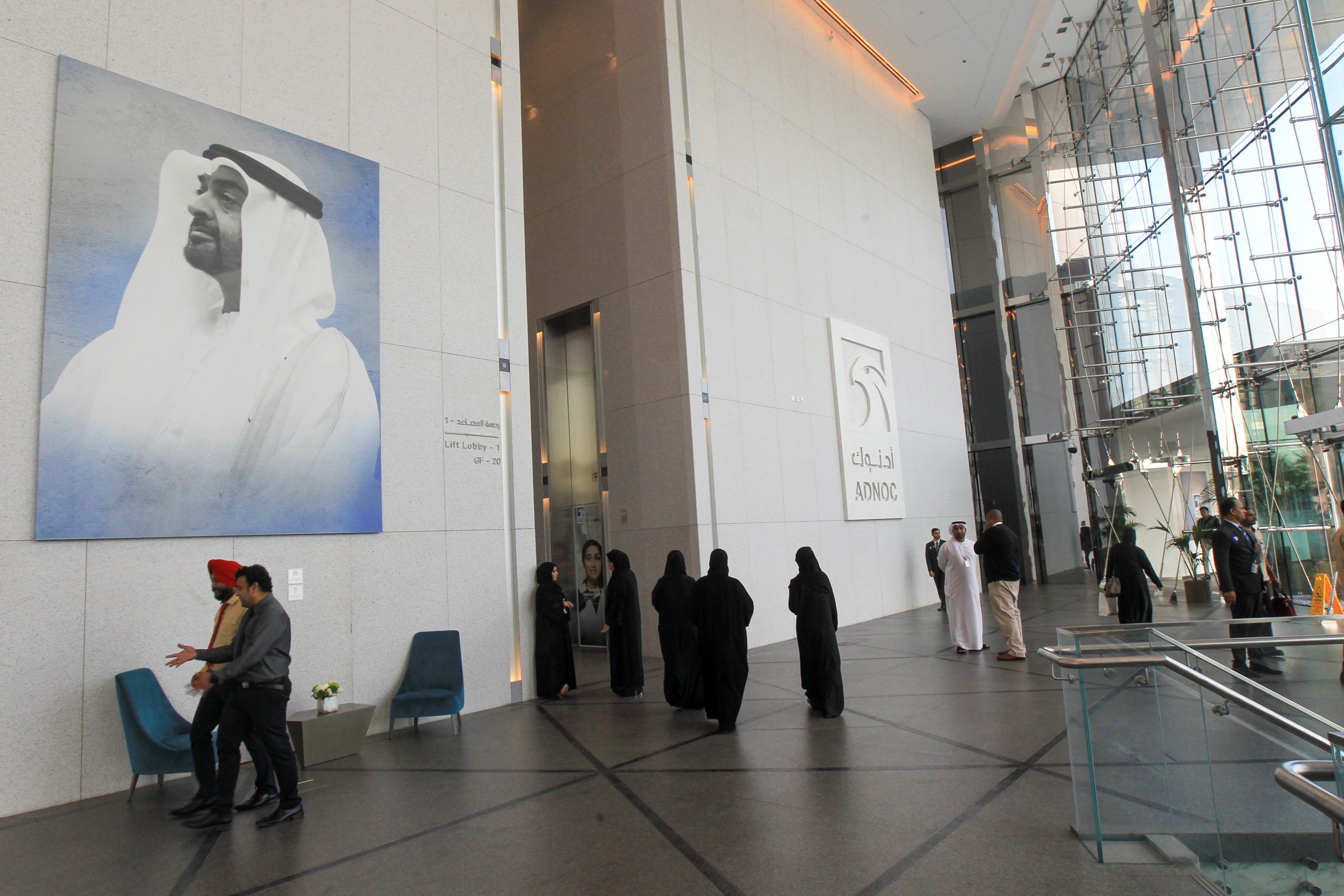
'ADNOC headquarters in Abu Dhabi, UAE December 10, 2019 (REUTERS/Satish Kumar)'

Executive Summary

Under Crown Prince Mohammed bin Zayed al-Nahyan, Abu Dhabi has made a fundamental shift in oil policy since 2016. Abu Dhabi traditionally managed its oil and gas resources cautiously and conserved hydrocarbon wealth for future generations, but the energy transition is reshaping its strategy. The Abu Dhabi National Oil Company has restructured its major onshore and offshore concessions, launched two bid rounds to license much of its acreage, and partly privatized elements of its downstream, midstream, and drilling segments. It plans to raise oil production capacity from 4.2 million barrels per day to 5 mb/d by 2030, and it has launched a new futures contract for its Murban crude. The United Arab Emirates’ growth agenda is at odds with continued production restraint, and there are important implications for OPEC.

Read full paper

The views represented herein are the author's or speaker's own and do not necessarily reflect the views of AGSI, its staff, or its board of directors.

Ben Cahill

Non-Resident Fellow, AGSI; Director, Energy Markets and Policy, Center for Energy and Environmental Systems Analysis, University of Texas at Austin

Analysis

Gulf Oil Exporters to Build Storage in Asia

Gulf national oil companies are looking to increase stockpiles in Asia to meet customer needs, address their energy security concerns, and enable a nimbler response to unexpected market disruptions.

Ben Cahill

9 min read

A Glimpse of UAE Oil Export Plans

A brief reopening of oil exports in June suggested the path ahead for the United Arab Emirates.

Ben Cahill

7 min read

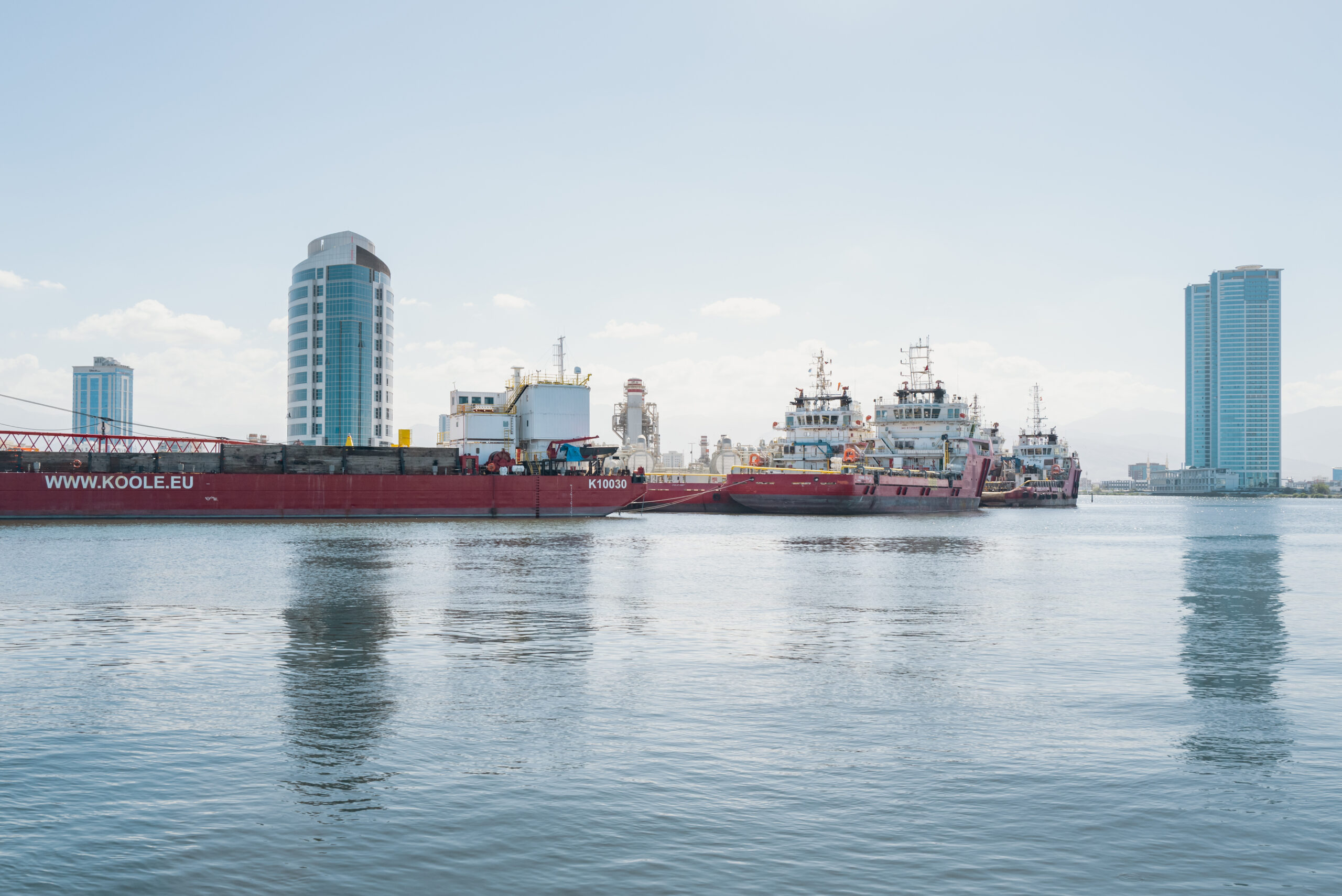
Bulk carriers anchored at the port on March 28, in Ras Al-Khaimah, United Arab Emirates. (Credit Image: © Elke Scholiers/ZUMA Press Wire)

Gulf Exporters Monitor Impact of Russian Oil Sanctions

A decision by President Trump to bring the hammer down on Rosneft and Lukoil could be just what the doctor ordered for Gulf oil exporters.

Ben Cahill

9 min read

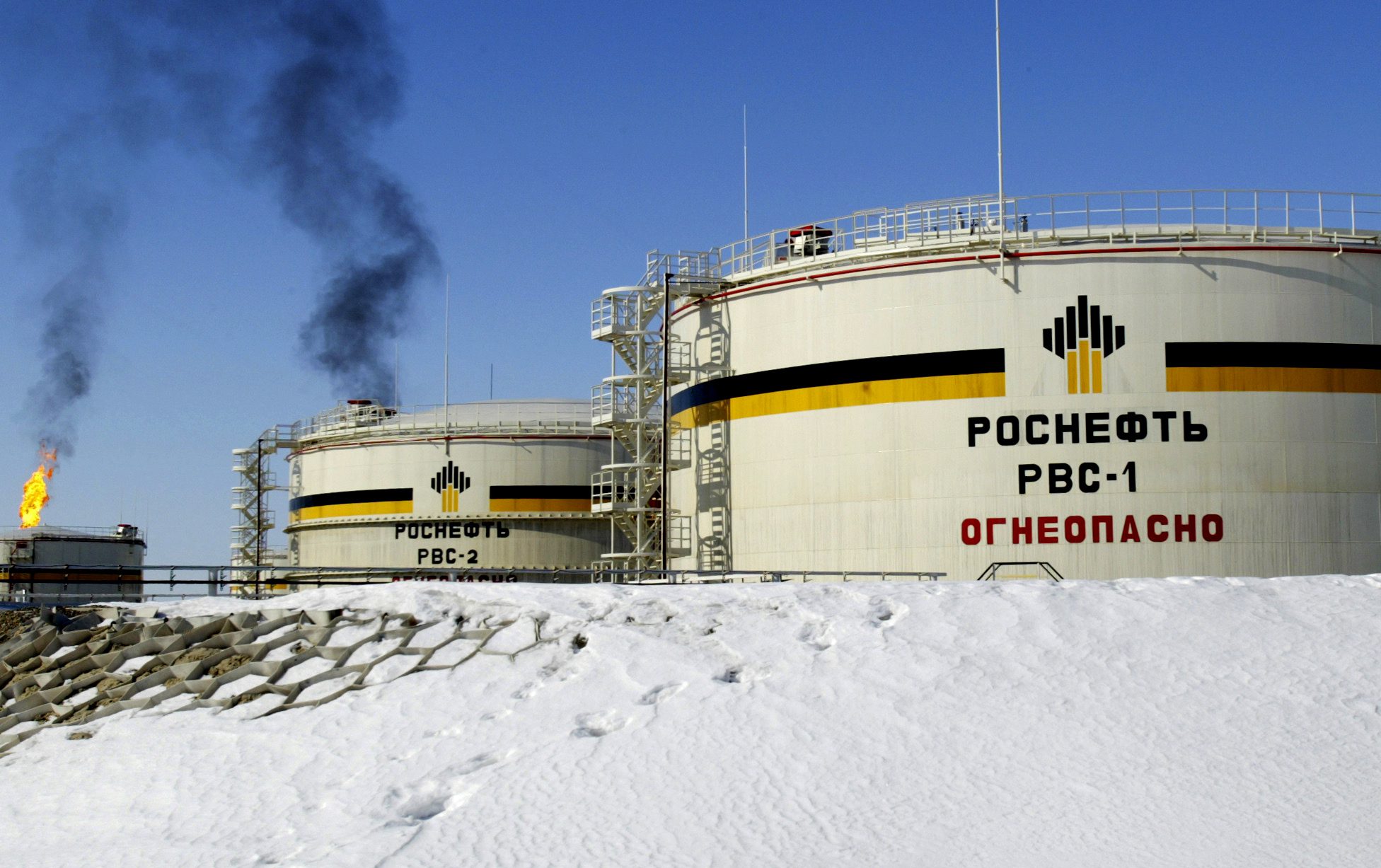
A view of reservoirs of Russian state-controlled oil giant OAO Rosneft, at Priobskoye oil field near Nefteyugansk, in western Siberia, Russia, April 5, 2006. (AP Photo/Misha Japaridze, File)

OPEC+ Tests the Shale Sector

OPEC+ producers are increasing output in the face of a global economic downtown. This will be a major test for non-OPEC producers, but OPEC+ seems confident that time is on its side.

Ben Cahill

9 min read

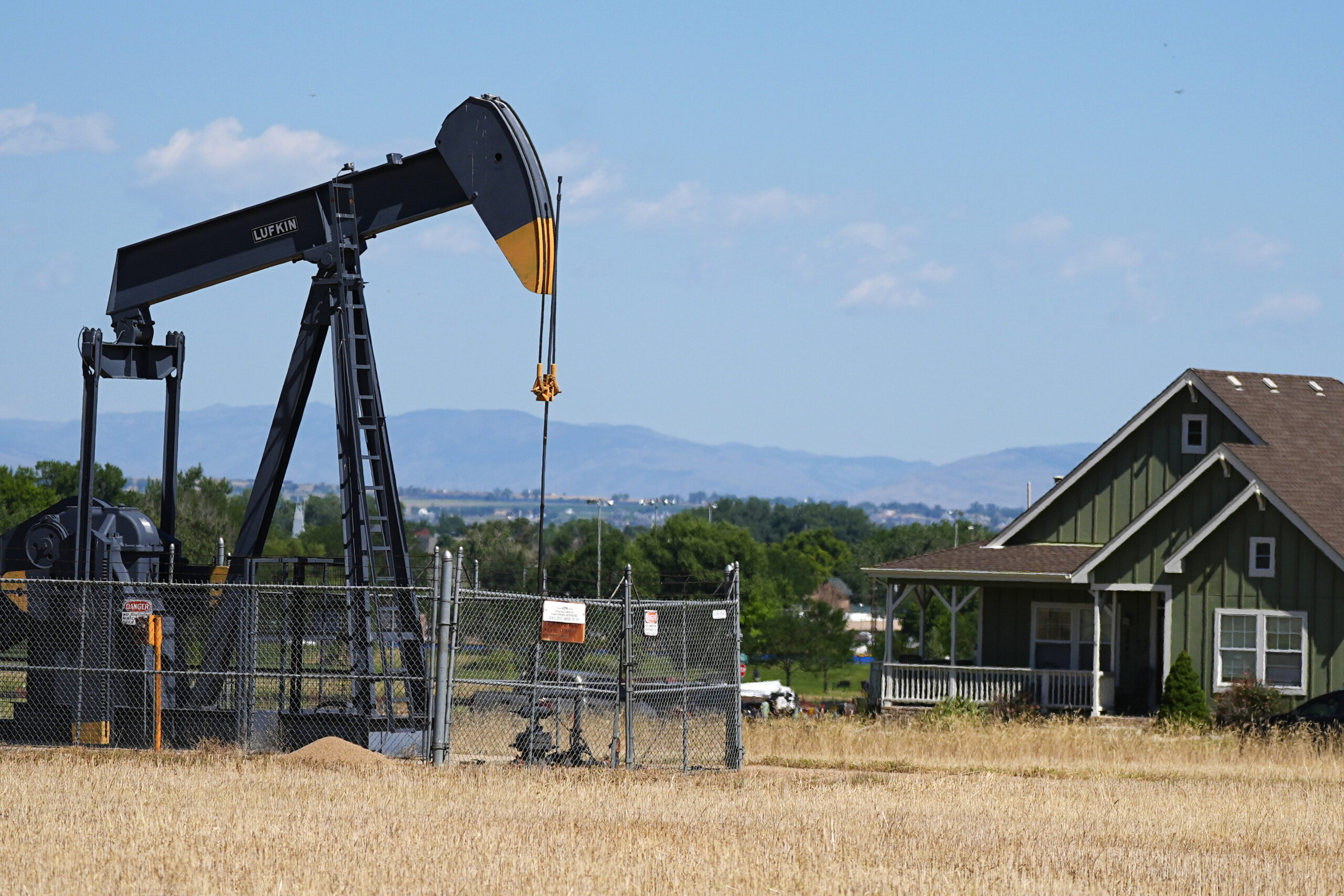
A pumpjack works on a pad near a housing development in Dacono, Colorado, July 4, 2024. (AP Photo/David Zalubowski, File)
View All

Events

Sep 9, 2026

Preparing for the Gulf’s Economic Infrastructure Buildout

On September 9, AGSI hosted a discussion on Gulf infrastructure development post-Iran war.

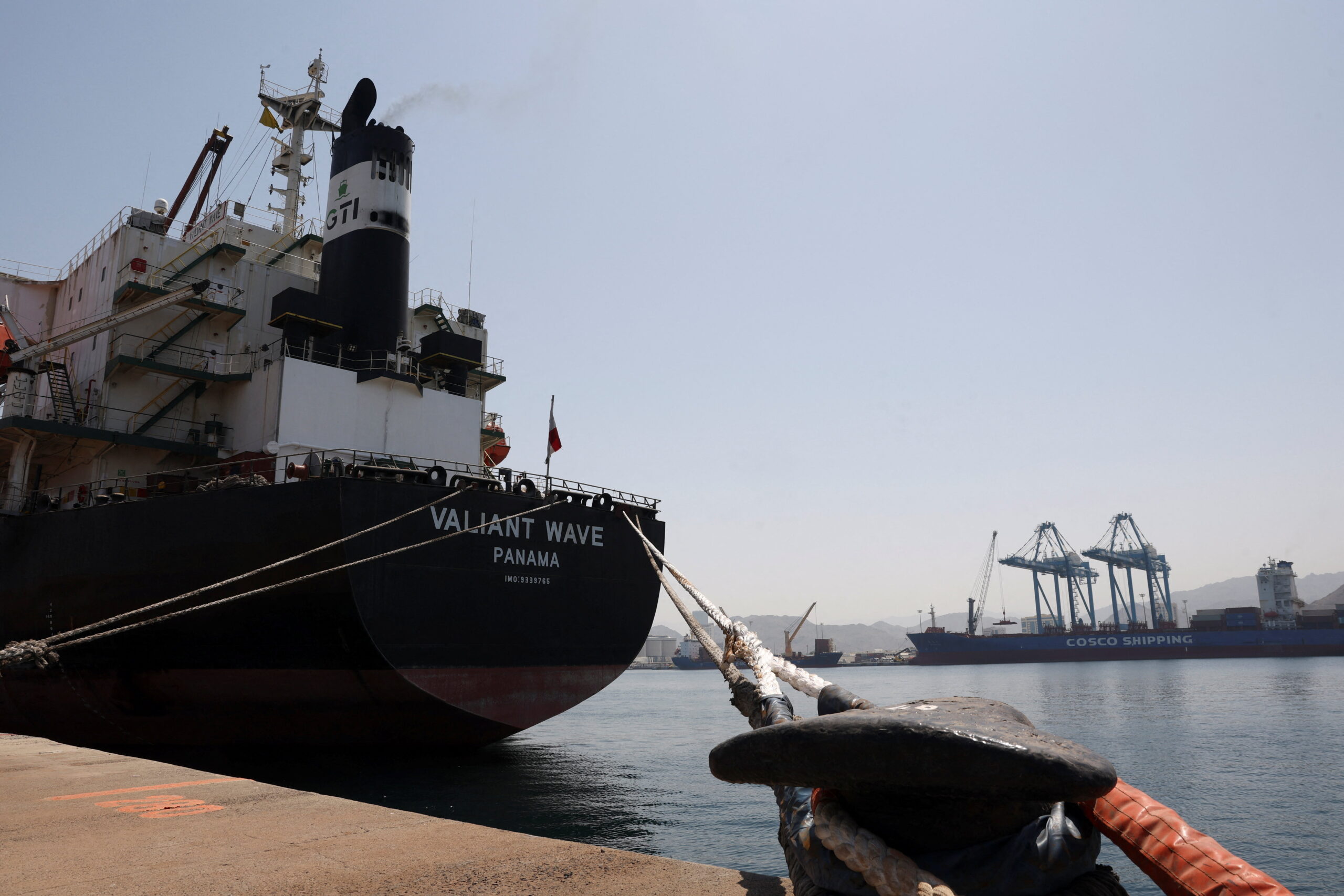
A bulk carrier docked at the Port of Fujairah, as the U.S.-Israel conflict with Iran limits marine traffic in the Strait of Hormuz, in Fujairah, United Arab Emirates, May 6. (REUTERS/Amr Alfiky)
A bulk carrier docked at the Port of Fujairah, as the U.S.-Israel conflict with Iran limits marine traffic in the Strait of Hormuz, in Fujairah, United Arab Emirates, May 6, 2026. (REUTERS/Amr Alfiky)

Sep 15, 2022

China-Gulf Initiative: Evolving Chinese Demand for Gulf Energy and Geopolitical Implications

On September 15, as part of the China-Gulf Initiative, AGSIW hosted a discussion examining energy relations between China and the Gulf states.

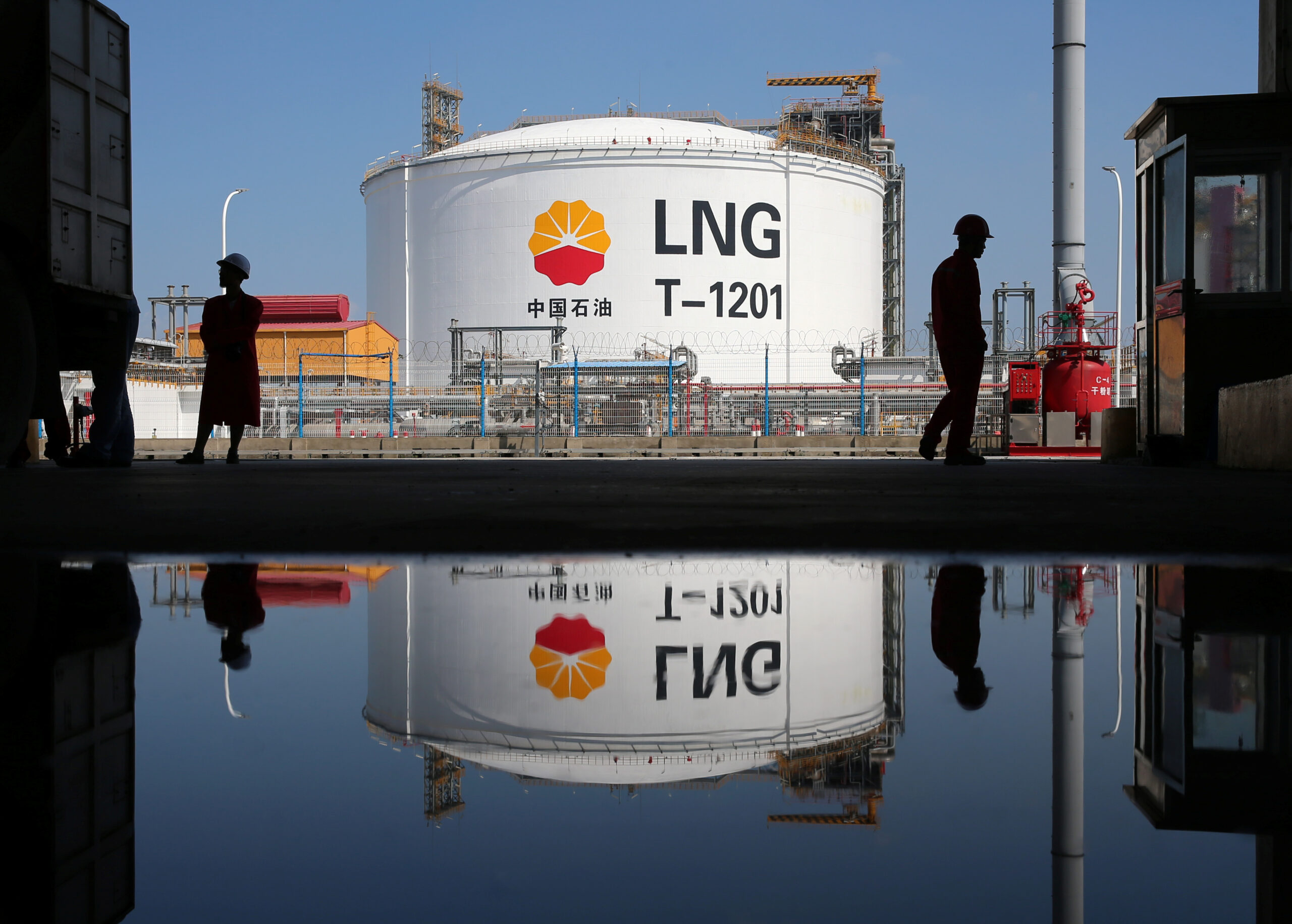
A liquefied natural gas storage tank and workers are reflected in a puddle at PetroChina's receiving terminal at Rudong port in Nantong, Jiangsu province, China September 4, 2018. (REUTERS/Stringer)

Jul 8, 2021

The Future of OPEC+ and Saudi-UAE Relations 

On July 8, AGSIW hosted a private briefing on the developing OPEC+ dispute and the repercussions for the future of the alliance as well as Saudi-UAE relations.
Saudi Energy Minister Prince Abdulaziz bin Salman, center, and Emirati Energy Minister Suhail Mohamed Faraj al-Mazrouei, right, walk through an energy exhibition in Abu Dhabi, United Arab Emirates, Sept. 9, 2019. (AP Photo/Jon Gambrell)

Apr 14, 2021

The Transformation of Abu Dhabi’s Oil Industry

Ben Cahill discussed the fundamental shift in Abu Dhabi's oil policy since 2016.

The Panorama Digital Command Center at ADNOC's headquarters in Abu Dhabi, United Arab Emirates, May 12, 2018 (REUTERS/Satish Kumar)
View All