Regardless of who becomes Iran’s next president or who succeeds Khamenei as head of state, there is little prospect for significant change in Iran's foreign and security policy.
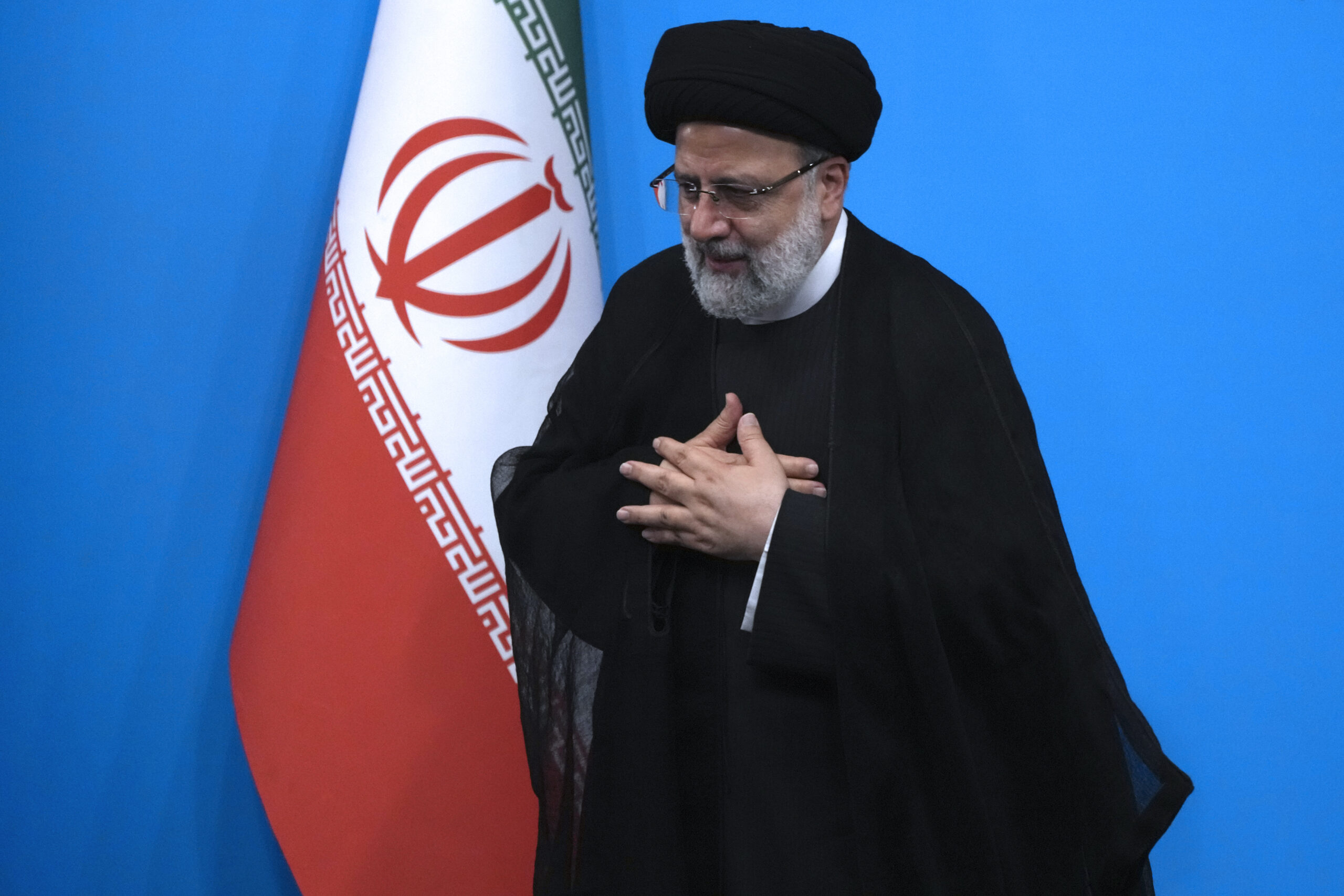
In this Aug. 29, 2023, file photo, Iranian President Ebrahim Raisi places his hands on his heart as a gesture of respect as he leaves after the conclusion of a news conference in Tehran, Iran. (AP Photo/Vahid Salemi, File)
The crash of a helicopter carrying Iranian President Ebrahim Raisi and other officials in the mountainous East Azerbaijan province on May 19 also brought down the regime’s plans for leadership succession after Supreme Leader Ayatollah Ali Khamenei. What is the impact of Raisi’s death on Iran’s domestic politics, succession dynamics, and external posture?
Addressing a gathering of Islamic Revolutionary Guard Corps officers and their families, Khamenei urged the public “not to be concerned or anxious” and assured them there would be “no disruption in the work of government.” Iran’s state-censored media has since broadcast footage and released photos of Vice President Mohammad Mokhber presiding over a Cabinet meeting, which indicates the regime is operating according to constitutional guidelines: Article 131 of the Constitution of the Islamic Republic stipulates that in case of death of the president, the vice president, with the supreme leader’s approval, assumes the powers and functions of the president. The constitutional article further stipulates that a council composed of the vice president, parliamentary speaker (currently Mohammad-Bagher Qalibaf), and judiciary chief (currently Gholam-Hossein Mohseni Ejei) must arrange for a new president to be elected within 50 days.
Khamenei’s insistence on an orderly process provides a window of opportunity to political soldiers of fortune who will try to fill the vacuum after Raisi: Qalibaf, who ran for president and lost in 2005, 2013, and 2017, may well try one more time. Ali Larijani, who was defeated in the 2005 presidential election and disqualified by the Guardian Council when he tried to run for president in 2021, may also run one more time in an attempt to reverse the political misfortunes of the Larijani family. Former Presidents Mahmoud Ahmadinejad and Hassan Rouhani too are potential candidates, despite the former being treated as an outcast by the regime and the latter being disqualified by the Guardian Council and barred from running for the Assembly of Experts in the March 1 elections. Should they sense Khamenei has no real presidential candidate up his sleeves, they may try their luck by offering their services.
London-based Amwaj Media, which often boasts of near-exclusive access to Islamic Republic officials, perceives the crash as an opportunity for Khamenei to “upend Iranian politics” and allow for a competitive election encouraging high voter turnout. Khamenei, however, may just as well disqualify most, if not all, of these presidential hopefuls and search for another Raisi: a malleable yes-man, who executes the supreme leader’s will and can be blamed for the regime’s shortcomings.
These qualities also endeared Raisi to the officer corps of the IRGC, which most likely also supported him as a potential successor to Khamenei. Preying on the regime it was tasked with safeguarding, the IRGC prefers a weak successor – a puppet rather than a strong leader. Following Raisi’s death, the IRGC will look to find a similarly compliant successor.
One potential option is Hassan Khomeini, the grandson of the founder of the Islamic Republic, Grand Ayatollah Ruhollah Khomeini. The cleric made a point of stopping his lectures on Quran interpretation to pray for Raisi, and his supporters soon flooded social media with videos to raise his profile. Another option is the secretive Mojtaba Khamenei, son of the current supreme leader, who remains in the shadows, but baseless rumors on his alleged complicity in Raisi’s death are spreading across social media. As long as Khamenei is alive, it is unlikely that he would bring a Khomeini to power, but his own son too would be problematic due to likely and well-founded accusations of dynastic rule and a reminder of the monarchy of Shah Mohammad Reza Pahlavi. On the other hand, co-opted by the regime, the scholars at the Theological Seminary in Qom will likely provide theological arguments to back whoever succeeds Khamenei. And the Iranian public may react with a few cynical jokes.
Some Iranians rejoiced at the death of Raisi on social media, referring to his career in the judiciary system in the 1980s and role in execution of political prisoners, but online celebrations have yet to translate into anti-government protests.
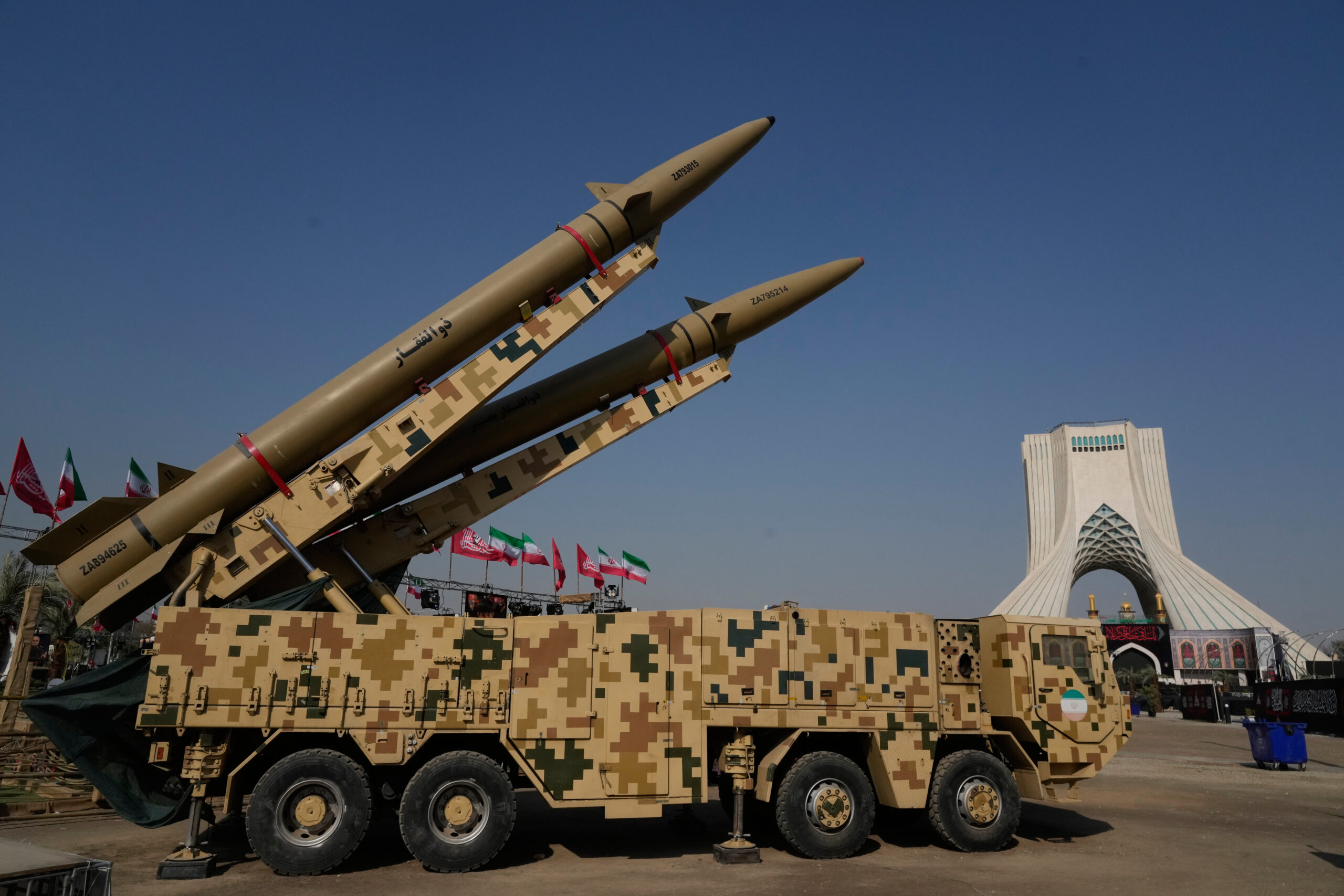
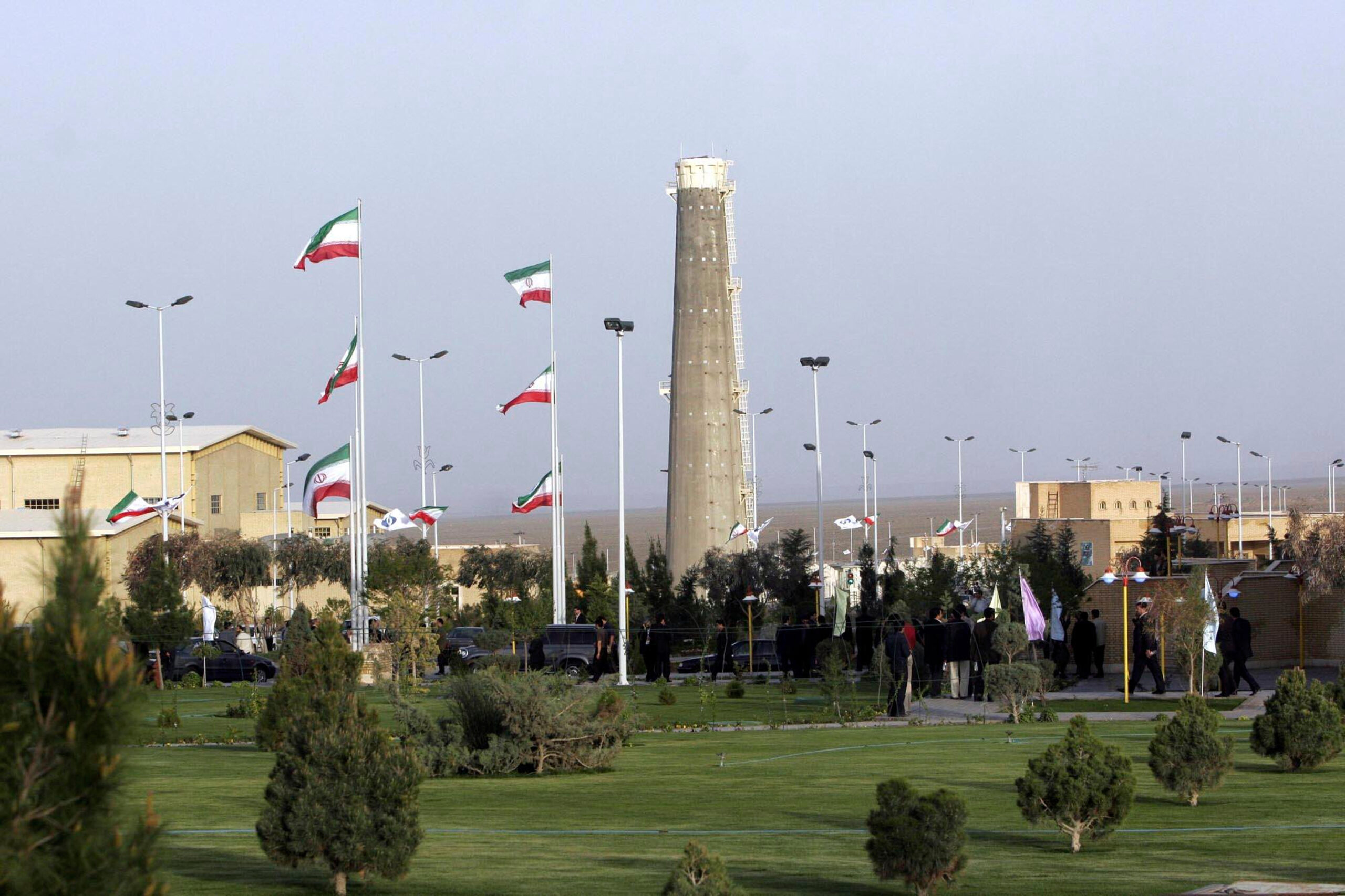
Regardless of who becomes Iran’s next president or who succeeds Khamenei as head of state, there is little prospect for significant change in Iran’s foreign and security policy. The Islamic Republic inherited the nuclear infrastructure and ambitions of the Pahlavi regime. It aims to deter Israeli bombardment of its nuclear installations and foreign invasions by cultivating non-Iranian proxies and arming them with Iranian-produced weaponry.
So far, the Islamic Republic’s approach has seemingly been effective: Israel has not bombed Iran’s nuclear installations, like it has in Iraq and Syria, and Khamenei’s Iran has neither been invaded nor bombed into submission by the United States, like Afghanistan, Iraq, and Libya. There is no reason to believe that a new president or Khamenei’s successor will deviate from these established strategies.
If Khamenei manages the struggle among elites and the IRGC retains a sense of loyalty and pride among its ranks, the regime will be capable of continuing to effectively suppress domestic protests, deter foreign invasion, protect its nuclear installations, and survive. The regime will manage the crash.
The views represented herein are the author's or speaker's own and do not necessarily reflect the views of AGSI, its staff, or its board of directors.
While no immediate threat to the Islamic Republic’s survival, the gradual shrinking of the ruling elites presents a long-term threat to the regime in Iran.
Supreme Leader Ayatollah Ali Khamenei presumably wants to choose his successor, but he cannot publicly name one without creating a rival undermining his own authority.
After U.S.-Israeli strikes killed Supreme Leader Ayatollah Ali Khamenei on February 28, Iran’s collective leadership has concluded that the best defense is a good offense.
Wartime pressure has temporarily aligned the leadership’s overriding interest in regime survival, even as its members continue to differ over the costs, methods, and ultimate objectives of the war.
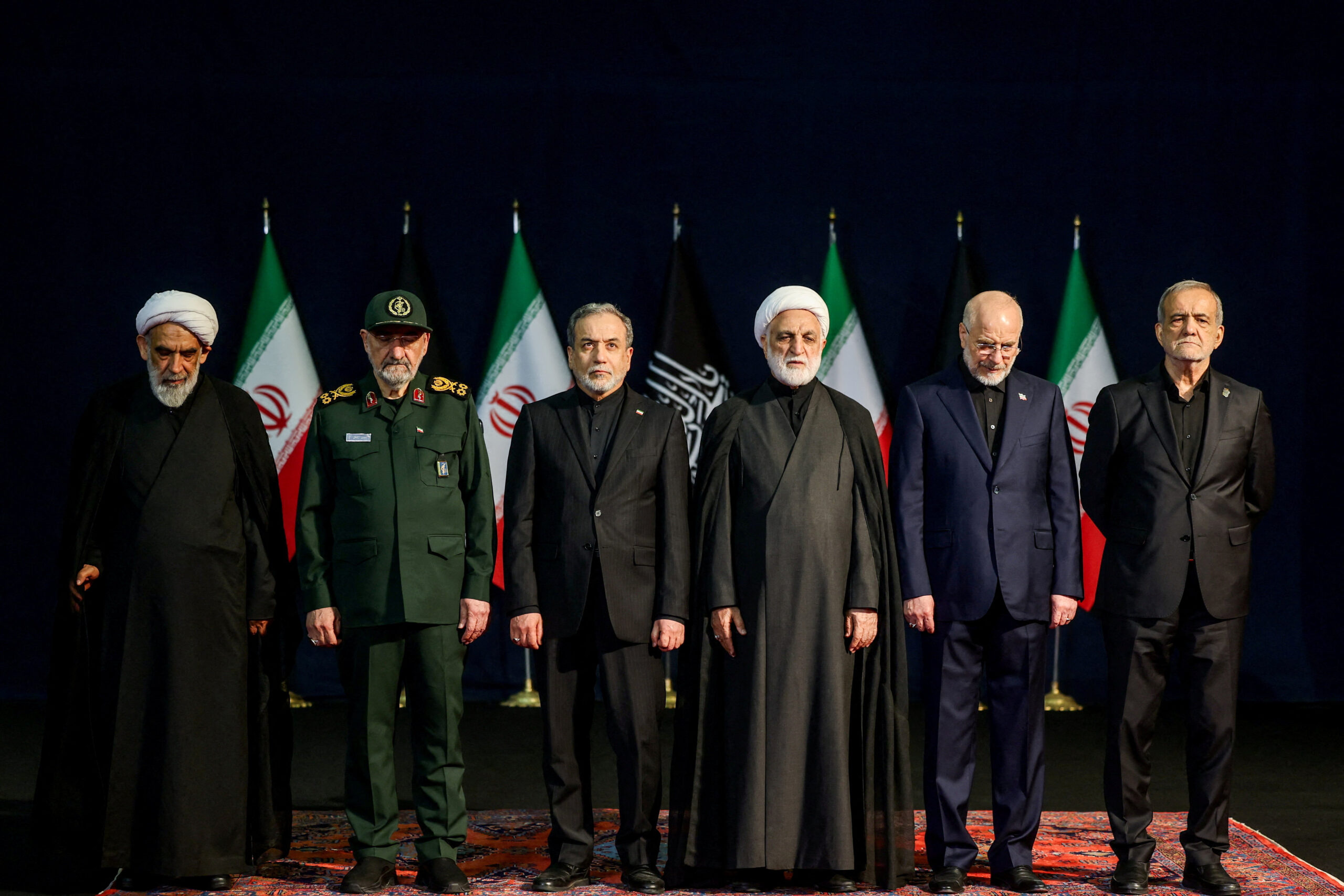
While there is historical precedent for collective leadership in Iran, today’s leadership includes representatives of the IRGC and regular military – a reflection of the IRGC’s expanding role and the necessities of governing under wartime conditions.