Confrontation or Conciliation: How the Nuclear Agreement is Reshaping GCC-Iran Relations
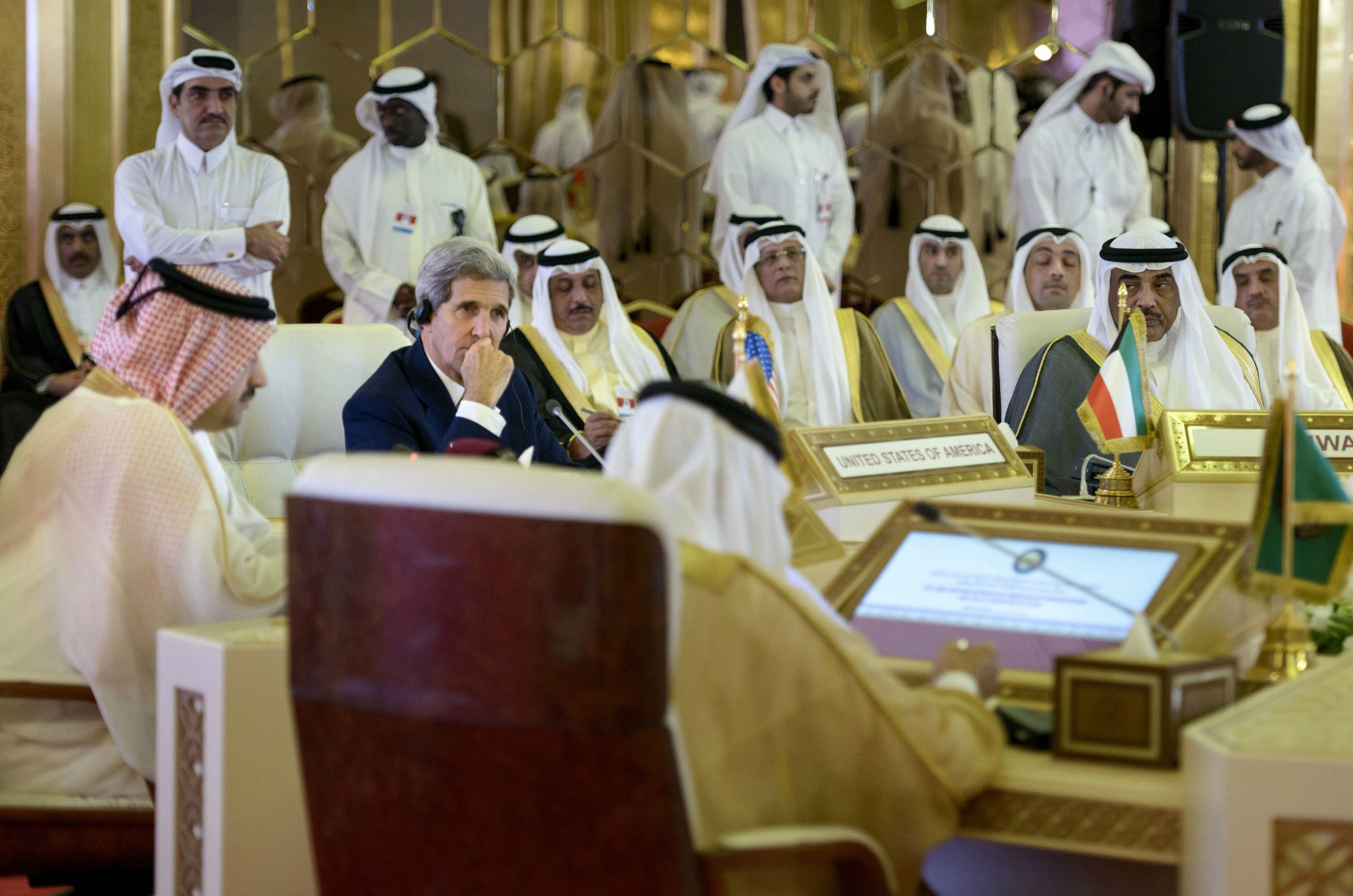
On August 3, U.S. Secretary of State John Kerry joined a meeting of GCC foreign ministers in Doha after which the Arab Gulf states unanimously and publicly endorsed the international nuclear agreement with Iran.
On August 3, U.S. Secretary of State John Kerry joined a meeting of Gulf Cooperation Council (GCC) foreign ministers in Doha, Qatar, after which the Arab Gulf states unanimously and publicly endorsed the international nuclear agreement with Iran. The Joint Comprehensive Plan of Action (JCPOA), which promises Iran phased sanctions relief in exchange for limitations on its nuclear activities, was agreed to in Vienna on July 15 by Iran and the P5+1 international consortium, comprising the United States, Russia, China, the United Kingdom, France, and Germany. The Gulf countries had not been a party to the talks, and several of them had expressed official and unofficial concerns about the negotiations while they were ongoing. However, the joint statement released by the GCC foreign ministers and Kerry unified the Gulf position in favor of the agreement. In the statement, the United States and its GCC partners also “reiterated their opposition to Iran’s support for terrorism and its destabilizing activities in the region and pledged to work together to counter its interference… “
Rival camps within the Islamic Republic are increasingly turning to YouTube for policy debate, but there is a limit to the regime’s tolerance for that debate.
President Trump has led the United States into an impossible dilemma in which resuming and intensifying the war presents one set of alarming consequences while ending it under current circumstances offers at least as many disasters for Washington.
The Trump administration has positioned the United States at a crossroads between a new regime of containment against Iran or a historic drawdown of U.S. influence in the Gulf and broader Middle East.
Riyadh and Abu Dhabi urged President Trump not to attack Iran, but now that the war is into its second month, leaving the current situation in place would be an unthinkable fiasco for them.
Though they were unsuccessful in preventing the current conflict, and, as expected, have been dragged into the U.S.-Israeli confrontation with Iran, Gulf Arab countries remain crucial to hopes for limiting the war and bringing it to a quick resolution.