Jun 23, 2023
Commentary on the Saudi Foreign Minister’s Iran Visit: “The First Step to Creating the Islamic United States”?
The June 23 edition of the Iran Media Review examines responses to Saudi Foreign Minister Faisal bin Farhan’s visit to Tehran.

Iranian commentary in response to Saudi Foreign Minister Faisal bin Farhan’s June 17 visit to Iran has ranged from predictions of the creation of an “Islamic United States” and hopes of developing the oil fields Iran shares with Saudi Arabia to cautious optimism and warnings against raising expectations.
- June 19: Hossein Kanani Moqaddam, a foreign affairs analyst, in an interview with centrist Mosalas Online, claimed: “Mr. bin Farhan’s visit to Iran showed that the agreement between the two countries is not just on paper but is becoming operational. The Saudi foreign minister not only supported the Palestinian people but also expressed hope that Iran, as an Islamic country, would engage in alliances composed of Islamic countries … Now we can say that Islamic countries, along with Iran, are about to form an alliance against the European Union and the United States. The next step is establishing the Islamic United States.”
- June 19: Ali Bigdeli, a foreign affairs analyst, said in an interview with centrist Nameh News: “Our diplomatic relations with Saudi Arabia are still shaky. They are still not solid, and the Saudi king still has to accept our ambassador’s credentials. I do not think all our problems with Saudi Arabia will be solved with Mr. bin Farhan’s visit to Iran. Saudi Arabia must improve its security, and the Yemen issue must somehow be solved. We are involved in unclear diplomacy with Saudi Arabia … Mr. bin Farhan’s claim that ‘we want to invest in Iran’ is a political bluff. As long as U.S. sanctions have not been removed and Iran has not joined the Financial Action Task Force,” an international organization that monitors terrorism financing and money laundering, “such a promise cannot be realized … There are also those who claim the hands of the United States will be severed from the Middle East. But this is not so.” Referencing Saudi Arabia’s outreach to all world powers to decrease its dependence on a single superpower, Bigdeli recommended Iranian officials “pursue a similar strategy so our relations are not limited to the East.”
- June 19: Under the headline “The Need for Realism When Analyzing the Restoration of Relations Between Iran and Saudi Arabia,” centrist Jam-e Jam interviewed Reza Sadr al-Hosseini, a foreign policy analyst, who said: “Doubtlessly, this is an important step in regional developments … but the media should not raise the level of expectations. The prospects for future relations cannot be detached from previous levels of engagement between Tehran and Riyadh.”
- June 19: In an editorial for Kayhan Daily, which is at times perceived as a mouthpiece of Supreme Leader Ayatollah Ali Khamenei, Middle East analyst Saad-Allah Zarei claimed that the restoration of diplomatic relations between Iran and Saudi Arabia was due to a “special request from Riyadh, which was immediately welcomed by Tehran, since Iran has for years stressed the need for relations.” The editorial further claimed Saudi Arabia was not interested in active Chinese mediation during the negotiations. Interpreting statements by the Saudi foreign minister, Zarei claimed: “In his words, regional circumstances led Saudi Arabia to restore relations. This is no diplomatic statement, and it reeks of passivity. Perhaps this was meant to calm the minds of opponents of the restoration of relations with Tehran, meaning the U.S. government and the Zionist occupation regime.” Offering an alternative take on Faisal bin Farhan’s remarks, Zarei opined: “Iran’s increased power and the United States’ inability to solve this problem have led Riyadh to look for other solutions.” Turning to Faisal bin Farhan’s call for a region free of weapons of mass destruction, Zarei claimed Israel was the target of the statement rather than Iran.
- June 19: Karim Zobeidi, in a guest column for reformist Aftab-e Yazd, called for the development of Iran’s shared oil fields with Saudi Arabia in the wake of improved Iranian-Saudi relations. “This is a good opportunity to use the Saudi party’s experiences to develop the Farzad oil field … The Saudis, too, depend on technology from foreign companies … This field requires new technology.”
- June 19: Asr-e Iran, a centrist outlet, published an article focused on the presence of a female official in the Saudi delegation that visited Tehran.
The views represented herein are the author's or speaker's own and do not necessarily reflect the views of AGSI, its staff, or its board of directors.
Related
Iran Media Review
Mar 10, 2026
New Leader, Old Policy
The March 10 edition of the Iran Media Review analyzes Iranian messaging after the election of a new supreme leader.
Iran Media Review
Mar 6, 2026
Tehran Warns Iraq’s Kurdistan Regional Government
The March 6 edition of the Iran Media Review highlights an Iranian military official’s warning to the Kurdistan Regional Government to stay out of the escalating U.S.-Israeli conflict with Iran.
Iran Media Review
Mar 3, 2026
War Abroad, Civil War at Home?
The March 3 edition of the Iran Media Review examines Iranian messaging following the death of the supreme leader and amid ongoing U.S. and Israeli bombardment.
Mar 10, 2026
New Leader, Old Policy
The March 10 edition of the Iran Media Review analyzes Iranian messaging after the election of a new supreme leader.
Mar 6, 2026
Tehran Warns Iraq’s Kurdistan Regional Government
The March 6 edition of the Iran Media Review highlights an Iranian military official’s warning to the Kurdistan Regional Government to stay out of the escalating U.S.-Israeli conflict with Iran.
Mar 3, 2026
War Abroad, Civil War at Home?
The March 3 edition of the Iran Media Review examines Iranian messaging following the death of the supreme leader and amid ongoing U.S. and Israeli bombardment.
Analysis
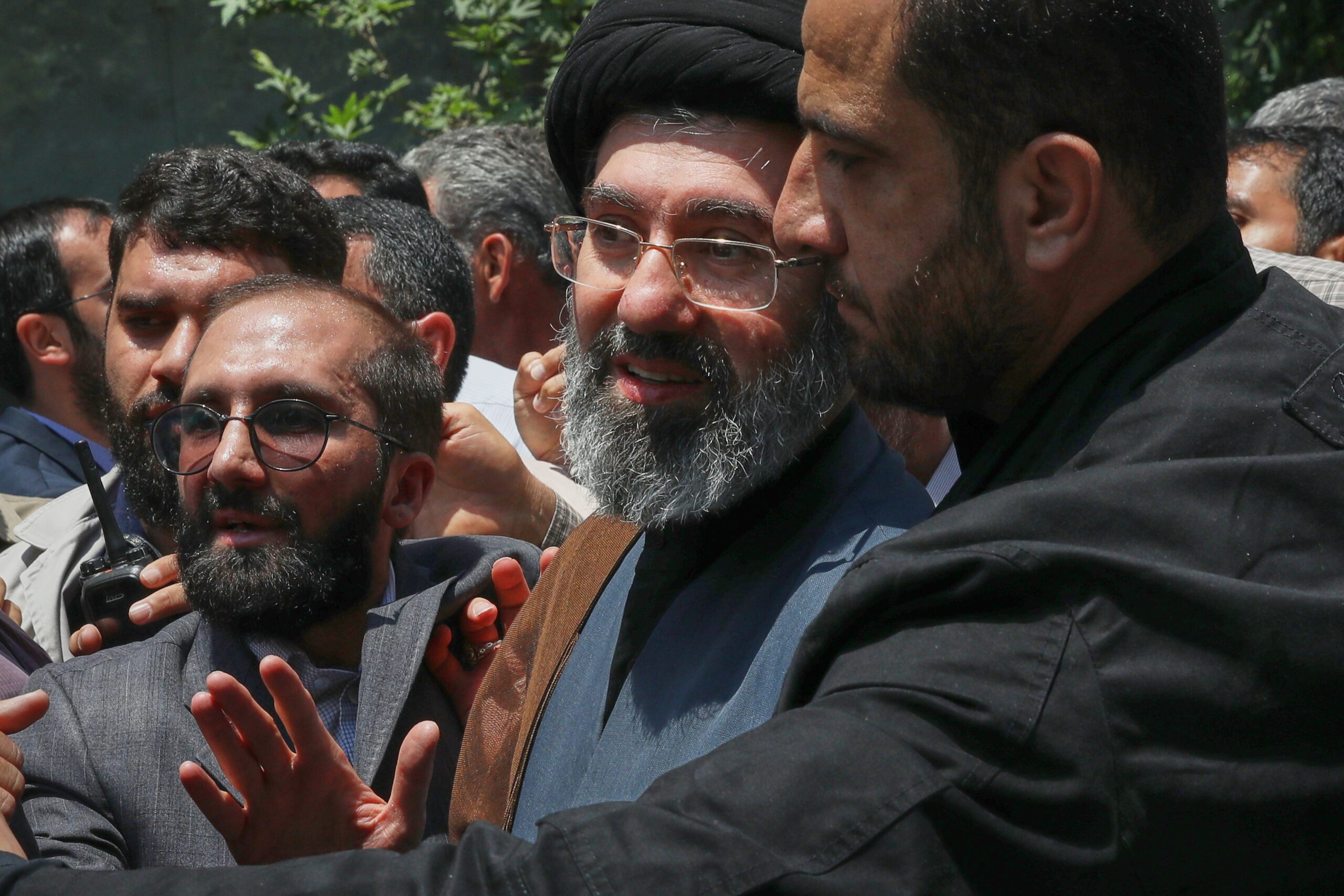
Under Mojtaba, the IRGC Will Reign Supreme
Iran may still call itself an Islamic Republic. In practice, however, it increasingly resembles a state in which the military governs from behind clerical robes.
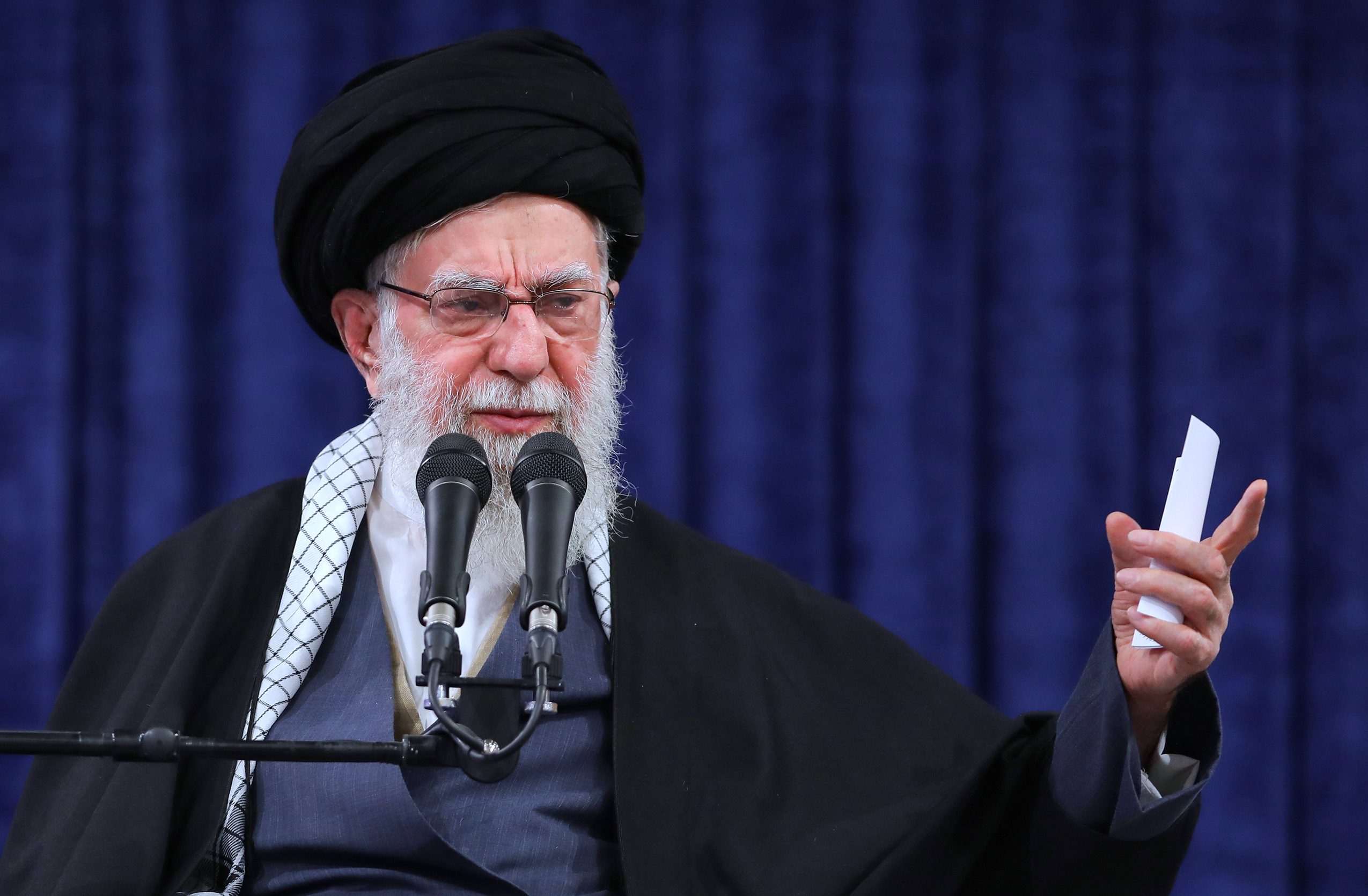
Political Life and Legacy of Iran’s Ayatollah Khamenei
Ayatollah Ali Khamenei was killed in his office in Tehran at age 86, leaving behind a country in ruins and on the verge of civil war and potential disintegration.
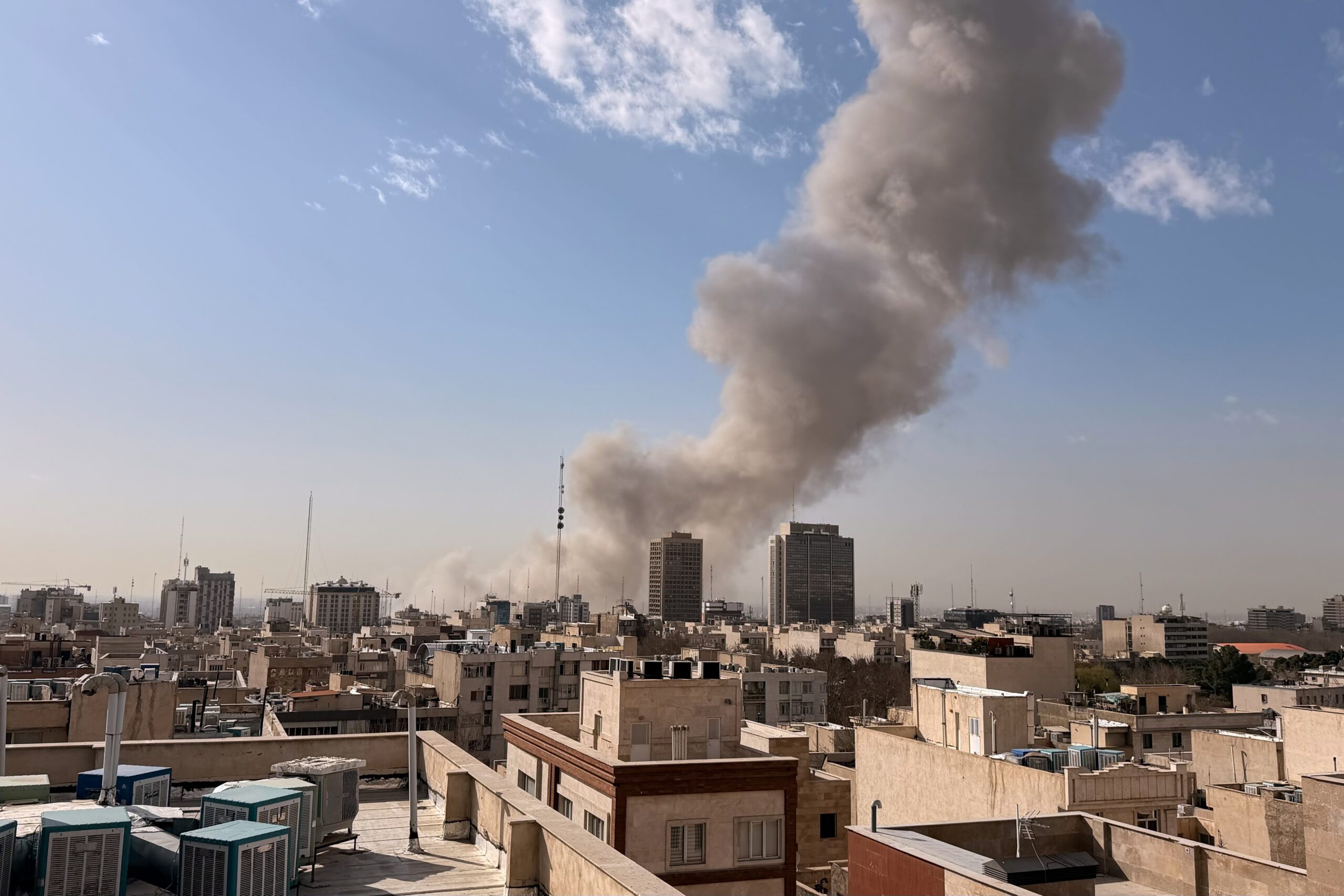
Iranian Regime Fighting for Survival
Iran is signaling that it will not absorb attacks passively. But whether this strategy ensures the regime’s survival, seals its fate, or accelerates a broader catastrophe will shape the region for years to come.
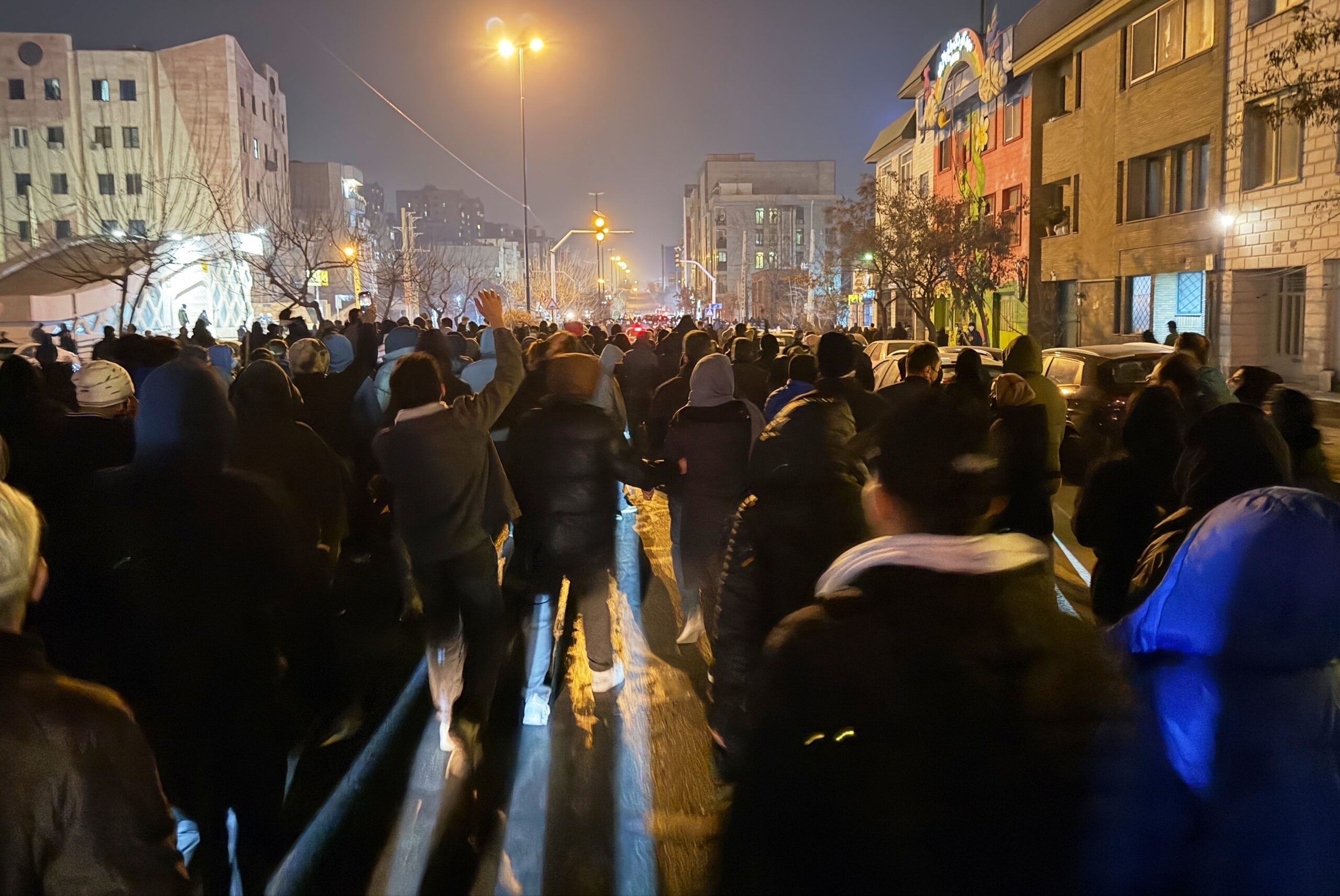
Iran’s 2025-26 Protests in Perspective
The erosion of the regime’s legitimacy across broad segments of society, combined with the breadth of the 2025-26 protest coalition, raises the possibility that a new confrontation could trigger renewed anti-regime mobilization.
Events
Mar 2, 2026
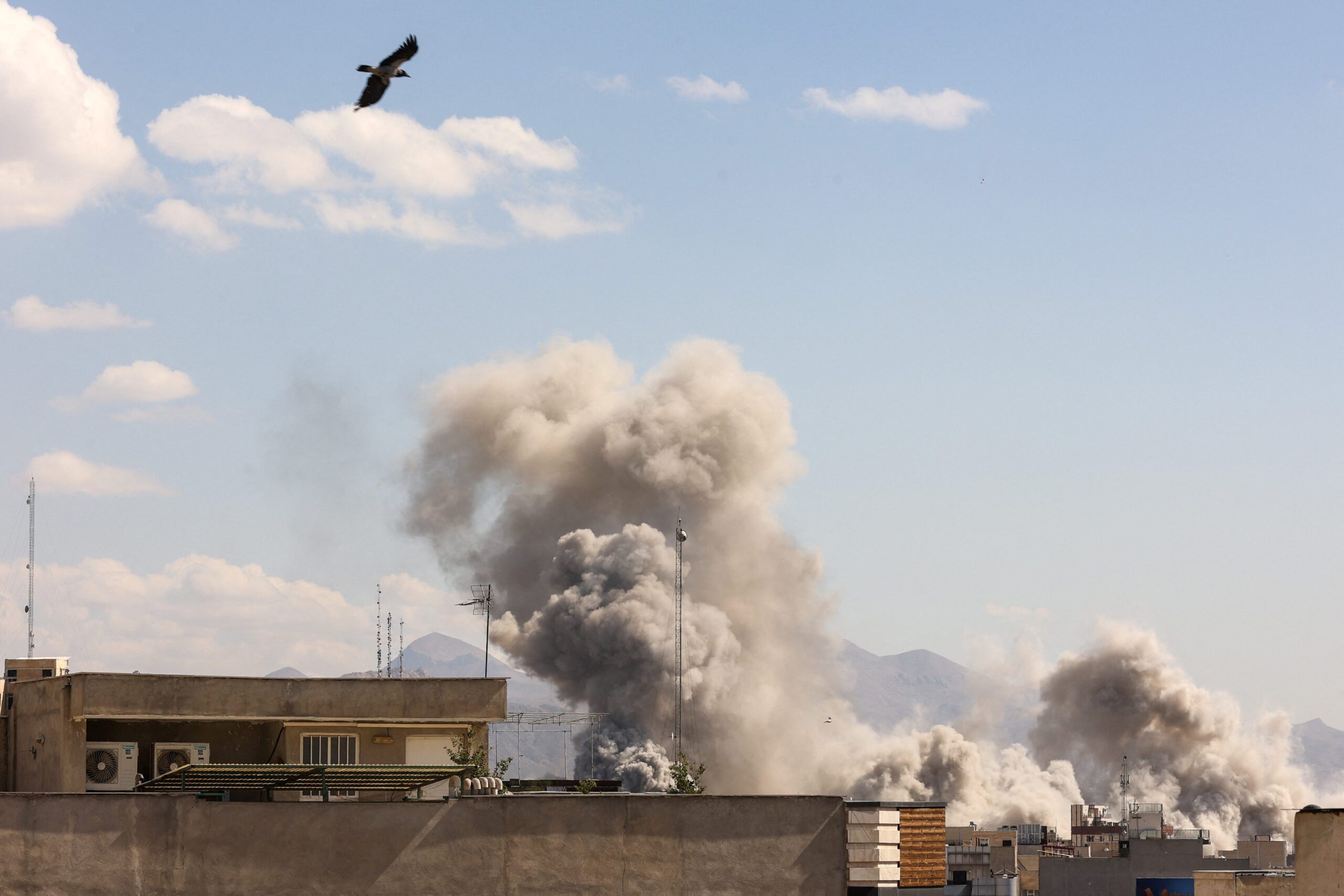
After the Shock: Implications of the U.S.–Israeli Strikes and Iran’s Leadership Transition
On March 2, AGSI hosted a discussion on the U.S.-Israeli strikes on Iran.
Speakers




Jan 8, 2026
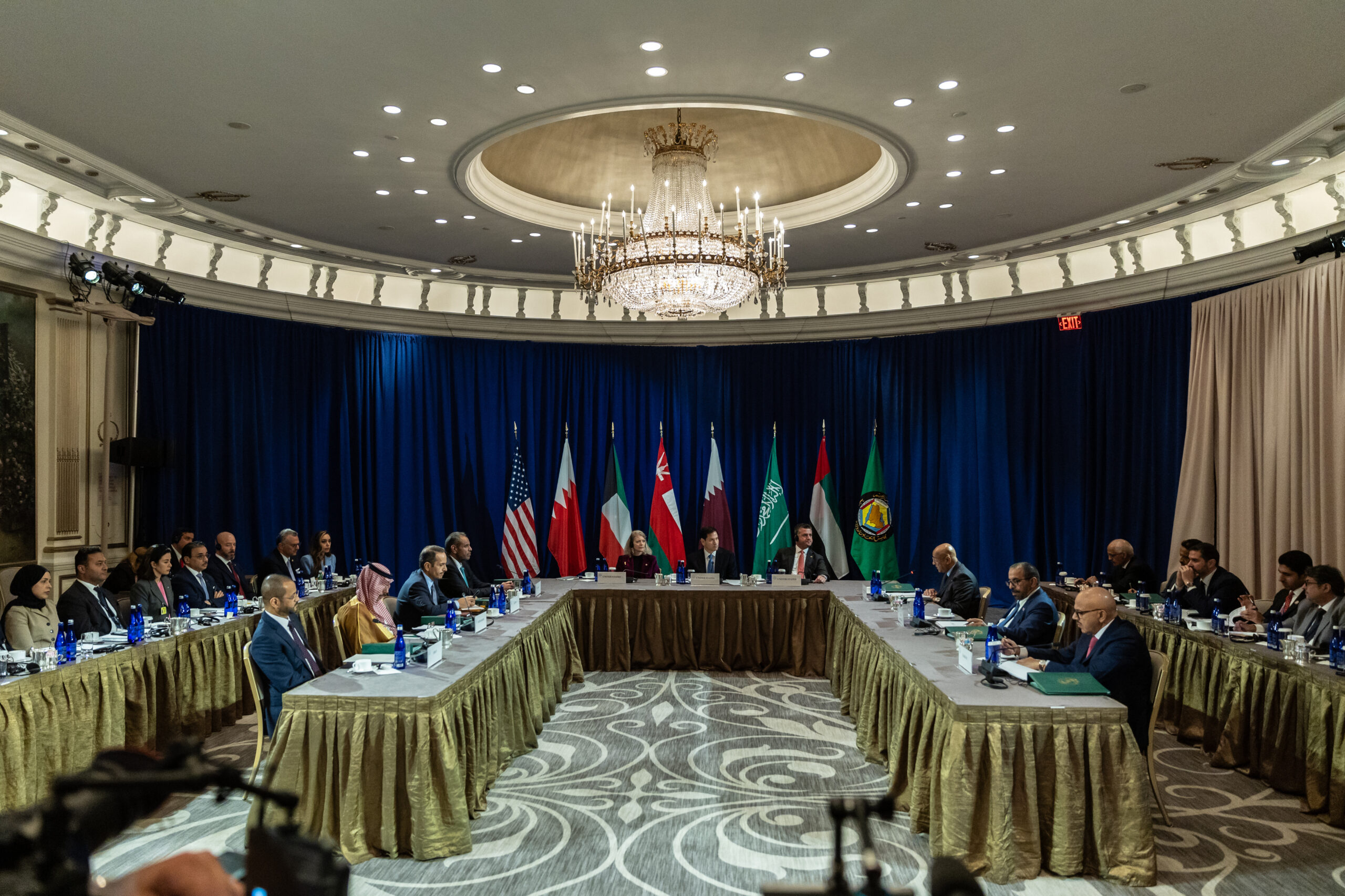
Outlook 2026: Prospects and Priorities for U.S.-Gulf Relations in the Year Ahead
On January 8, AGSI hosted a virtual roundtable with its leadership and scholars as they look ahead and assess trends likely to shape the Gulf region and U.S. foreign policy during the coming year.
Speakers



Sep 16, 2025
Book Talk: Iran’s Grand Strategy: A Political History
On September 16, AGSI hosted a discussion on the roots of Iran's strategic outlook.
Speakers
Jun 23, 2025
U.S. Strike on Iran: Regional and Diplomatic Fallout
On June 23, AGSI hosted a discussion on the United States' attack on Iranian nuclear sites.
Speakers
