Nov 20, 2026
Waiting for the Intelligence Minister
The November 20 edition of the Iran Media Review considers Iranian commentary on who might be the next intelligence minister as well as indications that Iran has expanded the range of its missiles.
Iran’s Ministry of Intelligence – established in 1983 on the ruins of the prerevolution SAVAK, despite opposition from the Islamic Revolutionary Guard Corps – is the country’s primary intelligence agency. Yet it has consistently been locked in a bitter interagency rivalry with the IRGC Intelligence Directorate and, since 2009, its successor, the IRGC Intelligence Organization. The IRGC may therefore hardly have mourned the March 18 killing of Intelligence Minister Esmaeil Khatib, which left the ministry in the care of an acting minister.
The regime’s collective leadership, however, appears as insistent today on preserving an Intelligence Ministry separate from IRGC Intelligence as it was when it established the ministry. The Parliament is also fast-tracking a bill to amend a 1983 law requiring the minister to have seminary education up to the level of ijtihad. If passed, the amendment would widen the pool of eligible candidates. The choice of minister may indicate to what extent the regime is willing to help the ministry reclaim influence it has lost to the IRGC Intelligence Organization.
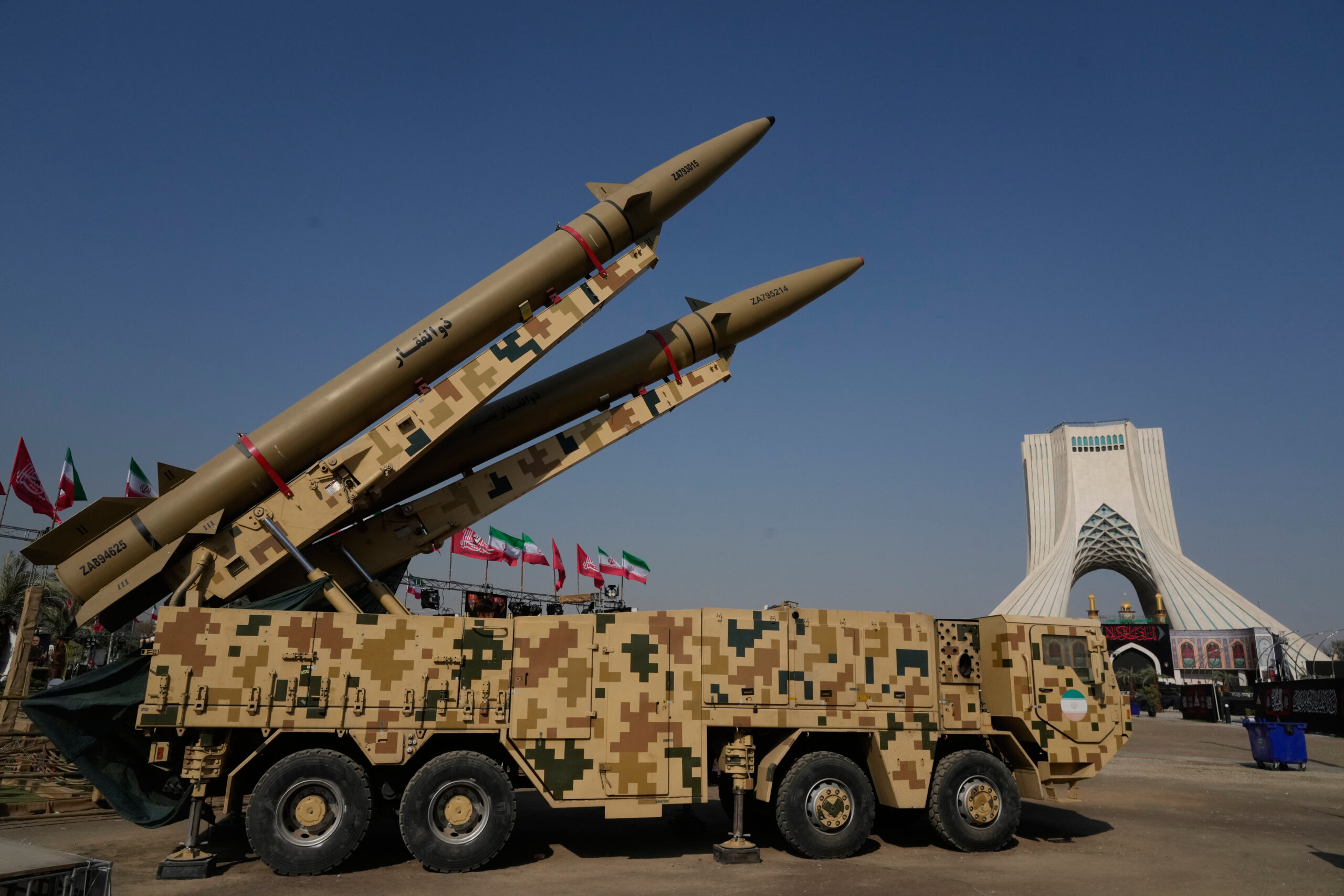
Separately, the regime in Tehran is increasing pressure against Europe, announcing its intention to expand the range of its missiles.
- November 17: Atefeh Shams, in technocratic Sazandegi, wrote:
- “The Ministry of Intelligence is awaiting a minister, and the closer the government comes to introducing its candidate to the Parliament, the more names are added to the equation of succession to the martyred Seyyed Esmaeil Khatib. The latest news, however, points to an important difference from the speculation of recent days: This time, the name of Mostafa Pour-Mohammadi has been confirmed by an official in the President’s Office.”
- Apart from Pour-Mohammadi, a cleric who previously served as deputy intelligence minister, the other candidates include Hojjat al-Islam Majid Ansari, a reformist politician; Alireza Rashidian, who served as governor general of Razavi Khorasan province under former President Hassan Rouhani; Mohsen Esmaeili, a lawyer who served as then-President Ali Khamenei’s deputy for parliamentary affairs; Tehran Governor Mohammad-Sadeq Motamedian; Ahmad Shafiee, a veteran of the ministry; and a certain Hojjat al-Islam Fallah, whose first name is unknown and who currently serves in the Intelligence Ministry’s Directorate of Religions and Sects.
- November 17: Supreme Leader Ayatollah Mojtaba Khamenei’s website published a graphic showing an Iranian launcher carrying a ballistic missile with a range of more than 3,000 miles.
- November 18: Interpreting the graphic on the website, Islamic Revolutionary Guard Corps-affiliated Javan wrote:
- The graphic published on Khamenei’s website, “together with the commander-in-chief’s emphasis on an ‘immediate, effective response without geographical limitation’ to any enemy threat, may be seen as a sign of change in the Islamic Republic of Iran’s deterrence framework and of a departure from some earlier considerations and restrictions on the geographical scope of its military response … If a threat against Iran’s national security takes shape beyond the previous geographical limits, it can no longer be excluded from the calculations of military response merely on account of distance.”
The views represented herein are the author's or speaker's own and do not necessarily reflect the views of AGSI, its staff, or its board of directors.
Related
Iran Media Review
Nov 17, 2026
Who Speaks for Tehran?
The November 17 edition of the Iran Media Review analyzes Iranian messaging after the U.S. and Israeli elections, including about who is leading the Iranian team in negotiations with the United States.
Iran Media Review
Nov 13, 2026
Tehran Rejects the “War or Negotiation” Binary
The November 13 edition of the Iran Media Review explores an Iranian newspaper’s argument that diplomacy and negotiations with the United States must be paired with a willingness to use force if necessary.
Iran Media Review
Nov 10, 2026
Longer Range, Wider War: Tehran’s Message to Europe
The November 10 edition of the Iran Media Review highlights Iranian discussion of increasing the range of Iran’s missiles in what is likely a message to Europe.
Nov 17, 2026
Who Speaks for Tehran?
The November 17 edition of the Iran Media Review analyzes Iranian messaging after the U.S. and Israeli elections, including about who is leading the Iranian team in negotiations with the United States.
Nov 13, 2026
Tehran Rejects the “War or Negotiation” Binary
The November 13 edition of the Iran Media Review explores an Iranian newspaper’s argument that diplomacy and negotiations with the United States must be paired with a willingness to use force if necessary.
Nov 10, 2026
Longer Range, Wider War: Tehran’s Message to Europe
The November 10 edition of the Iran Media Review highlights Iranian discussion of increasing the range of Iran’s missiles in what is likely a message to Europe.
Analysis
Debating Policy in Public: Iranian Elites Turn to YouTube
Rival camps within the Islamic Republic are increasingly turning to YouTube for policy debate, but there is a limit to the regime’s tolerance for that debate.
The Committee of Six and Strategic Decision Making in Iran
Remarks by Iran’s president offer a rare glimpse of how the Islamic Republic has adapted its decision making to the absence of its supreme leader.
Mohsen Rezaei at the Helm of Iran’s Supreme National Security Council
Under Rezaei, the SNSC could prove constructive or paralyze strategic decision making.
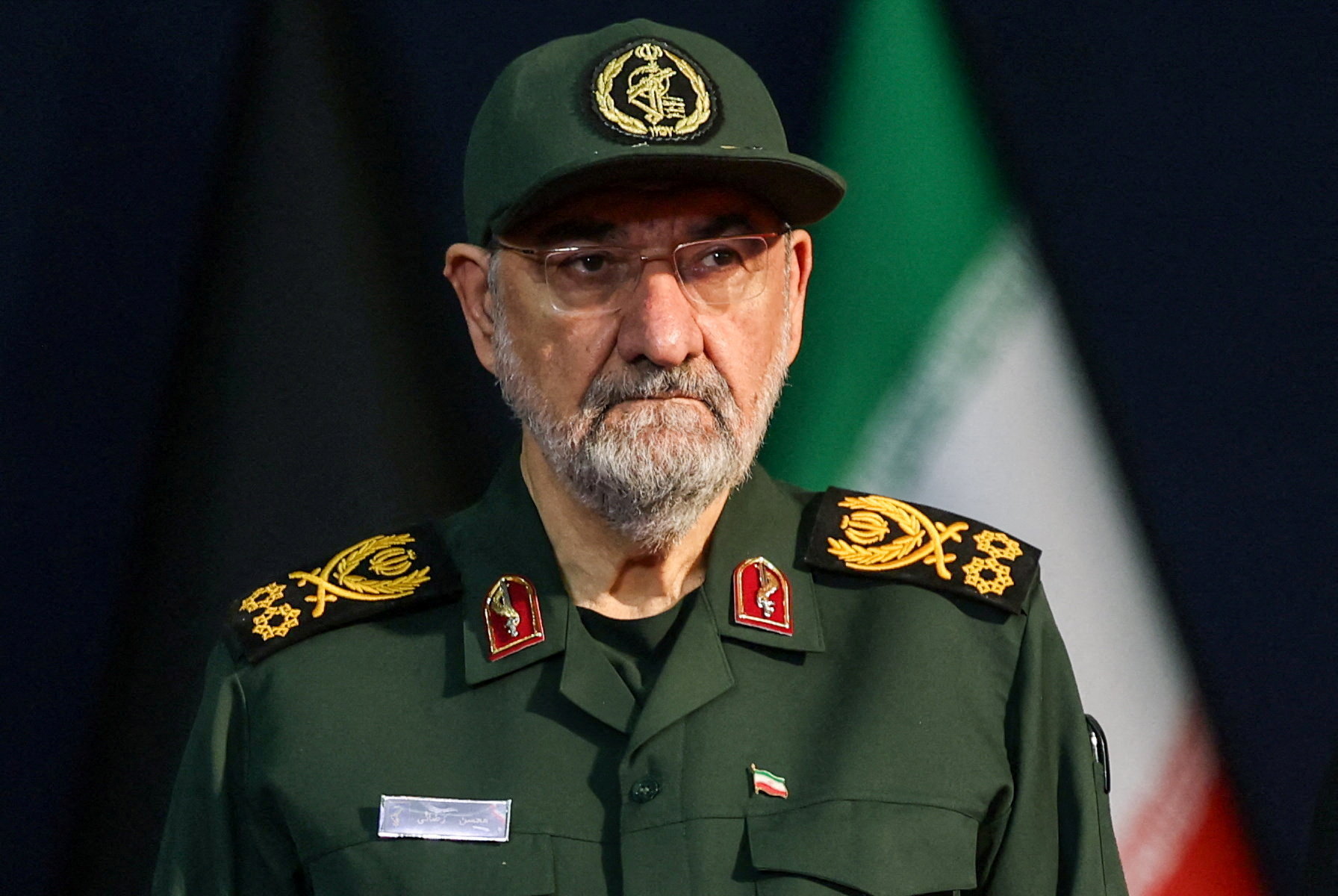
The Islamic Republic Returns to Offense
After U.S.-Israeli strikes killed Supreme Leader Ayatollah Ali Khamenei on February 28, Iran’s collective leadership has concluded that the best defense is a good offense.
Events
Oct 6, 2026
Is the U.S.-Iran Stalemate a “New Normal” or the Prelude to Another Explosion?
On October 6, AGSI hosted a discussion on the U.S.-Iran stalemate and the prospects for a cease-fire.
Speakers



Book Talk: Iran and the Bomb: The United States, Iran and the Nuclear Question
On June 16, AGSI hosted a discussion on the evolution of Iran's nuclear program.
Speakers
Apr 21, 2026
Inside Iran’s Wartime Leadership: Power, Succession, and Regime Stability
On April 21, AGSI hosted a discussion on the evolution of Iran's leadership during the war.
Speakers

Mar 18, 2026
In Its Conflict With the United States and Israel, Does Escalation Favor Iran?
On March 18, AGSI hosted a discussion on the escalation of the Iran war.
Speakers