Nov 13, 2026
Tehran Rejects the “War or Negotiation” Binary
The November 13 edition of the Iran Media Review explores an Iranian newspaper’s argument that diplomacy and negotiations with the United States must be paired with a willingness to use force if necessary.

Supreme National Security Council Secretary Major General Mohsen Rezaei and the Iranian leadership more broadly face public pressure to abandon military responses and return to negotiations with the United States. SNSC-affiliated Nour News rejected a “war or negotiation” binary framing. Washington, it argued, has merely swapped military pressure for “economic, diplomatic, and cognitive pressure.” Talks, it insisted, require lifting the blockade. Until then, Iran must maintain defensive readiness – an implicit signal that Tehran remains willing to use force. The commentary also revealed Tehran’s concern that the domestic debate over diplomacy could itself fracture national cohesion.
- November 13: Supreme National Security Council-affiliated Nour News Agency rejected a “war or negotiation” binary framing, arguing:
- “The truth is that the war-or-negotiation binary is not Iran’s main problem. The real problem is how to secure national interests against a strategy that seeks to turn military pressure into economic, diplomatic, and cognitive pressure. Iran can use diplomacy to reduce tensions and resolve disputes. But negotiation will only have real meaning and function if it comes with the lifting of the blockade, abandonment of the military threat, and acceptance of reciprocal rights.”
- “Under such conditions, the response to America’s new strategy should focus on four things: accurately explaining the nature of the blockade, maintaining defensive readiness, reducing economic vulnerability, and preventing political differences from becoming a rift in national cohesion.”
- “If America has failed to impose its will on Iran through war, it must not be able to achieve the same result through blockade and by creating domestic dichotomies. The main danger is that the war may stop on the battlefield while its logic carries on in the country’s economic and political spheres. Society would then become caught up in a dispute over choosing between war and negotiation instead of confronting the source of the foreign pressure.”
- “The most important strategic mistake, therefore, would be to confuse a change in the instruments of America’s confrontation with a change in its objective. Negotiation does not necessarily mean the end of war, and resisting excessive demands does not mean opposing diplomacy. The main test should be whether the chosen path leads to the lifting of pressure, the securing of Iran’s rights, and a balanced agreement. The alternative is that it merely turns the blockade into a tool for imposing the same results the war failed to achieve.”
The views represented herein are the author's or speaker's own and do not necessarily reflect the views of AGSI, its staff, or its board of directors.
Related
Iran Media Review
Nov 10, 2026
Longer Range, Wider War: Tehran’s Message to Europe
The November 10 edition of the Iran Media Review highlights Iranian discussion of increasing the range of Iran’s missiles in what is likely a message to Europe.
Iran Media Review
Nov 6, 2026
Tehran Gloats and Worries
The November 6 edition of the Iran Media Review explores Iranian reactions to the U.S. midterm election results.
Iran Media Review
Nov 3, 2026
Mediator, Not Guarantor: Tehran Sizes Up Beijing’s Role
The November 3 edition of the Iran Media Review highlights an IRGC-affiliated newspaper’s analysis of the limits of the usefulness to Iran of Chinese mediation.
Nov 10, 2026
Longer Range, Wider War: Tehran’s Message to Europe
The November 10 edition of the Iran Media Review highlights Iranian discussion of increasing the range of Iran’s missiles in what is likely a message to Europe.
Nov 6, 2026
Tehran Gloats and Worries
The November 6 edition of the Iran Media Review explores Iranian reactions to the U.S. midterm election results.
Nov 3, 2026
Mediator, Not Guarantor: Tehran Sizes Up Beijing’s Role
The November 3 edition of the Iran Media Review highlights an IRGC-affiliated newspaper’s analysis of the limits of the usefulness to Iran of Chinese mediation.
Analysis
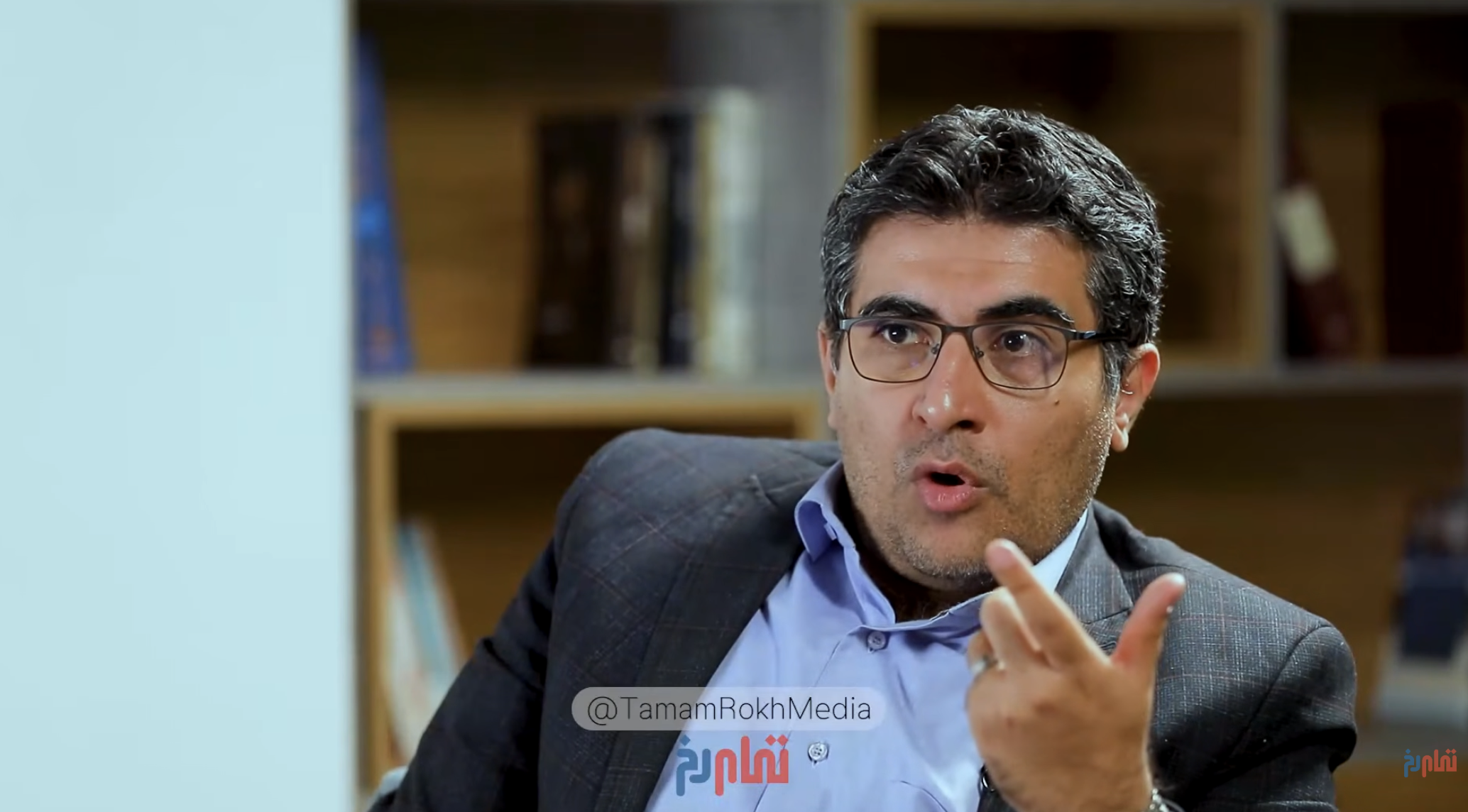
Debating Policy in Public: Iranian Elites Turn to YouTube
Rival camps within the Islamic Republic are increasingly turning to YouTube for policy debate, but there is a limit to the regime’s tolerance for that debate.
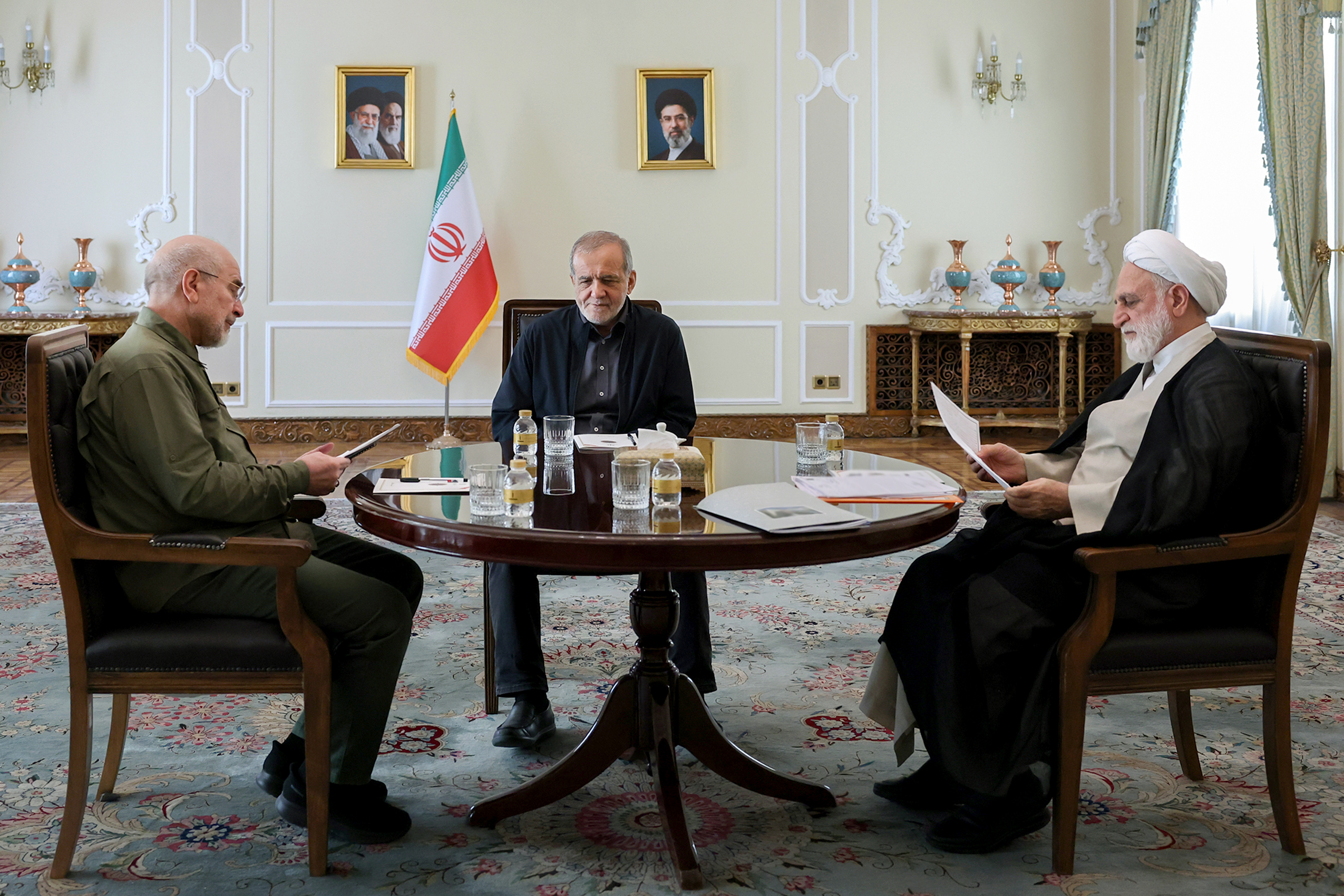
The Committee of Six and Strategic Decision Making in Iran
Remarks by Iran’s president offer a rare glimpse of how the Islamic Republic has adapted its decision making to the absence of its supreme leader.
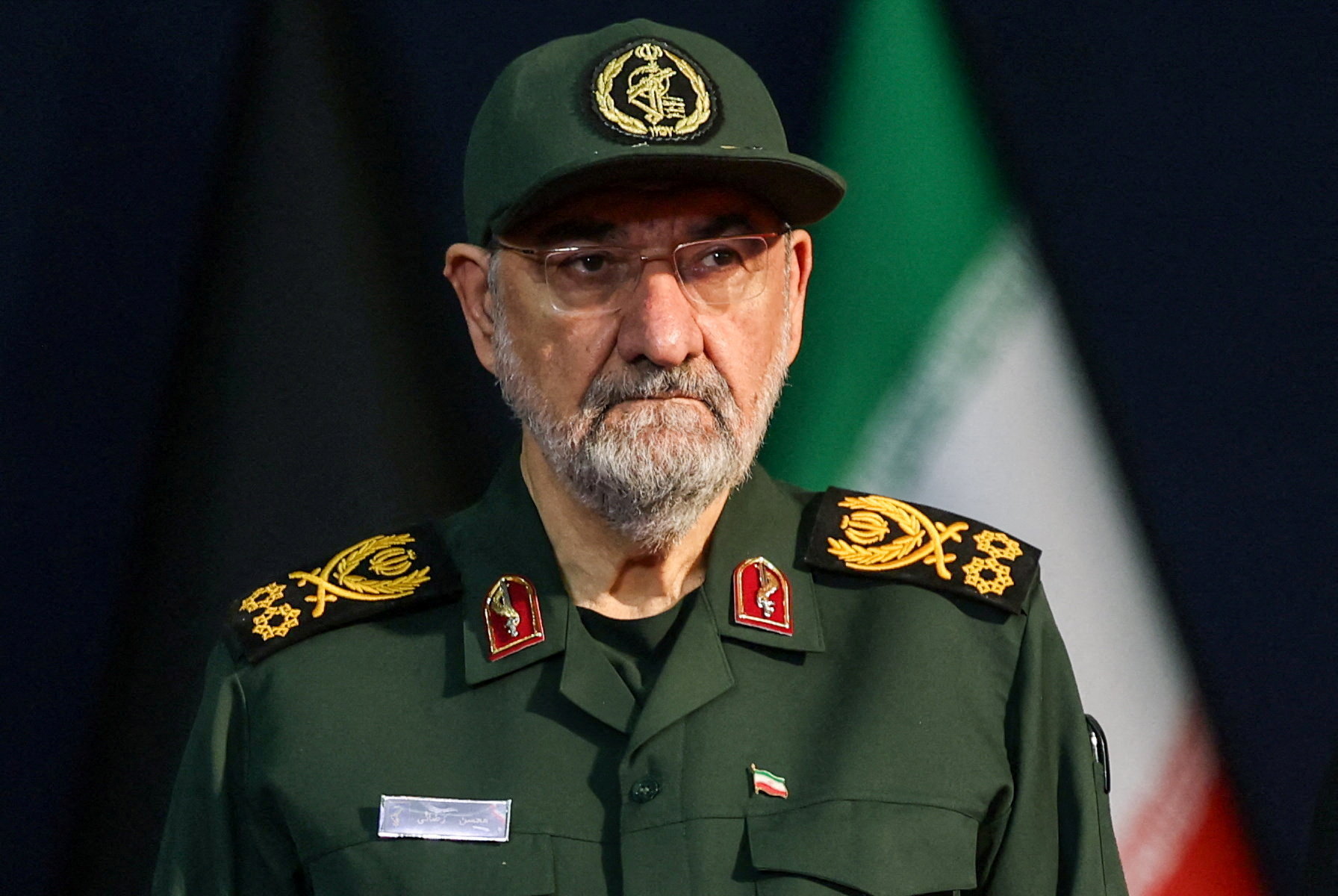
Mohsen Rezaei at the Helm of Iran’s Supreme National Security Council
Under Rezaei, the SNSC could prove constructive or paralyze strategic decision making.
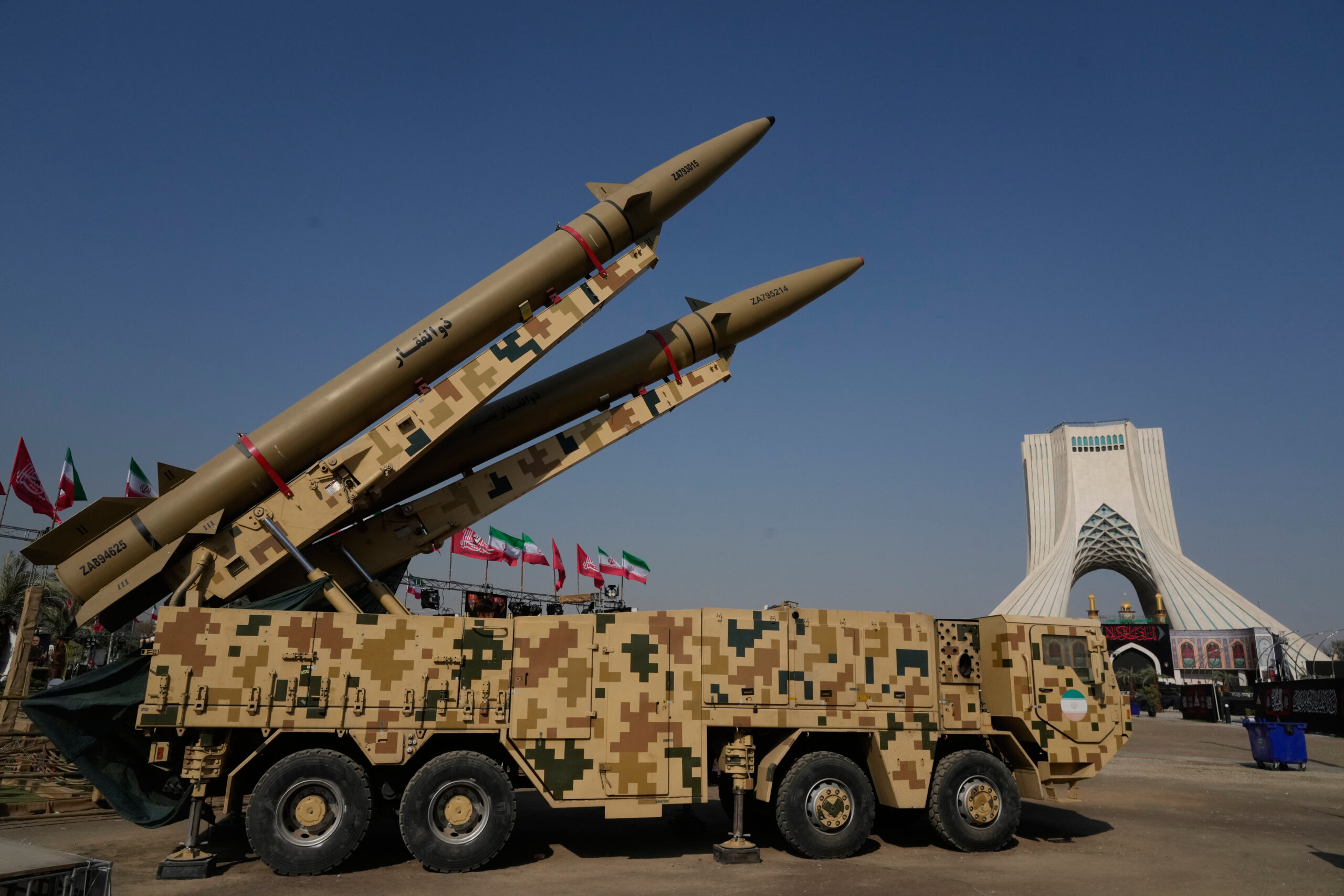
The Islamic Republic Returns to Offense
After U.S.-Israeli strikes killed Supreme Leader Ayatollah Ali Khamenei on February 28, Iran’s collective leadership has concluded that the best defense is a good offense.
Events
Oct 6, 2026
Is the U.S.-Iran Stalemate a “New Normal” or the Prelude to Another Explosion?
On October 6, AGSI hosted a discussion on the U.S.-Iran stalemate and the prospects for a cease-fire.
Speakers



Book Talk: Iran and the Bomb: The United States, Iran and the Nuclear Question
On June 16, AGSI hosted a discussion on the evolution of Iran's nuclear program.
Speakers

Apr 21, 2026
Inside Iran’s Wartime Leadership: Power, Succession, and Regime Stability
On April 21, AGSI hosted a discussion on the evolution of Iran's leadership during the war.
Speakers

Mar 18, 2026
In Its Conflict With the United States and Israel, Does Escalation Favor Iran?
On March 18, AGSI hosted a discussion on the escalation of the Iran war.
Speakers