Debating Policy in Public: Iranian Elites Turn to YouTube
Rival camps within the Islamic Republic are increasingly turning to YouTube for policy debate, but there is a limit to the regime’s tolerance for that debate.
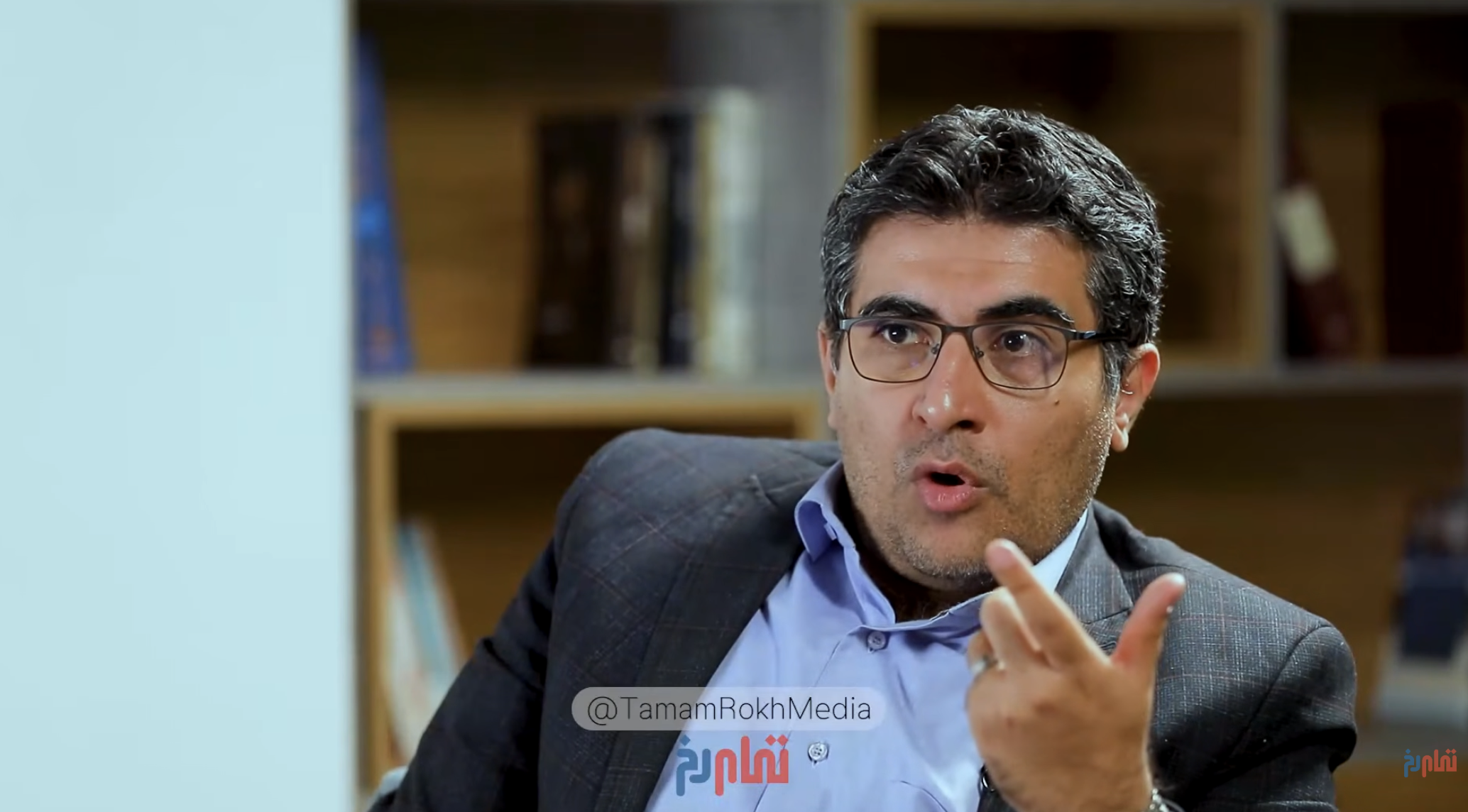
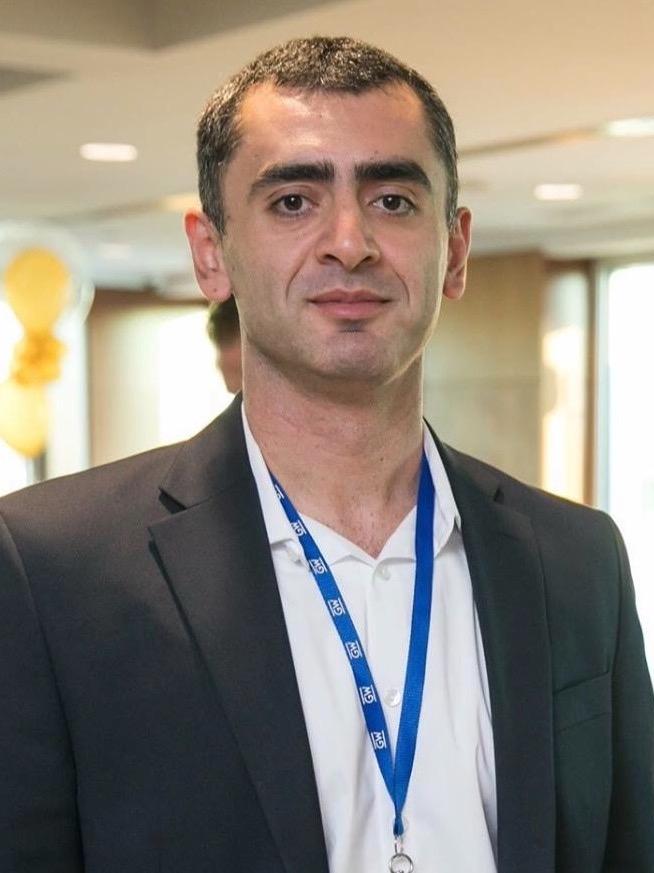
IRGC analyst Mehdi Kharatian speaks on TamamRokh’s YouTube channel, April 29. (Credit: Tamam Rokh)
Unlike Shah Mohammad Reza Pahlavi’s personalist dictatorship, in which the shah alone made strategic decisions, the Islamic Republic, even under the charismatic leadership of Grand Ayatollah Ruhollah Khomenei, has always made such decisions collectively, involving the political stakeholders and government bureaucracy. In another departure from the Pahlavi regime, the Islamic Republic has grown increasingly aware of the need to solicit input from its cadres to shape policy and to take pains to explain those policies to the wider Iranian public. Nowhere is this effort more apparent than in the regime’s use of YouTube as a forum for debate.
Since its public launch in December 2005, YouTube, along with foreign government radio and television broadcasts into Iran and smaller satellite channels, mostly based in Los Angeles, has been used by the Iranian opposition to break the monopoly of Iran’s state-controlled media on information. It is therefore no surprise that the Iranian authorities have blocked YouTube since the summer 2009 antiregime protests. The ban, however, has proved ineffective, as Iranian viewers easily circumvent it through widely available VPNs.
Over the same period, the Iranian public has turned away from state-controlled media, in particular the Islamic Republic of Iran Broadcasting. According to a major 2024 public opinion survey in Iran conducted by the Ministry of Culture and Islamic Guidance, a majority of Iranians had either “very limited” or “limited” trust in the state broadcaster.
Distrust of the IRIB, which historically has answered to only the supreme leader, has never been confined to antiregime Iranians at home and abroad. It has extended to the reformist and technocratic loyal opposition, to the president and executive branch, and even to the Islamic Revolutionary Guard Corps. Unable to reform the IRIB, the regime’s elites gradually moved to YouTube, both for their policy debates with one another and for the task of explaining regime policy to the Iranian public to secure a modicum of popular support.
The oldest video on Azad’s YouTube channel dates to August 2017. From the outset, the channel offered a surprisingly free forum for debating issues that are controversial in Iran: the role of religion in society and Shia clerics in politics, democracy versus theocracy, reform versus revolution as a path to change in contemporary Iran, the compulsory hijab, alcohol consumption, and Iranian identity and the place of ethnic minorities. It also hosted discussions of sensitive strategic questions, such as Iran’s relations with Israel and the United States. Here, two pairs of debates are of particular interest. One featured Ali Vaez of the International Crisis Group and Majid Shakeri, an advisor to Parliamentary Speaker Mohammad-Bagher Qalibaf. The other featured Mahdi Kharatian and Rahman Qahremanpour. Kharatian, an aerospace engineer, appears to voice views dominant within the IRGC. Qahremanpour, an academic, joined the research arm of Iran’s nuclear negotiating team in 2001, was arrested in 2011, and spent three years in prison on espionage charges. He represented the views of the regime’s technocratic elite, particularly the Ministry of Foreign Affairs.
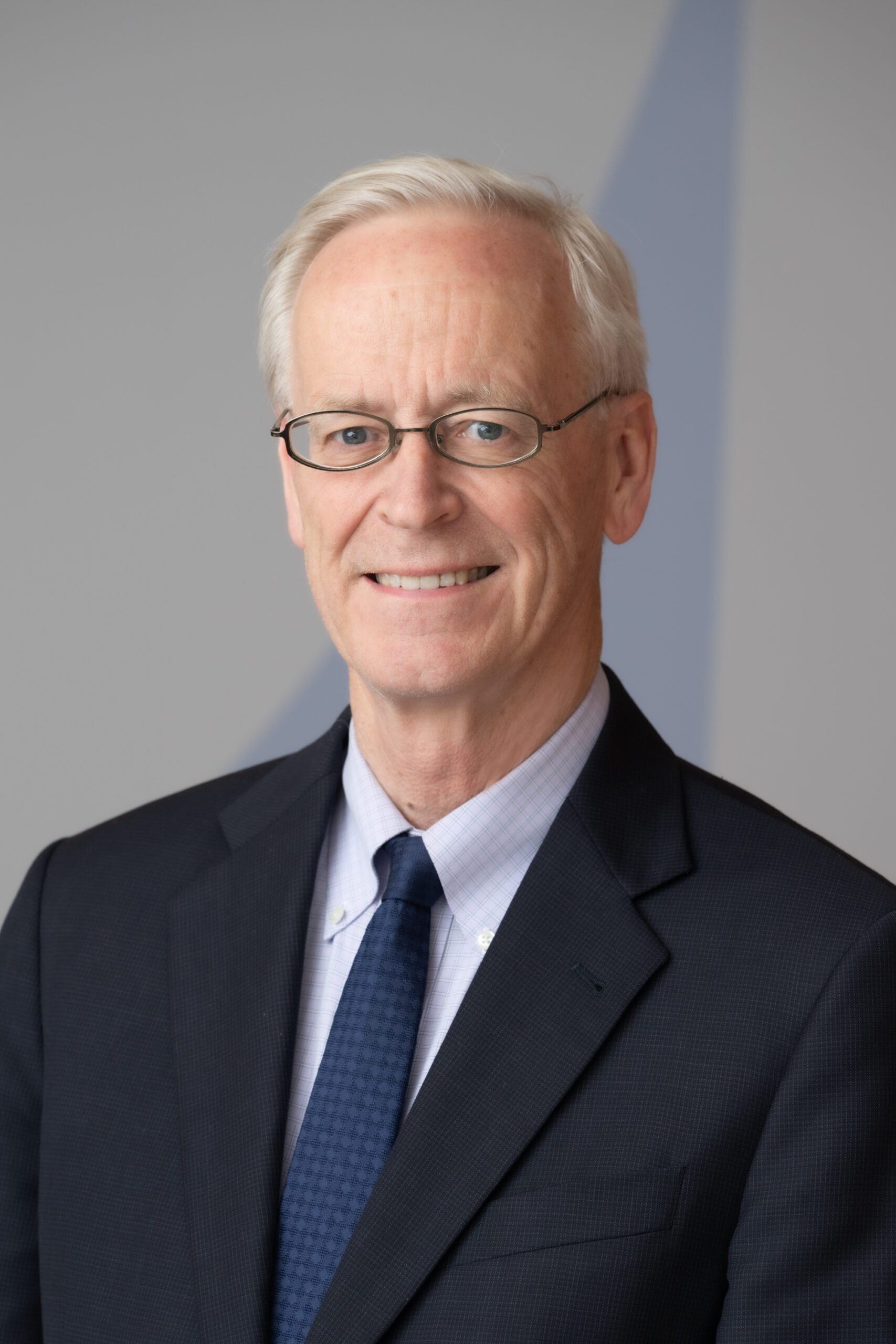
Another remarkable feature of the channel was its American guests. They included Ray Takeyh, who served as senior advisor on Iran at the State Department in 2009; Gary Samore, White House coordinator for arms control and weapons of mass destruction under President Barack Obama from 2009 to 2013; and Barbara Slavin of the Stimson Center. The channel’s run came to an abrupt end on August 17, two days after The New York Times profiled it. That day, Iran’s judiciary barred Azad from posting new interviews and opened a criminal case against its founder, Mehdi Ahmadi.
TamamRokh, whose oldest video was posted in January 2024, is still operating. While Azad’s editorial orientation leaned toward the regime’s reformist and technocratic camps, TamamRokh leans toward the IRGC. Its most recent panel, recorded on October 4 and released October 8, shows the channel’s hard-line outlook. It featured Kharatian, Shakeri, and Ali Samadzadeh, a self-described security and international relations researcher with no publications on record.
The three agreed that the United Arab Emirates has abandoned balancing for alignment with Israel. Its role in helping Iran circumvent sanctions, they argued, is not a service but a shield behind which Abu Dhabi presses its claim to the Abu Musa and Tunbs islands. Samadzadeh called the obstacle to confronting the UAE “cognitive” – the belief that “the UAE is bringing us some benefit.” Shakeri blamed an “Emirati lobby” inside Iran. Their prescriptions differed in tone, not direction. Samadzadeh named the Habshan-Fujairah pipeline and Fujairah port as targets. Shakeri implicitly threatened Dubai’s airport. Kharatian, the most measured of the three, said he would warn Abu Dhabi that any repeat challenge over the islands would be met with force. All three saw a closing window: As Samadzadeh put it, damaging the UAE “is certainly easier” now than it might be after its planned purchases of Rafale and F-35 fighter jets, and he expressed hope that a war with the UAE would also do away with what he called “the UAE lobby” in Iran. Panels like this one are a world away from Qahremanpour’s academic and technocratic approach on Azad.
The YouTube debates have served three purposes. First, they have been a forum for intraelite debate. With the IRIB closed to genuine policy disagreement, rival camps within the regime have made their cases on YouTube: the now banned technocrats and reformists on Azad, the IRGC-adjacent hard-liners on TamamRokh. At times they have argued directly against each other on the same panel. Second, the YouTube panels have allowed their participants to bypass the bureaucracy. An advisor to the parliamentary speaker or IRGC-adjacent strategists can reach decision makers faster through a two- or three-hour debate on YouTube than through a memorandum that may never reach the top and with the added weight of a quantifiable audience. Third, the debates educate the Iranian public, explaining the reasoning behind regime policy to viewers who stopped listening to state television long ago.
The relative success of these channels has not gone unnoticed by the state broadcaster. The IRIB program “Be Vaqt-e Iran” (“Iran Time”) now invites the same commentators, Kharatian among them, into its studio, in an apparent attempt to win back viewers who have abandoned state television. That the IRIB borrows its talent from YouTube, a platform the regime itself banned, says much about where policy debate in Iran now takes place. It also shows the limits of the regime’s tolerance for that debate, which, as Azad’s fate shows, can end abruptly.
The views represented herein are the author's or speaker's own and do not necessarily reflect the views of AGSI, its staff, or its board of directors.
Wartime pressure has temporarily aligned the leadership’s overriding interest in regime survival, even as its members continue to differ over the costs, methods, and ultimate objectives of the war.
Forty-five years after the revolution and establishment of the Islamic Republic, the regime in Tehran is not only widely distrusted but has also sown the seeds of distrust among Iranians.
After U.S.-Israeli strikes killed Supreme Leader Ayatollah Ali Khamenei on February 28, Iran’s collective leadership has concluded that the best defense is a good offense.
Wartime pressure has temporarily aligned the leadership’s overriding interest in regime survival, even as its members continue to differ over the costs, methods, and ultimate objectives of the war.