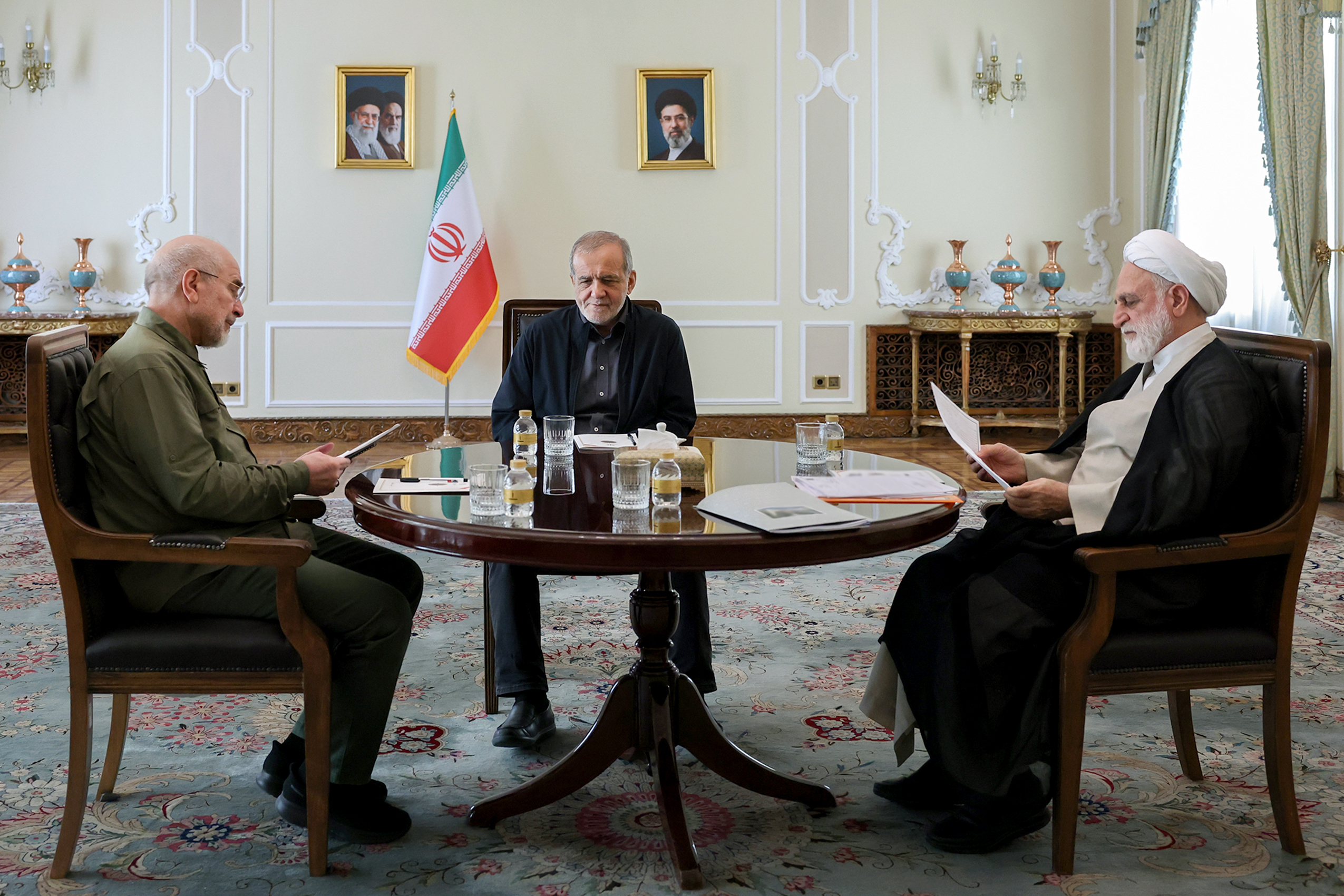
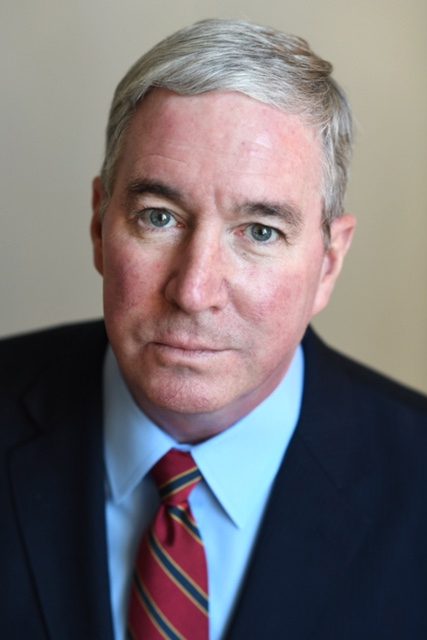
When asked during a September 26 interview with CBS News who makes decisions in Iran, Iranian President Masoud Pezeshkian explained that a team “consisting of six members of various organizations, security forces, parliamentary representatives, government agencies” holds “talks” and “consultations about decision-making processes,” and they “reach any decisions through coordination.”
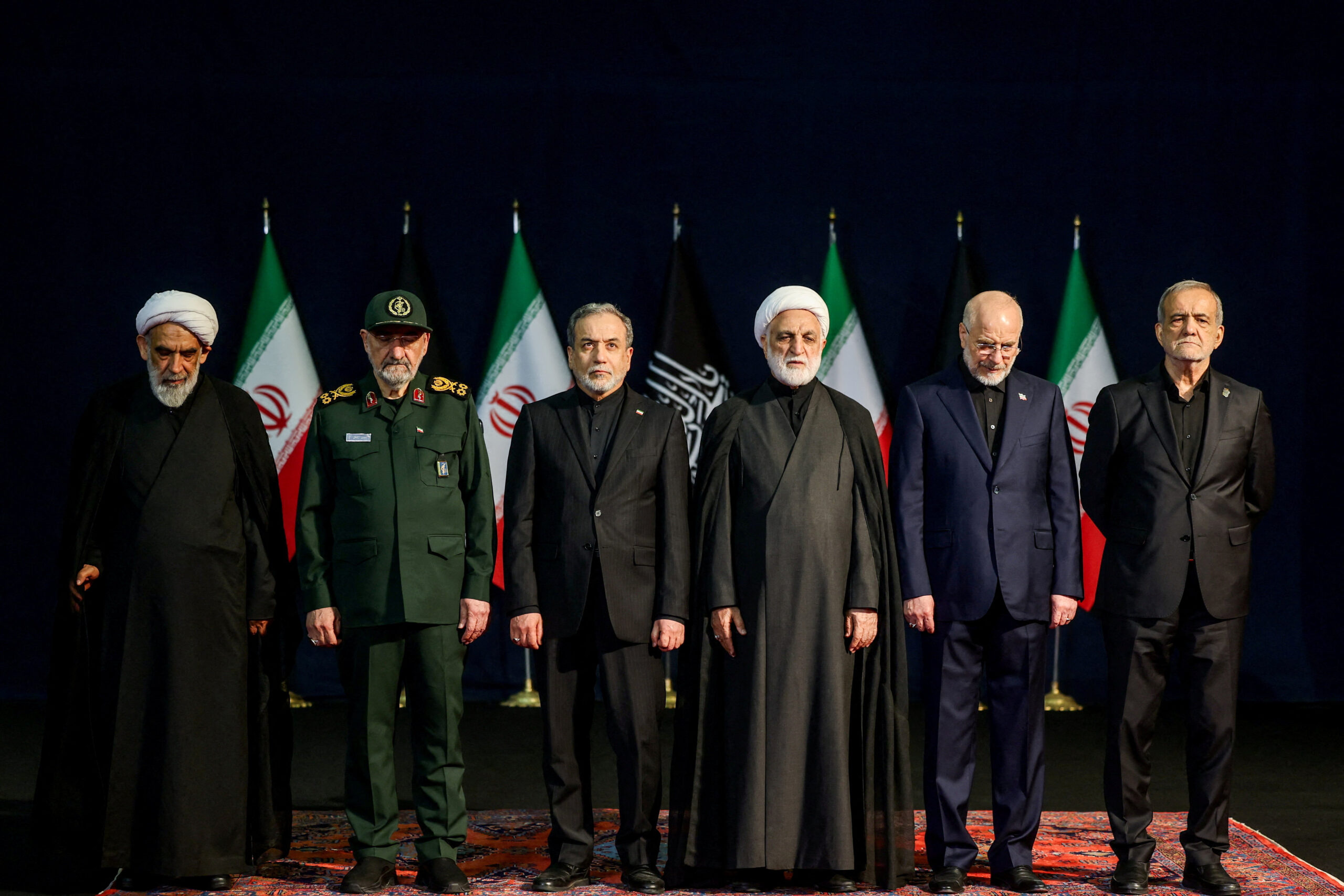
What is the composition of Pezeshkian’s six-member committee? Is it the same as the collective leadership of Iran – comprising the heads of the three branches of government along with representatives from the Islamic Revolutionary Guard Corps and the regular military – which has emerged to fill the vacuum left by the absence of Supreme Leader Ayatollah Mojtaba Khamenei? If not, what role does the committee play in the regime’s strategic decision making compared with the collective leadership and the Supreme National Security Council?
Pezeshkian’s explanation is consistent with an account by Foreign Minister Abbas Araghchi, who said in an interview for the July 19 episode of the program “Majara-ye Jang” (The Tale of the War): “Before it was named ‘the Committee of Six,’ for the longest time it was called ‘the Nuclear Committee,’ headed by … Shamkhani … When Dr. Ali Larijani was appointed secretary of the Supreme National Security Council, Larijani assumed leadership of the committee … the principle of negotiating or not, what to discuss and what not – all these things were discussed in this committee, which would draw conclusions.” He continued that the committee’s decisions would be brought to the supreme leader, similarly to those of the SNSC, for approval and then declared to the government bureaucracy.
However, no official document listing the full membership of the current team has been published. Amid public speculation about the committee’s composition, three sources stand out: the September 28 edition of the technocratic Sazandegi, which interviewed five sources, most of them members of the Kargozaran-e Sazandegi Party; a September 28 Khabar Online report; and an October 4 statement by Foreign Ministry Spokesman Esmaeil Baghaei that Araghchi is a member of the committee.
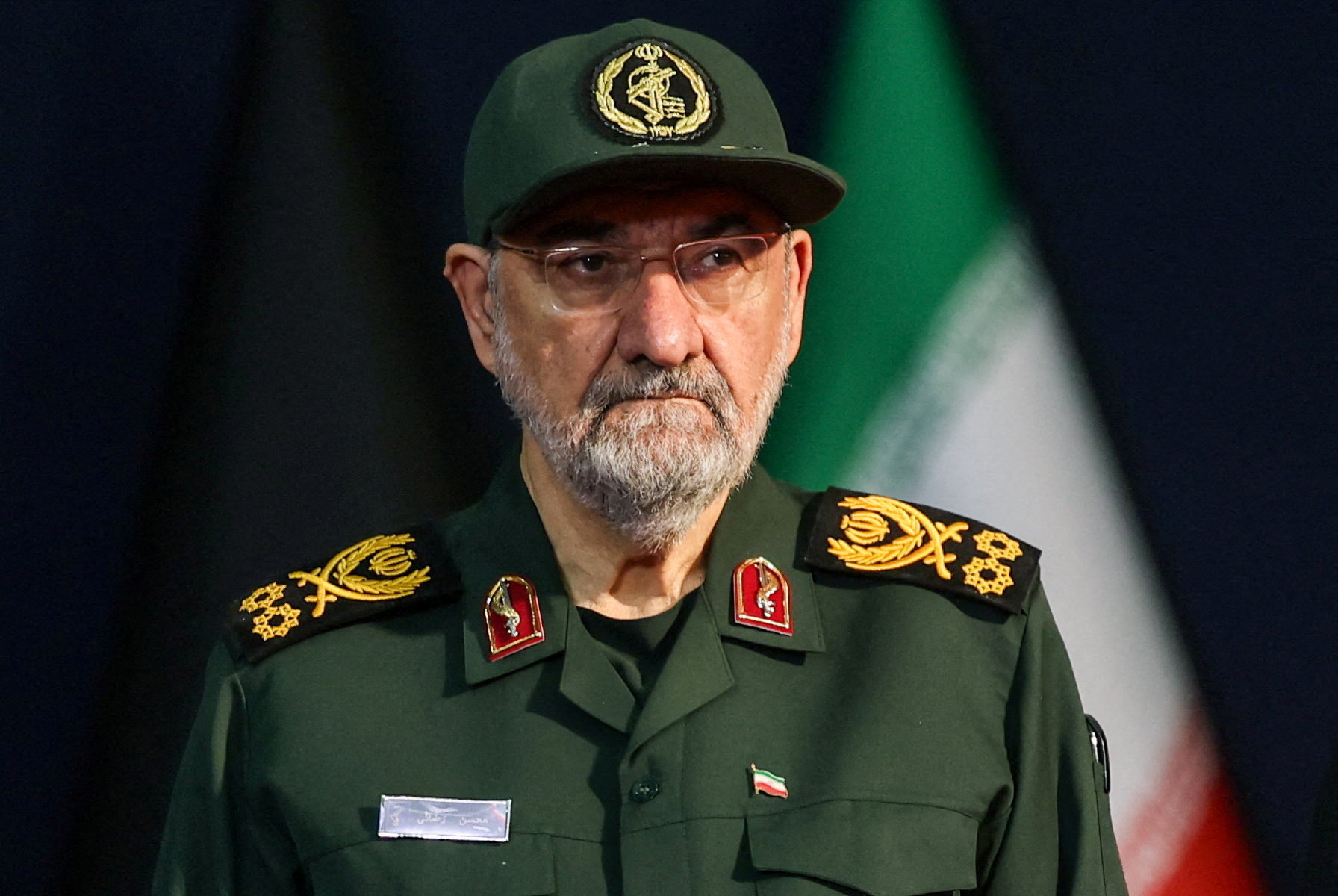
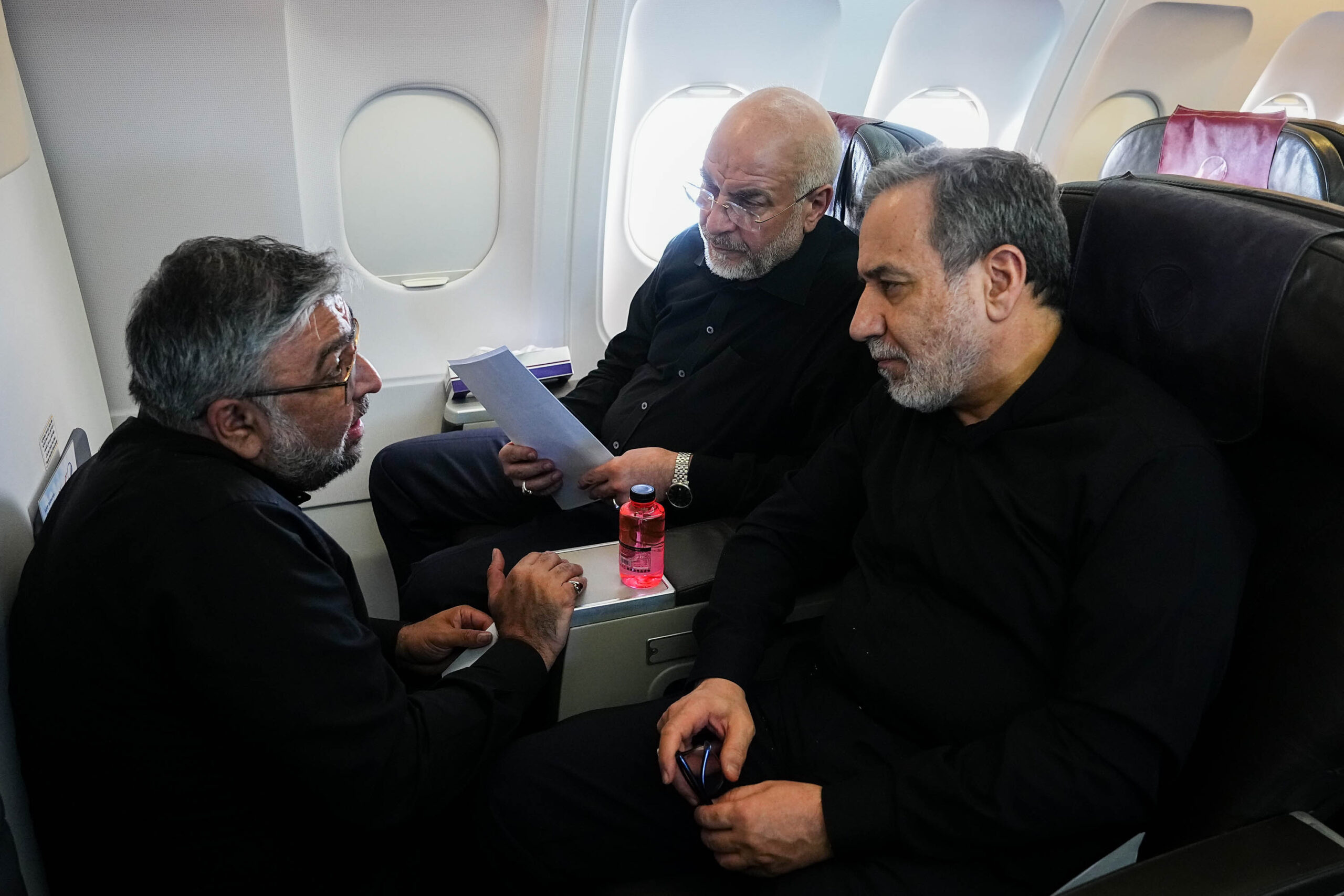
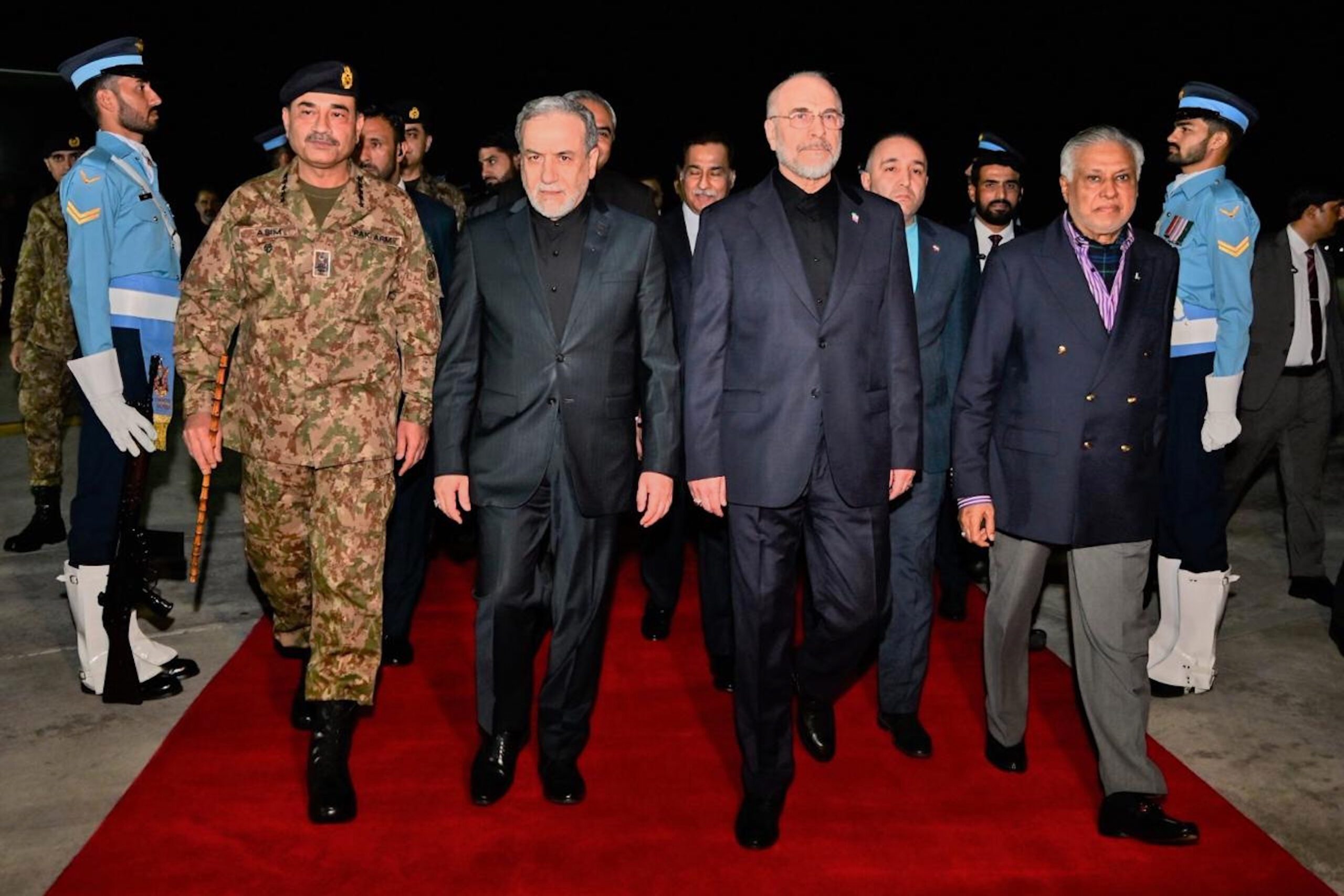
Taken together, the three sources suggest that Pezeshkian, Araghchi, Parliamentary Speaker Mohammad-Bagher Qalibaf, SNSC Secretary Mohsen Rezaei, and Chief of the General Staff of the Armed Forces Ali Abdollahi are the most likely members of the Committee of Six, with the sixth seat going either to Judiciary Chief Gholam-Hossein Mohseni Ejei or IRGC Commander in Chief Ahmad Vahidi.
Yet if Mohammad Atrianfar, the deputy for political affairs of the technocratic Kargozaran Party, who was quoted in Sazandegi, is to be believed, Ejei and Vahidi could both be members, since Atrianfar claimed that Pezeshkian presides over the committee without being a member of it.
The Sazandegi article also offers interesting observations on the role of the Office of the Leader. Seyyed Hossein Marashi, secretary general of the Kargozaran Party, insists that Mojtaba Khamenei has no representative on the committee. This is consistent with Pezeshkian’s CBS News interview, in which he did not mention the Office of the Leader among the institutions represented on the committee, and with all the other sources except Jahanbakhsh Khanjani, a member of the Kargozaran Party Central Committee, who said that “There must be a representative from the Office of the Leader … perhaps without a voting right,” and pointed to Hossein Fadaei, who served as chief inspector for the late Ayatollah Ali Khamenei’s office.
How the committee works is not known, and any answer remains speculative. Araghchi’s account nonetheless offers a template. Under Supreme Leader Ayatollah Ali Khamenei, a small body within the SNSC deliberated on the most sensitive questions of nuclear policy, drew conclusions, and forwarded them to Khamenei for approval. It is reasonable to assume that the present committee performs a similar function and that its remit has expanded from the nuclear file to negotiations with the United States and possibly the conduct of the war.
However, in the absence of Mojtaba Khamenei, the committee seemingly prepares decisions that the collective leadership then approves – the step once reserved for the supreme leader. The overlap between the two bodies supports this reading. If Pezeshkian presides over the committee without being a member, as Atrianfar claims, and if other principals, such as the IRGC commander, are represented by proxies, the committee could deliberate at a working level, while only final decisions would require the five members of the collective leadership to convene. Security considerations would favor such an arrangement: Israel has been keen to assassinate Iranian leaders, and frequent meetings would expose the regime’s most senior officials to unnecessary danger.
Pezeshkian’s remarks offer a rare glimpse of how the Islamic Republic has adapted its decision making to the absence of its supreme leader. The committee itself is not new: It is the old Nuclear Committee under a new name. What has changed is the step that follows its deliberations. Under Ali Khamenei, the committee proposed and the supreme leader decided. In the absence of Mojtaba Khamenei, the committee proposes and the collective leadership decides – in the supreme leader’s name. Whether this arrangement produces durable consensus or merely postpones disagreement among its members remains to be seen.
The views represented herein are the author's or speaker's own and do not necessarily reflect the views of AGSI, its staff, or its board of directors.
Wartime pressure has temporarily aligned the leadership’s overriding interest in regime survival, even as its members continue to differ over the costs, methods, and ultimate objectives of the war.
While there is historical precedent for collective leadership in Iran, today’s leadership includes representatives of the IRGC and regular military – a reflection of the IRGC’s expanding role and the necessities of governing under wartime conditions.
After U.S.-Israeli strikes killed Supreme Leader Ayatollah Ali Khamenei on February 28, Iran’s collective leadership has concluded that the best defense is a good offense.
Wartime pressure has temporarily aligned the leadership’s overriding interest in regime survival, even as its members continue to differ over the costs, methods, and ultimate objectives of the war.
While there is historical precedent for collective leadership in Iran, today’s leadership includes representatives of the IRGC and regular military – a reflection of the IRGC’s expanding role and the necessities of governing under wartime conditions.