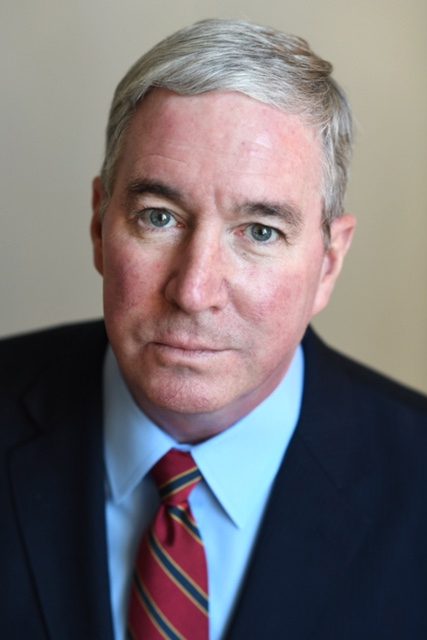
Aug 18, 2026
Qalibaf: The Strait of Hormuz Will Not Reopen
The August 18 edition of the Iran Media Review highlights a speech by Iran’s parliamentary speaker pledging not to reopen the Strait of Hormuz until the United States fulfills the conditions of the Islamabad memorandum of understanding.

Echoing the late former President Ali Akbar Hashemi Rafsanjani’s use of his personal authority to empower Parliament, Parliamentary Speaker Mohammad-Bagher Qalibaf – the most strategically minded member of the Islamic Republic of Iran’s collective leadership – is increasingly emerging as first among equals. His August 18 statements suggest that he has no intention of relinquishing control over the Strait of Hormuz. At the same time, he is seeking to mitigate the economic pressure generated by the U.S. naval blockade, wagering that President Donald J. Trump will not want to enter U.S. midterm elections with the war against Iran still raging. The question is whether Qalibaf’s proposals concerning the electronic food-credit program and gasoline rationing can be implemented.
- August 18: Parliamentary Speaker Mohammad-Bagher Qalibaf, addressing an online session of the Iranian Parliament, was quoted in Islamic Revolutionary Guard Corps-affiliated Mashregh News Agency, saying:
- “As we had predicted, the enemy – who had accepted the memorandum ending the war out of desperation – soon reneged on its commitments to compensate for its crushing political defeat. The time has therefore come for military action once again to complement diplomacy and provide a practical response to the enemy’s breach of its commitments, demonstrating to our adversaries that the Iranian nation, with unity, courage, and prudence, will not hesitate in the slightest to secure its rights.”
- “Let me be clear: Until the United States fulfills its commitments under the memorandum – including lifting the blockade, releasing frozen assets, lifting oil sanctions, ending threats and military operations on all fronts, and implementing the other conditions to which it committed – the strait will not be reopened.”
- “As I explained to the dear people of Iran, the enemy’s new strategy seeks to exert economic pressure and undermine national cohesion – a plan that U.S. government officials now openly acknowledge. By fomenting discontent and creating divisions within Iranian society, it hopes to prevail in a contest it has thus far clearly lost, both militarily and diplomatically … Accordingly, any individual or institution whose words, actions, or decisions cause public discontent or undermine the country’s national cohesion is – whether knowingly or unknowingly – playing into the enemy’s hands.”
- “The most important duty incumbent upon us as the country’s officials – particularly the government’s executive managers – is to be at the forefront of efforts to resolve the people’s economic and livelihood problems and, while supporting the armed forces, minimize the pressures arising from the war. In this regard, all national, regional, and sectoral officials must be prohibited from taking actions that cause public discontent … One urgent measure that must be implemented as soon as possible is to change how the electronic food-credit program is administered or increase the credit available under it. This would strengthen people’s purchasing power, provide our fellow citizens with greater economic security, and constitute an effective step toward countering the enemy’s economic pressure and temporarily mitigating some shortcomings in government management … The enemy plans to exploit the government’s measures to reduce gasoline consumption. It is therefore essential that the fuel shortage be addressed through comprehensive and highly prudent planning … If, through careful planning and national cooperation, we can resolve the gasoline challenge, we will have an undeniable impact in frustrating the enemy’s latest scheme.”
The views represented herein are the author's or speaker's own and do not necessarily reflect the views of AGSI, its staff, or its board of directors.
Related
Iran Media Review
Aug 14, 2026
Iran Has No Intention of Relinquishing the Strait of Hormuz
The August 14 edition of the Iran Media Review considers remarks made by the new Supreme National Security Council secretary on his first day in office.
Iran Media Review
Aug 11, 2026
Major General Mohsen Rezaei Appointed Supreme National Security Council Secretary
The August 11 edition of the Iran Media Review analyzes Iranian media responses to the appointment of a new Supreme National Security Council secretary.
Iran Media Review
Aug 7, 2026
The Hidden Ayatollah Denies Seeking the President’s Dismissal
The August 7 edition of the Iran Media Review examines an Iranian newspaper debunking an official’s claim to have the ear of Supreme Leader Ayatollah Mojtaba Khamenei.
Aug 14, 2026
Iran Has No Intention of Relinquishing the Strait of Hormuz
The August 14 edition of the Iran Media Review considers remarks made by the new Supreme National Security Council secretary on his first day in office.
Aug 11, 2026
Major General Mohsen Rezaei Appointed Supreme National Security Council Secretary
The August 11 edition of the Iran Media Review analyzes Iranian media responses to the appointment of a new Supreme National Security Council secretary.
Aug 7, 2026
The Hidden Ayatollah Denies Seeking the President’s Dismissal
The August 7 edition of the Iran Media Review examines an Iranian newspaper debunking an official’s claim to have the ear of Supreme Leader Ayatollah Mojtaba Khamenei.
Analysis
The Islamic Republic Returns to Offense
After U.S.-Israeli strikes killed Supreme Leader Ayatollah Ali Khamenei on February 28, Iran’s collective leadership has concluded that the best defense is a good offense.
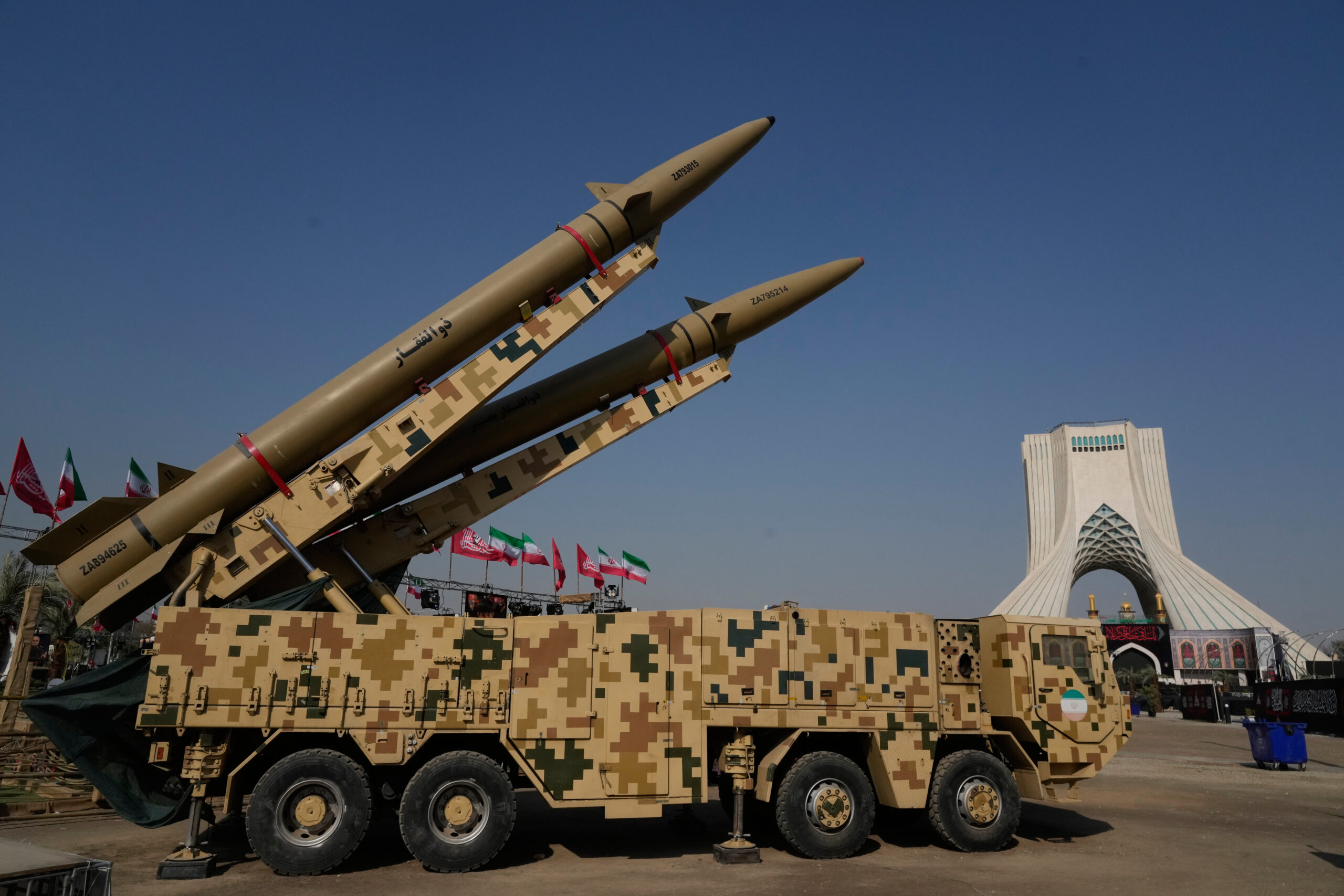
Iran’s Collective Strategic Decision Making
Wartime pressure has temporarily aligned the leadership’s overriding interest in regime survival, even as its members continue to differ over the costs, methods, and ultimate objectives of the war.
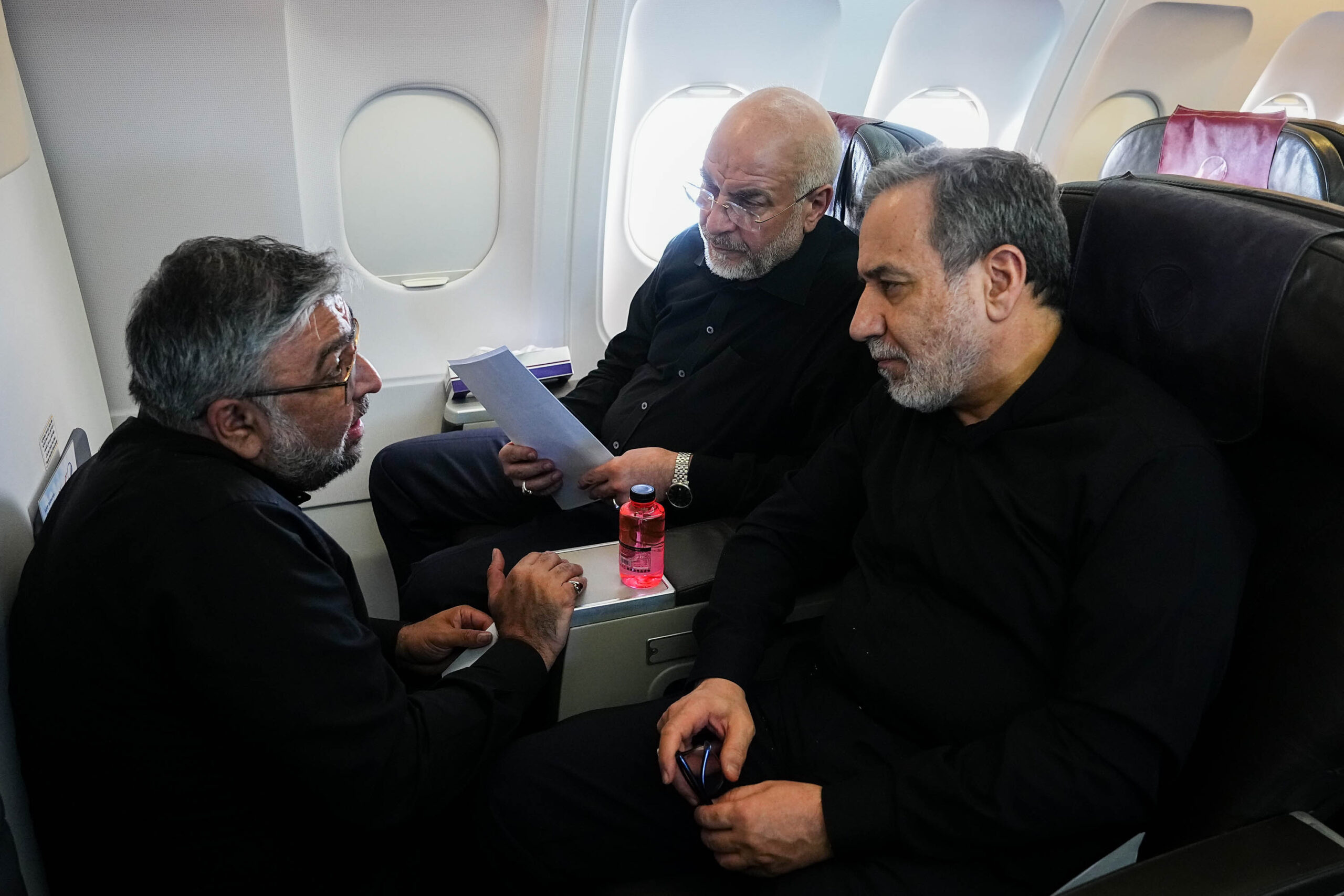
The Islamic Republic’s Collective Leadership
While there is historical precedent for collective leadership in Iran, today’s leadership includes representatives of the IRGC and regular military – a reflection of the IRGC’s expanding role and the necessities of governing under wartime conditions.
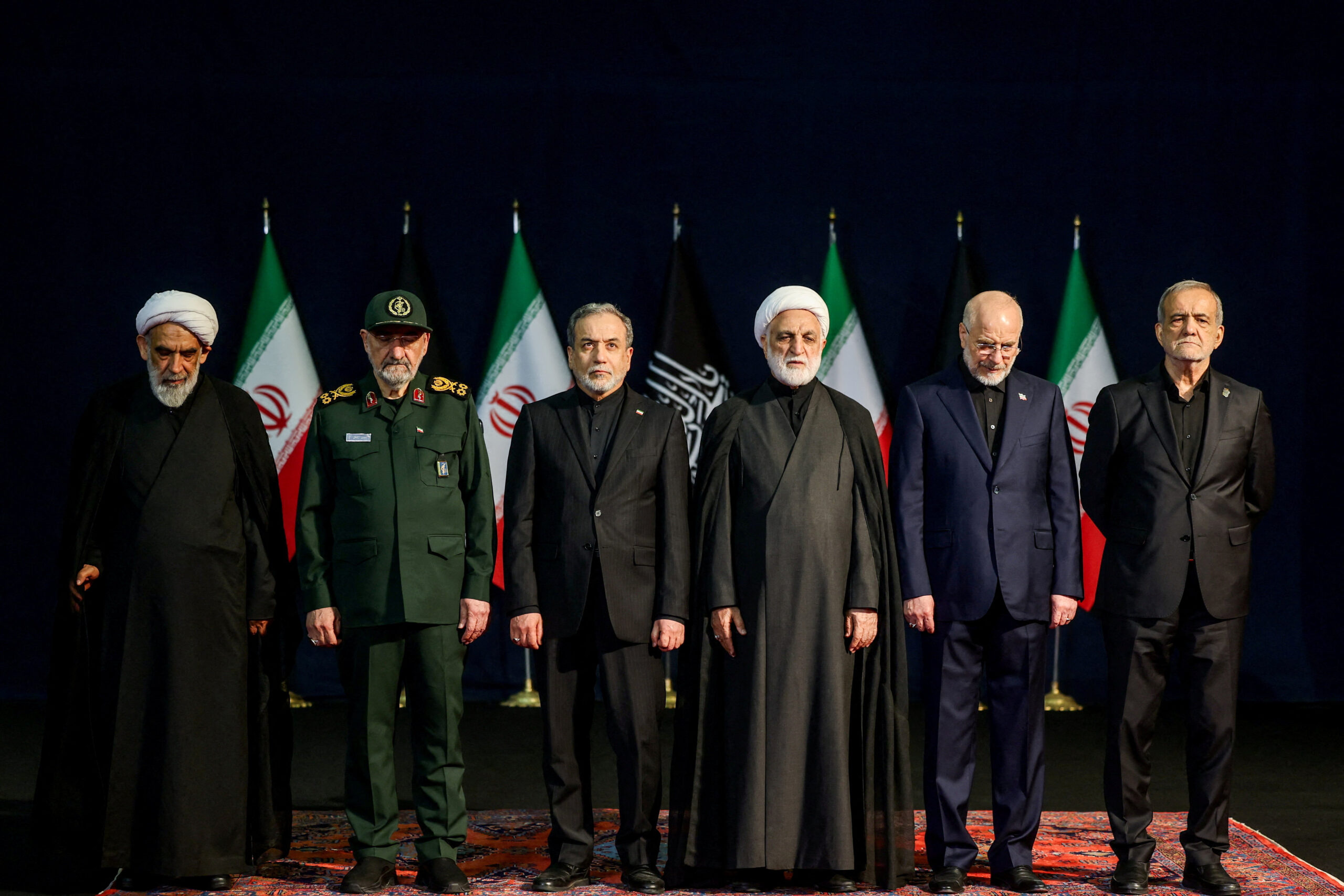
How Did the IRGC Seize Power in Iran?
The IRGC did not seize power in a single stroke. It accumulated it – patiently, methodically – until no counterweight remained.
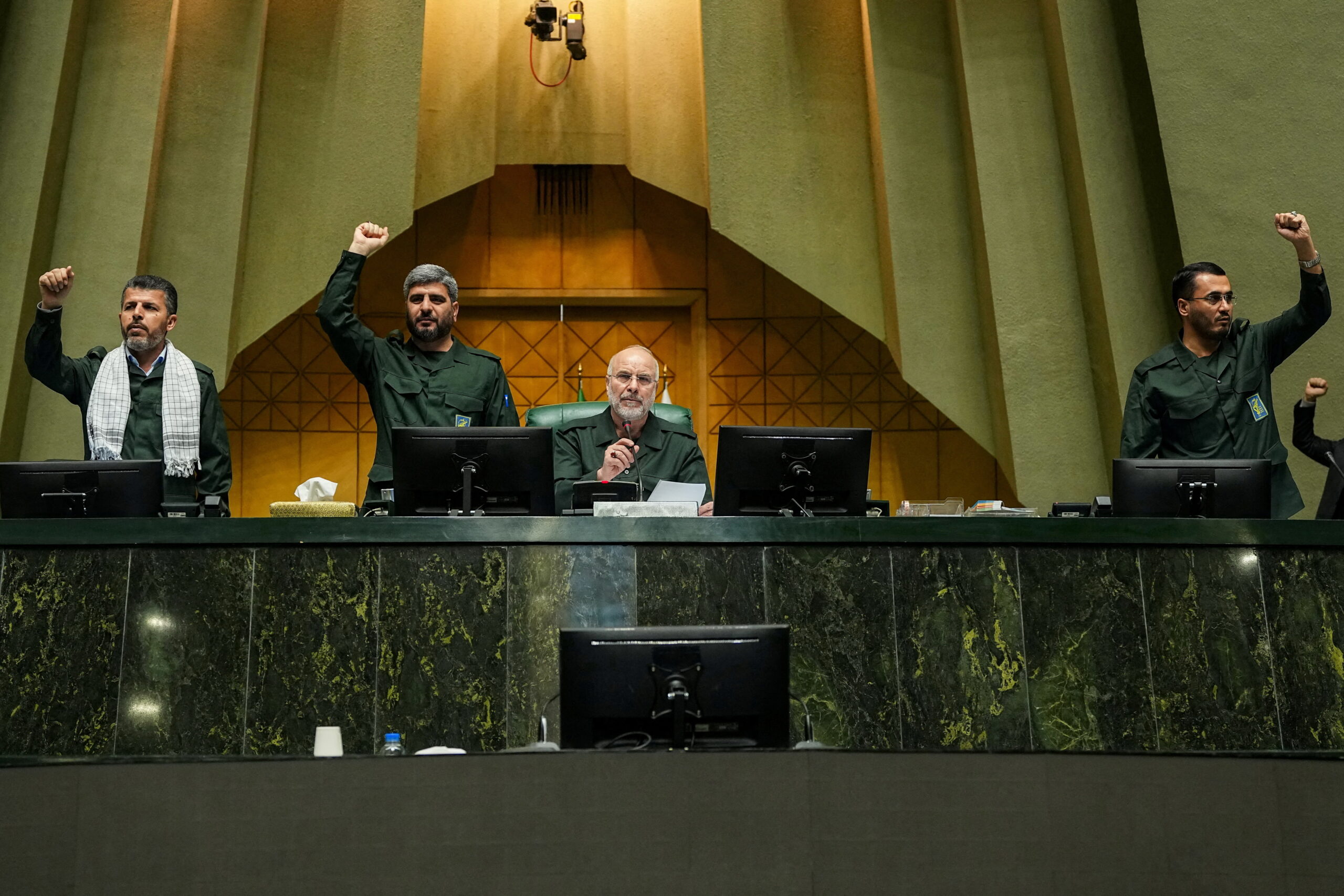
Events
Oct 6, 2026
10:00am - 11:00am
Is the U.S.-Iran Stalemate a “New Normal” or the Prelude to Another Explosion?
On October 6, AGSI will host a discussion on the U.S.-Iran stalemate and the prospects for a cease-fire.
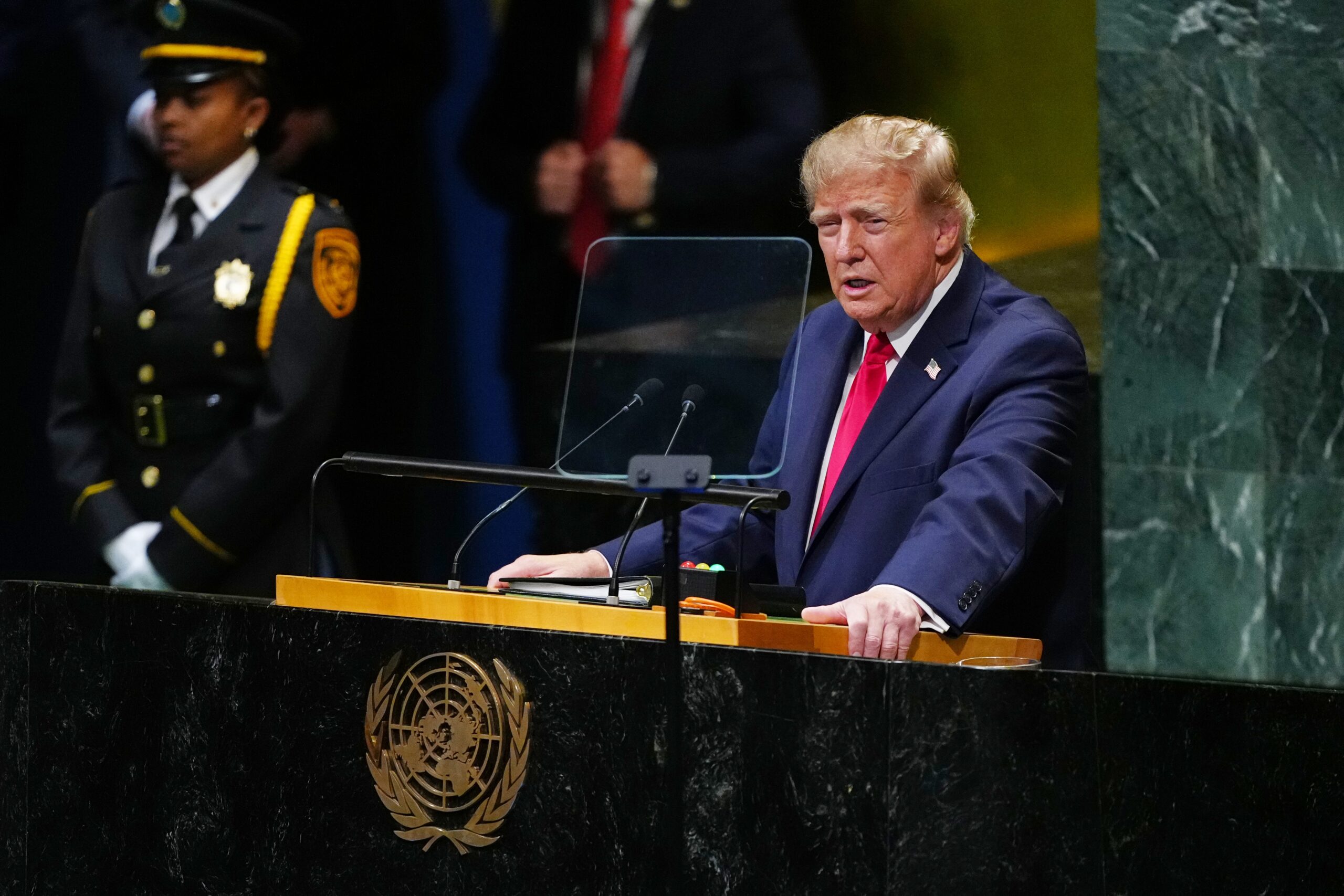
Speakers



Book Talk: Iran and the Bomb: The United States, Iran and the Nuclear Question
On June 16, AGSI hosted a discussion on the evolution of Iran's nuclear program.
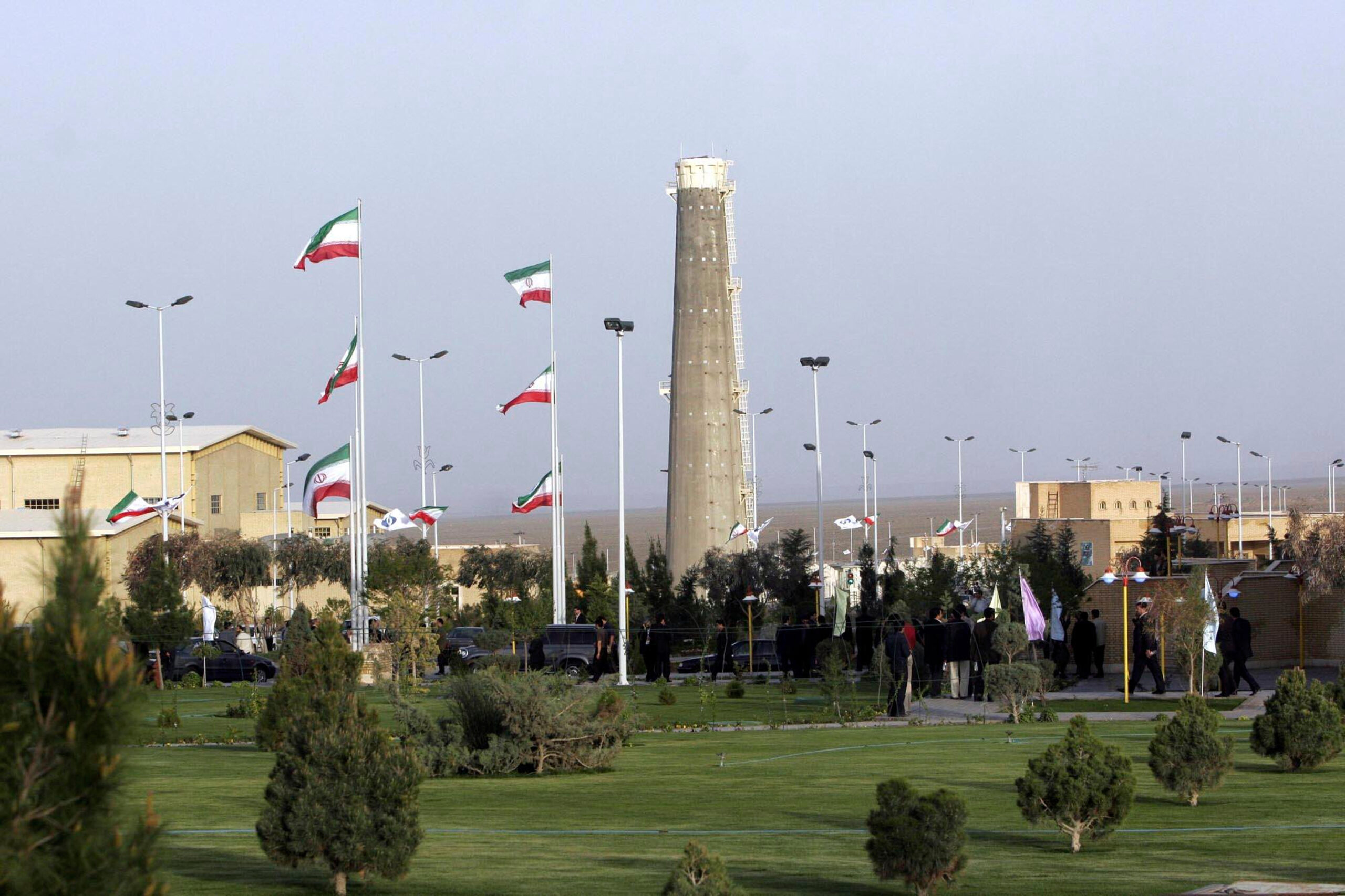
Speakers
Apr 21, 2026
Inside Iran’s Wartime Leadership: Power, Succession, and Regime Stability
On April 21, AGSI hosted a discussion on the evolution of Iran's leadership during the war.
Speakers

Mar 18, 2026
In Its Conflict With the United States and Israel, Does Escalation Favor Iran?
On March 18, AGSI hosted a discussion on the escalation of the Iran war.
Speakers