Aug 11, 2026
Major General Mohsen Rezaei Appointed Supreme National Security Council Secretary
The August 11 edition of the Iran Media Review analyzes Iranian media responses to the appointment of a new Supreme National Security Council secretary.

On August 9, Supreme Leader Ayatollah Mojtaba Khamenei appointed Major General Mohsen Rezaei as his representative to the Supreme National Security Council. The following day, President Masoud Pezeshkian appointed Rezaei secretary of the SNSC, placing him in a key position as an intermediary between the council and Iran’s de facto collective leadership. The precise reasons for Brigadier General Mohammad-Bagher Zolqadr’s departure and replacement by Rezaei have not been made public, but the secretary’s job description remains unchanged. Ideally, Rezaei will solicit policy options from the bureaucracy, synthesize them into three recommendations, and present them to the collective leadership. Once the leadership has selected a policy, Rezaei will be expected to coordinate the government’s efforts to implement it. Rezaei is likely to command a measure of respect within the bureaucracy – and perhaps within parts of the Islamic Revolutionary Guard Corps – which may facilitate his work at the council. However, should his ego get the better of him and he attempt to impose his will on the SNSC – or, in the words of analyst Assad-Allah Zarei, to “command” the institution – or seek to dominate the collective leadership, his tenure is likely to end abruptly.
- August 10: An article in Supreme National Security Council mouthpiece Nour News Agency argued:
- “Given its legal status and broad mandate, the SNSC is one of the country’s most important centers for coordinating these capabilities. Therefore, if Rezaei’s appointment amounts to more than merely replacing one secretary with another – and instead strengthens the Secretariat’s role in formulating, coordinating, and implementing the country’s overarching strategies – it could pave the way for a more significant transformation in governance.”
- “From this perspective, the central issue is not the end of one secretary’s tenure and the beginning of another’s, but the effectiveness of the steps the SNSC Secretariat will take in this new phase, drawing on its capacities to create a more coherent framework for the country’s strategic governance.”
- “The appointment of a strategic figure with multifaceted experience to lead the country’s foremost strategic institution has, at the very least, created an opportunity to reorganize national governance around greater synergy among financial resources, human capital, defense capabilities, scientific and technological infrastructure, and diplomatic assets. If realized, such a transformation could strengthen the foundations of national power for confronting the demands of this new phase.”
- August 10: Foreign policy analyst Assad-Allah Zarei wrote in Islamic Revolutionary Guard Corps-affiliated Tasnim News Agency:
- Major General Mohsen Rezaei “has not been appointed to command an institution; rather, he serves as the secretary of a high-level, consensus-based body responsible for national security. His success in managing an institution of this nature depends on ‘collective will and action,’ although he himself also plays an important role in shaping that will and fostering such cooperation. The country currently faces two fundamental challenges: first, ‘managing the war and bringing it to a just and victorious conclusion’; and second, ‘accumulated economic problems,’ which also have security dimensions and consequences and have become chronic in certain areas. The Iranian people – and, naturally, the supreme leader – expect him to take practical steps to manage these two critical fronts within the inherent authority of the SNSC and any additional responsibilities assigned to it as circumstances require. Undoubtedly, fulfilling this task requires sufficient authority and a reasonable degree of trust.”
- August 11: Zohreh Farahani wrote in reformist Shargh:
- Brigadier General Mohammad-Bagher Zolqadr “was secretary of the SNSC but did not hold the title of the supreme leader’s representative to the council. The distinction appeared legalistic, but it carried political significance within the SNSC’s structure. The secretary manages the Secretariat and follows up on the implementation of the council’s decisions. The supreme leader’s representative is a formal member of the council and votes in its deliberations. Most previous secretaries held both positions simultaneously. Zolqadr was an exception to this rule.”
- Now, Saeed Jalili and Rezaei are the leader’s representatives to the SNSC: “Rezaei and Jalili are not merely two members of the council; each brings a distinct background and understanding of foreign policy, negotiations, and the management of national-security issues. Jalili is best known for his tenure as SNSC secretary and his role in the nuclear negotiations. Rezaei, meanwhile, commanded the IRGC during the eight-year Iran-Iraq War and later served as secretary of the Expediency Council. The SNSC secretary does not single-handedly determine the country’s national-security policy. The president chairs the council, and decisions are made collectively by its members. Its resolutions also require the supreme leader’s approval. Nevertheless, the secretary plays a central role in setting meeting agendas, coordinating among government institutions, and overseeing the implementation of decisions. This position becomes even more important during periods of crisis.”
The views represented herein are the author's or speaker's own and do not necessarily reflect the views of AGSI, its staff, or its board of directors.
Related
Iran Media Review
Aug 7, 2026
The Hidden Ayatollah Denies Seeking the President’s Dismissal
The August 7 edition of the Iran Media Review examines an Iranian newspaper debunking an official’s claim to have the ear of Supreme Leader Ayatollah Mojtaba Khamenei.
Iran Media Review
Aug 4, 2026
The IRGC Warns of the “End of Calm at Aramco”
The August 4 edition of the Iran Media Review highlights Iranian media responses to Saudi strikes in Iraq and Houthi attacks on Saudi Arabia.
Iran Media Review
Jul 31, 2026
Javan Daily: “Iran’s War and Negotiation Plan”
The July 31 edition of the Iran Media Review analyzes an Iranian article arguing that Iran is following its own timetable and agenda on negotiations and escalation.
Aug 7, 2026
The Hidden Ayatollah Denies Seeking the President’s Dismissal
The August 7 edition of the Iran Media Review examines an Iranian newspaper debunking an official’s claim to have the ear of Supreme Leader Ayatollah Mojtaba Khamenei.
Aug 4, 2026
The IRGC Warns of the “End of Calm at Aramco”
The August 4 edition of the Iran Media Review highlights Iranian media responses to Saudi strikes in Iraq and Houthi attacks on Saudi Arabia.
Jul 31, 2026
Javan Daily: “Iran’s War and Negotiation Plan”
The July 31 edition of the Iran Media Review analyzes an Iranian article arguing that Iran is following its own timetable and agenda on negotiations and escalation.
Analysis
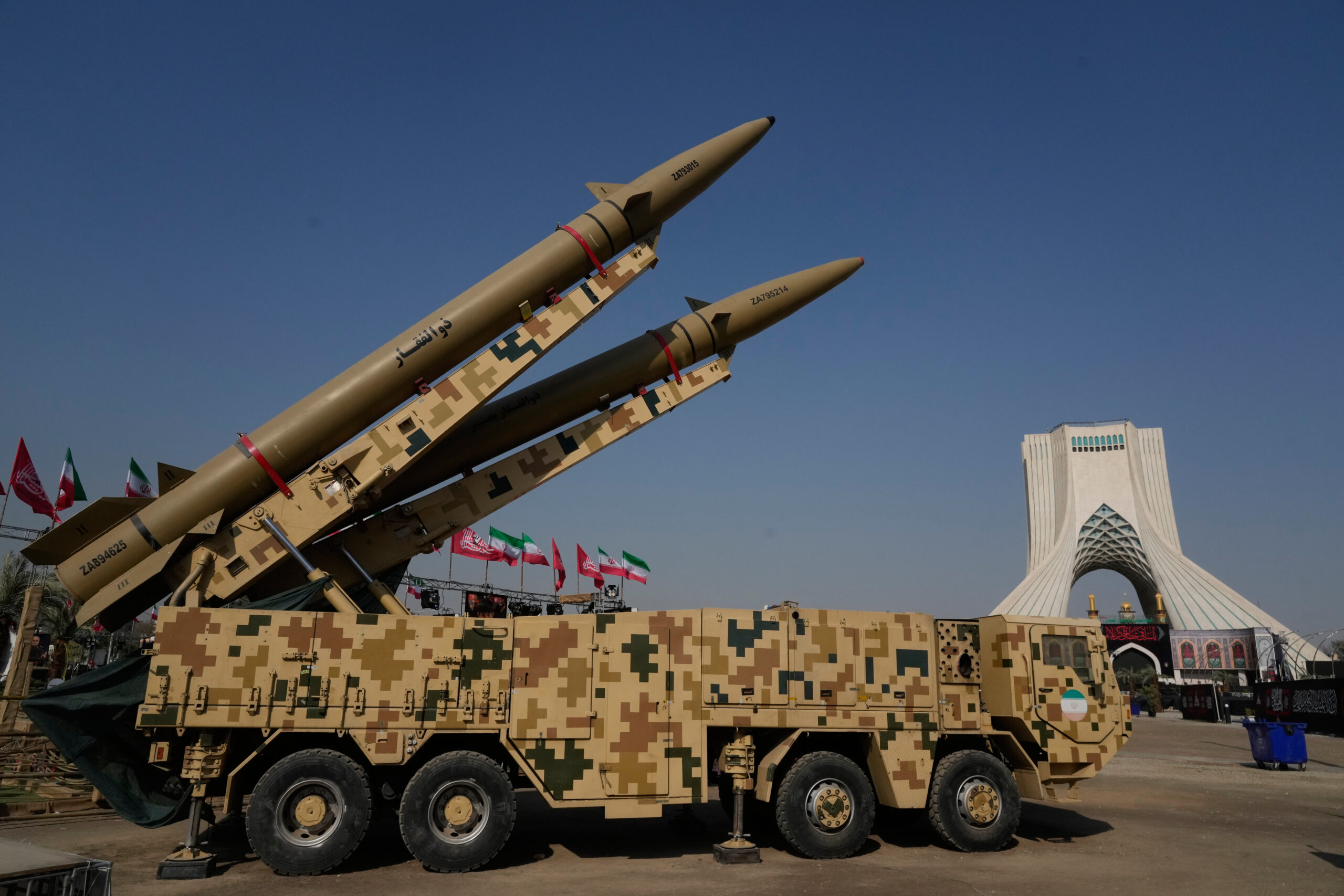
The Islamic Republic Returns to Offense
After U.S.-Israeli strikes killed Supreme Leader Ayatollah Ali Khamenei on February 28, Iran’s collective leadership has concluded that the best defense is a good offense.
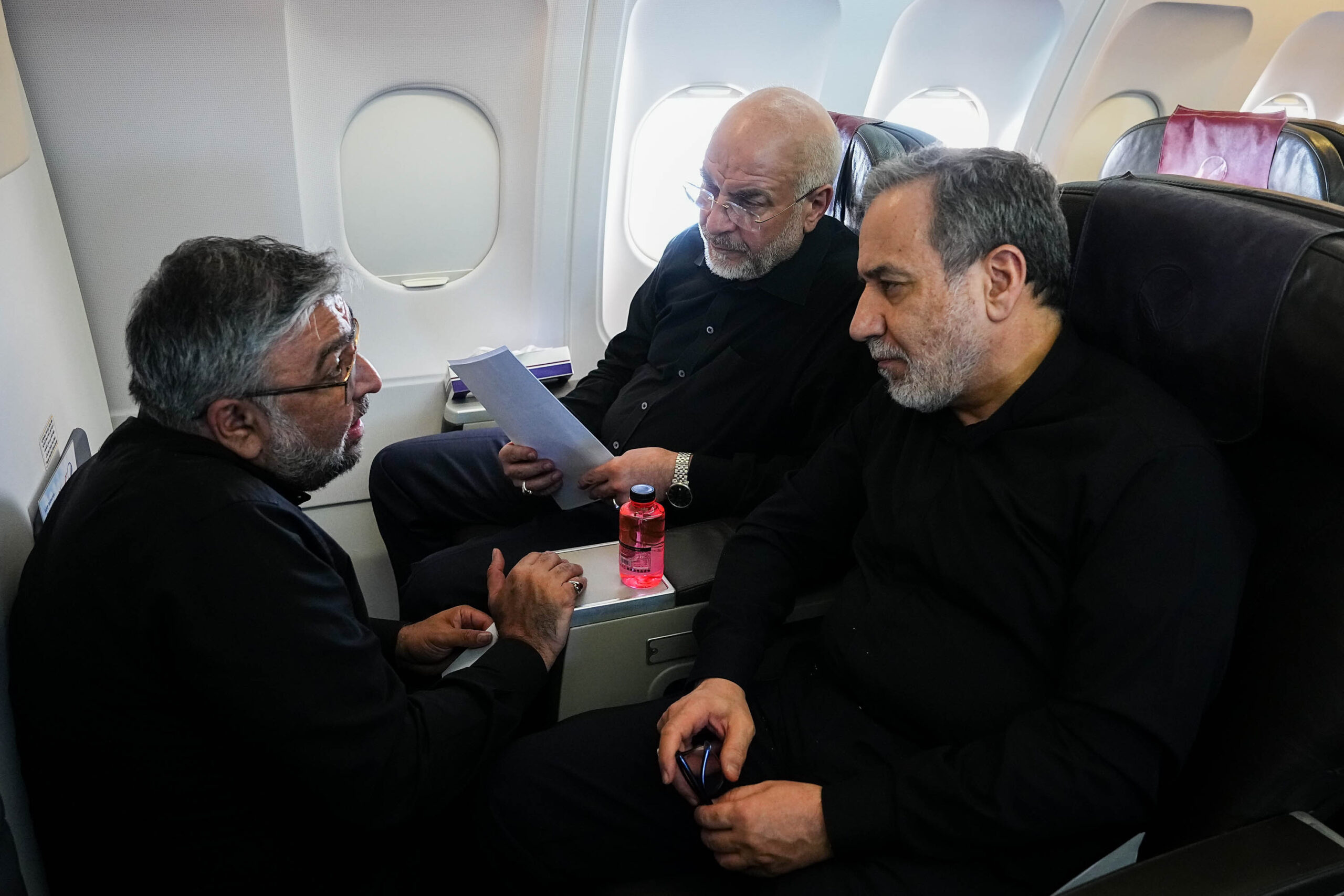
Iran’s Collective Strategic Decision Making
Wartime pressure has temporarily aligned the leadership’s overriding interest in regime survival, even as its members continue to differ over the costs, methods, and ultimate objectives of the war.
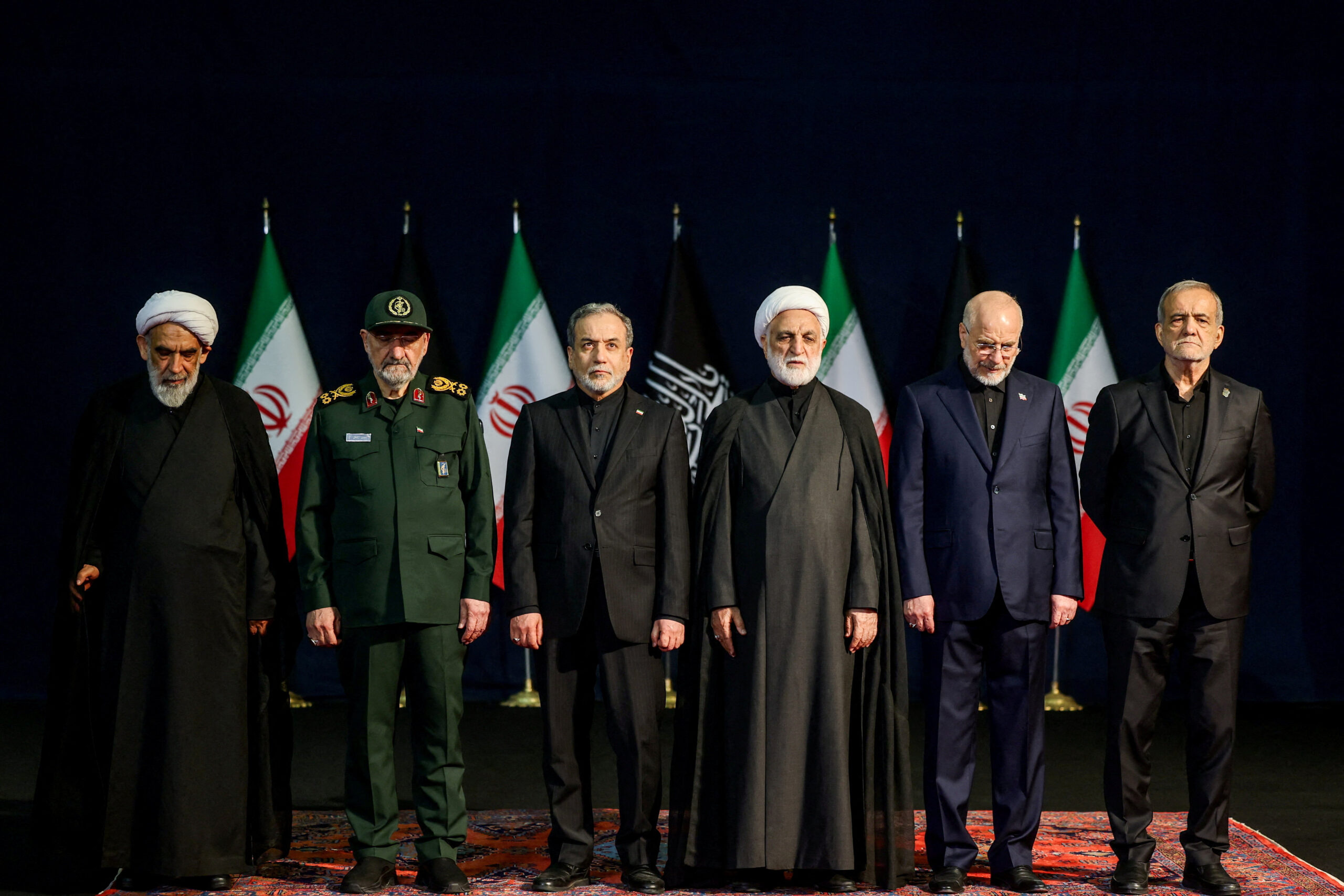
The Islamic Republic’s Collective Leadership
While there is historical precedent for collective leadership in Iran, today’s leadership includes representatives of the IRGC and regular military – a reflection of the IRGC’s expanding role and the necessities of governing under wartime conditions.
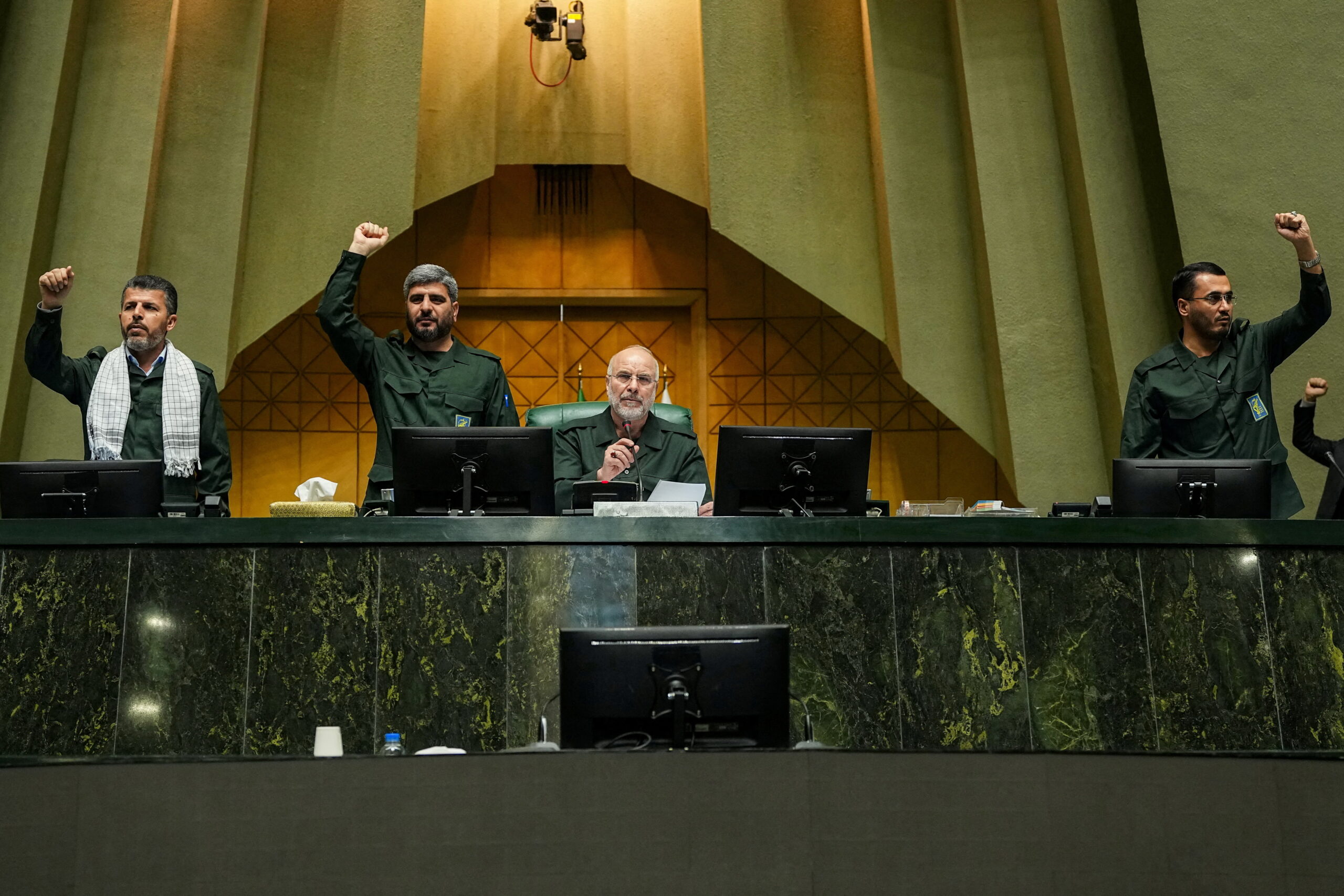
How Did the IRGC Seize Power in Iran?
The IRGC did not seize power in a single stroke. It accumulated it – patiently, methodically – until no counterweight remained.
Events
Book Talk: Iran and the Bomb: The United States, Iran and the Nuclear Question
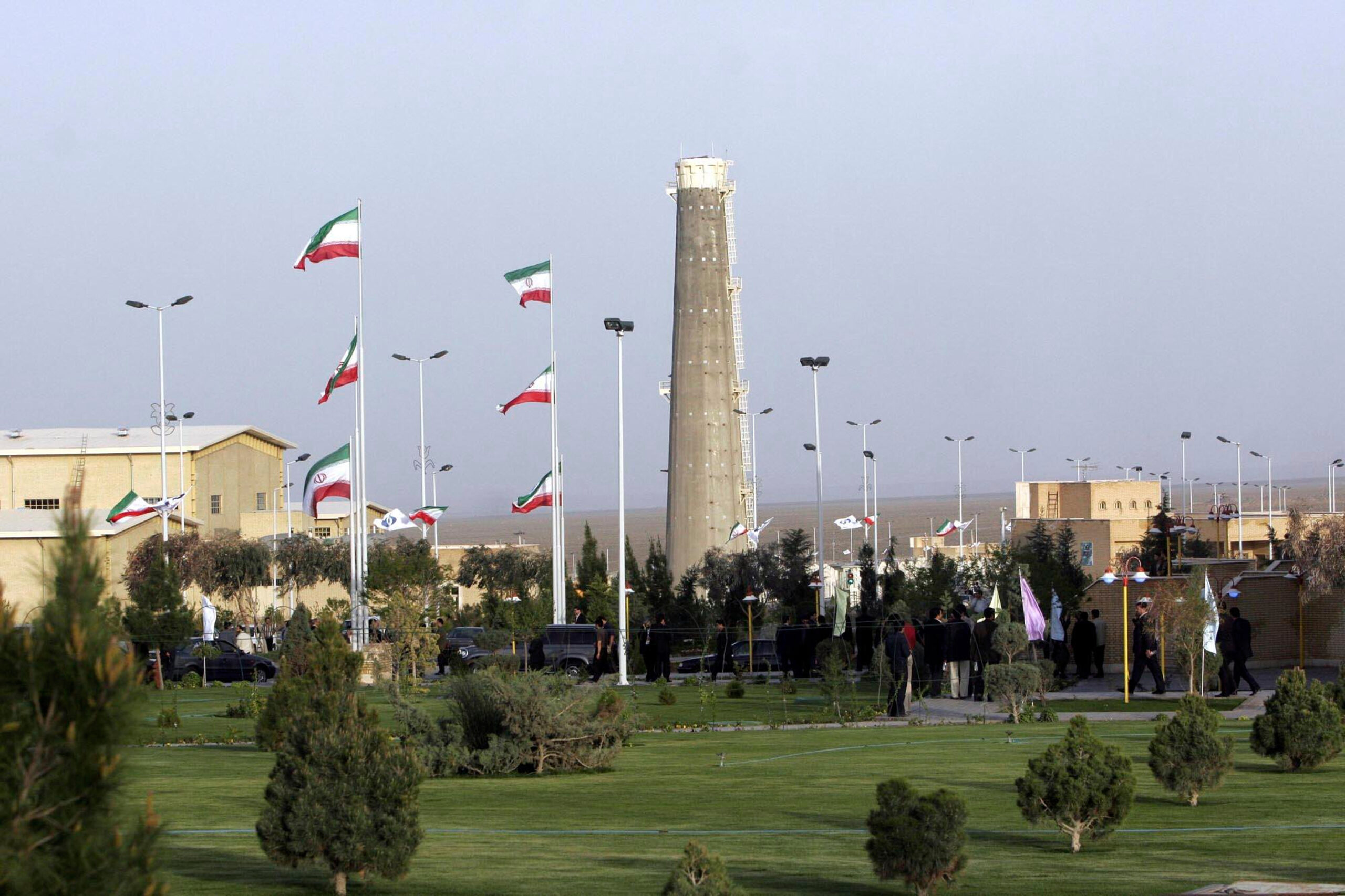
On June 16, AGSI hosted a discussion on the evolution of Iran's nuclear program.
Speakers

Apr 21, 2026
Inside Iran’s Wartime Leadership: Power, Succession, and Regime Stability
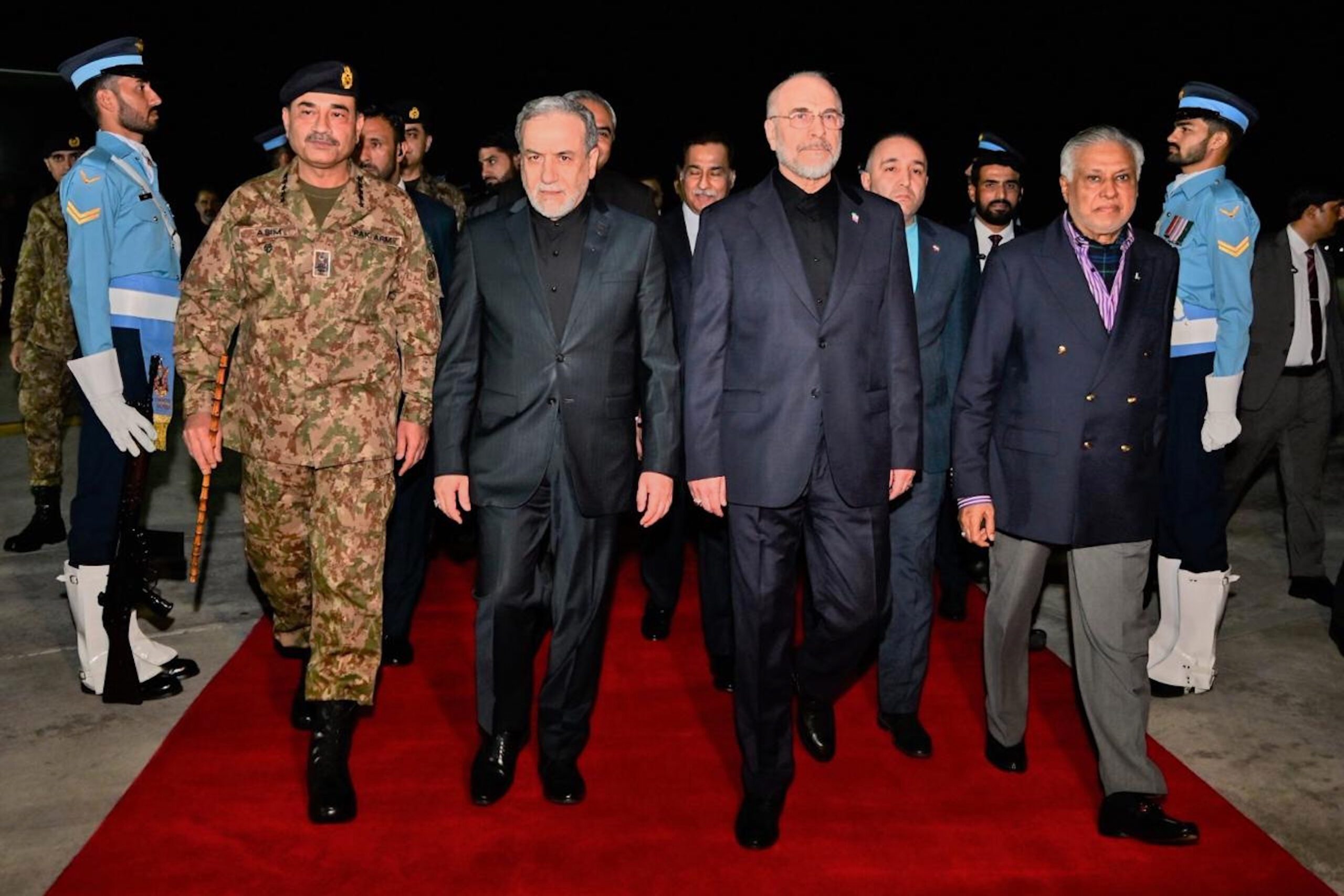
On April 21, AGSI hosted a discussion on the evolution of Iran's leadership during the war.
Speakers

Mar 18, 2026
In Its Conflict With the United States and Israel, Does Escalation Favor Iran?
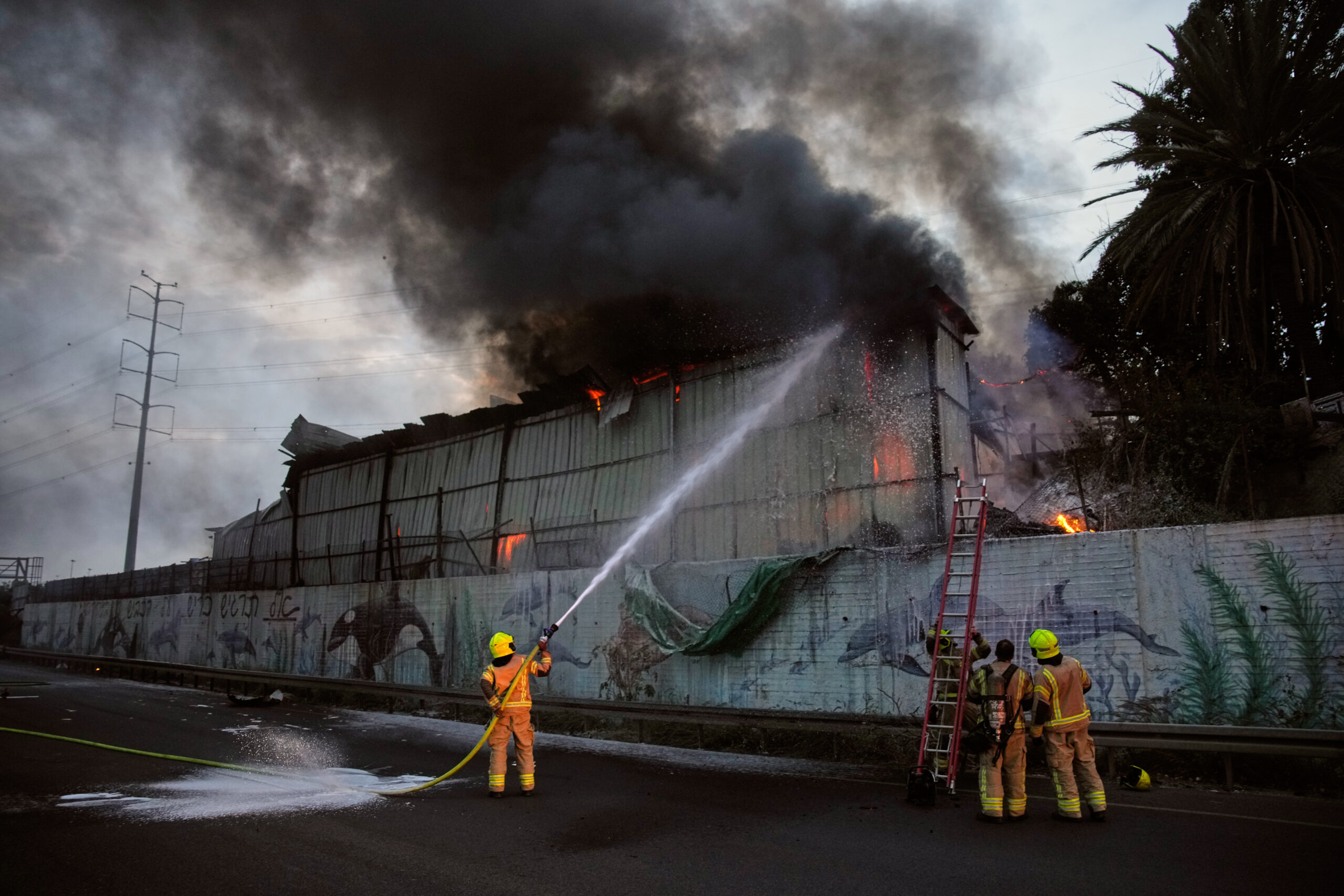
On March 18, AGSI hosted a discussion on the escalation of the Iran war.
Speakers


Mar 2, 2026
After the Shock: Implications of the U.S.–Israeli Strikes and Iran’s Leadership Transition
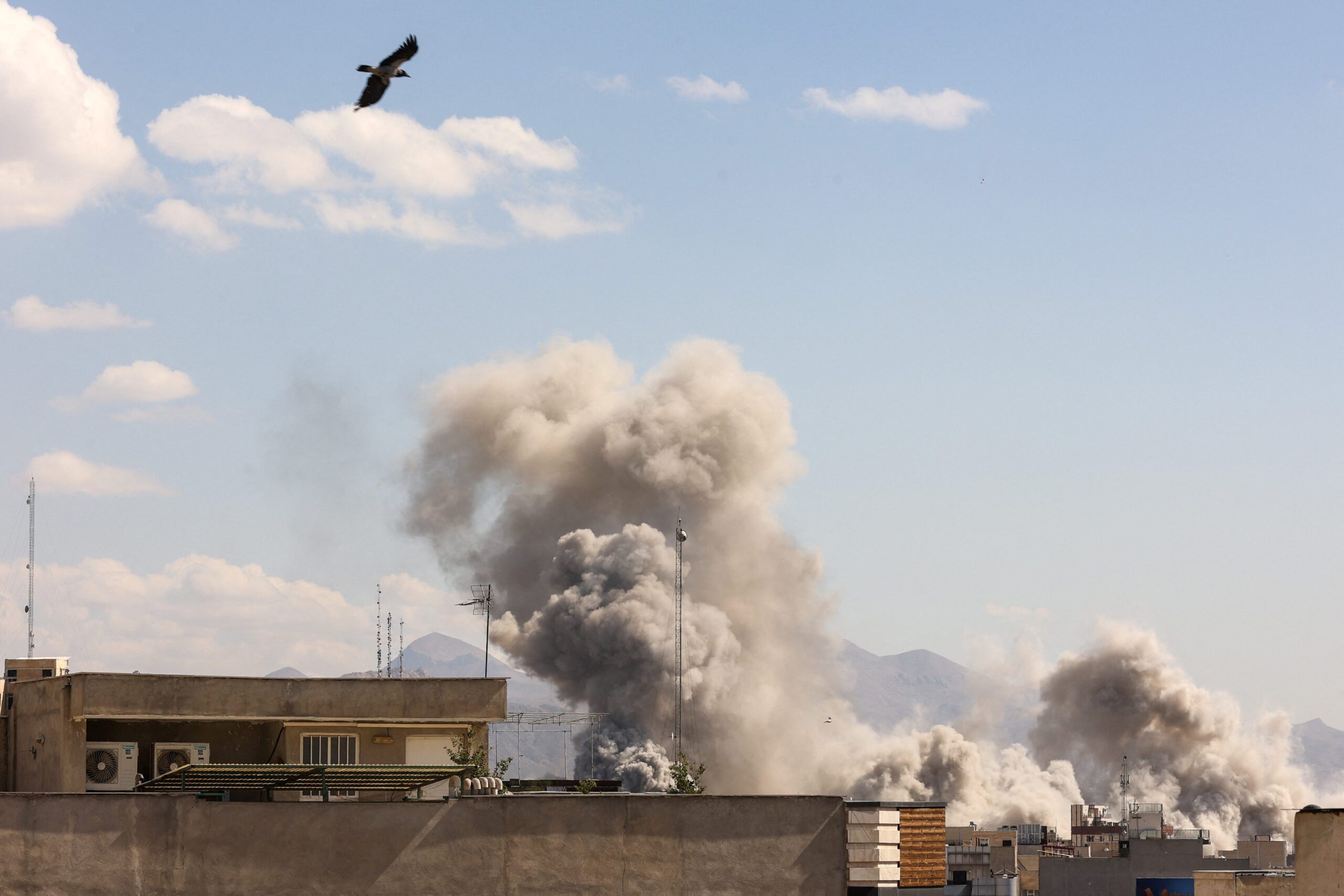
On March 2, AGSI hosted a discussion on the U.S.-Israeli strikes on Iran.
Speakers