May 26, 2026
Permanence of Neither War Nor Peace?
The May 26 edition of the Iran Media Review examines Iranian messaging around negotiations with the United States and possible futures for Iran and the region.

As Iranian delegations flock to Doha, Qatar – one of several mediators between Tehran and Washington – there is cautious optimism about the prospects for peace in Iranian media. Yet recent U.S. strikes against Islamic Revolutionary Guard Corps navy facilities near Bandar Abbas, along with Supreme Leader Ayatollah Mojtaba Khamenei’s renewed pledge that Israel will cease to exist by 2040, illustrate the fragility of the cease-fire. As Supreme National Security Council mouthpiece Nour News Agency suggests, Iran may indeed be entering a state of neither war nor peace, but such insecurity is unlikely to remain confined to Iran alone and will affect the entire region.
- May 25: Centrist Asr-e Iran reported that Abdolnasser Hemmati, governor of the central bank of Iran, visited Qatar to release frozen Iranian assets.
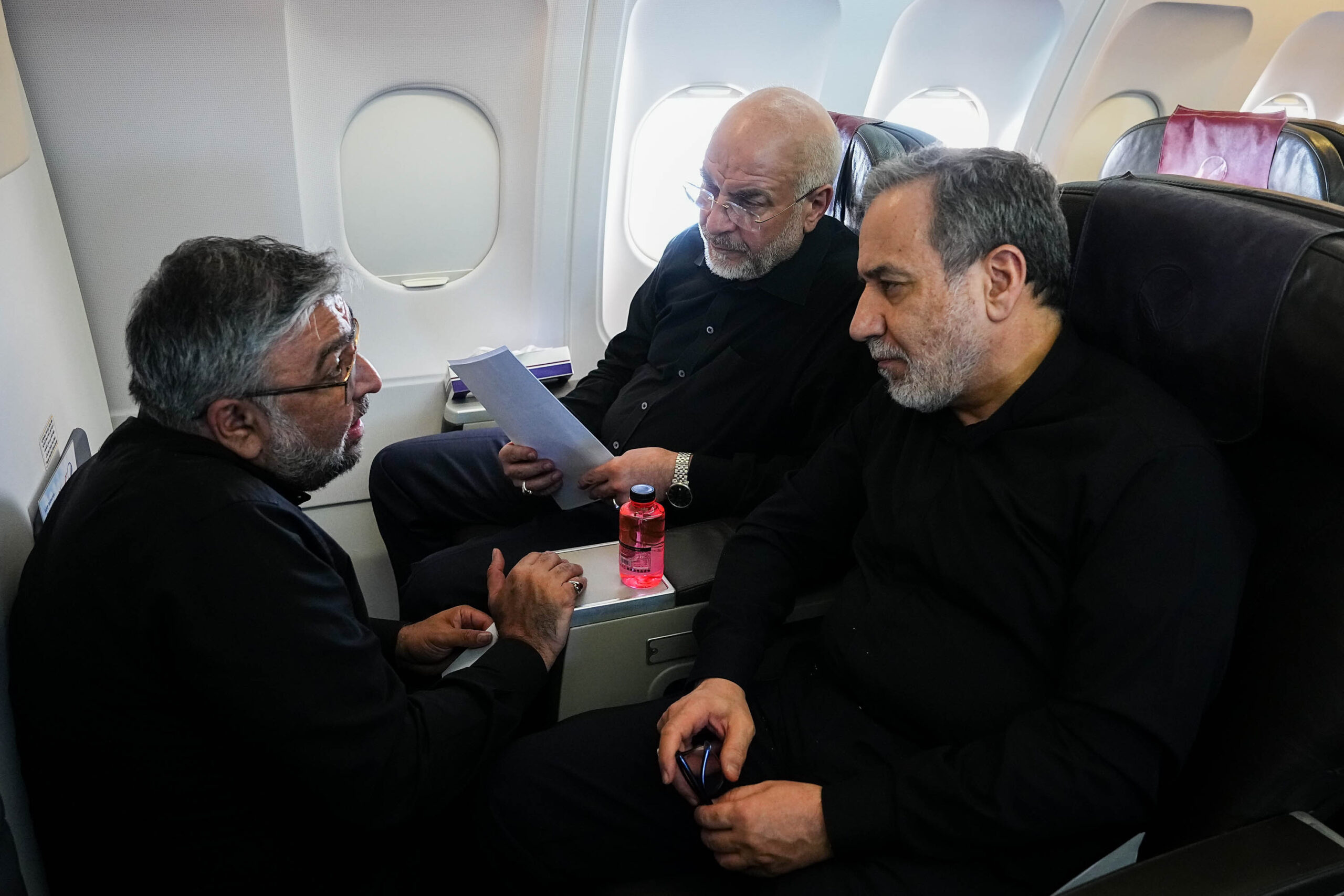
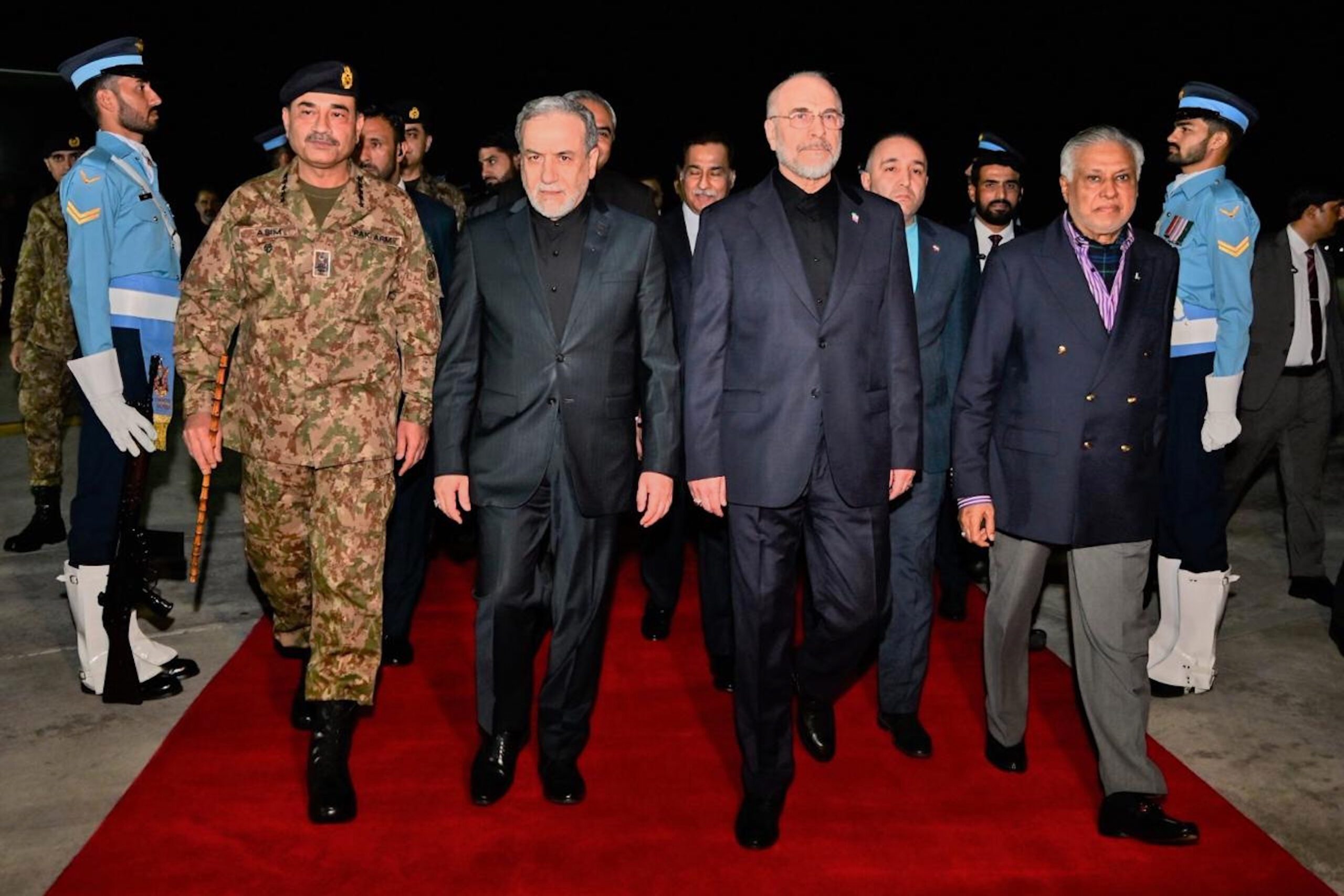
- May 25: According to Islamic Revolutionary Guard Corps-affiliated Tasnim News Agency, Parliamentary Speaker Mohammad-Bagher Qalibaf and Foreign Minister Abbas Araghchi also visited Qatar.
- May 25: Tabnak News Agency, which is affiliated with Major General Mohsen Rezaei, senior military advisor to Supreme Leader Ayatollah Mojtaba Khamenei, confirmed foreign reports that Qatar is playing a mediating role between the United States and Iran.
- May 26: Khamenei’s message to pilgrims was released by Islamic Republic News Agency:
- “The clock can’t be turned backward, and the nations and lands of the region will no longer serve as shields for American bases. The United States, in addition to no longer having a safe haven for mischief and the stationing of military bases in the region, is moving further away from its former condition with each passing day. The unstable Zionist regime, that cancerous tumor, is likewise approaching the final stages of its accursed life, and by the grace of God, and in accordance with the firm and farsighted statement made 10 years ago by the great martyred leader – may God sanctify his pure soul – it will not see 25 years from that date, God willing.”
- May 26: Nour News Agency published commentary on the Iranian official visits to Qatar:
- “One of the plausible scenarios, should the parties move beyond the stage of an initial understanding and enter negotiations, is the emergence of a state of ‘neither war nor peace’ – a condition of suspended insecurity that may prove to be the most undesirable outcome for Iran and the region. Under such circumstances, there would be neither a clear horizon for a final agreement nor the possibility of returning to lasting stability. Economic investments, regional projects, energy markets, and even trade routes would all operate in an atmosphere of uncertainty. The experience of recent years has shown that the economies of the Persian Gulf region, contrary to common assumptions, are not immune even to limited and temporary insecurity and that any disruption in security calculations can extend far beyond the borders of a single country.”
- “The Iranian delegation’s visit to Doha, coinciding with efforts to formulate a negotiating framework, is not merely an ordinary diplomatic move but part of the process of shaping a new security order in the Persian Gulf – an order whose success or failure will largely depend on whether regional and extraregional actors have absorbed the message of the 40-day war or whether they will continue to insist on their previous calculations. What has become clear so far is that Iran has demonstrated that it possesses both the necessary tools to pursue this strategy and the political and security will required to consolidate it.”
- May 26: Fatemeh Jarareh, a parliamentarian representing Bandar Abbas, was quoted by Tabnak News Agency:
- “Last night, the United States attacked some fast boats,” of the IRGC navy.
- “Four Iranian servicemen were martyred, but there is still no accurate information available … The cease-fire has been breached.”
The views represented herein are the author's or speaker's own and do not necessarily reflect the views of AGSI, its staff, or its board of directors.
Related
Iran Media Review
May 22, 2026
The IRGC Warns of War “Beyond the Region”
The May 22 edition of the Iran Media Review highlights an IRGC warning that renewed conflict with the United States and Israel could spread “beyond the region.”
Iran Media Review
May 19, 2026
Hijab Revisionism, Reactions to Trump, and the Continued Rise of Qalibaf
The May 19 edition of the Iran Media Review analyzes a regime-backed religious defense of women who don’t wear the hijab, IRGC responses to Trump’s threats, and the empowerment of Iran’s parliamentary speaker.
Iran Media Review
May 15, 2026
Tehran’s Warning to Arab States May Backfire
The May 15 edition of the Iran Media Review considers how an Iranian news agency’s warning to Gulf Arab states against further involvement in the U.S.-Israeli conflict with Iran may backfire.
May 22, 2026
The IRGC Warns of War “Beyond the Region”
The May 22 edition of the Iran Media Review highlights an IRGC warning that renewed conflict with the United States and Israel could spread “beyond the region.”
May 19, 2026
Hijab Revisionism, Reactions to Trump, and the Continued Rise of Qalibaf
The May 19 edition of the Iran Media Review analyzes a regime-backed religious defense of women who don’t wear the hijab, IRGC responses to Trump’s threats, and the empowerment of Iran’s parliamentary speaker.
May 15, 2026
Tehran’s Warning to Arab States May Backfire
The May 15 edition of the Iran Media Review considers how an Iranian news agency’s warning to Gulf Arab states against further involvement in the U.S.-Israeli conflict with Iran may backfire.
Analysis
The Committee of Six and Strategic Decision Making in Iran
Remarks by Iran’s president offer a rare glimpse of how the Islamic Republic has adapted its decision making to the absence of its supreme leader.
Mohsen Rezaei at the Helm of Iran’s Supreme National Security Council
Under Rezaei, the SNSC could prove constructive or paralyze strategic decision making.
The Islamic Republic Returns to Offense
After U.S.-Israeli strikes killed Supreme Leader Ayatollah Ali Khamenei on February 28, Iran’s collective leadership has concluded that the best defense is a good offense.
Iran’s Collective Strategic Decision Making
Wartime pressure has temporarily aligned the leadership’s overriding interest in regime survival, even as its members continue to differ over the costs, methods, and ultimate objectives of the war.
Events
Oct 6, 2026
Is the U.S.-Iran Stalemate a “New Normal” or the Prelude to Another Explosion?
On October 6, AGSI hosted a discussion on the U.S.-Iran stalemate and the prospects for a cease-fire.
Speakers



Book Talk: Iran and the Bomb: The United States, Iran and the Nuclear Question
On June 16, AGSI hosted a discussion on the evolution of Iran's nuclear program.
Speakers
Apr 21, 2026
Inside Iran’s Wartime Leadership: Power, Succession, and Regime Stability
On April 21, AGSI hosted a discussion on the evolution of Iran's leadership during the war.
Speakers

Mar 18, 2026
In Its Conflict With the United States and Israel, Does Escalation Favor Iran?
On March 18, AGSI hosted a discussion on the escalation of the Iran war.
Speakers