May 19, 2026
Hijab Revisionism, Reactions to Trump, and the Continued Rise of Qalibaf
The May 19 edition of the Iran Media Review analyzes a regime-backed religious defense of women who don’t wear the hijab, IRGC responses to Trump’s threats, and the empowerment of Iran’s parliamentary speaker.

In the purgatory between war and peace, the regime in Iran appears willing to sacrifice enforcement of hijab requirements at the altar of national unity. The regime is also signaling readiness to confront potential renewed U.S. and Israeli military attacks. Meanwhile, the regime is gradually endowing Parliamentary Speaker Mohammad-Bagher Qalibaf with greater powers, having appointed him the special envoy to China.
- May 17: Tabnak News Agency, which is affiliated with Major General Mohsen Rezaei, released video footage of Hossein Taheri, a religious cantor, defending “patriotic women” who do not wear the hijab and criticizing the Friday prayer leader of the city of Rasht, who had condemned women for failing to abide by Iran’s hijab legislation. Addressing the crowds, Taheri said:
- “Our martyred Imam,” a reference to the late Ayatollah Ali Khamenei, “said this: Nobody is perfect. We each have our flaws, some visible and others invisible. But we are all united … I despise those who are trying to sow discord among us … Mr. X in province Y is treading on the blood of our martyred Imam by uttering nonsense and distinguishing between those who wear hijab and those who don’t! Look at yourselves: One sister is wearing the hijab, and the other is not, yet both are holding hands here. For me, this is the victory of the Islamic Republic of Iran in the 68-day war.”
- May 18: Islamic Revolutionary Guard Corps-affiliated Tasnim News Agency wrote about President Donald J. Trump’s warnings to Tehran:
- “After failing in the war against Iran, Trump hopes to extract concessions through political and military pressure and threats. He is even attempting, if possible, to take action against Iran as well. However, immediately following Trump’s threats, oil prices also rose sharply. Indeed, today oil prices surpassed $110, standing on the verge of a major surge.”
- “Trump believes he can extract concessions through pressure and threats and sees no alternative to such tactics; yet his threats also work against him, placing even greater pressure on the United States.”
- May 18: In a post on X, Rezaei commented on Trump’s warnings to Iran:
- “He sets a deadline for a military strike and then cancels it himself with the vain hope of making the Iranian nation and officials surrender! The iron fist of the powerful armed forces and the great Iranian nation will force them to retreat and surrender.”
- May 18: Tabnak News Agency reported Parliamentary Speaker Mohammad-Bagher Qalibaf has been appointed Iran’s special envoy to China.
The views represented herein are the author's or speaker's own and do not necessarily reflect the views of AGSI, its staff, or its board of directors.
Related
Iran Media Review
May 15, 2026
Tehran’s Warning to Arab States May Backfire
The May 15 edition of the Iran Media Review considers how an Iranian news agency’s warning to Gulf Arab states against further involvement in the U.S.-Israeli conflict with Iran may backfire.
Iran Media Review
May 12, 2026
What Did Iran Offer Trump?
The May 12 edition of the Iran Media Review considers Iranian reporting on the contents of the latest Iranian proposal to end the war with the United States.
Iran Media Review
May 8, 2026
The World According to an IRGC Strategist
The May 8 edition of the Iran Media Review analyzes an interview with an IRGC strategist about the war and Iranian relations with the United States.
May 15, 2026
Tehran’s Warning to Arab States May Backfire
The May 15 edition of the Iran Media Review considers how an Iranian news agency’s warning to Gulf Arab states against further involvement in the U.S.-Israeli conflict with Iran may backfire.
May 12, 2026
What Did Iran Offer Trump?
The May 12 edition of the Iran Media Review considers Iranian reporting on the contents of the latest Iranian proposal to end the war with the United States.
May 8, 2026
The World According to an IRGC Strategist
The May 8 edition of the Iran Media Review analyzes an interview with an IRGC strategist about the war and Iranian relations with the United States.
Analysis
The Islamic Republic Returns to Offense
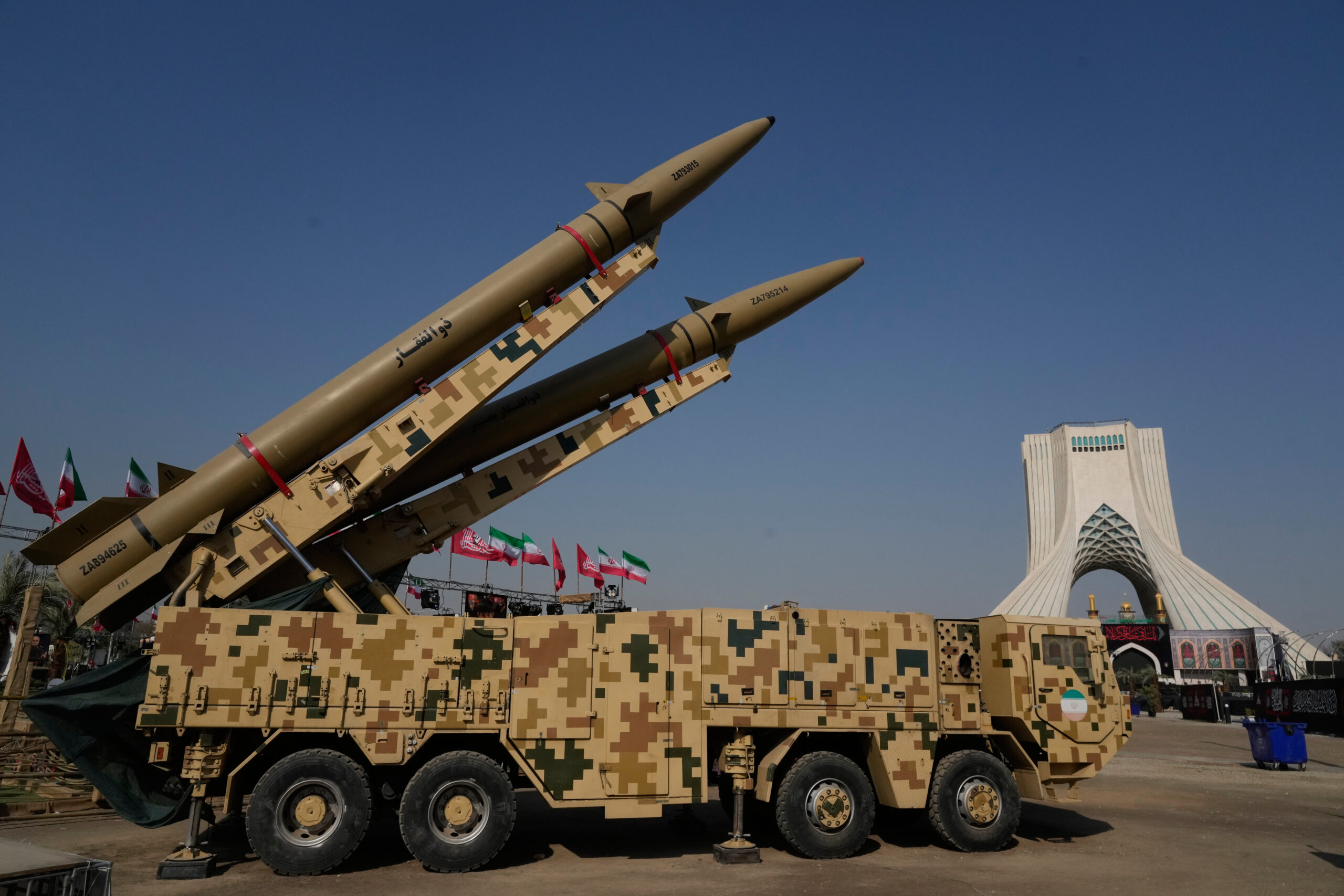
After U.S.-Israeli strikes killed Supreme Leader Ayatollah Ali Khamenei on February 28, Iran’s collective leadership has concluded that the best defense is a good offense.
Iran’s Collective Strategic Decision Making
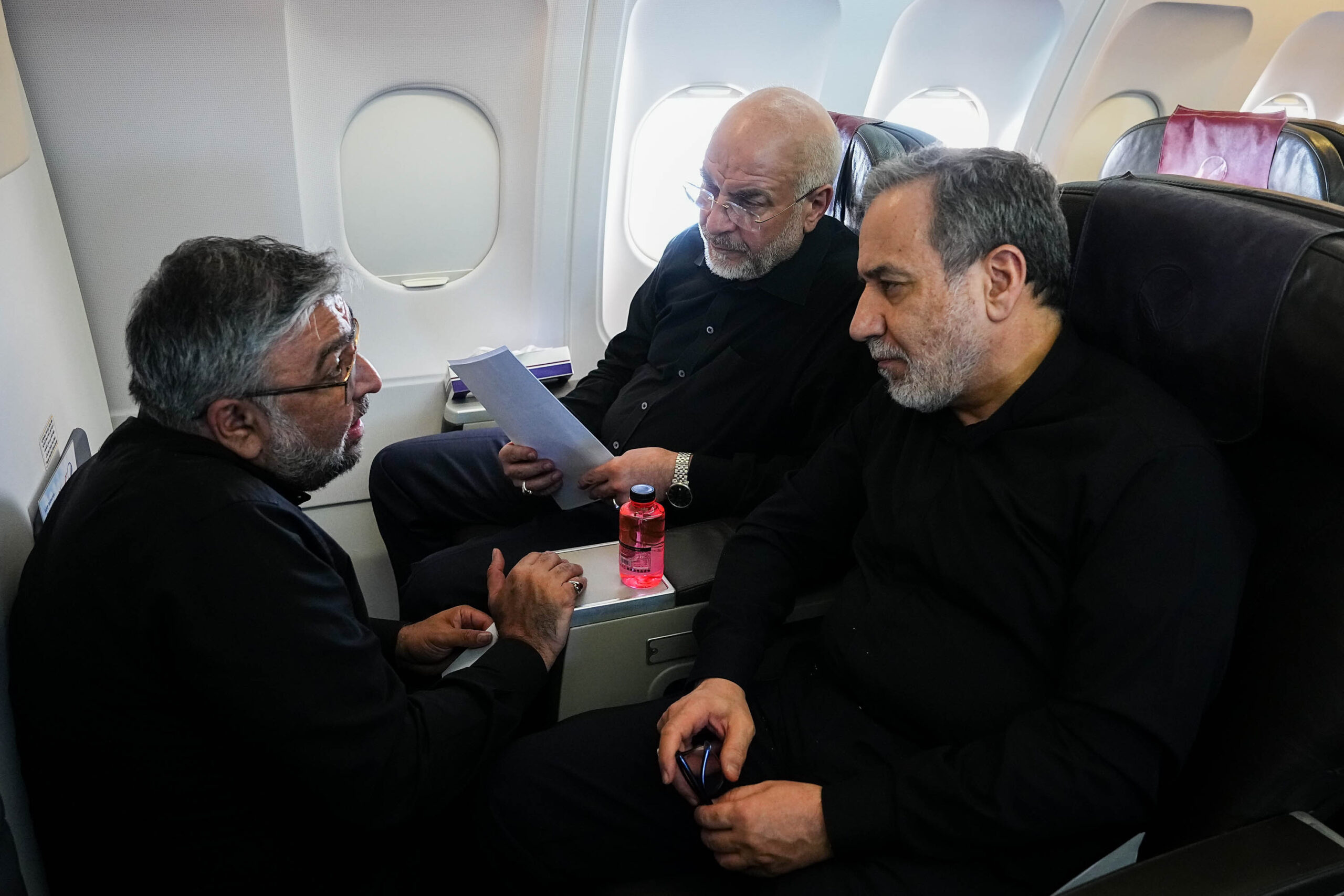
Wartime pressure has temporarily aligned the leadership’s overriding interest in regime survival, even as its members continue to differ over the costs, methods, and ultimate objectives of the war.
The Islamic Republic’s Collective Leadership
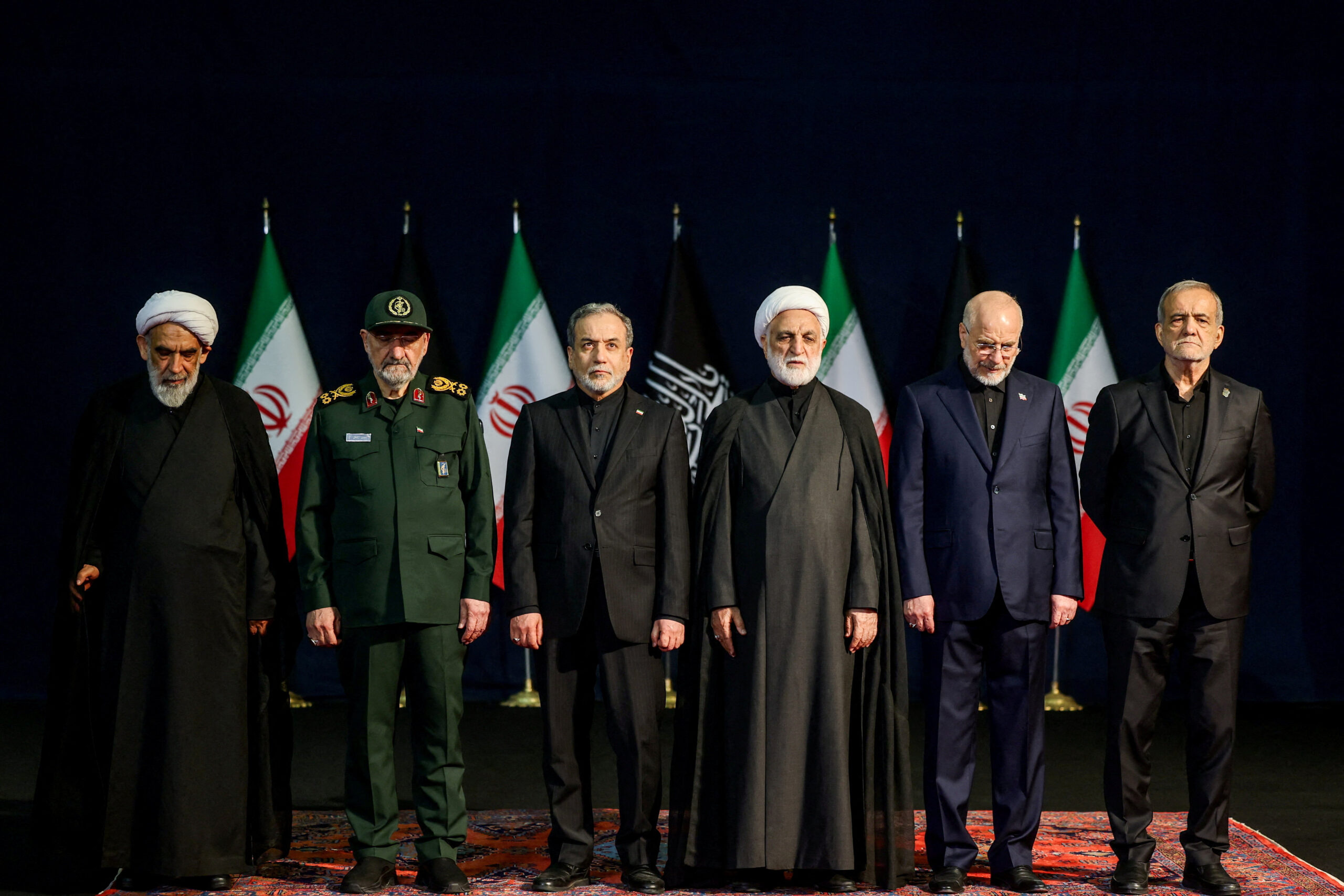
While there is historical precedent for collective leadership in Iran, today’s leadership includes representatives of the IRGC and regular military – a reflection of the IRGC’s expanding role and the necessities of governing under wartime conditions.
How Did the IRGC Seize Power in Iran?
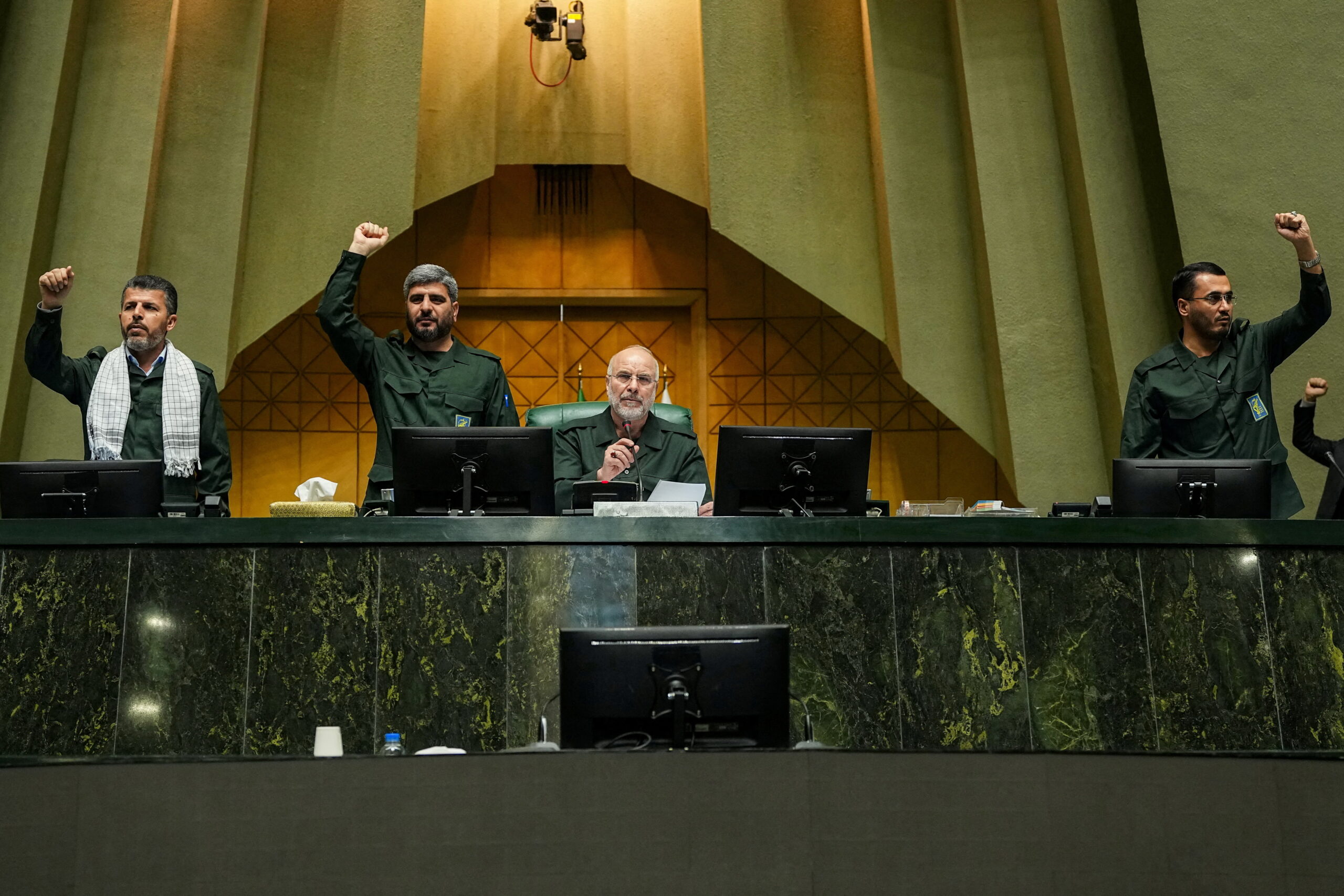
The IRGC did not seize power in a single stroke. It accumulated it – patiently, methodically – until no counterweight remained.
Events
Book Talk: Iran and the Bomb: The United States, Iran and the Nuclear Question
On June 16, AGSI hosted a discussion on the evolution of Iran's nuclear program.

Speakers


Apr 21, 2026
Inside Iran’s Wartime Leadership: Power, Succession, and Regime Stability
On April 21, AGSI hosted a discussion on the evolution of Iran's leadership during the war.

Speakers

Mar 18, 2026
In Its Conflict With the United States and Israel, Does Escalation Favor Iran?
On March 18, AGSI hosted a discussion on the escalation of the Iran war.
Speakers



Mar 2, 2026
After the Shock: Implications of the U.S.–Israeli Strikes and Iran’s Leadership Transition
On March 2, AGSI hosted a discussion on the U.S.-Israeli strikes on Iran.
Speakers