As Iranian drones and missiles have rained down on the Gulf, the targeted states have found unexpected allies globally but little support from their Arab neighbors.
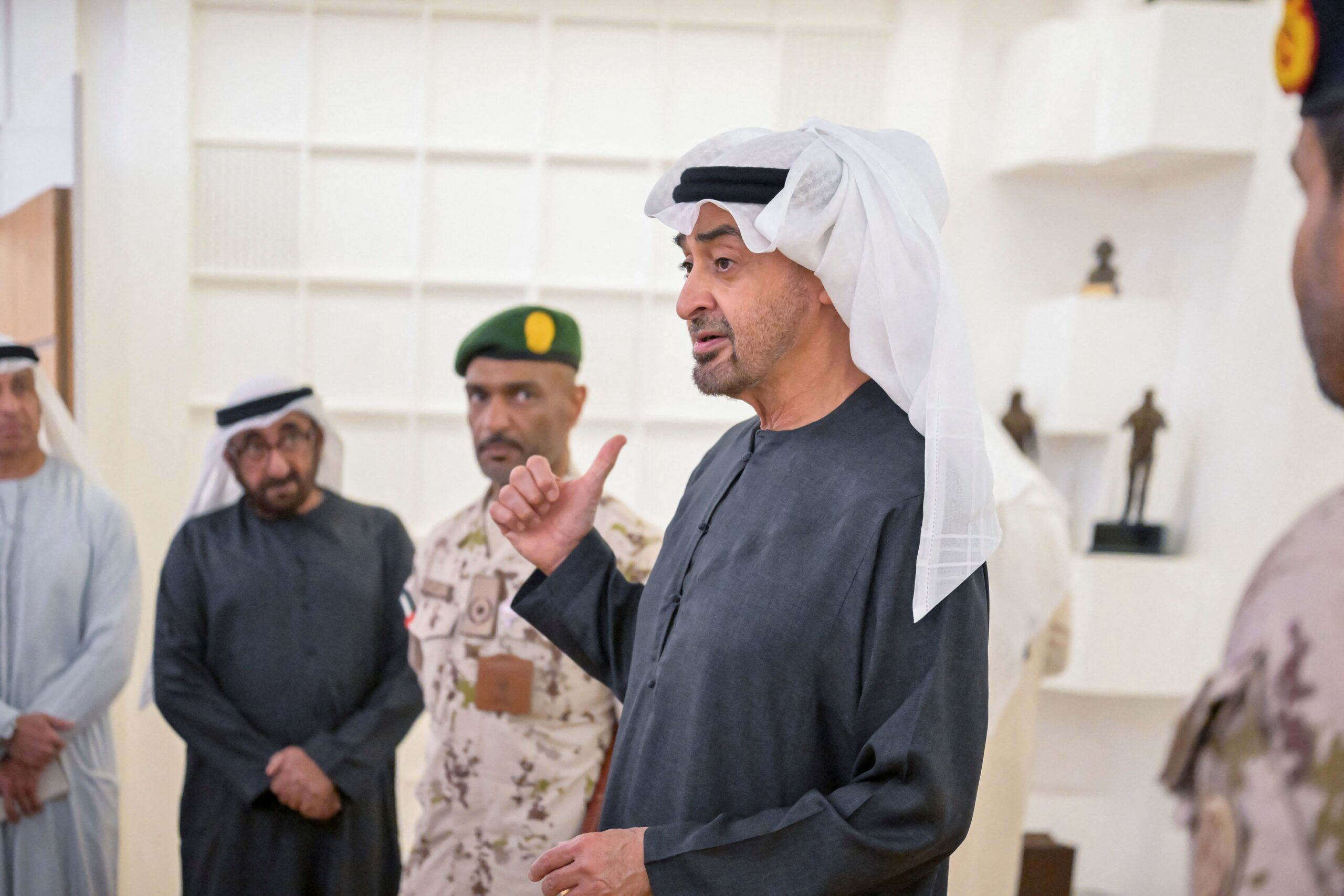
United Arab Emirates President Mohammed bin Zayed al-Nahyan visits the Ministry of Defense in Abu Dhabi, UAE, March 3. (UAE Presidential Court/Handout via REUTERS)
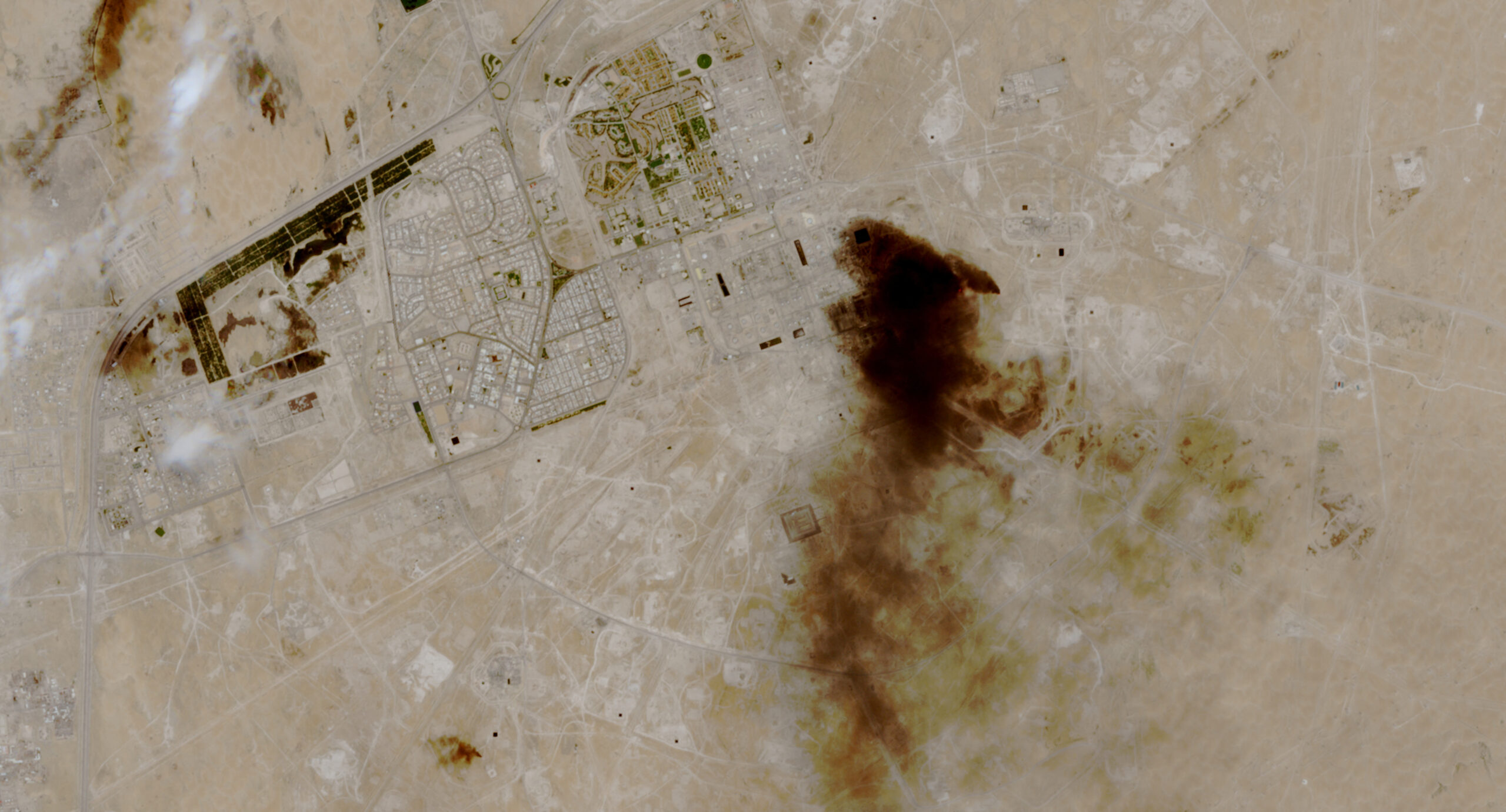
Since Iran began its campaign of strikes against the Gulf Arab states on February 28, the United Arab Emirates has absorbed the majority of Iranian attacks – at least 2,583. As allies from Europe, Oceania, and Asia moved quickly to support Gulf air defenses, the Arab world issued statements condemning Iran. The crisis, the region’s largest since the 1990 invasion of Kuwait, is not only testing the Gulf’s air defenses, it is exposing the hollowness of Arab solidarity, and the Gulf states are taking note.
The UAE has so far resisted calls for retaliation, choosing instead to reinforce its defenses and maintain normalcy by reopening its airspace and keeping businesses running. Its multilayered defenses have successfully blocked 95% of attacks, and it is adapting its defensive strategies to sustain operations for the long run – for example, deploying Apache helicopters to use their guns against drones.
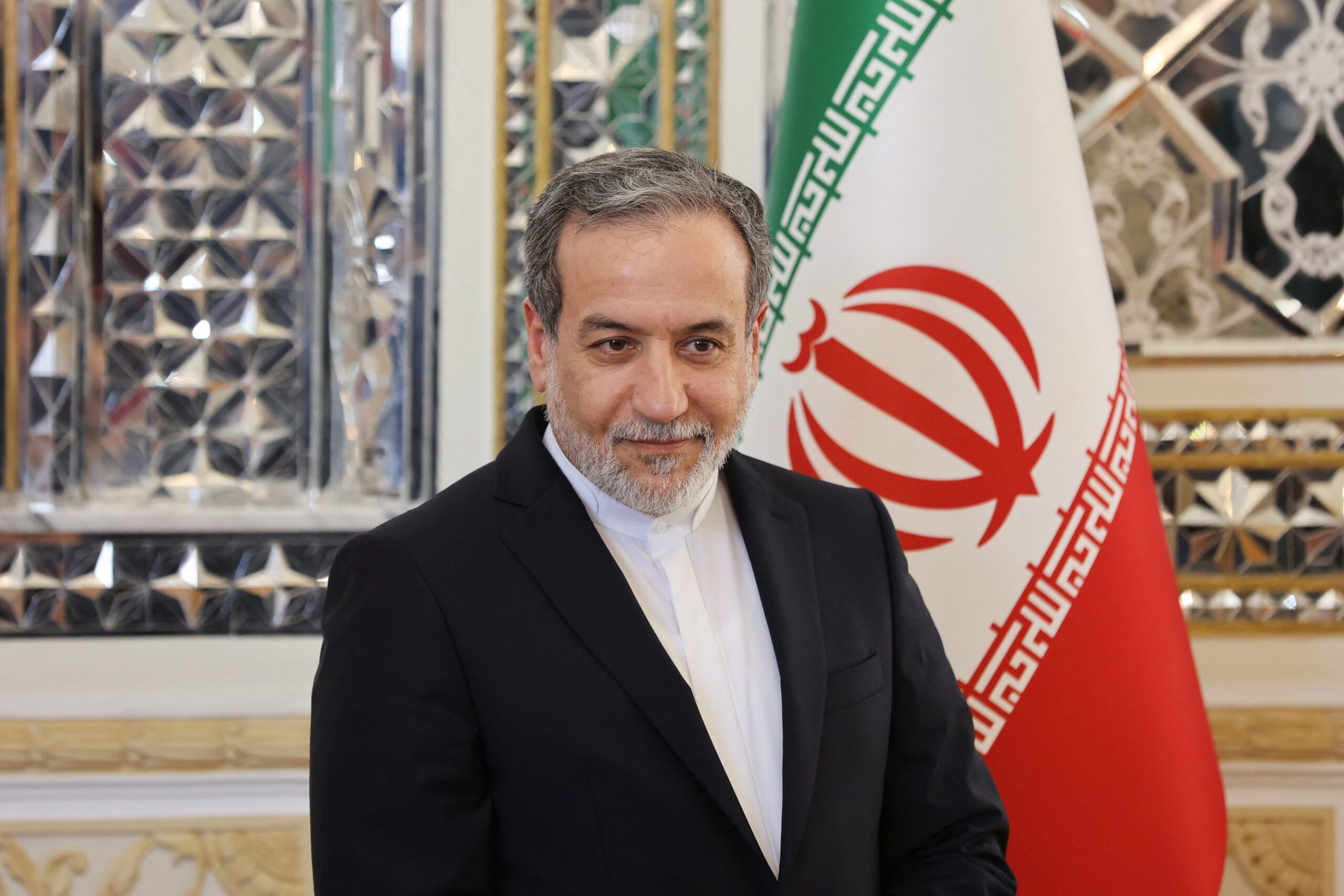
That the Iranian attacks have focused largely on the UAE suggests two things: that Tehran’s long-range capabilities have potentially been degraded and that Iran feels more threatened by the UAE than any other Gulf Arab state. In leaked screenshots of Telegram messages, former Iranian Foreign Minister Mohammad Javad Zarif said that the UAE is equal to Israel, and Iran must focus on attacking it as Iran continues to strike at Israeli and U.S. interests.
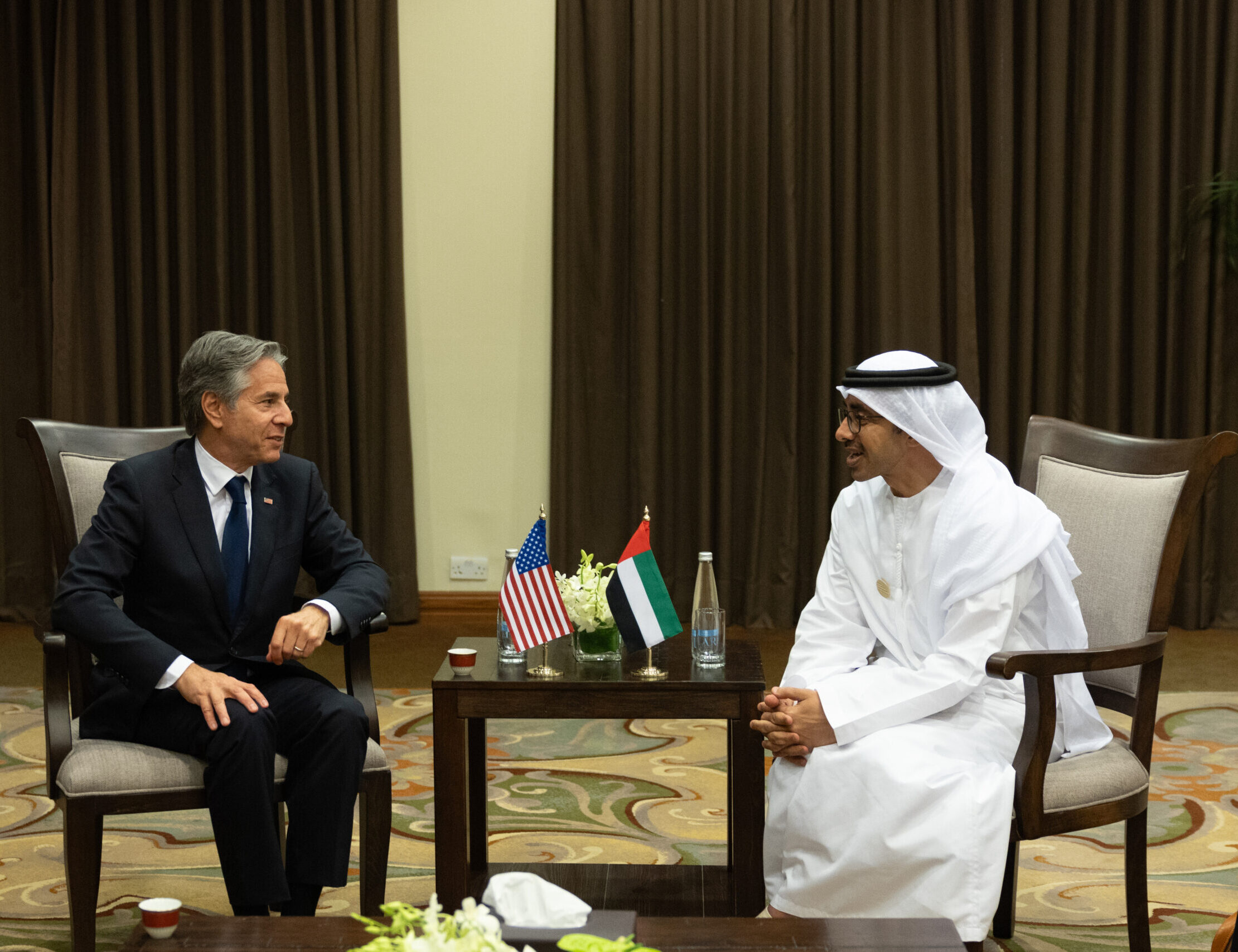
In the face of Iranian aggression, several states have stepped up to provide real assistance to the UAE. Primarily, the United States and Israel have proved to be true allies by offering support through extensive military aid, intelligence sharing, and diplomatic backing. Further afield, France, Italy, the United Kingdom, and Australia deployed early warning systems, air defenses, and fighters to support Emirati interception efforts. Greece offered munitions from its sovereign stockpiles. South Korea sped up the exportation of its Cheongong (KM-SAM Block II) air defense systems and also sent equipment from its stockpiles. And Ukraine has offered inexpensive drone-interception systems and experts with experience countering Russian and Iranian drones.
The same support has not come from the Arab world. In a 2015 interview, Egyptian President Abdel Fattah al-Sisi was asked what would happen if an Arab country were attacked. He replied that armed help would arrive in the time it took to cross the distance from Egypt. Yet since the beginning of Iranian strikes, Cairo has condemned the attacks but offered no tangible support beyond proposing the formation of an unrealistic joint Arab force to defend against future conflicts.
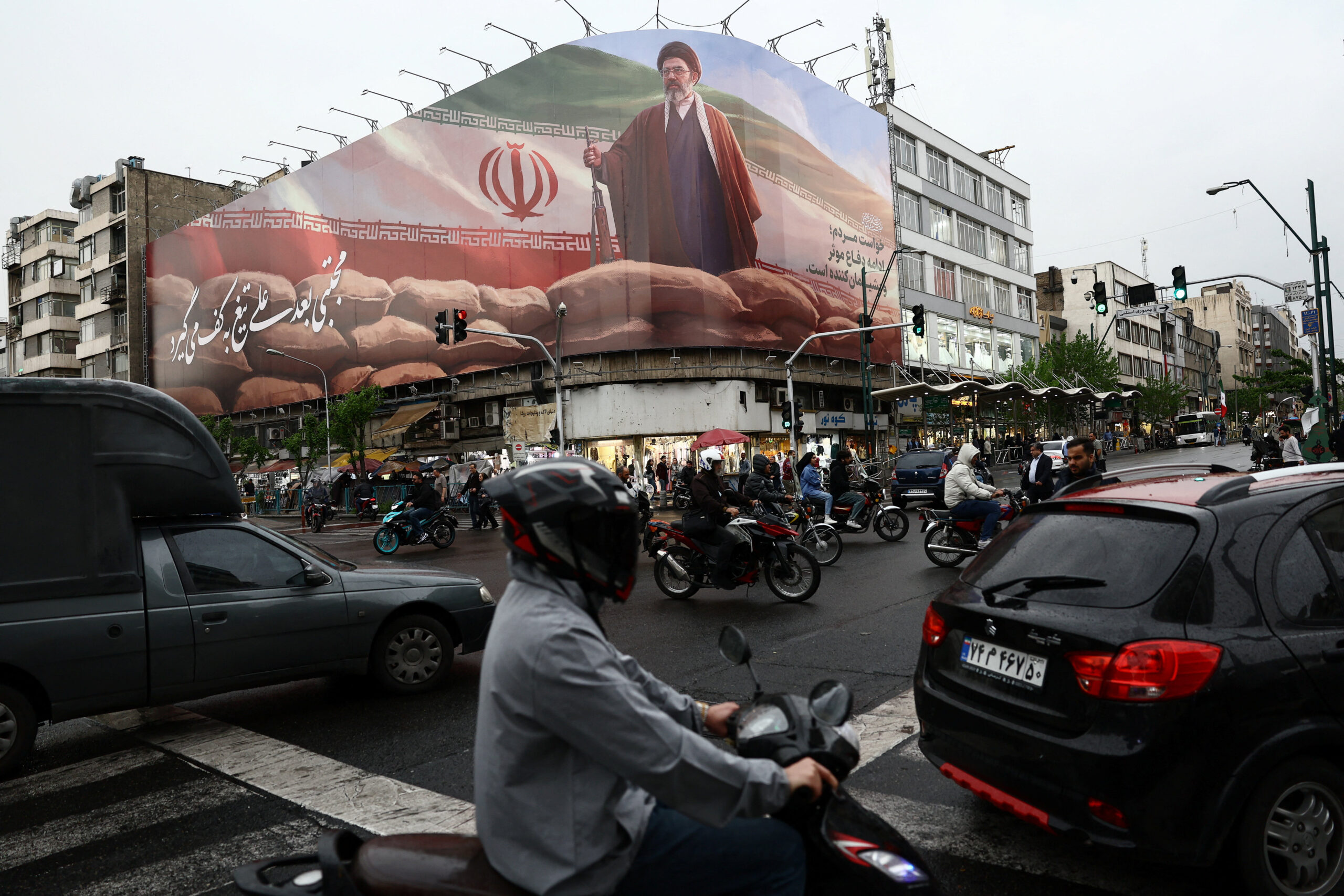
Oman, despite also coming under attack itself, congratulated the new supreme leader on his appointment. Algeria remained vague, condemning Israel but not referring to the attacks on the Gulf states. Sudan and Somalia omitted the UAE from their statements condemning the Iranian attacks, and the Sudanese Islamist leadership sided with Iran.
The environment among citizens on Arab social media has also become toxic, with many cheering on the images of Emirati cities under attack. Before the war, Arab social media was saturated with discussions surrounding Sudan, Somaliland, Yemen, Gaza, and Libya. Muslim Brotherhood-affiliated accounts often exaggerated developments and spread misinformation targeting the UAE and labeling it “Israel’s Trojan Horse.”
The responses of multilateral organizations, including the Arab League and the Organization of Islamic Cooperation, have been tepid. The Arab League initially showed reluctance to take strong action against Iran – it took six days to issue a strongly worded declaration. This is the same organization that imposed a total boycott on Israel and an arms embargo on Syria. In an X post, the former head of the Arab League and former Egyptian foreign minister, Amr Moussa, condemned the United States and Israel alone and did not mention the Gulf states.
Senior Emirati officials have said that the war has exposed to them who the UAE’s real friends are and which states make only empty statements. The UAE has long financed Arab multilateral organizations, provided immense humanitarian aid to Palestinians in Gaza, and supported Egypt’s central bank with tens of billions of dollars – all this despite the UAE having almost no significant economic interests in the region.
Unless there is a marked change in the positions of Arab states, they risk the UAE withdrawing from Arab multilateralism and potentially building on that momentum to withdraw from OPEC. OPEC, while global, has historically been Arab dominated, with Saudi Arabia in the lead. The UAE has long felt frustrated by its OPEC export quotas, which underrepresent its production capacity.
The Arab world is home to around 500 million people, but the bloc doesn’t have a permanent seat on the United Nations Security Council and hasn’t managed to organize sufficiently to capitalize on its size. Arab multilateralism is an attempt by Arab states to create diplomatic cohesion and strengthen their influence. While the organizations have had rare moments of genuine clout in the 1970s and ‘80s, they remain notoriously ineffectual.
Arab multilateral organizations have never fulfilled their most important potential role: creating a unified bloc capable of deterring external interference. Arab disunity has already allowed an opening for Turkey and Iran to expand their regional influence, with Israel and the Gulf states the only effective counterweights. A Gulf withdrawal would not weaken Arab multilateralism, it would end it, accelerating a regional order over which Arab states have far less influence.
Arab solidarity has a long record of failure. The current crisis offers the Arab world a golden opportunity – a common enemy, unambiguous aggression, and no casus belli for the Iranian attacks. This moment of crisis is an opportunity to put grievances aside and build a genuine partnership. Instead of seizing it, the Arab states have so far hedged, equivocated, and, in some cases, pressed for their own agendas even as states were under attack.
The UAE will undoubtedly remember the positions of states. The war has shown which were true friends and which proved to be bellwether partners. The UAE’s ties with the United States, Europe, Israel, and South Korea have strengthened during this crisis. Concerning the impact of weak Arab cohesion, the question is not whether Abu Dhabi will remember, it is what the Arab world will look like when the UAE decides to move on.
The views represented herein are the author's or speaker's own and do not necessarily reflect the views of AGSI, its staff, or its board of directors.
For the Gulf Arab countries, the future is more important than the present, but it is unclear if Iran, the United States, and Israel have the same vision.
Operation Epic Fury has delivered tactical gains without a viable strategic end state. The Strait of Hormuz remains effectively closed, Iran’s leadership has reorganized, and the diplomatic track has fractured.
In the future landscape of Gulf security, the United States may remain an essential arms supplier but wield less influence over force structure and military doctrine.