Apr 10, 2026
Tehran Signals a Coordinated Strategy Ahead of Islamabad Talks
The April 10 edition of the Iran Media Review considers Iranian officials’ remarks ahead of cease-fire negotiations with the United States.

As Iran prepares for high-level negotiations in Pakistan’s capital, Islamabad, it appears to be pursuing a deliberate, disciplined, and tightly coordinated strategy. In a written statement, Supreme Leader Ayatollah Mojtaba Khamenei, who has not been seen in public since February 28, urged Iranians to maintain a visible presence in the streets in support of the regime. He also signaled that Tehran would not relinquish what he described as its “management of the Strait of Hormuz.” In a separate statement, Iranian President Masoud Pezeshkian emphasized that the cease-fire had been accepted in full by the Iranian leadership, framing the move as a unified decision across the state. Meanwhile, Parliamentary Speaker Mohammad-Bagher Qalibaf, who is expected to head Iran’s delegation in the Islamabad talks, warned that negotiations would not proceed in the absence of a parallel cease-fire in Lebanon. Taken together, these statements suggest a calibrated messaging effort: projecting unity at home while setting clear conditions for diplomacy abroad.
- April 9: In a written statement commemorating the 40th day after the killing of Supreme Leader Ayatollah Ali Khamenei published on his website, Supreme Leader Ayatollah Mojtaba Khamenei declared:
- “It should not be assumed that, with the announcement of an intention to negotiate with the enemy, there is no need to be present in the streets. On the contrary, even if – hypothetically – the situation has reached a phase of silence on the battlefield, the duty of all members of the public who are able to be present in squares, neighborhoods, and mosques appears heavier than before.”
- Addressing Iran’s Arab neighbors, he wrote: “Everyone must know that, God willing, we will certainly not let go of the criminal aggressors who attacked our country. We will definitely demand compensation for every single damage inflicted as well as blood money for the martyrs and compensation for the wounded of this war, and we will certainly bring the management of the Strait of Hormuz to a new stage.”
- April 9: In a written statement disseminated by centrist Asr-e Iran, Iranian President Masoud Pezeshkian explained Iran’s decision to accept a cease-fire:
- “The decision, reached by consensus among the main pillars of the system and approved by the esteemed supreme leader was made after the United States accepted the general principles and framework proposed by the Islamic Republic of Iran for a cease-fire and negotiations. This decision was made in observance of the principles of dignity, wisdom, and expediency and based on safeguarding national interests, territorial integrity, attention to the future, and consolidating the proud victories of Iran’s powerful armed forces.”
- April 10: Quoting “an informed source,” Islamic Revolutionary Guard Corps-affiliated Tasnim News Agency reported:
- “Reports by some media outlets claiming that the Iranian negotiating team has entered Islamabad, Pakistan, to negotiate with the Americans are completely false … As long as the United States does not fulfill its commitment to the cease-fire in Lebanon and the Zionist regime continues its attacks, the negotiations are suspended.”
- April 10: “Time is running out,” Parliamentary Speaker Mohammad-Bagher Qalibaf wrote on X, adding in an attachment to the post: “Lebanon and the entire Resistance Axis, as Iran’s allies, form an inseparable part of the ceasefire.”
- April 10: The IRGC’s Telegram channel denied reports that Iran’s armed forces have launched any drone or missile attacks on the infrastructure of Gulf Arab states since the start of the cease-fire.
The views represented herein are the author's or speaker's own and do not necessarily reflect the views of AGSI, its staff, or its board of directors.
Related
Iran Media Review
Apr 3, 2026
Eye for an Eye, Bridge for a Bridge
The April 3 edition of the Iran Media Review examines Iranian responses to President Trump’s April 1 speech and U.S. strikes against an Iranian bridge.
Iran Media Review
Mar 31, 2026
Iran: From Defense to Offense
The March 31 edition of the Iran Media Review analyzes Iranian reports that Iran is about to enter an “offensive phase” as well as warnings against a U.S. ground invasion.
Iran Media Review
Mar 27, 2026
Iran to Gulf States: Keep Your Distance – or Risk Being Drawn In
The March 27 edition of the Iran Media Review highlights Iranian officials’ threats to Gulf states not to get more involved in the U.S.-Israeli conflict with Iran.
Apr 3, 2026
Eye for an Eye, Bridge for a Bridge
The April 3 edition of the Iran Media Review examines Iranian responses to President Trump’s April 1 speech and U.S. strikes against an Iranian bridge.
Mar 31, 2026
Iran: From Defense to Offense
The March 31 edition of the Iran Media Review analyzes Iranian reports that Iran is about to enter an “offensive phase” as well as warnings against a U.S. ground invasion.
Mar 27, 2026
Iran to Gulf States: Keep Your Distance – or Risk Being Drawn In
The March 27 edition of the Iran Media Review highlights Iranian officials’ threats to Gulf states not to get more involved in the U.S.-Israeli conflict with Iran.
Analysis
The Islamic Republic Returns to Offense
After U.S.-Israeli strikes killed Supreme Leader Ayatollah Ali Khamenei on February 28, Iran’s collective leadership has concluded that the best defense is a good offense.
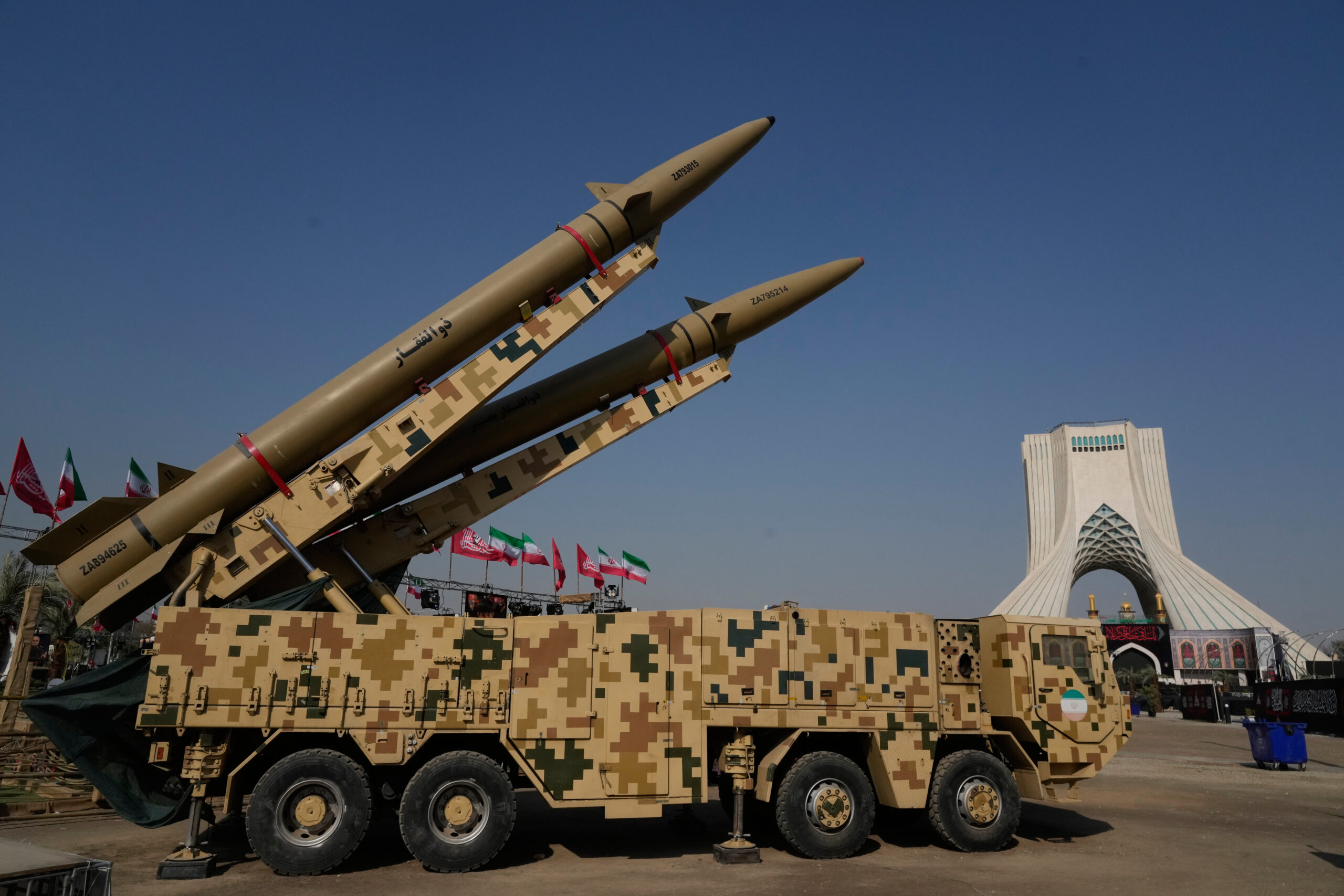
Iran’s Collective Strategic Decision Making
Wartime pressure has temporarily aligned the leadership’s overriding interest in regime survival, even as its members continue to differ over the costs, methods, and ultimate objectives of the war.
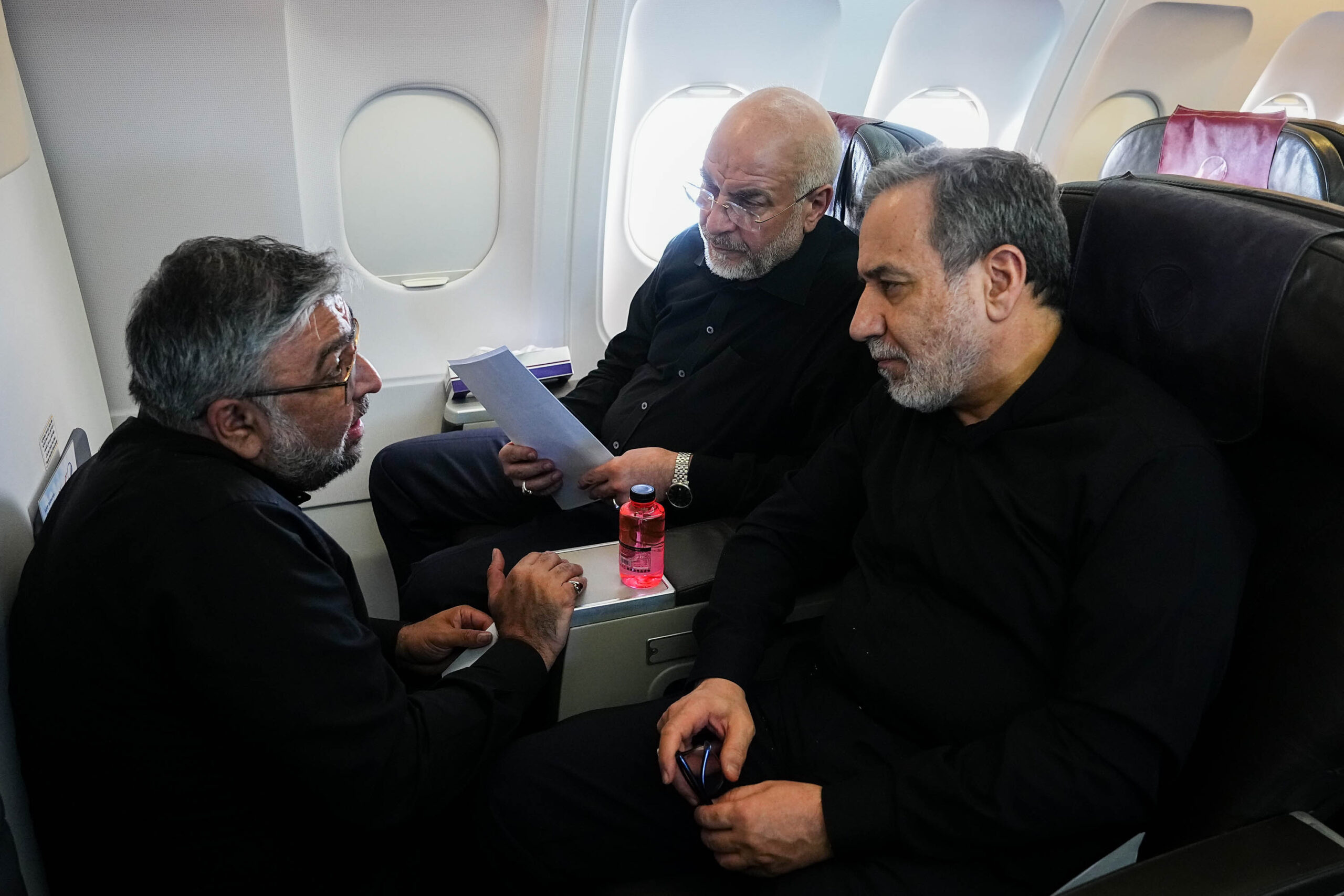
The Islamic Republic’s Collective Leadership
While there is historical precedent for collective leadership in Iran, today’s leadership includes representatives of the IRGC and regular military – a reflection of the IRGC’s expanding role and the necessities of governing under wartime conditions.
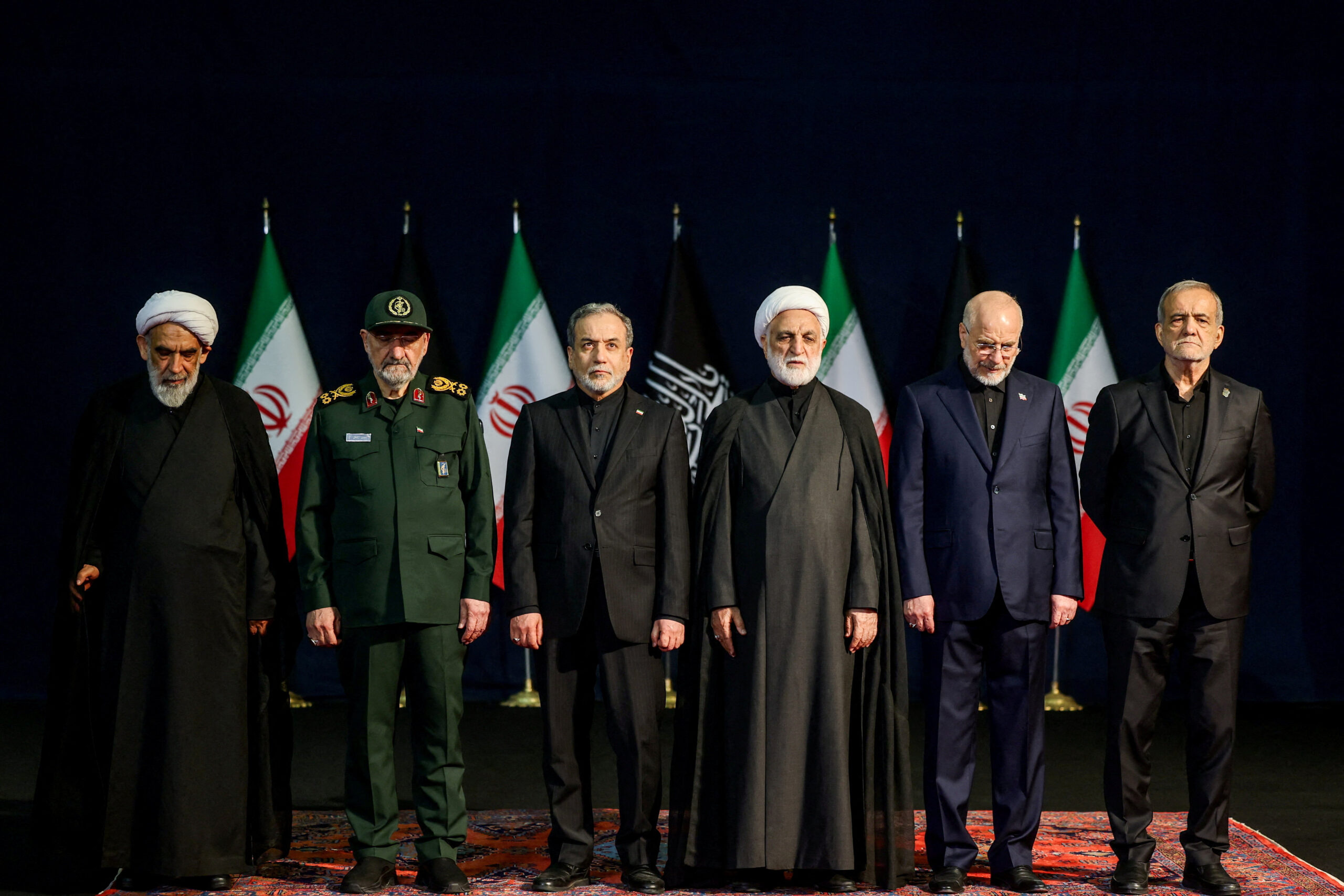
How Did the IRGC Seize Power in Iran?
The IRGC did not seize power in a single stroke. It accumulated it – patiently, methodically – until no counterweight remained.
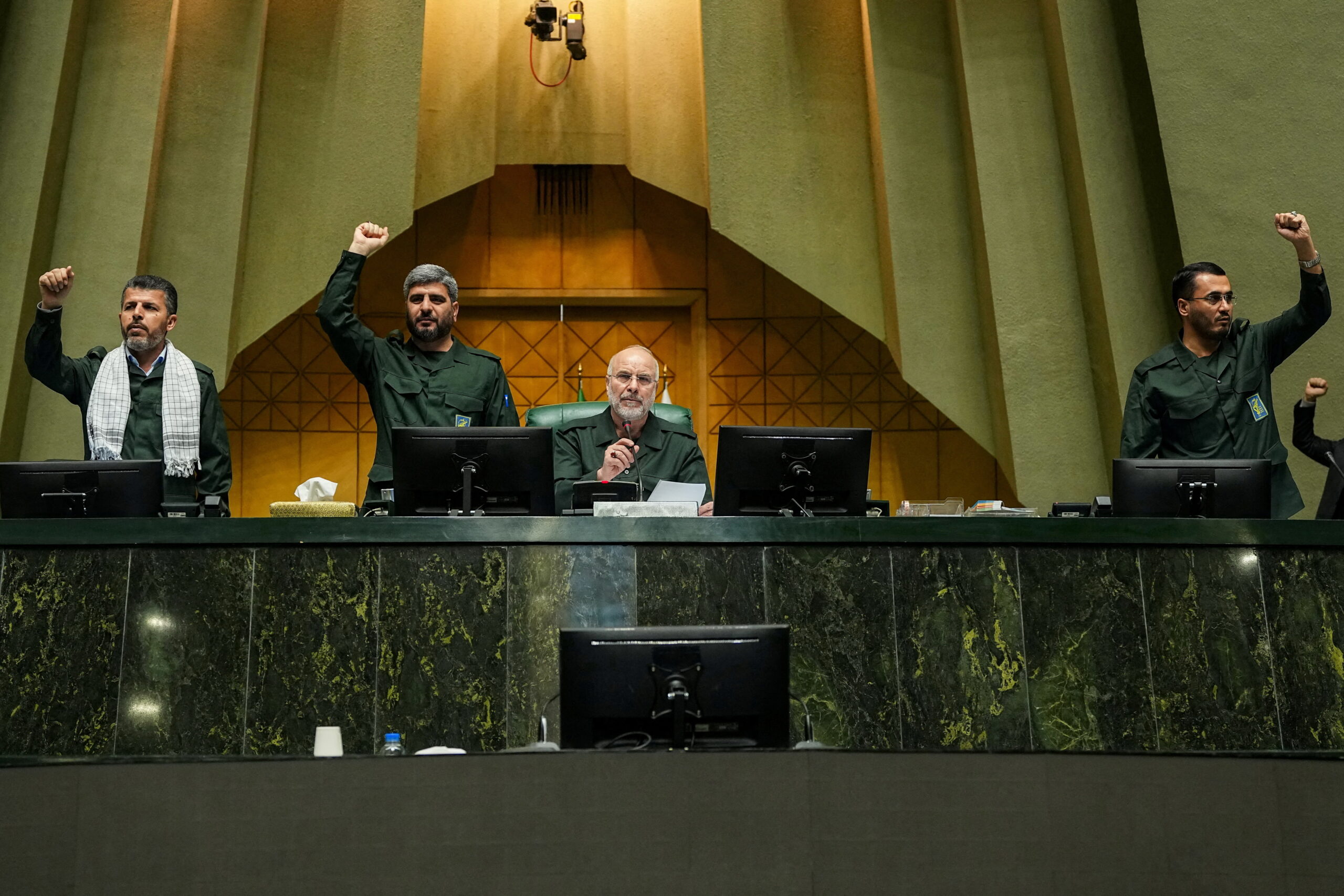
Events
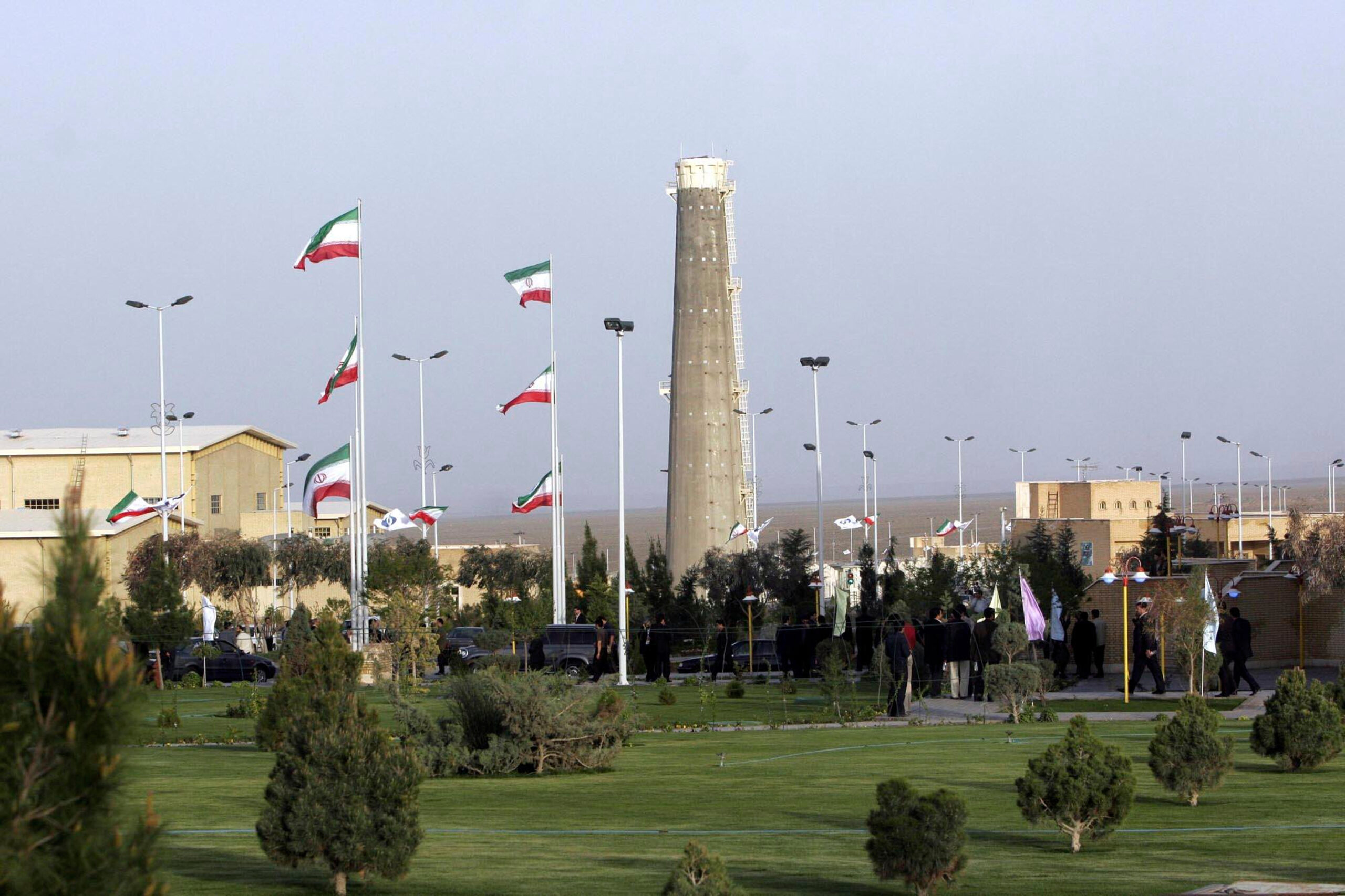
Book Talk: Iran and the Bomb: The United States, Iran and the Nuclear Question
On June 16, AGSI hosted a discussion on the evolution of Iran's nuclear program.
Speakers

Apr 21, 2026
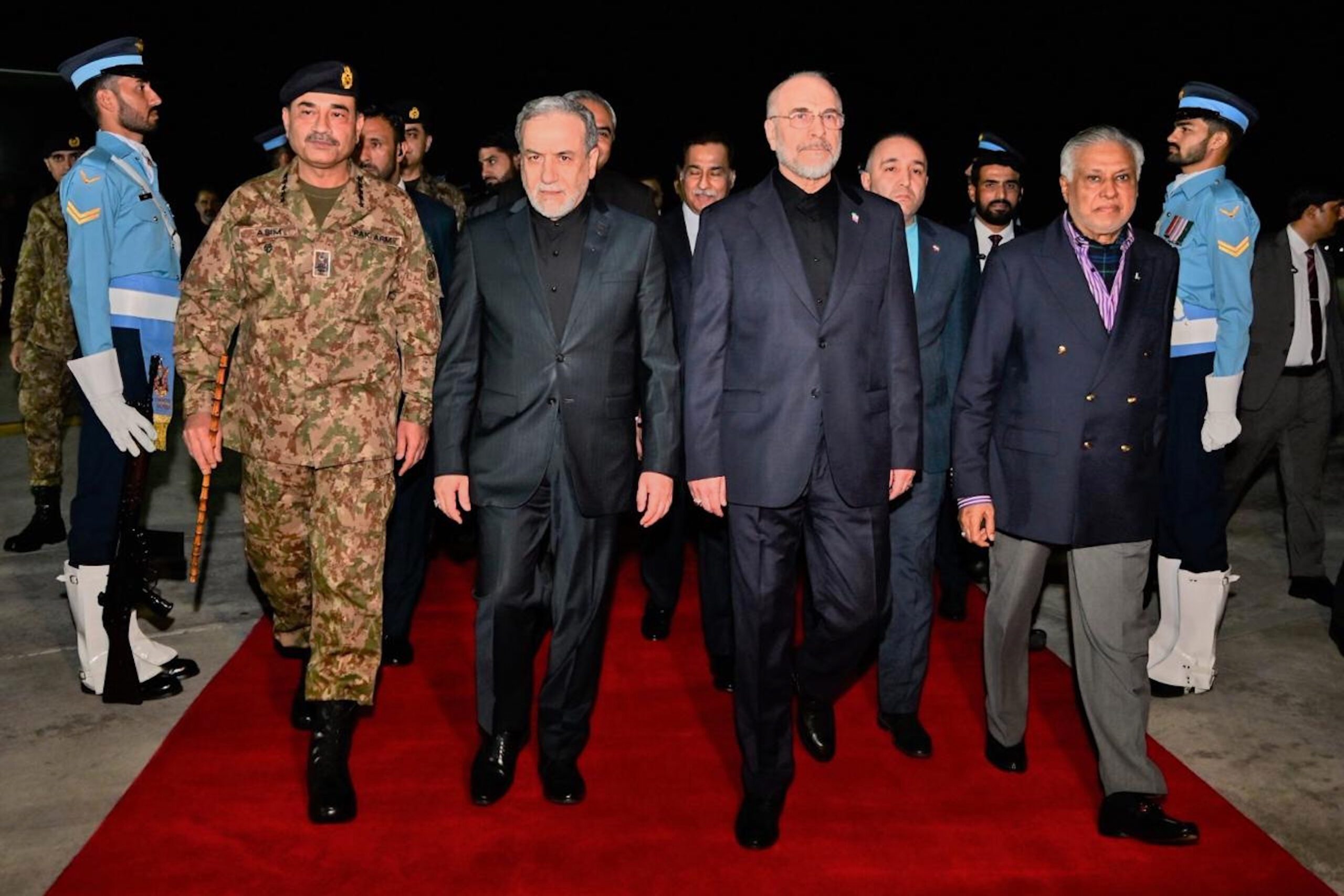
Inside Iran’s Wartime Leadership: Power, Succession, and Regime Stability
On April 21, AGSI hosted a discussion on the evolution of Iran's leadership during the war.
Speakers

Mar 18, 2026
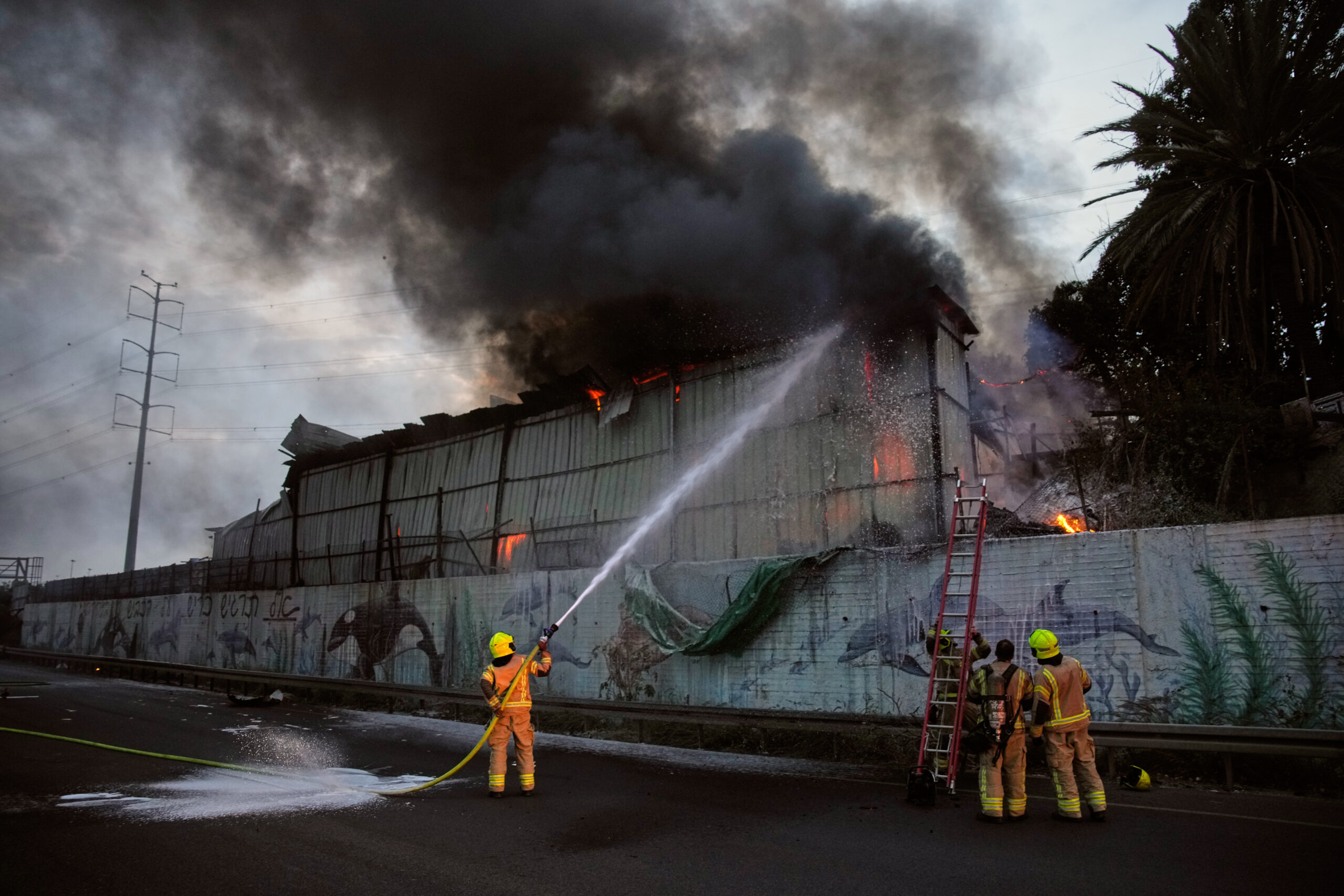
In Its Conflict With the United States and Israel, Does Escalation Favor Iran?
On March 18, AGSI hosted a discussion on the escalation of the Iran war.
Speakers


Mar 2, 2026
After the Shock: Implications of the U.S.–Israeli Strikes and Iran’s Leadership Transition
On March 2, AGSI hosted a discussion on the U.S.-Israeli strikes on Iran.
Speakers