Why Saudi Arabia and the UAE Are Urging Trump to Continue a War They Did Not Want
Riyadh and Abu Dhabi urged President Trump not to attack Iran, but now that the war is into its second month, leaving the current situation in place would be an unthinkable fiasco for them.
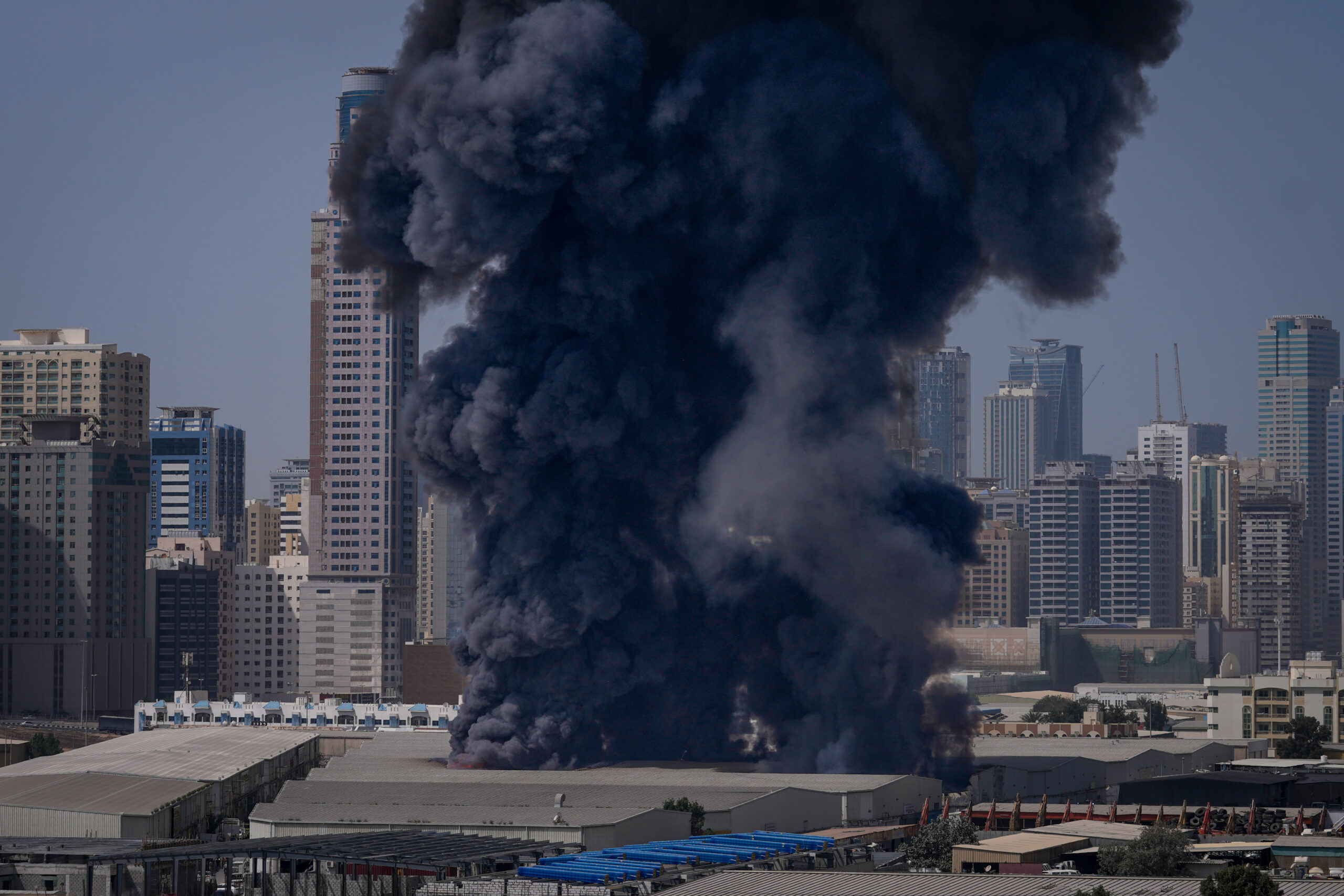
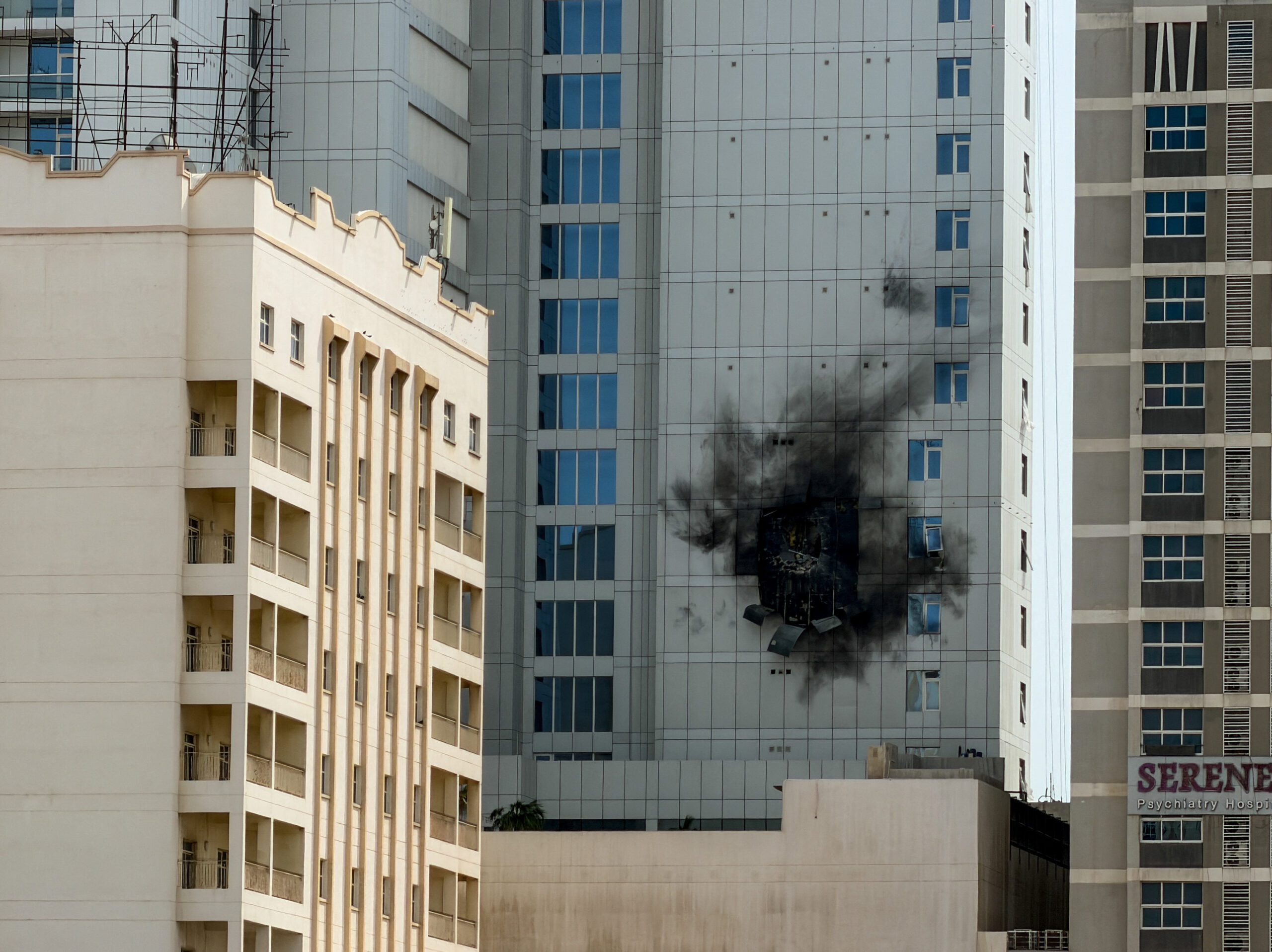
A black plume of smoke rises from a warehouse at the industrial area of Sharjah in the United Arab Emirates, March 1. (AP Photo/Altaf Qadri)
The Gulf Arab countries are all undoubtedly pleased that President Donald J. Trump has yet again postponed attacking Iran’s power plants and reports excellent progress in new talks. They will be less thrilled to hear the Iranian denial that any such negotiations have taken place, although they won’t believe Tehran’s protestations. This Gulf unity is sincere and rooted in common interests. It also reflects the original unity the Gulf countries had in opposing the conflict before it happened (with some adjustment in position as some of them understood the war was inevitable) and urging the belligerent parties to come to a rapid ending when it first began.
However, as the war developed, some Gulf countries, notably Saudi Arabia and the United Arab Emirates, became alarmed at the prospect of Trump walking away from the war and leaving things as they have been since Iran seized effective control of the Strait of Hormuz. Saudi Arabia now reportedly says it will allow the United States to use the King Fahad air base in the west of the country for missions against Iran. And the UAE has become increasingly vocal, especially in Washington, asserting that the war cannot end until Iran is constrained in its use of missiles, support for militia groups in Arab countries, and, perhaps above all, ability to restrict commercial shipping in the Gulf and Strait of Hormuz. The UAE has also moved to shut down Iranian commercial and other institutional operations in its territory and threatened to freeze billions of dollars in Iranian assets. And it is reportedly willing to join a maritime coalition to ensure freedom of commercial navigation in the Strait of Hormuz. Both Saudi Arabia and the UAE continue to avoid direct military engagement in the conflict but appear to be inching closer to potentially dropping this reticence if they continue to come under Iranian bombardment.
In the run up to the war, which was telegraphed well in advance by Washington, and in its early stages, the positions of the Gulf Cooperation Council countries reflected a broad consensus urging the Trump administration to find a negotiated solution. They all saw that they were likely to be targets of Iranian retaliation. Moreover, all six GCC countries had long since determined that their interests were better served by marshaling their energies and financial resources toward economic development and preparing for a viable post-hydrocarbon future rather than the spasms of conflict and confrontation that characterized the decade of the Arab Spring uprisings from 2010-19.
Moreover, these countries did not believe that the Trump administration had a well-thought through strategy or well-defined and achievable strategic and political goals. They worried that the impulsive Trump might be charging into a quagmire. However, Saudi Arabia and the UAE came to fear the consequences of a sudden end to the conflict under current conditions. While they have not changed their minds in doubting the wisdom of initiating this conflict, they are alarmed at the prospect that Trump could simply declare victory and walk away from the war leaving matters as they are now.
The Iranian regime has not been overthrown and appears as entrenched as ever. Worse, there is reason to believe that the latest iteration of the Islamic Republic will be even more radicalized. New Supreme Leader Mojtaba Khamenei may be even more extreme than his father and has seen his family – reportedly including his father, mother, sister, at least one son, niece, nephew, and brother-in-law – wiped out in the conflict. Therefore, he may be seeking familial revenge in addition to the regime imperative of restoring deterrence.
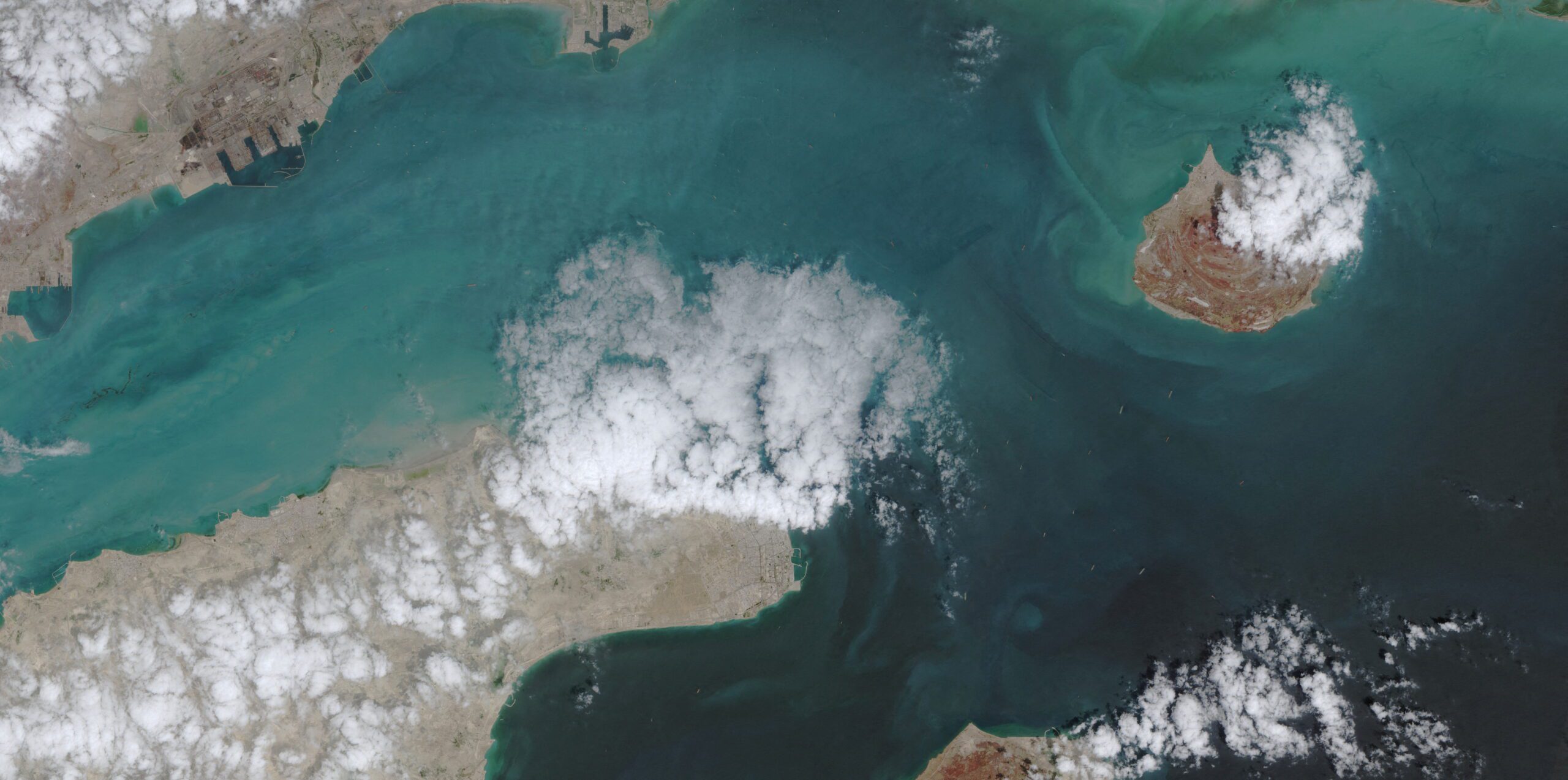
Iran’s drone and missile capabilities are not exhausted and, indeed, were underestimated. The missile attack against Diego Garcia, a joint U.S.-U.K. military base deep in the Indian Ocean, revealed that the reach of Iran’s ballistic missiles was significantly greater than estimated. Riyadh and Abu Dhabi worry what else may have been undetected in Iran’s remaining military assets. Tehran is still in possession of roughly 900 pounds of highly enriched uranium. If the war ends with that in place, Iran may well try to move toward nuclear weapons status as quickly as possible. Gulf countries will remain tempting targets for a radicalized Iranian regime left in power but deeply aggrieved, licking its wounds, seeking opportunities in the coming years for both vengeance and nuclear breakout. Perhaps worst of all, Iran remains effectively in control of the Strait of Hormuz, a disastrous situation from the Gulf Arab perspective. Iranian threats have been enough to frighten away most commercial shipping from the Gulf region, destroying much of the financial viability of these countries and rendering some of them virtually landlocked. Gallingly, Iran’s own shipping, and that of its partners and customers, remains open through the Strait of Hormuz.
For Saudi Arabia and the UAE, any end to the war resembling the current situation would be the worst of both worlds: The war they did not want would have resulted in a strategic equation considerably more dangerous and alarming than the status quo ante. Therefore, Saudi Arabia and the UAE have been warning the Trump administration not to walk away from the war until this situation is rectified either by military means or through a negotiated agreement with genuine constraints on Iranian misbehavior. If the Iranian regime is to survive, from its perspective, its military capabilities must be degraded such that it cannot pose a major missile and drone threat to its neighbors – unless it agrees to real restrictions with genuine consequences for violations. A deeply radicalized Islamic Republic cannot be left in unsupervised possession of sizable quantities of highly enriched uranium. Even less can it be left with de facto control over the Strait of Hormuz and, therefore, effectively the whole of the Gulf itself. If that happened, Washington would have exposed the Gulf Arab states to a series of massive, deadly, painful, and strategically damaging (and, for Dubai, near-existentially threatening) bombardment only to produce a far more threatening, and indeed virtually unmanageable, strategic fiasco as a consequence.
While Saudi Arabia and the UAE did not want this war to begin, from their perspectives, leaving matters as they are now and impulsively declaring the war over for whatever reason, including domestic U.S. political calculations, would be a catastrophic outcome, leaving them worse off than before the war began. A negotiated agreement that sees Iran committing to freedom of navigation and constraints on its development and use of missiles and drones, with meaningful safeguards, would be a welcome outcome. Otherwise, they will certainly be encouraging the United States to continue to pressure Iran militarily to degrade its capabilities and force it to back down from the highly belligerent position it has adopted toward its neighbors and the global economy.
The views represented herein are the author's or speaker's own and do not necessarily reflect the views of AGSI, its staff, or its board of directors.
The Gulf Arab states have discovered that wealth without hard power, and alliance without political influence, leave them exposed to other countries' wars.
Caught between Iranian strikes and U.S.-Israeli pressure to join the fight, Gulf Arab states strive to maintain their autonomy over decision making, playing defense and preserving the space to maneuver when the war ends.
Gulf Arab countries urged the United States not to strike Iran, but now that is happening, they are in danger of being sucked into a conflict they cannot control but that will likely reshape their present and future realities.
President Trump has led the United States into an impossible dilemma in which resuming and intensifying the war presents one set of alarming consequences while ending it under current circumstances offers at least as many disasters for Washington.
The Trump administration has positioned the United States at a crossroads between a new regime of containment against Iran or a historic drawdown of U.S. influence in the Gulf and broader Middle East.
Though they were unsuccessful in preventing the current conflict, and, as expected, have been dragged into the U.S.-Israeli confrontation with Iran, Gulf Arab countries remain crucial to hopes for limiting the war and bringing it to a quick resolution.
After decades of tolerating Hezbollah’s warmaking independence, the current crisis has compelled Lebanese leaders to ban its military activities; this project will do much to determine the reach Iran can maintain in the Arab world.