Iranian attacks on Omani ports and oil tankers are straining Oman’s long-standing “friend to all” regional foreign policy, but Muscat still has a part to play in achieving peace.
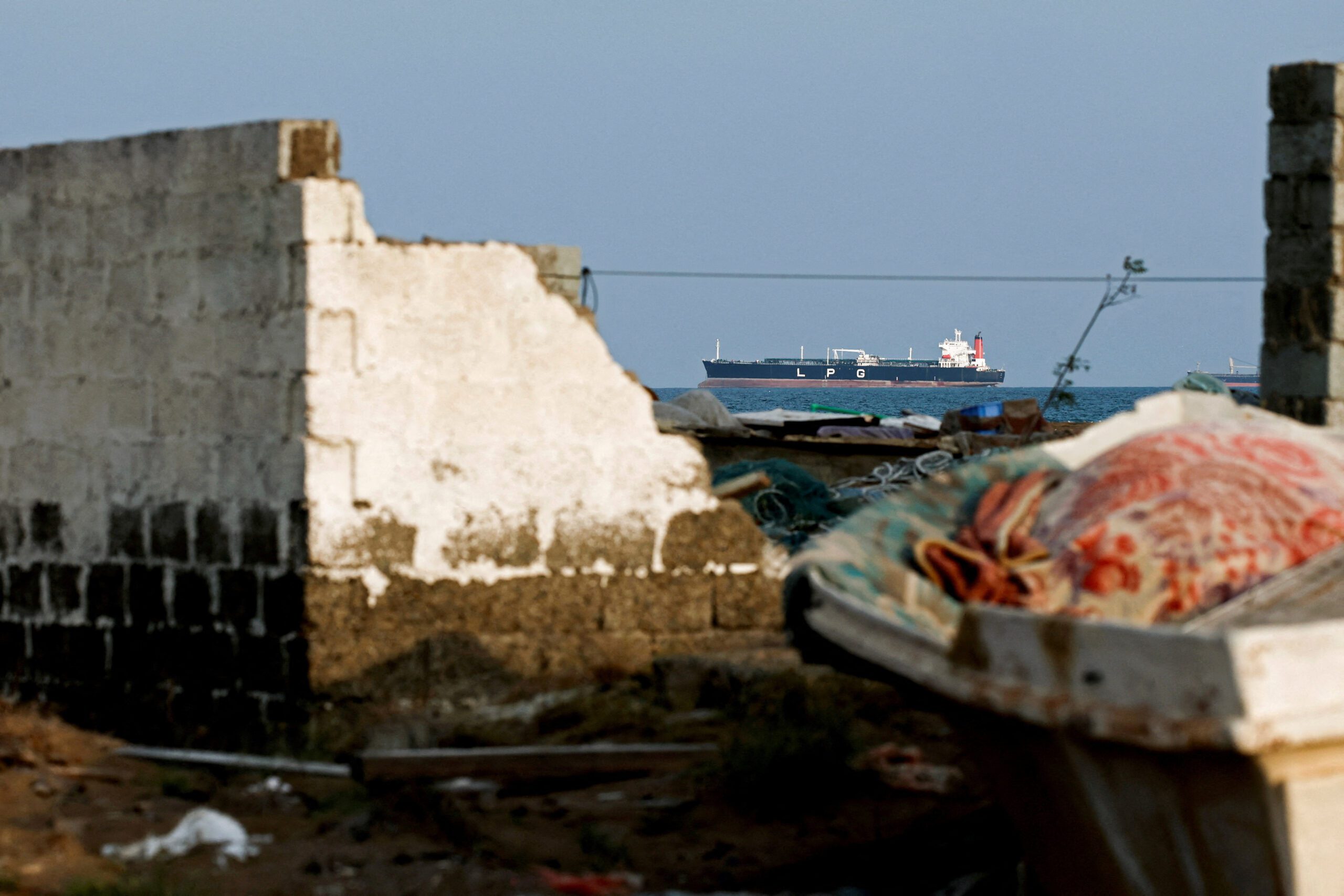
An LPG gas tanker at anchor as traffic is down in the Strait of Hormuz, in Shinas, Oman, March 11. (REUTERS/Benoit Tessier)
In the months preceding the U.S.-Israeli conflict with Iran, Tehran warned that it would target regional military bases hosting U.S. forces in the event it was attacked and also pointed to the possibility of closing the Strait of Hormuz and attacking Gulf energy infrastructure if its energy facilities were hit. Iran made good on this threat – expanding on it to include civilian infrastructure – after the United States and Israel launched operations February 28. However, Tehran’s decision to strike Oman multiple times since March 1 has been shocking given Muscat’s historically close relationship with Tehran and its decades-long role as a trusted diplomatic bridge between Iran and its adversaries.
Drone Strikes on Duqm and Salalah
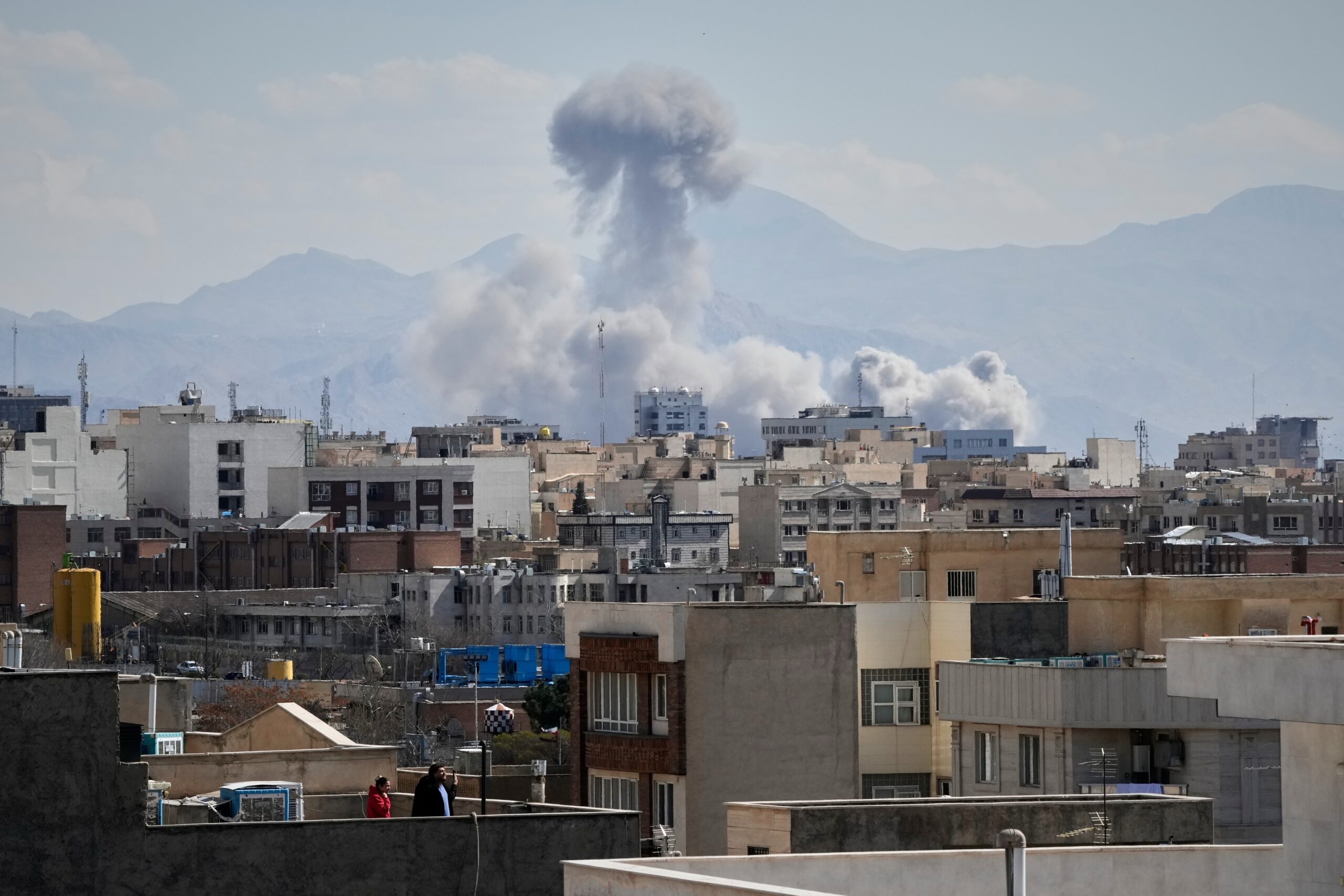
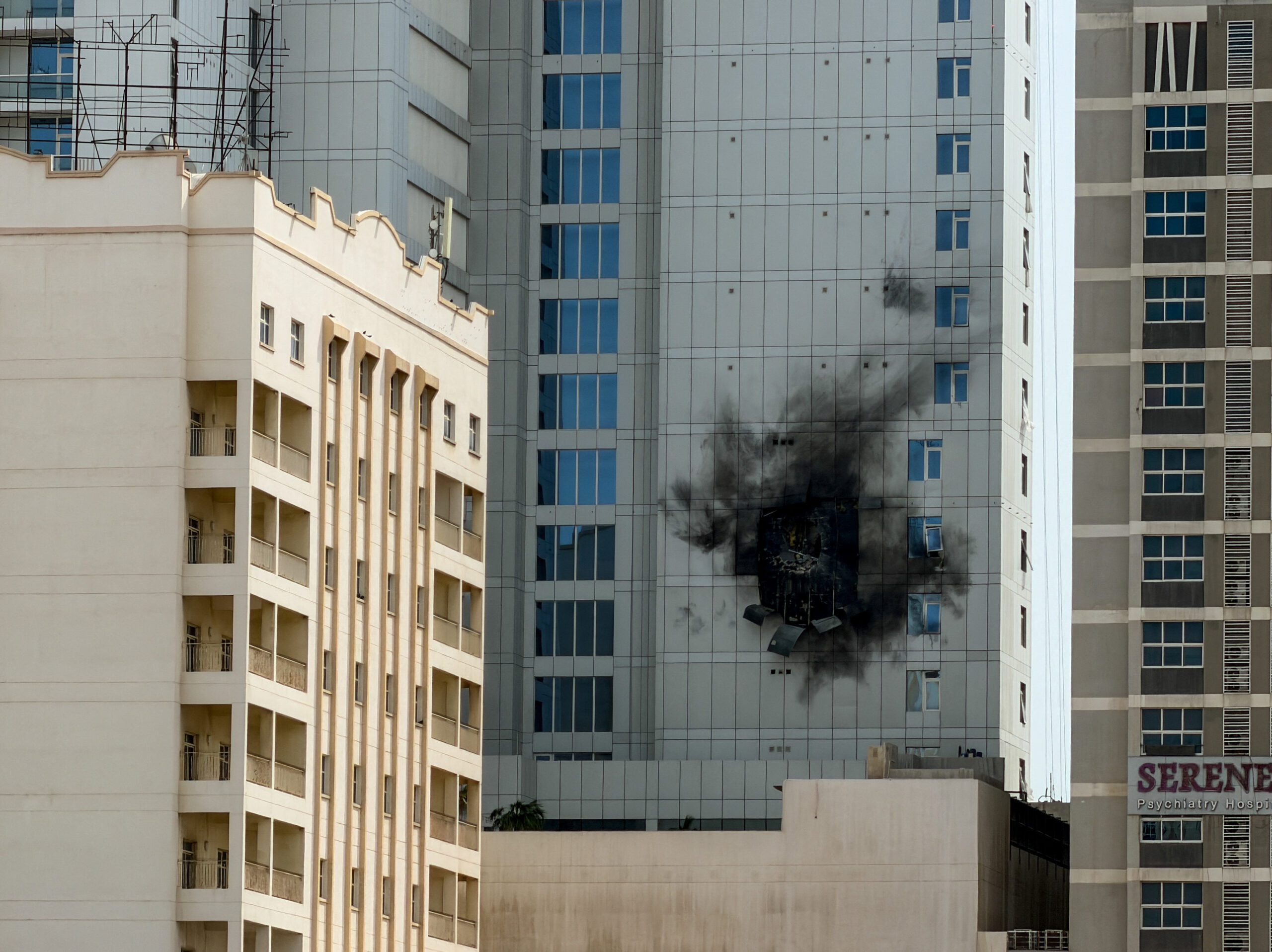
On March 1, two drones attacked the port of Duqm. One hit an accommodation unit for mobile workers, injuring an expatriate, while the other caused no casualties or significant damage. The same day, an oil tanker in the Strait of Hormuz, north of the port of Khasab in the governate of Musandam, was struck, injuring four people on board. On March 2, a drone boat attacked another oil tanker 52 nautical miles off the coast of Muscat, killing one crew member. The following day, a number of drones targeted fuel tanks at the port of Duqm. Meanwhile, two drones were intercepted in Dhofar, and a third crashed near a storage tank at the port of Salalah, resulting in no injuries or casualties. On March 11, drones struck fuel tanks in the port of Salalah, with no reported deaths or injuries. There were two subsequent drone strikes in the Sohar region March 13, one of which killed two expatriate workers.
Analyst Mohammed Baharoon frames these attacks as Tehran’s “Samson Doctrine,” a strategy to sow maximum chaos across the Gulf – and the global economy – evoking the kind of decisive, high-stakes power long associated with the region’s most extreme deterrents.
Duqm and Salalah both bypass the Strait of Hormuz. Tehran’s targeting of Oman may have been aimed at undermining these two ports and their potential to offer Kuwait, Bahrain, and Qatar lifelines, while Iran makes the Strait of Hormuz unpassable.
Muscat’s Restraint
On the day of the initial strike on Duqm, Iranian Foreign Minister Abbas Araghchi spoke with his Omani counterpart, Sayyid Badr bin Hamad Al Busaidi, who affirmed Muscat’s “continued call for a ceasefire and a return to dialogue … in a manner that achieves the legitimate demands of all parties.” That same day, Araghchi stated that the strike on Duqm was “not our choice” and that officials in Tehran “have already told our armed forces to be careful about the targets they choose.” He added that “our military units are now, in fact, independent and somewhat isolated, and they are acting based on general instructions given to them in advance.” Following the March 11 strike, Tehran denied any involvement, declared the incident under investigation, and asserted that Iran respects Oman’s sovereignty.
Amid much chaos, Muscat has responded with notable restraint. At first, the Omani Foreign Ministry’s official statements condemning the attacks on Duqm and Salalah avoided directly mentioning Iran, possibly in an effort to avoid escalation of the conflict. The other Gulf Cooperation Council states explicitly called out Tehran when condemning the strikes on Omani territory as has the GCC secretary-general on multiple occasions. However, by March 13 Omani officials began directly condemning “Iranian aggression.”
More broadly, Omani officials see the attacks on their territory and neighboring states as the fallout of a dangerous and unnecessary war initiated by the United States and Israel. Given Muscat’s intensive diplomatic efforts to prevent such a conflict, including the Omani foreign minister’s visit to Washington just one day before the initial U.S. strike on Iran, many Omanis view the administration of President Donald J. Trump as having betrayed Muscat. This perception stems in no small part from Washington’s decision to greenlight Israel’s strikes on Iran sparking the 12-day war in June 2025, even while negotiations under Omani auspices were ongoing. Indeed, Busaidi’s strong condemnation of the February 28 U.S.-Israeli strikes on Iran – in which he declared on X that he was “dismayed” by the undermining of “active and serious negotiations” – speaks to Muscat’s deep frustration over the Trump administration’s refusal to take advantage of diplomatic off-ramps that Omani diplomats worked hard to make available.
Across Omani society, there has been widespread opposition to the current U.S.-Israeli war with Iran. Increasingly high levels of public outrage over the human suffering in Gaza since October 2023 are relevant to how many Omanis now view the Israel-Iran conflict with growing sympathy for Iran. Notably, after the March 11 strike on Salalah, Omani leaders reiterated Muscat’s position against the normalization of ties with Israel but did not call out Iran by name for its attack on a target in the sultanate, which likely was reflective of public opinion.
Oman’s Continued Role as a Regional Mediator
Oman will probably remain committed to its long-standing “friend to all” foreign policy doctrine. Muscat maintains neutrality in most conflicts, avoids alignment with any single geopolitical bloc, and preserves open channels of communication with all regional actors. Omani Sultan Haitham bin Tariq al-Said was the first Arab leader to congratulate Iran’s new supreme leader, Mojtaba Khamenei, on March 9, underscoring Muscat’s continued commitment to maintaining positive relations with Tehran, despite the attacks.
Nonetheless, Tehran’s strikes on Oman will likely strain the Muscat-Tehran relationship while also underscoring the serious foreign policy dilemmas that Muscat currently faces. Oman’s geopolitical neutrality, commitment to facilitating dialogue between adversaries, and efforts to promote regional stability have long helped safeguard the sultanate’s peace and security, while allowing the country, a classic small power, to exert outsized influence through diplomacy, mediation, and engagement. Yet the Iran conflict has exposed the limits of such strategies.
Increasingly unsettled by Washington’s decision to initiate what Muscat sees as a reckless and unnecessary war of choice, Oman will probably maintain open communication with Tehran to persuade Iran to halt attacks on the sultanate. At the same time, Muscat will likely strengthen its national defense capabilities and deepen coordination with fellow GCC states confronting similar threats stemming from Tehran’s “Samson Doctrine.” This does not suggest that Oman will join an anti-Iran bloc or abandon its commitment to mediation. But, from Muscat’s perspective, it must adapt to a more volatile regional order in which powerful actors – chiefly Israel and Iran – are crossing red lines with unprecedented frequency while U.S. foreign policy becomes increasingly erratic.
Looking to Oman’s future, there are legitimate concerns about the attacks on Duqm and Salalah tarnishing the country’s long-cultivated reputation as a beacon of stability, a status that its relatively neutral foreign policy has historically helped preserve. Such anxieties are especially acute regarding Duqm, which is central to Vision 2040 and Oman’s broader economic diversification strategy. The special economic zone at Duqm is pivotal to attracting foreign investment and strengthening Oman’s role in global trade routes. The strikes may undermine Duqm and the rest of Oman’s image as a secure place for investment, commerce, and tourism. Even so, if Tehran refrains from further attacks on Omani territory, the country’s important reputation for peace and stability may be restored. As with the rest of the Gulf, the level of reputational damage to Oman’s image, perhaps more than actual infrastructure damage, hinges precisely on how long the conflict continues.
The views represented herein are the author's or speaker's own and do not necessarily reflect the views of AGSI, its staff, or its board of directors.
Caught between Iranian strikes and U.S.-Israeli pressure to join the fight, Gulf Arab states strive to maintain their autonomy over decision making, playing defense and preserving the space to maneuver when the war ends.
Though they were unsuccessful in preventing the current conflict, and, as expected, have been dragged into the U.S.-Israeli confrontation with Iran, Gulf Arab countries remain crucial to hopes for limiting the war and bringing it to a quick resolution.
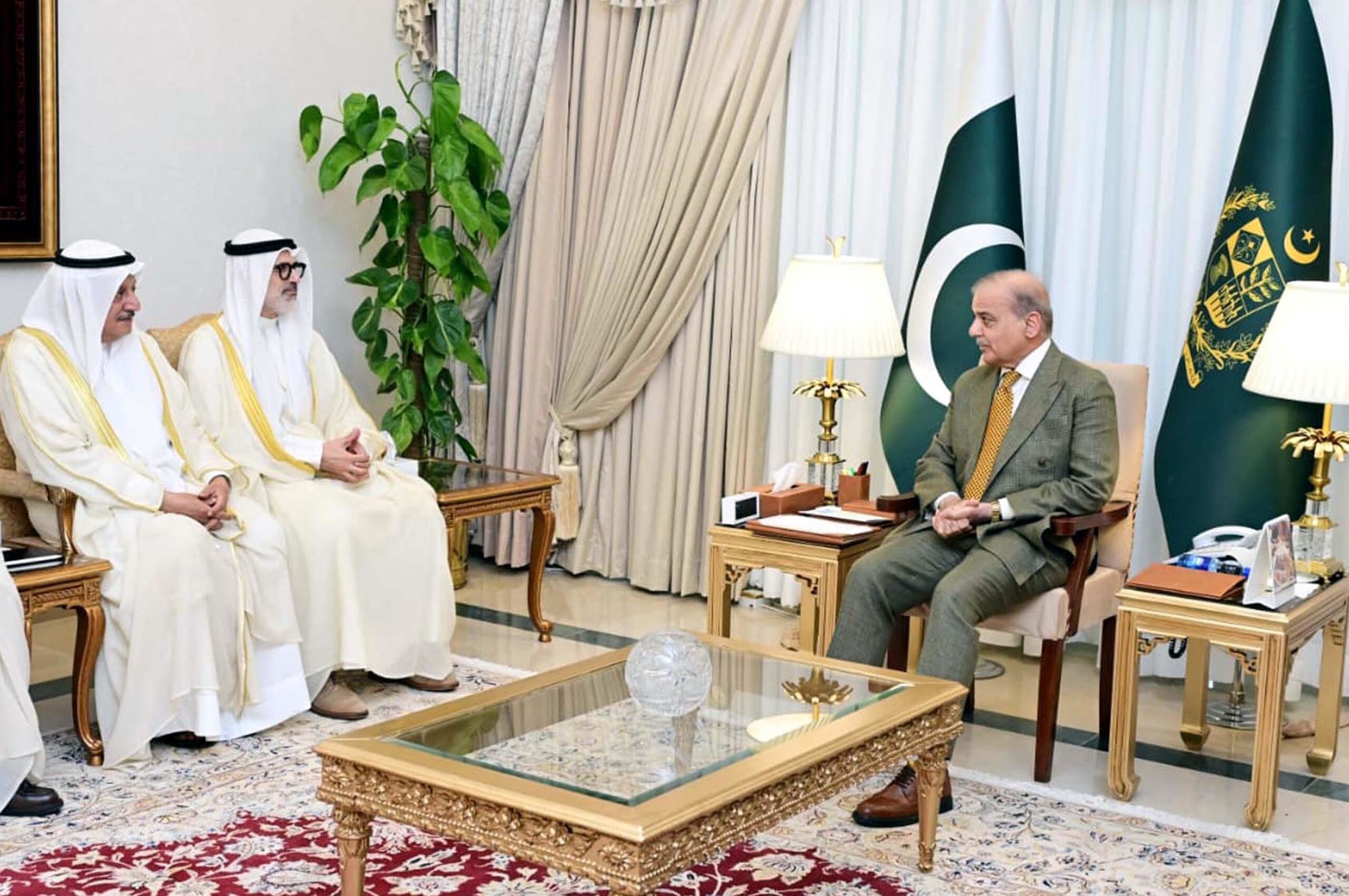
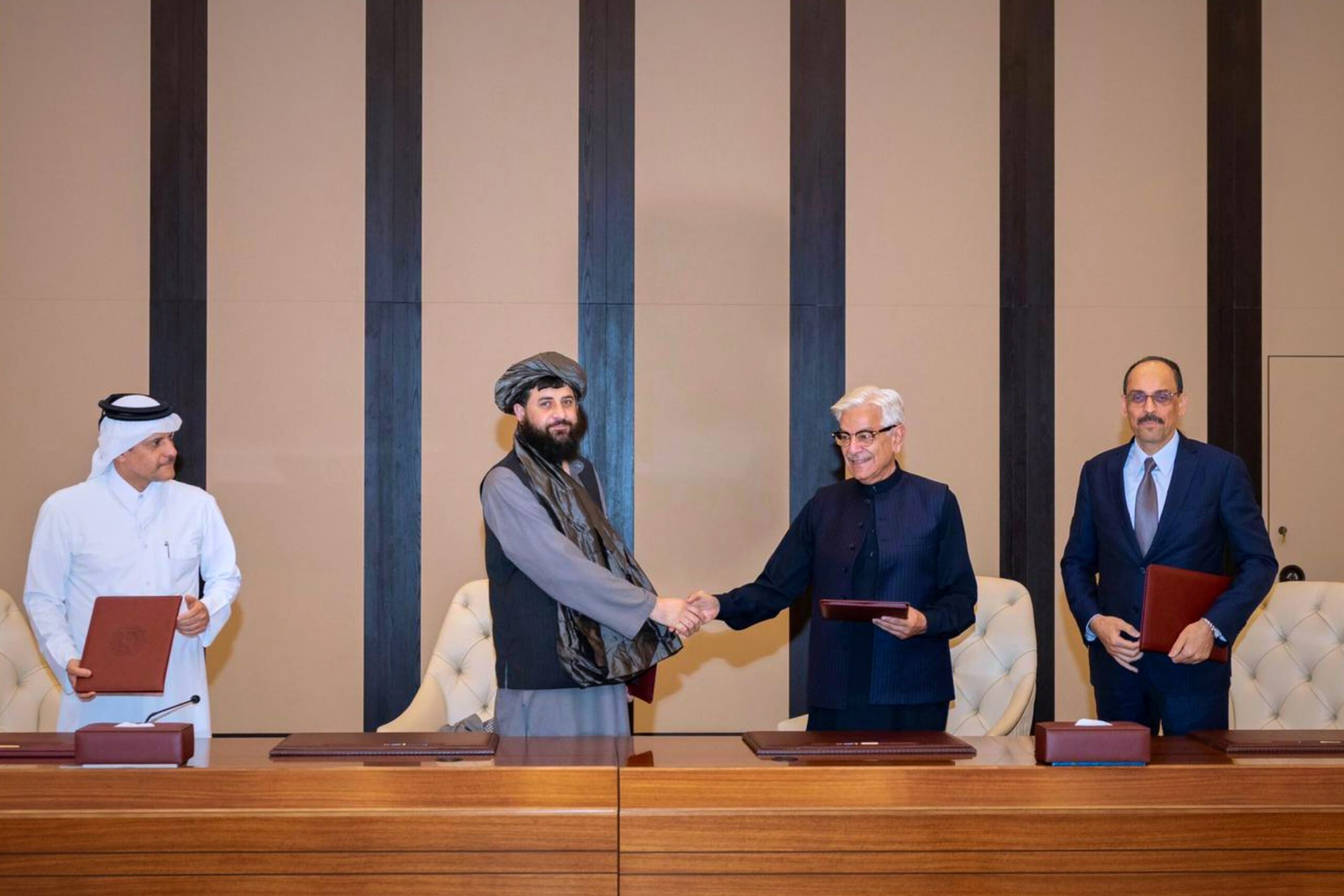
The significance of Kuwait’s defense pact with Pakistan lies less in any immediate military transformation than in what it reveals about the evolving security landscape of the Gulf.
The revived Hejaz Railway could become one of the region’s most significant transportation and integration projects as a land route connecting Europe to the Gulf.
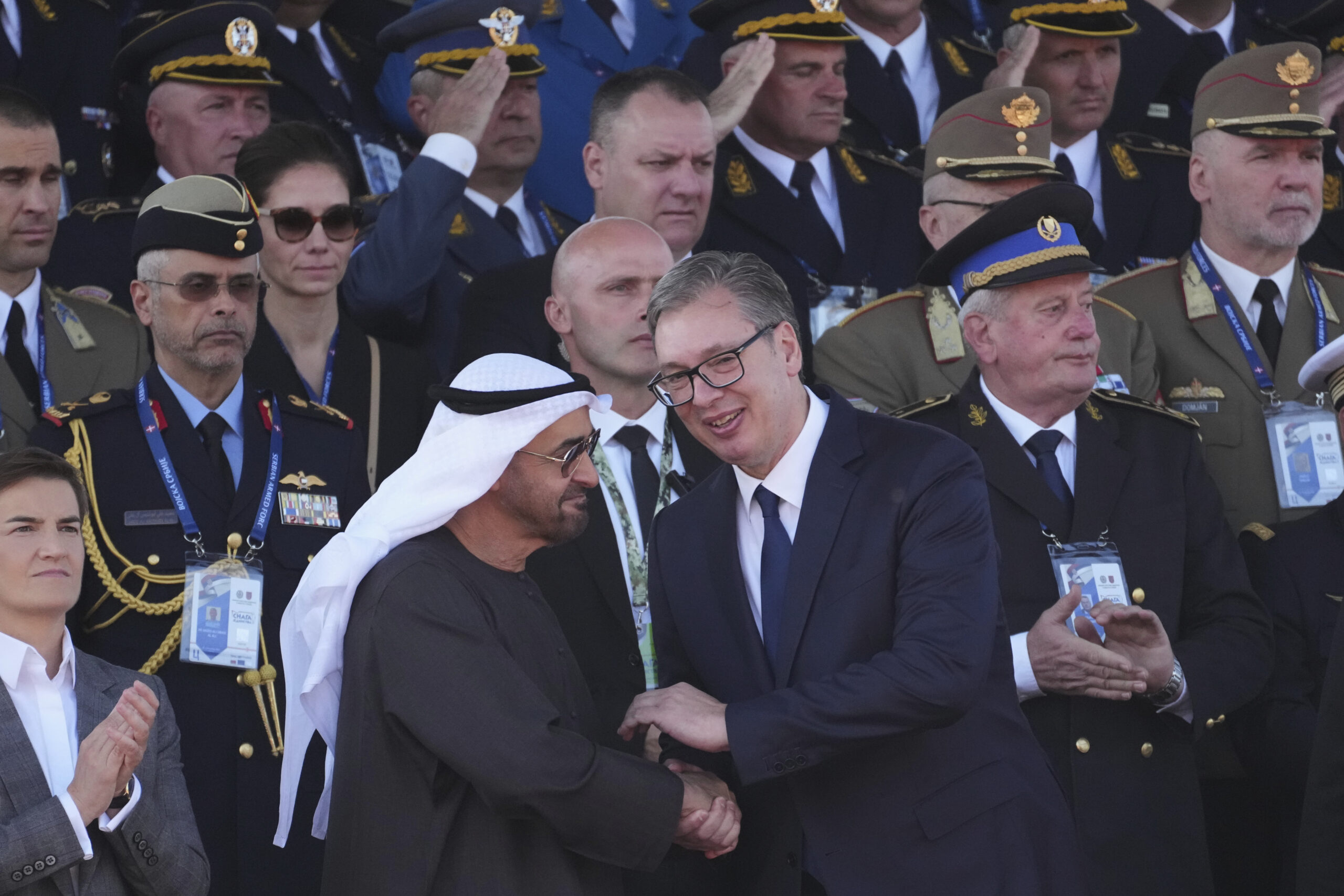
Through its increasing ties with Serbia, the UAE has secured a lasting strategic foothold in the Western Balkans, and Serbia has gained an influential Arab partner that is likely to remain central to Belgrade’s multipolar foreign policy calculus.