Iran’s attacks have perhaps irrevocably damaged Qatari-Iranian bilateral relations and erased the last few years of broader rapprochement efforts between Iran and the GCC states.
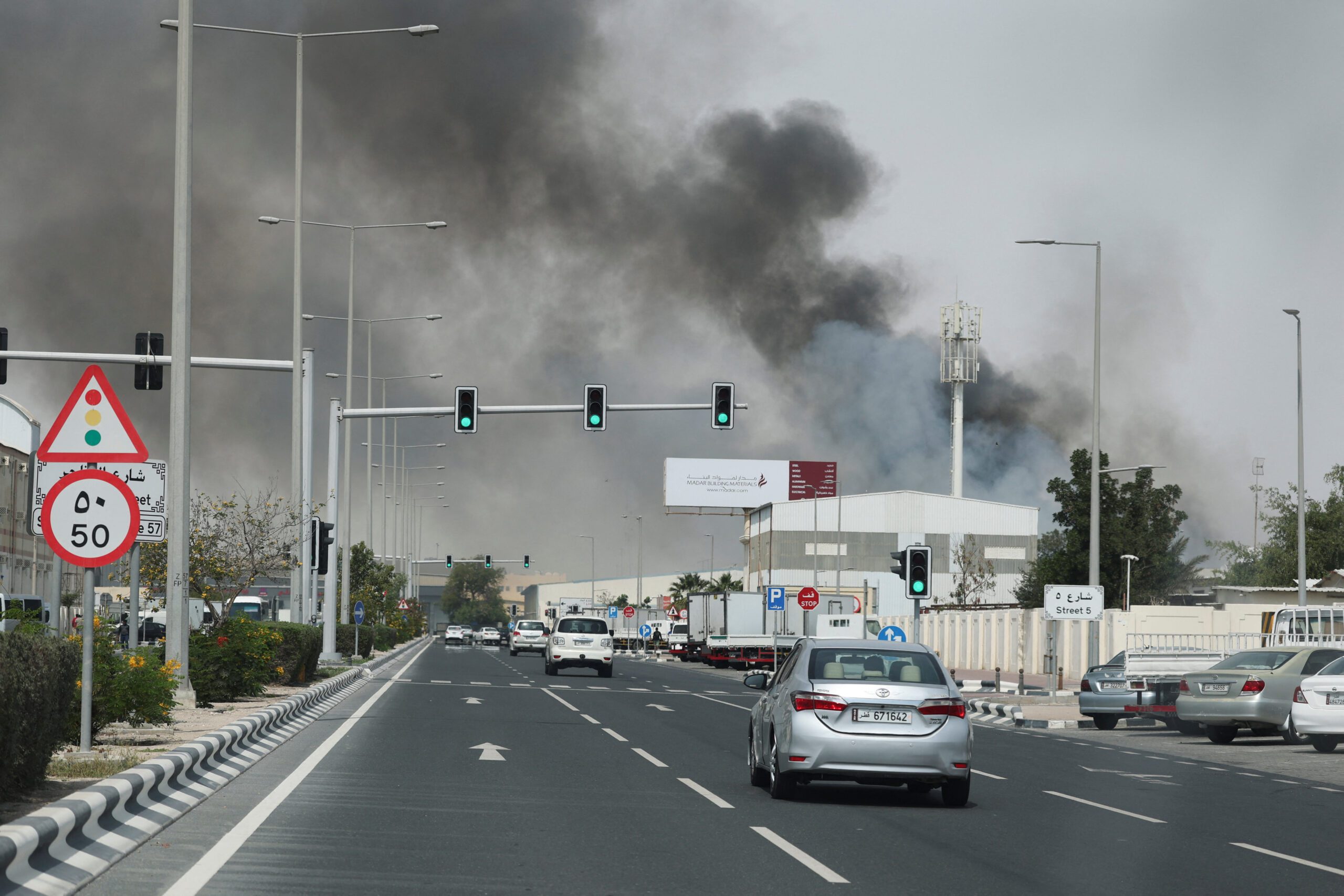
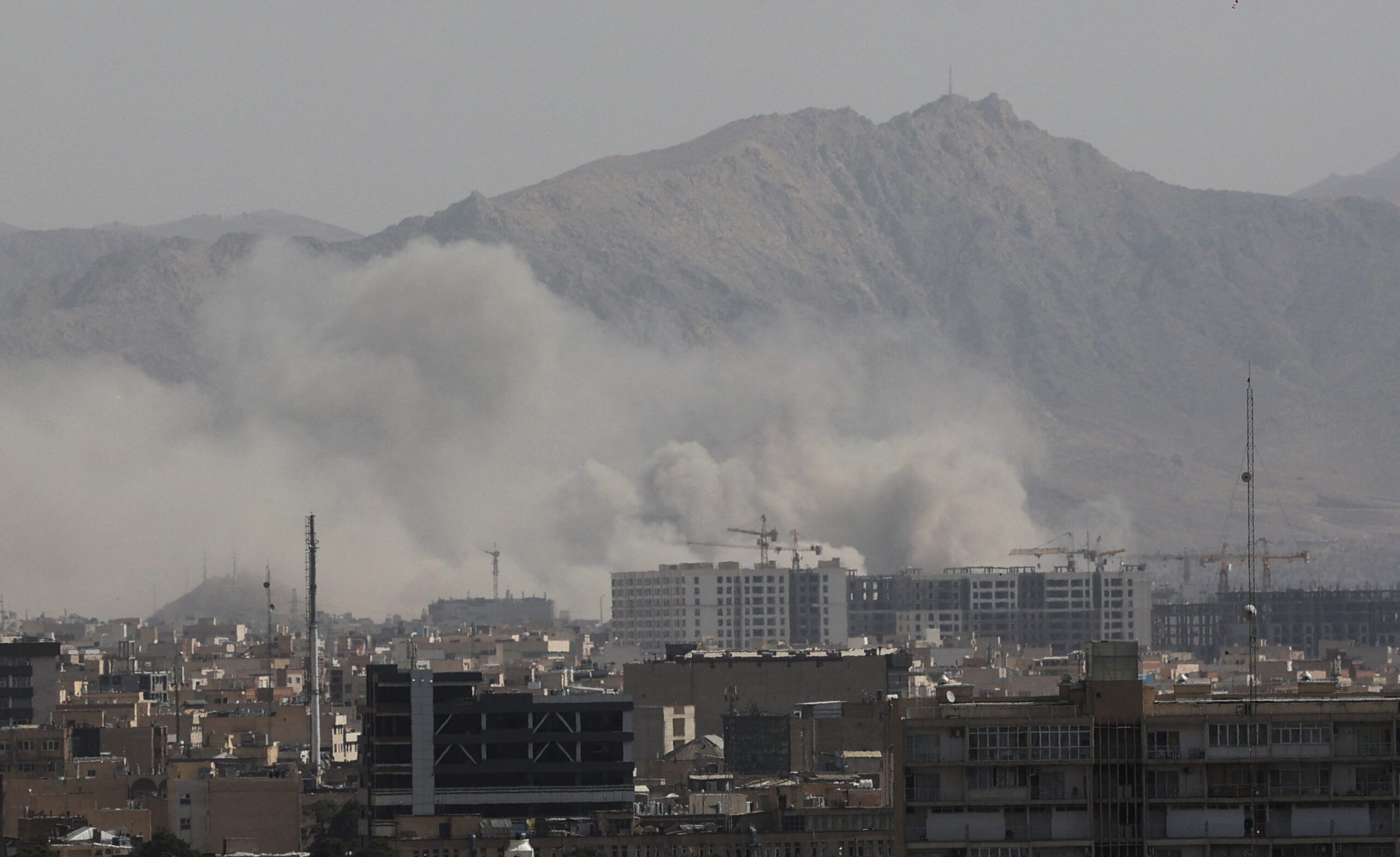
Smoke rises after reported Iranian missile attacks as seen from Doha, Qatar, March 1. (REUTERS/Mohammed Salem)
With Iran’s attacks across the Gulf Arab states, Qatari defense and diplomacy is being tested more than ever before. The attacks have perhaps irrevocably damaged Qatari-Iranian bilateral relations and erased the last few years of broader rapprochement efforts between Iran and the Gulf Cooperation Council states. Trust on both sides was already scarce, and now what little there was has vanished. Anwar Gargash, a United Arab Emirates presidential advisor, stated that these attacks “confirm the narrative of those who see Iran as the region’s primary source of danger” and its missile program a permanent cause of instability. A Qatari Foreign Ministry spokesperson, Majed Al Ansari, underlined that “all the red lines have already been crossed” in this war and emphasized that Qatar retains the right to defend itself and respond.
This war poses huge questions and challenges: Will Qatar pursue dialogue and diplomacy with Iran while confronting such an unprecedented national security threat? Will Gulf Arab states fight back to restore deterrence or hold fast to de-escalation and diplomacy? And if “all red lines have been crossed,” what does this mean for Qatari-Iranian and broader GCC-Iranian relations after this war ends?
Among the GCC states, Qatar had a friendlier relationship with Iran. But Iran’s attacks on Qatar and its Gulf neighbors could be permanently damaging to these relationships, raising major questions about the future of Gulf security and stability.
Targeting Qatar
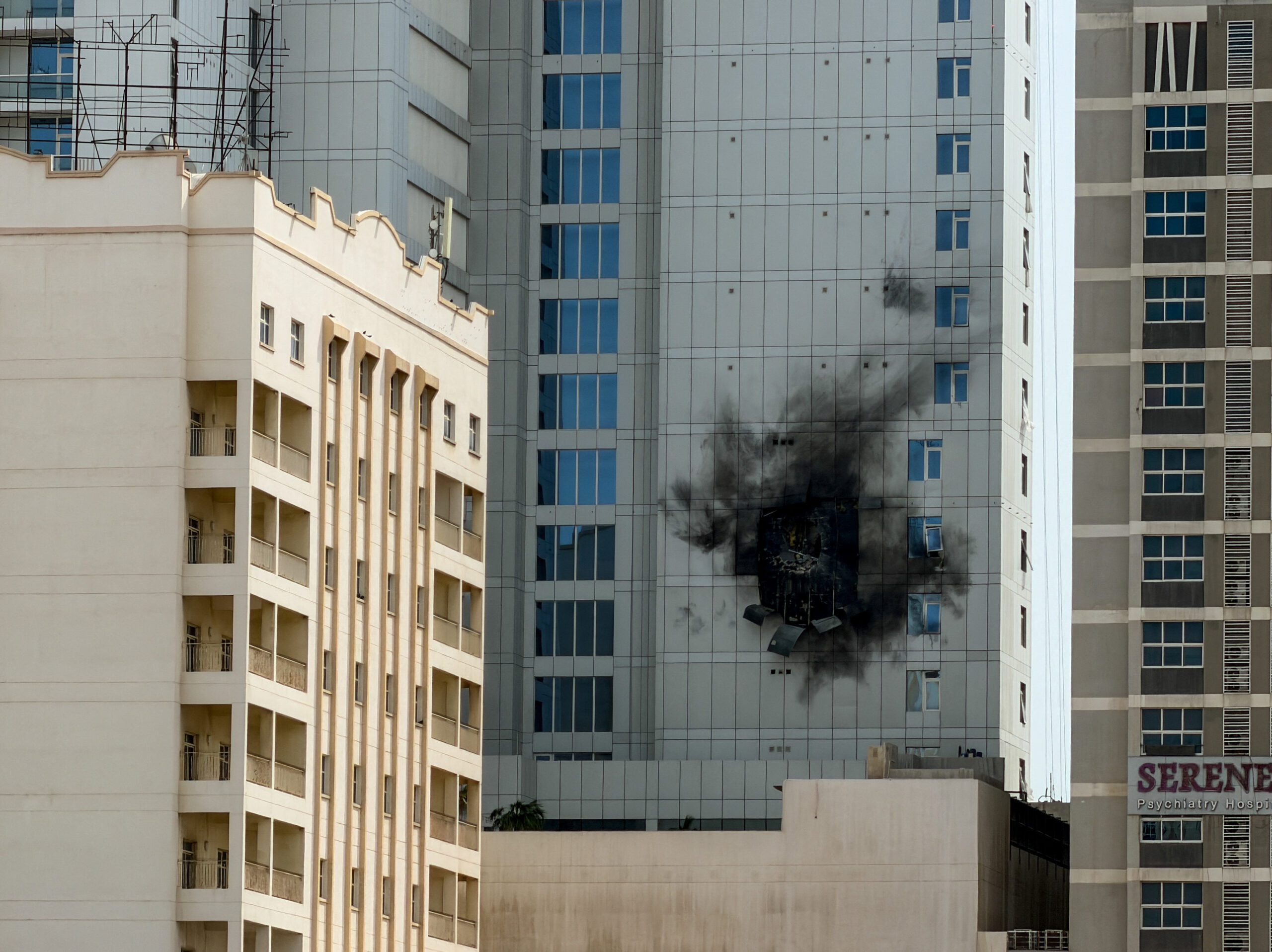
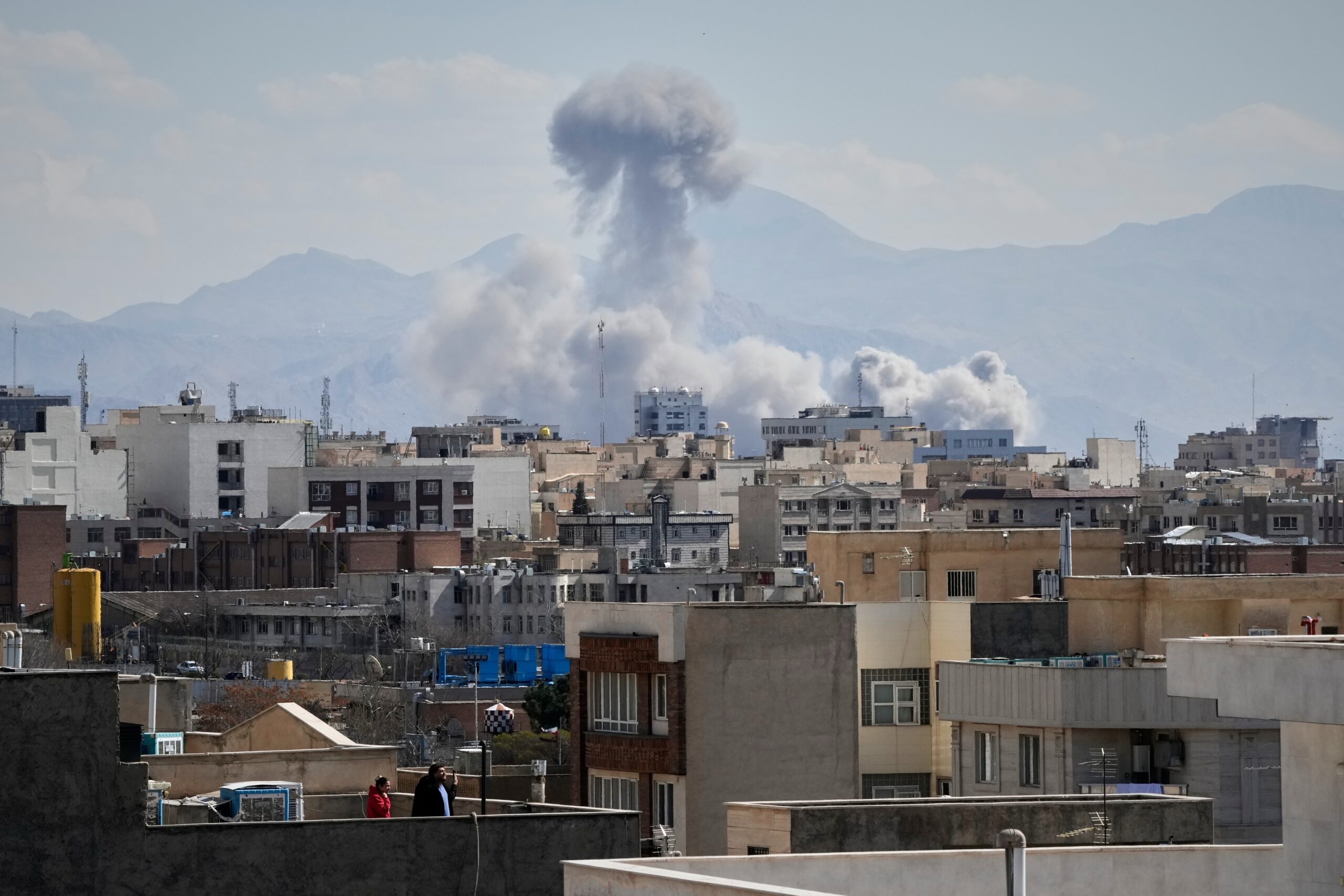
Gulf Arab states did not want this war and lobbied Washington hard to prevent it. They knew they would be caught in the crossfire, and indeed they are among the primary targets of Iran’s ferocious retaliation against the United States and Israel for “Operation Epic Fury.” Their nightmare scenario about Iran has become reality, as all GCC states have been forced to defend themselves against hundreds of Iranian missile and drone attacks on a daily basis. Even mediators including Qatar and Oman have not been spared. On the contrary, Qatar became a major target for Iran’s retaliation despite a history of closer ties with Iran, years of mediation between Washington and Tehran, and promises to prevent U.S. attacks from its territory and airspace. Iranian officials have said they are not targeting their “brothers” in Qatar but rather the headquarters of U.S Central Command at Al Udeid Air Base. But Iranian military forces have expanded their targets to energy infrastructure, airports, and civilian residential areas. Doha has been forced to close its airport and cut its gas production, rocking global energy markets. Qatar is one of the world’s largest suppliers of liquefied natural gas, most of which it exports through the Strait of Hormuz, one of the epicenters of this war. Qatar also confirmed the arrest of two Islamic Revolutionary Guard Corps spy cells that were gathering information for “sabotage missions” in the country.
Qatari Mediation and Diplomacy
Qatar has maintained dialogue with Iran even during some of the worst periods of GCC-Iran relations, in line with a small state foreign policy rooted in balancing between larger regional powers (Saudi Arabia and Iran) and global powers (the United States, China, and Russia). Qatar is one of the only states in the world with deep security ties with Washington (former President Joseph R. Biden Jr. named Qatar a major non-NATO ally in 2022) and a strong working relationship with Iran.
Doha has mediated between Iran and many Western countries over the years to facilitate nuclear talks, prisoner exchanges, and other de-escalation efforts. Mediation and diplomacy are integral pillars of Qatari national identity and foreign policy. Qatar has maintained ties with rogue states, terrorist groups, and other nonstate actors over many years, often at the request of the United States. These relationships have enabled Qatar to mediate dozens of interstate and intrastate conflicts and support confidence-building measures, such as prisoner swaps and family reunification, including between the United States and Iran, the Taliban, and Venezuela as well as between Israel and Hamas, Russia and Ukraine, the Democratic Republic of Congo and Rwanda, and many others. Mediation has become a central pillar of the U.S.-Qatari bilateral relationship and has made Doha an indispensable partner for Washington in conflict resolution efforts across the globe. While these Qatari mediation efforts with rogue actors will continue, broadly speaking, the outlook for future mediation involving Iran has become increasingly uncertain.
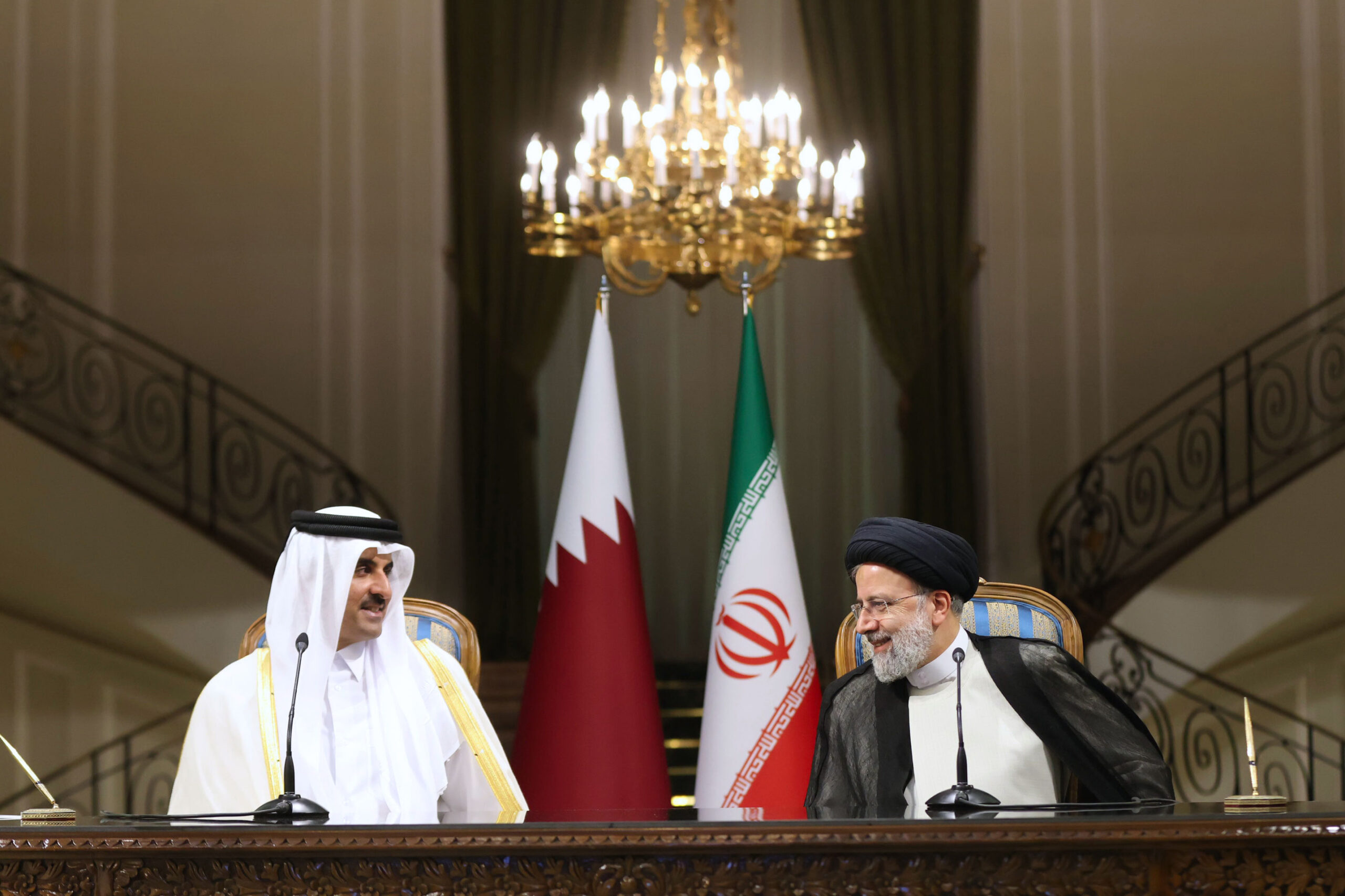
Qatar, along with Oman, has often pushed the hardest to improve GCC-Iran relations. Qatar hosted then-Iranian President Mahmoud Ahmadinejad at the Gulf Cooperation Council summit in December 2007 and supported Gulf rapprochement efforts that gained momentum through rounds of talks in 2021 and culminated in the UAE and Kuwait resuming ties with Iran in 2022 and Saudi Arabia in 2023. In 2022, Qatar hosted Iran’s president at the time, Ebrahim Raisi, and signed dozens of agreements to increase political, economic, and cultural cooperation, although serious economic ties never really took off due to Western sanctions. During another period of acute U.S.-Israeli-Iranian tensions in October 2024, Doha attempted to bring the GCC and Iran together by hosting the GCC foreign ministers, as well as Iran’s foreign minister, for an informal joint ministerial meeting on the sidelines of the Asian Cooperation Dialogue. The goal was to discuss regional security concerns regarding the Israeli-Iranian tensions and to take stock of the “positive steps” over the last few years of GCC-Iran rapprochement efforts.
Qatar’s relationship with Iran had previously caused Doha major problems with its Gulf neighbors, who cited the relationship with Tehran as evidence of Qatari support for radical Islamists across the region and a justification for the Saudi-led boycott of Qatar from 2017 to early 2021. Qatar followed Saudi Arabia and the other Gulf Arab states by downgrading ties with Iran in 2016 after Iranian protesters stormed the Saudi Embassy in Tehran and Consulate in Mashhad as a response to Saudi Arabia’s killing of opposition Shia cleric Nimr al-Nimr on terrorism charges. But Qatar restored full diplomatic relations with Iran and returned its ambassador in 2017 after Saudi Arabia, the UAE, and Bahrain imposed a boycott on Qatar. Notably, Qatar Airways relied heavily on Iranian airspace throughout the boycott because it was restricted from using Saudi, Emirati, Bahraini, and Egyptian airspace. Iran also responded to the boycott by increasing food exports to Qatar and opening new shipping routes, helping Qatar replace disrupted supply chains. The current crisis is certainly testing the durability of Qatar’s gratitude for Iran’s earlier support.
A Test of Gulf Defenses and Diplomacy
At this stage, Gulf Arab states are maintaining their defensive posture and pushing hard for de-escalation between the warring parties. But this war is testing Gulf defenses, diplomacy, and crisis management. Media reports claim both Qatari and Emirati officials are lobbying Washington hard to de-escalate with Iran. Meanwhile, Saudi Arabia and the UAE have signaled similar positions in statements and press conferences. The GCC countries have witnessed firsthand how chaotic military operations, such as the U.S. invasion and occupation of Iraq, which they also opposed, can destabilize the region for decades. And they are the ones that have to live right next to whatever leadership rises from the ashes in Tehran and deal with the security consequences if there is state collapse or civil war in the neighboring country of around 90 million people.
The overwhelming message from the Gulf Arab states seems to be that this is not their war – they worked hard to prevent it, and they want it to end as soon as possible. Gulf capitals are still leaning toward the path of de-escalation because they know that military conflict heightens insecurity and will make it even more difficult to reestablish a modus operandi with Iran after the dust settles. Iranian President Masoud Pezeshkian posted on X that “Some countries have initiated efforts for mediation.” At this stage it is very likely that most of the Gulf states are looking for off-ramps and that Qatar and Oman have assumed their traditional role of cautious outreach to Iran. U.S. officials, such as Senator Lindsey Graham, argue that Gulf Arab states will have to enter the war, but Gulf officials continue to publicly and privately deny any involvement in the war at present, even though all options remain on the table. The bottom line is that engaging in an offensive operation against Iran does not serve the political or economic interests of the Gulf Arab states, and they will likely do everything they can to avoid fighting this war with the United States and Israel and to de-escalate as soon as possible.
Even though Qatari official statements condemn Iran’s violations of Qatar’s sovereignty, affirm Qatar’s right to respond, and underline the illegality of Iranian attacks on Qatar, Doha seems intent to focus its efforts on self-defense and de-escalation. On March 3, Qatari officials categorically refuted media claims that Qatar had taken part in offensive operations in Iran. Even though Qatar’s Foreign Ministry stated earlier that it had cut off official communication channels with Iran, those channels seem to have been somewhat restored after Iranian Foreign Minister Abbas Aragchi made a phone call to Qatari Prime Minister Mohammed bin Abdulrahman al-Thani. In this call, Qatar’s prime minister “emphasized that the State of Qatar has always inclined toward dialogue and diplomacy and dealt in good faith with various parties.” However, he asserted that Qatar “will confront any aggression that infringes upon its sovereignty, security, the safety of its territories, or its national interests, affirming that these aggressions cannot go unanswered, in accordance with its inherent right to self-defense pursuant to Article (51) of the United Nations Charter.” This call is a sign of limited communication, but the official read-out appears very combative; Iran’s foreign minister argued in the call that Iran is only targeting U.S. military assets, and Qatar’s prime minister rebuked these statement and stressed the illegality of Iran’s attacks on Qatar’s airport, LNG facilities, and residential areas.
U.S. officials have suggested that the war on Iran could now last up to eight weeks, suggesting a major escalation and likely many more attacks on the Gulf Arab states. Qatar will continue to be a major target because of its close relationship with the United States and its hosting of Al Udeid. Moreover, some U.S. officials seem to be pressuring Gulf states to enter the fight. Just a few days into this war, GCC-Iran trust is seriously damaged. Even if Qatar and the other Gulf Arab states remain focused on defense and de-escalation at this stage, all options remain on the table as the region descends further into uncharted territory and unprecedented security threats against the GCC states.
The views represented herein are the author's or speaker's own and do not necessarily reflect the views of AGSI, its staff, or its board of directors.
Though they were unsuccessful in preventing the current conflict, and, as expected, have been dragged into the U.S.-Israeli confrontation with Iran, Gulf Arab countries remain crucial to hopes for limiting the war and bringing it to a quick resolution.
Gulf Arab countries urged the United States not to strike Iran, but now that is happening, they are in danger of being sucked into a conflict they cannot control but that will likely reshape their present and future realities.
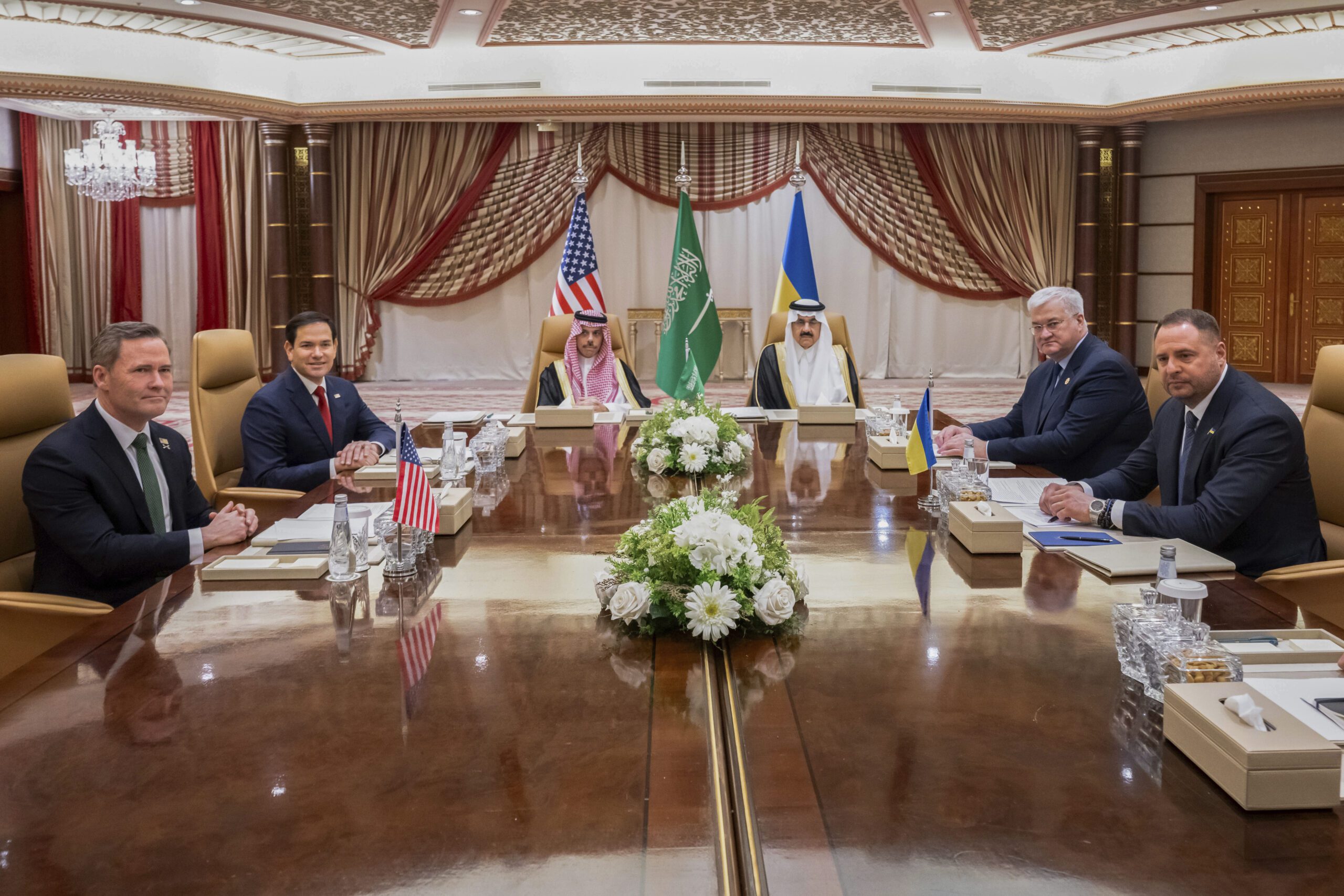
The role of Gulf Arab states in Russia-Ukraine mediation reflects their rising global influence and the benefits of hedging and balancing in foreign policy.
Qatar’s emir has made a flurry of diplomatic visits to Iran, Turkey, the UAE, and Europe to bolster regional relations, energy cooperation, and the Iran nuclear deal.
Supply chain interruptions and rising food and fuel prices are hitting countries in the Middle East and Africa particularly hard, given the heavy reliance on Russian and Ukrainian staple food imports.