Mar 3, 2026
War Abroad, Civil War at Home?
The March 3 edition of the Iran Media Review examines Iranian messaging following the death of the supreme leader and amid ongoing U.S. and Israeli bombardment.

Amid ongoing U.S. and Israeli bombardment, Iran is attempting to project an image of stability, emphasizing the orderly election of a new leader by the Assembly of Experts. At the same time, the regime appears to be advancing two parallel narratives. On the diplomatic front, Supreme National Security Council Secretary Ali Larijani and his deputy, Ali Bagheri Kani, publicly dismissed the prospect of Iranian outreach to the United States – denials that may, in fact, suggest that backchannel contact is underway. On the military front, the Islamic Revolutionary Guard Corps has claimed to have “closed” the Strait of Hormuz to shipping, signaling escalation and deterrence. Meanwhile, Iranian media outlets are increasingly reporting Israeli strikes targeting border guard facilities, police stations, and both IRGC and regular army bases along the Iraqi frontier. These strikes may indicate preparations for a broader strategy, potentially setting the stage for infiltration into Iran by armed opposition groups operating from Iraq.
- March 1: On Telegram, centrist Mehr News Agency posted President Masoud Pezeshkian’s condolences for the February 28 killing of Supreme Leader Ayatollah Ali Khamenei.
- March 2: Chief Justice Gholam-Hossein Mohseni-Ejei was quoted on Islamic Revolutionary Guard Corps mouthpiece Mashregh News’ Telegram channel:
- “After the martyrdom of the supreme leader of the revolution, a temporary Leadership Council was immediately formed in accordance with Article 111 of the Constitution … Without a moment’s delay, the duties related to the council are being carried out.”
- March 2: Supreme National Security Council Secretary Ali Larijani was quoted by Tasnim News Agency asserting:
- “Iran will not engage in any kind of negotiations with America.”
- March 2: Larijani’s deputy, Ali Bagheri Kani, was also quoted by Tasnim News Agency saying:
- “The enemy’s intention with negotiations is Iran’s capitulation.”
- March 2: SNSC mouthpiece Nour News Agency released footage of a funeral service for 22 soldiers killed in an Israeli bombardment of the border guard command center in Mehran, Ilam province.
- March 3, 2026: Brigadier General Ebrahim Jabbari, advisor to the IRGC chief commander, told Tasnim News Agency:
- “The Strait of Hormuz is closed.”
The views represented herein are the author's or speaker's own and do not necessarily reflect the views of AGSI, its staff, or its board of directors.
Related
Iran Media Review
Feb 27, 2026
Araghchi Optimistic Regarding the Talks
The February 27 edition of the Iran Media Review considers the Iranian foreign minister’s perspective on progress on the ongoing negotiations with the United States.
Iran Media Review
Feb 24, 2026
Iran Signals Deterrence Paired With Diplomacy
The February 24 edition of the Iran Media Review analyzes Iranian messaging in the lead up to a new round of negotiations with the United States.
Iran Media Review
Feb 20, 2026
Resigned to War Yet Still Working Toward a Deal
The February 20 edition of the Iran Media Review considers Iranian media analysis on the prospects for conflict and a potential deal to prevent it.
Feb 27, 2026
Araghchi Optimistic Regarding the Talks
The February 27 edition of the Iran Media Review considers the Iranian foreign minister’s perspective on progress on the ongoing negotiations with the United States.
Feb 24, 2026
Iran Signals Deterrence Paired With Diplomacy
The February 24 edition of the Iran Media Review analyzes Iranian messaging in the lead up to a new round of negotiations with the United States.
Feb 20, 2026
Resigned to War Yet Still Working Toward a Deal
The February 20 edition of the Iran Media Review considers Iranian media analysis on the prospects for conflict and a potential deal to prevent it.
Analysis
The Islamic Republic Returns to Offense
After U.S.-Israeli strikes killed Supreme Leader Ayatollah Ali Khamenei on February 28, Iran’s collective leadership has concluded that the best defense is a good offense.
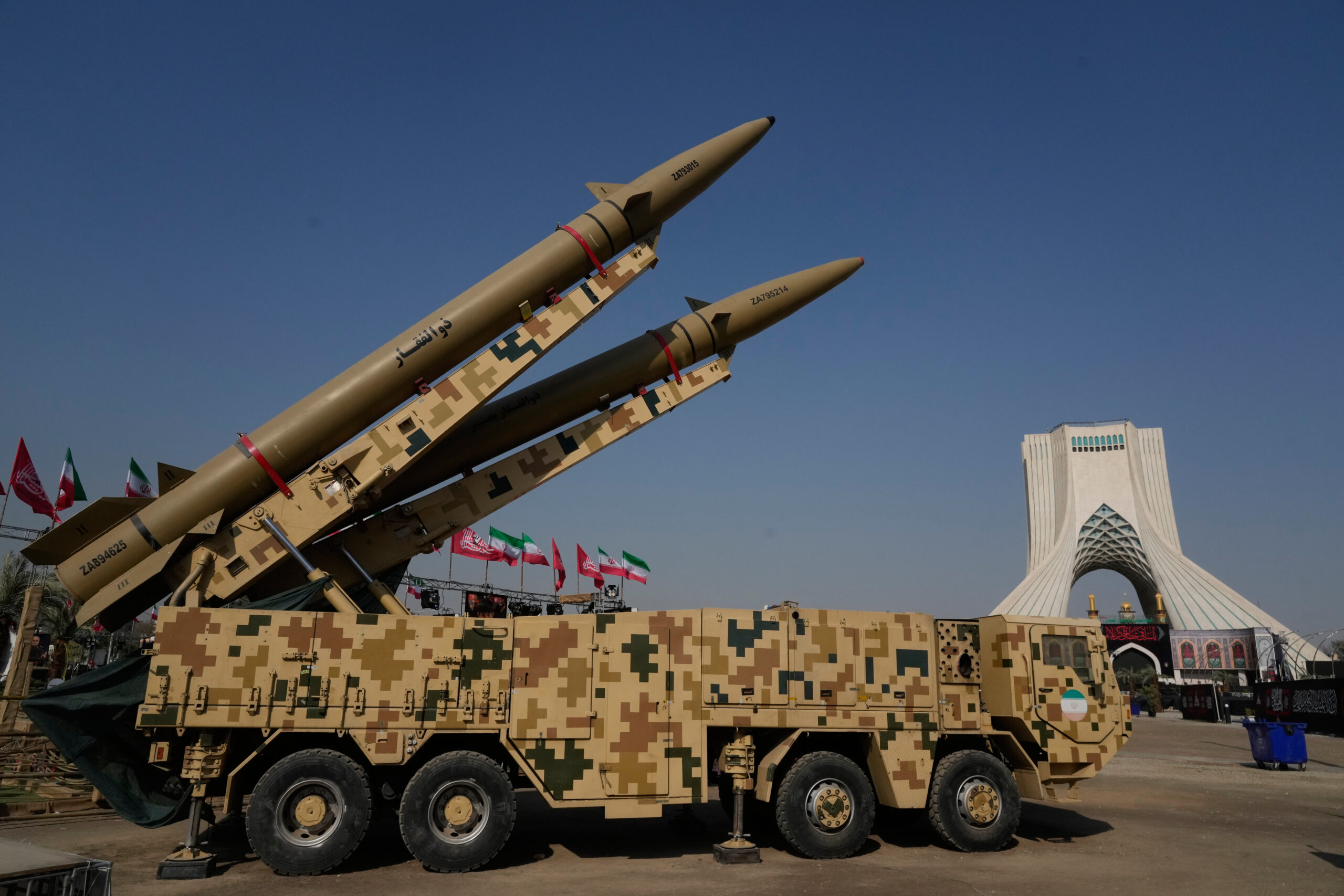
Iran’s Collective Strategic Decision Making
Wartime pressure has temporarily aligned the leadership’s overriding interest in regime survival, even as its members continue to differ over the costs, methods, and ultimate objectives of the war.
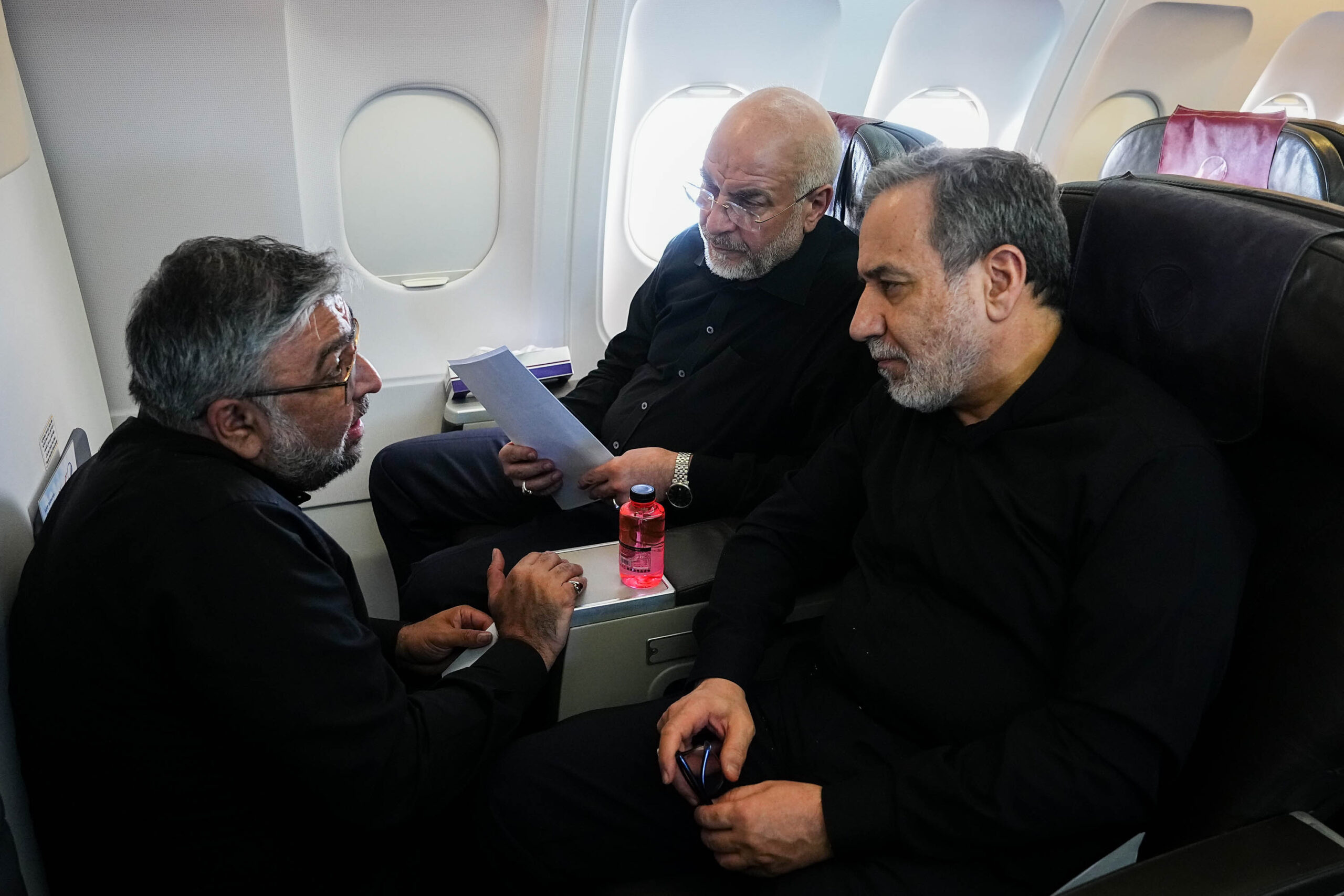
The Islamic Republic’s Collective Leadership
While there is historical precedent for collective leadership in Iran, today’s leadership includes representatives of the IRGC and regular military – a reflection of the IRGC’s expanding role and the necessities of governing under wartime conditions.
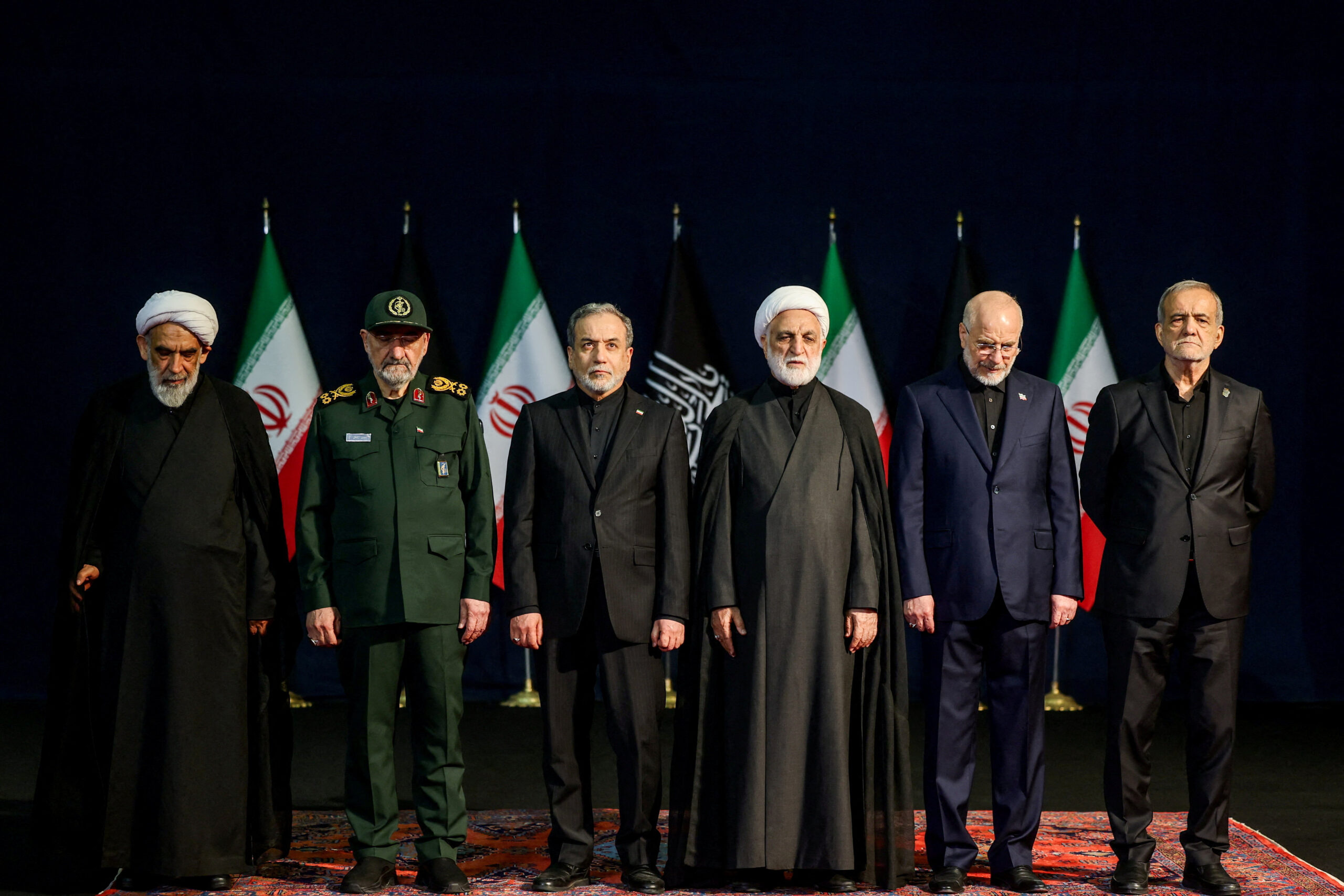
How Did the IRGC Seize Power in Iran?
The IRGC did not seize power in a single stroke. It accumulated it – patiently, methodically – until no counterweight remained.
Events
Oct 6, 2026
10:00am - 11:00am
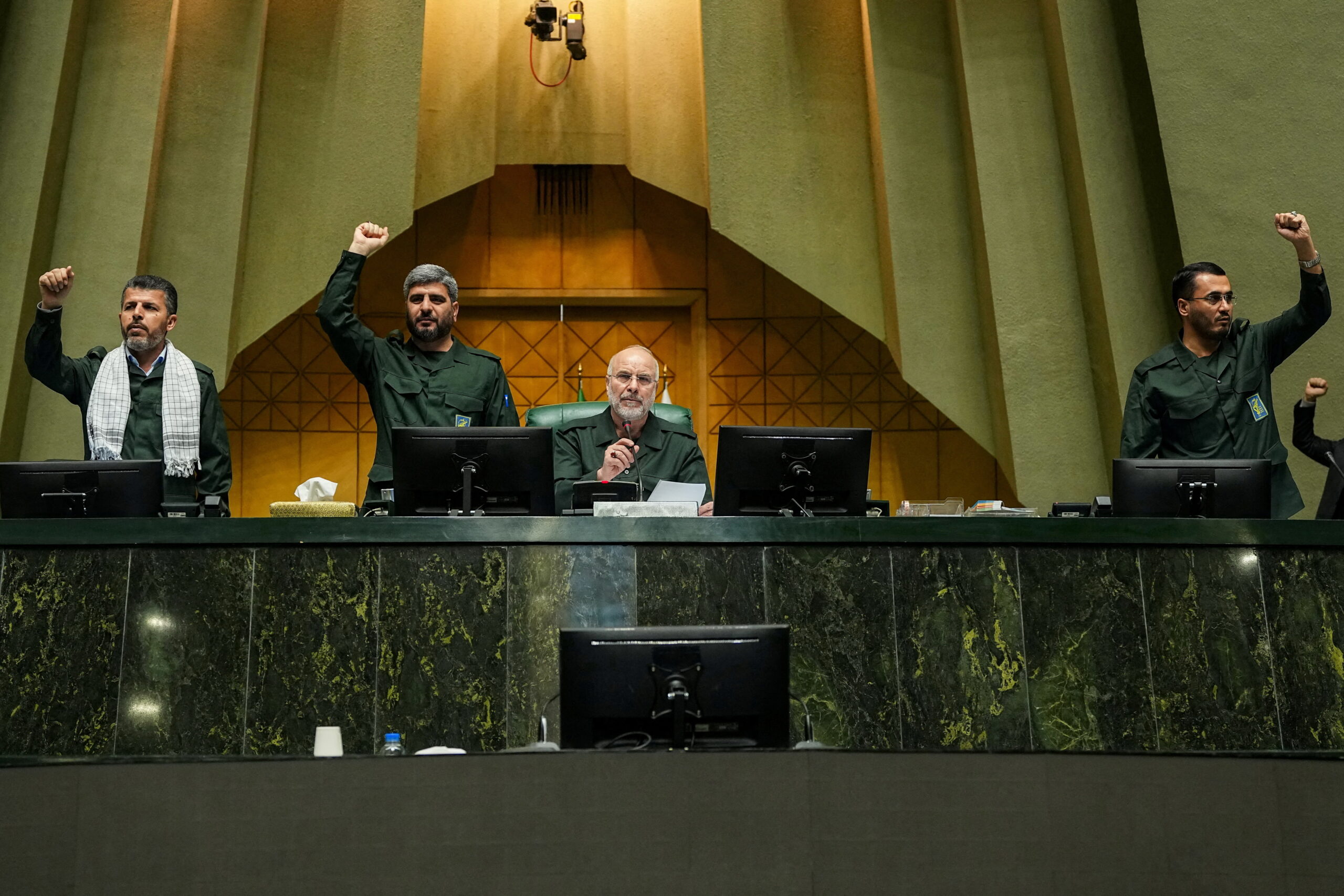
Is the U.S.-Iran Stalemate a “New Normal” or the Prelude to Another Explosion?
On October 6, AGSI will host a discussion on the U.S.-Iran stalemate and the prospects for a cease-fire.
Speakers



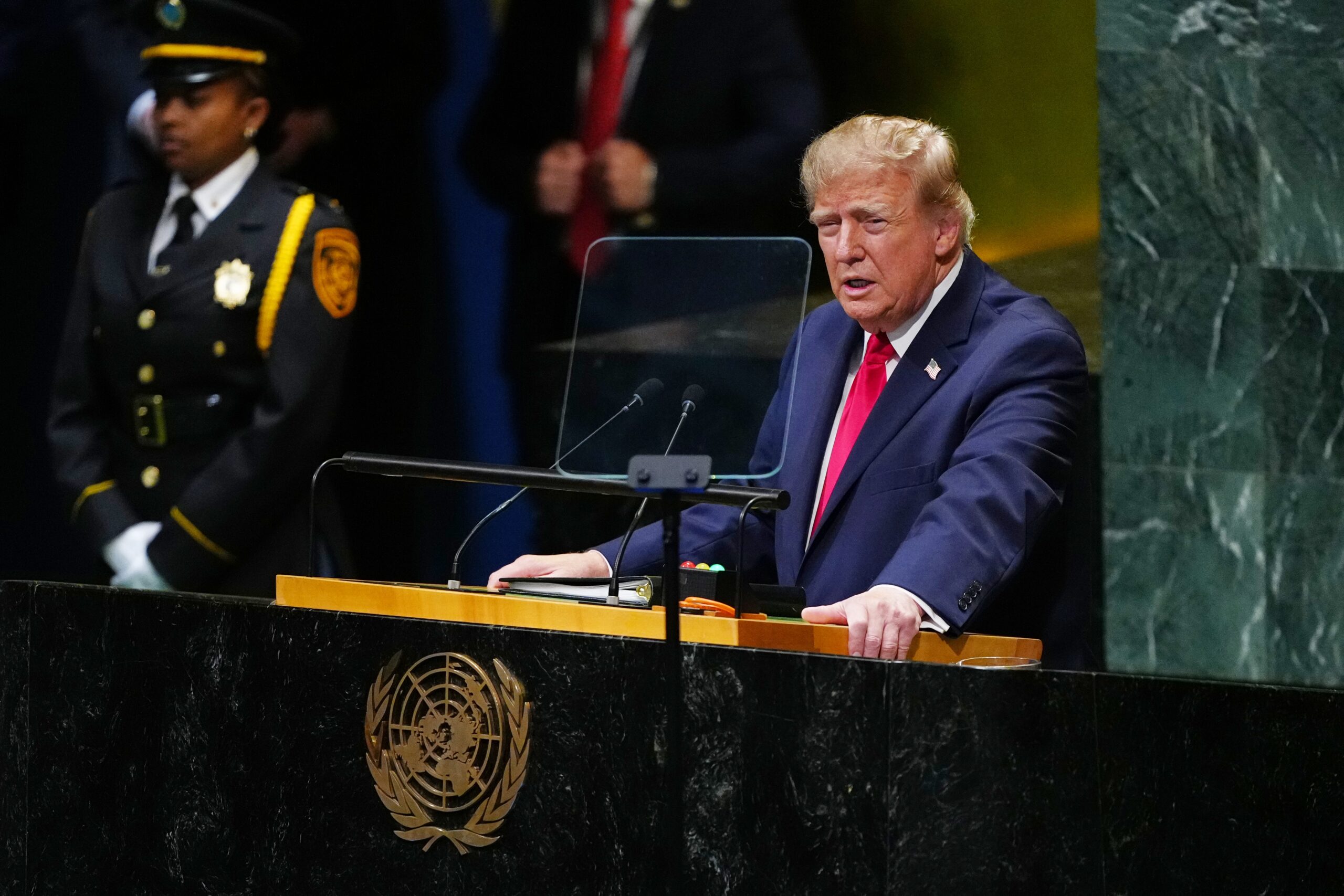
Book Talk: Iran and the Bomb: The United States, Iran and the Nuclear Question
On June 16, AGSI hosted a discussion on the evolution of Iran's nuclear program.
Speakers
Apr 21, 2026
Inside Iran’s Wartime Leadership: Power, Succession, and Regime Stability
On April 21, AGSI hosted a discussion on the evolution of Iran's leadership during the war.
Speakers

Mar 18, 2026
In Its Conflict With the United States and Israel, Does Escalation Favor Iran?
On March 18, AGSI hosted a discussion on the escalation of the Iran war.
Speakers