Feb 27, 2026
Araghchi Optimistic Regarding the Talks
The February 27 edition of the Iran Media Review considers the Iranian foreign minister’s perspective on progress on the ongoing negotiations with the United States.

Iranian Foreign Minister Abbas Araghchi, Omani mediators, and even several anonymous U.S. officials familiar with the latest round of negotiations in Oman have expressed optimism about the indirect talks between Iran and the United States, with technical discussions scheduled for next week. Nevertheless, Iran and the wider region remain under the shadow of war.
- February 27: Islamic Revolutionary Guard Corps-affiliated Mashregh News covered an interview by Islamic Republic of Iran Broadcasting with Foreign Minister Abbas Araghchi, who said of the February 26 negotiations in Geneva:
-
- “Today I can say that one of our most serious and longest rounds of negotiations was held. In the morning session, we had a meeting for nearly four hours, and in the afternoon session, the talks continued for about two hours as well.”
-
- “These negotiations were conducted indirectly and with the mediation of the foreign minister of Oman, and in some parts Mr. Grossi was also present to facilitate the exchange of technical discussions between the two sides. His presence was technically useful and constructive.”
-
- “The negotiations were overall very intensive and serious, and during these long hours, good progress was achieved. We seriously entered into the elements of an agreement – both in the nuclear field and in the area of sanctions. On some issues we have reached close understandings, although on certain topics there are differences of opinion, which is natural.”
-
- Discussing sanction relief, Araghchi said: “In this area, we presented our requests in a completely clear and specific manner, including Iran’s expectations, the requirements for lifting the unilateral U.S. sanctions, the various dimensions of these sanctions, as well as issues related to the United Nations Security Council. It was agreed that in the next session we will address these topics more precisely and in greater detail.
-
- On future negotiations, Araghchi said: “It was agreed that the next round of negotiations, that is, the fourth round, will be held in the near future, probably in about a week. Before that, both sides must prepare certain documents and carry out the necessary consultations in their respective capitals.”
-
- To conclude, Mashregh News reported that technical talks will take place in Vienna, Austria next week.
The views represented herein are the author's or speaker's own and do not necessarily reflect the views of AGSI, its staff, or its board of directors.
Related
Iran Media Review
Feb 24, 2026
Iran Signals Deterrence Paired With Diplomacy
The February 24 edition of the Iran Media Review analyzes Iranian messaging in the lead up to a new round of negotiations with the United States.
Iran Media Review
Feb 20, 2026
Resigned to War Yet Still Working Toward a Deal
The February 20 edition of the Iran Media Review considers Iranian media analysis on the prospects for conflict and a potential deal to prevent it.
Iran Media Review
Feb 17, 2026
Money Talks: U.S.-Iran Negotiations in Geneva
The February 17 edition of the Iran Media Review explores an Iranian deputy foreign minister’s discussion of potential economic incentives Iran is offering to the United States.
Feb 24, 2026
Iran Signals Deterrence Paired With Diplomacy
The February 24 edition of the Iran Media Review analyzes Iranian messaging in the lead up to a new round of negotiations with the United States.
Feb 20, 2026
Resigned to War Yet Still Working Toward a Deal
The February 20 edition of the Iran Media Review considers Iranian media analysis on the prospects for conflict and a potential deal to prevent it.
Feb 17, 2026
Money Talks: U.S.-Iran Negotiations in Geneva
The February 17 edition of the Iran Media Review explores an Iranian deputy foreign minister’s discussion of potential economic incentives Iran is offering to the United States.
Analysis
The Islamic Republic Returns to Offense
After U.S.-Israeli strikes killed Supreme Leader Ayatollah Ali Khamenei on February 28, Iran’s collective leadership has concluded that the best defense is a good offense.
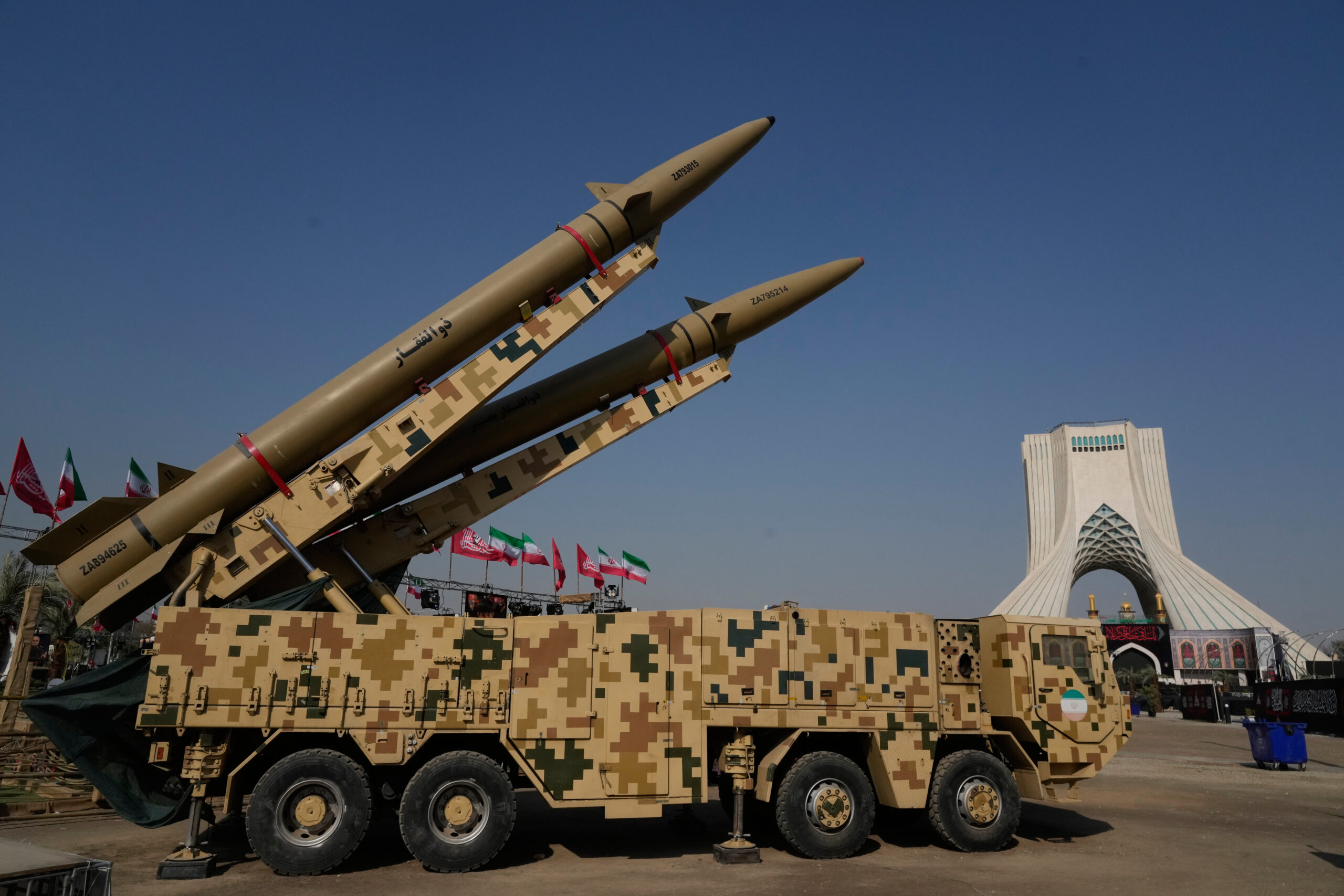
Iran’s Collective Strategic Decision Making
Wartime pressure has temporarily aligned the leadership’s overriding interest in regime survival, even as its members continue to differ over the costs, methods, and ultimate objectives of the war.
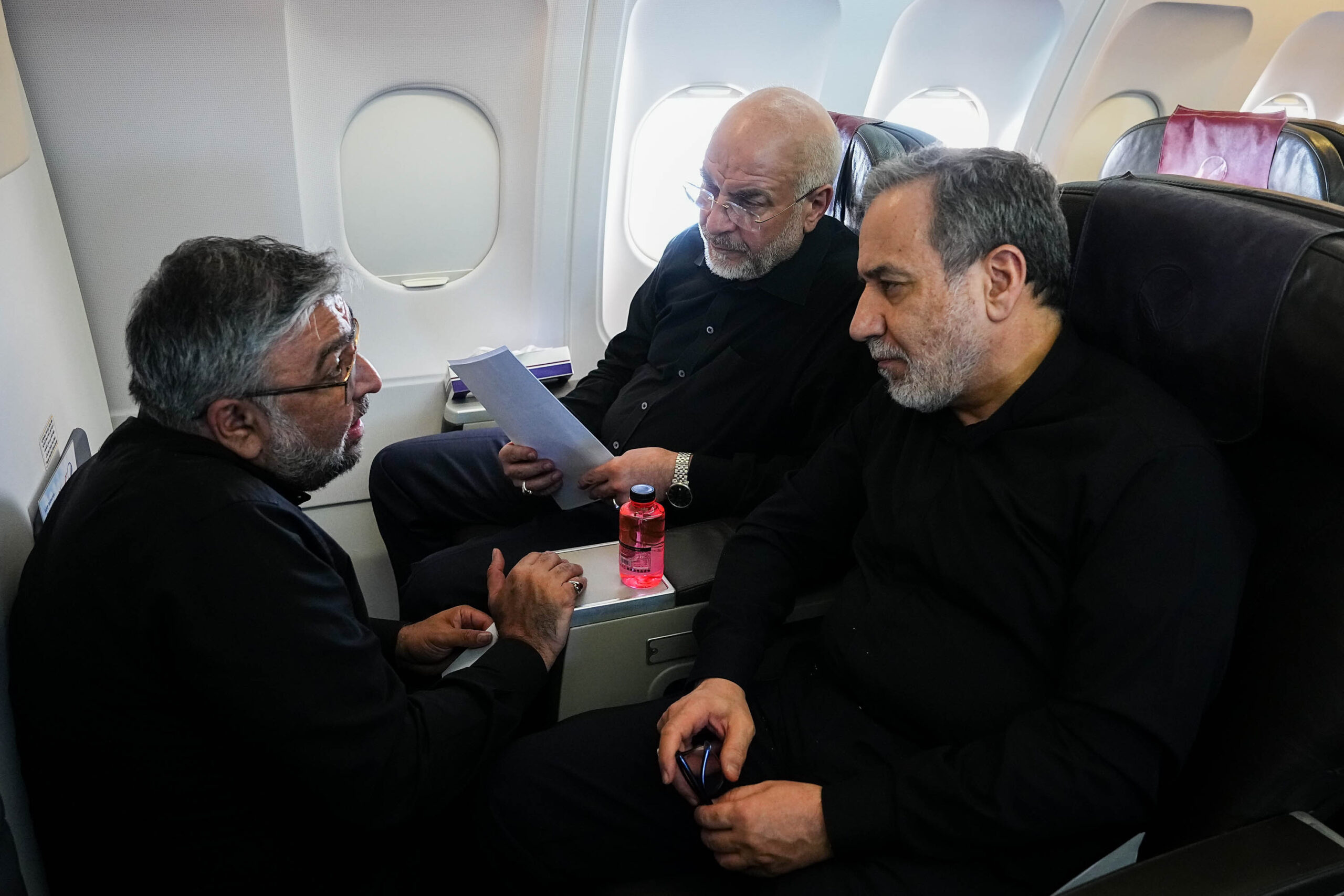
The Islamic Republic’s Collective Leadership
While there is historical precedent for collective leadership in Iran, today’s leadership includes representatives of the IRGC and regular military – a reflection of the IRGC’s expanding role and the necessities of governing under wartime conditions.
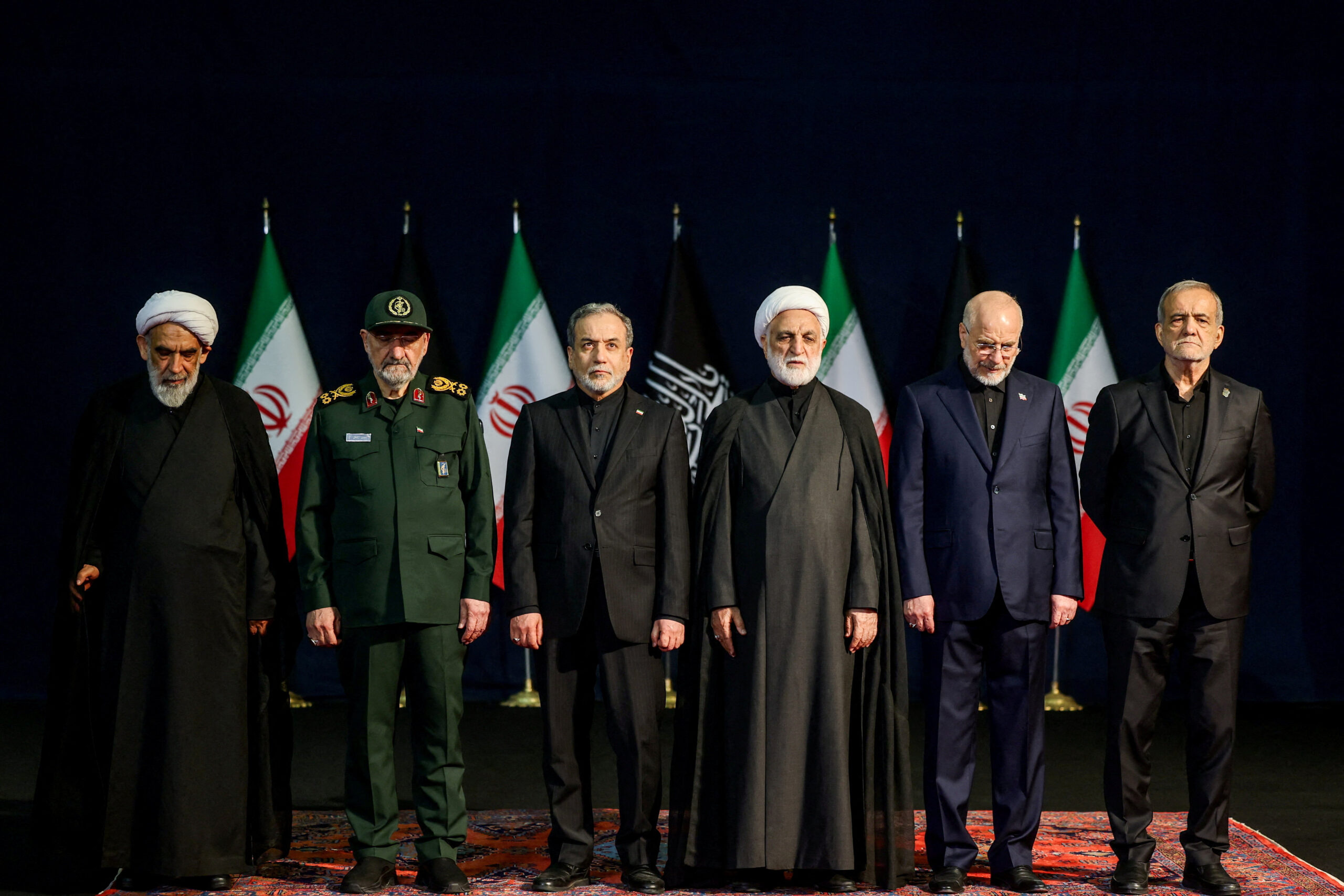
How Did the IRGC Seize Power in Iran?
The IRGC did not seize power in a single stroke. It accumulated it – patiently, methodically – until no counterweight remained.
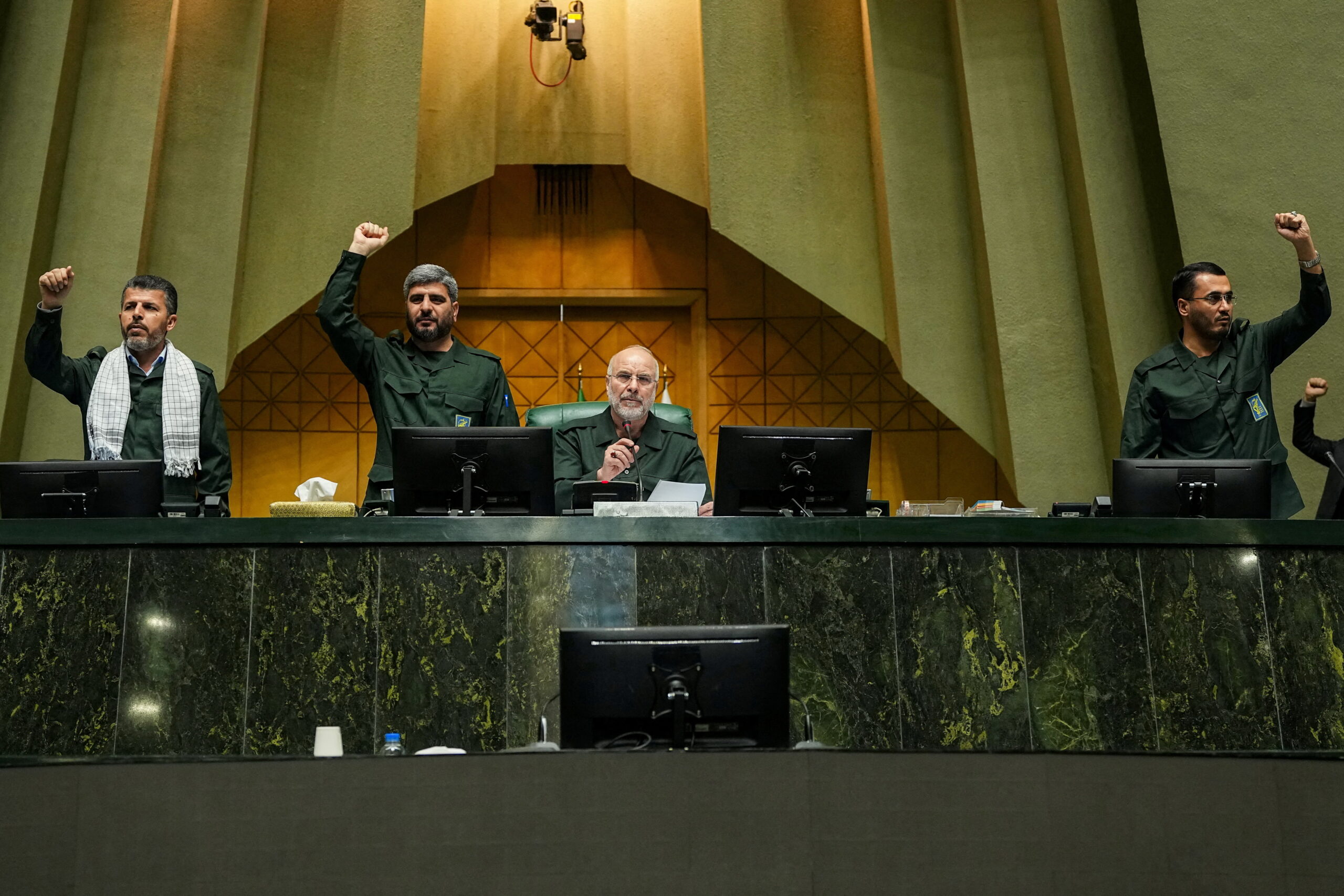
Events
Oct 6, 2026
10:00am - 11:00am
Is the U.S.-Iran Stalemate a “New Normal” or the Prelude to Another Explosion?
On October 6, AGSI will host a discussion on the U.S.-Iran stalemate and the prospects for a cease-fire.
Speakers



Book Talk: Iran and the Bomb: The United States, Iran and the Nuclear Question
On June 16, AGSI hosted a discussion on the evolution of Iran's nuclear program.

Speakers

Apr 21, 2026
Inside Iran’s Wartime Leadership: Power, Succession, and Regime Stability
On April 21, AGSI hosted a discussion on the evolution of Iran's leadership during the war.
Speakers

Mar 18, 2026
In Its Conflict With the United States and Israel, Does Escalation Favor Iran?
On March 18, AGSI hosted a discussion on the escalation of the Iran war.
Speakers