Jan 13, 2026
Decoupled From the Internet, IRGC Media Talks of Unity
The January 13 edition of the Iran Media Review considers IRGC-affiliated media’s unverifiable account of societal cohesion amid ongoing protests.

Largely cut off from the internet since January 8, the Iranian population has had extremely limited access to Iranian media. Permitted sites have included the likes of Supreme Leader Ayatollah Ali Khamenei’s official website and a couple of Islamic Revolutionary Guard Corps-affiliated outlets with privileged internet access. This severely restricts any analysis of events in Iran but also lays bare the message the Islamic Republic propaganda machinery wants to communicate: regime cohesion, elite unity, and societal calm. The latter, particularly, is increasingly difficult to believe.
- January 12: Islamic Revolutionary Guard Corps-affiliated Fars News Agency’s Telegram channel posted photos of pro-regime rallies in Tehran and other locations.
- January 12: Fars News Agency’s Telegram channel released a video of Supreme National Security Council Secretary Ali Larijani participating in the rally in Tehran. In a brief comment, Larijani said the people have taken to the streets of Tehran in a display of unity to declare support to the regime and to “settle scores with America and Israel.”
- January 12: Fars News Agency released a message of thanks from Supreme Leader Ayatollah Ali Khamenei to Iranians who participated in pro-regime rallies.
The views represented herein are the author's or speaker's own and do not necessarily reflect the views of AGSI, its staff, or its board of directors.
Related
Iran Media Review
Jan 9, 2026
The IRGC Warns Iraq’s Kurdistan Region
The January 9 edition of the Iran Media Review analyzes IRGC-affiliated media threats against Kurdish parties headquartered in the Kurdistan region of Iraq.
Iran Media Review
Jan 6, 2026
Khamenei Comments on the Protests in Iran
The January 6 edition of the Iran Media Review examines Supreme Leader Ayatollah Ali Khamenei’s response to a new wave of protests.
Iran Media Review
Dec 19, 2025
Iran: Searching For a Way Out of the Impasse
The December 19 edition of the Iran Media Review examines an article by the son of a late Iranian president suggesting a way out of Iran’s current foreign and domestic crises.
Jan 9, 2026
The IRGC Warns Iraq’s Kurdistan Region
The January 9 edition of the Iran Media Review analyzes IRGC-affiliated media threats against Kurdish parties headquartered in the Kurdistan region of Iraq.
Jan 6, 2026
Khamenei Comments on the Protests in Iran
The January 6 edition of the Iran Media Review examines Supreme Leader Ayatollah Ali Khamenei’s response to a new wave of protests.
Dec 19, 2025
Iran: Searching For a Way Out of the Impasse
The December 19 edition of the Iran Media Review examines an article by the son of a late Iranian president suggesting a way out of Iran’s current foreign and domestic crises.
Analysis
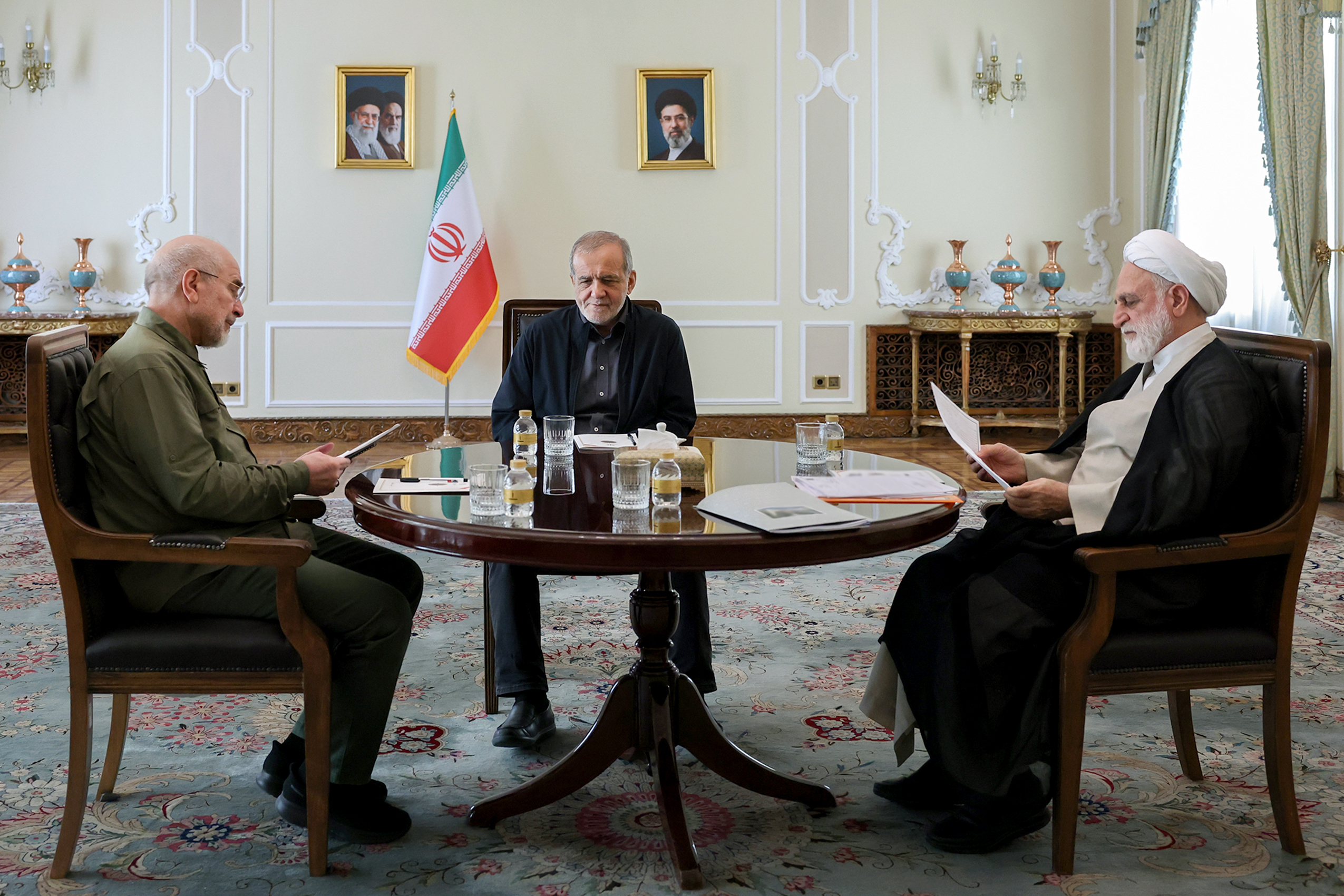
The Committee of Six and Strategic Decision Making in Iran
Remarks by Iran’s president offer a rare glimpse of how the Islamic Republic has adapted its decision making to the absence of its supreme leader.
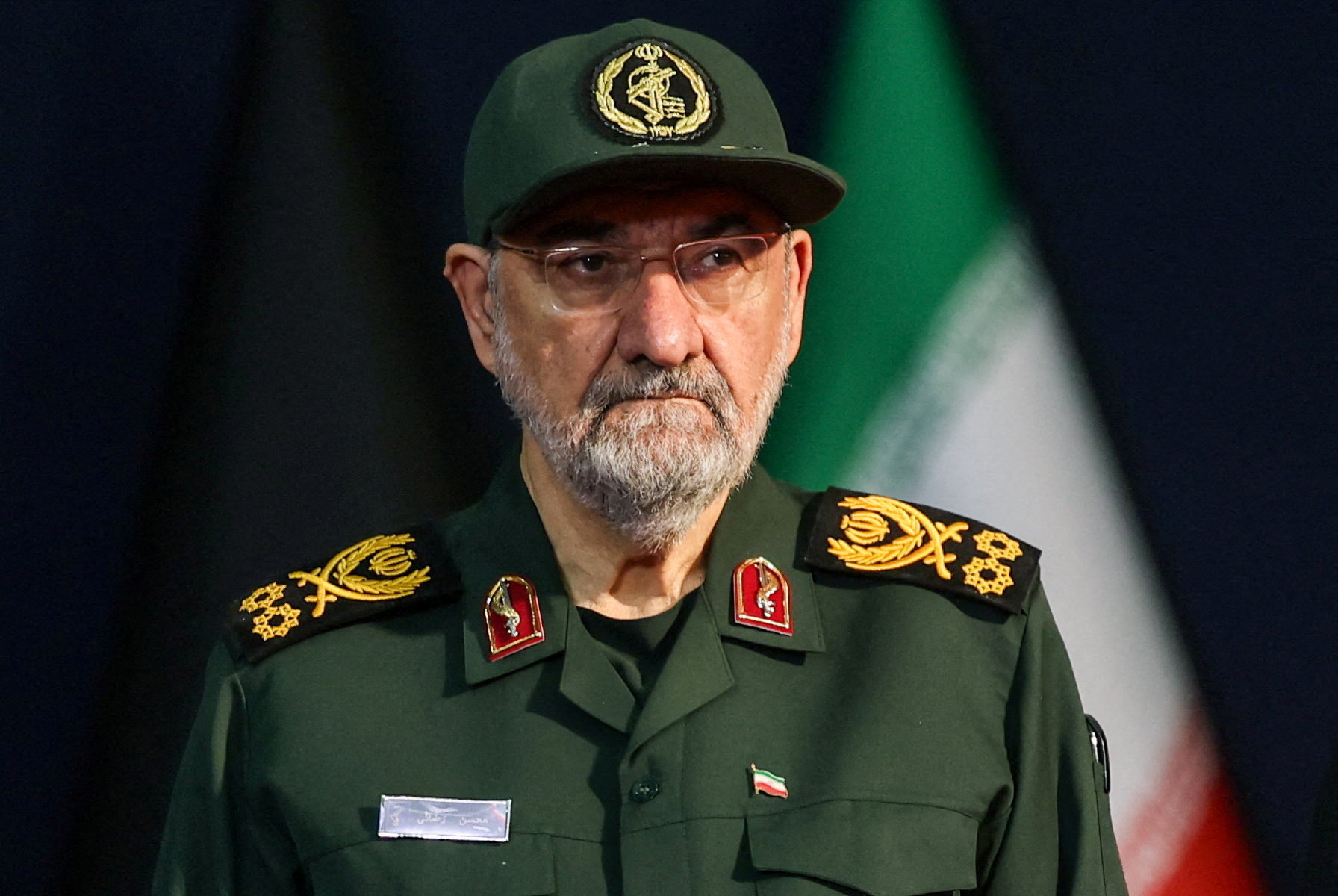
Mohsen Rezaei at the Helm of Iran’s Supreme National Security Council
Under Rezaei, the SNSC could prove constructive or paralyze strategic decision making.
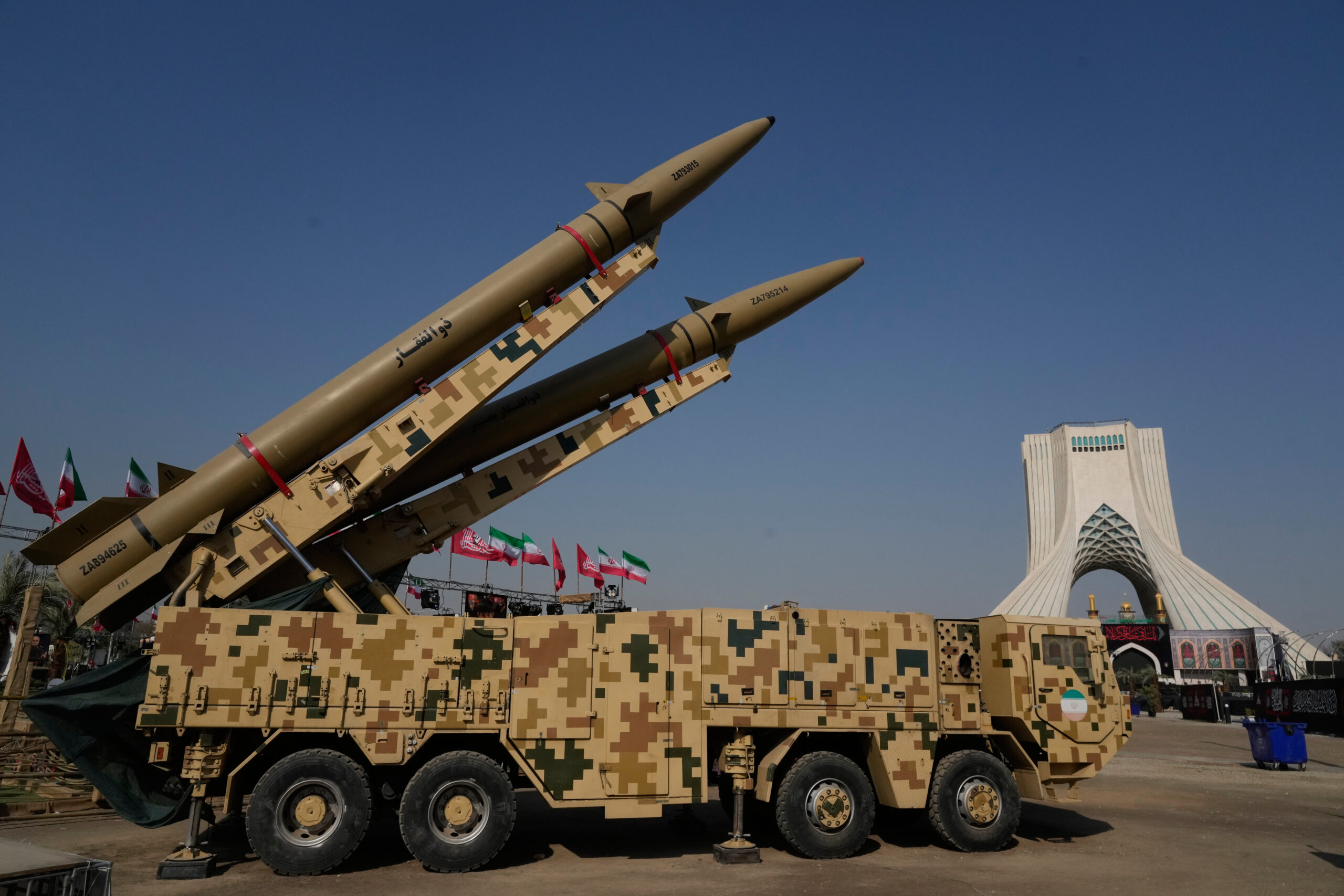
The Islamic Republic Returns to Offense
After U.S.-Israeli strikes killed Supreme Leader Ayatollah Ali Khamenei on February 28, Iran’s collective leadership has concluded that the best defense is a good offense.
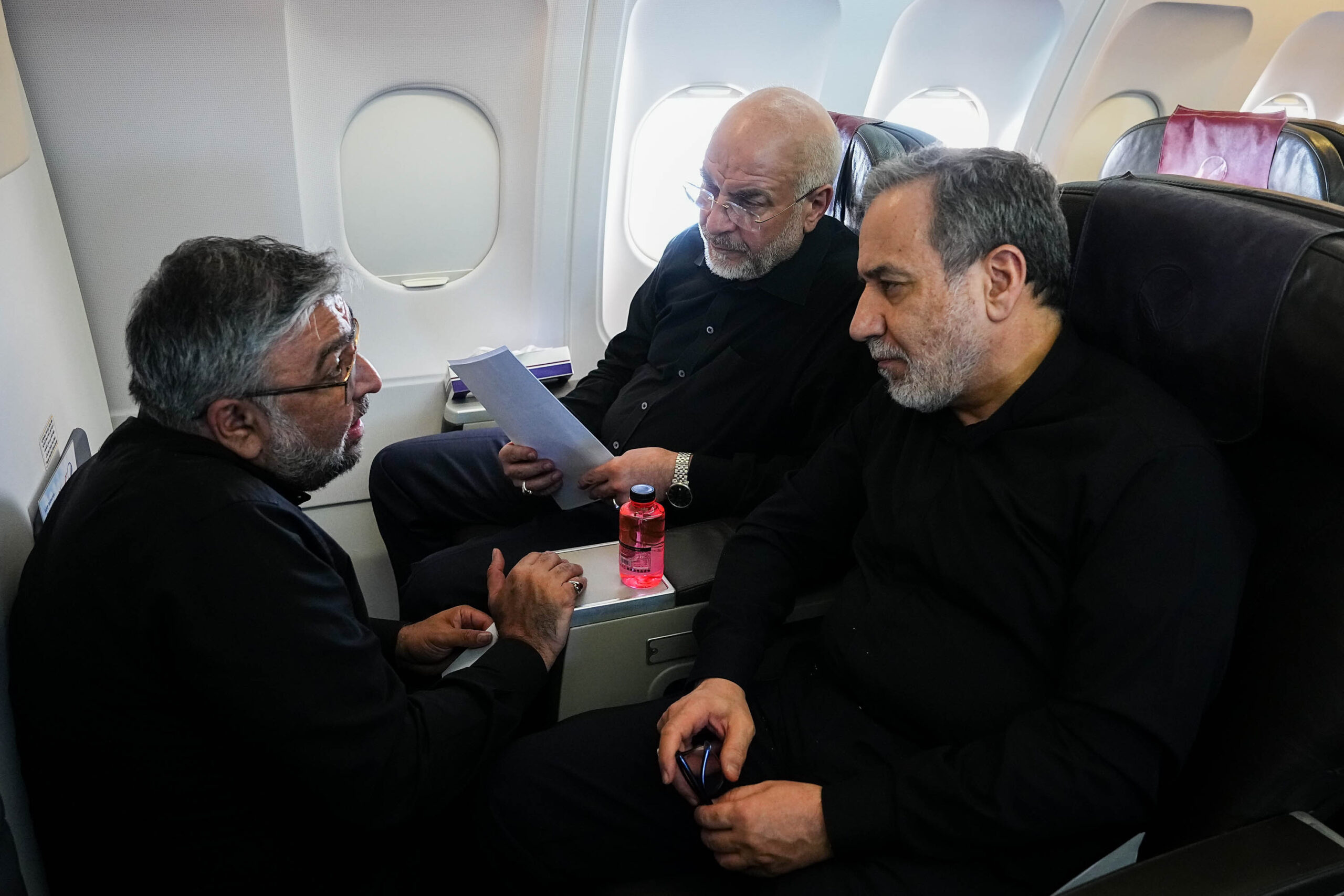
Iran’s Collective Strategic Decision Making
Wartime pressure has temporarily aligned the leadership’s overriding interest in regime survival, even as its members continue to differ over the costs, methods, and ultimate objectives of the war.
Events
Oct 6, 2026
Is the U.S.-Iran Stalemate a “New Normal” or the Prelude to Another Explosion?
On October 6, AGSI hosted a discussion on the U.S.-Iran stalemate and the prospects for a cease-fire.
Speakers



Book Talk: Iran and the Bomb: The United States, Iran and the Nuclear Question
On June 16, AGSI hosted a discussion on the evolution of Iran's nuclear program.

Speakers

Apr 21, 2026
Inside Iran’s Wartime Leadership: Power, Succession, and Regime Stability
On April 21, AGSI hosted a discussion on the evolution of Iran's leadership during the war.

Speakers

Mar 18, 2026
In Its Conflict With the United States and Israel, Does Escalation Favor Iran?
On March 18, AGSI hosted a discussion on the escalation of the Iran war.
Speakers