Nov 7, 2025
Foreign Minister Araghchi: Negotiations With the U.S. Not a “Positive Experience”
The November 7 edition of the Iran Media Review analyzes an address by the Iranian foreign minister about past negotiations with the United States.

Recent statements by Iranian Foreign Minister Abbas Araghchi suggest that neither Washington nor Tehran is in any rush to return to the negotiating table, leaving U.S.-Iranian relations in a state of limbo.
- November 6: Islamic Revolutionary Guard Corps-affiliated Fars News Agency quoted an address Foreign Minister Abbas Araghchi made to a group of university students during a visit to Hamadan province:
-
- “We negotiated and agreed to the Joint Comprehensive Plan of Action in good faith, and, despite all differences of opinion, the agreement was approved by the Parliament and Supreme National Security Council. We also implemented everything in good faith. And what happened? The United States withdrew from it.”
-
- “In the recent period, we entered negotiations and held five rounds of talks; the same was true in New York regarding the snapback issue. Of course, we have never had any positive experience in negotiating with the United States.”
-
- “We have repeatedly said that we are ready to negotiate but not to listen to orders and have terms dictated to us by the other side.”
-
- Addressing critics of the JCPOA within Iran, Araghchi said: “The JCPOA kept the country away from those resolutions for at least 10 years. Now, you may object and ask why it did not become permanent or why it was not extended to 20 years. Yes, such objections could be valid. But let us pay attention to what we are arguing about. Besides, all of that is in the past, and it was the United States that betrayed the negotiations and then went on to start the war.”
The views represented herein are the author's or speaker's own and do not necessarily reflect the views of AGSI, its staff, or its board of directors.
Related
Iran Media Review
Nov 4, 2025
Foreign Minister Araghchi on Future Negotiations With the United States
The November 4 edition of the Iran Media Review examines comments by Iran’s foreign minister about the United States’ “unreasonable demands” on Iran.
Iran Media Review
Oct 31, 2025
Iran: Bleak Economic “Future” Prospects
The October 31 edition of the Iran Media Review considers a report addressing the fragility of Iran’s state-linked financial sector.
Iran Media Review
Oct 28, 2025
Former IRGC Chief Weighs In on Potential for Renewed Conflict With Israel
The October 28 edition of the Iran Media Review highlights an interview with former IRGC Commander Major General Mohammad Ali Jafari about the possibility of a new war with Israel.
Nov 4, 2025
Foreign Minister Araghchi on Future Negotiations With the United States
The November 4 edition of the Iran Media Review examines comments by Iran’s foreign minister about the United States’ “unreasonable demands” on Iran.
Oct 31, 2025
Iran: Bleak Economic “Future” Prospects
The October 31 edition of the Iran Media Review considers a report addressing the fragility of Iran’s state-linked financial sector.
Oct 28, 2025
Former IRGC Chief Weighs In on Potential for Renewed Conflict With Israel
The October 28 edition of the Iran Media Review highlights an interview with former IRGC Commander Major General Mohammad Ali Jafari about the possibility of a new war with Israel.
Analysis
The Islamic Republic Returns to Offense
After U.S.-Israeli strikes killed Supreme Leader Ayatollah Ali Khamenei on February 28, Iran’s collective leadership has concluded that the best defense is a good offense.
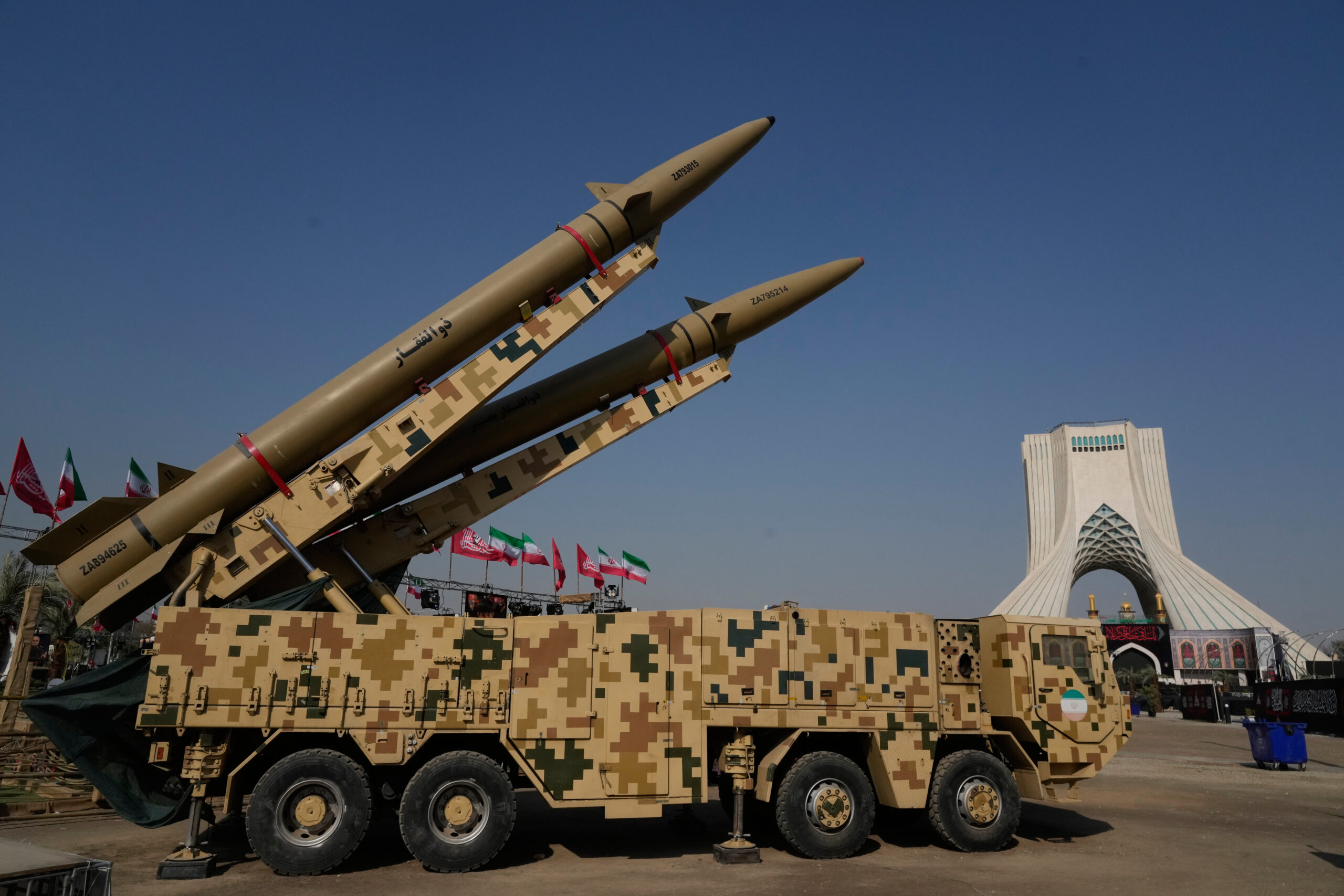
Iran’s Collective Strategic Decision Making
Wartime pressure has temporarily aligned the leadership’s overriding interest in regime survival, even as its members continue to differ over the costs, methods, and ultimate objectives of the war.
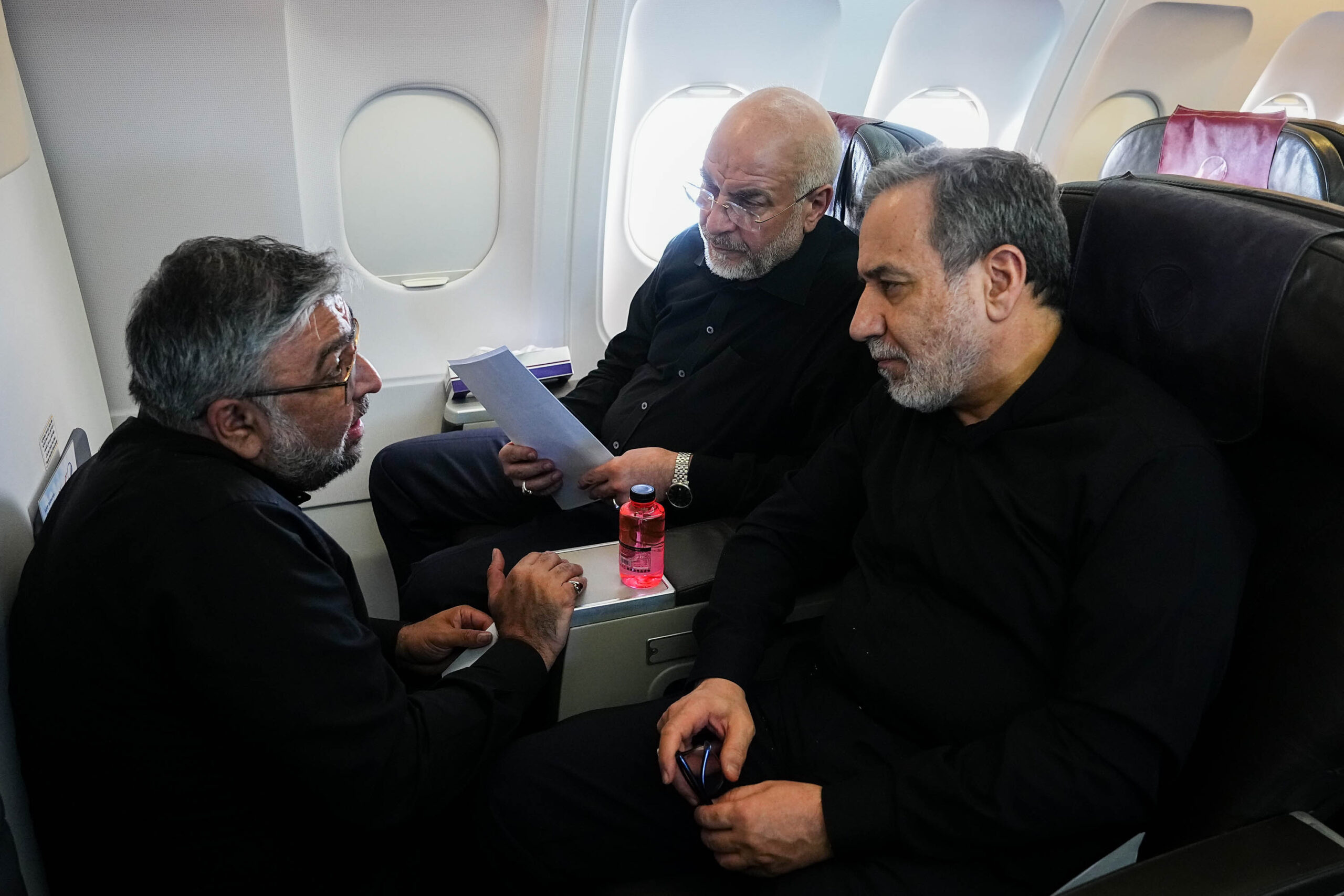
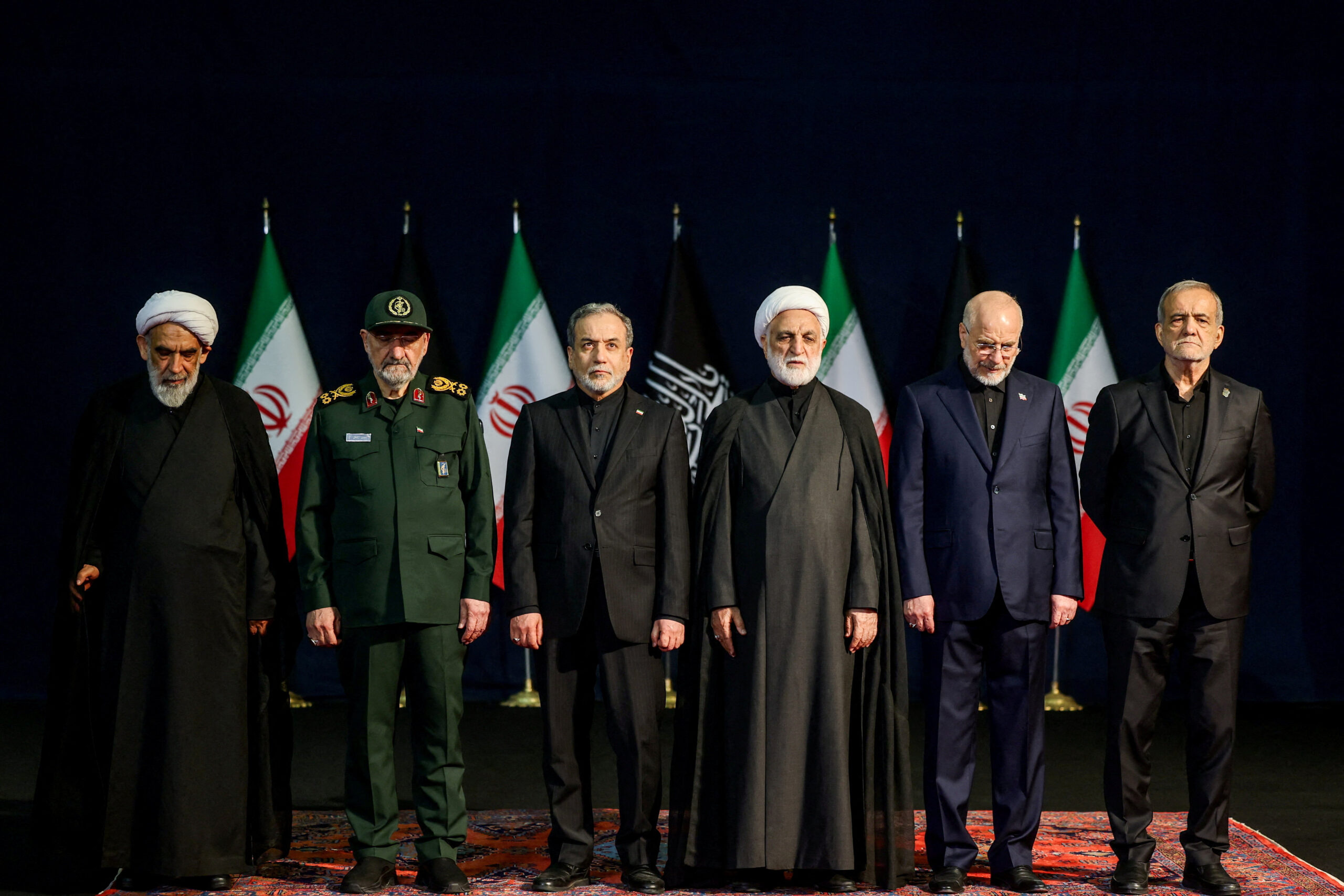
The Islamic Republic’s Collective Leadership
While there is historical precedent for collective leadership in Iran, today’s leadership includes representatives of the IRGC and regular military – a reflection of the IRGC’s expanding role and the necessities of governing under wartime conditions.
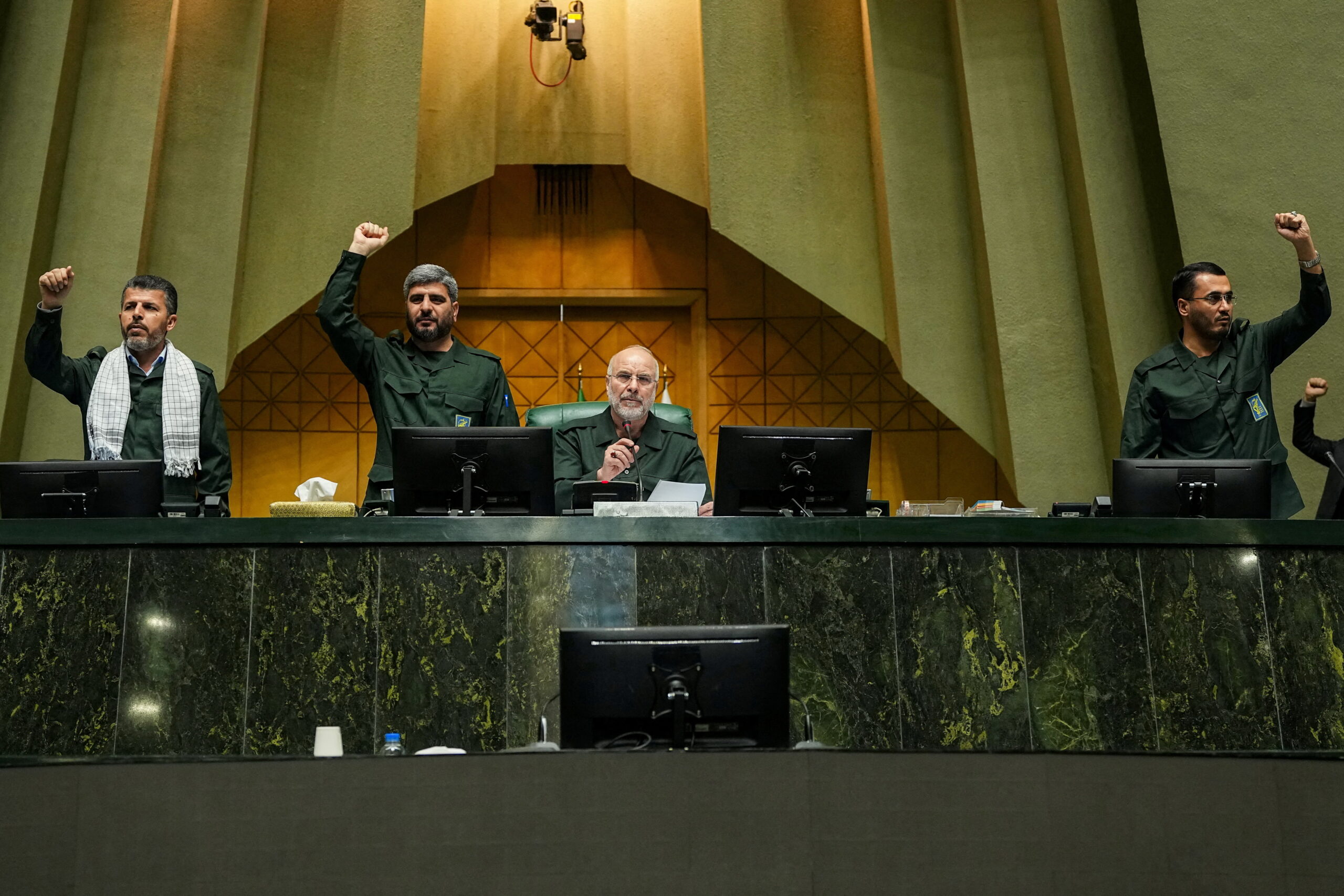
How Did the IRGC Seize Power in Iran?
The IRGC did not seize power in a single stroke. It accumulated it – patiently, methodically – until no counterweight remained.
Events
Book Talk: Iran and the Bomb: The United States, Iran and the Nuclear Question
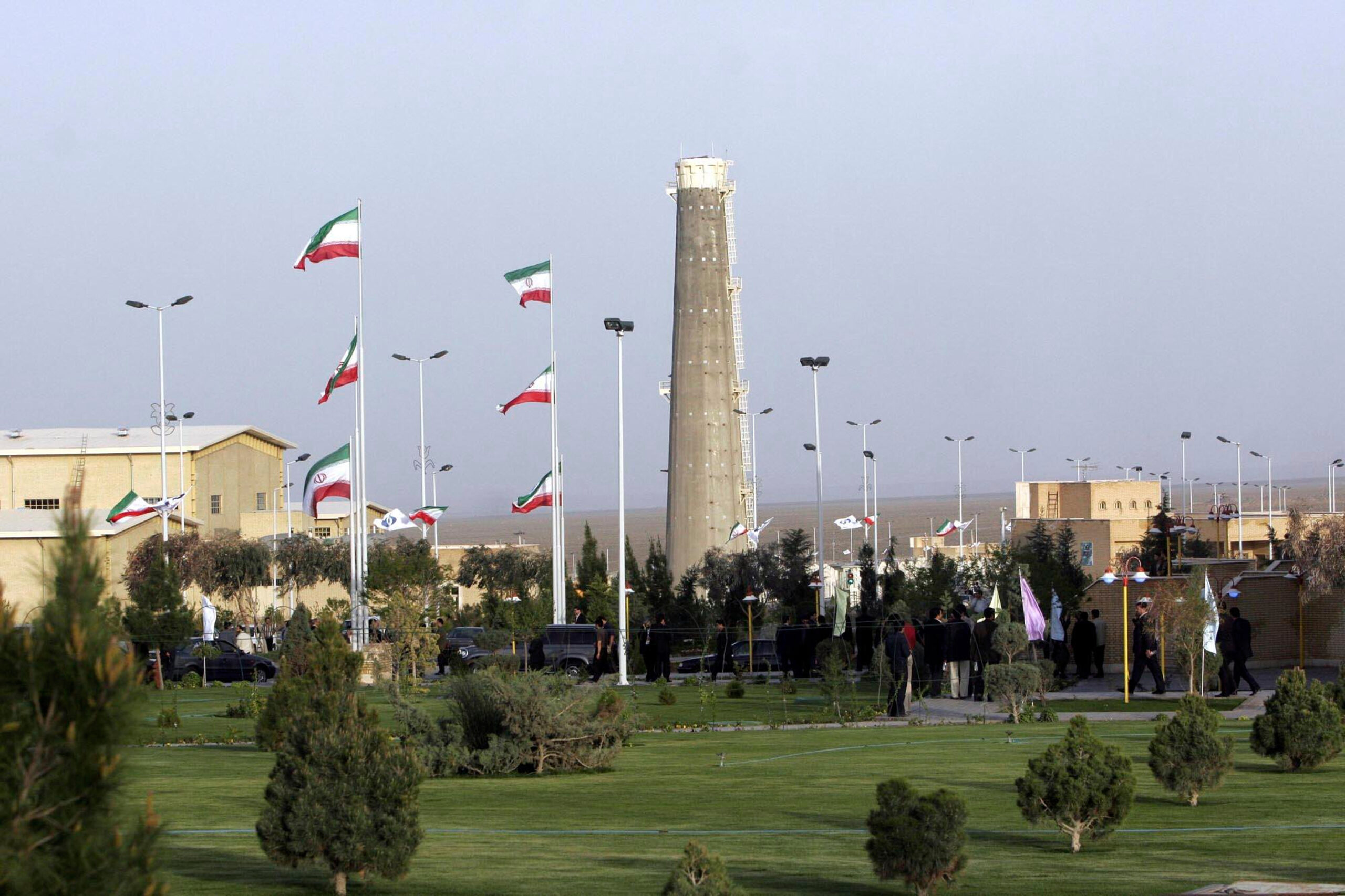
On June 16, AGSI hosted a discussion on the evolution of Iran's nuclear program.
Speakers

Apr 21, 2026
Inside Iran’s Wartime Leadership: Power, Succession, and Regime Stability
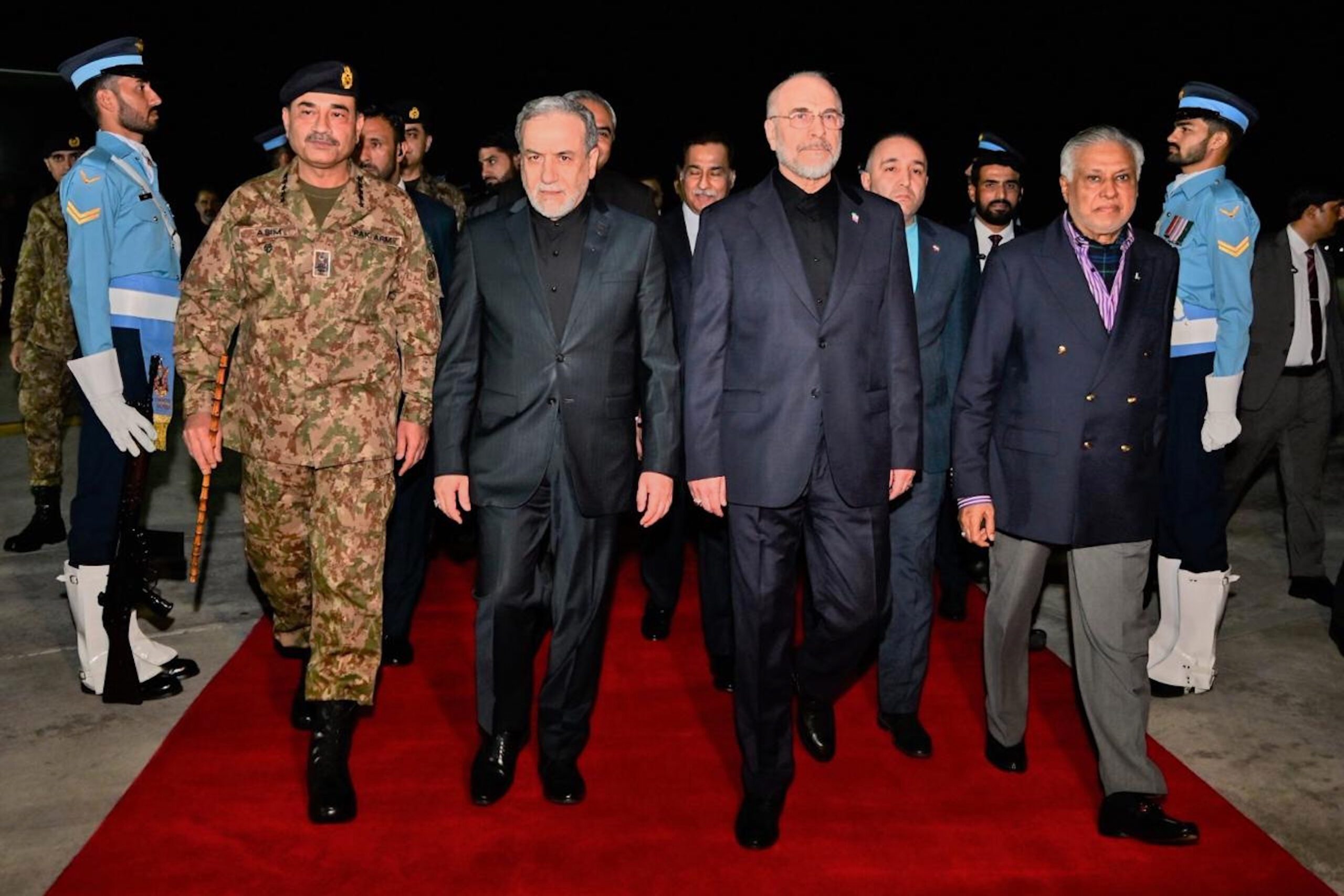
On April 21, AGSI hosted a discussion on the evolution of Iran's leadership during the war.
Speakers

Mar 18, 2026
In Its Conflict With the United States and Israel, Does Escalation Favor Iran?
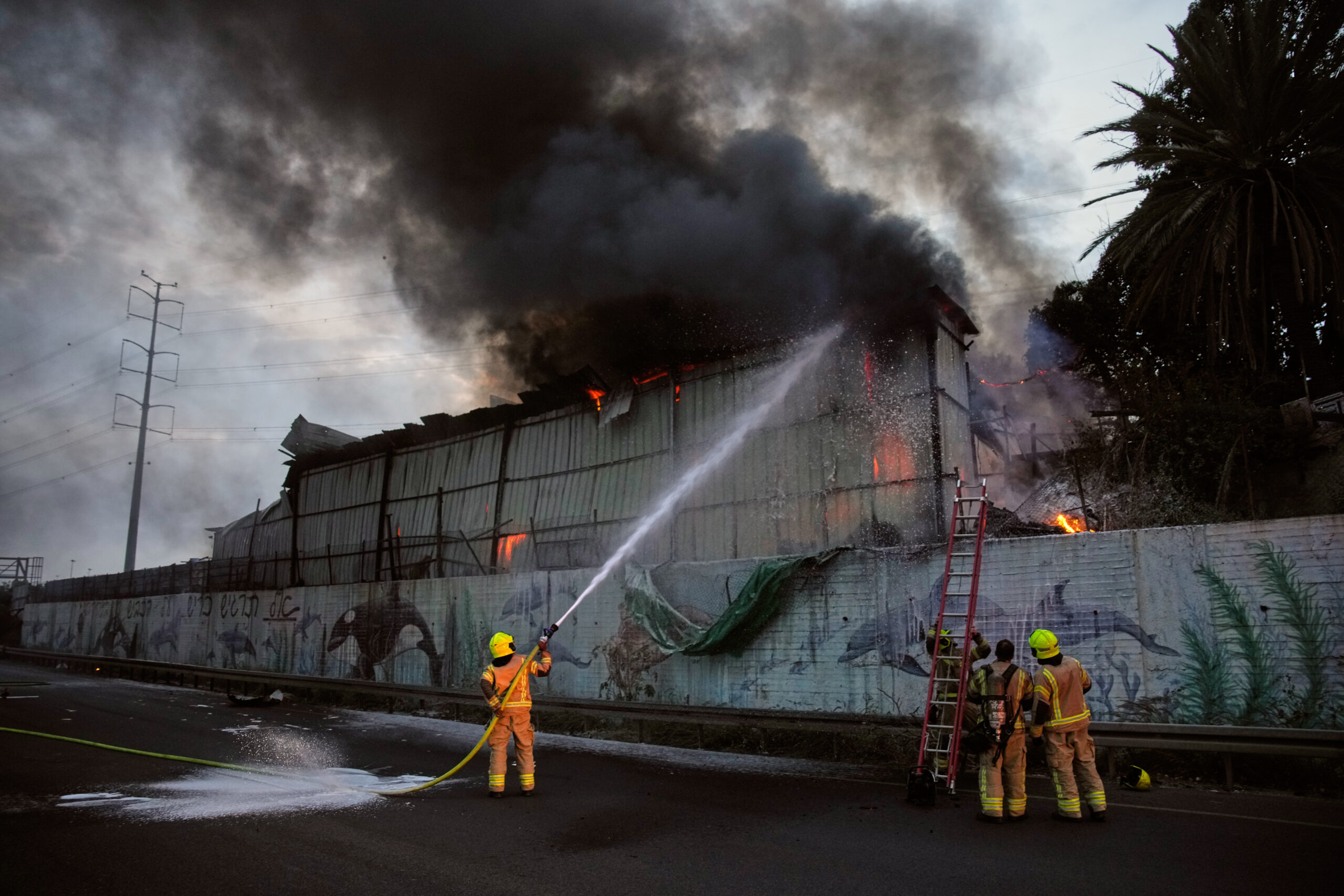
On March 18, AGSI hosted a discussion on the escalation of the Iran war.
Speakers



Mar 2, 2026
After the Shock: Implications of the U.S.–Israeli Strikes and Iran’s Leadership Transition
On March 2, AGSI hosted a discussion on the U.S.-Israeli strikes on Iran.
Speakers