May 27, 2025
Tehran Maintains Diplomatic Optimism Amid Protracted Negotiations
The May 27 edition of the Iran Media Review evaluates Iranian media reports about the state of negotiations after the fifth round of U.S.-Iran talks.

Despite the absence of a breakthrough in the fifth round of indirect negotiations between the United States and Iran – particularly regarding Tehran’s assertion of its sovereign entitlement to domestic uranium enrichment – Iranian Foreign Minister Abbas Araghchi has expressed optimism about the trajectory of the diplomatic process. Notably, media outlets affiliated with the Islamic Revolutionary Guard Corps have not launched wholesale critiques of the negotiation framework itself. Instead, their criticisms have been narrowly focused on specific provisions of Oman’s proposals. At this juncture, substantive domestic opposition to the diplomatic track appears largely confined to hard-line Kayhan.
- May 23: Reformist Entekhab News Agency reported on Foreign Minister Abbas Araghchi’s remarks following the conclusion of the fifth round of negotiations:
-
- “This was the most technically and professionally conducted round of talks thus far. Iran reiterated its fundamental negotiating positions, which are well-established and remain nonnegotiable … The American delegation seems to have achieved a better understanding of our position.”
-
- “The honorable Omani foreign minister submitted proposals aimed at identifying and resolving points of contention. These proposals are currently under evaluation in the respective capitals without binding commitments … They will form the basis of discussion in the upcoming round.”
-
- “While the complexity of the issues precludes a swift resolution, the negotiations are now proceeding along a rational and structured path. This alone constitutes a positive development. Although a comprehensive agreement remains elusive, Muscat’s proposals have created new openings for incremental progress.”
- May 25: Reporting to the parliamentary National Security and Foreign Policy Committee, Araghchi said, as cited by the Islamic Republic News Agency:
-
- “We are not in a hurry but are also not deliberately prolonging the process. The earlier sanctions are lifted, the better. Nonetheless, we will not compromise the strategic rights of the Iranian nation. Our approach is one of strategic patience and principled diplomacy, particularly concerning our enrichment program. The timing and venue of the next round are still under deliberation.”
- May 25: Islamic Revolutionary Guard Corps-aligned Mashregh News’ coverage of Araghchi’s report to the parliamentary committee highlighted key strategic concerns:
-
- “In the event of regional armed conflict, repercussions would be felt across all neighboring states.”
- “Iran remains open to a regional enrichment consortium in principle, provided that enrichment operations continue on Iranian territory.”
- “If the snapback mechanism is triggered, the Islamic Republic will respond with firm and immediate countermeasures.”
- May 25: IRGC-affiliated Javan wrote about the Omani government’s proposals and responded to commentary by The Guardian:
-
- “There have been suggestions that Iran could temporarily suspend enrichment, or, parallel to domestic efforts, establish a joint consortium with Saudi Arabia to enhance transparency.” Javan criticized the Omani blueprint for being disproportionately aligned with U.S. strategic preferences rather than representing an equitable compromise.
- May 25: The editor of hard-line Kayhan, Hossein Shariatmadari, discussed the state of the talks:
-
- “While Trump’s envoy, Steven Witkoff, adheres to procedural formalities at the negotiation table, U.S. officials outside the framework continue to issue maximalist and coercive demands, including full dismantlement of Iran’s nuclear infrastructure. Such rhetoric contradicts the very premise of the talks to which the United States is a signatory.”
-
- “All indicators suggest that Washington is leveraging the nuclear dossier as a pretext to pursue broader regime-destabilization objectives under the guise of diplomacy. The real strategic aim appears to be fomenting internal unrest and rebellion within Iran.”
The views represented herein are the author's or speaker's own and do not necessarily reflect the views of AGSI, its staff, or its board of directors.
Related
Iran Media Review
May 23, 2025
U.S.-Iran Negotiations Approach Inflection Point
The May 23 edition of the Iran Media Review discusses Iranian media analysis of the disagreement between Iran and the United States over the future of Iran’s uranium enrichment program.
Iran Media Review
May 21, 2025
Supreme Anger
The May 21 edition of the Iran Media Review examines Ayatollah Khamenei’s hostile commentary about the state of negotiations with the United States.
Iran Media Review
May 20, 2025
Defiance in Tehran and Washington
The May 20 edition of the Iran Media Review highlights Iranian and U.S. officials’ rhetorical sparring over the future of Iran’s nuclear program as negotiations continue.
May 23, 2025
U.S.-Iran Negotiations Approach Inflection Point
The May 23 edition of the Iran Media Review discusses Iranian media analysis of the disagreement between Iran and the United States over the future of Iran’s uranium enrichment program.
May 21, 2025
Supreme Anger
The May 21 edition of the Iran Media Review examines Ayatollah Khamenei’s hostile commentary about the state of negotiations with the United States.
May 20, 2025
Defiance in Tehran and Washington
The May 20 edition of the Iran Media Review highlights Iranian and U.S. officials’ rhetorical sparring over the future of Iran’s nuclear program as negotiations continue.
Analysis
The Islamic Republic Returns to Offense
After U.S.-Israeli strikes killed Supreme Leader Ayatollah Ali Khamenei on February 28, Iran’s collective leadership has concluded that the best defense is a good offense.
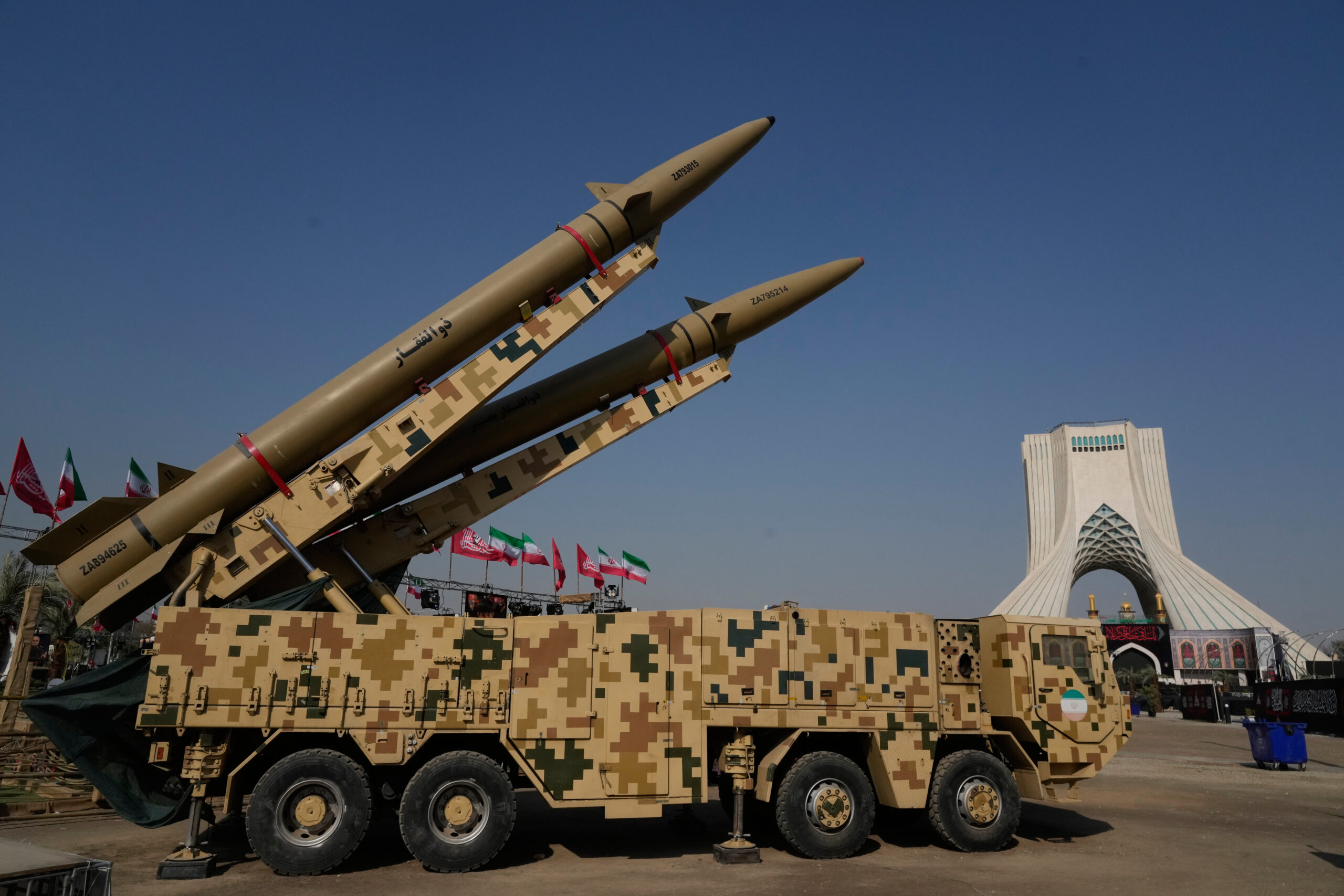
Iran’s Collective Strategic Decision Making
Wartime pressure has temporarily aligned the leadership’s overriding interest in regime survival, even as its members continue to differ over the costs, methods, and ultimate objectives of the war.
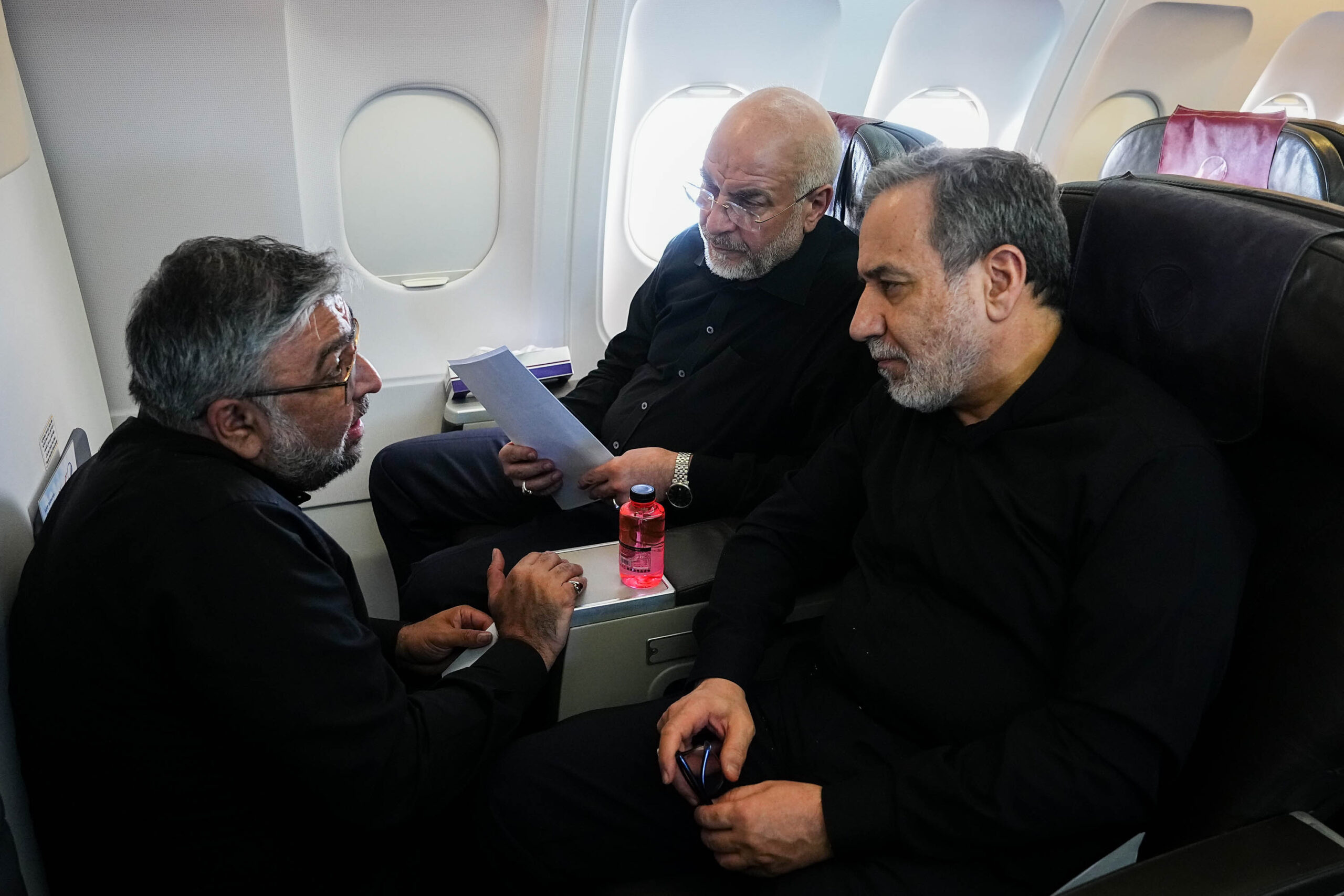
The Islamic Republic’s Collective Leadership
While there is historical precedent for collective leadership in Iran, today’s leadership includes representatives of the IRGC and regular military – a reflection of the IRGC’s expanding role and the necessities of governing under wartime conditions.
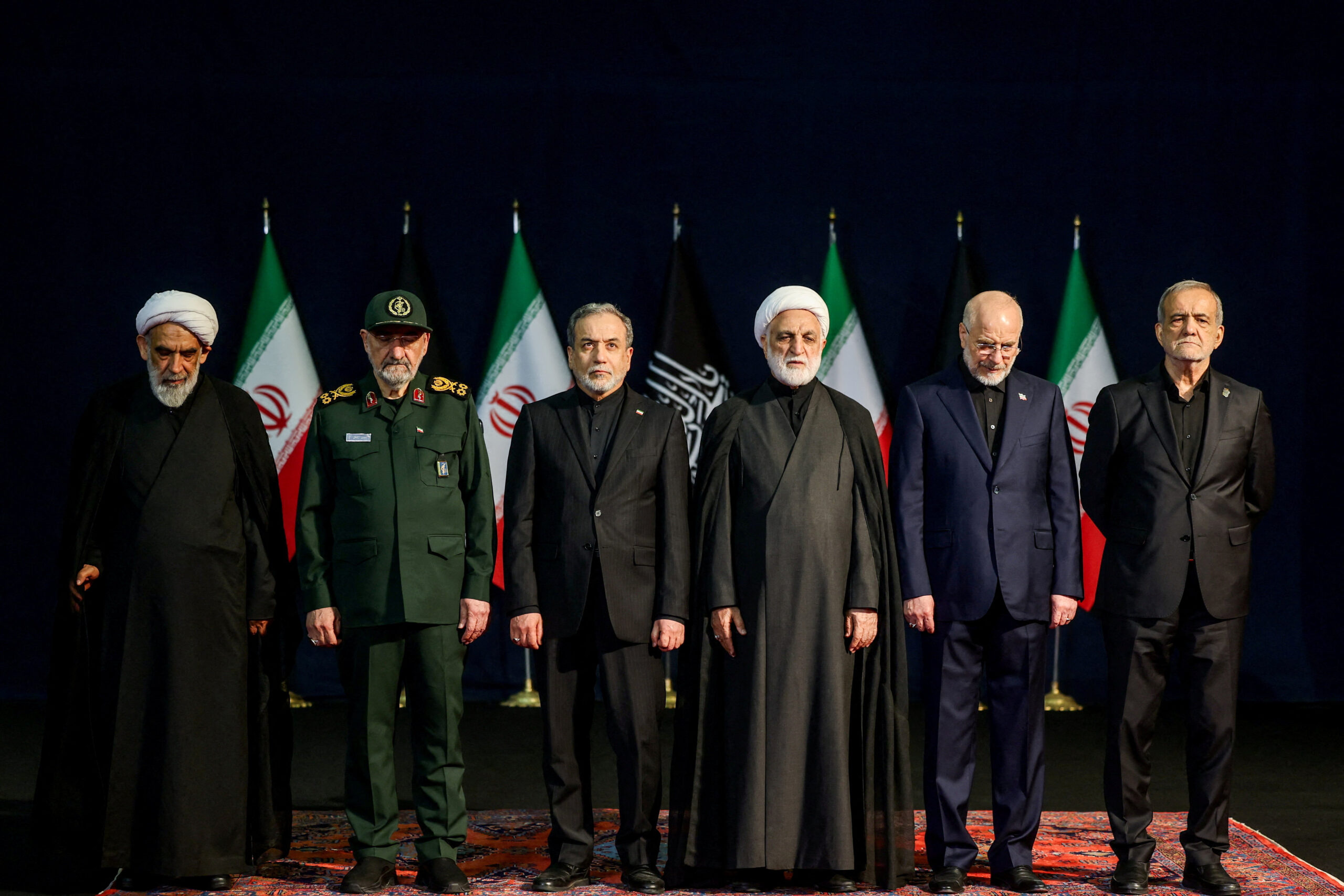
How Did the IRGC Seize Power in Iran?
The IRGC did not seize power in a single stroke. It accumulated it – patiently, methodically – until no counterweight remained.
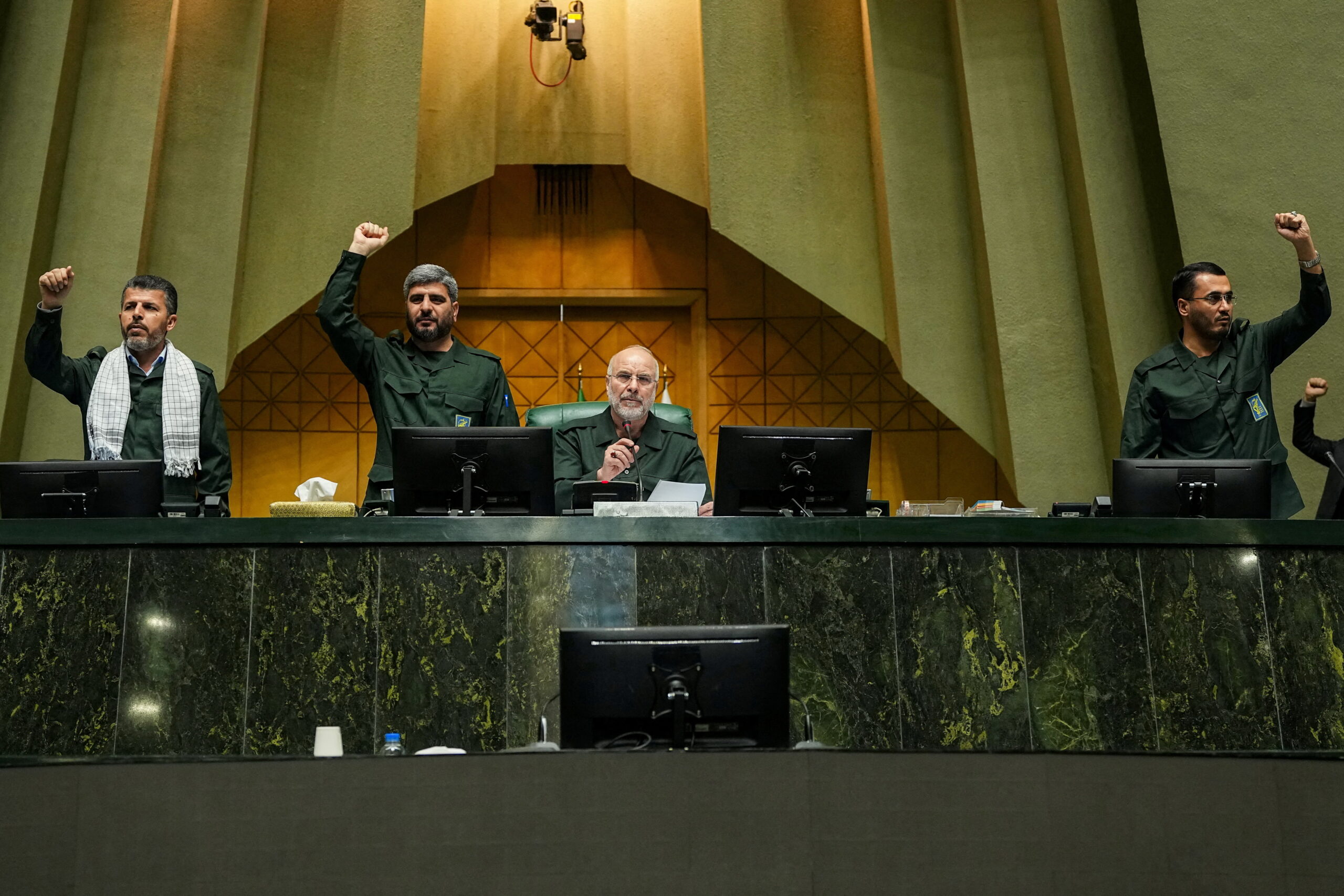
Events
Book Talk: Iran and the Bomb: The United States, Iran and the Nuclear Question
On June 16, AGSI hosted a discussion on the evolution of Iran's nuclear program.
Speakers

Apr 21, 2026
Inside Iran’s Wartime Leadership: Power, Succession, and Regime Stability
On April 21, AGSI hosted a discussion on the evolution of Iran's leadership during the war.
Speakers

Mar 18, 2026
In Its Conflict With the United States and Israel, Does Escalation Favor Iran?
On March 18, AGSI hosted a discussion on the escalation of the Iran war.
Speakers


Mar 2, 2026
After the Shock: Implications of the U.S.–Israeli Strikes and Iran’s Leadership Transition
On March 2, AGSI hosted a discussion on the U.S.-Israeli strikes on Iran.
Speakers