May 6, 2025
Nour News on Postponement of Talks: “Neither a Dead End, nor Complete Progress”
The May 6 edition of the Iran Media Review highlights Iranian media analysis about the postponement of U.S.-Iran negotiations.
The postponement of the anticipated May 3 indirect diplomatic negotiations between the United States and Iran represents “neither a diplomatic impasse nor a definitive breakthrough,” according to Nour News Agency, an outlet affiliated with Iran’s Supreme National Security Council. In its lead commentary, Nour News emphasized the ongoing viability of the diplomatic track despite increased tensions. Meanwhile, Tasnim News Agency, which is associated with the Islamic Revolutionary Guard Corps, attributed the delay to perceived hostile actions by the United States, including recent sanctions designations. Notably, rather than opposing the continuation of negotiations, the IRGC-aligned outlet issued a cautionary note regarding domestic political actors – both critics and supporters of diplomacy – who may seek to instrumentalize a potential collapse of the talks for factional or ideological gain.
- May 3: Nour News Agency addressed the postponement of U.S.-Iran talks:
- “Although tensions are escalating, the situation has not reached a diplomatic impasse. The postponement of the talks underscores both the fragility of the negotiation process and the continued political will of both sides to preserve diplomatic engagement. Oman’s outreach to the European three,” France, Germany, and the United Kingdom, “to maintain the viability of the agreement suggests that there remains diplomatic space for maneuvering, despite the increasingly constrained strategic environment.”
- “The third round of negotiations did not merely initiate technical dialogue but constituted a strategic inflection point, wherein the respective redlines of each party began to crystallize. Any subsequent round – whenever convened – will proceed under the shadow of these delineated positions. The trajectory of the negotiations hinges not only on political will but also on the capacity of both actors to formulate a framework for engagement under conditions of strategic rivalry. Absent such a framework, the likelihood of regression into a confrontational cycle will increase substantially.”
- May 4: Tasnim News Agency speculated about the rationale behind the postponement and warned against factionalism:
- “Recent conduct by U.S. authorities – including the designation of seven entities engaged in Iran’s petroleum and petrochemical trade, alongside inconsistent messaging from American officials – has cast doubt on Washington’s commitment to a credible diplomatic process.”
- “From the outset, three exogenous forces have sought to derail the negotiations. First, a tactical convergence between elements within the Democratic Party and former Trump administration figures, such as Mike Pompeo and John Bolton … second, European actors – particularly France – who, perceiving their marginalization, are now engaging in obstructionist behavior … third, the Israeli government and its Iranian allies abroad, including media outlets like Iran International and figures such as Reza Pahlavi.”
- “As the talks unfold, vigilance is warranted regarding two domestic factions: those who, in the event of failure, will declare ‘the United States was never trustworthy’ – a stance that risks undermining the Cabinet and the negotiating team and serving parochial political interests … and those who may attempt to ascribe blame to the state apparatus itself and Iran’s redlines, which they will depict as unimportant.”
The views represented herein are the author's or speaker's own and do not necessarily reflect the views of AGSI, its staff, or its board of directors.
Related
Iran Media Review
Apr 29, 2025
Is Khamenei Ready for “Imam Hasan’s Peace”?
The April 29 edition of the Iran Media Review analyzes the political cohesion of Iranian elites in supporting negotiations with the United States.
Apr 29, 2025
Is Khamenei Ready for “Imam Hasan’s Peace”?
The April 29 edition of the Iran Media Review analyzes the political cohesion of Iranian elites in supporting negotiations with the United States.
Analysis
The Committee of Six and Strategic Decision Making in Iran
Remarks by Iran’s president offer a rare glimpse of how the Islamic Republic has adapted its decision making to the absence of its supreme leader.
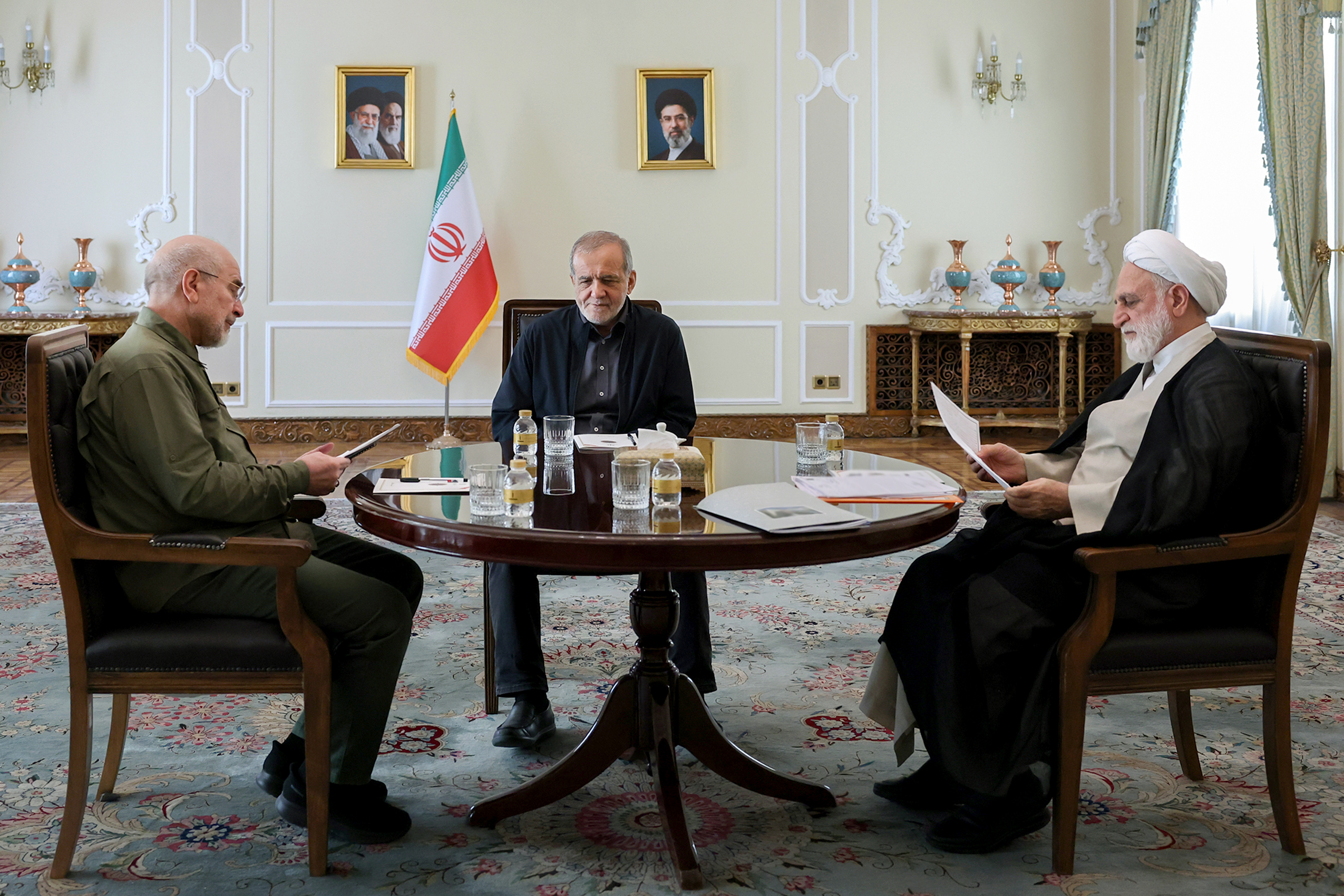
Mohsen Rezaei at the Helm of Iran’s Supreme National Security Council
Under Rezaei, the SNSC could prove constructive or paralyze strategic decision making.
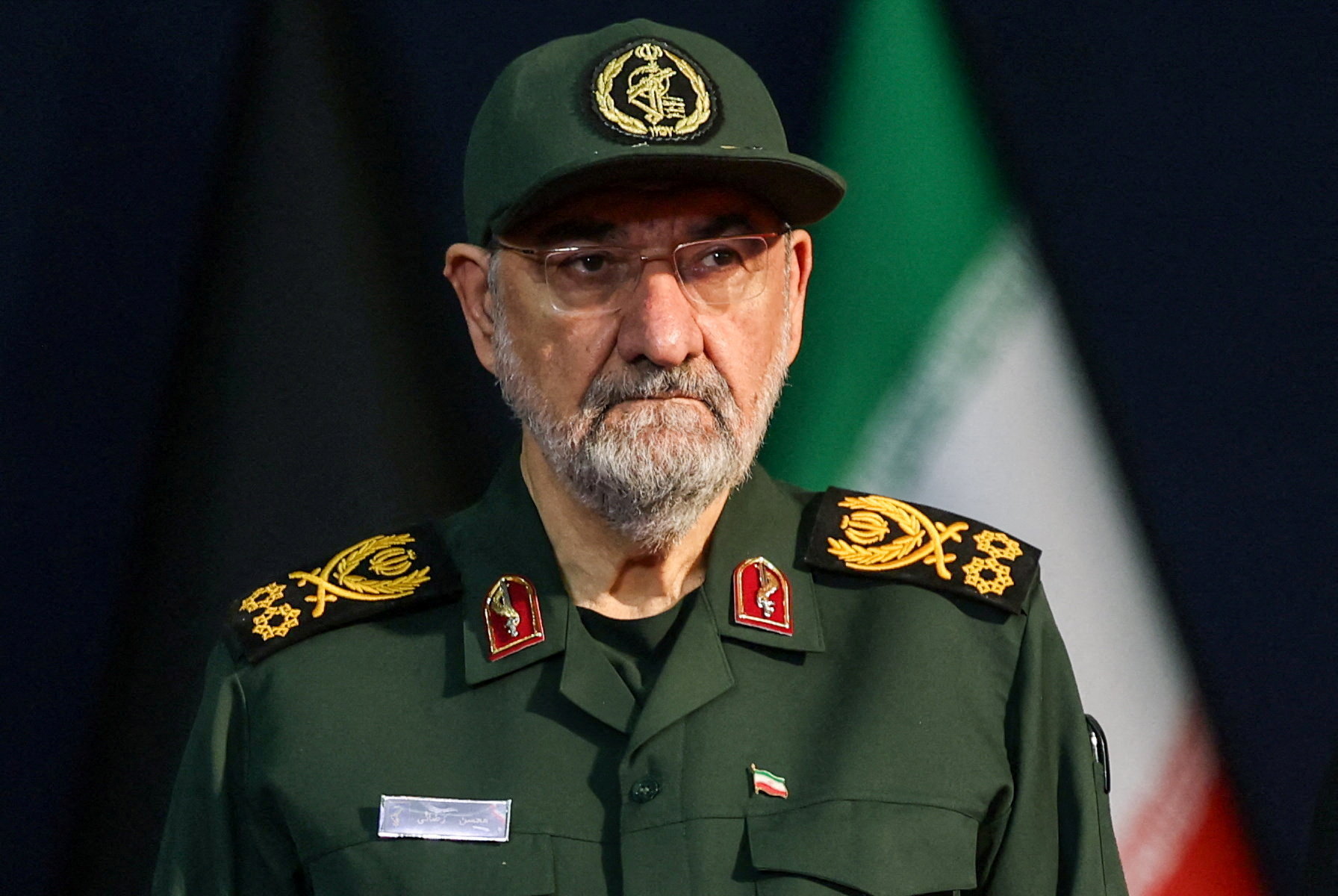
The Islamic Republic Returns to Offense
After U.S.-Israeli strikes killed Supreme Leader Ayatollah Ali Khamenei on February 28, Iran’s collective leadership has concluded that the best defense is a good offense.
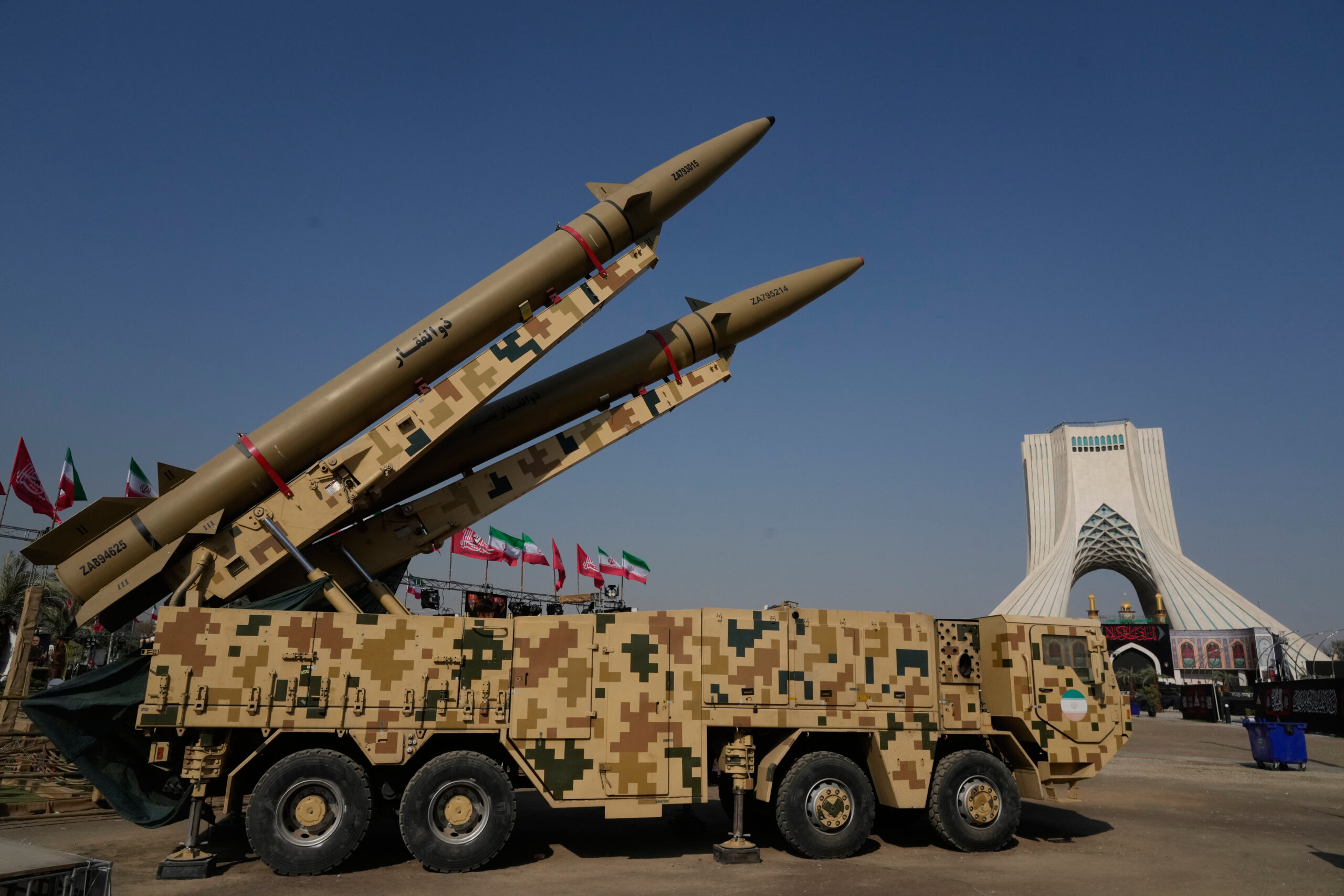
Iran’s Collective Strategic Decision Making
Wartime pressure has temporarily aligned the leadership’s overriding interest in regime survival, even as its members continue to differ over the costs, methods, and ultimate objectives of the war.
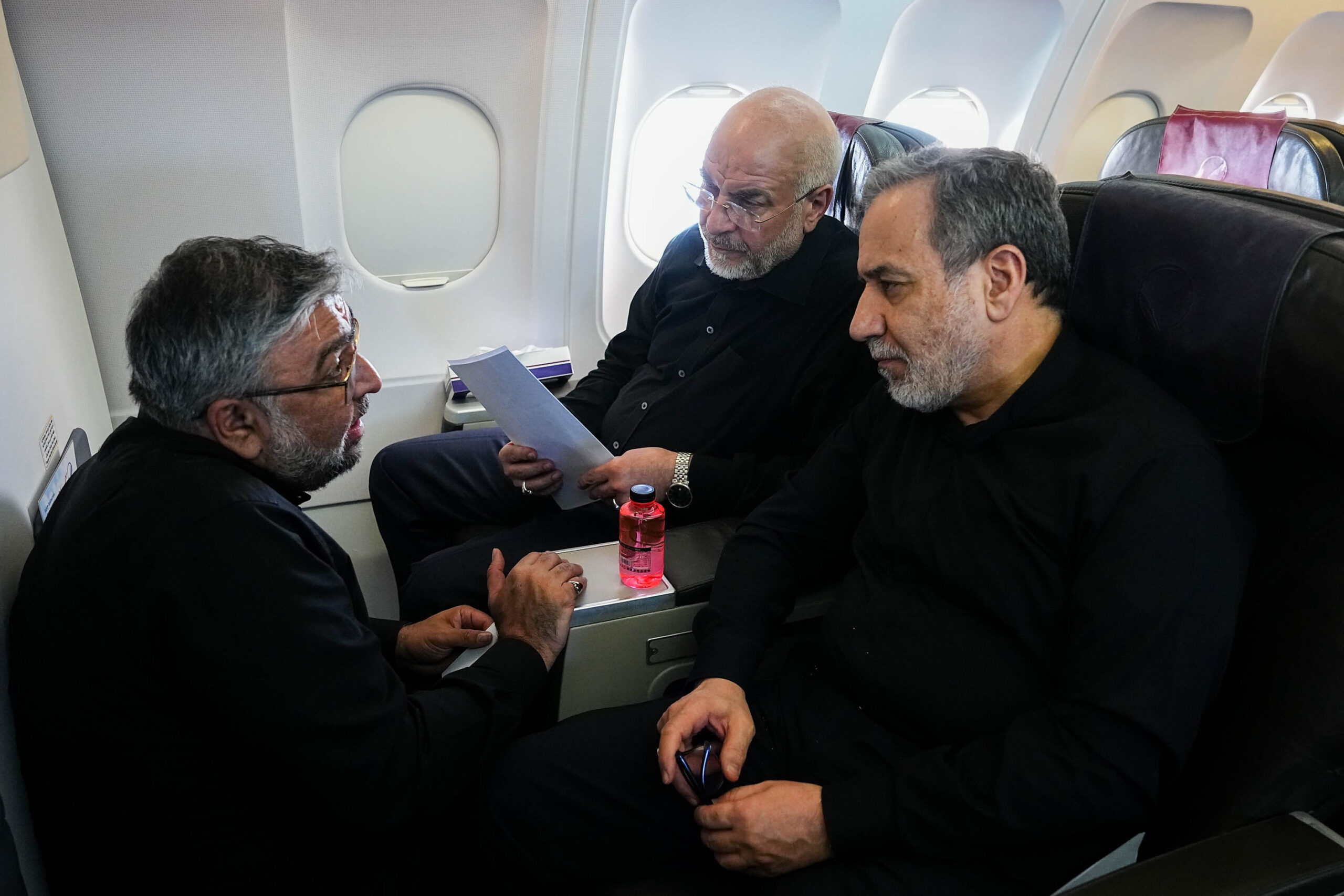
Events
Oct 6, 2026
Is the U.S.-Iran Stalemate a “New Normal” or the Prelude to Another Explosion?
On October 6, AGSI hosted a discussion on the U.S.-Iran stalemate and the prospects for a cease-fire.
Speakers



Book Talk: Iran and the Bomb: The United States, Iran and the Nuclear Question
On June 16, AGSI hosted a discussion on the evolution of Iran's nuclear program.
Speakers
Apr 21, 2026
Inside Iran’s Wartime Leadership: Power, Succession, and Regime Stability
On April 21, AGSI hosted a discussion on the evolution of Iran's leadership during the war.
Speakers

Mar 18, 2026
In Its Conflict With the United States and Israel, Does Escalation Favor Iran?
On March 18, AGSI hosted a discussion on the escalation of the Iran war.
Speakers