Feb 14, 2025
Revolution Day Messages to Washington
The February 14 edition of the Iran Media Review considers Iranian officials’ calls for unity and resistance to negotiations with the United States.

As Iran marked the 46th anniversary of the 1979 revolution, officials articulated a unified stance of resistance toward the United States. But the coming days and weeks may reveal fissures among the regime’s ruling elites regarding the best strategic approach to President Donald J. Trump.
- February 11: Sazandegi, the official newspaper of the technocratic Kargozaran Party, prominently featured excerpts from President Masoud Pezeshkian’s Revolution Day address on its front page.
-
- Quoting Pezeshkian, the newspaper reported: “Trump says he wants to negotiate, but at the same time signs a document,” referencing the presidential memorandum on Iran, “that is a conspiracy to bring the revolution to its knees. Then, he once again declares his readiness to negotiate, yet claims Iran disturbs regional security. But it is the U.S.-backed Israel that is the main source of instability by bombing the innocent people of Gaza, Lebanon, Syria, Iran, and wherever it pleases.”
- “Unity was the secret behind our success and victory … If we are together, we will be capable of solving all the problems of our country with the aid of our nation. America can only bring us to our knees in her dreams … We don’t want war. They want war and assassinated Ismail Haniyeh on my first day in office. They did so because they fear our unity and consolidation.”
- February 11: Hard-line Kayhan published an editorial claiming “tens of millions” of Iranians participated in the commemoration of the 1979 revolution.
- February 11: Quoting Foreign Minister Abbas Araghchi, Kayhan reported:
- What the United States means “by negotiation is capitulation, but the Iranian nation will never capitulate … Independence is the great gift of the Islamic Republic. No foreigner dares to boss the Iranian nation, or officials and leaders of Iran, around.”
- February 12: A day later, Kayhan published an editorial praising Pezeshkian’s Revolution Day address:
- “His excellency the president responded to the excessive, arrogant, and humiliating preconditions for negotiations and honorably defended the positions of the Islamic Republic of Iran … His words reflect a deep understanding of the criminal record, deceptive nature, and unreliability of the United States when dealing with the Iranian nation. Naturally, placing hope in negotiations and expecting tangible outcomes from such talks is not a realistic approach.”
- February 12: Islamic Revolutionary Guard Corps mouthpiece Javan’s coverage of Pezeshkian’s Revolution Day address was limited to a short article on page two of the newspaper.
The views represented herein are the author's or speaker's own and do not necessarily reflect the views of AGSI, its staff, or its board of directors.
Related
Iran Media Review
Feb 11, 2025
Khamenei Nixes U.S. Negotiations, Sparks Rumors of Pezeshkian’s Resignation
The February 11 edition of the Iran Media Review examines Iranian media responses to Supreme Leader Ayatollah Ali Khamenei’s shifts on negotiations with the United States.
Iran Media Review
Feb 7, 2025
Presidential Memorandum: Trump Regrets, Tehran Rejoices
The February 7 edition of the Iran Media Review discusses Iranian official and media responses to Trump’s press conference reimposing a “maximum pressure” campaign on Iran.
Feb 11, 2025
Khamenei Nixes U.S. Negotiations, Sparks Rumors of Pezeshkian’s Resignation
The February 11 edition of the Iran Media Review examines Iranian media responses to Supreme Leader Ayatollah Ali Khamenei’s shifts on negotiations with the United States.
Feb 7, 2025
Presidential Memorandum: Trump Regrets, Tehran Rejoices
The February 7 edition of the Iran Media Review discusses Iranian official and media responses to Trump’s press conference reimposing a “maximum pressure” campaign on Iran.
Analysis
The Islamic Republic Returns to Offense
After U.S.-Israeli strikes killed Supreme Leader Ayatollah Ali Khamenei on February 28, Iran’s collective leadership has concluded that the best defense is a good offense.
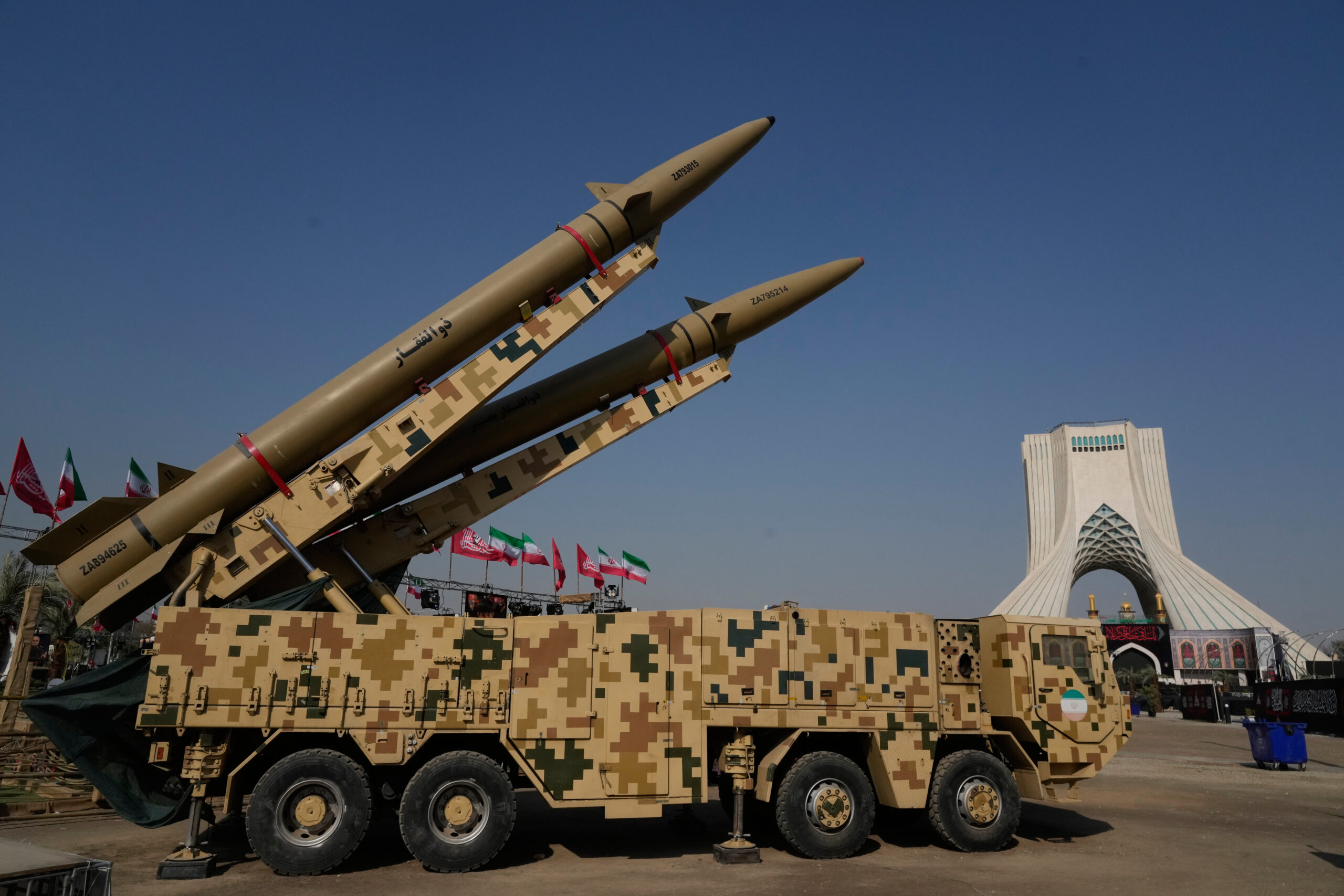
Iran’s Collective Strategic Decision Making
Wartime pressure has temporarily aligned the leadership’s overriding interest in regime survival, even as its members continue to differ over the costs, methods, and ultimate objectives of the war.
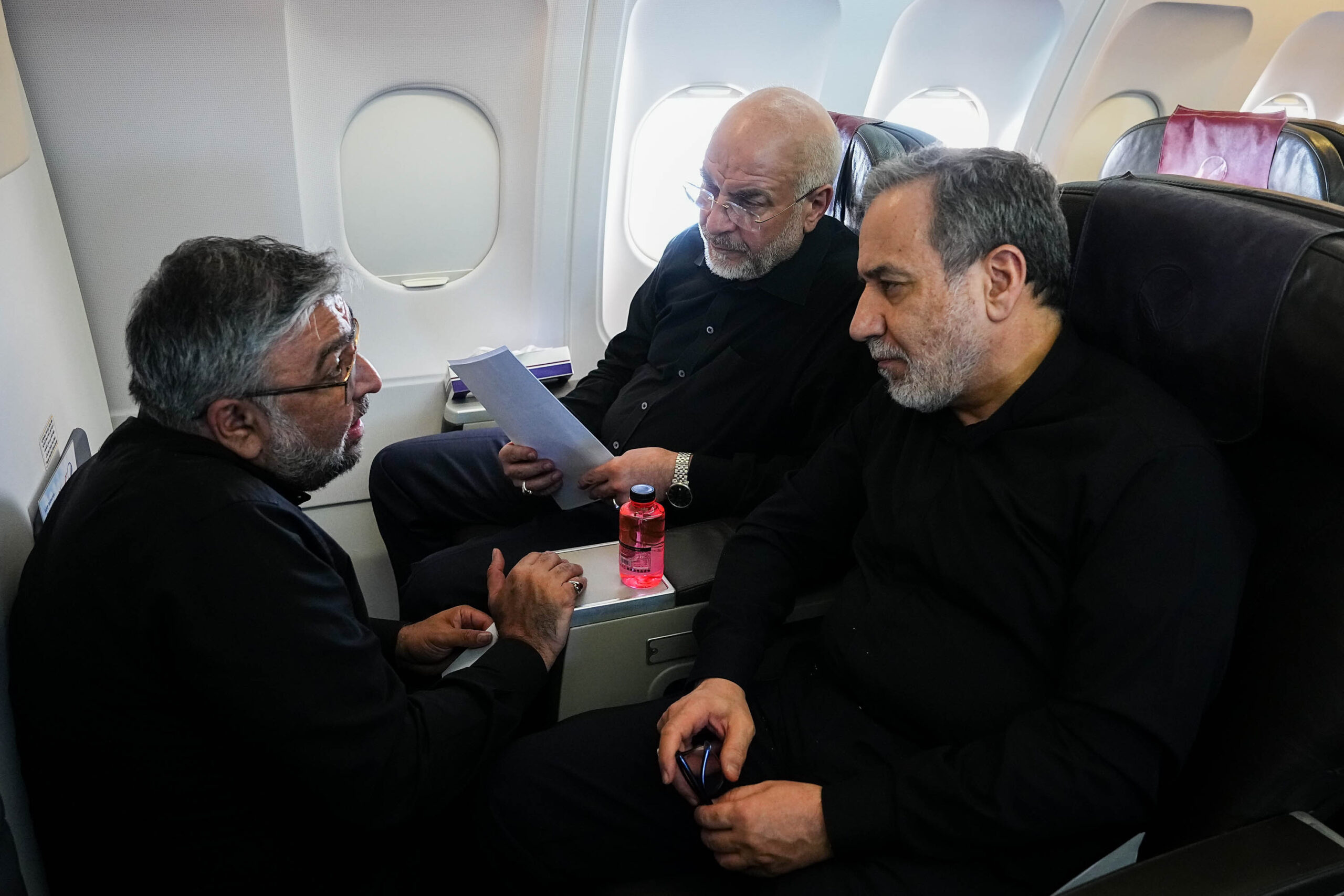
The Islamic Republic’s Collective Leadership
While there is historical precedent for collective leadership in Iran, today’s leadership includes representatives of the IRGC and regular military – a reflection of the IRGC’s expanding role and the necessities of governing under wartime conditions.
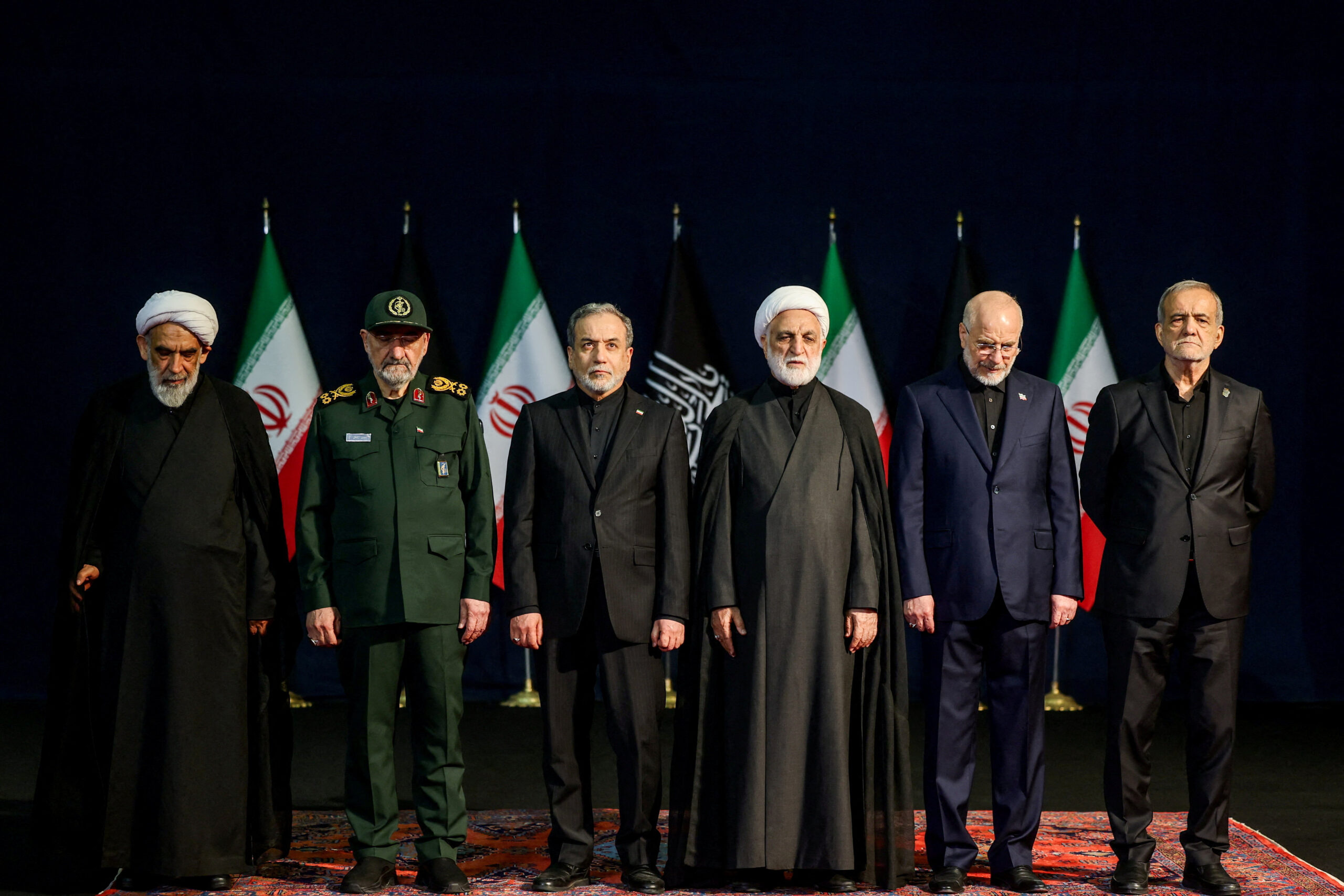
How Did the IRGC Seize Power in Iran?
The IRGC did not seize power in a single stroke. It accumulated it – patiently, methodically – until no counterweight remained.
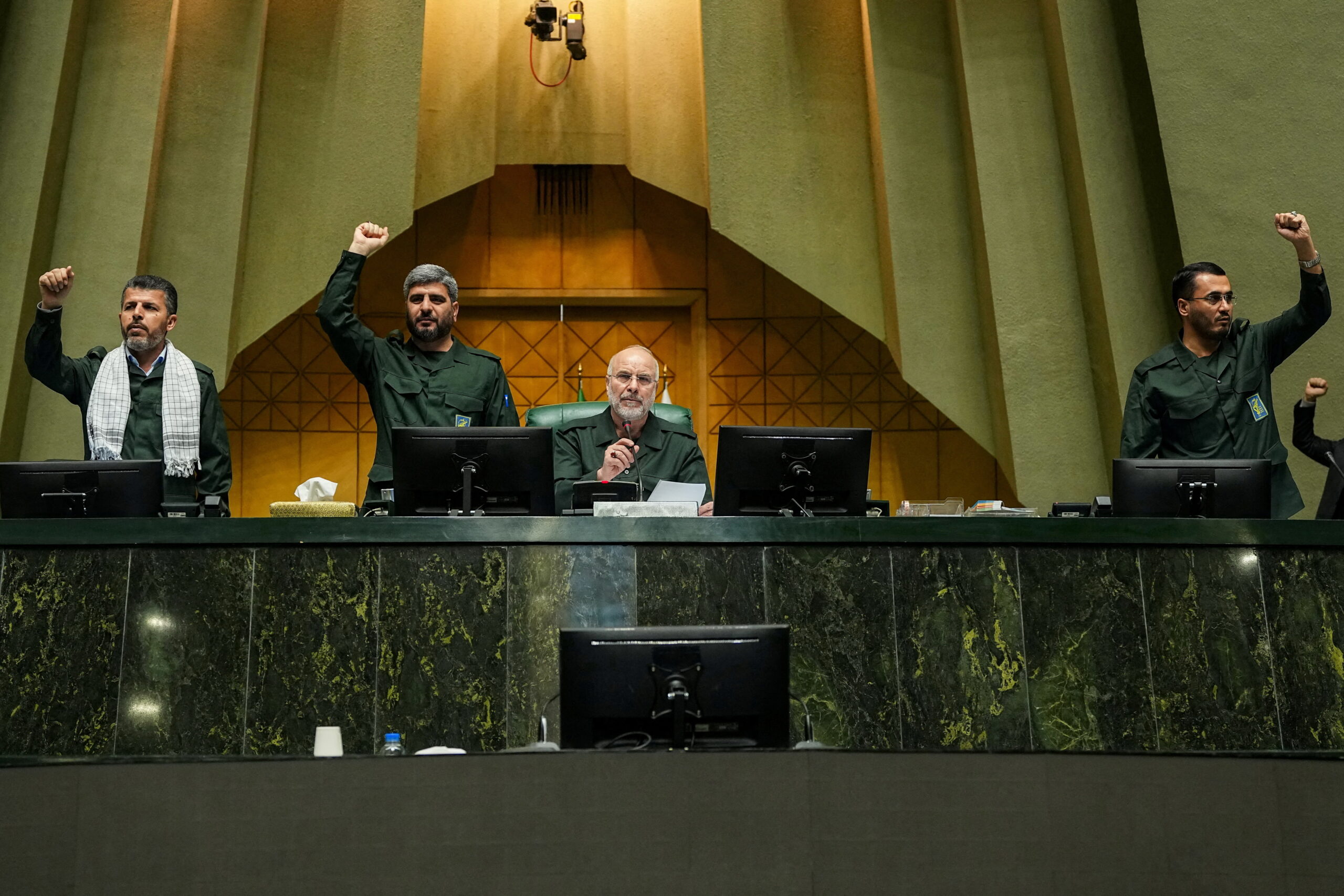
Events
Book Talk: Iran and the Bomb: The United States, Iran and the Nuclear Question
On June 16, AGSI hosted a discussion on the evolution of Iran's nuclear program.

Speakers


Apr 21, 2026
Inside Iran’s Wartime Leadership: Power, Succession, and Regime Stability
On April 21, AGSI hosted a discussion on the evolution of Iran's leadership during the war.
Speakers

Mar 18, 2026
In Its Conflict With the United States and Israel, Does Escalation Favor Iran?
On March 18, AGSI hosted a discussion on the escalation of the Iran war.
Speakers



Mar 2, 2026
After the Shock: Implications of the U.S.–Israeli Strikes and Iran’s Leadership Transition
On March 2, AGSI hosted a discussion on the U.S.-Israeli strikes on Iran.
Speakers