Apr 18, 2025
Khamenei on Iran-U.S. Talks: “Neither Excessively Optimistic, Nor Excessively Pessimistic”
The April 18 edition of the Iran Media Review considers Iranian responses to changes in Special Envoy to the Middle East Steven Witkoff’s public position on Iran’s uranium enrichment capacity.

Iranian Supreme Leader Ayatollah Ali Khamenei says he is “neither excessively optimistic, nor excessively pessimistic” regarding Iran’s bilateral diplomatic engagement with the United States – an appropriate stance, given the latest recalibration in U.S. Special Envoy to the Middle East Steven Witkoff’s position on Iran’s uranium enrichment capacity.
- April 15: In an address to senior representatives of the executive, legislative, and judicial branches, Supreme Leader Ayatollah Ali Khamenei downplayed the importance of bilateral diplomatic engagement with the United States but also signaled a conditional endorsement of the negotiations. According to the transcript on his official website, he stated:
- “These talks are just a fraction of the work of the Foreign Ministry, meaning the Foreign Ministry has tens of works, one of which is Oman and matters that have emerged recently. Try not to tie the problems of the state to these negotiations.”
- “Separately, let us be neither excessively optimistic, nor excessively pessimistic about these talks. This, after all, is an initiative, and there is progress. Decisions have been made and are now being executed. The initial moves are positive and are executed well. The work must continue with the greatest care. The red lines are well known to us and to the counterpart, and if they continue in a good way, the talks may or may not reach a result. We are neither excessively optimistic nor excessively pessimistic. Of course, we are deeply skeptical of the counter party and do not recognize them. We are familiar with the counterpart, but we are optimistic when it comes to our own capabilities. We know there are many things we can do.”
- April 16: Hard-line Kayhan criticized Special Envoy to the Middle East Steven Witkoff’s April 14 interview with Fox News in which he asserted that Iran does not “need to enrich past 3.67%. In some circumstances, they’re at 60%, in other circumstances 20%. That cannot be. And you do not need to run, as they claim, a civil nuclear program where you’re enriching past 3.67%. So, this is going to be much about verification on the enrichment program, and then ultimately, verification on weaponization. That includes missiles, the type of missiles that they have stockpiled there, and it includes the trigger for the bomb. And I think we are here to … solve this situation diplomatically and with dialogue.” Kayhan argued:
- “There is no doubt that the Islamic Republic of Iran has defined its red lines and declared on many occasions that it will not engage in negotiation about the missile program and the defense capabilities of the state. Tehran has solely agreed to talk within the framework of the nuclear issue.”
- “What is the meaning of this interview other than a negative pulse on the verge” of the second round of negotiations?
- April 16: Islamic Revolutionary Guard Corps-affiliated Javan also condemned Witkoff’s Fox News interview:
- “Although the United States appears to have withdrawn some of its excessive demands, it seems to be opening new cases in order to increase pressure, which can create further tension in the diplomatic process.”
- “Iran has, on many occasions, declared that its missile program is purely defensive and not negotiable … The new U.S. approach to military containment of Iran may further complicate the negotiations.”
- Javan further suggested that Witkoff’s recent statements reflect “Israeli” rather than U.S. demands.
- April 16: Technocratic Sazandegi also covered the Witkoff interview but emphasized that the U.S. envoy did not call for a complete dismantlement of Iran’s nuclear infrastructure, a position previously articulated by U.S. National Security Advisor Michael Waltz.
- April 16: Reformist Entekhab News cited an Axios report on an April 15 meeting held in the White House Situation Room regarding the status of diplomatic engagement with Iran.
- April 16: Tabnak News Agency, which is affiliated with former IRGC Chief Commander Mohsen Rezaei, highlighted inconsistencies between Witkoff’s April 14 televised remarks – in which he appeared to accept limited uranium enrichment by Iran – and his April 15 post on X, formerly known as Twitter, in which he wrote: “Iran must stop and eliminate its nuclear enrichment and weaponization program.”
- Tabnak’s analyst argued that the change in Witkoff’s position “may reflect pressure from the hard-line faction within the White House … and intra-administrative conflict over Iran’s nuclear dossier in the Trump administration … However, the change may also be deliberate. Trump’s approach to negotiations is one characterized by strategic ambiguity and constant recalibration of position.”
The views represented herein are the author's or speaker's own and do not necessarily reflect the views of AGSI, its staff, or its board of directors.
Related
Iran Media Review
Apr 15, 2025
Iranian Reactions to the First Round of U.S.-Iranian Negotiations
The April 15 edition of the Iran Media Review highlights Iranian media responses to the first round of U.S.-Iranian negotiations.
Iran Media Review
Apr 11, 2025
Final Signaling From Tehran
The April 11 edition of the Iran Media Review evaluates messaging from Iranian officials ahead of planned U.S.-Iranian negotiations.
Apr 15, 2025
Iranian Reactions to the First Round of U.S.-Iranian Negotiations
The April 15 edition of the Iran Media Review highlights Iranian media responses to the first round of U.S.-Iranian negotiations.
Apr 11, 2025
Final Signaling From Tehran
The April 11 edition of the Iran Media Review evaluates messaging from Iranian officials ahead of planned U.S.-Iranian negotiations.
Analysis
The Committee of Six and Strategic Decision Making in Iran
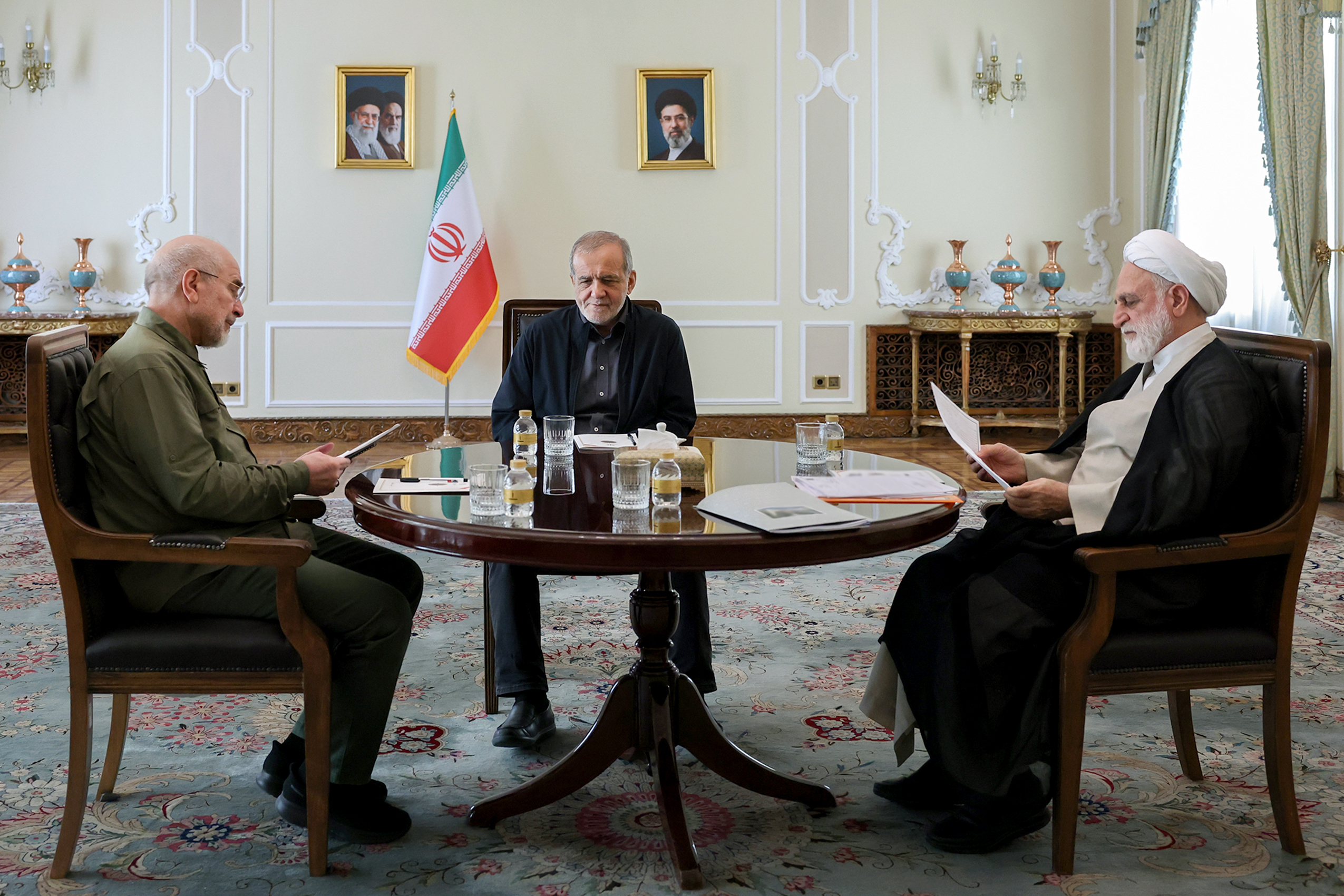
Remarks by Iran’s president offer a rare glimpse of how the Islamic Republic has adapted its decision making to the absence of its supreme leader.
Mohsen Rezaei at the Helm of Iran’s Supreme National Security Council
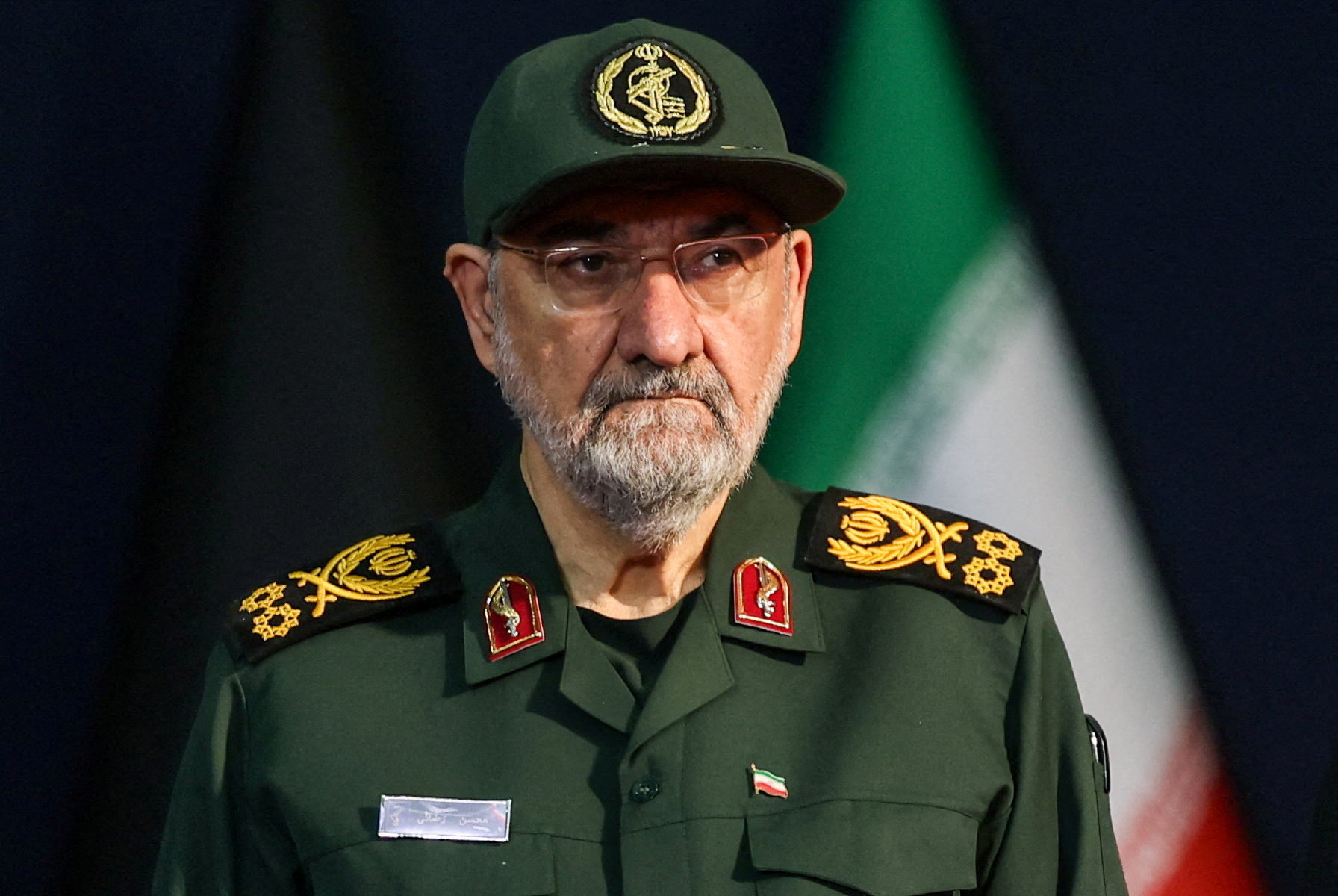
Under Rezaei, the SNSC could prove constructive or paralyze strategic decision making.
The Islamic Republic Returns to Offense
After U.S.-Israeli strikes killed Supreme Leader Ayatollah Ali Khamenei on February 28, Iran’s collective leadership has concluded that the best defense is a good offense.
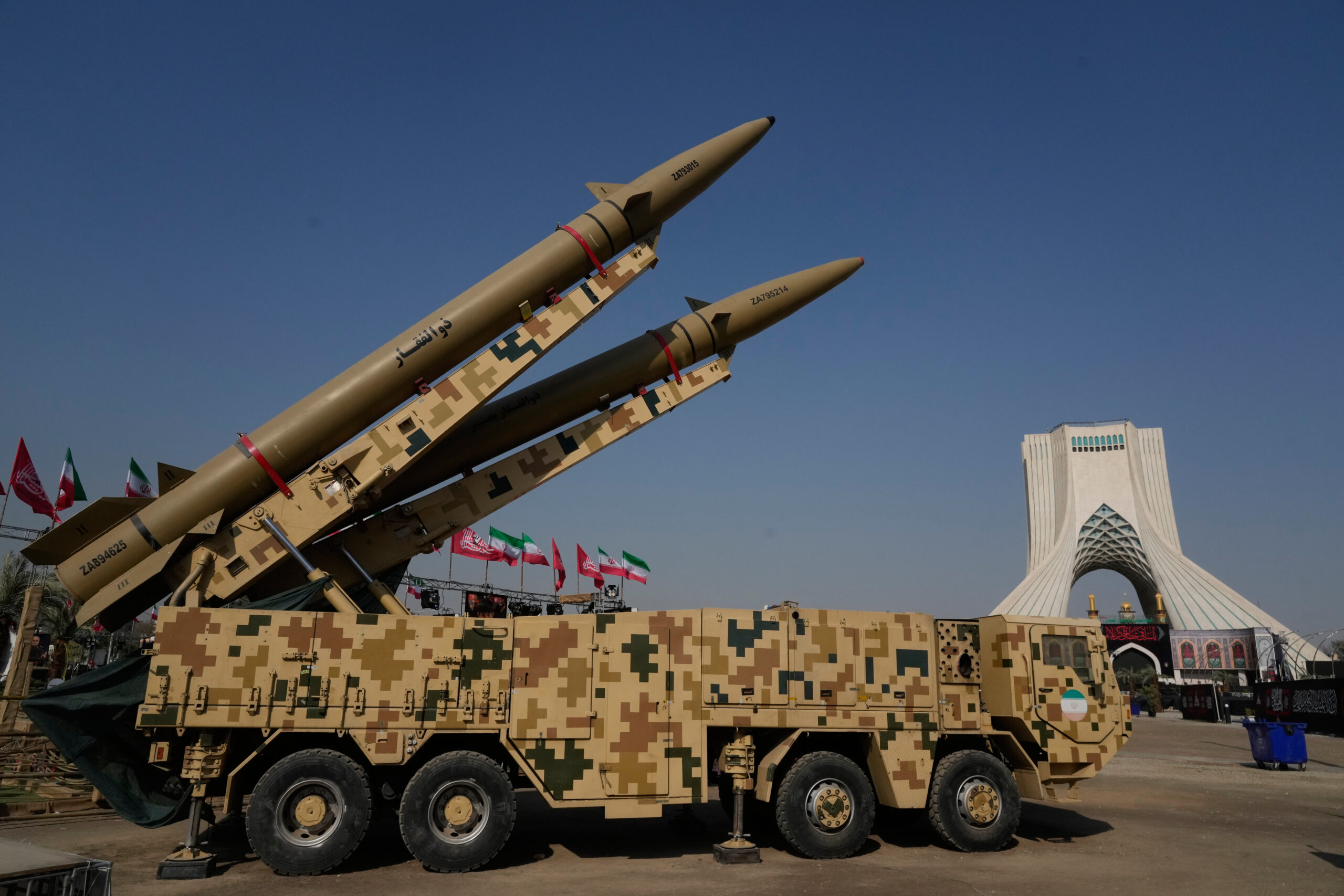
Iran’s Collective Strategic Decision Making
Wartime pressure has temporarily aligned the leadership’s overriding interest in regime survival, even as its members continue to differ over the costs, methods, and ultimate objectives of the war.
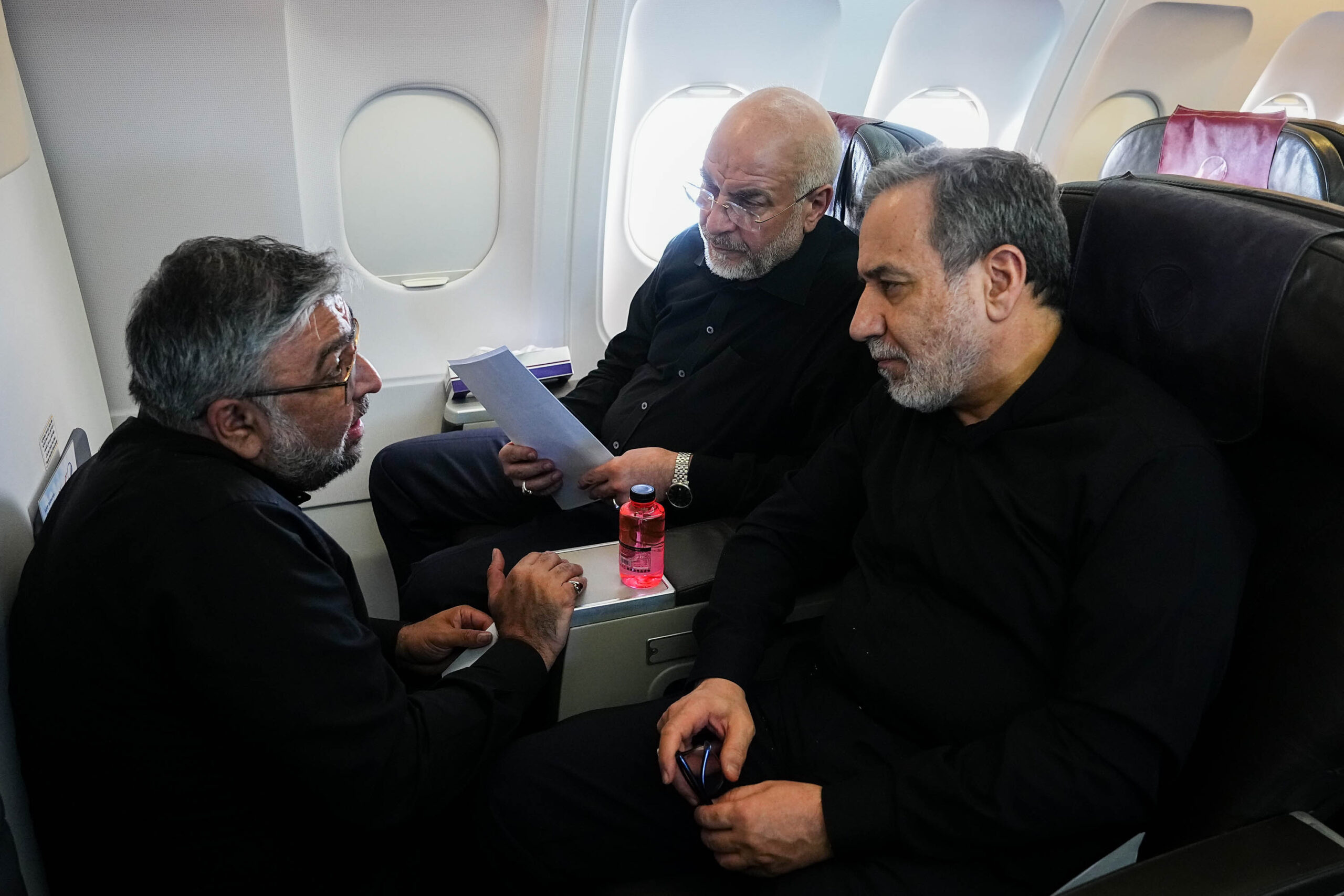
Events
Oct 6, 2026
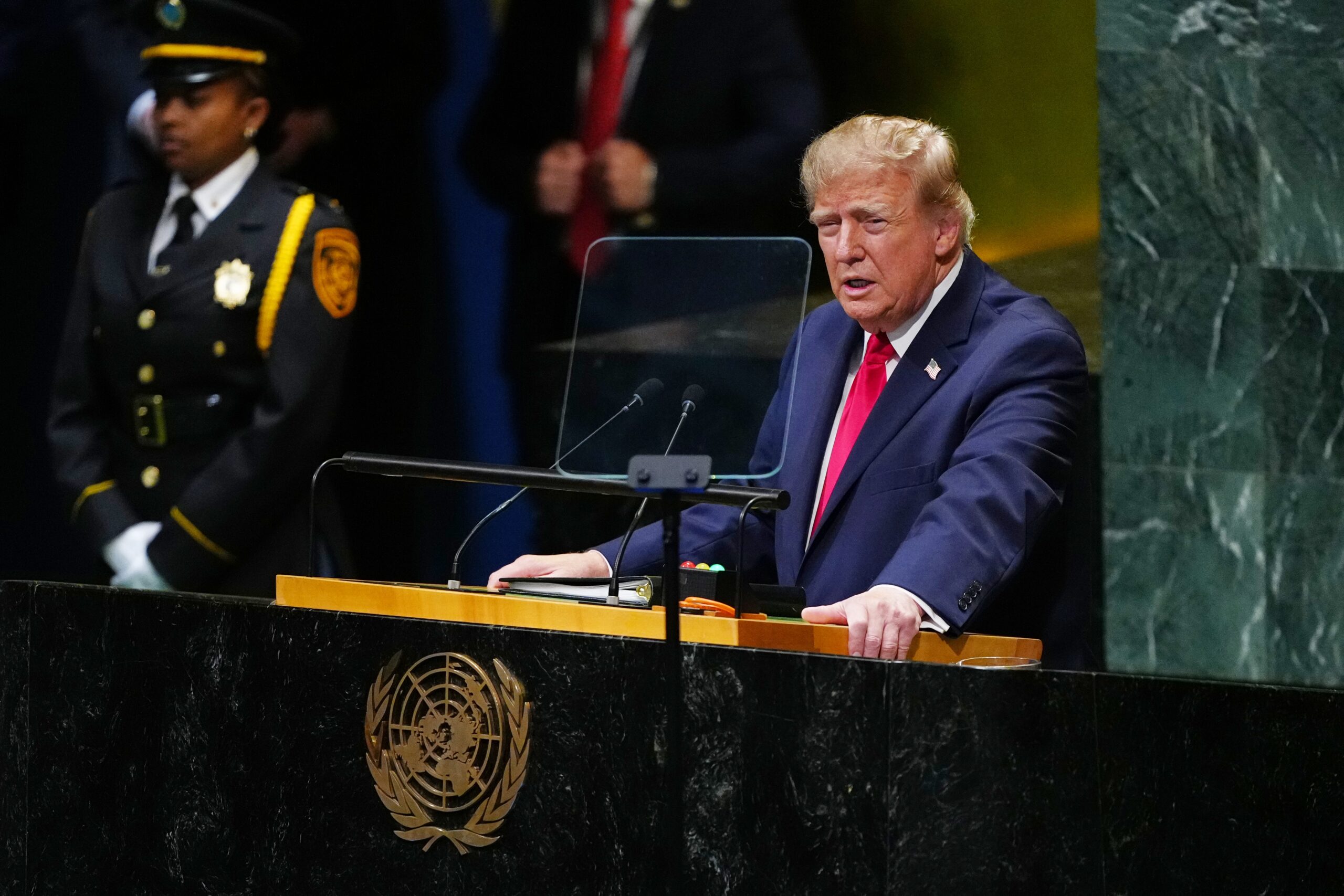
Is the U.S.-Iran Stalemate a “New Normal” or the Prelude to Another Explosion?
On October 6, AGSI hosted a discussion on the U.S.-Iran stalemate and the prospects for a cease-fire.
Speakers


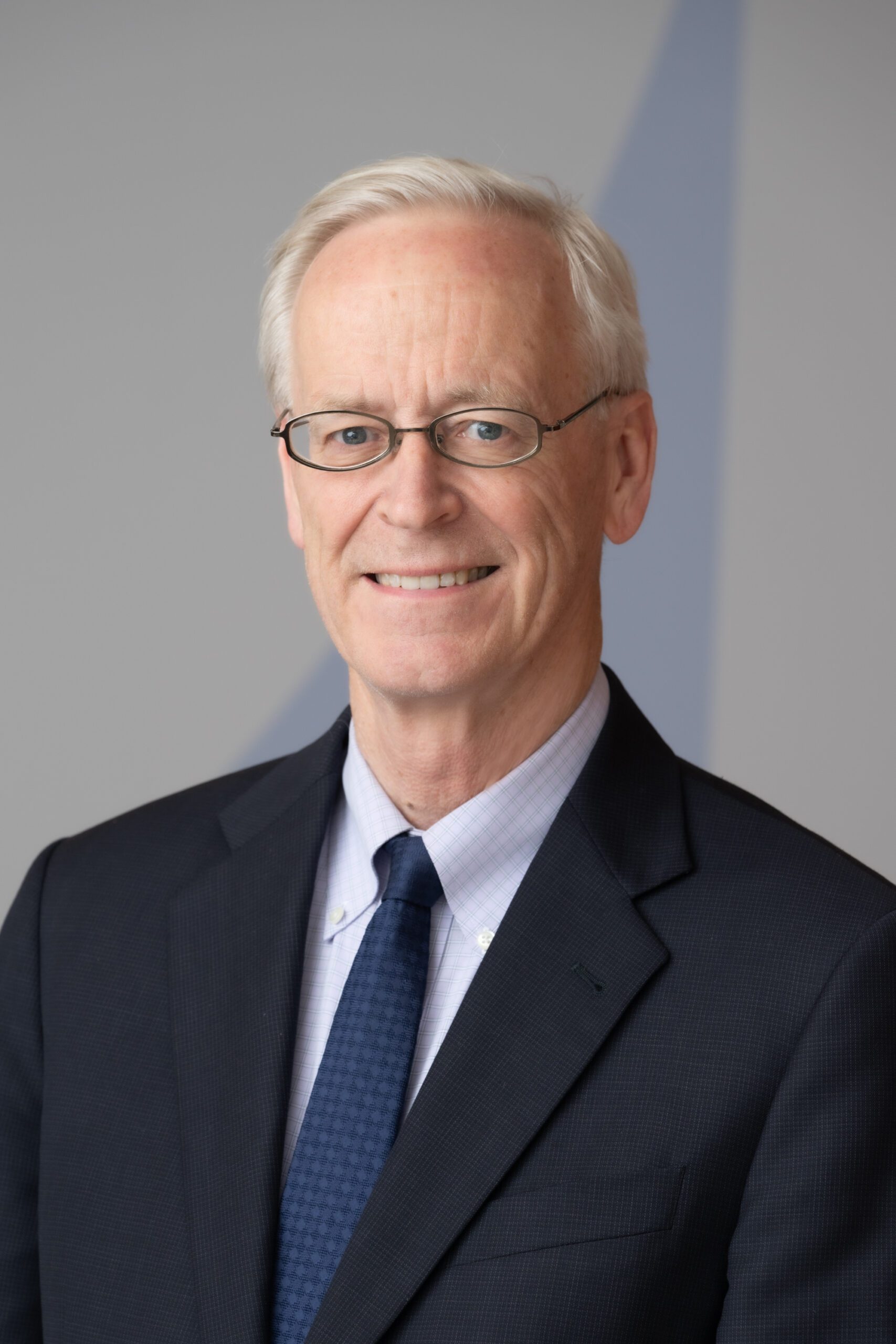
Book Talk: Iran and the Bomb: The United States, Iran and the Nuclear Question
On June 16, AGSI hosted a discussion on the evolution of Iran's nuclear program.
Speakers
Apr 21, 2026
Inside Iran’s Wartime Leadership: Power, Succession, and Regime Stability
On April 21, AGSI hosted a discussion on the evolution of Iran's leadership during the war.
Speakers

Mar 18, 2026
In Its Conflict With the United States and Israel, Does Escalation Favor Iran?
On March 18, AGSI hosted a discussion on the escalation of the Iran war.
Speakers