Jun 4, 2024
Iranian Economist: Cuba’s Present, Iran’s Future?
While Iranian authorities appear cavalier about the challenges to Iran’s economy under the sanctions regime, reformist Entekhab News, quoting an economist, warned of long-term damage to the country’s industrial infrastructure. May 5: Economist Amir-Hossein Khaleqi said in an interview with Entekhab News: “We are facing severe difficulties in providing for our infrastructure, in particular in...

While Iranian authorities appear cavalier about the challenges to Iran’s economy under the sanctions regime, reformist Entekhab News, quoting an economist, warned of long-term damage to the country’s industrial infrastructure.
- May 5: Economist Amir-Hossein Khaleqi said in an interview with Entekhab News:
- “We are facing severe difficulties in providing for our infrastructure, in particular in the fields of electricity and natural gas. Recently, the steel plants complained about energy shortages, showing the sanctions regime has negatively impacted the infrastructure. This is why we have electricity shortages during the summer and natural gas shortages in the winter. When you find yourself under the pressure of the sanctions regime, you live through a state of emergency and have no opportunity to solve the problem … Even the government bureaucracy is impacted under such circumstances. The gravest challenge to our economy is the sanctions issue, and without the removal of the sanctions regime, there is absolutely no way to achieve development and progress.”
- “Cuba is a good example of this. Look at their cities, where life has been frozen in the past. This will also happen to us … We, however, may have the chance to take advantage of the rivalry among the great powers. We can take advantage of the geopolitical rivalry between China and the United States. We can’t fight the United States and develop. Development means that there is a prospect for progress, but if there is no such prospect on the horizon and the price of foreign currency constantly changes, it is only natural that capitalists don’t think of long-term” investments “and only focus on the short term.”
- “No country is as capable as ours when it comes to managing sanctions. We can do things to reduce the impact of the sanctions, but we cannot totally neutralize it … We may perhaps not officially declare our losses, and as long as we do not openly admit the losses, we may continue as before despite dismal economic indicators and the country being on the verge of disaster. This is exactly what happened to the Cuban regime. Under such conditions, the situation will certainly deteriorate and a greater part of the population will be exposed to poverty.”
The views represented herein are the author's or speaker's own and do not necessarily reflect the views of AGSI, its staff, or its board of directors.
Related
Iran Media Review
Aug 21, 2026
Qalibaf and Pezeshkian at Odds With the IRGC?
The August 21 edition of the Iran Media Review examines arguments from Iranian leaders for ending the war with the United States through negotiations rather than escalating.
Iran Media Review
Aug 18, 2026
Qalibaf: The Strait of Hormuz Will Not Reopen
The August 18 edition of the Iran Media Review highlights a speech by Iran’s parliamentary speaker pledging not to reopen the Strait of Hormuz until the United States fulfills the conditions of the Islamabad memorandum of understanding.
Iran Media Review
Aug 14, 2026
Iran Has No Intention of Relinquishing the Strait of Hormuz
The August 14 edition of the Iran Media Review considers remarks made by the new Supreme National Security Council secretary on his first day in office.
Aug 21, 2026
Qalibaf and Pezeshkian at Odds With the IRGC?
The August 21 edition of the Iran Media Review examines arguments from Iranian leaders for ending the war with the United States through negotiations rather than escalating.
Aug 18, 2026
Qalibaf: The Strait of Hormuz Will Not Reopen
The August 18 edition of the Iran Media Review highlights a speech by Iran’s parliamentary speaker pledging not to reopen the Strait of Hormuz until the United States fulfills the conditions of the Islamabad memorandum of understanding.
Aug 14, 2026
Iran Has No Intention of Relinquishing the Strait of Hormuz
The August 14 edition of the Iran Media Review considers remarks made by the new Supreme National Security Council secretary on his first day in office.
Analysis
The Islamic Republic Returns to Offense
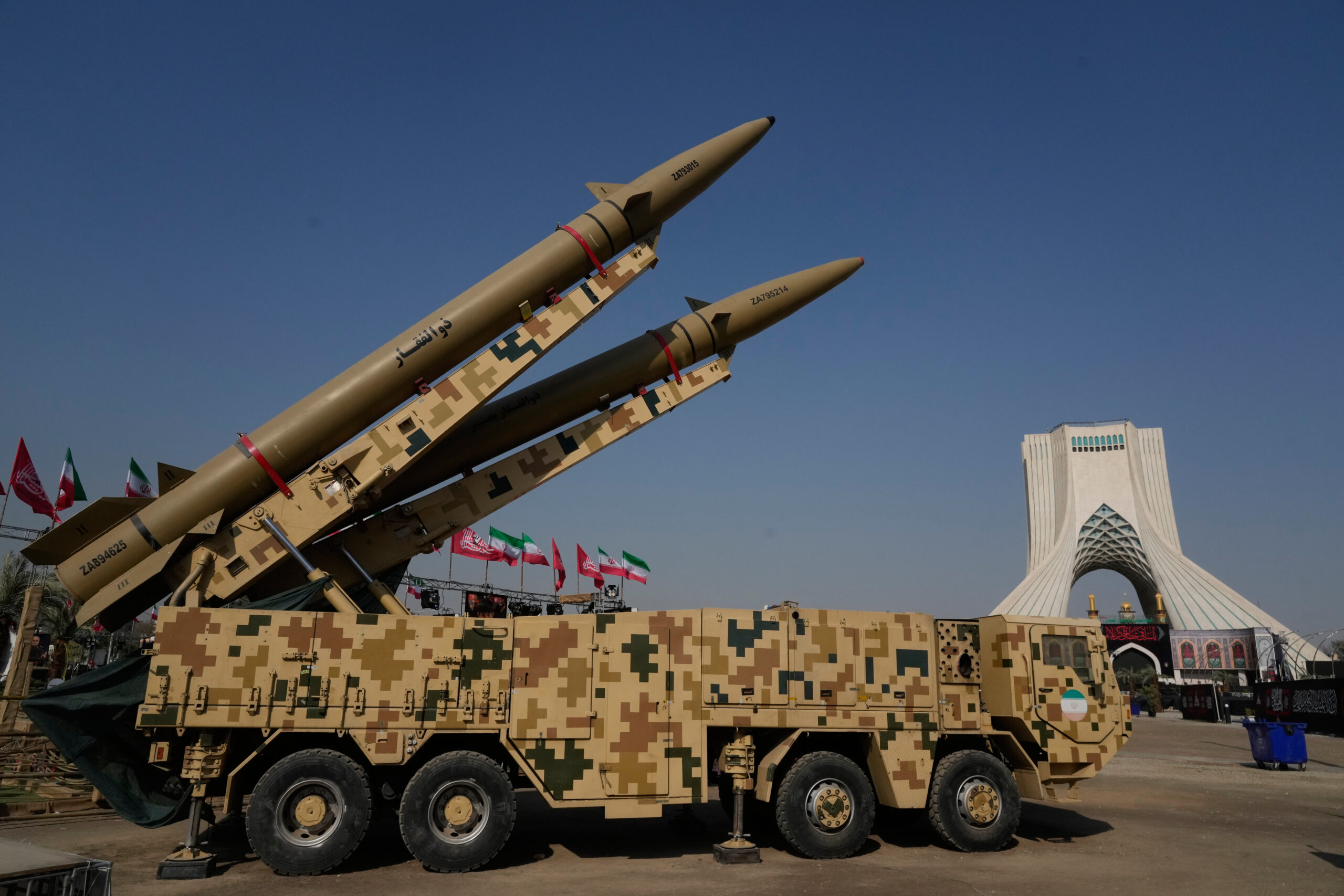
After U.S.-Israeli strikes killed Supreme Leader Ayatollah Ali Khamenei on February 28, Iran’s collective leadership has concluded that the best defense is a good offense.
Iran’s Collective Strategic Decision Making
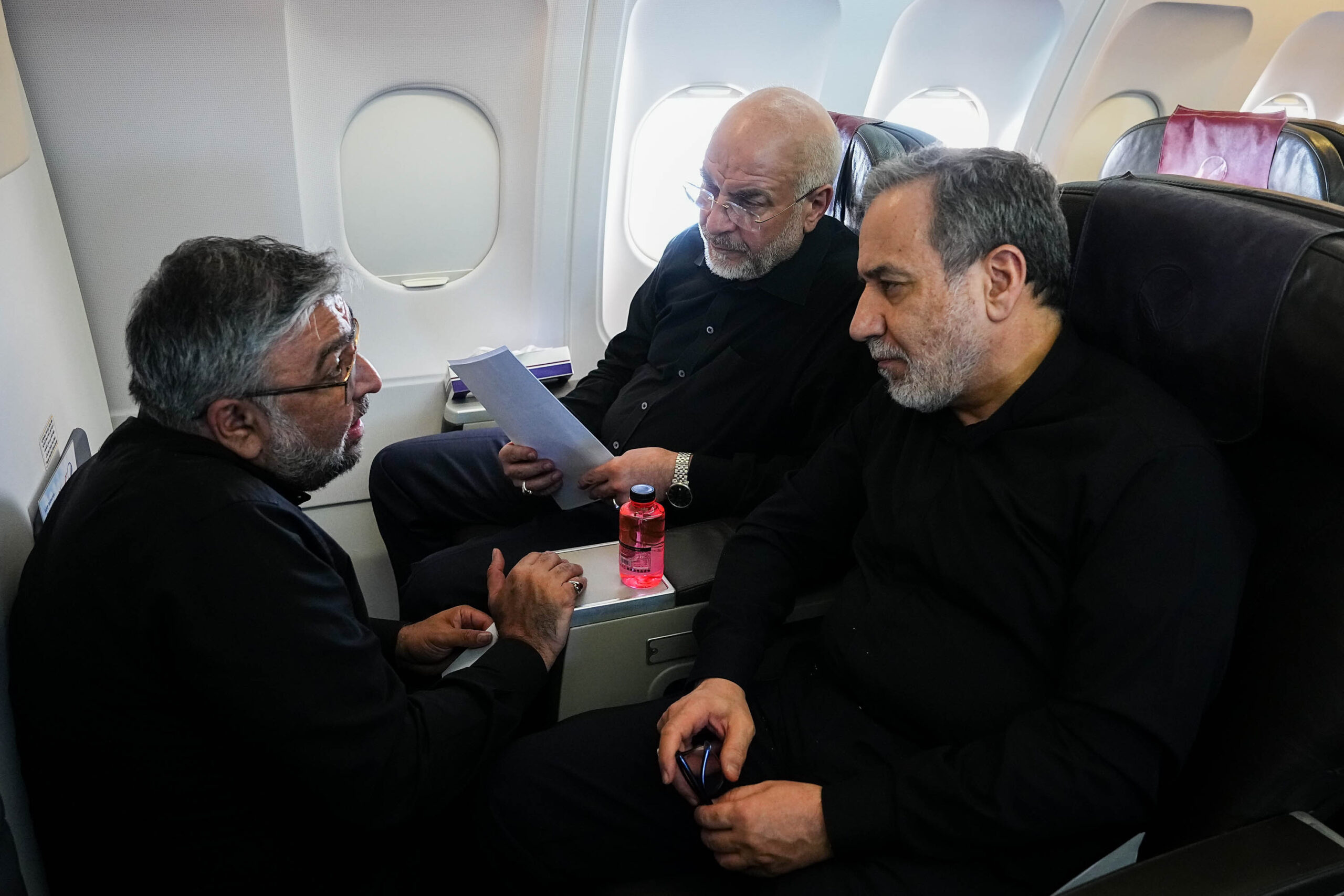
Wartime pressure has temporarily aligned the leadership’s overriding interest in regime survival, even as its members continue to differ over the costs, methods, and ultimate objectives of the war.
The Islamic Republic’s Collective Leadership
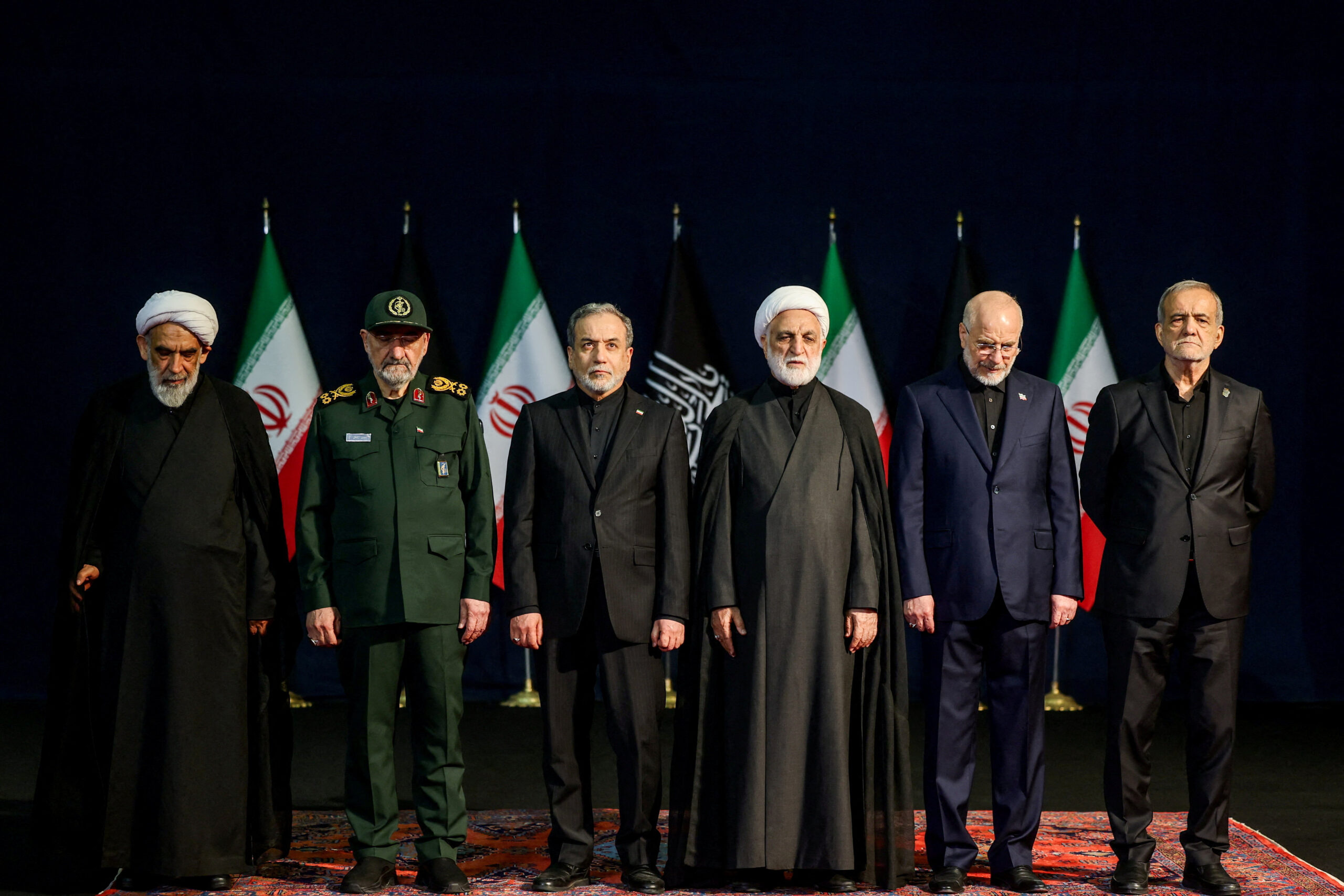
While there is historical precedent for collective leadership in Iran, today’s leadership includes representatives of the IRGC and regular military – a reflection of the IRGC’s expanding role and the necessities of governing under wartime conditions.
How Did the IRGC Seize Power in Iran?
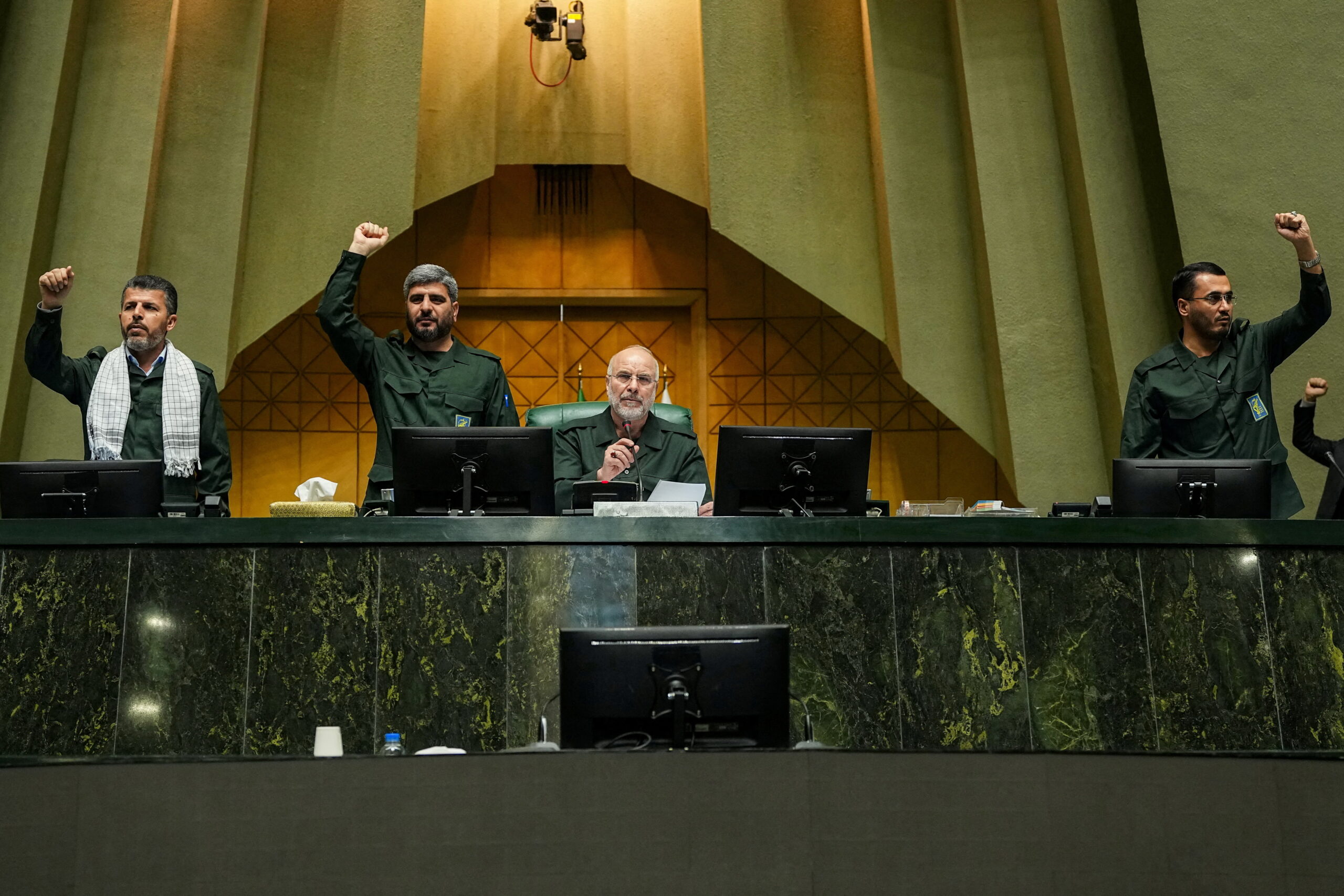
The IRGC did not seize power in a single stroke. It accumulated it – patiently, methodically – until no counterweight remained.
Events
Book Talk: Iran and the Bomb: The United States, Iran and the Nuclear Question
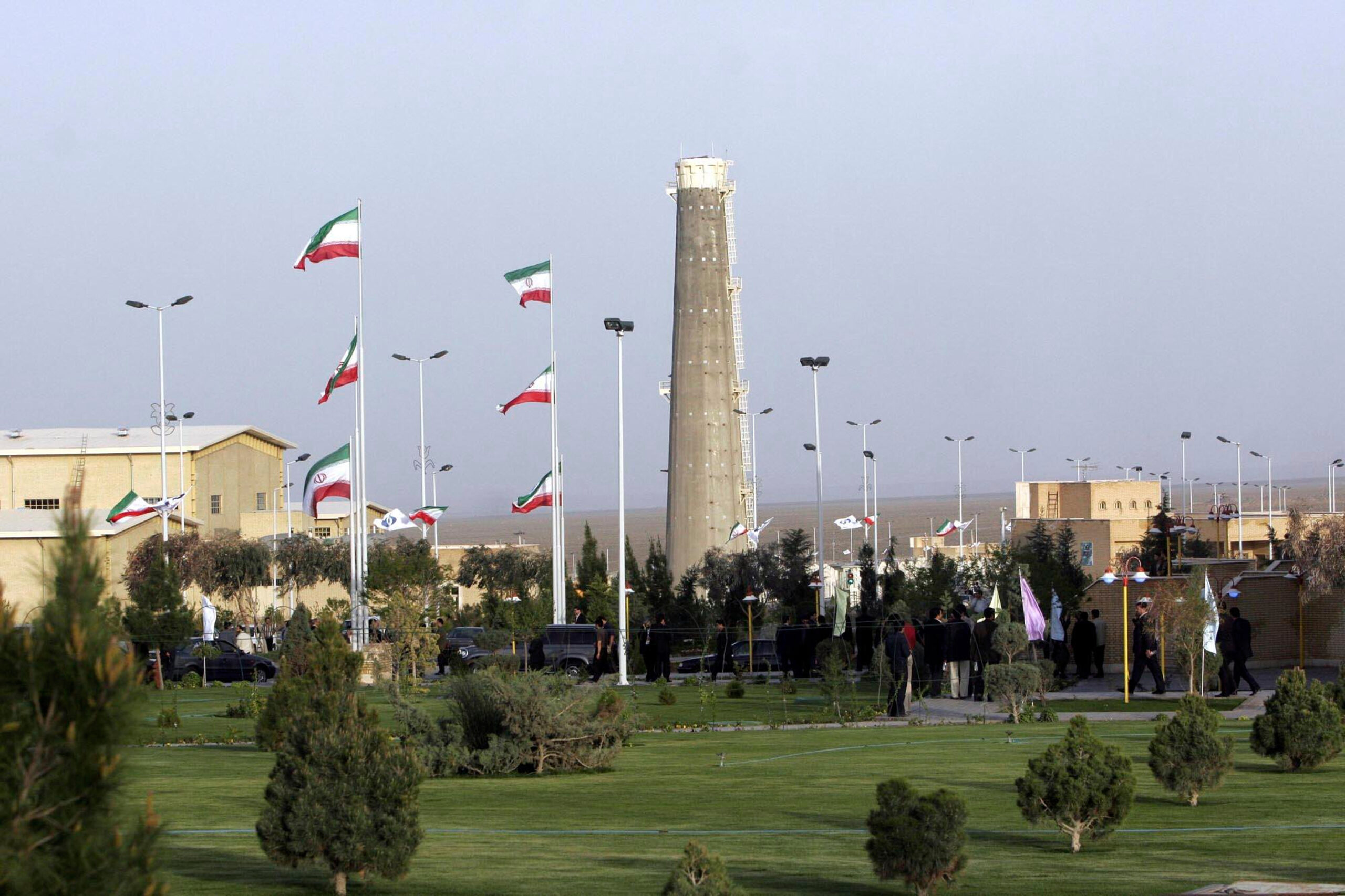
On June 16, AGSI hosted a discussion on the evolution of Iran's nuclear program.
Speakers

Apr 21, 2026
Inside Iran’s Wartime Leadership: Power, Succession, and Regime Stability
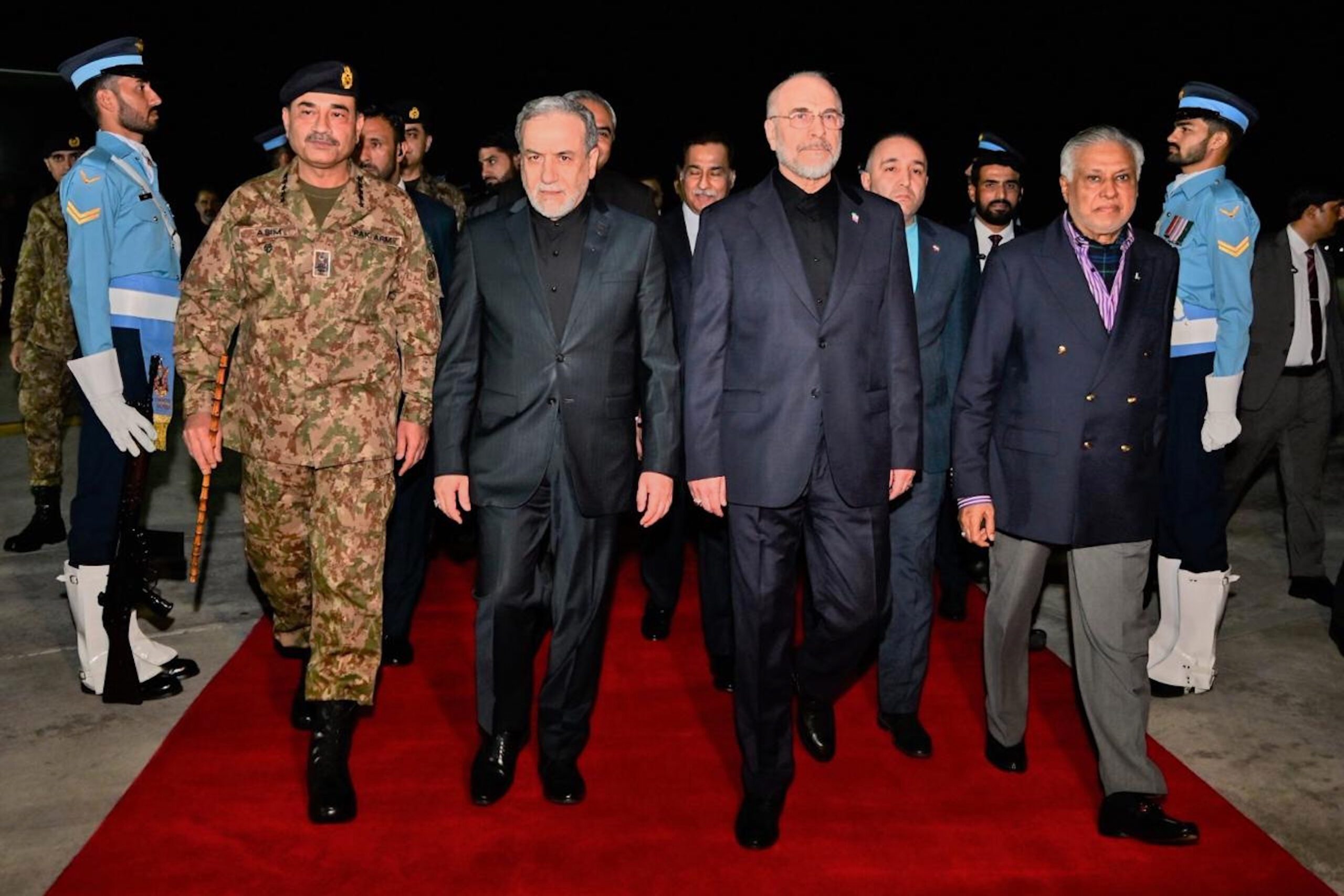
On April 21, AGSI hosted a discussion on the evolution of Iran's leadership during the war.
Speakers

Mar 18, 2026
In Its Conflict With the United States and Israel, Does Escalation Favor Iran?
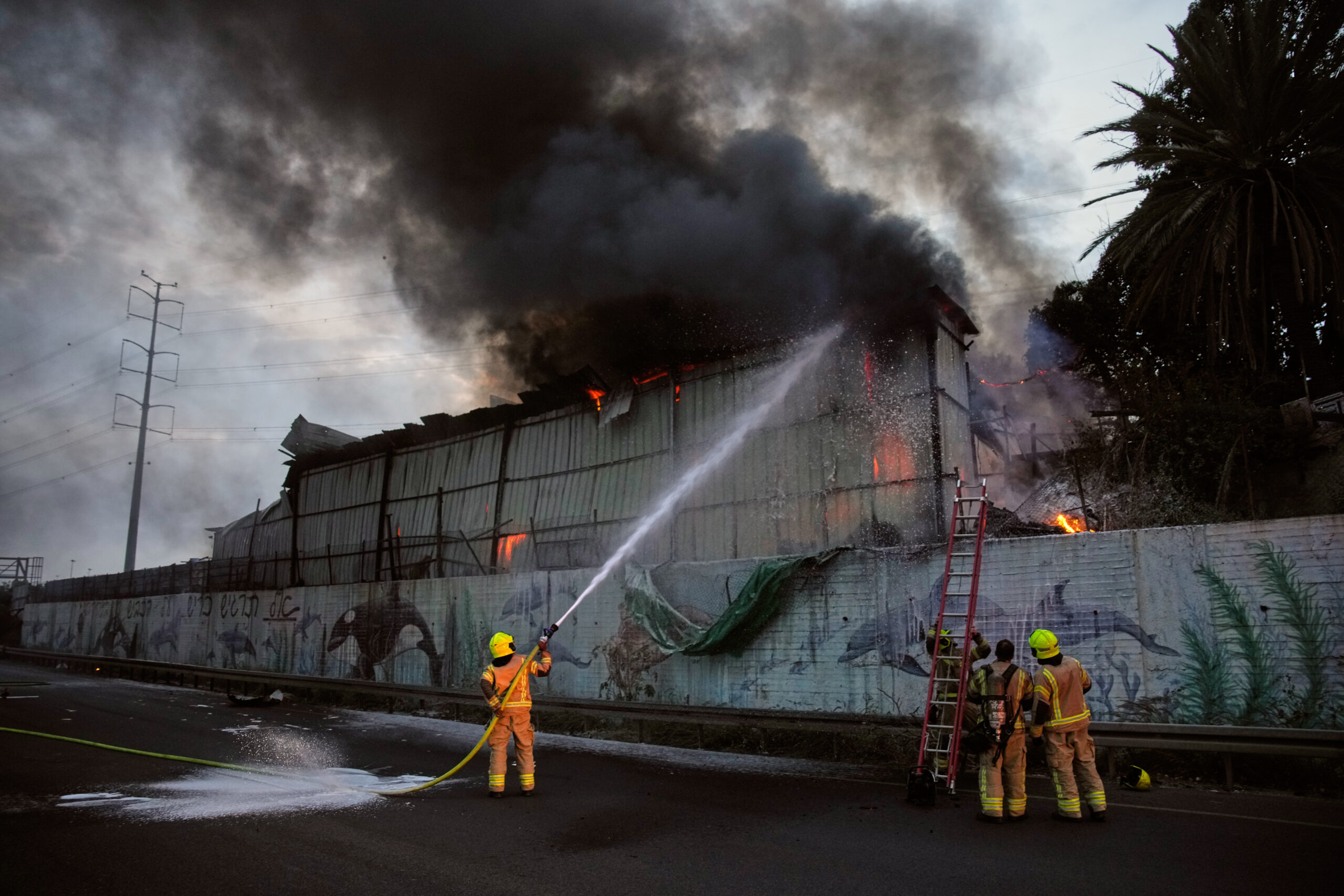
On March 18, AGSI hosted a discussion on the escalation of the Iran war.
Speakers
Mar 2, 2026
After the Shock: Implications of the U.S.–Israeli Strikes and Iran’s Leadership Transition
On March 2, AGSI hosted a discussion on the U.S.-Israeli strikes on Iran.
Speakers