Feb 4, 2025
Renewed Trump Optimism in Tehran
The February 4 edition of the Iran Media Review highlights remarks by Iranian officials and commentary from political analysts showing an Iranian interest in negotiations with the United States.

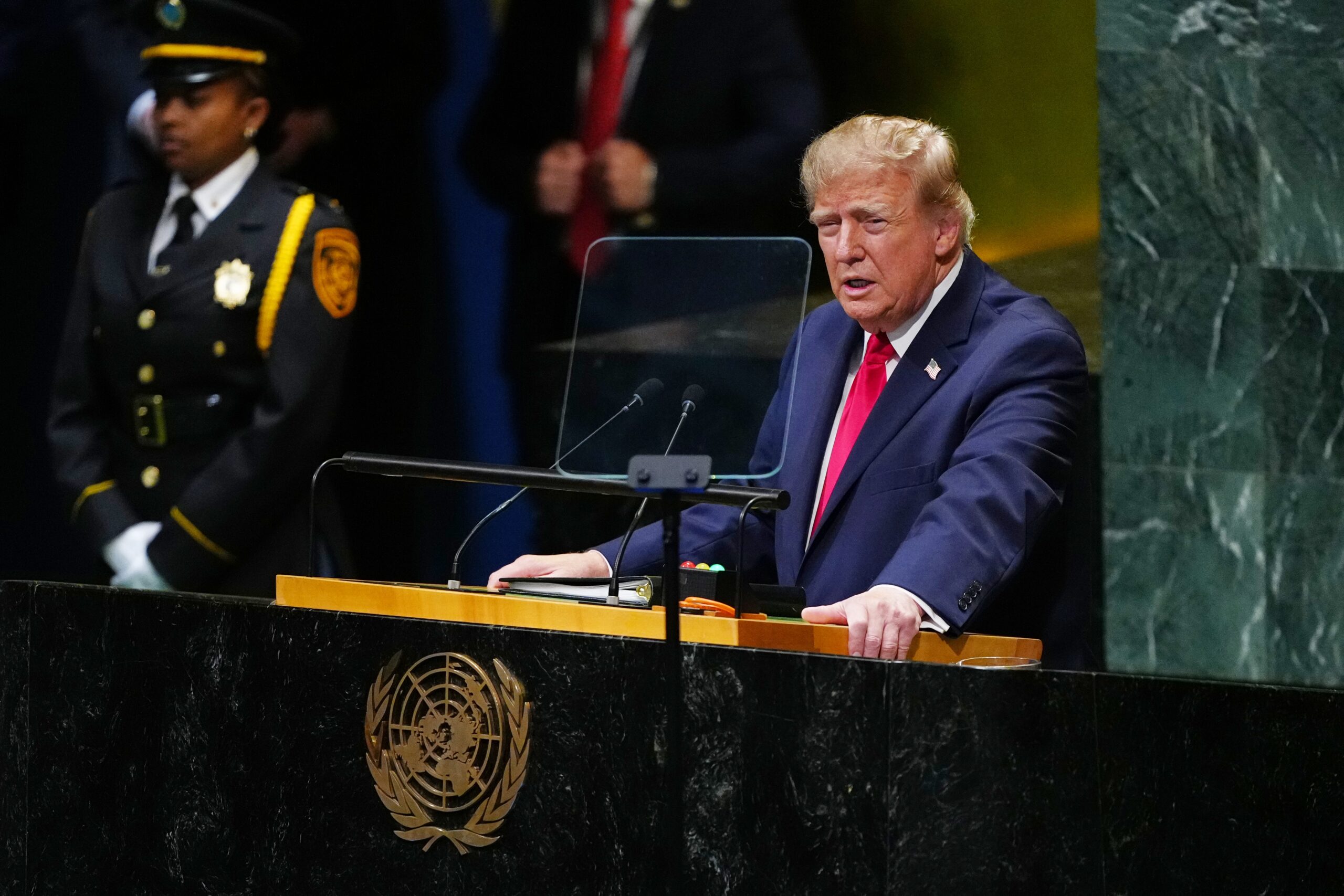
Iranian Foreign Minister Abbas Araghchi is laying the groundwork for a new round of nuclear negotiations with the United States, and Ali Larijani, a senior advisor to Supreme Leader Ayatollah Ali Khamenei, is signaling a willingness to offer nuclear-related concessions in exchange for sanctions relief. Meanwhile, Iranian political analysts view President Donald J. Trump’s psychology and Republican control over the executive and legislative branches as strategic levers to circumvent opposition from U.S. allies critical of Iran and to secure a durable bilateral agreement with Washington.
- January 31: In an interview with Al Jazeera Arabic cited by centrist Asr-e Iran, Foreign Minister Abbas Araghchi was asked about the substantive framework of potential negotiations between Iran and the United States. Araghchi responded:
- “Last time we negotiated with the Americans, the EU Three, China, and Russia within the framework of the P5+1, we determined that discussions should be confined strictly to the nuclear dossier. This was the correct approach. Had we incorporated additional issues, the negotiations would have been prolonged, and the likelihood of reaching a resolution would have diminished … However, if the upcoming negotiations proceed favorably, we can consider advancing discussions to additional matters.”
- February 1: Ali Larijani, an advisor to the supreme leader, speaking on Islamic Republic of Iran Broadcasting’s “Between the Headlines,” as quoted by the reformist Entekhab News Agency, asserted:
- “Nuclear advancements constitute merely one dimension of our national development; they do not encompass the entirety of our progress … I was personally involved in the nuclear negotiations, and there must be defined parameters … The nuclear file represents only a fraction of our national capabilities and should not be perceived as all encompassing. The people must be able to sustain their livelihoods, and development must be pursued across multiple sectors.”
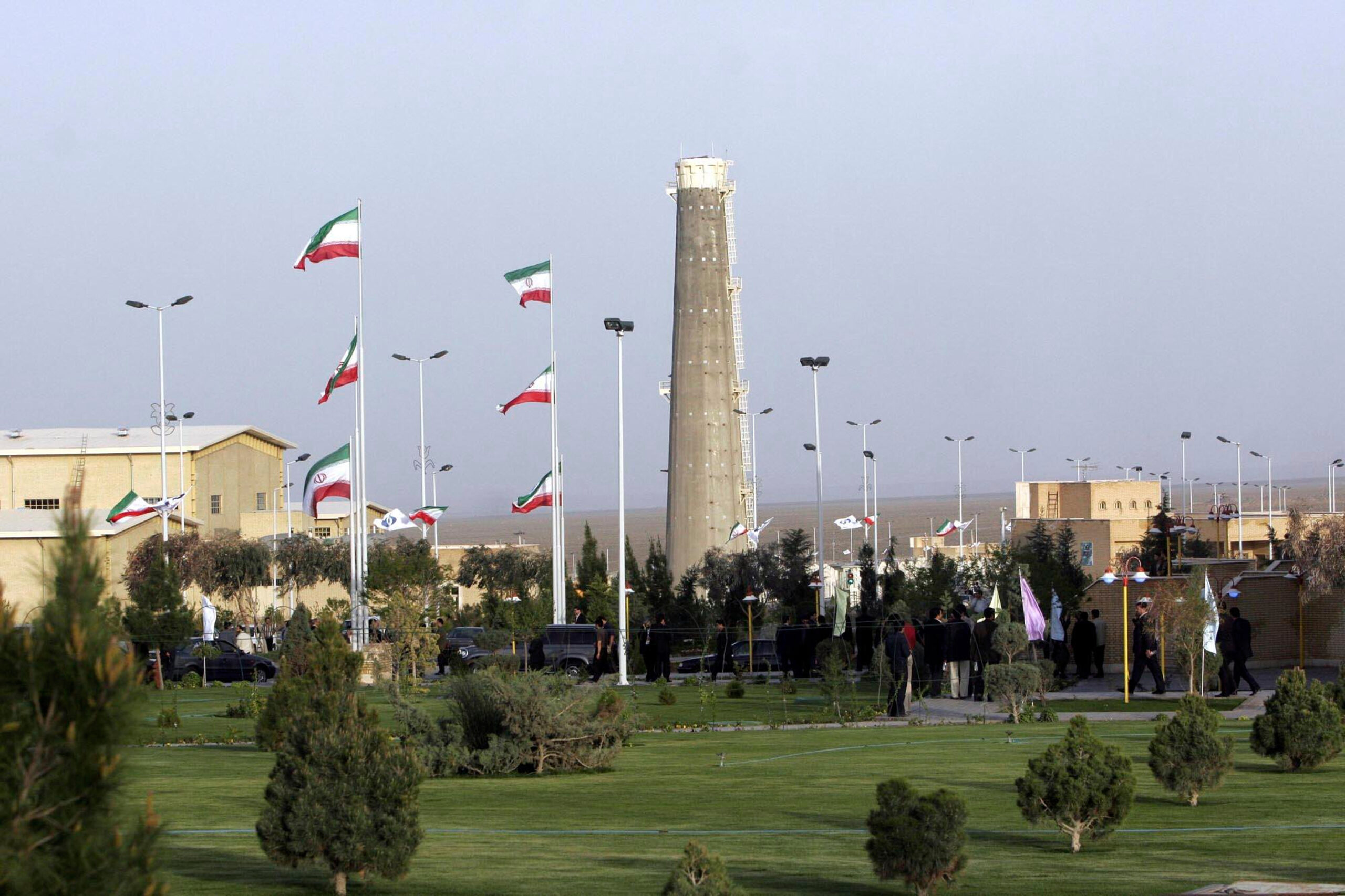
- “The nuclear agreement preserved our technological expertise, though it necessitated a reduction in operational centrifuges from 9,000 to 5,000. In return, avenues opened for advancement in other domains, which was of critical importance to us. This is precisely why the Zionist regime opposed the agreement and lobbied Trump to withdraw from it.”
- February 2: The reformist Etemad newspaper featured an interview with two foreign policy analysts assessing the prospects of Iranian-U.S. negotiations under Trump:
- Former diplomat Kourosh Ahmadi said that, under Trump, the United States will not favor protracted diplomatic engagements between Iranian and U.S. negotiators, as such negotiations “may sideline him.” He continued that “Trump seeks to maintain a central role, and the performative aspect of diplomacy is highly significant to him … Substantively, the nuclear issue will remain the focal point of the negotiations, while regional security concerns and Iran’s missile program may not be as immediate priorities for him. Western actors, including Israel, assess that Iran’s regional influence has been curtailed due to the weakening of Hamas and Hezbollah as well as the collapse of the Assad regime in Syria … The alignment of the White House and Congress under Republican control presents an unprecedented geopolitical opening. Under these circumstances, Israel and Arab states lack the capacity to sabotage or obstruct the path toward a U.S.-Iran agreement.”
- Academic Hassan Beheshtipour said: “Negotiations with Washington are imperative … even if they do not culminate in an agreement … We must communicate to the public that diplomatic engagement remains the only viable mechanism to achieve sanctions relief.”
The views represented herein are the author's or speaker's own and do not necessarily reflect the views of AGSI, its staff, or its board of directors.
Related
Iran Media Review
Jan 31, 2025
Khamenei Greenlights Iran-U.S. Talks, Will Trump?
The January 31 edition of the Iran Media Review considers commentary regarding the lack of messaging from Washington on negotiations.
Iran Media Review
Jan 28, 2025
Hoping for Sanctions Relief, Iran is Preparing for the Worst-Case Scenario
The January 28 edition of the Iran Media Review highlights remarks by Iran’s deputy foreign minister for political affairs regarding nuclear negotiations with the United States.
Jan 31, 2025
Khamenei Greenlights Iran-U.S. Talks, Will Trump?
The January 31 edition of the Iran Media Review considers commentary regarding the lack of messaging from Washington on negotiations.
Jan 28, 2025
Hoping for Sanctions Relief, Iran is Preparing for the Worst-Case Scenario
The January 28 edition of the Iran Media Review highlights remarks by Iran’s deputy foreign minister for political affairs regarding nuclear negotiations with the United States.
Analysis
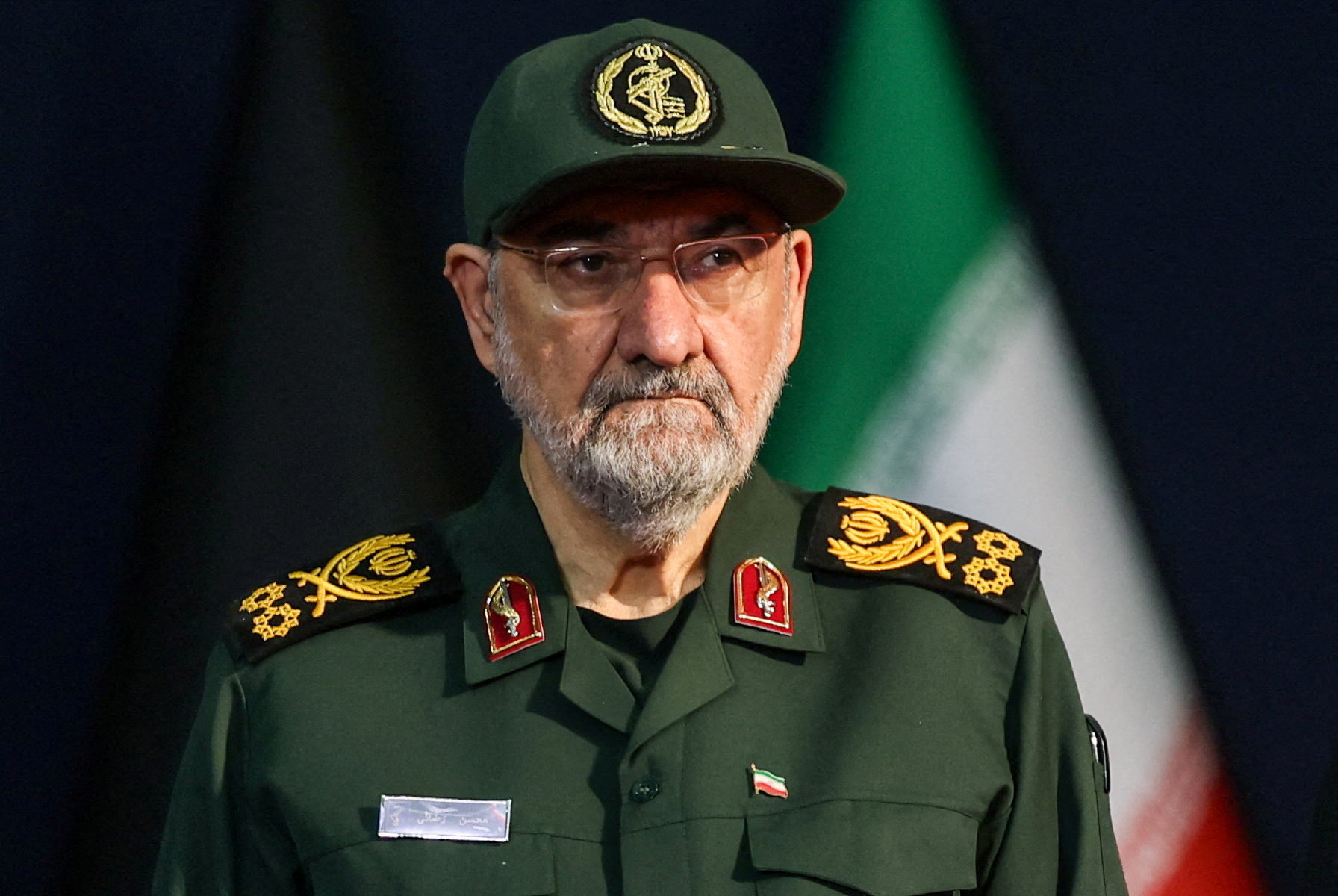
Mohsen Rezaei at the Helm of Iran’s Supreme National Security Council
Under Rezaei, the SNSC could prove constructive or paralyze strategic decision making.
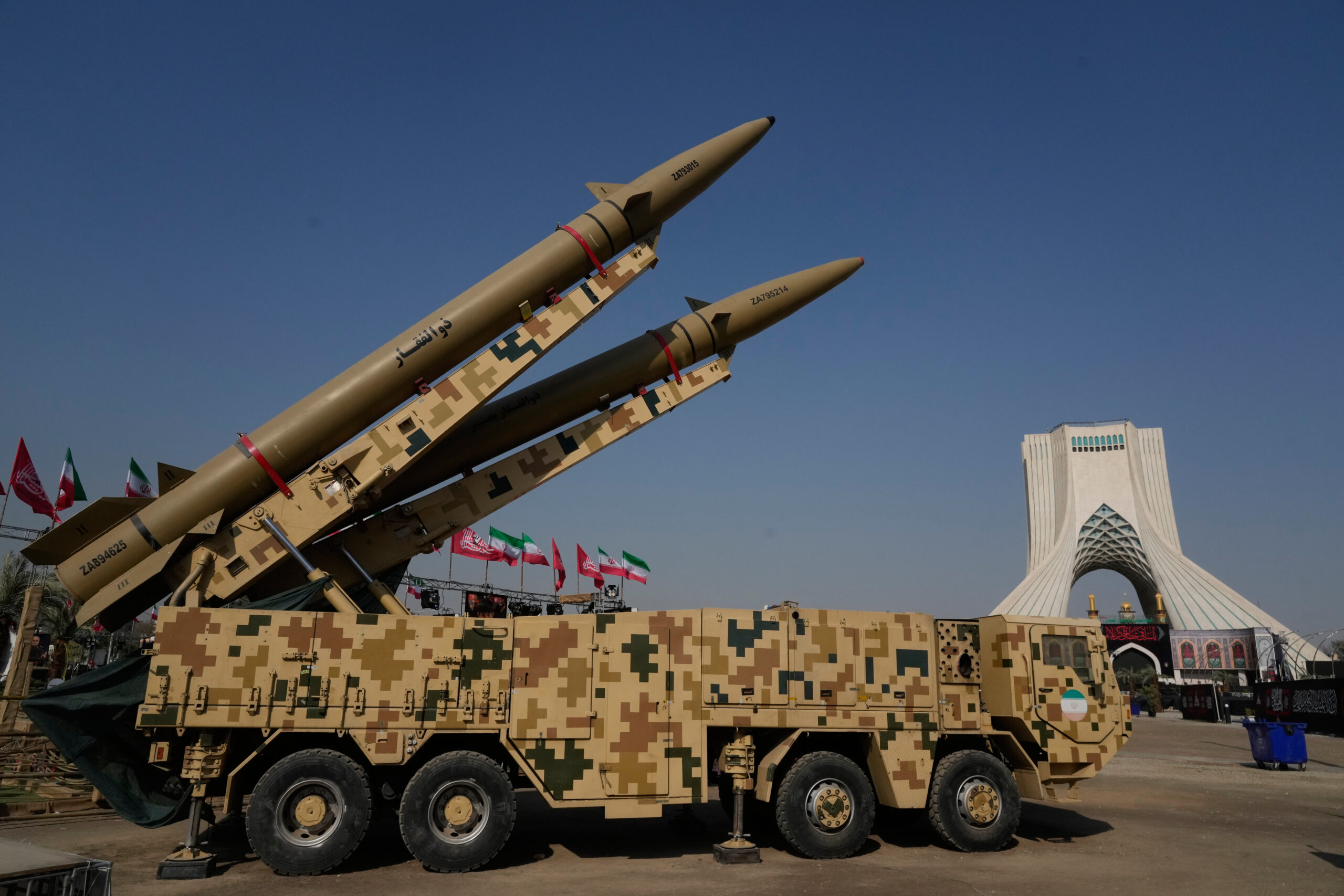
The Islamic Republic Returns to Offense
After U.S.-Israeli strikes killed Supreme Leader Ayatollah Ali Khamenei on February 28, Iran’s collective leadership has concluded that the best defense is a good offense.
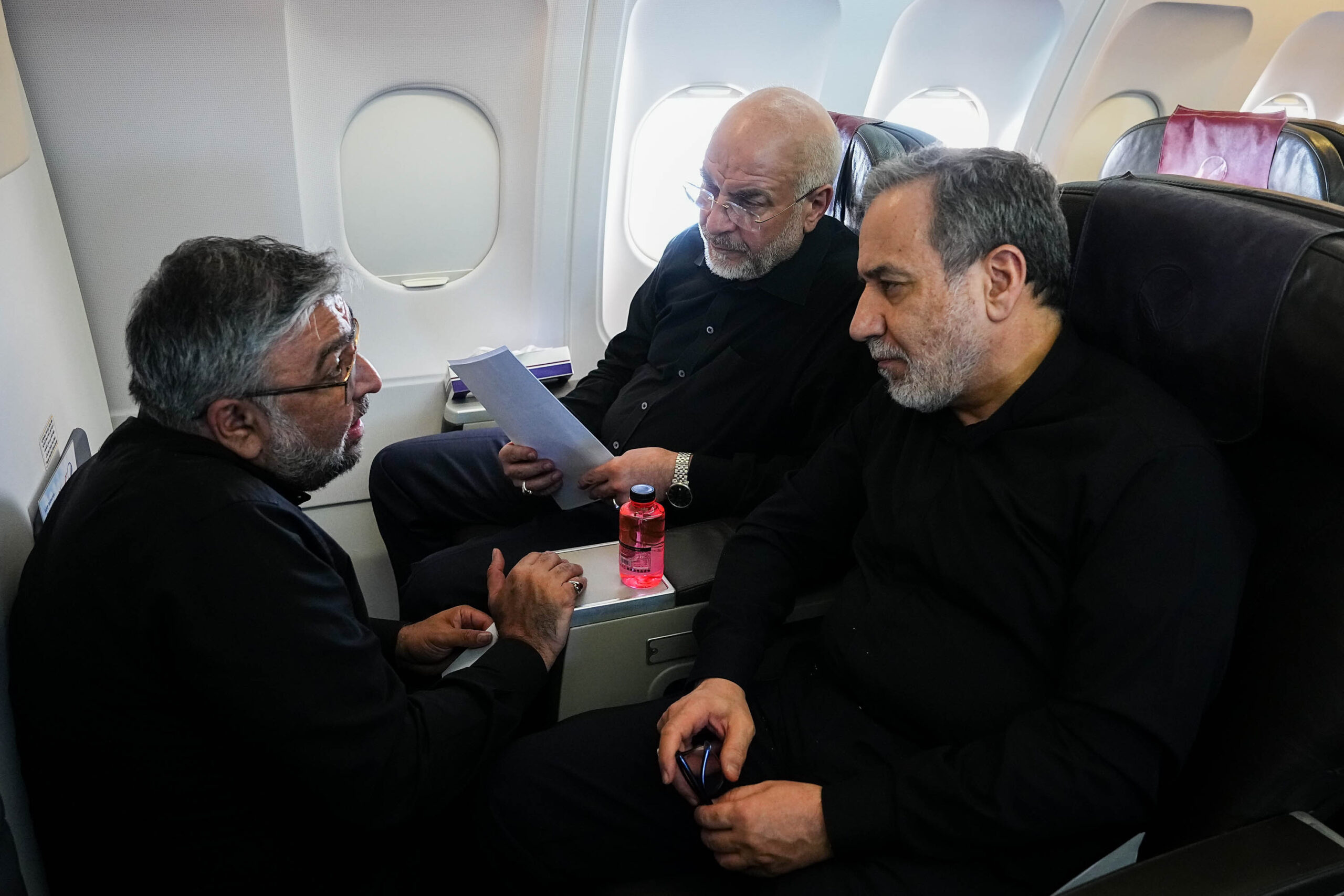
Iran’s Collective Strategic Decision Making
Wartime pressure has temporarily aligned the leadership’s overriding interest in regime survival, even as its members continue to differ over the costs, methods, and ultimate objectives of the war.
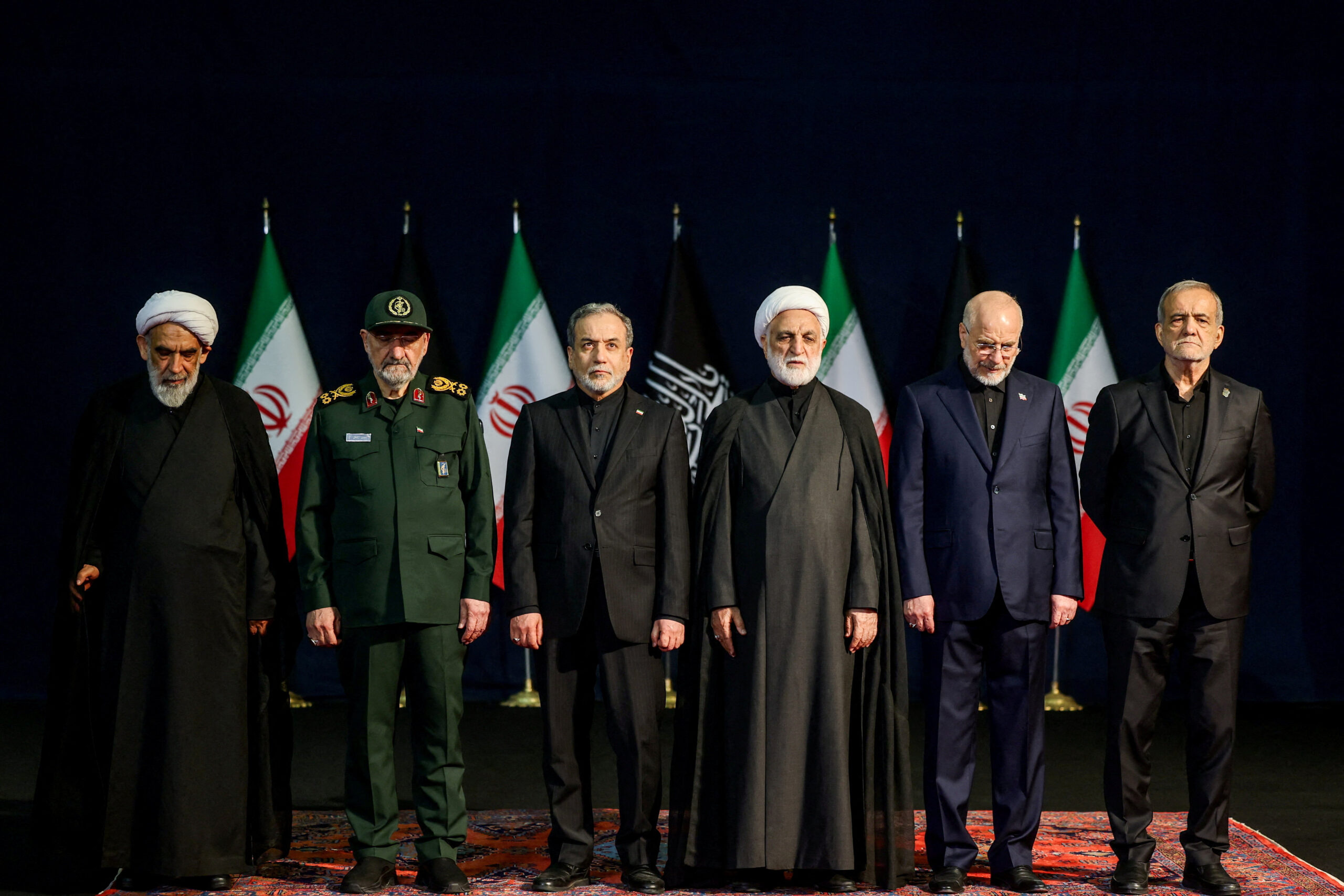
The Islamic Republic’s Collective Leadership
While there is historical precedent for collective leadership in Iran, today’s leadership includes representatives of the IRGC and regular military – a reflection of the IRGC’s expanding role and the necessities of governing under wartime conditions.
Events
Oct 6, 2026
Is the U.S.-Iran Stalemate a “New Normal” or the Prelude to Another Explosion?
On October 6, AGSI hosted a discussion on the U.S.-Iran stalemate and the prospects for a cease-fire.
Speakers



Book Talk: Iran and the Bomb: The United States, Iran and the Nuclear Question
On June 16, AGSI hosted a discussion on the evolution of Iran's nuclear program.
Speakers
Apr 21, 2026
Inside Iran’s Wartime Leadership: Power, Succession, and Regime Stability
On April 21, AGSI hosted a discussion on the evolution of Iran's leadership during the war.
Speakers

Mar 18, 2026
In Its Conflict With the United States and Israel, Does Escalation Favor Iran?
On March 18, AGSI hosted a discussion on the escalation of the Iran war.
Speakers