Christopher Gooding
Contributor
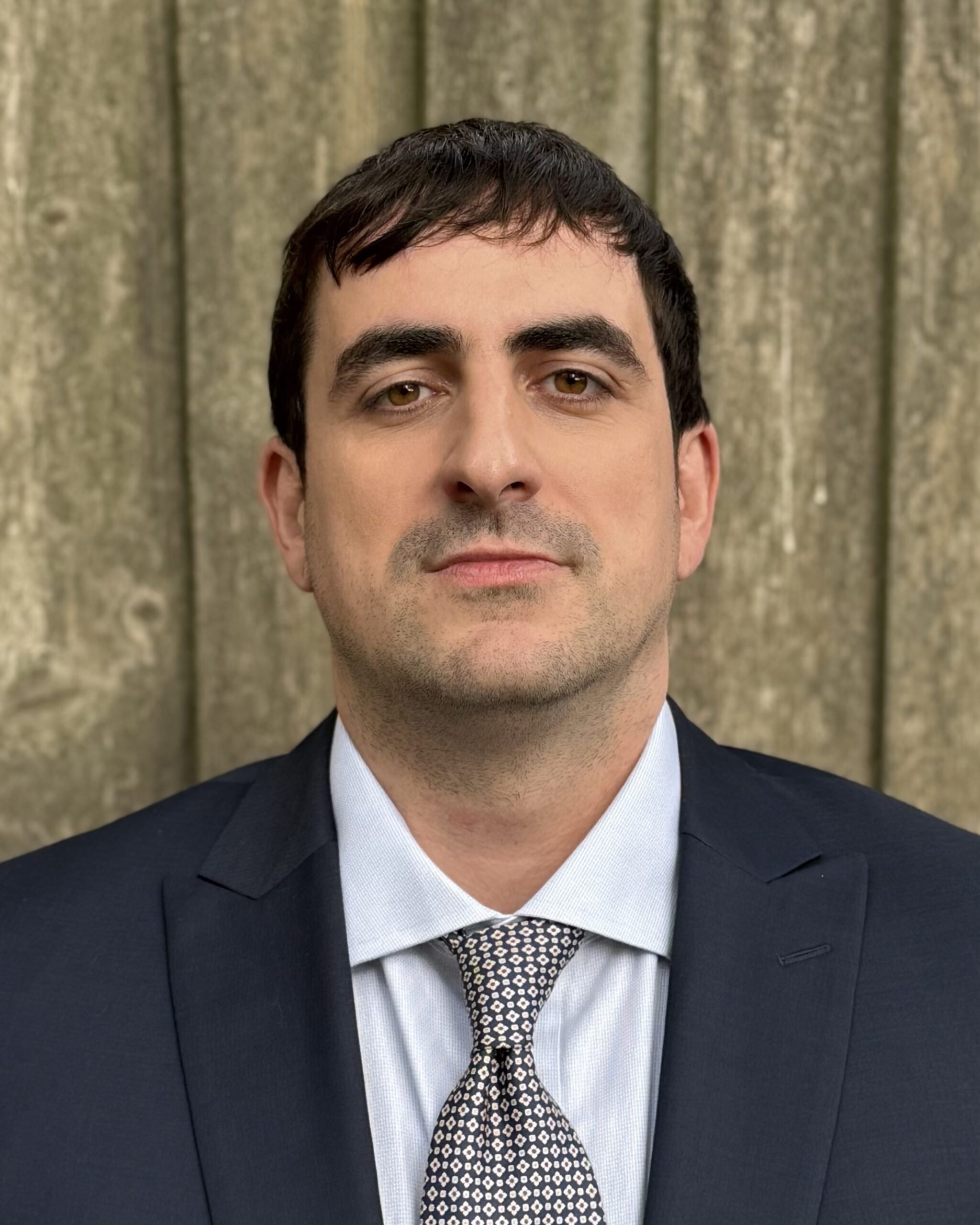
Christopher Gooding is an energy transition analyst at Cornucopia Capital, where he focuses on global decarbonisation strategy, investment opportunities in clean infrastructure, and emerging climate technologies. He has experience in renewable energy compliance, carbon certification, and renewable energy market development across Europe and the Gulf and has contributed analysis on sustainability and energy policy for both public and private sector clients.
Analysis
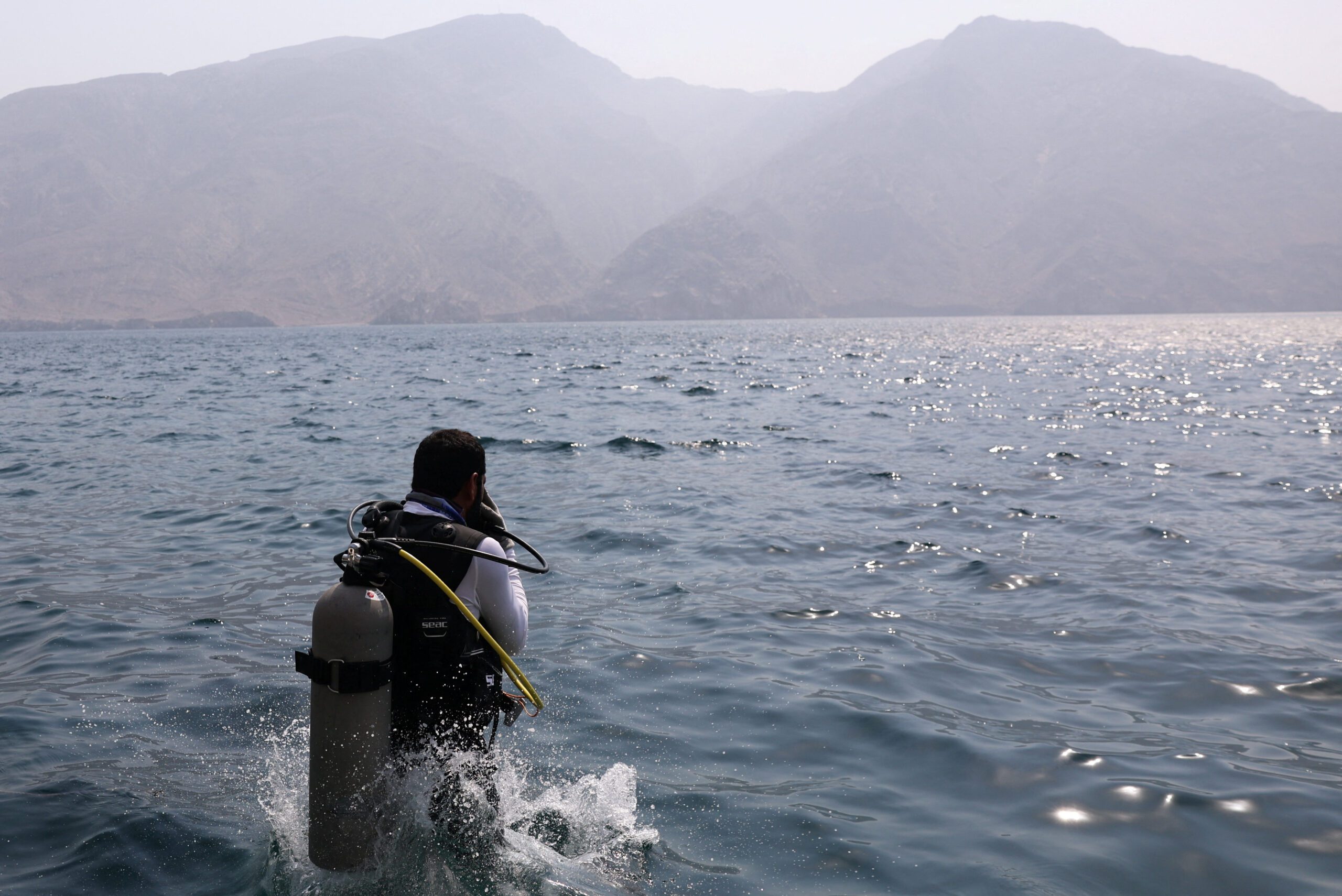
The Iran War and the Gulf’s Clean Energy Ambitions
The conflict has turned renewables into security assets at home, and rendered them far more expensive to build out, while Gulf states send clean energy capital abroad.
Sovereign Wealth in Wartime
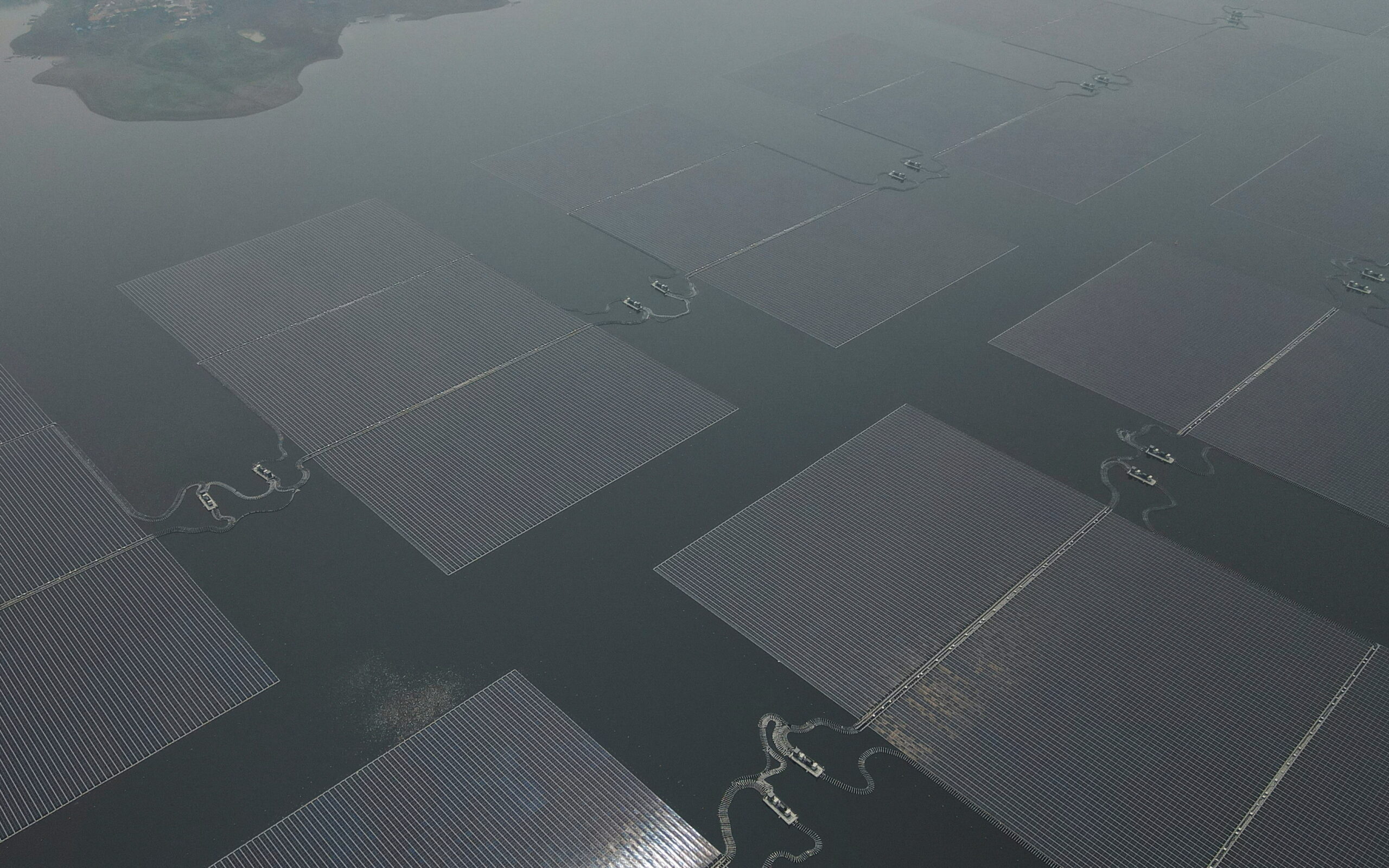
Despite billions of dollars in infrastructure damage and economic loss, Gulf sovereign wealth funds are still investing in clean energy projects as a pathway to resilience.
Can Gulf Green Finance Survive an Oil Price Shock?
The Iran conflict has arrived at the worst possible moment for Gulf sustainable finance, a sector already navigating fiscal strain, a global ESG backlash, and the unresolved tension between hydrocarbon revenue and transition capital.
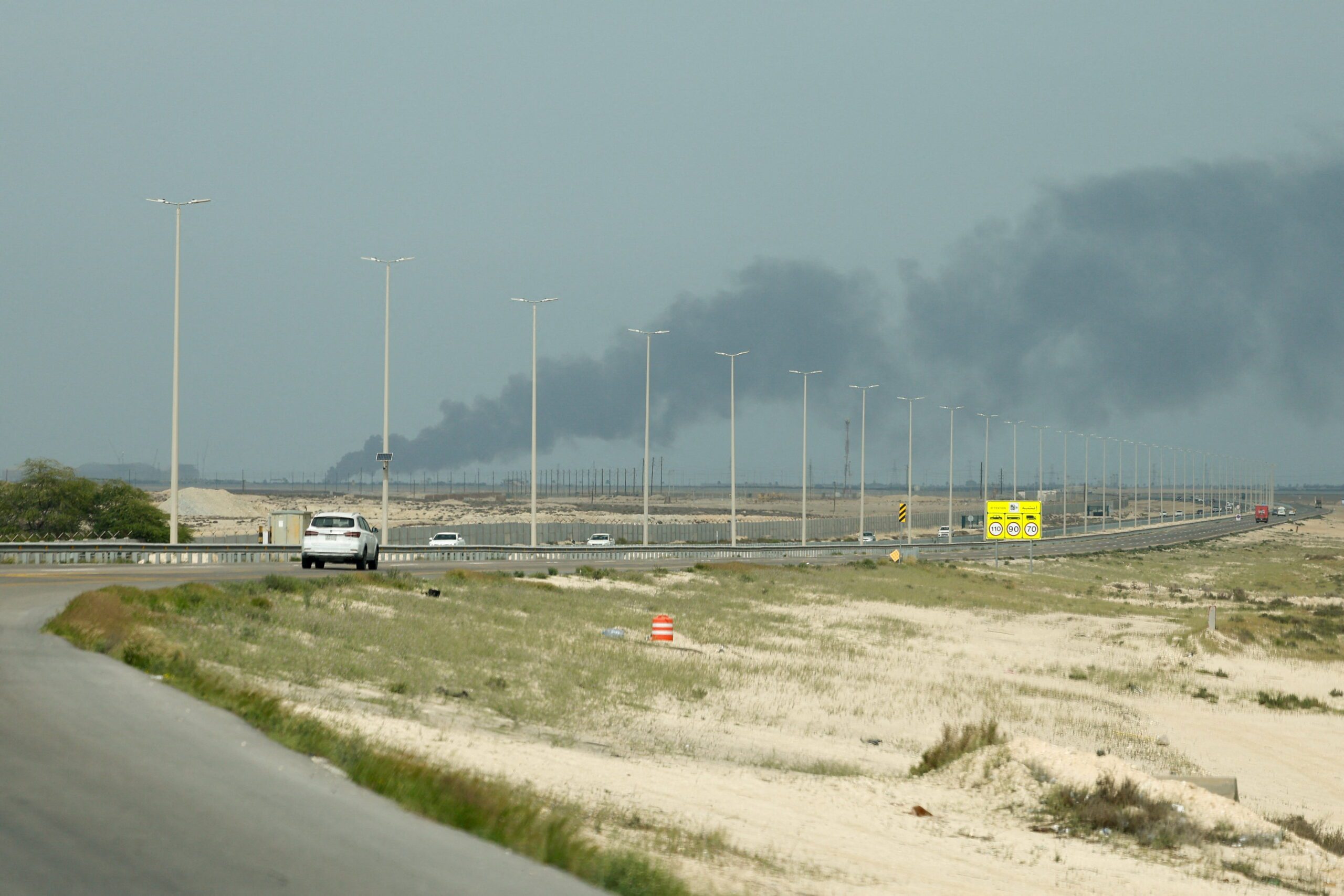
The Gulf’s Green Rush: Financing the Future, or Just Repainting It?
The Gulf is defying global trends and investing in sustainable-labeled projects, and if those labels translate to real guidelines, the region could become a global benchmark for transition finance.
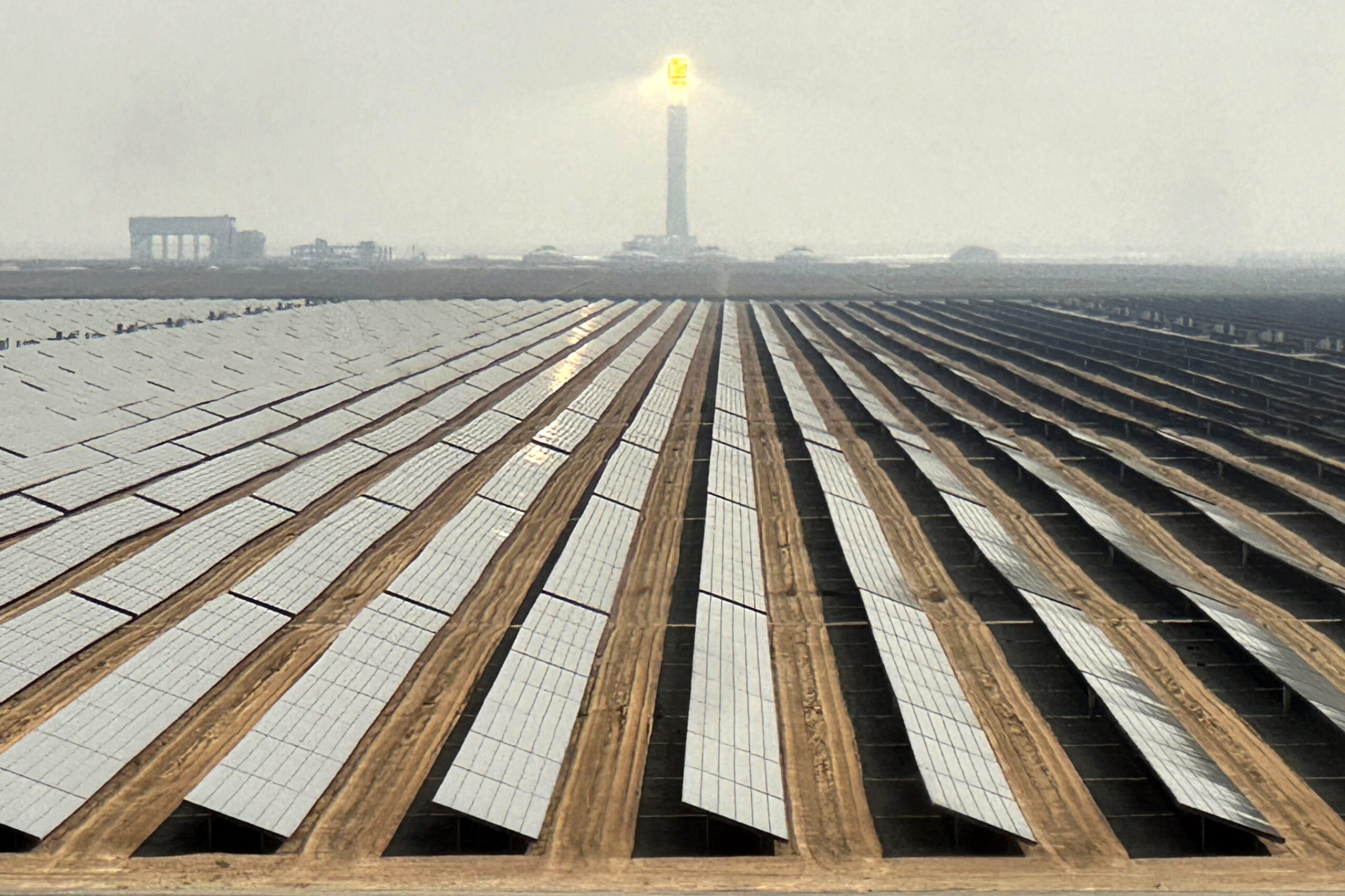
Insuring ESG: Why the Gulf’s Financial Future Depends on Risk Pricing
Gulf insurers can embed environmental resilience, social safeguards, and governance rigor into underwriting to strengthen local markets and align with the expectations of global investors increasingly focused on ESG.
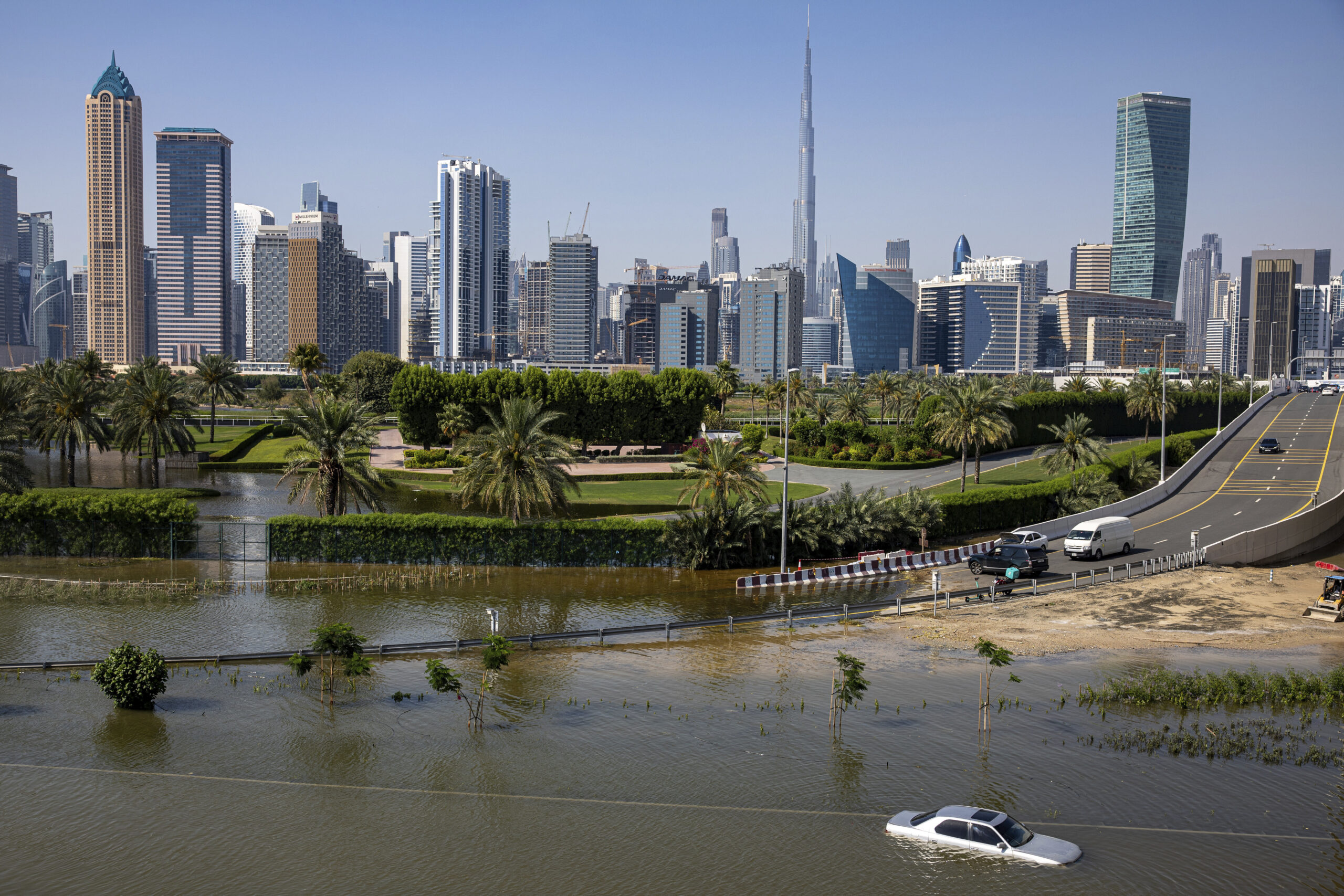
The Gulf’s ESG Rules Are Redefining Risk
The Gulf’s environmental, social, and governance regulation transformation is not only reshaping compliance, it is redefining risk.