Jan 14, 2025
Iran Is Ready for Negotiations, but Is the United States?
The January 14 edition of the Iran Media Review highlights comments made by Iranian leaders regarding willingness to resume negotiations.

In an October 28 interview with the Financial Times, Ali Akbar Velayati, Iran’s longest-serving foreign minister and a senior foreign policy advisor to Supreme Leader Ayatollah Ali Khamenei, declared Iran was “open to co-operation with any western state that seeks genuine interaction with Iran, provided it respects Iran’s sovereignty and treats us as an equal.” He continued, “We are actively redefining a new balance in relations with western, eastern, and developing countries.” Today, Seyed Mehdi Tabatabaei, the public relations director at the Office of the President, in a post on X, formerly known as Twitter, announced that Iranian President Masoud Pezeshkian had given an interview to NBC in which he said Iran is “ready for honorable negotiations, as equals,” with the United States. The question is if the incoming U.S. administration will be willing to accept those terms or will take advantage of Iran’s weak position to pursue other agendas.
- January 14: Seyed Mehdi Tabatabaei, the president’s public relations director, posted on X: “The important message of President Pezeshkian, delivered during a conversation with the famous American host Lester Holt, will be aired by NBC network tomorrow. The Islamic Republic of Iran wants peace and detente in the region and in the world, condemns the war, aggression, and genocide of the Zionist regime, and is ready for honorable negotiations as equals.”
The views represented herein are the author's or speaker's own and do not necessarily reflect the views of AGSI, its staff, or its board of directors.
Related
Iran Media Review
Jan 10, 2025
IRGC Syria Veteran Criticizes Assad and Putin
The January 10 edition of the Iran Media Review explores statements made by an IRGC commander criticizing the Assad regime and Russia’s role in Syria.
Iran Media Review
Jan 7, 2025
30,000 Iranians Connected to the Internet by Starlink
The January 7 edition of the Iran Media Review explores the limitations technological innovation imposes on Iran’s capacity to exert control over the internet.
Jan 10, 2025
IRGC Syria Veteran Criticizes Assad and Putin
The January 10 edition of the Iran Media Review explores statements made by an IRGC commander criticizing the Assad regime and Russia’s role in Syria.
Jan 7, 2025
30,000 Iranians Connected to the Internet by Starlink
The January 7 edition of the Iran Media Review explores the limitations technological innovation imposes on Iran’s capacity to exert control over the internet.
Analysis
The Islamic Republic Returns to Offense
After U.S.-Israeli strikes killed Supreme Leader Ayatollah Ali Khamenei on February 28, Iran’s collective leadership has concluded that the best defense is a good offense.
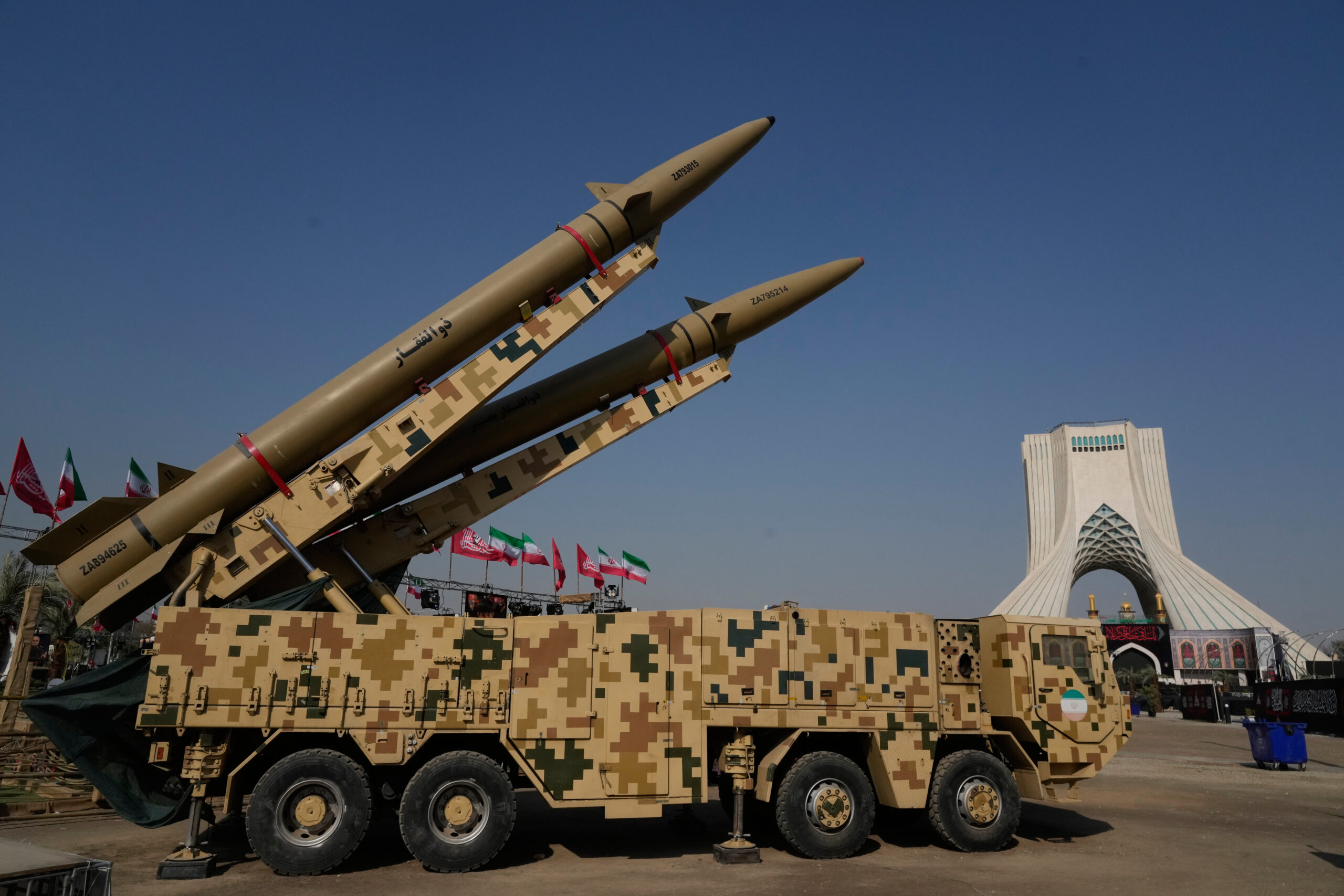
Iran’s Collective Strategic Decision Making
Wartime pressure has temporarily aligned the leadership’s overriding interest in regime survival, even as its members continue to differ over the costs, methods, and ultimate objectives of the war.
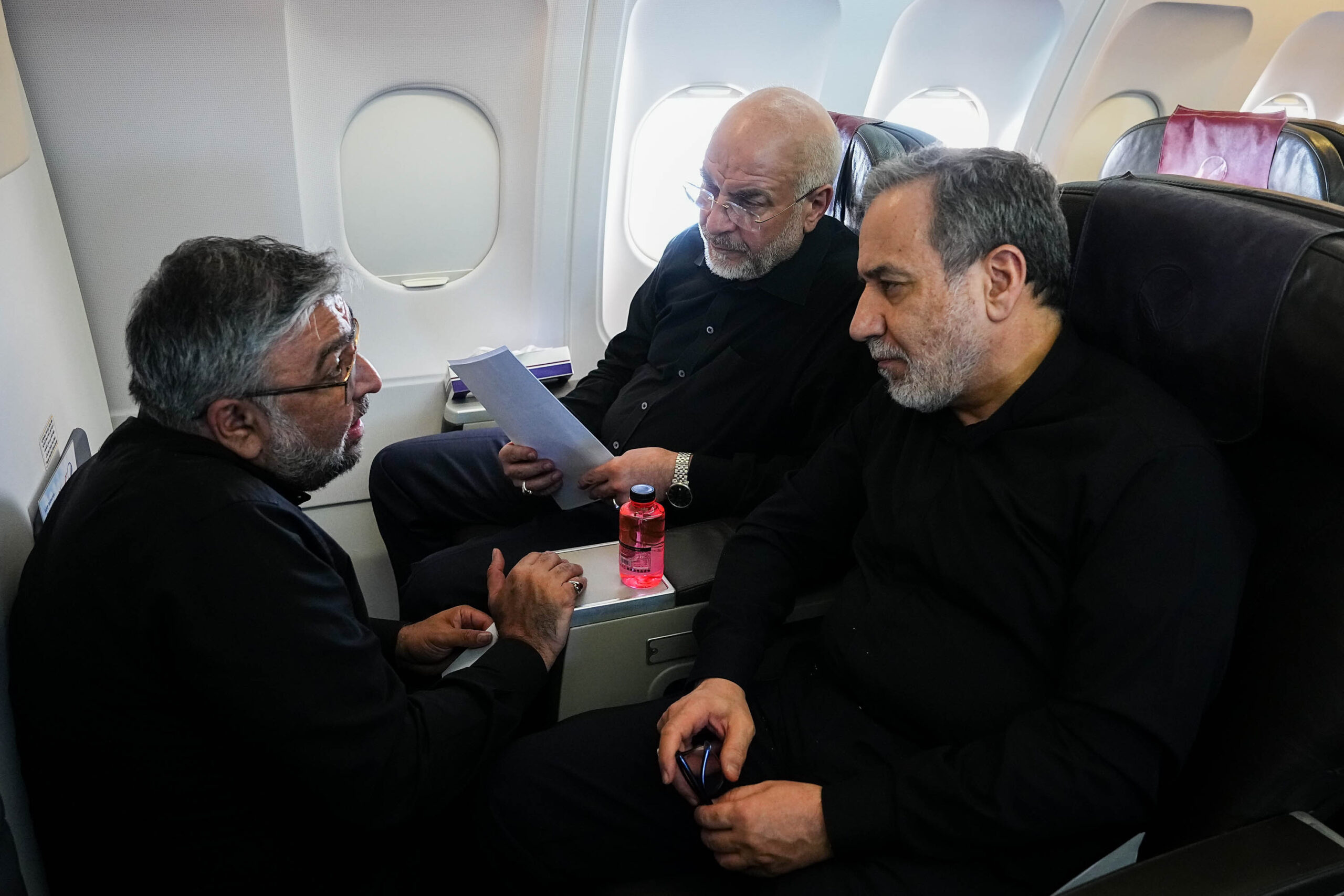
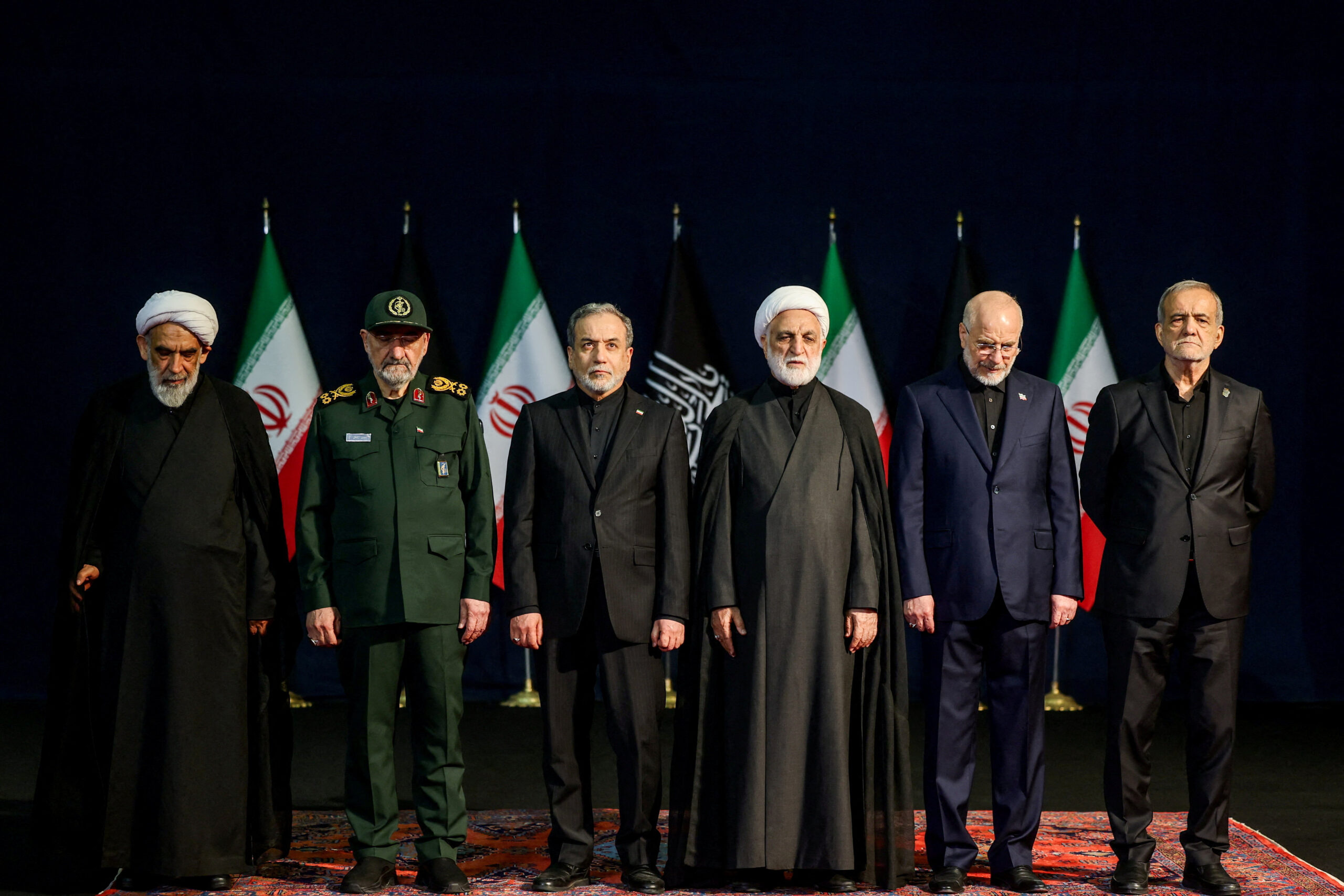
The Islamic Republic’s Collective Leadership
While there is historical precedent for collective leadership in Iran, today’s leadership includes representatives of the IRGC and regular military – a reflection of the IRGC’s expanding role and the necessities of governing under wartime conditions.
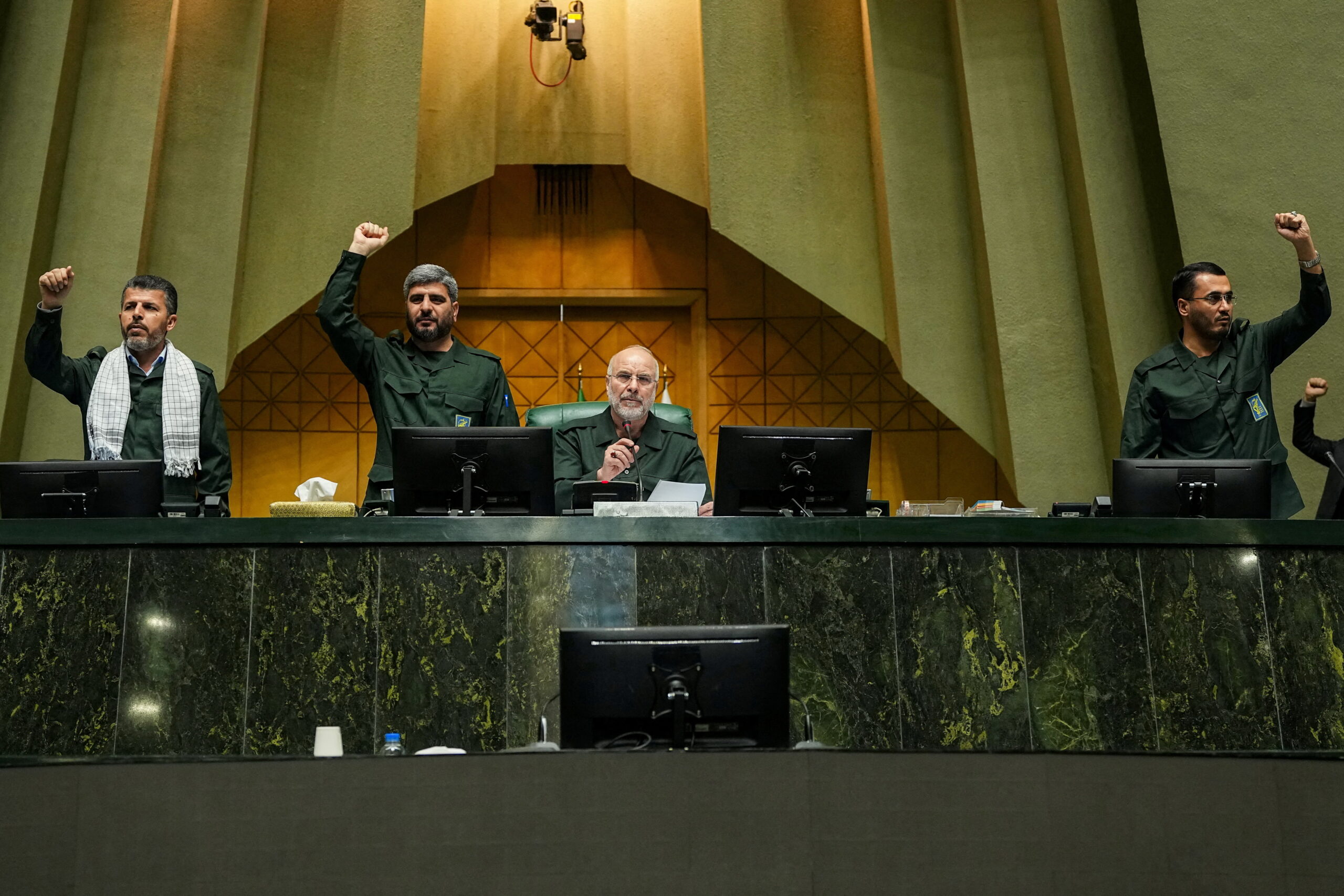
How Did the IRGC Seize Power in Iran?
The IRGC did not seize power in a single stroke. It accumulated it – patiently, methodically – until no counterweight remained.
Events
Book Talk: Iran and the Bomb: The United States, Iran and the Nuclear Question
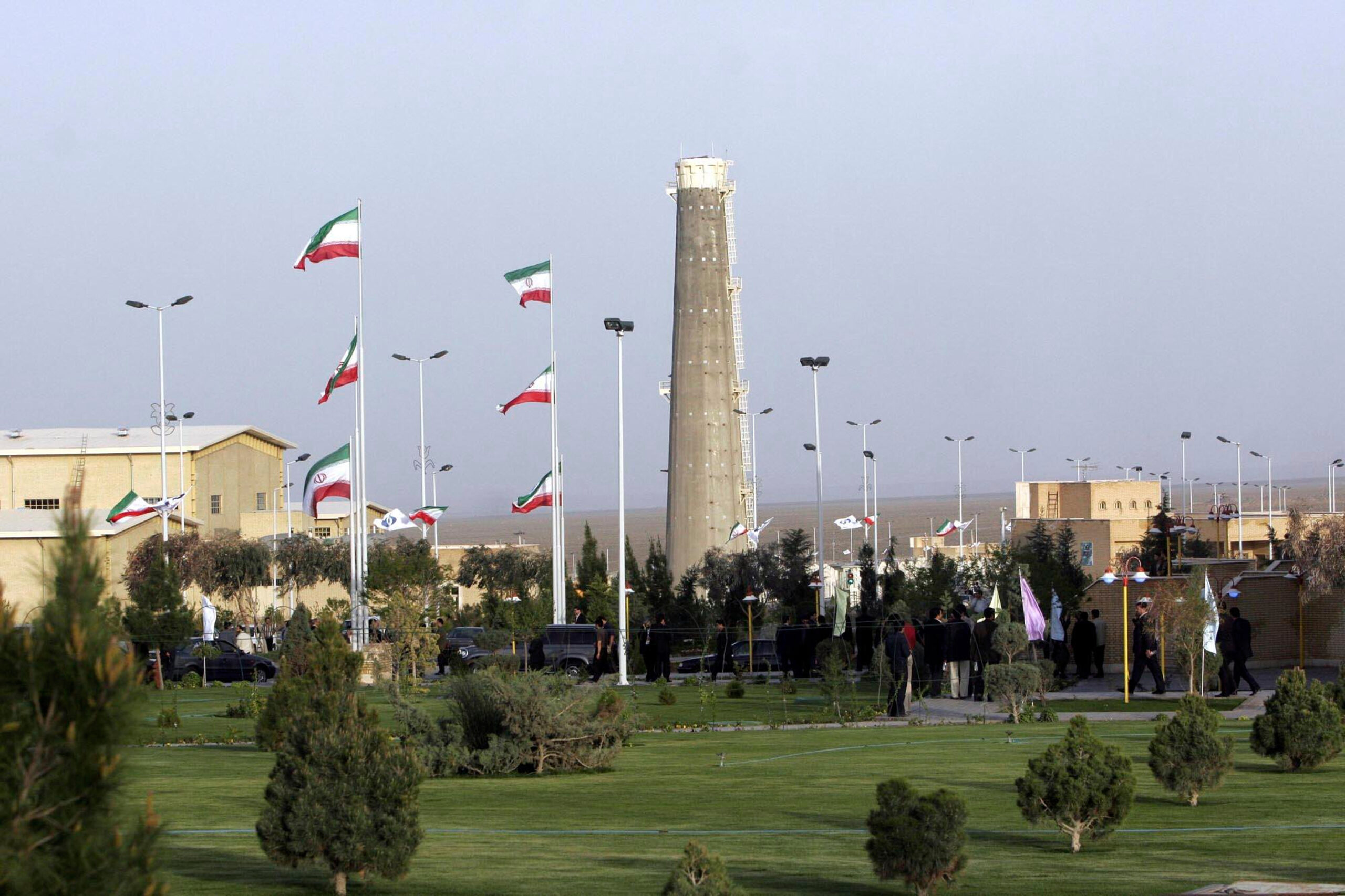
On June 16, AGSI hosted a discussion on the evolution of Iran's nuclear program.
Speakers

Apr 21, 2026
Inside Iran’s Wartime Leadership: Power, Succession, and Regime Stability
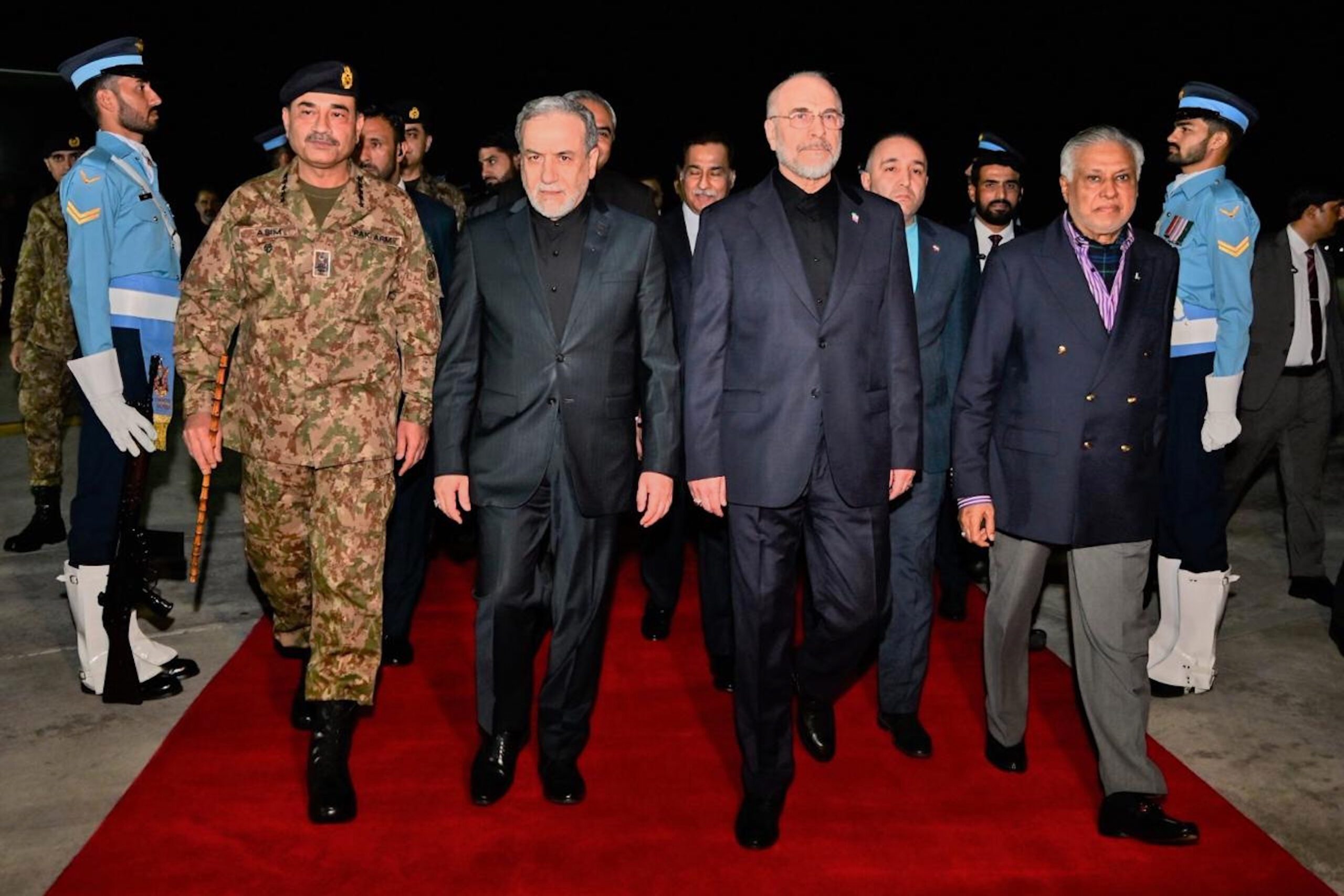
On April 21, AGSI hosted a discussion on the evolution of Iran's leadership during the war.
Speakers

Mar 18, 2026
In Its Conflict With the United States and Israel, Does Escalation Favor Iran?
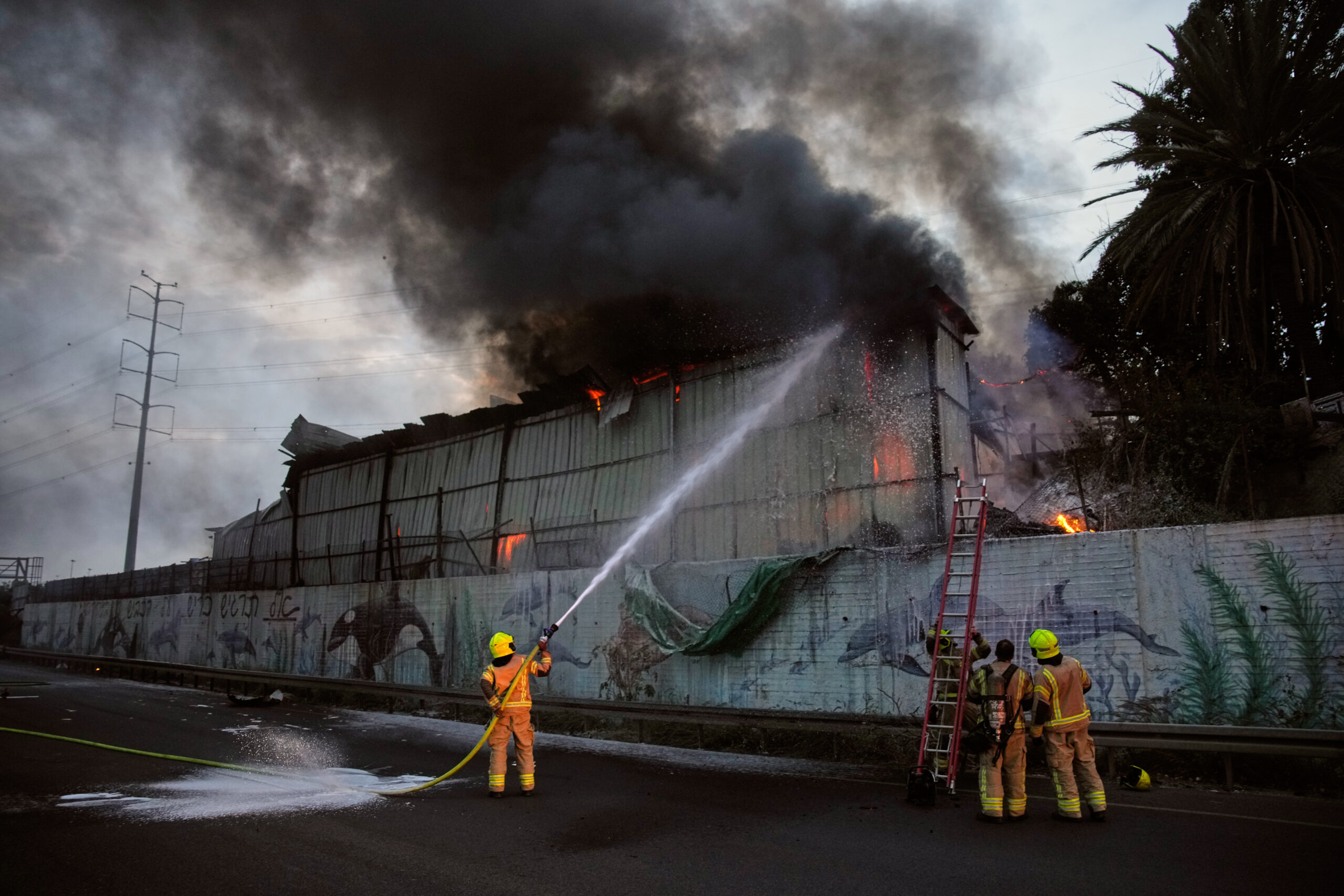
On March 18, AGSI hosted a discussion on the escalation of the Iran war.
Speakers



Mar 2, 2026
After the Shock: Implications of the U.S.–Israeli Strikes and Iran’s Leadership Transition
On March 2, AGSI hosted a discussion on the U.S.-Israeli strikes on Iran.
Speakers