Nov 19, 2024
Iran’s State-Censored Media Reacts to Iravani-Musk Meeting in New York
The November 19 edition of the Iran Media Review analyzes contrasting commentary on a reported meeting between Elon Musk and Iran’s ambassador to the United Nations.
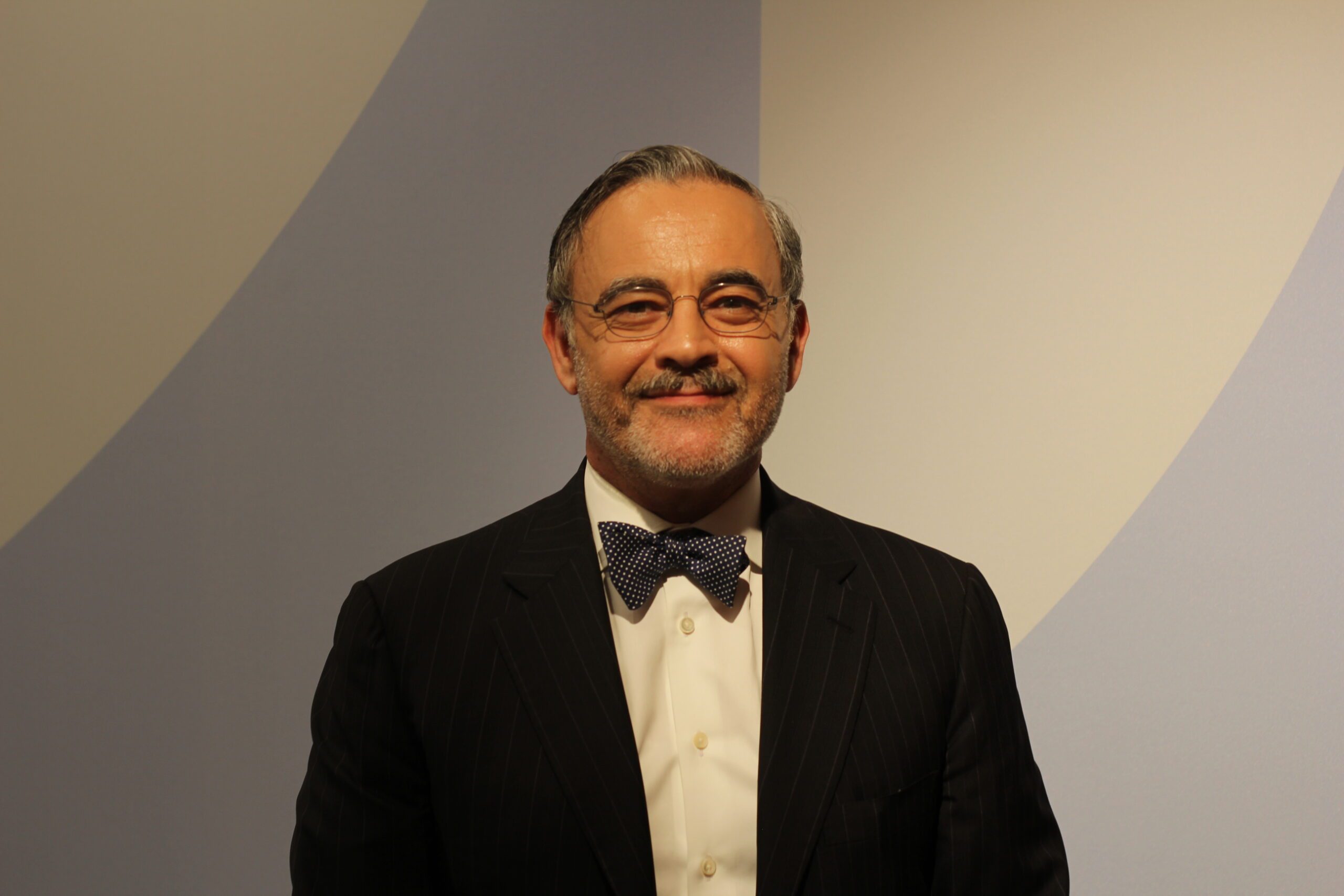
On November 14, Iran’s ambassador to the United Nations, Amir Saeid Iravani, reportedly met Elon Musk, a senior advisor to President-elect Donald J. Trump. An unnamed source cited by The New York Times claimed that during the meeting, Iravani urged Musk to pursue sanctions exemptions from the U.S. Department of the Treasury and consider extending some of his business ventures to Iran. The meeting has predictably caused significant debate in Iran’s state-censored media, where perceptions of Iran’s vulnerability to Israeli military actions have heightened concerns. It is unknown if Musk took the initiative as a private citizen or as a part of the president-elect’s pre-inauguration diplomatic efforts, but Iranian analysts and reformist media outlets perceive the meeting as potentially opening a new chapter in U.S.-Iranian relations. Kayhan newspaper, on the other hand, condemns the meeting. Supreme Leader Ayatollah Ali Khamenei and Islamic Revolutionary Guard Corps mouthpieces, however, remain conspicuously silent on the subject of any new chapter in bilateral relations, but they did express aggressive skepticism about whether the Iranian officials involved in the exploratory meeting with Musk had any mandate for such activity and whether it was possible for any U.S. administration to moderate its hostility to Iran.
- November 15: The Permanent Mission of the Islamic Republic of Iran to the United Nations, as quoted by Mashregh News, a mouthpiece of the IRGC, refrained from commenting on The New York Times report.
- November 15: Tabnak News Agency, which is associated with former IRGC commander Mohsen Rezaei, speculated on the implications of the Musk-Iravani meeting:
- “While the meeting may have been Musk’s personal initiative aimed at easing regional tensions, it likely had President Trump’s tacit approval. This suggests Trump’s mistrust of his own national security team, which he views as products of Washington’s political machinations. However, the ongoing power struggle in Washington cannot be ignored. The Vance/Musk team – if they can indeed be considered a coherent unit – has yet to overshadow Trump’s established national security apparatus. Musk’s outreach to Iran may well serve as a litmus test for similar engagements with Russia or China, ultimately marginalizing Trump’s traditional advisors in key national security decisions.”
- November 15: Reformist outlet Entekhab news featured an interview with Hamid Abou-Talebi, a former advisor to President Hassan Rouhani:
- “While ‘secret diplomacy’ remains the only viable strategy for Iran-U.S. engagement at least until January 2025, the era of covert exchanges has reached its limit. This unsustainable approach fuels disappointment, empowers opponents of rapprochement both domestically and abroad, and emboldens adversaries to disrupt efforts toward normalization.”
- November 15: Former diplomat Kourosh Ahmadi, writing for the technocratic Sazandegi newspaper, highlighted strategic considerations in navigating Trump’s presidency:
- “The presence of hard-line globalists in Trump’s administration should not dominate our strategic thinking. Trump himself will remain the primary decision maker in his Cabinet. Having learned from his previous term, he is likely to prioritize personal loyalty and obedience in selecting key personnel.”
- Ahmadi further underscored the importance of Iran’s deterrence capabilities and the need to account for evolving domestic political and social conditions.
- November 16: Reformist Ham-Mihan columnist Reza Raisi wrote:
- “The fact that the American party proposed to meet … shows that Americans too have understood that continued hostility and increased tensions will not solve problems, and there is a need for a change … Had they wanted to continue the hostile trend of the past … there would have not been any need for such a meeting.”
- November 16: Abd al-Rahman Fath-Allahi, in reformist Shargh Daily, summarized key perspectives on the Iravani-Musk meeting:
- Former parliamentarian Heshmatollah Falahatpisheh: “Trump aims to leverage his electoral mandate to pursue intelligent and robust diplomacy, including resolving Tehran-Washington tensions. Prolonging hostilities will only embolden Netanyahu, Israel, and the Persian Gulf Arab states.”
- Sadeq Maleki, a former diplomat: “Progress hinges on Tehran’s willingness to act decisively. Time is of the essence, as hawks within Trump’s administration could sabotage any potential breakthroughs.”
- Abbas Abdi, a reformist analyst: “The Musk-Iravani meeting could not have occurred without Tehran’s explicit authorization.”
- November 16: Kayhan, a mouthpiece of Khamenei’s, reacting to the Iravani-Musk meeting, featured the front page article: “Naivete or Treason?”
- “The United States owes Iran due to the JCPOA and must pay reparations for breaching the terms of the nuclear agreement. Claimants of reform, on the other hand, and the domestic lackeys of the West within Iran, however, are trying to prepare the ground for negotiations with this terrorist regime.”
- November 16: A Kayhan editorial, written by Managing Editor Hossein Shariatmadari, attacked the meeting:
- “In his wisdom, the late Imam Khomeini designated the United States ‘The Great Satan,’ a term that the Supreme Leader of the Islamic Revolution, Ayatollah Khamenei, upholds as the most accurate characterization of U.S. identity. In their anti-Islamic and anti-Iranian policies, there exists no substantive divergence between the two dominant political parties in the United States, save for one wearing a velvet glove masking its iron fist. Whether under Joe Biden or Donald Trump, the Islamic Republic of Iran faces an adversary resolute in its hostility.
- “This leads to a critical inquiry for our esteemed colleague, Mr. Pezeshkian: Did the Iranian representative to the United Nations engage with Trump’s representative with the informed consent of the honorable president, or was this conducted without presidential knowledge? Should this interaction have transpired with the president’s awareness, how does His Excellency Pezeshkian justify such engagements under conditions so politically precarious? Conversely, if this meeting occurred without the president’s consent, by what mandate did our U.N. representative assume the authority to confer with a figure representing the primary antagonist of Iran and its people?”
- November 16: IRGC mouthpieces Javan newspaper and Tasnim News did not cover the New York meeting. Mashregh News republished Shariatmadari’s editorial, but did not comment on the subject.
- November 17: Javan newspaper published Tasnim’s short interview with Hamid-Reza Asefi, a former Foreign Ministry spokesman, who said:
- “Apart from the first Trump administration, which engaged in harsh measures against Iran, regional and global conditions have changed, and the situation is not as it was four years ago. Iran’s capabilities too have increased, and the Westerners themselves admit that our nuclear and defense capabilities have increased. Now, we must wait and see what Trump wants to do. Does he want to continue as before, or is he really changing his approach?”
- November 17: Kayhan published the editorial: “Trump of 2024 is the Same as Trump of 2016.”
- November 17: In its first reaction to the Iravani-Musk meeting, Mashregh News, emphasized Trump was responsible for the assassination of the IRGC Quds Force chief Major General Qassim Suleimani.
The views represented herein are the author's or speaker's own and do not necessarily reflect the views of AGSI, its staff, or its board of directors.
Related
Iran Media Review
Nov 15, 2024
IRGC Split on How to Deal With Trump
The November 15 edition of the Iran Media Review explores calls among Iranian regime elites for exercising forbearance with the United States and warnings this will be met with aggression.
Iran Media Review
Nov 12, 2024
Iranian Technocrats Suggest It Is “Time to End Hostilities”
The November 12 edition of the Iran Media Review evaluates the position of technocratic elites urging Iran to cease hostilities with the United States as well as the measured response from the IRGC.
Nov 15, 2024
IRGC Split on How to Deal With Trump
The November 15 edition of the Iran Media Review explores calls among Iranian regime elites for exercising forbearance with the United States and warnings this will be met with aggression.
Nov 12, 2024
Iranian Technocrats Suggest It Is “Time to End Hostilities”
The November 12 edition of the Iran Media Review evaluates the position of technocratic elites urging Iran to cease hostilities with the United States as well as the measured response from the IRGC.
Analysis
The Islamic Republic Returns to Offense
After U.S.-Israeli strikes killed Supreme Leader Ayatollah Ali Khamenei on February 28, Iran’s collective leadership has concluded that the best defense is a good offense.
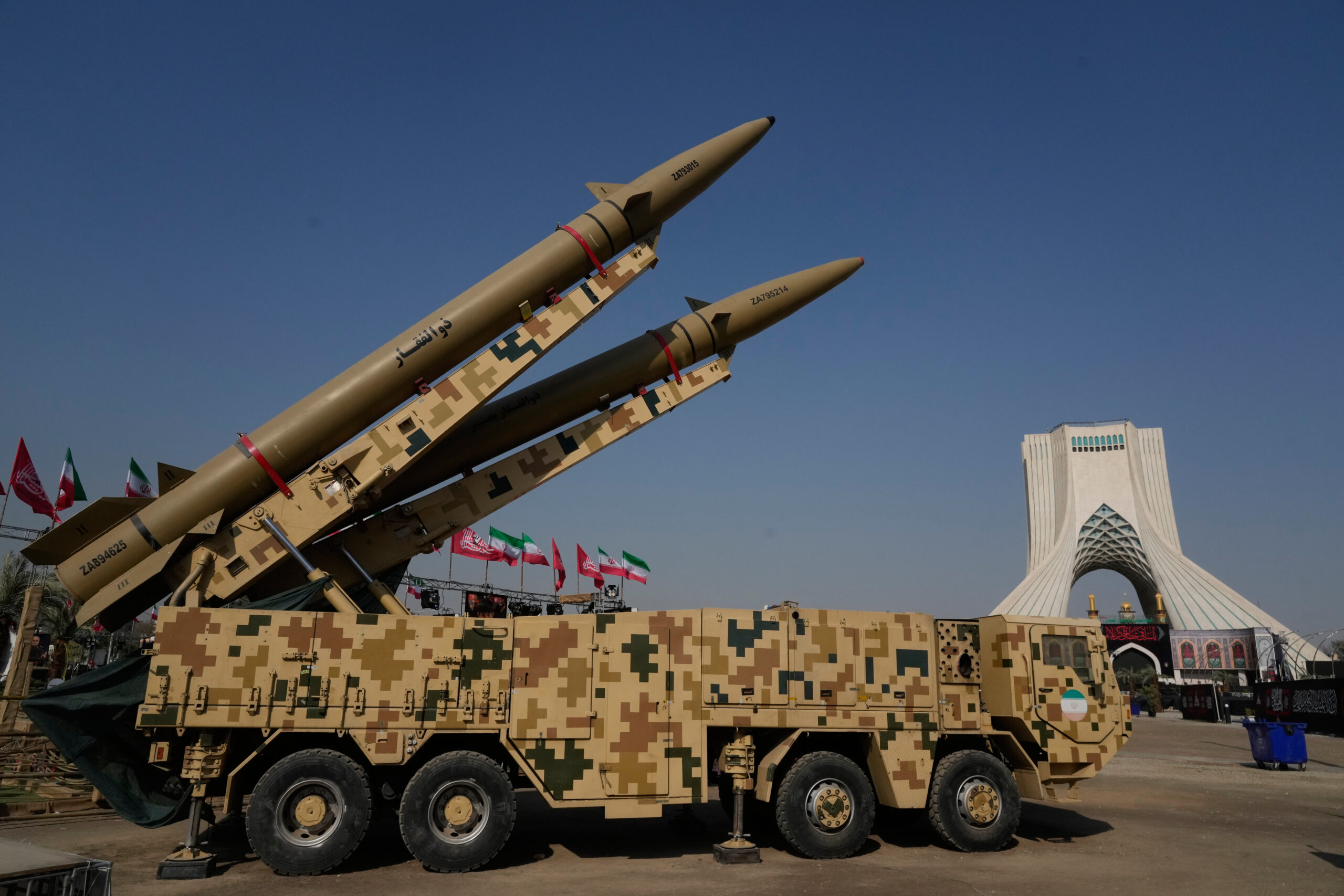
Iran’s Collective Strategic Decision Making
Wartime pressure has temporarily aligned the leadership’s overriding interest in regime survival, even as its members continue to differ over the costs, methods, and ultimate objectives of the war.
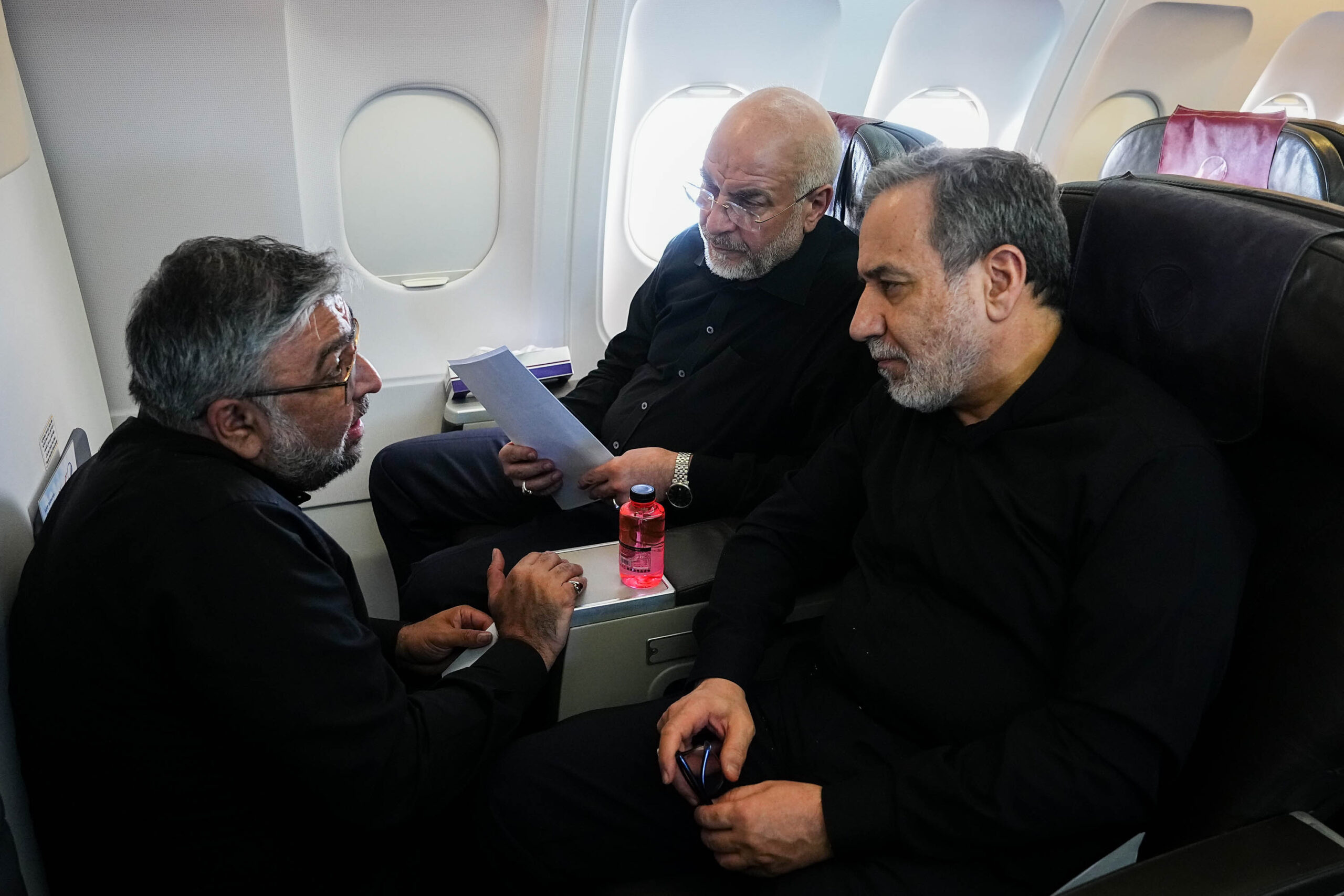
The Islamic Republic’s Collective Leadership
While there is historical precedent for collective leadership in Iran, today’s leadership includes representatives of the IRGC and regular military – a reflection of the IRGC’s expanding role and the necessities of governing under wartime conditions.
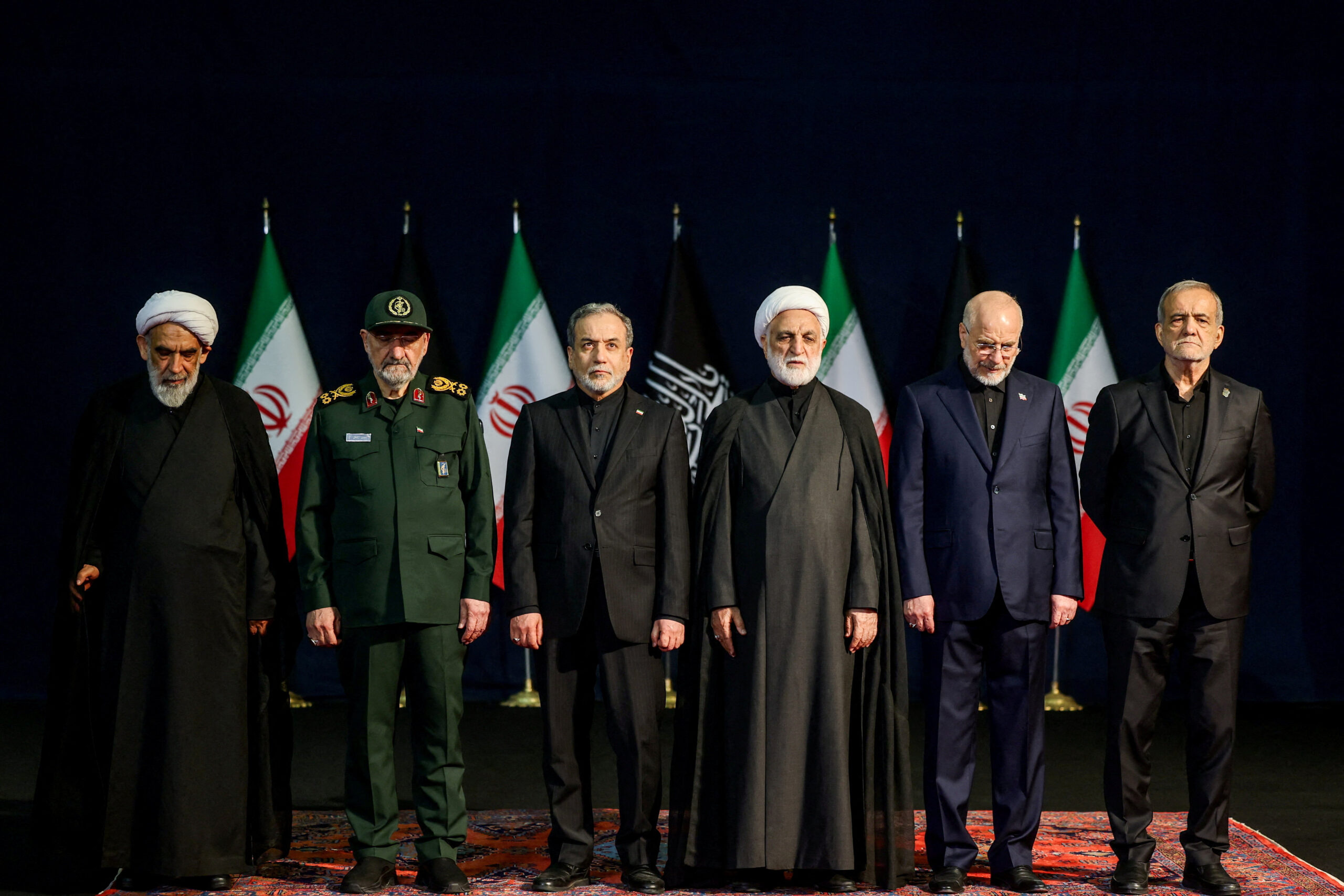
How Did the IRGC Seize Power in Iran?
The IRGC did not seize power in a single stroke. It accumulated it – patiently, methodically – until no counterweight remained.
Events
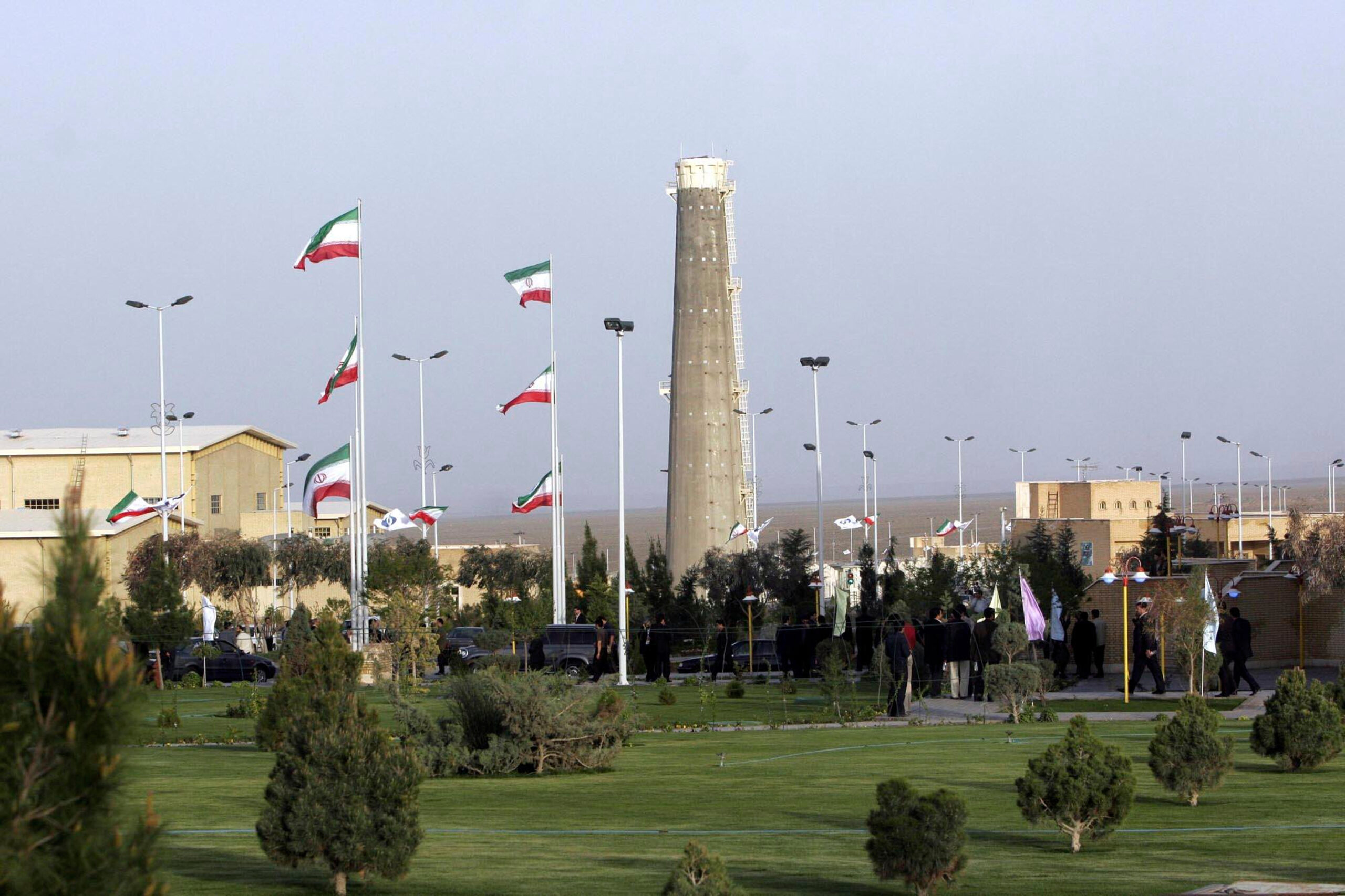
Book Talk: Iran and the Bomb: The United States, Iran and the Nuclear Question
On June 16, AGSI hosted a discussion on the evolution of Iran's nuclear program.
Speakers

Apr 21, 2026
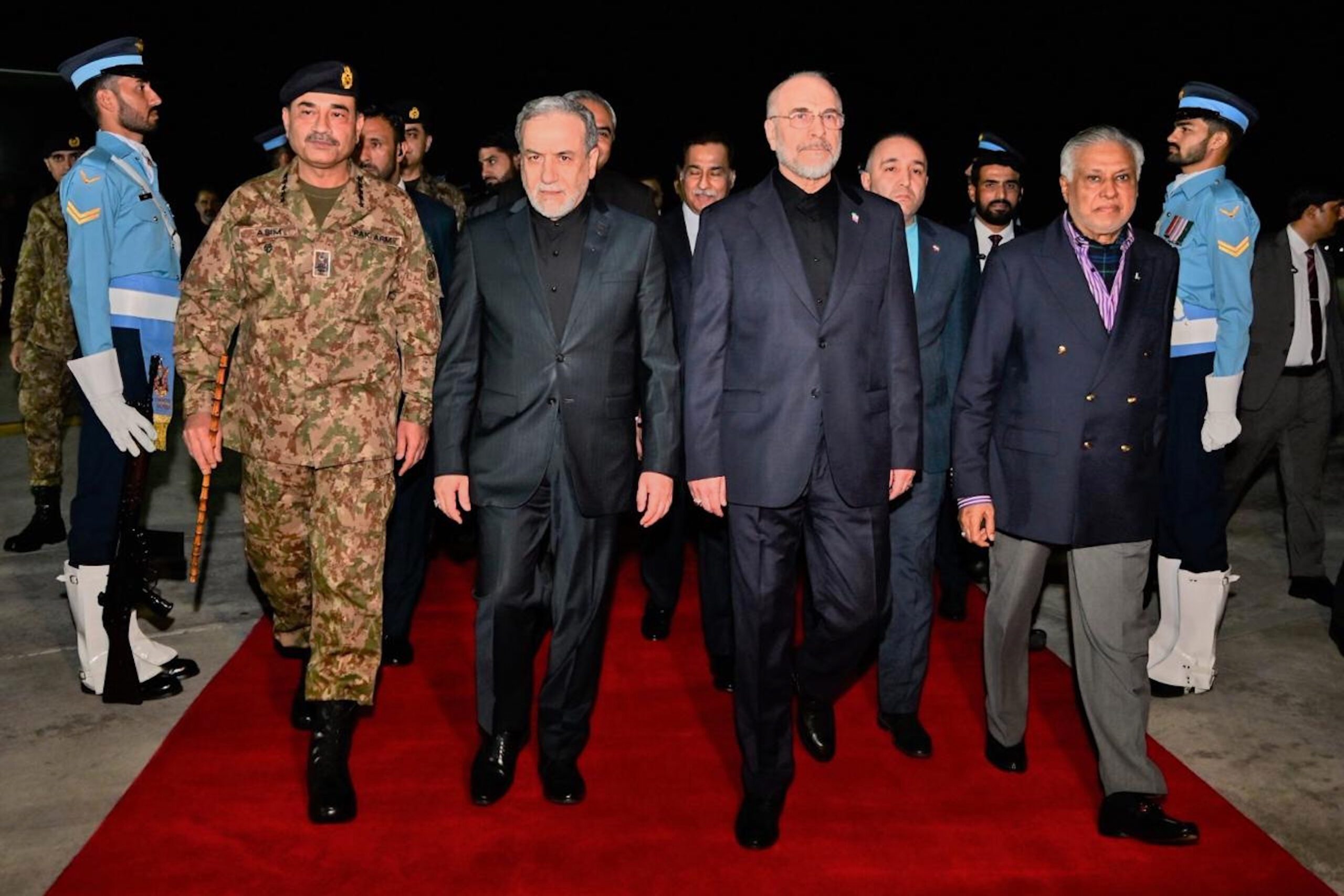
Inside Iran’s Wartime Leadership: Power, Succession, and Regime Stability
On April 21, AGSI hosted a discussion on the evolution of Iran's leadership during the war.
Speakers

Mar 18, 2026
In Its Conflict With the United States and Israel, Does Escalation Favor Iran?
On March 18, AGSI hosted a discussion on the escalation of the Iran war.
Speakers
Mar 2, 2026
After the Shock: Implications of the U.S.–Israeli Strikes and Iran’s Leadership Transition
On March 2, AGSI hosted a discussion on the U.S.-Israeli strikes on Iran.
Speakers